
Wednesday, February 19, 2020
Researchers Identify Pathway for Cell Regulation of Energy Production
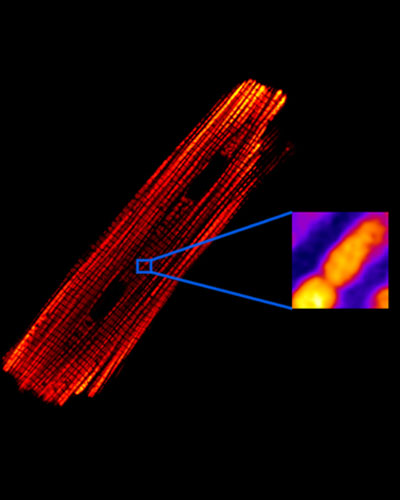
Researchers at the University of Maryland School of Medicine (UMSOM) identified an important regulatory mechanism by which cells control the production of ATP, a universal energy-rich chemical that enables our brains to think, our muscles to contract, and our hearts to beat. In a recent set of findings published in the journal Nature Metabolism, the researchers found that cells have an elegant mechanism for determining when ATP production needs to be ramped up to meet the increased energy demands required by an activity of an organ, a tissue or a cell.
Tuesday, February 18, 2020
IHV Clinician Selected as UMSOM 2020 Fellow of the Academy of Education Excellence
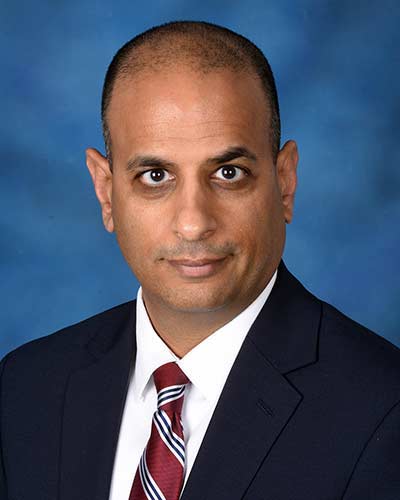
Devang M. Patel, MD, Assistant Professor of Medicine, Institute of Human Virology (IHV) at the University of Maryland School of Medicine (UMSOM), was selected as a UMSOM 2020 Fellow of the Academy of Educational Excellence, established by Carolyn J. Pass, MD ’66 and Richard J. Susel, MD ’66. This honor, which was made possible through the generosity of Dr. Pass and Dr. Susel, is designed to recognize faculty members and other educators who demonstrate excellence in bedside, classroom and/or innovative medical education.
Tuesday, February 18, 2020
Dr. Joseph Martinez Appointed Associate Dean for Medical Education and Student Experience
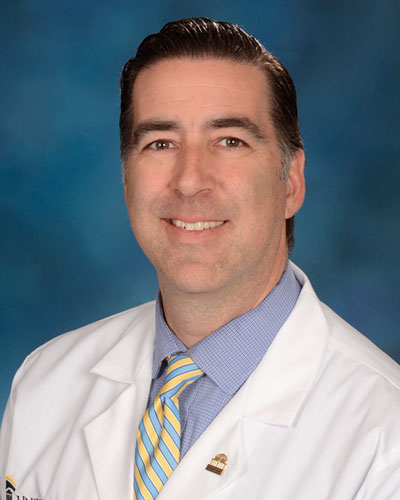
University of Maryland School of Medicine (UMSOM) Vice Dean for Academic Affairs James B. Kaper, PhD, along with Dean E. Albert Reece, MD, PhD, MBA, announced today that Joseph P. Martinez, MD, Associate Professor in the Departments of Emergency Medicine and Internal Medicine, has been appointed Associate Dean for Medical Education and Student Experience. The appointment became effective February 1, 2020.
Monday, February 17, 2020
14th Annual Medical Student Auction Makes Bid to Fight Homelessness
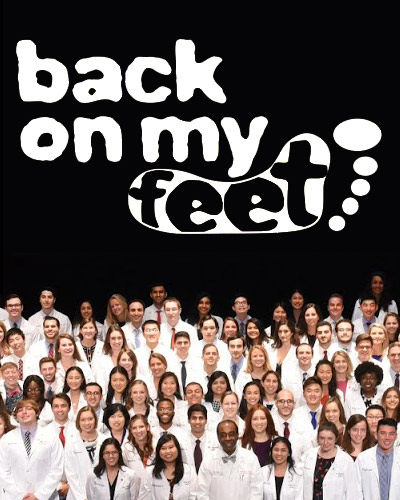
“Our class is very excited about hosting this year’s auction,” says Malina Howard, Class of 2022 MD candidate at the University of Maryland School of Medicine (UMSOM). “It is going to be a big team effort!” Malina is speaking about the preparations for the Annual Second Year Medical Student Auction, which will be held Thursday, February 20, 2020, from 5:30 to 7:30 pm at the Southern Management Corporation (SMC) Campus Center, 621 W. Lombard Street, Baltimore, MD 21201. This event is open to parents, students, faculty, and staff.
Wednesday, February 12, 2020
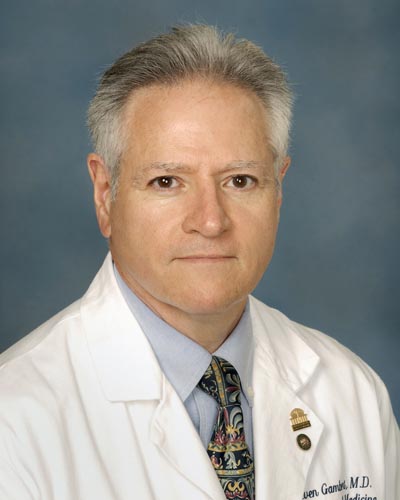
UM School of Medicine Names Dr. Steven R. Gambert First Medical Director for Development
UMSOM Dean E. Albert Reece, MD, PhD, MBA, along with Mary Pooton, Assistant Dean for Development at the University of Maryland School of Medicine (UMSOM), announced today that Steven R. Gambert, MD, AGSF, MACP, UMSOM Professor of Medicine and Division Head for Gerontology and Geriatric Medicine, has been named the school’s first Medical Director of Development.
Tuesday, February 04, 2020
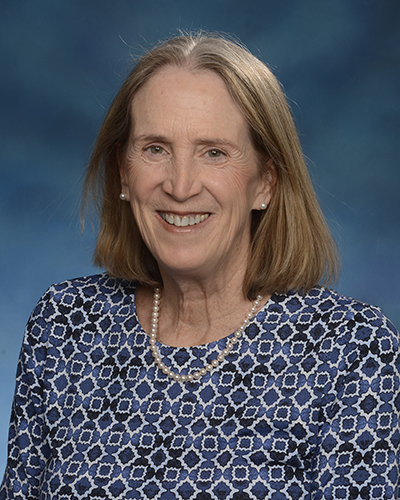
UMSOM Awarded ACCME Re-Accreditation 'With Commendation' for Continuing Medical Education
UMSOM Dean E. Albert Reece, MD, PhD, MBA, along with Nancy Ryan Lowitt, MD, EdM, Associate Dean for Faculty Affairs & Professional Development, announced today that the UMSOM has been awarded “Re-Accreditation with Commendation” for its Continuing Medical Education programs by the Accreditation Council for Continuing Medical Education (ACCME). The re-accreditation, which is for the next six years, is the highest level of achievement recognized by the ACCME.
Thursday, January 30, 2020
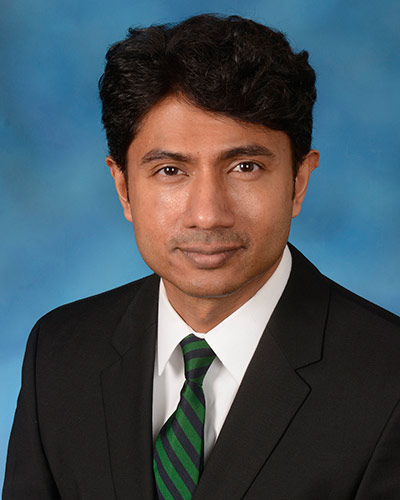
UMSOM Pediatric Infectious Disease Experts Sound Alarm Over Risk of Outbreaks in U.S. Border Detention Centers
Over the past year, at least seven children have died from diseases including influenza while being detained by the U.S. Department of Homeland Security’s Customs and Border Protection (CBP) agency. Infectious disease experts at the University of Maryland School of Medicine (UMSOM) called for protections like influenza vaccinations to prevent serious outbreaks.
Wednesday, January 29, 2020
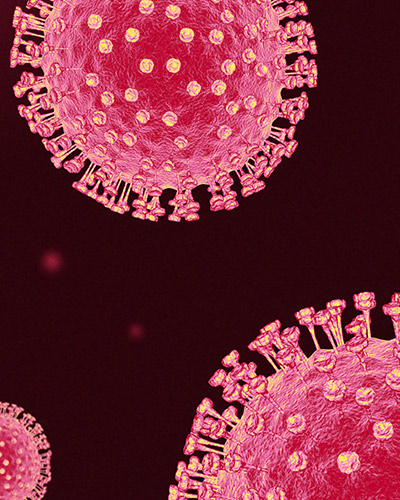
University of Maryland School of Medicine Mobilizes Virus Experts to prepare for Potential Coronavirus Outbreak
As public health officials around the world are monitoring a new coronavirus strain (2019-nCoV) first identified in the Wuhan City, Hubei Province, China, the University of Maryland School of Medicine (UMSOM) is mobilizing its physicians and scientists in the UMSOM’s Center for Vaccine Development and Global Health (CVD), and in its Department of Microbiology & Immunology, to study the virus and test potential vaccines and other therapies. In addition, the UMSOM is collaborating with the University of Maryland Medical Center (UMMC) on rapid response and preparedness planning in the event of a growing outbreak.
Tuesday, January 28, 2020
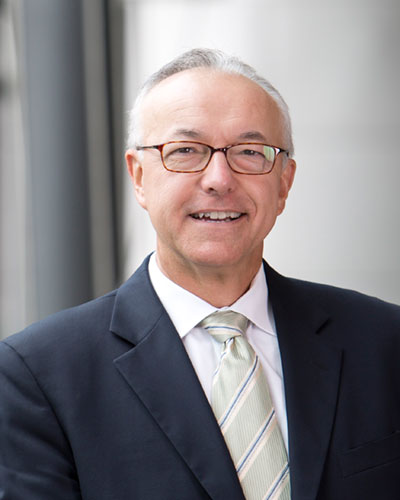
What Does the Future Hold for Gene Editing Technologies?
University of Maryland School of Medicine (UMSOM) will be holding an expert panel today with Harvard Medical School Dean George Daley, MD, PhD, and UMSOM Dean E. Albert Reece, MD, PhD, MBA, to confront the promise and peril of the gene editing technology CRISPR. While the innovative technology holds enormous potential for treating and curing diseases caused by genetic mutations, it is also fraught with controversy as scientists and medical experts debate the full ethical implications of editing the genomes of human embryos to permanently alter the human species.
Monday, January 27, 2020
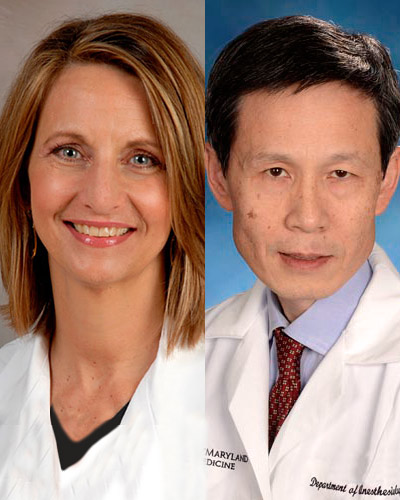
UM School of Medicine's Shock, Trauma and Anesthesiology Research (STAR) Center Announces Leadership Transition
University of Maryland School of Medicine (UMSOM) Dean E. Albert Reece, MD, PhD, MBA, announced today that the UMSOM”s Shock, Trauma and Anesthesiology Research (STAR) Center will begin the next phase of its history with new leadership.