University of Maryland School of Medicine logo
Emergency Medicine
All Departments
UMSOM Assistant

UMEM Educational Pearls

  • Home
  • Departments
  • Emergency Medicine
  • CME
  • UMEM Educational Pearls
  • CME
  • Courses and Conferences
  • Free Open Access Medical Education
  • UMEM Educational Pearls
Previous  |  1 |  ... |  3 |  4 |  5 |  6 |  7 |  8 |  9 |  10 |  11 |  12 |  13 |  ... |  239 |  Next

Title: Adverse effects of pediatric intubation.

Category: Pediatrics

Keywords: Complications, intubation, pediatric (PubMed Search)

Posted: 3/20/2026 by Jenny Guyther, MD (Updated: 3/20/2026)

This was review of 24 studies across 21 years that aimed to look at the complications associated with pediatric intubation in the hospital.  The article also includes a list of all the articles with brief conclusions from each study for those interested. 

Among a combined 7135 patients, there was an 84.7% overall success rate with a 30.1% rate of complication.  There was a 69.8% first pass success rate.  Desaturations < 90% was the most common complication followed by mainstem intubation.  Studies also noted cardiac arrhythmia (55/3858 patients), hypotension (121/4536 patients) and cardiac arrest in 105/4836 patients).  Other adverse events included esophageal intubation, surgical airway management and airway trauma.

Indications for intubation from most to least common are: neurologic, respiratory, trauma, cardiac arrest, sepsis, shock, cardiac failure and intoxication.

Show References

Alsabri M, Kamal I, Al-Tawil M, Bahbah EI, Elshanbary AA, Zaazouee MS, Zamarud A, Binsaeedu AS, Shahbaz MU, Chhetri J. Adverse events in pediatric orotracheal intubation in the pediatric emergency department: systematic review and meta-analysis. Pediatr Res. 2025 Jun 20. doi: 10.1038/s41390-025-04142-6. Epub ahead of print. PMID: 40542093.


Title: IV vs IO epinephrine in pediatric OOHCA – is there a winner?

Category: EMS

Keywords: IV, IO, epi, arrest, delivery (PubMed Search)

Posted: 3/18/2026 by Jenny Guyther, MD (Updated: 9/17/2026)

The debate of the best way to administer epinephrine in cardiac arrest continues.  Pediatric arrests are different from adults in many ways, but some differences in arrest include 1) data supporting improved survival with early epinephrine administration and 2) less IVs are placed in children overall compared to adults making IO placement possibly quicker.

In this study, 739 patients were included with a median age of 1 year.  The IO was used in 72% of patients and an IV was used in 27.6% of patients.  There was no difference between survival to hospital discharge or prehospital ROSC between the two groups.

Show References

Okubo M, Komukai S, Izawa J, Chung S, Dezfulian C, Guyette FX, Lupton JR, Martin-Gill C, Owusu-Ansah S, Ramgopal S, Callaway CW. Intraosseous vs Intravenous Access for Epinephrine in Pediatric Out-of-Hospital Cardiac Arrest. JAMA Netw Open. 2025 Jun 2;8(6):e2517291. doi: 10.1001/jamanetworkopen.2025.17291. PMID: 40560587; PMCID: PMC12199053.


Title: Esmolol or Landiolol for mortality of patients with sepsis.

Category: Critical Care

Keywords: landiolol, esmolol, mortality, sepsis, tachycardia (PubMed Search)

Posted: 3/17/2026 by Quincy Tran, MD, PhD (Updated: 9/17/2026)

Beta-blocker is used for tachycardia among patients with sepsis. Landiolol, a new beta-blocker with highly selective B1-agonist (ratio of B1:B2 250:1) has recently been approved for use. In a network meta-analysis comparing landiolol with esmolol (B1:B2 ratio 30:1), landiolol was associated with increased 28-day mortality (relative risk [RR], 1.57; 95% CI, 1.08–2.30). This result carried low certainty as there were not as many studies using landiolol and there was no direct comparison between landiolol versus esmolol.

Similarly, landiolol  was associated with higher norepinephrine requirements (mean difference [MD], 0.17 ?g/kg/min; 95% CI, 0.02–0.32). Again, there was no direct head-to-head comparison between landiolol versus esmolol.

Show References

Tang Z, Sun Q, Xu J, Yang Y, Peng F. Comparison of Esmolol Versus Landiolol on Mortality in Adult Patients With Sepsis: A Systematic Review and Network Meta-Analysis. Crit Care Med. 2026 Feb 1;54(2):324-334. doi: 10.1097/CCM.0000000000006966. Epub 2025 Nov 25. PMID: 41363997; PMCID: PMC12955956.


Title: Undertriage in older trauma patients-the NZ experience

Category: Trauma

Keywords: Trauma, geriatric, undertriage (PubMed Search)

Posted: 3/15/2026 by Robert Flint, MD (Updated: 9/17/2026)

Another study, this one from New Zealand, showing older trauma patients with similar injury severity score had less trauma team activations and higher mortality.

Show References

M.Nonis, A.McCombie, C.Wakeman, J.Geddes, and L. R.Joyce, “The Effect of Increasing Age on Outcomes in Major Trauma: A Retrospective Cohort Study,” Emergency Medicine Australasia38, no. 1 (2026): e70226, https://doi.org/10.1111/1742-6723.70226.


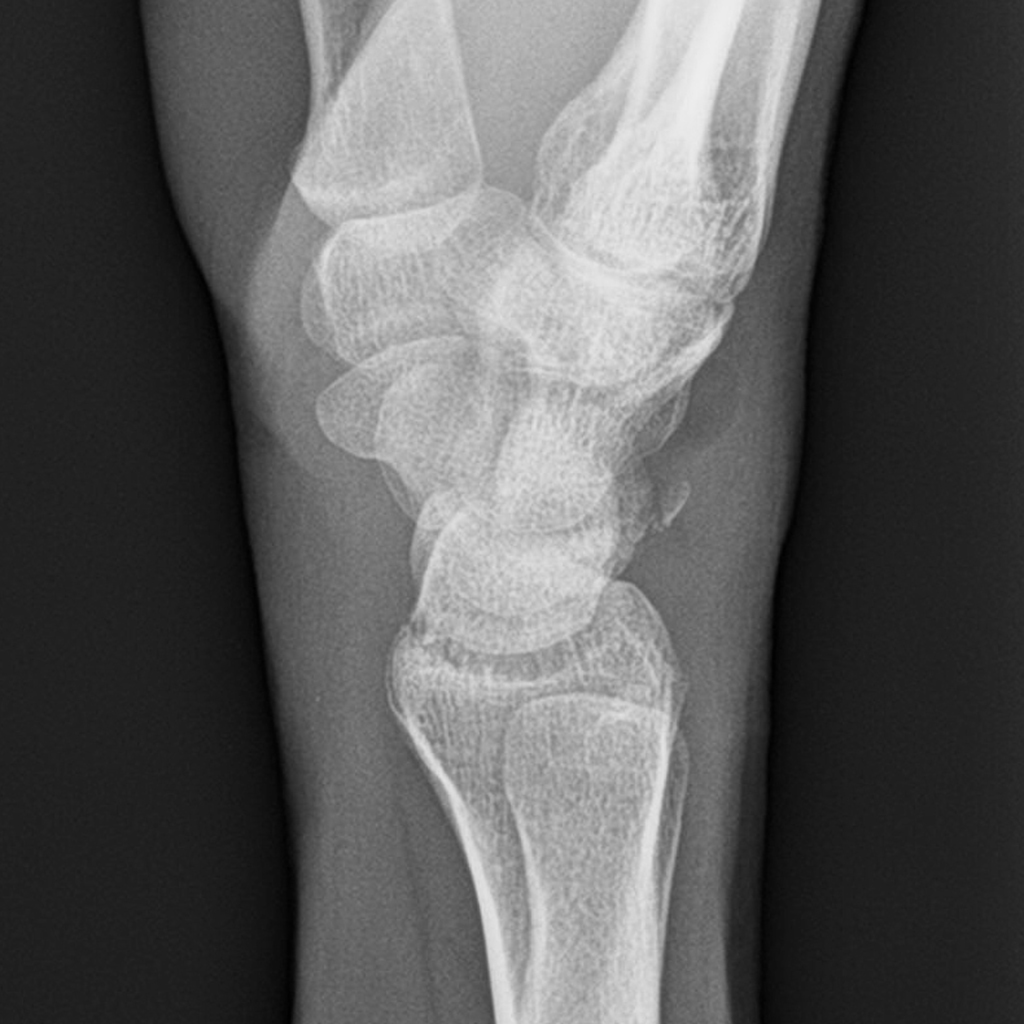
Title: FOOSH with ulnar sided pain

Category: Orthopedics

Posted: 3/14/2026 by Brian Corwell, MD

Question

https://upload.orthobullets.com/topic/322147/images/dorsal_cortical_lateral_pooping_duck..jpg

Show Answer

Triquetrum fracture

The commonly missed ulnar wrist injury

2nd most common carpal bone fracture (15-18 % of all fractures)

Tender just distal to the ulna

X-ray findings are subtle and frequently missed

              In one series, only 20% were visualized on plain film!

When seen, most often on the lateral view

              Seen as a chip fracture of unclear donor site

Also, one of my favorite named radiologic findings!

https://pbs.twimg.com/media/FskPCbnWYBEk8H2.jpg

Nonsurgical management is indicated for most triquetral fractures.

Volar splint and follow up with hand surgery.


Title: Cord Clamping and Milking: What Should We be Doing in the ED?

Category: Pediatrics

Keywords: pediatrics, neonate, cord clamping, cord milking, preterm neonates (PubMed Search)

Posted: 3/13/2026 by Kat Stephanos, MD

BOTTOM LINE: You are probably doing fine in your ED already, just delay cord clamping 60 seconds when possible.

The latest guidelines for neonatal resuscitation recommend a 60 second delay minimum in clamping the cord for neonates of all gestational ages who are stable. 
In those OVER 28 weeks for whom clamping cannot be delayed (due to maternal or neonatal factors), cord milking can be performed. 
DO NOT milk the cord in neonates under 28 weeks as this can increase the risk of intraventricular hemorrhage. 

Cord milking is performed by gently massaging the cord blood starting about 20cm away from the infant and moving toward the infant's body 3-4 times before clamping. This essentially allows for a transfusion before clamping occurs, increasing LV preload and allowing for improved oxygenation. 

Fortunately, in most EDs, the time to obtain the equipment for cord clamping likely takes more than 1 minute, so chances are in your practice you don't have to worry too much about this. But if you happen to have everything prepared, wait 60 seconds before clamping.

Show References

Lee HC, Strand ML, Finan E, Illuzzi J, Kamath-Rayne BD, Kapadia V, Mahgoub M, Niermeyer S, Schexnayder SM, Schmölzer GM, Weglarz J, Williams AL, Weiner GM, Wyckoff M, Yamada NK, Szyld E. Part 5: Neonatal Resuscitation: 2025 American Heart Association and American Academy of Pediatrics Guidelines for Cardiopulmonary Resuscitation and Emergency Cardiovascular Care. Pediatrics. 2026 Jan 1;157(1):e2025074352. doi: 10.1542/peds.2025-074352. PMID: 41122855.


Title: Heparin is out, LMWH is first-line for acute PE

Category: Pharmacology & Therapeutics

Keywords: Pulmonary embolism, heparin, low-molecular-weight heparin, LMWH (PubMed Search)

Posted: 3/12/2026 by Ashley Martinelli (Updated: 9/17/2026)

The 2026 Acute Pulmonary Embolism Guidelines were recently released. They recommend low-molecular-weight heparin (LMWH) over heparin for hospitalized patients with acute PE who require initial parenteral therapy unless they are in Category E2 Acute PE Cardiopulmonary Failure (level 1B-R).

Top benefits include:

  • Reduce recurrent VTE
  • Reduce bleeding
  • More predictable response

Show References

2026 AHA/ACC/ACCP/ACEP/CHEST/SCAI/SHM/SIR/SVM/SVN Guideline for the Evaluation and Management of Acute Pulmonary Embolism in Adults: A Report of the American College of Cardiology/American Heart Association Joint Committee on Clinical Practice Guidelines | Circulation


Title: Antibiotics in Cirrhosis and UGIB

Category: Gastrointestional

Keywords: upper GI bleeding, antibiotics (PubMed Search)

Posted: 3/11/2026 by Neeraja Murali, DO, MPH

JAMA Internal Medicine recently published a systematic review and Bayesian meta-analysis looking at the utility of prophylactic antibiotics in cirrhotics with acute upper GI bleeding

TLDR: shorter durations of antibiotics (including no antibiotics!) had a 97.3% probability of noninferiority for all-cause mortality

Show Additional Information

This meta-analysis and systematic review explored the practice of giving prophylactic antibiotics to patients with cirrhosis and upper GI bleeding, which is strongly recommended in the current guidelines.

14 RCTs were included in the analysis, with 1322 patients. Authors compared 1) any prophylaxis vs none; and 2) 5-7 duration vs 2-3 duration of third generation cephalosporins. 

-Shorter durations (including 0 days) had a 97.3% probability of noninferiority for all-cause mortality (RD 0.9%, 95%CrI -2.6 to 4.9). -

Secondary outcomes:

-Shorter durations had a 73.8% probability (RD 2.9%, 95%CrI -4.2 to 10) of noninferiority for early rebleeding (with substantial heterogenetity and low certainty of evidence)

-Shorter durations (especially 0 days) were associated with more study-defined infections (RD 15.2%, 95%CrI 5.0 to 25.9), probability not given.

Conclusions: 

The authors argue that existing evidency does not support a mortality benefit from 5-7 days of antibiotic prophylaxis, and they further point out that the current guidelines are not based on high-quality evidence. They suggest that shorter or no prophylaxis may be reasonable, but admit that high-quality, large, double-blinded RCTs could help support this conclusion. 

Fun Fact:

Annals also did a systematic review snapshot of this article: Arbab Z, Long B, Gottlieb M. Do Prophylactic Antibiotics Improve Outcomes in Patients With Cirrhosis and Upper Gastrointestinal Bleeding?. Ann Emerg Med. Published online December 9, 2025. doi:10.1016/j.annemergmed.2025.10.019

Show References

Prosty C, Noutsios D, Dubé LR, et al. Prophylactic Antibiotics for Upper Gastrointestinal Bleeding in Patients With Cirrhosis: A Systematic Review and Bayesian Meta-Analysis. JAMA Intern Med. 2025;185(10):1194-1203. doi:10.1001/jamainternmed.2025.3832

Arbab Z, Long B, Gottlieb M. Do Prophylactic Antibiotics Improve Outcomes in Patients With Cirrhosis and Upper Gastrointestinal Bleeding?. Ann Emerg Med. Published online December 9, 2025. doi:10.1016/j.annemergmed.2025.10.019


Title: Measuring PPH Blood Loss

Category: Obstetrics & Gynecology

Posted: 3/9/2026 by Jennifer Wang, MD (Updated: 3/9/2026)

Bottom Line: We are terrible at estimating how much blood people are losing just by looking at it. Use calibrated drapes (drapes with markings that tell you how much blood is being lost), or just a large bag and then weigh it afterwards (1g ~ 1ml of blood loss).

Show Additional Information

In 2025, Yunas et. al did a systematic review to look at how we evaluate blood loss in the postpartum period, defining postpartum hemorrhage (PPH) as >500ml and severe postpartum hemorrhage as >1000ml. 

What they found was that visual estimation or relying on the provider's eyes was only 50% sensitive in identifying PPH and only 10% sensitive in identifying severe PPH, which means that we miss up to 90% of severe PPH when we just look at the blood.

Well, what do we do about that?

Per FIGO recommendations and the Yunas et. al study, gravimetric methods (or measuring everything that was soaked in blood and subtracting out the dry weight) are the most accurate, but they're very time-intensive, so an easier method is volumetric (having the patient bleed into a bag or bucket that has lines telling you how much volume of blood has been lost), especially calibrated drapes (pictured below). These are drapes designed for this purpose that can be placed under the patient. These are fairly cheap and should be in every ED as preparation for a precipitous delivery and potential PPH.

If your hospital doesn't have them and is unwilling to get them, you could use other large bags, such as trash bags, large patient belonging bags and weight these afterwards, subtracting the dry weight of the bag (1g ~ 1ml of blood). 

Regardless of what you choose to do - DO NOT RELY ON YOUR EYES. THEY ARE NOT DEPENDABLE.

FIGURE 3

Begum F, Nieto-Calvache AJ, Schlembach D, et al. FIGO recommendations on objective measurement of blood loss after birth for early detection of postpartum hemorrhage. Int J Gynaecol Obstet. 2025;171(3):933-950. doi:10.1002/ijgo.70523

Yunas I, Gallos ID, Devall AJ, Podesek M, Allotey J, Takwoingi Y, Coomarasamy A. Tests for diagnosis of postpartum haemorrhage at vaginal birth. Cochrane Database Syst Rev. 2025 Jan 17;1(1):CD016134. doi: 10.1002/14651858.CD016134. PMID: 39821088; PMCID: PMC11740288.


Title: Vasculitis

Category: Infectious Disease

Keywords: vasculitis, IgA, drug induced (PubMed Search)

Posted: 3/8/2026 by Robert Flint, MD (Updated: 9/17/2026)

This case report reminds us that vasculitis is an inflammatory  process that attacks blood vessels leading to organ dysfunction. The etiology can be a hypersensitivity reaction (think drugs) or an IgA mediated process secondary to infection (Strep or Mycoplasma). In this case, concomitate use of NSAIDS (very common etiology of hypersensitivity) and Mycoplasma lead to vasculitis. Treatment ranges from supportive care, to steroids to immunosuppressive agents such as azathioprine.

Show References

Elaine Yu, Akousa Osei-Tutu, Rachna Subramony,
Small Vessel Vasculitis from Mycoplasma Infection and Concurrent Topical Nonsteroidal Anti-Inflammatory Drug (NSAID) Medication,
The Journal of Emergency Medicine,
Volume 82,
2026,
Pages 88-93,
ISSN 0736-4679,
https://doi.org/10.1016/j.jemermed.2025.12.003.


Title: Continuous vs. bolus metoclopramide?

Category: Pharmacology & Therapeutics

Keywords: Drug reaction. (PubMed Search)

Posted: 3/5/2026 by Robert Flint, MD (Updated: 9/17/2026)

Of 925 ED headache patients in this meta analysis comparing extrapyramidal side effects of bolus vs. continuous infusion of metoclopremide the majority of the reactions occurred in the bolus group.

Show References

Ryuta Onodera, Yusuke Ito, Takahiro Itaya, Yoshie Yamada, Taku Iwami, Yusuke Ogawa,
Extrapyramidal symptoms and effectiveness of continuous vs bolus intravenous metoclopramide: A systematic review and meta-analysis,
The American Journal of Emergency Medicine,
Volume 103,
2026,
Pages 36-44,
ISSN 0735-6757,
https://doi.org/10.1016/j.ajem.2026.01.051.


Title: Kratom Use - An Emerging Public Health Concern

Category: Toxicology

Keywords: Kratom, Novel psychoactive substance, mitragyna (PubMed Search)

Posted: 3/4/2026 by Kathy Prybys, DO

Bottom Line:

Kratom is an herbal extract used as an alternative medicine and recreational substance with marked increase in use over recent years. Kratom contains a complex mixture of psychoactive ingredients with effects at multiple receptors (mu, serotonin, dopamine, and alpha-adrenergic receptors) and causes stimulant effects at lower doses and opioid effects at higher doses. Depending on the predominant clinical effects, treatment with naloxone, benzodiazepine, and labetalol have been reported.

Show Additional Information

Kratom is an herbal extract from the leaves of trees of the Mitragyna speciosa native to Southeast, containing a complex mixture of psychoactive ingredients with effects at multiple receptors (mu, serotonin, dopamine, and alpha-adrenergic). Clinical effects are dose dependent with stimulant effects seen at lower doses and opioid effects at higher doses. The two predominate alkaloid psychoactive ingredients (mitragynine and 7-hydroxymitragynine) have partial agonist effects at the mu opioid receptor with reported analgesic effect of the potency of codeine. 

Use of kratom has increased markedly in recent years in both the US and European countries as a popular alternative medicine for treatment of pain, mood disorders,  opioid withdrawal, and for recreational use.

Leaves are crushed and smoked, brewed, put into capsules,  tablets, powder, or liquid extracts and are available from online, head shops, health food stores, and some gas stations.  In the US, Kratom is not an FDA approved drug product thus not federally regulated. The FDA warns that there is no standard dose, products may be contaminated, and it is not thoroughly studied. Kratom products may be falsely disguised and sold as other products such as potpourri or incense.

In reported overdose cases, a mixture of opioid-like symptoms (depressed CNS) and sympathetic and serotonin syndromes (HTN, tachycardia, miosis, agitation, seizure) were reported and treated with naloxone, benzodiazepines,  and labetalol. Urine drug screen will not detect Kratom.

A new concentrated product called 7-hyroxymitragynine (aka “7 hydroxy” or “7 OH”) is sold in pill form and is more potent that morphine and has led to respiratory depression requiring naloxone.

Show References

Mitragyna speciosa (Kratom) poisoning: Findings from ten cases. Peran, D, Stern, M, et al. Toxicon.2023. Vol 225.  https://doi.org/10.1016/j.toxicon.

Deaths in Colorado Attributed to Kratom. Gersham K., Timm K., et al. New England Journal of  Medicine. 2019. Vol 380 (1). 99-98. https://www.nejm.org/doi/full/10.1056/NEJMc1811055

Kratom exposures among older adults reported to U.S. poison centers, 2014-2019. Graves JM, Dilley JA, et al.  J Am Geriatr Soc. 2021. Aug;69(8):2176-2184. doi: 10.1111/jgs.17326. Epub 2021 Jun 18. PMID: 34143890.

Kratom Use and Toxicities in the United States. Pharmacotherapy. Eggleston W, Stoppacher R, et al. 2019 Jul;39(7):775-777. doi: 10.1002/phar.2280. Epub 2019 Jun 13. PMID: 3109903

Additional Fatal Overdoses Tied to Synthetic Kratom in Los Angeles Countyhttp://publichealth.lacounty.gov/phcommon/public/media/mediapubhpdetail.cfm?prid=5156


Title: Ketamine analgesia use and long term quality of life

Category: Trauma

Keywords: Ketamine, pain control, trauma (PubMed Search)

Posted: 3/1/2026 by Robert Flint, MD (Updated: 9/17/2026)

When compared to saline(!) trauma patients with a high injury severity score who received ketamine via pca for pain control had better quality of life indicators at 1,3, and 6 months post injury.

Show References

Trevino, C. , Carver, T. , Tomas, C. , Larson, C. , Mantz-Wichman, M. , Peppard, W. & deRoon-Cassini, T. (2026). Acute traumatic pain treatment with ketamine decreased PTSD and anxiety symptoms 6 months post hospital discharge. Journal of Trauma and Acute Care Surgery, 100 (2), 215-220. doi: 10.1097/TA.0000000000004835.


Title: Rotational Injury to the Knee

Category: Orthopedics

Posted: 2/28/2026 by Brian Corwell, MD

Rotational Injury to the Knee

https://i0.wp.com/www.aliem.com/wp-content/uploads/2019/09/segond-fracture-xray.png?fit=1208%2C1600&ssl=1

Show Additional Information

The plain film shows a small, crescent shaped bone fragment adjacent to the lateral tibial plateau.

This fracture is called a Segond fracture

It represents a bony avulsion of the anterolateral ligament (ALL) NOT the ACL

However, this fracture pattern is associated with a tear of the  ACL tear 75-100% of the time.

Also associated with meniscal injuries (65-75%)

The ALL runs from the lateral femoral condyle and inserts on the anterolateral proximal tibia near the fibular head

The ALL helps to control tibia internal rotation

Works in concert with the ACL to prevent anterior rotational tibia subluxation

This injury pattern on plain film indicates a significant ligament injury and changes management because ACL reconstruction is often required.


Title: Temperature as a predictor in older patients

Category: Geriatrics

Keywords: Sepsis, geriatric, temperature (PubMed Search)

Posted: 2/26/2026 by Robert Flint, MD (Updated: 9/17/2026)

Bottom Line: arrival temperature had no prognostic value in non-septic older patients. Hypothermia in sepsis, but not fever, predicted mortality.

Show References

Finn Erland Nielsen, Osama Bin Abdullah, Lana Chafranska, Thomas Andersen Schmidt, Rune Husås Sørensen,
Temperature at admission and mortality in older adults with infection: Limited prognostic value in non-sepsis cases,
The American Journal of Emergency Medicine,
Volume 103,
2026,
Pages 1-8,
ISSN 0735-6757,
https://doi.org/10.1016/j.ajem.2026.01.045.


Title: ED Boarding - A Publicly Reported Measure?

Category: Administration

Posted: 2/25/2026 by Steve Schenkel, MD, MPP (Updated: 2/25/2026)

BOTTOM LINE: ED Boarding is now publicly reported in one state (Connecticut). Public reporting of boarding data may encourage new approaches to remedy the problem.

Show Additional Information

Connecticut passed legislation in 2023 requiring hospitals to report boarding data annually. Numbers are now reported for 2024, complete with a map that shows the percentage of boarding in each hospital in the state. There is an additional page for patients or staff to report their own experiences regarding boarding.

For more information, see:

https://www.beckershospitalreview.com/care-coordination/connecticut-becomes-1st-state-to-publicly-report-ed-boarding-data/

https://overnight-boarding.ctacep.org/

https://overnight-boarding.ctacep.org/about/


Title: Which to Wean First -- Norepinephrine or Vasopressin?

Category: Critical Care

Posted: 2/24/2026 by Mark Sutherland, MD

It is a common scenario in the ICU, and occasionally in the ED, to be asked which pressor you would like to wean first, norepinephrine or vasopressin.  This is mostly an “art not science” question, but is there a right answer?  Does picking one vs the other to wean first lead to less hypotension?

Bottom Line: This meta-analysis doesn't suggest that either the norepi-first or vasopressin-first strategies for vasopressor wean are associated with an increased incidence of hypotension, although the literature is mixed.  Whatever your current practice is, it's probably reasonable to stick with that.  See the additional information for my personal approach.

Show Additional Information

This meta-analysis looked at both observational studies and RCTs.  Interestingly, the observational studies suggested, with statistical significance, that weaning norepi first was associated with more hypotension, but the RCTs suggested the opposite (that weaning norepi first was associated with less hypotension).  When put together, the literature overall doesn't suggest a difference.  It remains unclear whether it's better to wean the norepinerphine first or vasopressin first.  

My personal practice is to:

  1. Review the vital signs and other data to attempt to ascertain to what degree the patient was a vasopressin responder.  Did their BP increase significantly after vaso was started?  Do they have conditions which suggest they may be vasopressin deficient (e.g. cirrhosis, central DI, older age, prolonged sepsis)?  If I think the vaso is a large part of why their BP improved, I may opt to wean it last.  If I feel their response to vaso was limited and/or they're unlikely to be vasopressin deficient, I may opt to wean it first.
  2. To what degree is the patient's BP marginal vs solid?  Keep in mind, in most units (including ours) the practice is to manage vasopressin as simply on/off, and not titrate by degrees.  So if their MAP is 66 and my goal is 65, turning the vaso totally off may cause problems.  In that case I may focus on the norepi (or go ahead and turn the vasopressin off but tell the nurse they can go up on the norepi if needed, depending on what my current norepi dose is).  But if their BP is more robust and they have some runway, especially if per #1 they don't seem too dependent on the vaso, I'm more inclined to go ahead and turn off the vaso.
  3. Is there some other reason I really like vasopressin in this patient?  The primary use case tends to be right heart dysfunction, as the lack of V1 receptors on the pulmonary vasculature mean vaso (unlike norepi/epi) increases SVR without increasing PVR.  I may be more interested in weaning the norepinephrine first if the patient has right heart issues (e.g. PE, pulmonary hypertension, decompensated RV failure).  It's also a (minor) consideration if they have an element of diabetes insipidus or hypernatremia and we're looking to control their sodium or urine output.  But that's a very minimal thought, as pressor-dose vasopressin doesn't impact electrolytes that much.
  4. All else being equal, as mentioned in #2, norepineprhine is usually titratable and vasopressin is usually not, plus vasopressin tends (in the US anyways) to be more expensive.  So if I'm truly ambivalent, I'll usually turn off the vasopressin first, and then attend to the norepinephrine.

Show References

Mallmann C, Silva LOJ, Oliveira MS, Galiotto TMB, Nedel WL, Moraes RB. Effect of norepinephrine versus vasopressin weaning on incidence of hypotension in septic shock patients: a systematic review and meta-analysis. Crit Care Sci. 2026 Feb 16;38:e20260197. doi: 10.62675/2965-2774.20260197. PMID: 41711789.

Effect of norepinephrine versus vasopressin weaning on incidence of hypotension in septic shock patients: a systematic review and meta-analysis - Search


Title: Check Twice, Send Once: Identifying Preventable Prescription Clarification Callbacks

Category: Quality Assurance/Quality Improvement

Keywords: discharge prescriptions, transitions of care, pharmacy callbacks (PubMed Search)

Posted: 2/23/2026 by Lena Carleton, MD (Updated: 2/23/2026)

Key Takeaway: Most emergency department prescription callbacks for clarification are preventable. The most frequently identified causes include unclear directions for use, incorrect medication or dose, allergy or adverse reaction concerns, and duplicate prescriptions. A quick double-check before you hit “send” can save you (and the pharmacist) a callback later.

Show Additional Information

Most patients seen in the emergency department (ED) are discharged with at least one prescription. However, errors in ED discharge prescriptions are not uncommon (one study reported an error rate of 13.4%) and can contribute to delays in care, medication nonadherence, and return ED visits, among other adverse events. 

In this retrospective study, the authors analyzed a quality improvement database of pharmacy clarification requests to categorize and quantify the reasons pharmacies contact ED clinicians. The study was conducted at an academic emergency department in Arizona.

From October 2015 to February 2024, 2,714 clarification requests were identified. Of these, 63.4% were considered potentially preventable. The most frequently identified causes were unclear directions for use (33.1%), medication clarification (12.3%), dose clarification (11.5%), allergy or adverse reaction concerns (5.0%), and duplicate prescriptions (1.5%).

Nonpreventable clarifications accounted for 36.6% of requests and were related to insurance issues (14.6%), medication availability (14.0%), patient factors such as delayed presentation or lost prescriptions (4.8%), and requests to transfer prescriptions to another pharmacy (3.2%).

Notably, pediatric patients were nearly three times more likely than adults aged 18–64 to require dose clarification, likely reflecting the complexity of weight-based dosing. The authors suggest including patient weight on prescriptions when weight-based dosing is used to reduce pharmacy callbacks.

Key Takeaway: Most emergency department prescription callbacks for clarification are preventable. The most frequently identified causes include unclear directions for use, incorrect medication or dose, allergy or adverse reaction concerns, and duplicate prescriptions. A quick double-check before you hit “send” can save you (and the pharmacist) a callback later.

Show References

Elias-Campa D, Edwards CJ, Shirzai FM, Ng V. Identifying Preventable and Nonpreventable Prescription Callbacks for Clarification at an Academic Medical Center Emergency Department From 2015 to 2024. J Emerg Med. 2025 Nov;78:371-378. doi: 10.1016/j.jemermed.2025.03.023. Epub 2025 Apr 2. PMID: 41027291.

Kelly A. Murray, April Belanger, Lauren T. Devine, Aaron Lane & Michelle E. Condren (2017) Emergency Department Discharge Prescription Errors in an Academic Medical Center, Baylor University Medical Center Proceedings, 30:2, 143-146, DOI: 10.1080/08998280.2017.11929562


Title: When to CTV?

Category: Neurology

Keywords: CVST, stroke, cerebral venous sinus thrombosis (PubMed Search)

Posted: 2/22/2026 by Nicholas Contillo, MD (Updated: 2/22/2026)

Cerebral venous sinus thrombosis (CVST) is an emergent diagnosis frequently missed on standard brain imaging in the ED, with studies reporting miss rates up to 30–73% on noncontrast CT alone. Diagnostic delays average 4–10 days from initial presentation in confirmed cases. CTV and MRV both have very high sensitivity for detection of CVST.

When to Suspect CVST

  1. Unexplained focal neurologic deficits: Hemiparesis, aphasia, or new seizures without corresponding arterial infarct, mass effect, or hemorrhage on noncontrast CT/CTA.
  2. Signs of increased ICP without mass lesions or traumatic findings
  3. Hypercoagulable states: OCP use, malignancy, peripartum status, thrombophilia 
  4. High risk CT findings: 
    1. Skull fracture traversing a dural sinus (SSS, transverse)
    2. Empty delta sign
    3. Atypical hemorrhage patterns:
      1. Multifocal cortical subarachnoid hemorrhage (especially posterior-predominant).
      2. Nontraumatic-appearing cortical SAH or bilateral thalamic hemorrhages.
      3. Hemorrhagic venous infarcts (“thumbprint edema”).

Summary: Consider adding CTV in patients with strong thrombotic risk factors, atypical/multifocal hemorrhage patterns, or focal deficits unexplained by CT/CTA.

Show References

  1. Ferro, J. M., Bousser, M. G., Canhão, P., Coutinho, J. M., Crassard, I., Dentali, F., di Minno, M., Maino, A., Martinelli, I., Masuhr, F., de Sousa, D. A., Stam, J., & European Stroke Organization (2017). European Stroke Organization guideline for the diagnosis and treatment of cerebral venous thrombosis - Endorsed by the European Academy of Neurology. European stroke journal, 2(3), 195–221. https://doi.org/10.1177/2396987317719364
  2. Saposnik, G., Bushnell, C., Coutinho, J. M., Field, T. S., Furie, K. L., Galadanci, N., Kam, W., Kirkham, F. C., McNair, N. D., Singhal, A. B., Thijs, V., Yang, V. X. D., & American Heart Association Stroke Council; Council on Cardiopulmonary, Critical Care, Perioperative and Resuscitation; Council on Cardiovascular and Stroke Nursing; and Council on Hypertension (2024). Diagnosis and Management of Cerebral Venous Thrombosis: A Scientific Statement From the American Heart Association. Stroke, 55(3), e77–e90. https://doi.org/10.1161/STR.0000000000000456


Title: Gender Representation Among Invited Physician Speakers at National Emergency Medicine Conferences

Category: Administration

Keywords: gender bias, conference speakers (PubMed Search)

Posted: 2/21/2026 by Kevin Semelrath, MD (Updated: 2/21/2026)

Bottom line: Good news! In 2022 and 2023, at ACEP, SAEM and AAEM, invited speakers were evenly split 50/50 women and men (with a small percentage nonbinary) showing no significant gender bias toward speaker invitation.

Show References

Gender Representation Among Invited Physician Speakers at National Emergency Medicine Conferences

Krzyzaniak, Sara M. et al.

Annals of Emergency Medicine, Volume 87, Issue 2, 239 - 243


Previous  |  1 |  ... |  3 |  4 |  5 |  6 |  7 |  8 |  9 |  10 |  11 |  12 |  13 |  ... |  239 |  Next
University of Maryland School of Medicine logo
  • Departments
  • Programs
  • Research Centers
  • Institutes
  • Graduate Education
  • CIBR Cores
  • Offices of the Dean
    • University of Maryland, Baltimore
    • University of Maryland Medical Center
    • Medical Alumni Association of the University of Maryland
    • Health Sciences and Human Services Library
University of Maryland School of Medicine
655 W. Baltimore Street
Baltimore, MD 21201
Contact Us

© University of Maryland School of Medicine

    • Webmaster
    • Web Accessibility
    • Site Index
    • UMB Hotline
    • Employment
    • Map