
University of Maryland School of Medicine logo
Emergency Medicine
All Departments
UMSOM Assistant
UMEM Educational Pearls
  • Home
  • Departments
  • Emergency Medicine
  • CME
  • UMEM Educational Pearls
  • CME
  • Courses and Conferences
  • Free Open Access Medical Education
  • UMEM Educational Pearls

Search

1-20 of 82 results with category "Geriatrics"

Previous |  1 |  2 |  3 |  4 |  5 |  Next

Title: Another reminder on prescribing to older adults

Category: Geriatrics

Keywords: GEMRX Prescribing older (PubMed Search)

Posted: 7/12/2026 by Robert Flint, MD (Updated: 7/21/2026)

A good reminder to consider careful prescribing to older patients at the time of ED discharge. 

From this study: “Nearly 1 in 10 older adults filled a high-risk GEMS-Rx medication within 3?days of ED discharge between 2017 and 2022. Despite a decline in GEMS-Rx medication fills over time, younger cohorts of older adults and females were more likely to fill a high-risk medication upon ED discharge.”

Click for Gems-RX list

Show Additional Information

Medications on GEMS Rx list

  1. Benzodiazepines
  2. Barbiturates
  3. Z medications (sedative hypnotics)
  4. Metoclopramide
  5. First generation Antihistamines
  6. First generation antipsychotics
  7. sulfonylureas
  8. Skeletal Muscle relaxers

Show References

S. E. Follman, M. Canavan, C. Rothenberg, et al., “ High-Risk Medication Prescribing Among Older Adults in the Emergency Department: A National Assessment,” Academic Emergency Medicine 33, no. 5 (2026): e70321, https://doi.org/10.1111/acem.70321.


Title: Missed opportunity for ED follow up

Category: Geriatrics

Posted: 7/5/2026 by Robert Flint, MD (Updated: 7/21/2026)

This study looking at older patient contact with the health system within 30 days of ED discharge found an overall lower rate of follow up for those patients with dementia. Perhaps extra care at time of discharge in arranging follow up is warranted for older dementia patients.

Show References

Health Care Contact Days Among Older Adults After Emergency Department Visits: A Cross-Sectional Analysis

Cameron J. Gettel, Craig Rothenberg, Courtney Kitchen, Yuxiao Song, Susan N. Hastings, Ula Hwang, Michelle A. Fischer, Christina L. Shenvi, Arjun K. Venkatesh

First published: 13 June 2026

https://doi.org/10.1111/jgs.70550


Title: Geriatric prescription guidance

Category: Geriatrics

Keywords: Geriatric, prescriptions (PubMed Search)

Posted: 6/7/2026 by Robert Flint, MD (Updated: 7/21/2026)

Expert consensus recommends not prescribing these eight classes of medications to older adults mostly due to sedative affect and fall risk. 1. Benzodiazepines 2. Barbiturates 3. Muscle relaxants 4. 1st generation antihistamines 5. Sulfanylureas 6.  1st generation antipsychotics 7. Zolpidem  8. Metocloprimide 

A recent study shows marginal improvement in not prescribing these medications to older ED patients.

Show References

Skains RM, Koehl JL, Aldeen A, Carpenter CR, Gettel CJ, Goldberg EM, Hwang U, Kocher KE, Southerland LT, Goyal P, Berdahl CT, Venkatesh AK, Lin MP. Geriatric Emergency Medication Safety Recommendations (GEMS-Rx): Modified Delphi Development of a High-Risk Prescription List for Older Emergency Department Patients. Ann Emerg Med. 2024 Sep;84(3):274-284. doi: 10.1016/j.annemergmed.2024.01.033. Epub 2024 Mar 12. PMID: 38483427; PMCID: PMC11343681.

Academic Emergency MedicineVolume 33, Issue 5 e7032

High-Risk Medication Prescribing Among Older Adults in the Emergency Department: A National Assessment

Sarah E. Follman, Maureen Canavan, Craig Rothenberg, Mark Iscoe, Arjun K. Venkatesh, Reshma Ramachandran, Cameron J. Gettel https://doi.org/10.1111/acem.70321


Title: Help transitioning dementia patients home after ED visit

Category: Geriatrics

Keywords: Readmission, dementia, paramedic, home health (PubMed Search)

Posted: 5/7/2026 by Robert Flint, MD (Updated: 5/7/2026)

This article describes a paramedic run community health initiative to assist people with dementia transition to home after an ED visit. They describe:

“Persons living with dementia (PLWD) frequently use the emergency department (ED) for unscheduled care and experience significant challenges during the ED-to-home transition.

The Community Paramedic-led Transitions Intervention (CPTI) is a structured, coaching-based program delivered by community paramedics that includes a home visit and follow-up calls to support PLWD and care partners during the 30?days after ED discharge.”

Could your ED use a program like this to prevent readmissions?

Show References

M. J.Morales, S.Ricketts, C. R.Grudzen, et al., “Bridging the Gap Between the ED and Home: The Community Paramedic-Led Transitions Intervention for Persons Living With Dementia,” Journal of the American Geriatrics Society (2026): 1–10, https://doi.org/10.1111/jgs.70403.


Title: Constipation as a function of a geriatric syndrome

Category: Geriatrics

Keywords: Constipation geriatric complex (PubMed Search)

Posted: 5/2/2026 by Robert Flint, MD (Updated: 5/2/2026)

A narrative review of literature involving older patients and constipation found:

“Major contributing factors include physical inactivity, sarcopenia, dehydration, inappropriate defecation posture, and polypharmacy, particularly opioids and anticholinergic agents. Importantly, these factors interact through the brain–gut–microbiota axis, contributing not only to gastrointestinal dysfunction but also to systemic outcomes such as frailty, cognitive decline, and increased healthcare burden, thereby supporting a multidimensional disease framework.”

It isn’t as simple as adding a laxative.

Show References

Mimura S, Morishita A, Kitaoka A, Sasaki K, Tai H, Yano R, Nakahara M, Oura K, Tadokoro T, Fujita K, et al. Constipation in Older Adults: Pathophysiology, Clinical Impact, and Management Strategies. Geriatrics. 2026; 11(2):47. https://doi.org/10.3390/geriatrics11020047


Title: A medicine can beget another medicine. Should it?

Category: Geriatrics

Keywords: Prescribing cascade (PubMed Search)

Posted: 4/30/2026 by Robert Flint, MD (Updated: 4/30/2026)

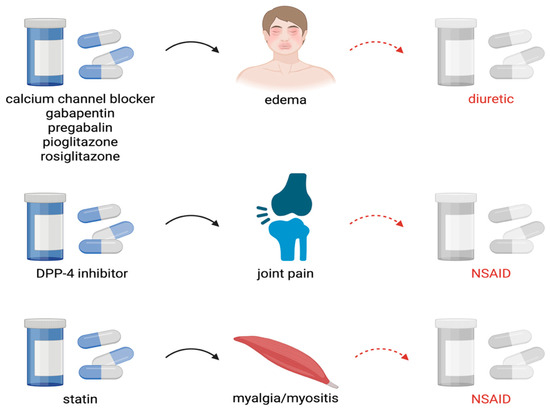
The article outlines how instead of looking at medications as the cause of symptoms, we often add more medications to treat the medication induced symptoms.  Here is an example of how we get to polypharmacy in older patients  
Show References

Bry?a A, Woro? J, Miedziaszczyk M, Lorkowska-Zawicka B, Bujak-Gi?ycka B, Orzechowski D, Po?etek P, Pa?ys W. Prescribing Cascade as a Therapeutic Error: A Danger for Geriatric Patients with Multimorbidity. Geriatrics. 2026; 11(2):37. https://doi.org/10.3390/geriatrics11020037


Title: Geriatric learning objectives for prehospital providers

Category: Geriatrics

Keywords: prehospital, geriatric, education (PubMed Search)

Posted: 4/5/2026 by Robert Flint, MD (Updated: 4/5/2026)

A  modified 2 round Delphi study was used to create 57 learning objectives in geriatric care for European prehospital providers.  Based on in-hospital learning objectives and literature, these experts came up with what appears to be a very reasonable and helpful list of education objectives for pre-hospital providers that could easily apply to emergency medicine learners as a whole. Here is their table:

https://link.springer.com/article/10.1186/s13049-026-01550-3/tables/3

Show References

Krohn, JN., Barrett, J., Heeren, P. et al. A European paramedic curriculum for geriatric emergency medicine developed via a modified Delphi technique. Scand J Trauma Resusc Emerg Med 34, 14 (2026). https://doi.org/10.1186/s13049-026-01550-3


Title: Room to improve goals of care conversations

Category: Geriatrics

Posted: 3/26/2026 by Robert Flint, MD

Using a database of 300,000 patients and applying a predictive measure for mortality, these authors found that patients over 66 with a high likelihood of 6 month mortality at the time of presentation were more likely to be admitted to an ICU when they presented to an ED. The authors conclude there is much work to be done regarding discussion of goals of care based on this information.

Show References

Adeyemi O, Hill J, Siman N, Goldfeld KS, Cuthel AM, Grudzen CR. Acute Care Use and Prognosis in Older Adults Presenting to the Emergency Department. J Pain Symptom Manage. 2025;69(6):559-568. doi:10.1016/j.jpainsymman.2025.01.006


Title: Temperature as a predictor in older patients

Category: Geriatrics

Keywords: Sepsis, geriatric, temperature (PubMed Search)

Posted: 2/26/2026 by Robert Flint, MD (Updated: 7/21/2026)

Bottom Line: arrival temperature had no prognostic value in non-septic older patients. Hypothermia in sepsis, but not fever, predicted mortality.

Show References

Finn Erland Nielsen, Osama Bin Abdullah, Lana Chafranska, Thomas Andersen Schmidt, Rune Husås Sørensen,
Temperature at admission and mortality in older adults with infection: Limited prognostic value in non-sepsis cases,
The American Journal of Emergency Medicine,
Volume 103,
2026,
Pages 1-8,
ISSN 0735-6757,
https://doi.org/10.1016/j.ajem.2026.01.045.


Title: Avoid tramadol in the older patient

Category: Geriatrics

Keywords: Tramadol, geriatrics (PubMed Search)

Posted: 1/29/2026 by Robert Flint, MD (Updated: 7/21/2026)

Tramadol has been viewed as a safer alternative for pain control than opioids. This study says differently. 
“Tramadol use was associated with increased risk of multiple ER utilizations, falls/fractures, CVD hospitalizations, safety event hospitalizations, and mortality (new users only) compared to nonuse.”

Show References

Musich S, Wang SS, Schaeffer JA, Slindee L, Kraemer S, Yeh CS. Safety Events Associated with Tramadol Use Among Older Adults with Osteoarthritis. Popul Health Manag. 2021 Feb;24(1):122-132. doi: 10.1089/pop.2019.0220. Epub 2020


Title: Anti-antihistamines in older patients

Category: Geriatrics

Keywords: Delerium, antihistamine, geriatrics (PubMed Search)

Posted: 1/18/2026 by Robert Flint, MD (Updated: 7/21/2026)

In 261 ED patients over age 65 receiving first generation antihistamines, 15% had an adverse reaction. Most common was delirium and urinary retention. Age over 85, previous cognitive impairment and  multiple doses increased the risk of adverse reaction.  Along with previous literature, this should discourage use of first generation antihistamines in older ED patients.

Show References

Killen, E., Cusumano, M., Zhang, Z., Newman, R., Voigtmann, J., Sanford, A. M, & Bitter, C. C. (2025). First-Generation Antihistamine Use in Geriatric Emergency Department Patients: Retrospective Review. Western Journal of Emergency Medicine: Integrating Emergency Care with Population Health, 27(1). http://dx.doi.org/10.5811/westjem.47491 Retrieved from https://escholarship.org/uc/item/7230n5z1


Title: Geriatric Measurement Tool and ED patient mortality

Category: Geriatrics

Keywords: FRAIL, geriatric, prediction tool, Barthel (PubMed Search)

Posted: 1/3/2026 by Robert Flint, MD (Updated: 1/3/2026)

The Geriatric Measurement Tool  (GMT) was used in this study prospectively to assess 24 hour mortality rate in ED patients over age 65. The GMT is a combination of FRAIL Questionnaire and Barthel index for Activity of Daily Living. The study found:

“ From 700 enrolled patients, GMT categorization revealed that 53.6% of patients were in Category-4 (moderate/more dependent and frail), while 34% were in Category-1 (independent or slight dependency, prefrail/fit). The 24-h mortality rate was 9%. GMT Category-4 demonstrated high sensitivity (87.3%) for mortality prediction, but low specificity (49.7%). Conversely, GMT Category-1 showed low sensitivity (44.1%) but high specificity (90.2%) for predicting discharge.”

Probably the biggest take away is we should be thinking about assessing our older patient's health status using some validated scale/tool to help us have conversations with patients and families regarding prognosis and interventions.

Show References

The Role of the Geriatric Measurement Tool in Predicting Clinical Outcomes Among Elderly Patient in the Emergency Department Zaman, Süeda et al. Journal of Emergency Medicine, Volume 79, 560 - 567


Title: (Another) Tool to assess your older patient's prognosis

Category: Geriatrics

Keywords: FRAIL, geriatric, prediction tool, mortality, (PubMed Search)

Posted: 1/1/2026 by Robert Flint, MD (Updated: 7/21/2026)

The Geriatric Measurement Tool combines the FRAIL Questionnaire with the Barthel Index For Daily Living to give a prognosis on your patient's mortality. First used to predict mortality in older patients with pneumonia during COVID-19 pandemic. Now being investigated for other ED patient populations. 

FRAIL Questionnaire:  Fatigue, Resistance, Aerobic, Illness,  Weight loss. https://www.activeagingweek.com/pdf/abbott/FRAILQuestionnaire.pdf 

Barthel: Ten questions about ADL's to create a score 0-100.  https://www.mdcalc.com/calc/3912/barthel-index-activities-daily-living-adl

Show References

  1. The Role of the Geriatric Measurement Tool in Predicting Clinical Outcomes Among Elderly Patient in the Emergency Department

Zaman, Süeda et al. Journal of Emergency Medicine, Volume 79, 560 - 567

        2. Gómez-Moreno, C., Chacón-Corral, A.A., Pérez-Méndez, A. et al. Association between a geriatric measure tool and adverse outcomes among older adults treated in an emergency department: a retrospective cohort study. Intern Emerg Med 20, 2205–2213 (2025). https://doi.org/10.1007/s11739-024-03843-w


Title: Regional blocks for hip fractures lead to less delirium

Category: Geriatrics

Keywords: delirium, hip fracture, nerve block (PubMed Search)

Posted: 12/27/2025 by Robert Flint, MD

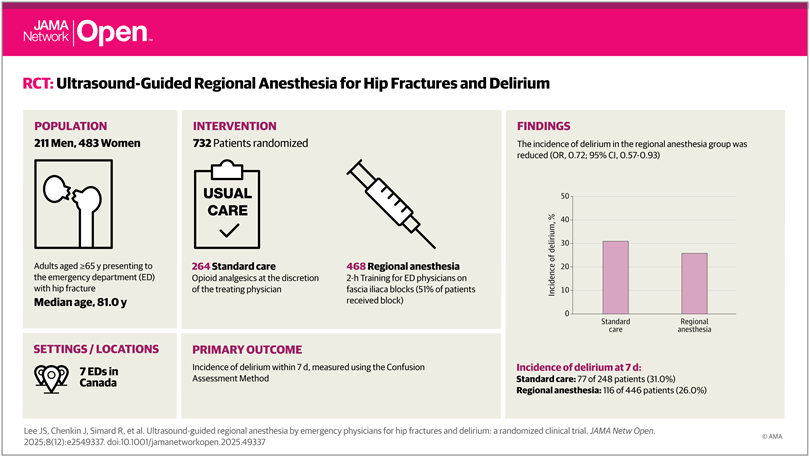
This study is a reminder of the efficacy of regional nerve blocks for older patient's with hip fractures. The authors trained EM physicians for 2 hours then evaluated delirium levels in patients who did and did not receive nerve blocks for hip fractures. 
Show References

Lee JS, Chenkin J, Simard R, et al. Ultrasound-Guided Regional Anesthesia by Emergency Physicians for Hip Fractures and Delirium: A Randomized Clinical Trial. JAMA Netw Open. 2025;8(12):e2549337. doi:10.1001/jamanetworkopen.2025.49337


Title: More data supporting using the Clinical Frailty Scale

Category: Geriatrics

Keywords: frail, frailty scale, geriatrics, critical care (PubMed Search)

Posted: 11/27/2025 by Robert Flint, MD (Updated: 11/27/2025)

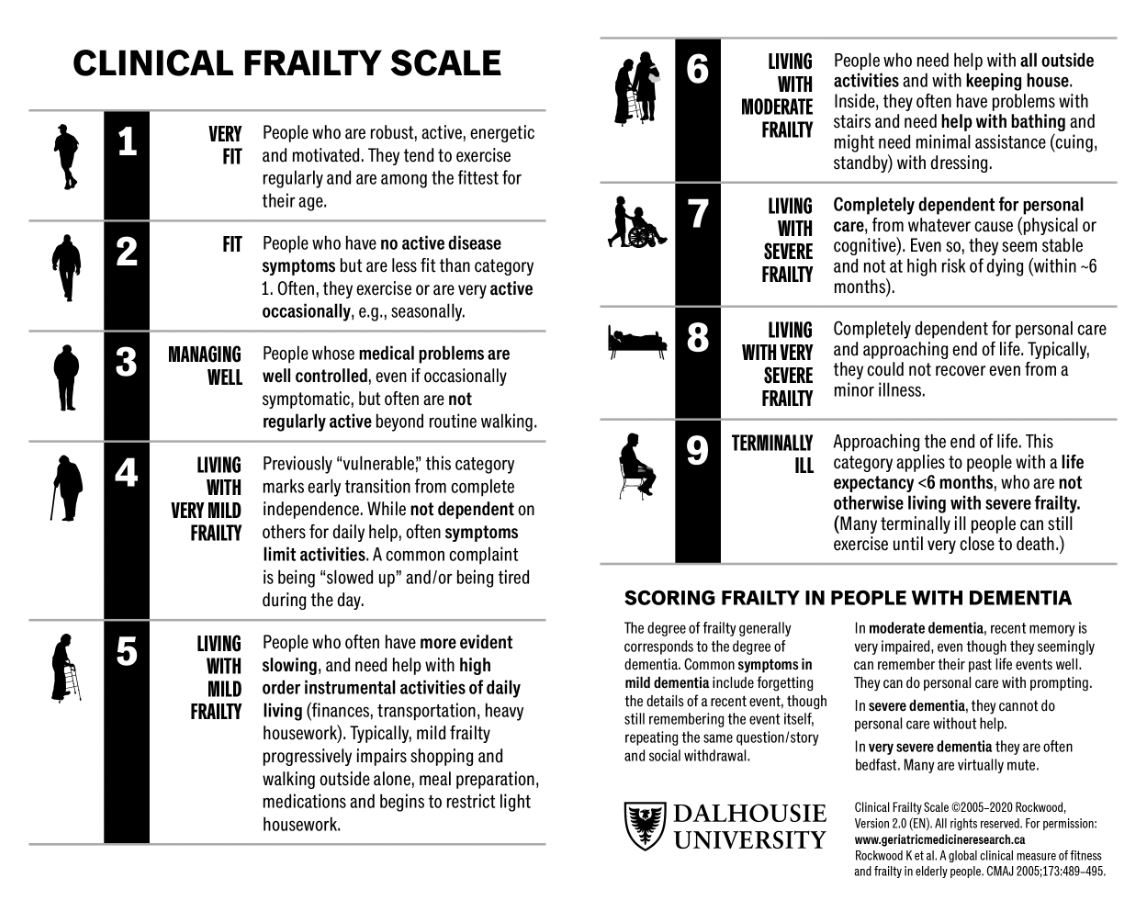
A prospective cohort of South Korean patients over 65 years admitted from the ED with critical illness had  Clinical Frailty Scale (CFS) performed on them. Those with a high CFS had increased 3 month mortality. CFS helps us prognosticate morbidity and mortality in our older critically ill patients. 
Show References

The Prognostic Value of the Clinical Frailty Scale in Critically Ill Older Adult Patients in the Emergency Department

Um, Young Woo et al.

Journal of Emergency Medicine, Volume 0, Issue 0


Title: Nerve blocks for geriatric hip fractures

Category: Geriatrics

Keywords: hip fracture, nerve block, mortality, delerium (PubMed Search)

Posted: 11/20/2025 by Robert Flint, MD (Updated: 11/20/2025)

In reviewing the limited literature available, the authors found that fascia iliaca blocks did not improve mortality but did improve hospital length of stay,  decreased opiate use, and decreased delirium rates. More research is needed, however this tool should be added to our multimodal pain control toolbox.

Show References

Does Point-of-Care Ultrasound-Guided Nerve Block for Geriatric HIP Fracture Analgesia in the Emergency Department Improve Outcomes?

Finch, Alexander S. et al.

Journal of Emergency Medicine, Volume 0, Issue 0


Title: Single Dose Epinephrine for Older Patients in Cardiac Arrest

Category: Geriatrics

Keywords: cardiac arrest, older, epinephrine (PubMed Search)

Posted: 10/29/2025 by Robert Flint, MD (Updated: 10/29/2025)

These authors looked at survival to discharge pre and post-implementation of a single dose epinephrine protocol for out of hospital cardiac arrest as it relates to age ranges. They found that older patients had a survival rate of 12% in the single dose protocol compared to 6% in the multidose protocol.  Younger and middle aged patients had no difference in survival pre and post-implementation.  At least in older adults, epinephrine does not seem to offer much benefit when given more than one time during cardiac arrest.

Show References

Single Dose Epinephrine Protocol Is Associated With Improved Survival of Older Adults With Out-Of-Hospital Cardiac Arrest

Ethan J. Lilien, Nicklaus P. Ashburn, Tyler S. George, Anna C. Snavely, Bryan P. Beaver, Casey G. Costa, Michael A. Chado, Harris A. Cannon, James E. Winslow, R. Darrell Nelson … See all authors

First published: 25 September 2025 Academic Emergency Medicine

https://doi.org/10.1111/acem.70154


Title: RSV, geriatrics, outcomes and heart failure

Category: Geriatrics

Keywords: RSV, geriatric, heart failure, morbidity (PubMed Search)

Posted: 10/19/2025 by Robert Flint, MD (Updated: 7/21/2026)

This study looked at older patients admitted to the hospital with a diagnosis of one of the following: RSV infection, UTI, influenza, fracture. Those patients with RSV had longer stays, higher mortality, higher ICU length of stay and interestingly more cardiovascular complications up to one year after hospitalization.  Further evidence we should be testing for RSV in our ill older patients and encouraging vaccination.

Show References

Journal of the American Geriatrics SocietyVolume 73, Issue 9 pp. 2685-2694

Respiratory Syncytial Virus (RSV)-Related Hospitalization and Increased Rate of Cardiovascular Events in Older Adults

Chris P. Verschoor, Joshua O. Cerasuolo, Joseph M. Caswell, Mark Tatangelo, Atilio Costa-Vitali, David W. Savage, Jeffrey C. Kwong


Title: Geriatric Fall Risk Score

Category: Geriatrics

Keywords: fall, score, geriatric, prediction (PubMed Search)

Posted: 10/12/2025 by Robert Flint, MD (Updated: 10/12/2025)

These authors used information available from both the medical record as well as from a survey instrument given in the emergency department to created this fall risk score. A score over 6 had a 63% sensitivity and 75% specificity of predicting future falls. 

Show References

Acaemic Emergency Medicine 2025 0:1-12


Title: Pre-Hospital Geriatric Trauma Care

Category: Geriatrics

Keywords: trauma, geriatric, prehospital, EMS (PubMed Search)

Posted: 10/4/2025 by Robert Flint, MD (Updated: 7/21/2026)

Reenforcing the recent pearl on geriatric trauma patient care, here is the National Association EMS  Physicians statement on prehospital care. 

"EMS clinicians should use age-adjusted, physiologic criteria to guide decisions to transport geriatric trauma patients to the most appropriate level of trauma center available in the community.

Geriatric trauma patients should be promptly evaluated for pain and should receive analgesic interventions in a timely manner. Analgesic medications should be dosed following weight-based guidance and should be administered with consideration of potential drug interactions and age-related changes in drug metabolism and side effects.

EMS clinicians should consult advance care planning documents, e.g., Physician Orders for Life-Sustaining Treatment (POLST), when available, to guide care in emergency scenarios, including management of traumatic injuries.

While older patients are at higher risk for spinal injuries, including lumbar and cervical spine fractures, traditional spinal motion restriction practices may not be suitable for older patients due to age-related anatomic changes in spinal alignment and increased risk for cutaneous pressure-related injuries. EMS clinicians should exercise judgment to determine when and how to best achieve spinal motion restriction if spinal injury is suspected in geriatric trauma patients."

Show References

Haussner, W. K., Breyre, A. M., Bascombe, K., Barrett, W. J., Camacho, M. A., Overton-Harris, P., … Colwell, C. (2025). Prehospital Trauma Compendium: Management of Geriatric Trauma Patients – A Position Statement and Resource Document of NAEMSP. Prehospital Emergency Care, 1–10. https://doi.org/10.1080/10903127.2025.2557006


Previous |  1 |  2 |  3 |  4 |  5 |  Next
University of Maryland School of Medicine logo
  • Departments
  • Programs
  • Research Centers
  • Institutes
  • Graduate Education
  • CIBR Cores
  • Offices of the Dean
    • University of Maryland, Baltimore
    • University of Maryland Medical Center
    • Medical Alumni Association of the University of Maryland
    • Health Sciences and Human Services Library
University of Maryland School of Medicine
655 W. Baltimore Street
Baltimore, MD 21201
Contact Us

© University of Maryland School of Medicine

    • Webmaster
    • Web Accessibility
    • Site Index
    • UMB Hotline
    • Employment
    • Map