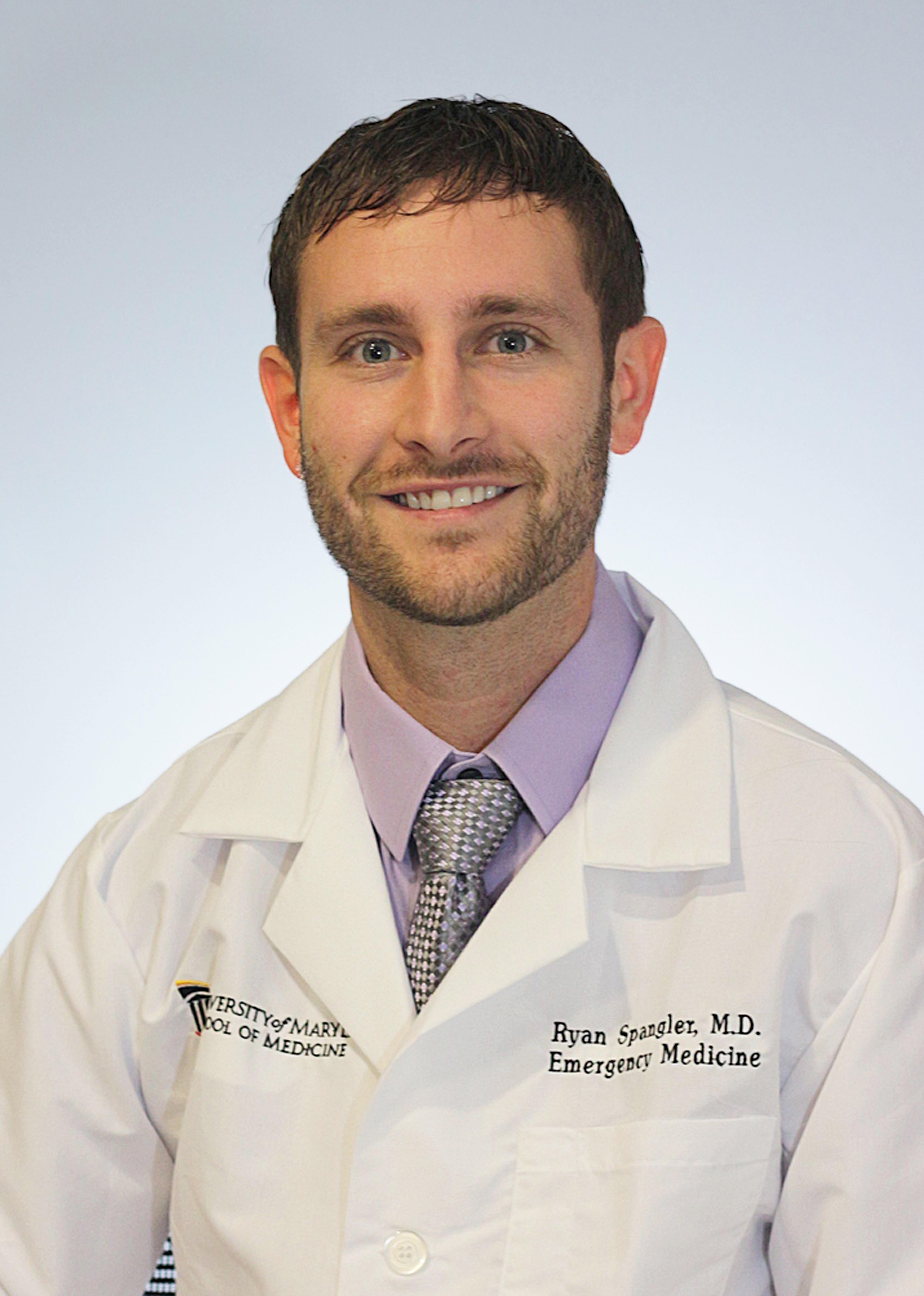
Ryan Spangler, MD
Director of Undergraduate Medical Education
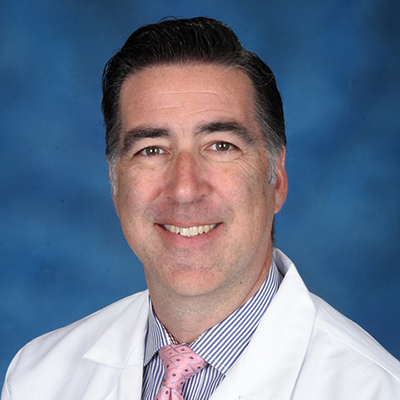
Joe Martinez, MD
Associate Dean for Medical Education and Student Experience
Faculty at the University of Maryland are dedicated to providing an excellent educational experience for medical students, from leading undergraduate medical school courses to hosting students in clerkship rotations and sub-internships and engaging with students in our dynamic Emergency Medicine Interest Group.
Undergraduate Course Leadership
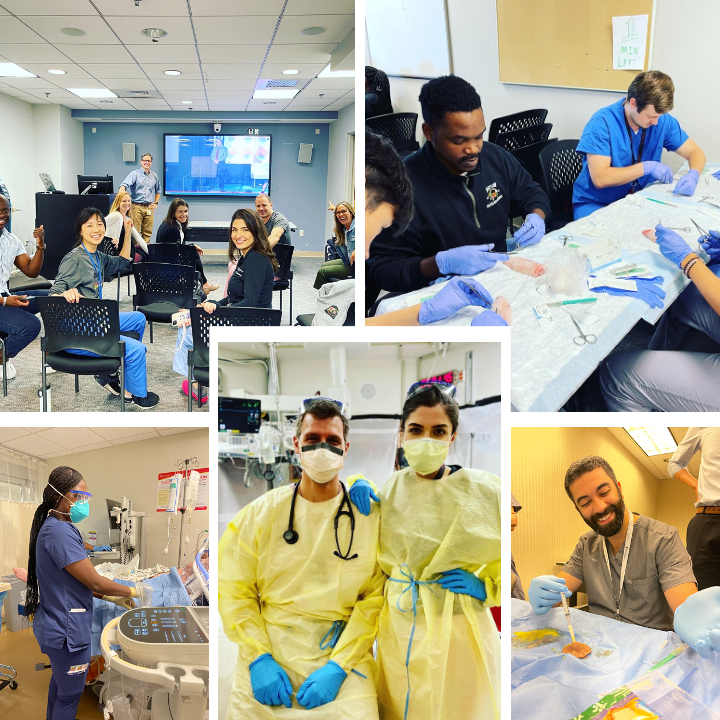
Emergency Medicine faculty are very involved in undergraduate medical education, and they regularly present lectures, lead small groups, and coordinate courses. Our faculty have successfully integrated emergency medicine material throughout the curriculum, including airway management and cardiopulmonary simulation case scenarios.
Multiple faculty are also involved in the Practice of Medicine course given to first- and second-year medical students.
Clerkship Rotation
Clerkship students spend 4 weeks in the Emergency Department working clinical shifts with our Emergency Medicine Faculty. In addition to clinical observation, traditional didactic lectures, and labs, students are also exposed to newer educational technologies, such as online lectures and interactive educational blogs.
Laboratory sessions are one of the most popular aspects of the rotation. During their clerkship with us, students learn how to perform the following procedures:
- IV Placement;
- Bag Valve Mask ventilation;
- Laceration repair;
- Splint application; and
- Introduction to Emergency Ultrasound skills.
Sub-Internship
Students on the fourth-year emergency medicine Sub-Internship are involved in a variety of educational experiences. During the rotation, students work approximately 13-14 clinical shifts—generally a mix of day, evening, and overnight. Clinical shifts are done in the University of Maryland Downtown Campus emergency department with occasional shifts in the Pediatric emergency department.
The expectation on the Sub-I is that the student works at the level of the intern, carrying their own patients, learning procedures, and managing patient care from start to finish. Applications through VLSO are required. For more information, please contact Assistant Professor Kat Stephanos, MD.
Emergency Medicine Interest Group (EMIG)
EMIG is a student-run group that organizes activities that expose students to various aspects of emergency medicine. These activities range from blood draw labs to emergency medicine residency planning. Events are planned alongside emergency medicine faculty, who are eager to share their passion with first- and second-year medical students. For more information, please contact Assistant Professor Bobbi Jo Lowie, MD.
EMIG Mentoring Program
Our EMIG mentoring program matches first- and second-year medical students with emergency medicine residents and faculty, allowing them the opportunity to shadow residents and faculty in the emergency department.
Students accompany the physician as they interview patients, complete procedures, perform resuscitations, and arrange consultations. While the student's role is primarily to observe, they may be able to practice the history-taking and physical diagnosis skills learned in the medical undergraduate curriculum.
Faculty Research Collaboration
Students often participate with the Department as part of Foundations of Research and Critical Thinking projects.
From time to time, students can help with research projects and gain hands-on research experience. If you would like to be involved, please send your name, graduation year, and email address to Professor Gentry Wilkerson, MD.