Typically, empiric treatment for lobar community acquire pneumonia (CAP) in immunized < 5 year olds (preschool) is amoxicillin (45mg/kg BID or 30 mg/kg TID for resistant S. pneumoniae) for outpatient and ampicillin or ceftriaxone for inpatient. Additional coverage with azithromycin is typically recommended for school age and adolescent patients (>= 5 years), but not necessarily for younger children unless there is a particular clinical suspicion for atypical pneumonia with history, xray findings, or sick contacts.
However, in sickle cell patient with suspicion for acute chest syndrome, azithromycin is recommended for all ages groups, as atypical bacteria such as Mycoplasma are a common cause of acute chest syndrome in patients of all ages with sickle cell disease even young children. In a prospective series of 598 children with acute chest syndrome, 12% of the 112 cases in children less than 5 had positive serologic testing of M. pneumoniae (9% of all cases had M. pneumoniae) (Neumayr et al, 2003).
Show References
Recently, a retrospective study of unintentional buprenorphine/naloxone exposure among pediatric population was published. All patients were evaluated by toxicologists at the time of initial hospital presentation (or transfer) at the study center.
Bottom line
- 83% and 80% of the patients experienced respiratory and CNS depression, respectively.
- Majority of the patients became symptomatic within 8 hours of exposure (range not available).
- Naloxone reversed respiratory depression. Median dose for single naloxone dose: 0.09 mg/kg; median dose for multiple naloxone doses: 0.19 mg/kg.
- The reported “ceiling effect” on respiratory depression in adult does not exist in pediatric population.
- The optimal time of observation is unclear but it is prudent to observe pediatric buprenorphine exposure for up to 24 hours.
Show Additional Information
Show References
Magnetic resonance imaging (MRI) is the method of choice for imaging the spine for the suspicion of non-traumatic disorder, such as multiple sclerosis (MS), transverse myelitis, epidural abscess, spinal cord infarcts, and spondylotic myelopathy (changes in the spinal cord due to disk herniation or osteophytes in degenerative joint disease).
If the differential diagnosis includes infection, neoplasm, demyelination or inflammation, then IV contrast should be administered.
Show References
Recently Emergency Physicians have become far more aware of the importance of right ventricular (RV) function in our critically ill patient population. One of the methods that has been proposed to assess RV systolic function with bedside ultrasound (US) is the tricuspid annular plane systolic excursion (TAPSE). This simple bedside measurement utilizes M-mode to quantify the movement of the tricuspid annulus in systole. And while it has demonstrated reasonable accuracy at predicting RV dysfunction, adequate visualization of the lateral tricuspid annulus is not always obtainable in our critically ill patient population (1,2). In these circumstances an alternative measurement obtained in the subcostal window may be a viable option.
Similar to TAPSE, subcostal echocardiographic assessment of tricuspid annular kick (SEATAK) utilizes M-mode to assess the apical movement of the tricuspid annulus during systole. In a recent prospective observational study, Díaz-Gómez et al examined 45 ICU patients, 20 with known RV dysfunction and 25 with normal function. They compared the measurements obtained from TAPSE and SEATAK and found a strong correlation between the two measurement (Spearman’s ρ coefficient of .86, P=.03).
The small sample size and limited evaluation of RV function is far from ideal and more robust data sets are required before we cite SEATAK’s diagnostic accuracy with any confidence, but in the subset of patients where a TAPSE is unobtainable this may serve as an adequate surrogate until a more thorough echographic assessment can be obtained. 
Show References
Question
20 year-old female presents with sore throat, right throat fullness, difficulty speaking for 2-3 days. A bedside ultrasound and subsequent CT was obtained as seen below. What's the diagnosis?


Show Answer


Show References
Many of us use exercise as a coping strategy when emotionally stressed or to blow off steam when angry. This may place your heart at risk.
A recent observational study in Circulation surveyed 12,000 first MI patients about potential triggers. The associations didn't depend on age, smoking status, hypertension, or baseline physical activity.
Anger or emotional upset in the hour before onset elevated odds of MI 2.44 fold
A similar 2.31 fold elevation was observed form heavy exertion
However, the combination of the two raised the odds to 3.05 fold (P<0.001 for interaction)
Show References
Plasma-Lyte A outperformed 0.9% NaCl for rehydration in children with acute gastroenteritis showing a more rapid improvement in serum bicarbonate levels and dehydration scores.
Show Additional Information
Show References
--Massive PE is defined as PE with obstructive shock (hypotension [SBP <90] or end-organ malperfusion)
--Consider venoarterial (VA) ECMO in massive PE for hemodynamic support, particularly prior to intubation
--VA ECMO may prevent intubation/mechanical ventilation, surgical intervention, systemic and local thrombolysis
Show Additional Information
Show References
Davos Shoulder Reduction Technique
Take Home Points
- Uses the patients own weight to reduce their anterior shoulder dislocation.
- No sedation is required
- Provider exerts no effort and only sits on the patients foot.
Interested, well find out more by watching this video by Larry Mellick https://www.youtube.com/watch?v=u2MsnjVNoPM or clicking the link below.
Show Additional Information
US, Canadian and European critical care and toxicology societies recently published a consensus recommendation is the management of CCB poisoning.
Bottom line:
1. First line therapy remains unchanged: IV calcium, atropin, high-dose insulin (HIE) therapy, vasopressor support (norepinephrine and/or epinephrine).
2. Refractory to first line therapy: increase HIE, lipid-emulsion, transvenous pacemaker
3. Refractory shock, periarrest or cardiac arrest: Above (#1 & #2) plus ECMO if available.
Show Additional Information
Show References
Updated Guidelines for Traumatic Brain Injury
The Brain Trauma Foundation (BTF) Guidelines for the Management of Severe Traumatic Brian Injury (TBI) was recently updated and published in September 2016.
Updated recommendations include:
- Prophylactic hypothermia is not recommended (Level IIB).
- Phenytoin is recommended for seizure prophylaxis (Level IIA).
- There is insufficient evidence to recommend levetiracetam over phenytoin.
- Maintain SBP 100 mmHg for patients 50-69 years old or 110 mmHg for patients 15-49 or >70 years old (Level III).
- Treat intracranial pressure (ICP) > 22 mmHg (Level III)
- Target cerebral perfusion pressure (CPP) between 60-70 mmHg (Level IIB).
For the executive summary and complete guidelines, go to https://braintrauma.org/guidelines/guidelines-for-the-management-of-severe-tbi-4th-ed#/
Oxygen-ICU Trial
- Recent observational trials have demonstrated an association between hyperoxia and worse outcomes in select critically ill patient populations.
- The Oxygen-ICU Trial was just published online in JAMA, and was an RCT to assess whether a conservative protocol for oxygen supplementation could improve outcomes in critically ill ICU patients compared with usual care.
- A total of 236 patients were randomized to the conservative oxgyen group (PaO2 target 70-100 mm Hg, SpO2 94-98%), whereas 244 were randomized to the usual care group (PaO2 up to 150 mm Hg, SpO2 97-100%).
- The results demonstrated that ICU mortality was lower in patients treated witih a conservative oxygen strategy, with an absolute risk reduction of 8.6%.
- Take Home Point: Be careful with the tiration of oxygen therapy and avoid hyperoxia in many of your critically ill patients.
Show Additional Information
Show References
Question
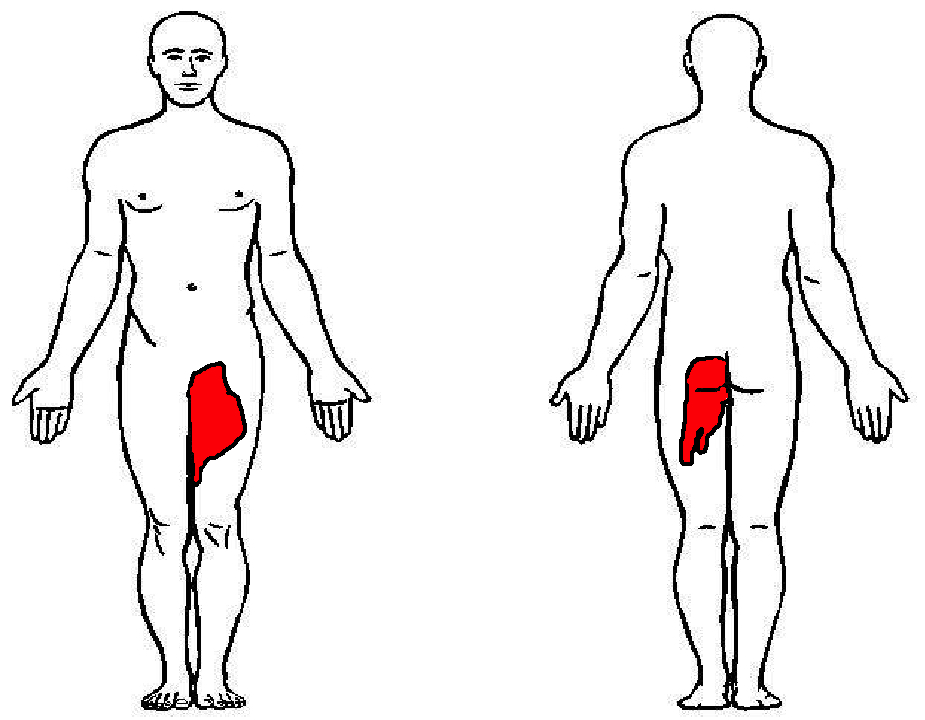
57 year-old female with history of bilateral lung transplants presents with fever, and 2 days of a painful, red, bumpy rash over the left labia and left buttock, but also notes a small tender area on the plantar surface of the left foot.
Below is a figure depicting the location of the rash, as well as a photo of her foot.
%20copy%201.JPG)
Show Answer
Show References
Recurrence depends on age and activity level
27% if >30yo and 72% if <23yo
Surgical Recommendations:
Large bony Bankart lesion, glenoid or humeral head defect >25%, recurrent instability, event near the end of season
Non surgical return to play:
If event occurs at beginning/early in season
Rehabilitation for 2 to 3 weeks (most return to play in this time frame)
Immobilization for 3 to 7 days in simple sling, gentle range of motion, cryotherapy
Physical therapy to strengthen dynamic stabilizers
Shoulder stabilization brace for non overhead throwing and contact sports
Show References
Fall clean up = Poison Ivy, oak, sumac (Toxicodendron species) which is ubiquitous in North America but it can also be found in British Columbia, Mexico and in parts of Asia. These plants are truly the scourge of outdoor enthusiasts and agricultural workers responsible for up to 40 million cases of miserable often temporarily incapacitating rashes annually.
Fast Facts:
- Grows as plant, vine, or shrub with leaves ranging in color from light or glossy green to red and yellow in fall.
- Exposure by direct contact with plant, indirectly from oil resin on objects, clothes, pets, or airborne from burning plant.
- Urushiol toxin induced type IV hypersensitivity allergic contact dermatitis. This oily resin toxin is excreted from all parts of plant (stems, leaves, flowers, roots, vines). and is extremely stable staying active even after plant dies.
- Intensely itchy blistering rash starts 12-72 hours after contact and lasts up to 21 days. Characterized by red streaks or linear configuration where skin brushed up against plant sap. Inflammation (redness, swelling, hives, blistering) to thick leathery plagues depending on severity and vulnerability of skin location. Intense inflammation can mimic cellulitis.
- Rash is Not contagious but spread of oil on clothes, pets, tools, objects is!
- Delayed reaction accounts for seemingly "spread" of rash. Eruption rate depends on thickness of skin and dose of urushiol oil.
Treatment Tips:
- Prevention. Avoidance and universal precautions when gardening. Clusters of 3 leaves each trio growing on their own stem, hairy vines, no thorns, white berries.
- Cover skin to prevent exposure and if known contact immediately wash skin, clothes, objects.
- Hot water relieves itch as does cool compresses.
- Domeboro or witch hazel are astringents can reduce inflammation.
- External analgesics (e.g., benzocaine, lidocaine, benzyl alcohol) can help itching.
- Highly viscous or granular cream surfactant washes bind urushiol and can reduce exposure. Zanfel, Mean green, Gojo orange, various generic poison ivy removal scrubs now available. (Zanfel works wonders used every few hours and may alleviate need for steroids but is $$$ and several tubes are required).
- In severe cases, Steriod burst followed by 2-3 week taper to prevent relapse flare.
Show Additional Information
Show References
Attachments
What is the FASH Exam?
- Focused Assessment with Sonography for HIV/TB
- A new exam suitable for rapid identification of extrapulmonary TB
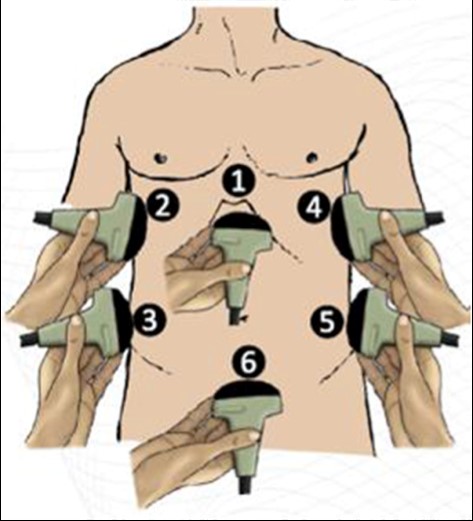
Submitted by Dr. Laura Diegelmann
Show Additional Information
Show References
The delta gap is a measurement intended to assess for mixed acid-base disorders. A straightforward alternative, the strong ion difference (SID), allows for a quick and simple assessment of any non-gap acidosis or alkalosis that may be present.
The SID is simply the difference between the strong cations (Na+, K+, Mg+, Ca+) and the strong anions (Cl-) present in the serum. The abbreviated SID is the difference between the serum sodium and serum chloride levels (approximately 138-102). Values typically range from 36-40 mg/dl. Values less than 36 denote the presence of some degree of hyperchloremic, non-gap, acidosis. While values greater than 40 demonstrate the presence of hypochloremic, non-gap, alkalosis. And while on rare occasions, variations in albumin or elevated levels of cations other than sodium can lead you astray, the SID is as accurate as a delta gap at identifying mixed acid-based disorders without the added mathematical complexity.
Show References
Question
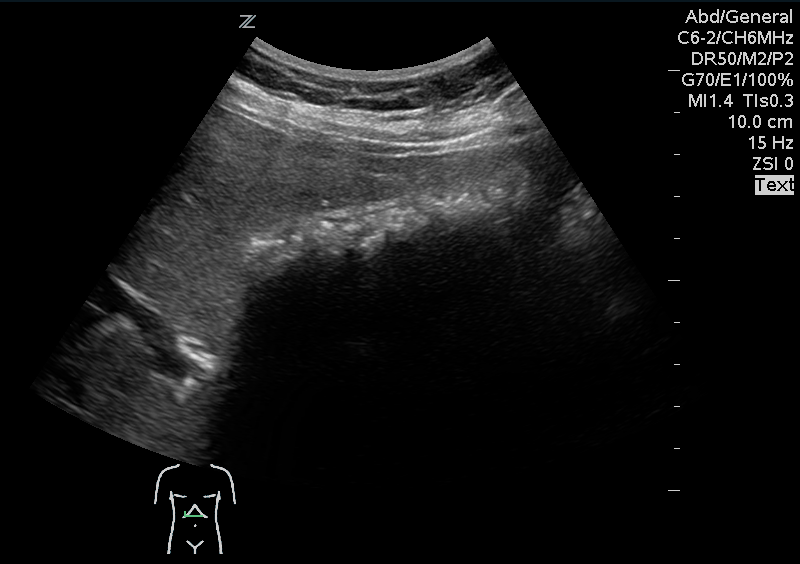
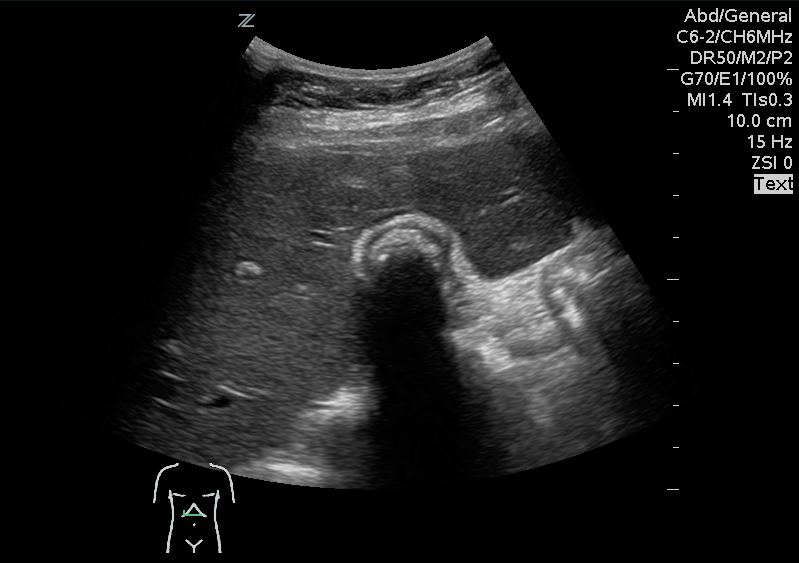
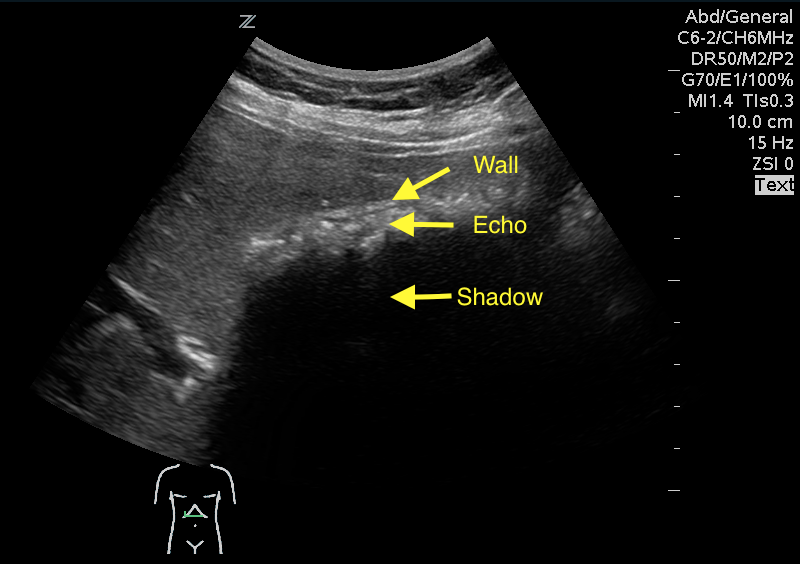
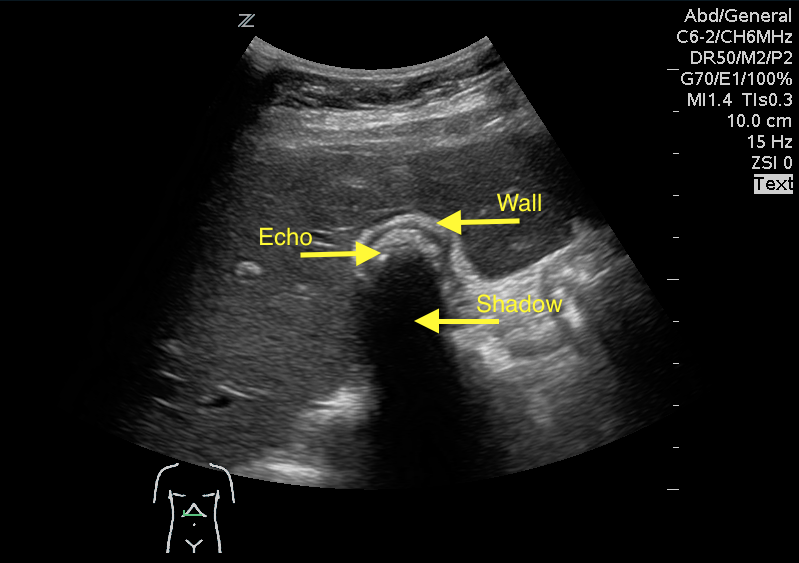
A 41 year old female presenting with intermittent RUQ abdominal pain for 1 week. An ultrasound of the right upper quadrant was performed. What is the diagnosis ?
Show Answer
What they did:
- End stage renal disease (ESRD) patients presenting to the ED for emergent hemodialysis (HD) with baseline QTc prolongation (>450 msec in men and >470 msec in women) were given antiemetics or antihistamines for symptomatic relief of nausea and pruritis. A repeat ECG was obtained 2 hours after medications were given.
- Most patients received oral or intravenous promethazine 25 mg, ondansetron 4-8 mg, or diphenhydramine 25-50 mg.
What they found:
- 44 patients had a mean initial QTc of 483.7 msec (SD 18.4). Two hours after medication administration, the mean QTc was 483.8 msec (SD 20.0).
- Among 13 patients with initial QTc intervals >500 msec, 9 had an increased QTc interval after medication administration (average increase 11.8 msec, SD 6.7 msec).
- 8 patients with baseline QTc <500 msec had QTc >500 msec after medication administration.
- No patients experienced dysrhythmias, death, or were admitted for dysrhythmia or syncope 1 week after medication administration.
Application to clinical practice:
- While the mean QTc did not change, the proportion of individuals who experienced an increase in QTc interval is not reported.
- Although greatly limited by a small sample size, this study suggests that usual doses of promethazine, ondansetron, or diphenhydramine in patients presenting for emergent HD with baseline QTc prolongation may be safe.
- Additional studies, especially in patients with QTc prolongation >500 msec, are warranted.
Show References
Question
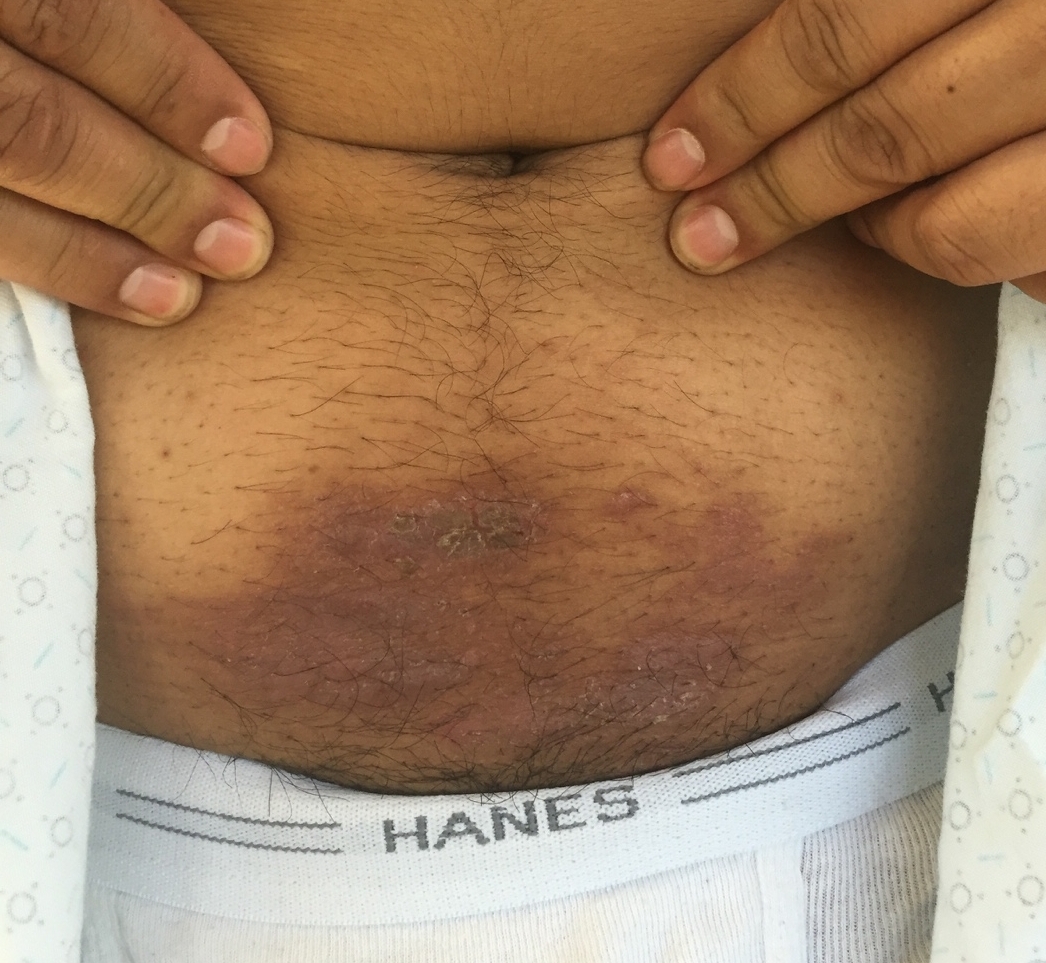
A 12 year old male who recently started middle school presents to the ED with a rash in the periumbilical region that has been developing over the last few weeks. The rash is scaly, somewhat itchy, but otherwise benign appearing. The patient has no known medical conditions other than eczema, and is otherwise well. What is the diagnosis?
Picture courtesy of Mara Haseltine, MD