
University of Maryland School of Medicine logo
Emergency Medicine
All Departments
UMSOM Assistant

UMEM Educational Pearls

  • Home
  • Departments
  • Emergency Medicine
  • CME
  • UMEM Educational Pearls
  • CME
  • Courses and Conferences
  • Free Open Access Medical Education
  • UMEM Educational Pearls
Previous  |  1 |  ... |  84 |  85 |  86 |  87 |  88 |  89 |  90 |  91 |  92 |  93 |  94 |  ... |  239 |  Next

Title: Don't Forget that Second Dose!

Category: Critical Care

Posted: 5/23/2017 by Mike Winters, MBA, MD (Updated: 9/17/2026)

Antibiotics in Sepsis

  • Currently international guidelines for the management of sepsis and septic shock recommend antibiotic administration within 1 hour of recognition.
  • With the persistent problem of ED boarding, many patients with sepsis and septic shock remain in the ED long after the initial dose of broad-spectrum antibiotics.
  • A recent single center, retrospective cohort study demonstrated that 1 out of 3 patients with sepsis or septic shock experienced major delays in the time to the second dose of antibiotics.  In fact, over 70% of patients who were given an initial antibiotic with a 6-hr recommended dosing interval experienced major delays.
  • Inpatient boarding in the ED was found to be an independent risk factor for major delays.
  • Take Home Point: Don't forget to write for additional doses of antibiotics in your boarding patients with sepsis.

Show References

Leisman D, et al. Delayed second-dose antibiotics for patients admitted from the emergency department with sepsis: prevalence, risk factors, and outcomes. Crit Care Med. 2017; 45:956-65.


Title: Reverse Segond Fracture

Category: Orthopedics

Keywords: Reverse Segond Fracture (PubMed Search)

Posted: 5/21/2017 by Michael Bond, MD (Updated: 9/17/2026)

It is common teaching that a Segond Fracture is associated with ACL tears.  A reverse Segond fracture, avulsion fracture of the knee due to avulsion of the deep fibers of the medial collateral ligament, has also been described that was initially reported as associated with PCL tears.  However,  a more recent study has not been able to collaborate the PCL connection, but has shown that a reverse Segond fracture is associated with multiple ligamentous injuries to the knee.

Take home point:  If you note a Reverse Segond fracture on your plain flips have the patient followup with orthopedics for a possible MRI, as they probably have other ligamentous injuries that might need treatment.
 

Show Additional Information

In the study by Peltola et al they looked at 11 years of patients who had CT of their knee and found 10 patiens with a reverse Segond fracture.  They found "Reverse Segond fracture is a rare finding even in a level 1 trauma center. Cruciate ligament injuries appear to be associated with avulsion frac- ture, but every patient does not have PCL injury, as previously reported. Our results do not support the association of knee dislocation with reverse Segond fracture."

For a detailed discussion of Segond Fractures please visit Radiopaedia at https://radiopaedia.org/articles/segond-fracture

For Reverse Segond Fractures please visit https://radiopaedia.org/articles/reverse-segond-fracture


Show References

  1. Peltola EK, Lindahl J, Koskinen SK. The reverse Segond fracture: not associated with knee dislocation and rarely with posterior cruciate ligament tear. Emerg Radiol. 2014;21(3):245-249. doi:10.1007/s10140-013-1192-y.
  2. Kose O, Ozyurek S, Turan A, Guler F. Reverse Segond fracture and associated knee injuries: A case report and review of 13 published cases. Acta Orthopaedica et Traumatologica Turcica. 9999;50(5):587-591. doi:10.1016/j.aott.2016.08.017.


Title: Ziprasidone (Geodon) for acute agitation in pediatrics

Category: Pediatrics

Keywords: Psychiatric, agitation, pediatric (PubMed Search)

Posted: 5/19/2017 by Jenny Guyther, MD

IM ziprasidone (Geodon) has a relatively quick onset of action with a half-life of 2-5 hours.  Although commonly used in adults, there has not been a study looking at an effective dose in pediatrics. Based on the study referenced, the suggested pediatric dose of ziprasidone is 0.2 mg/kg (max 20mg).

Show Additional Information

This is the first study looking at ziprasidone in the pediatric emergency department population.  This was a retrospective observational study of children 5-18 years old who were treated with IM ziprasidone.  40 patients received IM ziprasidone in a tertiary care pediatric emergency department between 2007-2015.  2/3 of the patients had ADHD and 1/3 had autism spectrum disorder.  Other diagnosis included post-traumatic stress disorder, bipolar disorder and intellectual disabilities.

68% of patients responded to the initial dose.  The initial dose was 0.19 +/- 0.1 mg/kg in the responder group and 0.13 +/- 0.06 mg/kg in the non-responder group.  Single doses ranged from 2.5 mg to 20 mg total.

No patients had respiratory depression.  Two patients had potential extra-pyramidal symptoms, but one was prior to ziprasidone administration and the other patient had baseline facial twitching with no documentation if there was a change after ziprasidone administration.

Show References

Nguyen T, Stanton J and Foster R.  Intramuscular Ziprasidone Dosing for Acute Agitation in the Pediatric Emergency Department: An observational Study.  Journal of Pharmacy Practice 1-4.  2017.


Title: Bacterial Meningitis in West Africa

Category: International EM

Keywords: Meningitis, infectious disease (PubMed Search)

Posted: 5/18/2017 by Jon Mark Hirshon, MPH, MD, PhD

Currently, Nigeria is having the worst outbreak of bacterial meningitis in almost 10 years, involving 23 states, 13,420 suspected cases, and 1,069 deaths, as of May 9.


Bacterial meningitis outbreaks frequently occur in West Africa.  The area most frequently struck by epidemics of bacterial meningitis is in the sub-Saharan region of Africa. This includes 26 countries and over 400 million people. Epidemics most often occur in the dry season  from December-June. Neisseria meningitides serogroup A historically accounts for approximately 90% of the cases.


The U.S. Centers for Disease Control and Prevention recommends quadrivalent vaccines (protects against four serogroups A, C, W, and Y) for individuals traveling or living in countries in which meningococcal disease is hyperendemic or epidemic.


Show References

https://www.osac.gov/pages/ContentReports.aspx?cid=3 (Accessed 5/17/2017)


Title: High Flow Nasal Cannula -

Category: Critical Care

Posted: 5/16/2017 by Kami Windsor, MD

High flow nasal cannula (HFNC) is a valid option in the management of acute hypoxic respiratory failure (AHRF) without hypercapnia, as evidenced by multiple studies including the FLORALI trial. Failure of HFNC, however, may result in delayed intubation and worsened clinical outcomes. 

Factors predicting HFNC failure and subsequent intubation include:

  • Lack of RR improvement at 30 and 45 minutes after initation of HFNC
  • Lack of SpO2% improvement at 15, 30, and 60 minutes
  • Persistence of paradoxic breathing (thoracoabdominal dyssynchrony) at 15, 30, 60, and 120 minutes
  • Presence of additional organ system failure, especially hemodynamic (shock) or neurologic (depressed mental status)

Consider whether or not HFNC is appropriate in your patient with AHRF, and if you use it, reevaluate your patient to ensure improvement, or escalate their respiratory support. 

Show Additional Information

For patients with acute hypoxic respiratory failure without hypercapnia, the FLORALI trial demonstrated that high flow nasal cannula (HFNC) therapy increases ventilator-free days, reduces 90-day mortality, and is associated with better comfort and lower dyspnea severity when compared to conventional oxygen therapy and non-invasive ventilation (NIV). Failure of HFNC, however, may result in delayed intubation and worse clinical outcomes in patients with acute hypoxic respiratory failure. So how do we predict in the ED which patients are going to fail?

Sztrymf et al. evaluated patients placed on HFNC for nonhypercapneic acute hypoxic respiratory failure, who later went on to require endotracheal intubation. The cohort who failed HFNC had significantly:

-     higher RR at 30 & 45 minutes after initiation of HFNC

-     lower SpO2% at 15, 30, and 60 minutes

-     higher incidence of paradoxical breathing (thoracoabdominal dyssynchrony) at 15, 30, 60, and 120 minutes

In an observational study of patients with ARDS,* Messika et al. found that factors predicting HFNC failure included:

-     a higher Simplified Acute Physiology Score II (SAPS II; 46 v. 29, p=.001)

-     additional organ system failure (mostly hemodynamic or neurological)

-   trends towards lower PaO2:FiO2 ratios and higher RR

So don’t set it and forget it! Consider a different method of respiratory support if your patient has multi-organ system failure, especially if they are in shock or have altered mental status. If you do use HFNC, reevaluate your patient at 15 minutes and again at 30 minutes to make sure their respiratory rate and SpO2 have improved and that there is no paradoxic breathing (or it is resolving). If not, move on to NIV or invasive mechanical ventilation. 

*acute respiratory failure occurring within 1 week of known clinical insult with PaO2:FiO2 <300mmHg and bilateral opacities on chest x-ray not attributable to cardiac failure/volume overload


Show References

1.   Frat JP, Thille AW, Mercat A, et al. High-flow oxygen through nasal cannula in acute hypoxemic respiratory failure. N Engl J Med. 2015;372:2185–96.

2.   Sztrymf B, Messika J, Bertrand F, et al. Beneficial effects of humidified high flow nasal oxygen in critical care patients: a prospective pilot study. Intensive Care Med. 2011;37:1780–6.

3.   Messika J, Ben Ahmed K, Gaudry S, et al. Use of high-flow nasal cannula oxygen therapy in subjects with ARDS: a 1-year observational study. Respir Care. 2015;60(2):162-9.

4.   Hernandez G, Roca O, Colinas L. High-flow nasal cannula support therapy: new insights and improving performance. Crit Care. 2017;21(1):62.


Title: IT band tendonitis

Category: Orthopedics

Keywords: Lateral knee pain (PubMed Search)

Posted: 5/13/2017 by Brian Corwell, MD


Iliotibial band tendonitis

IT band is the continuation of the tensor fascia lata and inserts on the tibia at Gerdy's tubercle

Common cause of lateral knee pain seen in Primary care/Sports med clinics

Mechanism: May be due to excessive friction between the IT band and the lateral femoral condyle

Second most common overuse injury of the knee (PF syndrome). Not an acute event.

Affects up to15% of active individuals

Impingement zone is at 30 degrees of knee flexion

Most common in runners and cyclists

Pain localized over the lateral femoral condyle. Better w/ rest. Often occurs at a predictable distance into the run and not at onset.

Exacerbated with changes to mileage or running terrain.

Additional risks include poor shoes (best to change every 300 to 500 miles), excessive foot pronation (pes planus), quad versus hamstring strength asymmetry, weak hip ABductors, leg length discrepancy, tight IT band.


Title: Neurally Mediated Syncope - Part 1

Category: Neurology

Keywords: syncope, vasovagal, seizures, orthostatic, blood pressure (PubMed Search)

Posted: 5/10/2017 by Danya Khoujah, MBBS

"Neurally mediated syncope" is the most common cause of syncope in all age groups, and includes various overlapping entities, such as neurocardiogenic syncope, vasovagal syncope, and vasodepressor syncope. These are distinctly different from orthostatic hypotension and seizures. 
A careful history is the most important “test” to diagnose neurally mediated syncope. It is frequently preceded by a characteristic prodrome with symptoms such as nausea, dizziness, feelings of warmth or coldness, visual dimming or blurring, clammy skin, facial pallor, general weakness, decreased hearing, or fecal urgency. Symptoms last 30 seconds to several minutes prior to syncope. 
Differentiating syncope from seizures:
Brief, multifocal,arrhythmic, myoclonic jerks are observed in up to 90% of patients at the time of syncope. These are caused by brainstem hypoperfusion and may be mistaken for seizures. The jerks follow the LOC (rather than immediate) and the eyes deviate upward (rather than lateral). If tongue biting occurs, it’s the tip (rather than the side, which is what occurs with seizures).
 

Show References

Cheshire WP. Syncope. Continuum 2017;23(2):335–358.


Title: Lisfranc Fracture

Category: Orthopedics

Keywords: Lisfranc Fracture (PubMed Search)

Posted: 4/29/2017 by Michael Bond, MD (Updated: 5/1/2017)

Lisfranc Fracture: Typically consists of a fracture of the base of the second metatarsal and dislocation, though it can also be associated with fractures of a cuboid.

Pearls:
  • Fracture findings on plain films may be subtle.
  • If in doubt obtain weight bearing AP views of the foot to demonstrate dislocation/fracture.
  • If weight bearing films are negative and you are still suspicious consider a CT scan of the foot.

Click below see image of fracture

Show Additional Information
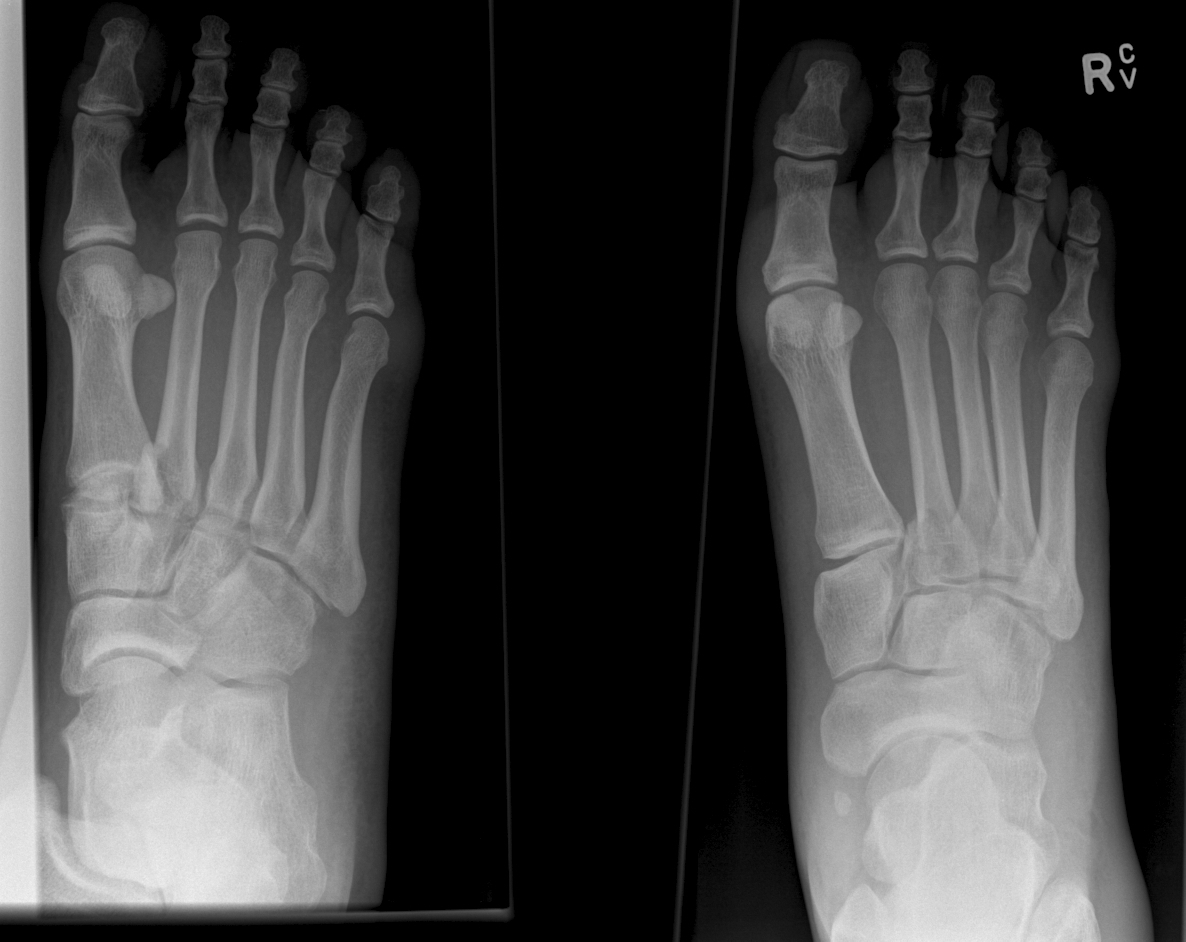
Lisfranc Fracture:

Common current mechanism of injury is when a person steps into a hole and twists the foot.  The original mechanism of injury that was described was when a horseman would fall of their horse with their foot still trapped in a stirrup.

Diagnosis should be considered if patient has difficultly weight bearing with pain on palpation over the 2nd and 3rdmetatarsals with an appropriate mechanism.


Title: New FDA warning for codeine and tramadol in kids

Category: Pediatrics

Keywords: analgesics, Ultram, (PubMed Search)

Posted: 4/28/2017 by Mimi Lu, MD

The FDA recently announced restrictions on the use of Tramadol and Codeine in children and breastfeeding mothers due to possible harm in infants.  Essentially, codeine will now be contraindicated for the treatment of cough and/or pain, and tramadol contraindicated to treat pain for children under age 12 years. Tramadol will be also be contraindicated in children younger than 18 years for treatment of pain after tonssillectomy/ adenoidectomy. 
 
These medicines carry serious risks, including slowed or difficulty breathing and death. These medicines also should be limited in some older children.
 
Additional warnings apply for children 12 to 18 years who are obese, have severe lung disease, or sleep apnea as they may increase the risk of serious breathing problems. 
 
Please be aware of these new restrictions to protect the health and safety of our patients.
 
A summary statement from the American Hospital Association (AHA) is posted below.

Bottom line: Do not prescribe codeine or tramadol for cough or pain in children and breastfeeding moms.

Show Additional Information

A summary statement from the American Hospital Association (AHA) is posted below.

FDA RESTRICTS USE OF CODEINE AND TRAMADOL 
MEDICINES IN CHILDREN, RECOMMENDS AGAINST USE IN BREASTFEEDING MOTHERS

The Issue: 

The Food and Drug Administration (FDA) today announced that it is restricting the use of codeine and tramadol medicines in children, as well as recommending against using codeine and tramadol medicines in breastfeeding mothers due to possible harm to their infants.

Codeine is approved to treat pain and cough, and tramadol is approved to treat pain. These medicines carry serious risks, including slowed or difficult breathing and death, which appear to be a greater risk in children younger than 12 years, and should not be used in these children. These medicines also should be limited in some older children.

The FDA is requiring several changes to the labels of all prescription medicines containing these drugs. These new actions further limit the use of these medicines beyond FDA's 2013 restriction of codeine use in children younger than 18 years to treat pain after surgery to remove the tonsils and/or adenoids. The agency is now adding:

  • FDA's strongest warning, called a Contraindication, to the drug labels of codeine and tramadol alerting that codeine should not be used to treat pain or cough and tramadol should not be used to treat pain in children younger than 12 years.
  • A new Contraindication to the tramadol label warning against its use in children younger than 18 years to treat pain after surgery to remove the tonsils and/or adenoids.
  • A new Warning to the drug labels of codeine and tramadol to recommend against their use in adolescents between 12 and 18 years who are obese or have conditions such as obstructive sleep apnea or severe lung disease, which may increase the risk of serious breathing problems.
  • A strengthened Warning to mothers that breastfeeding is not recommended when taking codeine or tramadol medicines due to the risk of serious adverse reactions in breastfed infants. These can include excess sleepiness, difficulty breastfeeding or serious breathing problems that could result in death.

The FDA is urging health care professionals and patients to report side effects involving codeine-and tramadol-containing medicines to the FDA MedWatch program, through its online form. 


Title: "Triple C" Overdose

Category: Toxicology

Keywords: Dextromethorphan, Robotripping (PubMed Search)

Posted: 4/27/2017 by Kathy Prybys, DO

A 17 y/o male presented for altered mental status. His mother stated she was contacted by neighbor concerned that her son was wandering down the middle of a local roadway. His friends stated he had taken 16-17 "triple C's" in an attempt to "get high". No other coingestants were identified. At presentation, the patient appeared to be in an toxic delirium. VS : 187/112, 116, 16, 98.9, 100% RA. Patient  was awake with eyes open but slowly responsive.GCS was 12. No evidence for trauma. Pupils were dilated and slowly reactive. The rest of the exam was essentially negative.
 
  • Coricidin Cough & Cold medicine also known by street name 'Triple C" is the most commonly reported abused dextromethorphan-containing product.
  • Dextromethorphan at high doses acts as a dissociative general anesthetic and hallucinogen similar to Ketamine and Phencyclidine (PCP) by antagonizing the NMDA receptor in a dose dependent manner.
  • Detromethorphan-containing products are appealing to teens as they are easily available (OTC), legal, inexpensive, and preceived as safe. 
  • Street names for dextromethorphan products include DXM, CCC, Trile C, Skittles, Robo, Poor Man's PCP,. Abuse of Robitussin products is referred to as "Robotripping"
  • Additional toxicity can occur from the coingredients (pseudoephedrine, acetaminophen, and antihistamines such as Chlorpheniramine) is a serious concern of taking large amounts of OTC cough and cold medications for the Dextromethorphan content. Chlorpheneriamine is a  first generation H1-histamine receptor antagonist with potent antimuscarinic properties.
  • Dextromethorphan is not detected by basic drug screens and should be considered when evaluating patients with a dissociative toxidrome. Acetaminophen levels should be obtained.
  • No specific antidote exists for dextromethorphan toxicity. Benzodiazepines should be administered for seizures and aggressive cooling measures for hyperthermia. Naloxone can be considered for use in patients in a coma or with respiratory depression but variable results are reported.
 

Show Additional Information

Coricidin   HBP Cough & Cold

Show References

Dextromethorphan Abuse in Adolescence. Bryner JK,  Wang K, et al.  Archives of Pediatrics & Adolescent Medicine. 2006;160(12):1217-1222. doi:10.1001/archpedi.160.12.1217.

Dextromethorphan abuse. Antoniou T, Juurlink DN. CMAJ?: Canadian Medical Association Journal. 2014;186(16):E631. doi:10.1503/cmaj.131676.


Title: Trouble treating your gastroparetic? Consider an antipsychotic! (Submitted by Dr. Bradford Schwartz)

Category: Pharmacology & Therapeutics

Posted: 4/27/2017 by Tu Carol Nguyen, DO

Haloperidol has a higher D2 receptor antagonist effect than standard antiemetic treatment agents such as metoclopramide. In addition, newer antipsychotic agents such as Olanzapine have a high affinity at multiple antiemetic sites such as the dopamine and serotinergic receptors.

While formal RCT's are still in the works, multiple sources including palliative care, emergency medicine, and pain journals support their use in refractory emesis.


Consider Haloperidol 3-5 mg IV. 
Check an EKG for long QTc prior to use. Consider dose reduction of haloperidol in those with hepatic impairment. Also consider dose reduction in patients taking carbamazepine, phenytoin, phenobarbital, rifampicin, or quinidine due to that pesky CYP3A4 inhibition. 

Consider Olanzapine 2-5 mg IV.

Several case reports have shown a higher rate of success with olanzapine for refractory emesis. Olanzapine has similar precautions as those to haloperidol (EKG, hepatic impairment), although it's CYP drug interactions are less common. Additionally, use olanzapine cautiously in hyperglycemic patients as there are several case reports of olanzapine prompting episodes of DKA. Consider frequent blood sugar checks or small doses of insulin in hyperglycemic patients. 


Take Home Points:

Consider the antipsychotic agents Haloperidol or Olanzapine for patients with refractory emesis, they may be more effective than traditional antiemetics. 

Get an EKG prior to administration to check for QTc prolongation. As the classical and atypical antipsychotic agents are sedating, use caution in conjunction with other sedating medications (such as benzodiazepines).  


Show Additional Information

Show References

Glare P, Miller J, Nikolova T, Tickoo R. Treating nausea and vomiting in palliative care: a review. Clin Interv Aging. 2011;6:243-59.

Prommer E. Olanzapine: palliative medicine update. Am J Hosp Palliat Care. 2013 Feb;30(1):75-82

Pommer E. Role of Haloperidol in Palliative Medicine: An Update. Am J Hosp Palliat Care. 2012 Jun;29(4):295-301


Navari RM, Nagy CK, Gray SE. The use of olanzapine versus metoclopramide for the treatment of breakthrough nausea and vomiting in patients receiving highly emetogenic chemotherapy. Support Care Cancer. 2013 Jun;21(6):1655-63.

Jackson WC, Tavernier L (2003) Olanzapine for intractable nausea in palliative care patients. J Palliat Med 6:251–255 
Hasse Abrahamsson. Treatment options for patients with severe gastroparesis. Gut. 2007 Jun; 56(6): 877–883.
 
Bradford MV, Glode A. Olanzapine: An antiemetic option for chemotherapy-induced nausea and vomiting. J Adv Pract Onc. 2014 Jan;5(1):24-9.
 
Chan EW, Knott, JC, Taylor DM, Phillips GA, Kong DC. Intravenous olanzapine- another option for the acutely agitated patient. Emery Med Australas. 2009 Jun; 21 (3) 241-2
 
Cole JB et al. A prospective observational study of patients receiving intravenous and intramuscular olanzapine in the emergency department. Ann Emerg Med 2016 Nov 4; [e-pub]. 
 
C. Roldan, Y. Chathampally. Haloperidol vs. placebo in addition to conventional therapy to treat pain secondary to gastroparesis in the emergency department. Journal Of Pain. April 2015 Volume 16, Issue 4, Supplement, Page S34

P. Stalcup, B. Croft, R. Ramirez, M. Darracq. Research Forum Abstract: 204 Haloperidol Undermining Gastroparesis Symptoms in the Emergency Department. Annals Of Emergency Medicine. October 2016. Volume 68, Issue 4, Supplement, Page S80


Ramirez R et al. Haloperidol Undermining Gastroparesis Symptoms (HUGS) in the Emergency Department. AJEM 2017


Lindenmayer JP, Patel R. Olazapine-induced ketoacidosis with diabetes mellitus (letter) Am J Psychiatry. 1999;156:1471

Roefaro J, Mukherjee SM. Olanzapine-lnduced hyperglycemic nonketonic coma. Ann Pharmacother. 2001;35:300–2.

 Lee JS, Kim JY, Ahn JH, Kim CY. Diabetic ketoacidosis in a schizophrenic patient treated with olanzapine: a case report. J Korean Neuropsychiatr Assoc. 2005;44:116–119.

Ragucci KR, Wells BJ. Olanzapine-induced diabetic ketoacidosis. Ann Pharmocother. 2001; 35: (12) 1556-8


Title: Vasogenic Cerebral Edema

Category: Neurology

Keywords: vasogenic cerebral edema, white matter, blood-brain-barrier, steroids (PubMed Search)

Posted: 4/26/2017 by WanTsu Wendy Chang, MD

 
Vasogenic Cerebral Edema
  • Vasogenic cerebral edema is most commonly seen with brain tumors and cerebral abscesses.
  • It mainly involves the white matter.
  • Gray-white differentiation is maintained, so the edema has a finger-like pattern on CT (see Figure).
  • It is caused by disruption of the blood-brain-barrier, thus responds to treatment with steroids.


Show References

Case image courtesy of Dr David Cuete, Radiopaedia.org, rID: 23178

Follow me on Twitter @EM_NCC!

Attachments

  • 1704262312_20170426_Figure.jpg (60 Kb)


Title: Ventilator Settings in the Post-Arrest Patient

Category: Critical Care

Posted: 4/25/2017 by Mike Winters, MBA, MD (Updated: 9/17/2026)

Ventilator Settings for the Post-Arrest Patient

  • The majority of patients with ROSC from OHCA require intubation and mechanical ventilation.
  • Correctly managing the ventilator in the post-arrest patient is critical for improving outcomes.
  • As patients are at high risk for ARDS, use lung-protective ventilation with tidal volumes between 6 to 8 ml/kg of ideal body weight and PEEP of 5 to 8 cm H2O.
  • There is a U-shaped relationship between neurologic outcomes and both PaO2 and PaCO2.
    • Target normoxia (SpO2 94% to 96%) and avoid hyperoxia and hypoxia.
    • Target normocapnia (PaCO2 40 to 50 mm Hg) and avoid hypercapnia and hypocapnia.
  • Use an analgosedation approach with short-acting analgesics and sedatives, such as fentanyl and propofol.

Show References

Jentzer JC, et al. Recent developments in the management of patients resuscitated from cardiac arrest. J Crit Care. 2017; 39:97-107.


Title: Septic Arthritis in Children

Category: Orthopedics

Keywords: Hip, pediatrics, arthritis (PubMed Search)

Posted: 4/22/2017 by Brian Corwell, MD (Updated: 9/17/2026)

Septic Arthritis in Children

Classic presentation: Pain, fever (may not always be present)

Limited range of motion of joint or refusal to bear weight,

 Joint swelling (difficult to visualize in hip or shoulder),

Limb held in position that allows greatest capsular volume (elbow held in 30° flexion for example)

Diagnostic testing may include diagnostic markers (ESR, CRP) or imaging (US/MRI)

Most common organisms: Staph and Strep, Neisseria (adolescents), HACEK organisms, consider gram negatives in immunocompromised children

DDX: Transient synovitis, osteonercrosis or osteomyelitis, Psoas abscess, acute leukemia, Lyme disease

A common ED presentation is the child with the painful limp

               35% of all cases of septic arthritis

>50% of cases occur in children younger than 2yo

Hip held in flexion, Abduction, external rotation

Fever and inflammatory markers are more sensitive than WBC count and refusal to bear weight

Kocher criteria:

1)     Refusal to weight bear on affected side

2)     Sed rate greater than 40mm/hr

3)     Fever (>38.5°C

4)     WBC count of >12,000 mm3


IF
                 - 4/4 criteria are met, there is a 99.6% chance of septic arthritis; 
                 - when 3/4 criteria are met, there is a 93% chance of septic arthritis; 
                 - when 2/4 criteria are met, there is a 40% chance of septic arthritis; 
                 - when 1/4 criteria are met, there is a 3% chance of septic arthritis; 


CRP can also be incorporated into a diagnostic algorithm

CRP>2.0 (mg/dl) in a child who refuses to bear weight yields a 74% probability of septic arthritis


Show References

https://www.ncbi.nlm.nih.gov/pubmed/10608376


Title: Which children with bronchiolitis are at risk for developing asthma?

Category: Pediatrics

Keywords: Bronchiolitis, asthma (PubMed Search)

Posted: 4/21/2017 by Jenny Guyther, MD (Updated: 9/17/2026)

Predictive factors of asthma development in patients diagnosed with bronchiolitis include:

- Male sex (OR 1.3)

- Family history of asthma (OR 1.6)

- Age greater than 5 months at the time of bronchiolitis diagnosis (OR 1.4)

- More than 2 episodes of bronchiolitis (OR 2.4)

- Allergies (OR 1.6)

Show Additional Information

This was a retrospective study of 1991 children younger than 2 years that presented between 2000-2010 who were diagnosed with bronchiolitis.  Primary care records were reviewed 1 year after their visit to the ED to see if the patient had a primary care diagnosis of asthma. 

Of the initial study population, 817 patients had received a diagnosis of asthma at 1 year.

Since these patients were only followed up at 1 year, the amount of children who were later diagnosed with asthma may be underestimated.

Show References

Waseem et al.  Factors Predicting Asthma in children with Acute Bronchiolitis.  Pediatric Emergency Care.  March 2017.  Epub ahead of print.


Title: Drug induced lactic acidosis.

Category: Toxicology

Keywords: lactic acidosis (PubMed Search)

Posted: 4/20/2017 by Hong Kim, MD (Updated: 9/17/2026)

Lactic acids are often elevated in critical care patients (e.g. septic shock). It can be also elevated in setting of drug overdose or less frequently in therapeutic use due to interference of oxidative phosphorylation. Some of the agents include:


  • Carbon monoxide
  • Cyanide
  • Propofol
  • Metformin
  • Propylene glycol
  • Salicylates
  • Beta-2 agonists
  • Thiamine deficiency/alcoholic ketoacidosis
  • Ethylene glycol/toxic alcohols
  • Nucleoside reverse-transcriptase inhibitors


Bottom line:

  • Although elevated lactic acid levels are often associated with underlying medical conditions, it is important to recognize drug-induced etiologies of lactic acidosis. 

Show References

Kraut JA, Madias NE. Lactic acidosis, N Engl J Med 2014;371:2309-19.


Title: Reduced Shigella Susceptibility to Ciprofloxacin

Category: International EM

Keywords: CDC, Shigella, antibiotic, health advisory (PubMed Search)

Posted: 4/19/2017 by Jon Mark Hirshon, MPH, MD, PhD (Updated: 9/17/2026)

The Centers for Disease Control and Prevention (CDC) just released an official health advisory through the Health Alert Network entitled: “CDC Recommendations for Diagnosing and Managing Shigella Strains with Possible Reduced Susceptibility to Ciprofloxacin”


Concerning treatment, one key point is:

Do not routinely prescribe antibiotic therapy for Shigella infection. Instead, reserve antibiotic therapy for patients for whom it is clinically indicated or when public health officials advise treatment in an outbreak setting.

o   Shigellosis is generally a self-limited infection lasting 5-7 days.

o   Unnecessary treatment with antibiotics promotes resistance.

o   Treatment can shorten the duration of some illnesses, though typically only by 1-2 days

Show Additional Information

This Health Advisory describes the identification of emerging Shigella strains with elevated minimum inhibitory concentration values for ciprofloxacin and outlines new recommendations for clinical diagnosis, management, and reporting, as well as new recommendations for laboratories and public health officials. There are more details available on the website: https://emergency.cdc.gov/han/han00401.asp


RECOMMENDATIONS FOR CLINICIANS

Diagnosis

·       Order stool culture for patients suspected of having a Shigella infection to obtain isolates for antimicrobial susceptibility testing.

·       Order antimicrobial susceptibility testing when ordering stool culture for Shigella.

Management

·       Do not routinely prescribe antibiotic therapy for Shigella infection. Instead, reserve antibiotic therapy for patients for whom it is clinically indicated or when public health officials advise treatment in an outbreak setting.

·       When antibiotic treatment is indicated, tailor antibiotic choice to antimicrobial susceptibility results as soon as possible with special attention given to the MIC for fluoroquinolone antibiotics.

·       Obtain follow-up stool cultures in shigellosis patients who have continued or worsening symptoms despite antibiotic therapy.

·       Consult your local or state health department for guidance on when patients may return to childcare, school, or work.

·       Counsel patients with active diarrhea on how they can prevent spreading the infection to others, regardless of whether antibiotic treatment is prescribed.

Show References

https://emergency.cdc.gov/han/han00401.asp


Title: Use Ultrasound to confirm CVC placement

Category: Critical Care

Keywords: Central venous catheter, ultrasound (PubMed Search)

Posted: 4/18/2017 by Kami Windsor, MD (Updated: 9/17/2026)

Save time by using bedside ultrasound to confirm above-the-diaphragm central venous catheter (CVC) placement rather than waiting for chest x-ray confirmation:

1. Perform rapid push of saline (it doesn’t have to be agitated) through CVC while cardiac probe is placed with right atrium in view. Immediate visualization of bubbles (or “atrial swirl”) essentially confirms correct placement.

2. Perform the usual search for ipsilateral lung-sliding and the waves-on-the-beach to rule out procedural pneumothorax.


Show Additional Information

It makes sense that it’s going to be faster for you to use that internal jugular/subclavian central venous catheter (CVC) you just placed if you confirm with bedside ultrasound instead of waiting for the radiology tech to get the chest x-ray. But what’s the data?

Using pooled data from of 15 studies with 1553 CVC placements, Ablordeppey et al. found that ultrasound had a sensitivity of 86% and 98% specificity for detecting catheter malposition, with a positive likelihood ratio (LR) of 31.1 and a negative LR of 0.25. There was an almost 100% sensitivity and specificity for pneumothorax detection, and reduced confirmation time by 58 minutes.These findings are generally consistent across the board for the other studies out there.

Show References

1.     Ablordeppey EA, Drewry AM, Beyer AB, et al. Diagnostic accuracy of central venous catheter confirmation by bedside ultrasound versus chest radiography in critically ill patients: a systematic review and meta-analysis. Crit Care Med. 2017; 45(4): 715-24.

2.     Gekle R, Dubensky L, Haddad S, et al. Saline flush test: Can bedside sonography replace conventional radiography for confirmation of above-the-diaphragm central venous catheter placement? J Ultrasound Med. 2015;34(7):1295-9.

3.     Weekes AJ, Johnson DA, Keller SM. Central vascular catheter placement evaluation using saline flush and bedside echocardiography. Acad Emerg Med. 2014; 21:65-72.


Title: What is the diagnosis ? (Case by Hussain Alhashem)

Category: Visual Diagnosis

Keywords: Pleural effusion; POCUS (PubMed Search)

Posted: 4/17/2017 by Tu Carol Nguyen, DO

Question

A 50 years old male with a history of CHF, presenting to the ED with progressively worsening shortness of breath. POCUS was performed. The picture shows the left lower part of the chest. What is the diagnosis?

Show Answer

Answer: Pleural effusion

  • POCUS is faster than X-rays and better at quantifying the amount of fluid in a pleural effusion.
  • It is also useful in guiding thoracentesis. 
  • The diagnosis of pleural effusion by ultrasound is made by visualizing fluid above the diaphragm. 
  • One sign that can help with detecting fluid is the presence of V lines (not shown in this image). V lines are the spine shadows visualized through a pleural effusion. The presence of V lines strongly supports the presence of fluid in the pleural space. 

Show References

Eibenberger, K. L., Dock, W. I., Ammann, M. E., Dorffner, R., Hörmann, M. F., & Grabenwöger, F. (1994). Quantification of pleural effusions: sonography versus radiography. Radiology, 191(3), 681-684.

Atkinson, P., Milne, J., Loubani, O., & Verheul, G. (2012). The V-line: a sonographic aid for the confirmation of pleural fluid. Critical ultrasound journal, 4(1), 19.


Title: Does spinal manipulation work for back pain

Category: Orthopedics

Keywords: back pain, manipulation (PubMed Search)

Posted: 4/15/2017 by Michael Bond, MD (Updated: 9/17/2026)

We all wish there was a great treatment regimen for our patients with back pain. However, most studies have shown that it really does not matter what you do, as most patients will get better in 6 weeks.

A recent study published in JAMA looked at the role of spinal manipulation to improve pain and function in adults with low back pain. They looked at 26 randomized controlled trails and found that there was modest benefit for spinal manipulation and it was similar to using NSAIDs.

So spinal manipulation may or may not work for some patients. Something to consider along with physical therapy if patients are not getting relief with home remedies.


Show References

http://jamanetwork.com/journals/jama/article-abstract/2616395


Previous  |  1 |  ... |  84 |  85 |  86 |  87 |  88 |  89 |  90 |  91 |  92 |  93 |  94 |  ... |  239 |  Next
University of Maryland School of Medicine logo
  • Departments
  • Programs
  • Research Centers
  • Institutes
  • Graduate Education
  • CIBR Cores
  • Offices of the Dean
    • University of Maryland, Baltimore
    • University of Maryland Medical Center
    • Medical Alumni Association of the University of Maryland
    • Health Sciences and Human Services Library
University of Maryland School of Medicine
655 W. Baltimore Street
Baltimore, MD 21201
Contact Us

© University of Maryland School of Medicine

    • Webmaster
    • Web Accessibility
    • Site Index
    • UMB Hotline
    • Employment
    • Map