
In this prospective, observational study of trauma patients with isolated head trauma, 62% of patients developed post-intubation hypotension. Comparing patients receiving hypertonic saline, vasopressors, crystalloid, or blood those receiving hypertonic saline and vasopressors had less post-intubation hypotension.
TBI patients who develop hypotension have worse outcomes. This study reminds us the use of vasopressors in trauma patients to maintain blood pressure is appropriate in the correct circumstances.
Show References
The Infectious Disease Society of America in 2023 recommended a single dose of an aminoglycoside for uncomplicated cystitis treatment in those with resistance or other contraindications to first line oral agents who were otherwise well enough to be discharged. This very small study (13 participants) suggest this strategy works for complicated (“male sex, urinary flow obstruction, renal failure or transplantation, urinary retention, or indwelling catheters”) cystitis patients who could otherwise be discharged home.
Show References
What is the best provocative test for the diagnosis of carpal tunnel syndrome?
A 2022 study included 37 observational studies to assess the diagnostic accuracy of these provocative maneuvers.
Meta-analysis totaling 2662 wrists of patients with carpal tunnel syndrome.
Surprisingly, the winner was a test that is less familiar to some of us who were taught the traditional tests such as the Phalen test, Tinel test or the carpal tunnel compression test.
Hand elevation has been known to reproduce the symptoms of carpal tunnel syndrome.
The hand elevation test demonstrated the best clinical performance for the diagnosis of carpal tunnel syndrome.
- This test is the most sensitive for diagnosis.
The beauty of the test is that it is as simple to perform as the name suggests.
Have the patient raise their hands above their head for one minute.
Hands are raised actively and without strain, keeping the elbows and shoulders relatively loose. That’s it!
A positive test reproduces the symptoms of carpal tunnel syndrome
The hand elevation test has a high sensitivity (75%-86%) and specificity (89%-98.5%)
Take home: Consider adding this bedside provocative test as the first screening test for patients with suspected carpal tunnel syndrome
Show References
Free Biostatistics Software Options
EpiCalc 2000 – available for Windows. Capabilities include sample size calculation, inferential statistics (p values, 95% CI), simple stratified analysis, paired and independent analyses. Right clicking allows you to do many things. (http://www.brixtonhealth.com/epicalc.html). I've had the most experience with this one.
Epi Info – supported by CDC. Available for Windows and for hand-held. (https://www.cdc.gov/epiinfo/index.html)
P/S – Power and Sample Size Calculation – available for Mac and Window. Supported by Vanderbilt biostatistics. (https://biostat.app.vumc.org/wiki/Main/PowerSampleSize)
Show References
Participation in meetings is an expected part of most (if not all) of our jobs. How many of these meetings are necessary? Could some of the “work” of meetings be accomplished with a few emails or other asynchronous forms of communication? Are meetings cluttering your schedule and making it impossible to get any real work done?
Some answers to these questions are offered in a Harvard Business Review article from March 2022.
Key points include:
- 70% of all meetings keep employees from working and completing all their tasks.
- Ineffective meetings that waste our time can negatively impact psychological, physical, and mental wellbeing.
Advantages to fewer meetings:
- Productivity was 71% higher when meetings were reduced by 40%.
- Employees feel empowered and more autonomous, increasing their job satisfaction by 52%.
- Removing 60% of meetings increased cooperation by 55%.
Authors recommend holding meetings only when “absolutely” necessary. That typically includes:
- To review work that’s occurred (what worked or didn’t and why)
- To clarify and validate something (policies, team goals, etc.)
- To distribute work appropriately among your team
Show References
Do Sepsis Alert Systems Work?
Researchers in Korea completed a high quality systematic review and meta-analysis of sepsis alert systems for adult ED patients
Using high quality methods, they identified over 3000 studies with 22 meeting criteria.
They found these systems were associated with:
- reduced mortality risk (risk ratio [RR], 0.81; 95% CI, 0.71 to 0.91)
- length of hospital stay (standardized mean difference, ?0.15; 95% CI, ?0.20 to ?0.11)
- Better adherence to sepsis bundle elements:
- shorter time to fluid administration (SMD, ?0.42; 95% CI, ?0.52 to ?0.32),
- blood culture (SMD, ?0.31; 95% CI, ?0.40 to ?0.21)
- antibiotic administration (SMD, ?0.34; 95% CI, ?0.39 to ?0.29)
- lactate measurement (SMD, ?0.15; 95% CI, ?0.22 to ?0.08)
Electronic alerts were further associated with:
- reduced mortality (RR, 0.78; 95% CI, 0.67 to 0.92)
- adherence with blood culture guidelines (RR, 1.14; 95% CI, 1.03 to 1.27).
Summary (+ a little editorialization)
As annoying as we may find these systems in our daily practice, there is growing evidence that they do provide some benefit with impacts on task saturation and decreasing cognitive load in addition to real patient benefit. While there is also recent evidence that physician gestalt performs well against these systems, there is a suggested benefit in their inclusion in clinical decision making as a safety net or as an “assist”.
The incorporation of rule-based algorithms like these in more advance machine learning methods are covered quite well in a recent opinion piece on “The AI Future of Emergency Medicine”. However, it is important to always know the source of any “algorithm” that you are using, whether rule or mathematically based, given real concerns for bias and error.
Show References
Iron-deficiency anemia affects 10% of women of child-bearing age. Guidelines to treat iron deficiency recommend daily oral iron, but this may decrease fractional iron absorption and increase side effects which also impacts medication adherence. A double-masked, randomized, placebo-controlled trial, which included 150 women demonstrated that:
at equal total iron doses, compared to consecutive day dosing of iron, alternate day dosing did not result in higher serum ferritin but reduced iron deficiency at 6 months and triggered fewer gastrointestinal side effects.
Take home point: Dosing iron every other day had similar effect with less side effects. Consider prescribing it this way to your patients, especially if they have had issues with side effects in the past!
Show References
According to this study, no TXA 2g bolus was not found to increase the number of seizures in TBI pts.
TXA has been shown to improve mortality in inter cranial hemorrhage trauma patients if given within 2 hours. TXA is also known to lower seizure threshold. This study was a secondary analysis of a larger study comparing placebo to 1 g TXA bolus plus 8 hour infusion or 2g bolus TXA in the prehospital setting. There was no difference in the number of pts experiencing seizure or outcome in those receiving the 2g bolus of TXA.
Show References
Emergency department visits for pediatric mental health and behavioural concerns have been increasing. This study attempted to further characterize medications, both home and for sedation, that were given to these patients.
This study included 670,911 youth with a mental or behavioral health diagnosis over a 9 year inclusion period. The most common diagnses were depressive disorder, suicide or self injury and disruptive, impulse control and conduct disorder. During this time, a total of 12.3% of patients had a psychotropic medication given while in the ED. The percentage and odds of administering these medications increased from 7.9% in 2013 to 16.3% in 2022. Those with intellectual disability and autism spectrum disorder had the highest frequency of medication administration.
Bottom line: As mental health visits in pediatrics continue to increase along with boarding times, clinicians should become more familiar with psychotropic medications used in this population and become comfortable in making sure that these patients have their home medications and have a plan for chemical sedation if other areas of de escalation fail.
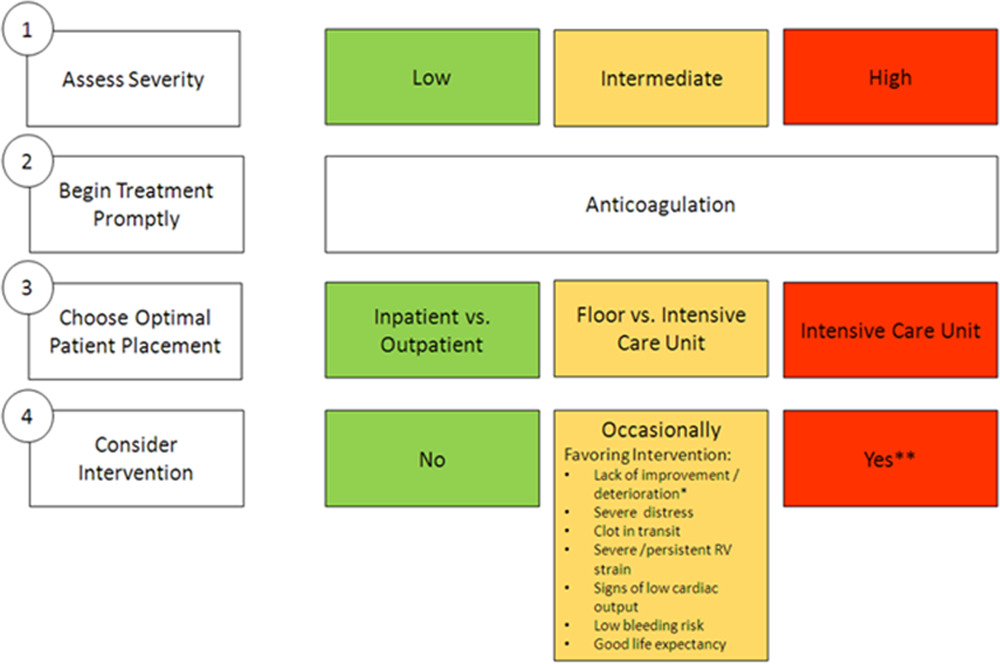
Deciding which pulmonary embolism patient needs thrombolytics/catheter based intervention is a shared decision among emergency physicians, intensivists, interventionalists, hospitalists, and the patient/family. This article provides evidence to help guide this decision. Keep in mind “The use of either CDL or catheter-based embolectomy in patients with intermediate-risk PE has, thus far, been correlated only with more rapid improvement of RV dysfunction than anticoagulation alone, not short- or long-term clinical or functional outcomes.”
"1. Massive (AHA) or high risk (ESC): Hypotension, defined as a systolic blood pressure <90 mm?Hg, a drop of >40 mm?Hg for at least 15 minutes (this latter criterion may be difficult to ascertain in some clinical circumstances), or need for vasopressor support, identifies these patients. They account for ?5% of hospitalized patients with PE and have an average mortality of ?30% within 1 month.
2.Submassive (AHA) or intermediate risk (ESC): RV strain without hypotension (see above) primarily identifies these patients. RV strain includes RV dysfunction on computed tomography pulmonary angiography or echocardiography (RV/left ventricular [LV] ratio >0.9)6,7 or RV injury and pressure overload detected by an increase in cardiac biomarkers such as troponins or brain natriuretic hormone.
3.Low risk (ESC and AHA): These patients do not meet criteria for submassive (AHA) or intermediate-risk (ESC) PE"
Show References
Early administration of antibiotics for open fractures can reduce serious bone and soft tissue infections, with a common goal being antibiotic administration within one hour of injury.
In this study, there were 523 patients treated by EMS who had an open extremity fracture.
The median time from EMS dispatch until antibiotic administration was 31 minutes. 99% of the patients who received antibiotics received them within one hour of EMS dispatch. Prehospital times were on average 10 minutes longer for those patients who received antibiotics. The majority of these patients received cefazolin, followed by ceftriaxone, ampicillin, gentamicin and piperacillin/tazobactam. None of these patients required management for an allergic reaction or anaphylaxis. Five patients (1%) who received prehospital antibiotics and 159 patients who did not (1.4%) had a subsequent infection based on ICD codes.
Bottom line: In this small group, it was safe to administer antibiotics to a patient with an isolated open extremity fracture and the medication was able to be delivered earlier. Larger studies will be needed to see the impact of this practice on the development of osteomyelitis or soft tissue infections.
Show References
The CLOVERS trial (NEJM 2023) examined one of the eternal questions of critical care, liberal vs restrictive fluid management in sepsis… and found no difference. But there are criticism of CLOVERS, and while some other trials agreed with this result, there are also signals in the literature that restrictive fluid strategies are beneficial. Furthermore, we know that these trials suffer from issues of heterogeneity, and often lump together very different patients.
Jorda et al recently published in Critical Care a posthoc re-analysis of CLOVERS looking specifically at patients with advanced CKD (eGFR < 30). This is a challenging group of patients to manage. On the one hand their renal function is already marginal, so the last thing we want to do is potentially deprive starved kidneys of necessary intravascular volume, but on the flip side their septic shock puts them at high risk of full blown renal failure (transient or permanent) and they're thus at very high risk of fluid overload with aggressive resuscitative fluids and potentially limited ability to clear those fluids renally in the next few days. So how did these patients do in CLOVERS?
They did significantly better with the restrictive fluid strategy (mortality 22% vs 39%, HR CI 0.29-0.85). They also had more pressor free days and vent free days.
Bottom Line (my opinion): While a restrictive vs liberal fluid strategy in septic shock remains a bit up for debate, the evidence continues to slowly tip towards restrictive fluids (i.e. earlier pressors) as the preferred approach. In patients with advanced CKD (eGFR < 30), there is probably now sufficient evidence to favor vasopressors over IV fluid administration when resuscitating septic shock.
Show References
Many may look at the Inferior Vena Cava (IVC) to get a sense of a patient's “fluid responsiveness.” However, there are many pitfalls to using the IVC. An article by Via et al outlines these pitfalls and is an interesting read!
To summarize, IVC can be affected by:
- Ventilator Settings such as high PEEP
- Patient's inspiratory efforts such as significant respiratory efforts
- Asthma/COPD exacerbations
- Cardiac Conditions impeding venous return such as tamponade or RV dysfunction
- Increased abdominal pressure such as intra-abdominal hypertension
- Other factors such as asking the patient to take a breath in, poor measurements, ivc compression by masses or ECMO cannulae
Bottom Line: Think twice before using IVC to evaluate for fluid responsiveness.
Show References
The Bova score has been validated to predict mortality and complications in hemodynamically stable patients with intermediate to high-risk pulmonary embolisms. There is some literature on using the Bova score to decide on thrombolytics/interventional therapy as well.
Scoring Criteria:
- Score 2: Systolic Blood Pressure 90-100 mmHg
- Score 2: Elevated cardiac Troponin
- Score 2: Right Ventricular Dysfunction
- Right Ventricle to Left Ventricle ratio >0.9
- Systolic pulmonary artery pressure >30 mmHg
- Right ventricular free wall hypokinesis
- Right ventricular dilatation (e.g. D-Sign)
- Score 1: Heart Rate >=110 bmp
Interpretation:
- Stage 1: Bova Score 0-2 (low risk)
- Mortality at 30 days: 3.1%
- PE Related Complications: 4.4%
- Stage 2: Bova Score 2-4 (intermediate risk)
- Mortality at 30 days: 6.8%
- PE Related Complications: 18%
- Stage 3: Bova Score >4 (high risk)
- Mortality at 30 days: 10%
- PE Related Complications: 42%
Show References
A 2020 meta-analysis attempted to estimate the frequency of radiographically occult hip fractures in the elderly population.
26 studies evaluated the rate of surgical hip fractures with no obvious findings on plain film.
Median age 80.3 years (67-82 years).
MRI used as gold standard.
The overall rate of radiographically occult hip fracture requiring surgery was 39%.
This percentage is higher than reported in other studies which may have included non-elderly patients, retrospective bias or other issues.
Overall, 18% had femoral neck fractures, 17% had intertrochanteric fractures and 1% had subtrochanteric fractures.
Elderly patients with acute hip pain and negative or equivocal findings with initial plain film imaging have a high frequency of occult hip fractures. Strongly consider advanced imaging in this population
Question
At our institution we have developed a guideline for the use of hypertonic saline in hyponatremia.
Administration of 3% sodium chloride for acute or symptomatic hyponatremia
- Bolus doses are preferred over continuous infusion.
- Use in patients with rapid decline in serum sodium levels (>= 10 mEq decrease over 24 hours) or symptomatic (e.g. seizures).
- Do not attempt to normalize the serum sodium level in the first 24 hours.
- Serum sodium correction should be no more than 8-10 mEq/L in a 24-hour period.
- 8 mEq/L (or less) should be used in patients at high risk for osmotic demyelination syndrome
- High risk populations: chronic hyponatremia, hypokalemia, alcoholism, malnutrition, or liver disease
- Chronic hyponatremia should be corrected over days with a goal of 4-8 mEq/L in 24 hours.
- Fluid restriction should be considered first-line for chronic hyponatremia.
Acute hyponatremia with severe symptoms
- Bolus 3% sodium chloride 150 mL over 10 minutes.
- If symptoms persist repeat up to 3 doses over 30 minutes.
Acute hyponatremia with moderate symptoms
- Bolus 3% sodium chloride 150 mL over 20 minutes once.
Hyponatremia Fluid Rate Calculations (**Be Careful with Online Calculators**)
FYI: 3% Sodium Chloride (1.95 mL/mEq; 513 mEq/1 L); 0.9% Sodium Chloride (6.5 mL/mEq; 154 mEq/1 L)
Equations for Calculations
- Sodium correction for HYPERglycemia
- Corrected Na=Observed Na + 0.016 x (serum glucose-100)
- Calculated Sodium Deficit
- Female: (Desired Na – Observed Na) x 0.5 L/kg x weight (kg)
- Male: (Desired Na – Observed Na) x 0.6 L/kg x weight (kg)
- This equation will give you the total mEq of Na needed in 24 hours.
- Remember: Correction should be no more than 8 mEq/L in 24 hours in most cases.
- Calculated Infusion Rate for Sodium Correction
- ___ mEq Na required (from Equation 2) x ___ mL/mEq of fluid = ___ mL of fluid
- ___ mL of fluid / 24 hours = ___ mL/hr of fluid
***See Visual Diagnosis for an Example with Calculations***
Show Answer
Show References
I don't know about you, but I'm always eager to hear new and alternative methods of pain control…
This study examined the effectiveness of transcutaneous electrical nerve stilumlation (TENS) in patients with abdominal pain. Patients were randomized to TENS or sham applied to the abdomen. The primary outcome of interest was change in pain score 30 min after the intervention, and secondary outcome was percentage of patients requiring rescue analgesia. Pain scores were measured on a verbal numeric score scale with a range from 0 to 10, with any adult patients with a minimum score of 5 being eligible.
The mean reductions in pain scores after the intervention were also similar in patients treated with TENS and sham TENS (1.9 vs. 1.7 respectively, p = 0.81). THe use of rescue analgesia was 49% in patients treated with TENS and 51% in those who received sham TENS (p=0.66). No adverse events were noted.
The authors did note that there is a challenge in blinding due to toeh absence of electrical stimulation in the sham group; nonetheless, TENS was not found to be more effective than sham. It also did not reduce the need to rescue analgesia.
Guess I'll keep looking…
Show References
This May, the Society of Critical Care Medicine (SCCM) published new recommendations [1] for the use of corticosteroids in critical illness (separate from patients with known adrenal insufficiency or on chronic steroids), namely:
- “Suggesting” for all septic shock with continued vasopressor requirement not just “refractory” (requiring 2+ pressors)
- Matches the 2021 Surviving Sepsis Campaign Guidelines suggestion [2]
- “Suggesting” for ARDS (acute onset, bilateral infiltrates not due to cardiac dysfunction or volume overload, PaO2: FiO2 </= 300)
- Matches the 2024 American Thoracic Society Clinical Practice Guidelines suggestion [3]
- Does not explicitly exclude influenza+ ARDS, in which steroids have previously been associated with worsened outcomes [4]
- “Recommending” for patients with bacterial community acquired pneumonia and new O2 requirement
- New guidelines from ATS/IDSA not yet updated from 2019; support primarily from 2023 CAPE COD trial [5]
Bottom Line:
For severe bacterial pneumonia and septic shock, ED physicians should feel comfortable administering a dose of hydrocortisone 50mg IV as hydrocortisone 200mg/day is an accepted regimen for these disease processes.
For patients with ARDS who remain boarding in the ED, EM docs should discuss initiation of steroids with their intensivists, whether the institutional preference is for dexamethasone 20mg IV (per DEXA-ARDS) [6] or methylprednisolone 1mg/kg/day (per Meduri)[7].
Show References
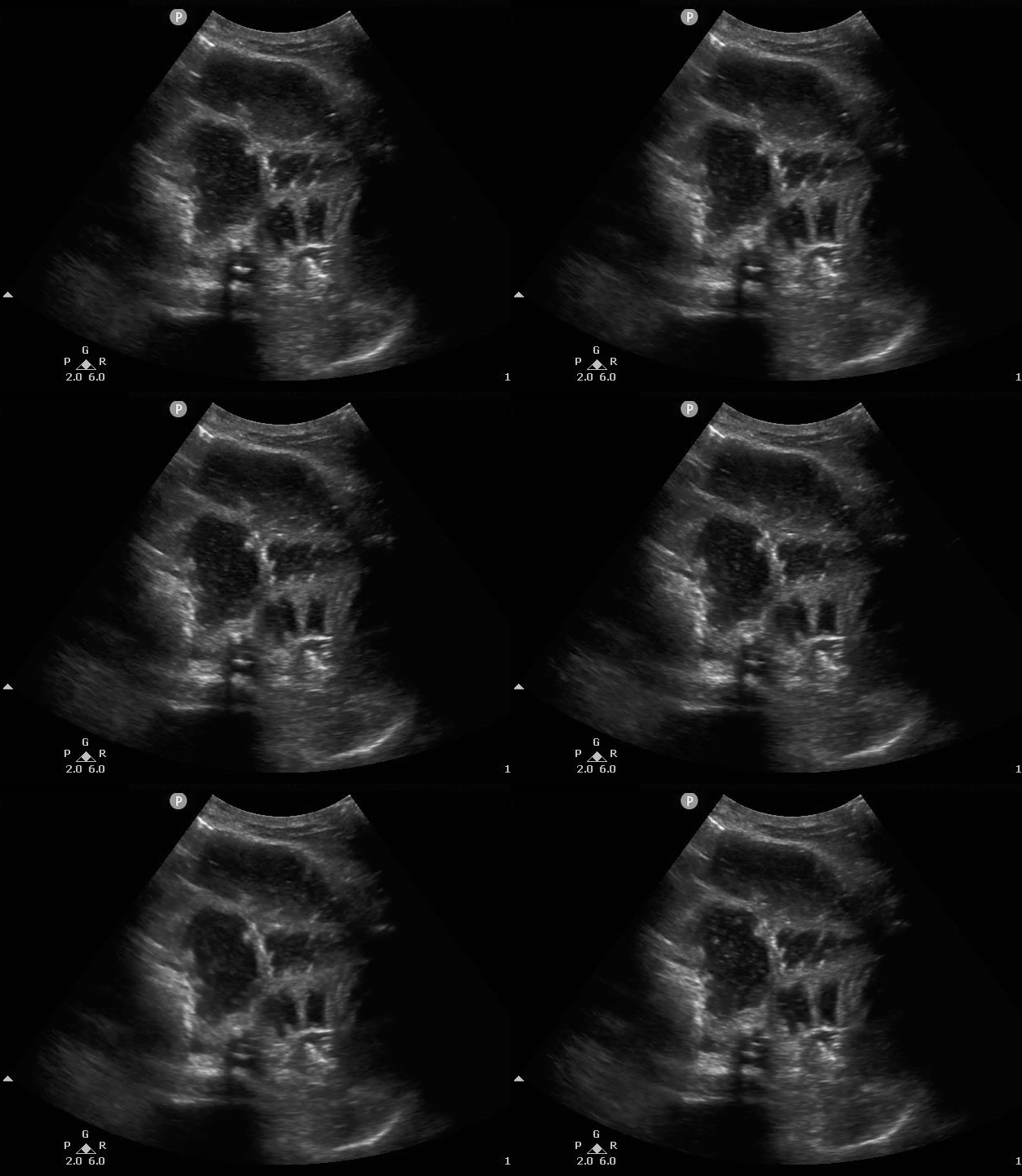
POCUS has been shown to have a 92.4% sensitive (95% CI 89.0% to 94.7%) and 96.6% specific for identifying SBO.
Some characteristics of SBO include:
-dilated fluid filled bowel
-contents of bowel moving to and fro like a washer machine
-wall thickening and ability to see plicae circulares
- in high grade obstruction you may also notice intraperitoneal fluid near the dilated bowel.
Show References
Question
Patient struck in left eye. The patient was asked to look up during exam and this is the finding. What imaging modality would you order if so inclined, what is the injury, and what is the disposition/plan?

-668ade5e780f0.jpg)