
Yet another study (this time ED focused) has shown benefits to patients and hospital systems when implementing a Phenobarbital-based treatment algorithm. Shorter ED LOS, fewer admissions, and treatment with phenobarbital alone was independently associated with discharge when compared to mixed treatment regimens. Higher age and heart rate, as well as treatment with benzodiazepines alone were independently associated with hospitalization.
Cautions/contraindications include: pregnancy, cirrhosis with history of hepatic encephalopathy (consider dose reduction in hepatic dysfunction), acute intermittent porphyria, and prior chronic phenobarbital use.
Phenobarbital has a long half life (one of its benefits in AWS) and works synergistically with benzodiazepines, so should be used preferentially as monotherapy in patients where the diagnosis is relatively certain and who have not received high doses of benzos. Once the diagnosis is made, go with phenobarbital and stick with it.
PulmCrit has an excellent in-depth article on this and also see Dr. Flint's pearl describing another centers experience in a hospital-wide rollout (links below).
Show References
POCUS can be a valuable tool for screening both peripheral venous and arterial pathology.
If you suspect critical limb ischemia, you can use a similar approach to venous evaluation to assess for arterial occlusion.
- For lower extremity: start by surveying the common femoral artery, superficial femoral artery and popliteal artery.
- For upper extremity: start by surveying the carotid artery, subclavian artery, axillary artery and brachial artery
- You can then extend the exam to evaluate the area of tenderness.
Evaluate for:
- Compressibility with pulsation
- Visible clot in the lumen
- Doppler flow assessment with either color or spectral doppler
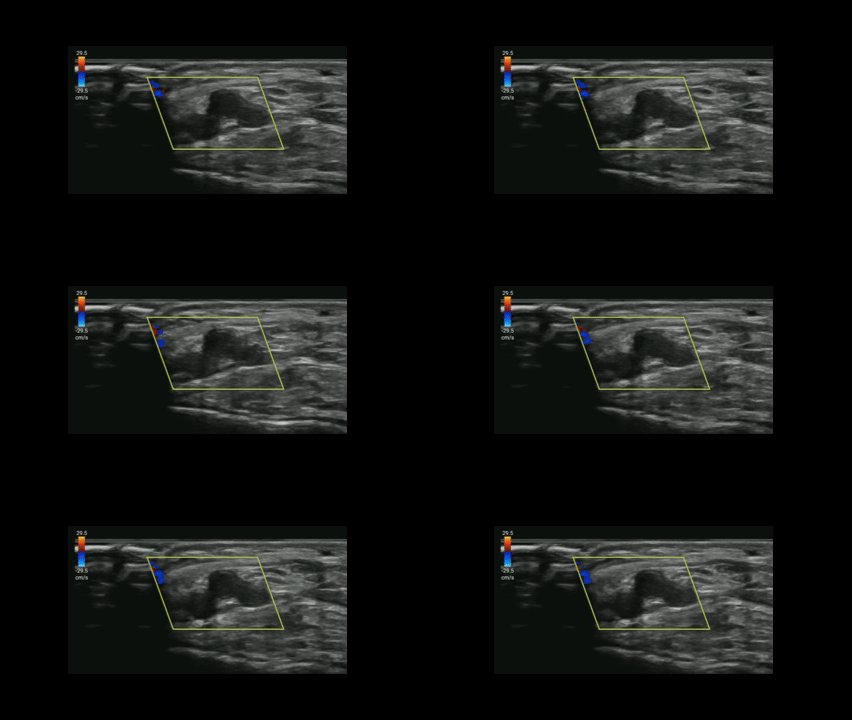
Conclusion: POCUS can expedite diagnosis and resources prior to definitive testing with CT angiography.
Show References
This systematic review found improved pain scale at 15 and 120 minutes in 495 patients who received nebulized ketamine. Dosing at 0.75 mg/kg was as effective as 1.5 mg/kg and the nebulized ketamine was non-inferior to IV morphine and ketamine with fewer side effects.
Show References
The Geriatric Measurement Tool (GMT) was used in this study prospectively to assess 24 hour mortality rate in ED patients over age 65. The GMT is a combination of FRAIL Questionnaire and Barthel index for Activity of Daily Living. The study found:
“ From 700 enrolled patients, GMT categorization revealed that 53.6% of patients were in Category-4 (moderate/more dependent and frail), while 34% were in Category-1 (independent or slight dependency, prefrail/fit). The 24-h mortality rate was 9%. GMT Category-4 demonstrated high sensitivity (87.3%) for mortality prediction, but low specificity (49.7%). Conversely, GMT Category-1 showed low sensitivity (44.1%) but high specificity (90.2%) for predicting discharge.”
Probably the biggest take away is we should be thinking about assessing our older patient's health status using some validated scale/tool to help us have conversations with patients and families regarding prognosis and interventions.
Show References
The Geriatric Measurement Tool combines the FRAIL Questionnaire with the Barthel Index For Daily Living to give a prognosis on your patient's mortality. First used to predict mortality in older patients with pneumonia during COVID-19 pandemic. Now being investigated for other ED patient populations.
FRAIL Questionnaire: Fatigue, Resistance, Aerobic, Illness, Weight loss. https://www.activeagingweek.com/pdf/abbott/FRAILQuestionnaire.pdf
Barthel: Ten questions about ADL's to create a score 0-100. https://www.mdcalc.com/calc/3912/barthel-index-activities-daily-living-adl
Show References
This study looked at industry sponsored payments to EM physician through non-covered entities (ie not directly to physician or through an academic institution). It found a $100 million increase from 2015-23 in this payment model. It appears that private equity is not the only money entering emergency medicine in the past decade.

Total value of Industry-Sponsored Research Payments (ISRPs) by company. The 20 companies with highest total ISRPs awarded to emergency physician PIs.
Show References
Perintubation hypotension is a major problem, and can precipitate hemodynamic collapse and cardiac arrest for a multitude of reasons. To prevent this, many different strategies have been explored (some of which work and some of which don't), including empiric IV fluid boluses, additional resuscitation before intubation, switching or dose-reducing induction agents and much more. But we know pressors like norepinephrine raise blood pressure effectively, so should we just put everybody on a norepinephrine drip before we intubate them?
Probably not. The EPITUBE trial included 210 patients at a single-institution undergoing cardiac surgery, and randomized them to empirically starting a norepinephrine infusion before induction vs just rescue ephedrine when needed (fairly standard anesthesia practice). For the empiric norepinephrine group, they started at 0.06 ug/kg/min, and once the drip was up and running, they titrated for a MAP of 65-80 (which could include stopping the norepi if that the patient remained above 80 despite downtitration)
The incidence of severe hypotension (MAP < 55) did not differ between the groups, although fewer empiric norepinephrine patients had a MAP < 65 at any point (which was a secondary outcome). Naturally, the differences between this practice setting (the cardiac surgery OR) and the emergency department should be noted and are not addressed by this study.
Bottom line: There isn't good evidence to support empirically starting all patients on a norepinephrine infusion prior to intubation as a method to prevent perintubation hypotension. You should always have rapid access to vasopressors when intubating, and should continue to tailor your therapy to the individual patient, but probably don't start just putting everyone on norepinephrine before you intubate them.
Show References
Winter is in full swing and an escape to warmer climes is the only answer for many. That also means enjoying local tropical seafood and associated toxins. How do you differentiate, manage, and properly recognize the ABEM prompt?
Scombroid - HISTAMINE reaction
- Native histidine conversion to histamine due to improper freezing (>40° F)
- Mimics seafood allergy
- Treat with oral antihistamines.
- Histamine source is external, not internal production as in allergy, so no role for steroids or epinephrine
- Buzzwords: mackerel, tuna, bonito, albacore, sardines, anchovies, mahi-mahi, amberjacks, marlin and herring
- Buzzwords: spicy, peppery, or bubbly taste; honeycomb appearance of fish skin
Ciguatera - CIGUATOXIN contaminated reef fish
- Phytoplankton produce ciguatoxin. Little fish eat phytoplankton. Big fish eat little fish. Humans eat big fish where toxin has accumulated.
- Symptoms within hours of ingestion. Lasting weeks to years or rarely life-long.
- GI: N/V/D, abdominal pain
- Neurologic: ataxia, paresthesia, allodynia. Careful of mimicking MS or DCS
- No treatment. Supportive care per clinical effects
- Endemic in Australia, the Caribbean and the South Pacific islands.
- Barracuda, grouper, snapper, parrotfish, moray eels, triggerfish and amberjacks.
- Odorless, tasteless and heat-resistant—fish will not taste different, cooking will not prevent intoxication.
- Buzzwords: hot/cold sensation inversion; persistent itching worse with skin warming, e.g. from alcohol or exercise
Show References
We have all been on that busy shift and just quickly looked at the impression section of the radiology report whether that is a CT, plain film, US or MRI. In doing this you run the risk of missing important information that is contained in the body of the report and has either not been carried down into the impression or contradicts the impression by some error.
To avoid missing important information that can impact patient care, always read the entire report and look at the images yourself. You have seen the patient, know the clinical history, and a second set of eyes never hurts.
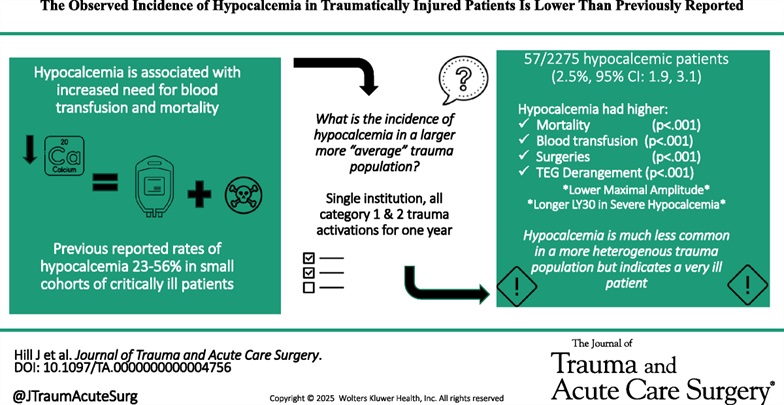
Previous small studies had put the prevalence of hypocalcemia in trauma patients at 23-56%. This single center study of 2200 patients looked at prevalence and outcome and found a much lower prevalence however worse outcomes than those who were not hypocalcemic.
Show References
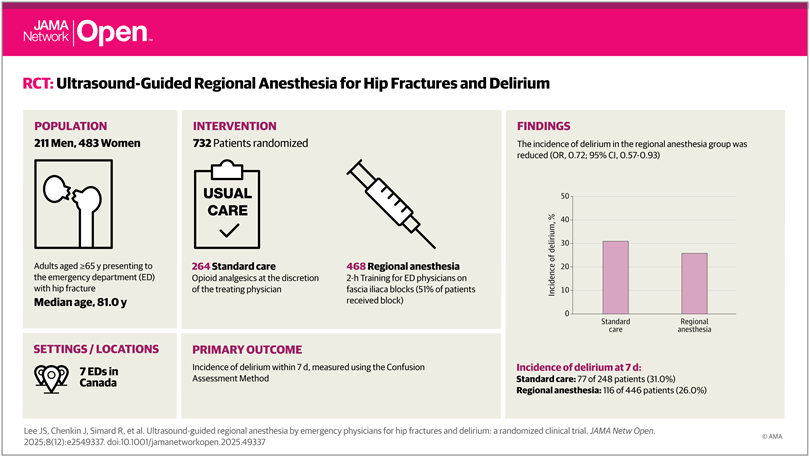
This study is a reminder of the efficacy of regional nerve blocks for older patient's with hip fractures. The authors trained EM physicians for 2 hours then evaluated delirium levels in patients who did and did not receive nerve blocks for hip fractures.
Show References
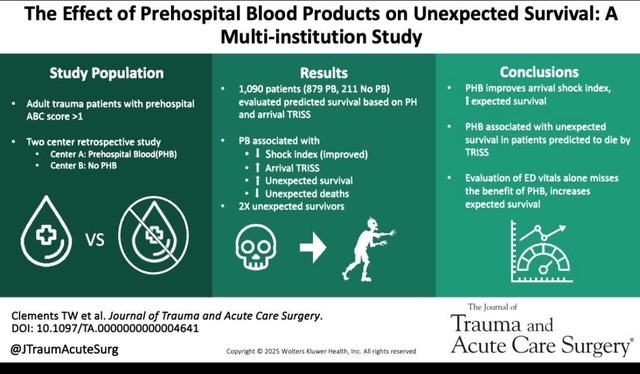
This study demonstrated that administration of prehospital blood to trauma patients lead to a higher rate of survival in patients whose initial ED vital signs or pre-hospital shock index would have predicted death.
Show References
How do ED volumes change around the winter holidays?
The anticipated US pattern is one of lower volumes on the holidays themselves followed by increased volumes on the first weekdays after.
Behavioral health visits show similar patterns – a drop before the holidays and perhaps an increase after the holiday.
Many departments adjust scheduling accordingly, reducing staff on major holidays, which has the added benefit of allowing more people to enjoy the holiday.
This pattern isn’t necessarily what happens everywhere, though. At least one Australian ED reported increased visits over the holidays.
While not perfect, the best guide to future holiday volumes remains past experience thoughtfully applied.
Show References
The emergency department serves many critically ill patients that require airway management and mechanical ventilation. Most of these patients go on to require ICU care. However, some patients require only brief intubation and should be appropriate candidates considered for emergency physician-driven extubation. Early extubation can minimize the risks associated with mechanical ventilation for patients such as ventilator associated pneumonia (VAP), ventilator induced lung injury (VILI), and others. Additionally, in setting of high levels of ED boarding and limited ICU resources, extubating appropriate candidates in the ED can reduce boarding times and improve patient flow.
Who?
- Patients with temporary neurologic dysfunction (alcohol/drug intoxication)
- Need for brief procedural sedation that cannot be accomplished without a definitive airway (endoscopy)
- Patients transitioning to a palliative, comfort-focused approach to treatment
Screening Checklist
- Returned to baseline mental status, able to follow commands
- Appropriate vital signs on minimal ventilator support
- Breathing spontaneously with RR <30, FiO2 of 30-40%, PEEP 5-8 cmH2O, achieving TV > 6-8 cc/kg
- May be on low-dose vasopressor to manage sedation-related hypotension
- No history of difficulty intubation (in case emergent reintubation is required)
Testing
- Perform spontaneous breathing trial (SBT):
- IPAP 10 cmH2O over EPAP of 5 cmH2O, also described as pressure support of 5 cmH2O over PEEP of 5 cmH2O
- 30 minutes
- Assess the RSBI (Rapid Shallow Breathing Index — available on MDCalc)
- Patient fails for EP-driven extubation if one or more of the following is present:
- respiratory distress
- severe anxiety
- hypoxemia (SaO2 < 90%)
- tachypnea (usually RR > 30)
- somnolence
- RSBI > 105 breaths/min/L
Prepare - depending on institution, may require consultation with the hospital intensivist
- Notify the respiratory therapist (extubation ideally performed by the RT, if available)
- Have standard AND difficult airway equipment at bedside
- These specifically selected patients can usually be extubated to temporary standard nasal cannula
- Optimal respiratory support post-extubation for palliative patients depends on patient-specific care plan
- For patients with respiratory distress with plan for compassionate extubation, we advise palliative opiate and anxiolytic administration closely titrated to patient comfort, adjusted as ventilator support is weaned down to a pressure support of 0 over PEEP of 0-5. This ensures the patient remains comfortable with minimal distress and air hunger when ventilator support is removed. Other palliative patients with no tachypnea or distress do not necessarily require this measure.
- Some of these patients may be anxious when transitioning off mechanical ventilation; consider use of dexmedetomidine in the peri-extubation period to facilitate patient comfort while maintaining respiratory drive
Perform - see this video courtesy of Respiratory Skills - LSC on performing extubation
- Make sure to monitor for post-extubation hypoxemia and post-extubation stridor
- Always be prepared for the potential need for re-intubation
Show References
Medication-related adverse events account for an estimated 2 million Emergency Department (ED) visits annually in the United States. This study evaluated whether a pharmacist-led intervention could reduce ED return visits for medication-related events.
In this open-label, parallel-group randomized clinical trial, 330 adults were enrolled at a single university hospital in France between 2018 and 2021. Medication-related events were categorized as adverse drug events without misuse (e.g., drug reactions or interactions), adverse drug events with misuse, and nonadherence-related events.
Patients were randomized to a pharmacist-led transition-of-care intervention or usual care. In the intervention group, an ED pharmacist obtained a medication history and contacted the patient’s general practitioner and community pharmacist by phone and letter with details of the event and management recommendations; estimated intervention time was approximately 60 minutes per patient. Usual care included a medication history and a standard ED discharge letter to the general practitioner.
The primary outcome was ED return visits for the same medication-related adverse event within 6 months. Secondary outcomes included all-cause ED visits, outpatient visits, hospitalizations, and death.
The intervention group had a 19% reduction in ED return visits for medication-related adverse events attributed to the same medication as the initial ED visit, with similar reductions in all medication-related ED visits and hospitalizations. There were no significant differences in all-cause hospitalization or mortality between the intervention and control groups.
Notable barriers to implementation included the time-intensive nature of the intervention (approximately 60 minutes per patient) and the absence of a shared medical record to facilitate communication between ED and outpatient pharmacists and clinicians.
Key Takeaway: Improved communication between ED teams, outpatient physicians, and pharmacists may reduce recurrent ED visits for medication-related adverse events.
Show References
Clinically Oriented Takeaway
A single-view posterior POCUS can reliably identify anterior shoulder dislocation using the **Glenohumeral Separation Distance (GhSD)**—a simple measurement of the posterior alignment of the humeral head and glenoid.
How to Use It
Place a linear probe transversely on the posterior shoulder.
Identify the most posterior aspect of the humeral head and glenoid.
Measure the vertical offset (GhSD):
GhSD > 0 cm ? Normal alignment
GhSD < 0 cm ? Anterior dislocation
GhSD = 0 cm ? Borderline; treat as suspicious
Clinical Implications
Even minimally trained operators achieved 100% sensitivity and specificity in detecting anterior dislocation using this method.
POCUS can:
Enable rapid diagnosis when radiography is delayed.
Confirm reduction immediately at bedside, especially valuable when sedation is used.
Potentially reduce ED length of stay and radiation exposure.
Limitations to Consider
Not validated for posterior dislocations.
Does not assess associated injuries (fractures, Hill-Sachs, Bankart lesions).
Findings based on novice sonographers; performance among clinicians likely equal or better but still needs broader validation.
Single-center, small convenience sample.
No posterior dislocations occurred; technique not validated for them.
Novice sonographers could not be fully blinded to shoulder appearance.
This study looked for differences in prescribing patterns of suboxone for different opioid related complaints- withdrawal, overdose, and other related complaints.
In the overall cohort, all racial minorities, except Native American, and female patients had a lower likelihood of being prescribed suboxone for any opioid related complaint compared to white, male patients.
However, when they did subgroup analysis, patients presented for withdrawal symptoms had increased rates of buprenorphrine administration and prescribing that eliminated the racial disparities, but the gender disparities remained.
MOUD remain a key factor in allowing patients with OUD to achieve long-term sobriety, but there are still persistent barriers to appropriate prescribing
Show References
Pediatric CPR without an advanced airway in place requires 15 compressions to 2 ventilations per AHA and ILCOR guidelines. This can lead to a 2-4 second pause in compressions due to the time the ventilations take. The Maryland hiccup method is a novel description of two brief pauses for ventilations during the upstroke of compressions 14 and 15. This method was shown to improve the compression fraction and compressions per minute with no significant differences between standard CPR and the Maryland hiccup method in ventilation volume or compression depth determined on simulation mannequins. 38 Maryland EMS clinicians participated in this study.
A video demonstration of the Maryland Hiccup method is linked in the article and also available at: https://www.youtube.com/watch?v=RvFxhj7hzsQ .
Show References
EMS is taught to assess levels of consciousness through the Glasgow Coma Scale (GCS) and AVPU (alert/responsive to verbal stimuli/responsive to painful stimuli/unresponsive).
This study aimed to find a cut off point for where GCS and AVPU scales correlate. The National EMS Information System data set was used to look at over 4 million patient encounters that had both GCS and AVPU documented.
Lower AVPU scores correlated with life-sustaining procedures, including those for airway management, seizure, and cardiac arrest. Optimal GCS cut points obtained via a grid-based search were 14 to 15 for alert (A), 11 to 13 for verbal (V), 7 to 10 for pain (P), and 3 to 6 for unresponsive (U).
Show References
Pitfalls in Lactate Interpretation
- Lactate is one of the most common biomarkers used in critical care.
- While an elevated lactate level is often attributed to impaired tissue oxygenation, an important pitfall in lactate interpretation in the critically ill is the failure to consider non-hypoxic causes of increased levels. These include:
- Enhanced glycolysis (B2-agonist administration, increased metabolic activity)
- Reduced clearance (hepatic failure, renal dysfunction, muscular dysfunction)
- Impaired tissue metabolism (mitochondrial dysfunction due to drug intoxication)
- Additional pitfalls in lactate use in the critically ill include:
- Use of an isolated value rather than assessing longitudinal trends
- Failure to correlate elevated lactate levels with other markers of perfusion (i.e., capillary refill time)
- Use of rigid normalization targets rather than targeting therapeutic interventions to the full clinical picture