University of Maryland School of Medicine logo
Emergency Medicine
All Departments
UMSOM Assistant

UMEM Educational Pearls

  • Home
  • Departments
  • Emergency Medicine
  • CME
  • UMEM Educational Pearls
  • CME
  • Courses and Conferences
  • Free Open Access Medical Education
  • UMEM Educational Pearls
Previous  |  1 |  ... |  98 |  99 |  100 |  101 |  102 |  103 |  104 |  105 |  106 |  107 |  108 |  ... |  239 |  Next

Title: What's the Diagnosis? Guest submission by #ChileEM Dr. Pedro Verdugo

Category: Visual Diagnosis

Posted: 1/11/2016 by Haney Mallemat, MD (Updated: 3/10/2016)

Question

What’s the name of this CT finding and name two potential causes?

Show Answer

Pneumobilia (air in the biliary tree). Be careful, this must be distinguished from portal venous gas.

Diagnoses to consider when pneumobilia is present:

  • Infection
    • Cholangitis
    • Liver abscess communicating with biliary tree
    • Emphysematous cholecystitis
  • Biliary instrumentation (e.g., recent ERCP)
  • Incompetent sphincter or Oddi
    • passage of a gallstone
    • sphincterotomy
    • certain medications
  • Biliary-enteric fistula (e.g., Peptic ulcer disease, gallstone ileus, trauma,, etc.)

http://radiopaedia.org/articles/pneumobilia

Show References

Follow me on Twitter (@criticalcarenow)


Title: Sever's disease

Category: Orthopedics

Keywords: Heel pain (PubMed Search)

Posted: 1/9/2016 by Brian Corwell, MD

Sever's disease also known as calcaneal apophysitis, is the most common cause of heel pain in the young adolescent (ages 8 to 12).

It can be thought of as the Achilles tendon equivalent of Osgood-Schlatter's disease (patellar tendon insertion pain).

It is a non inflammatory chronic repetitive injury.

Commonly seen bilaterally in up to two -thirds of cases.

Patients will complain of activity related pain to the heel.

There may be tenderness and local swelling at the Achilles tendon insertion.

Radiographs are not necessary for acute cases.

Treat with activity modification, heel raise, physical therapy.


Title: Caffeine: The socially acceptable psychoactive drug

Category: Toxicology

Keywords: Caffeine, Energy drinks (PubMed Search)

Posted: 1/8/2016 by Kathy Prybys, DO (Updated: 1/8/2016)

Caffeine is the most commonly used psychoactive substance in the world. It is widely available in coffee, tea, chocolate,soft drinks, OTC medicines, and energy drinks. The vast majority of people consuming caffeine appear to suffer no harm while enjoying it's stimulating effects. This has led to the widely held perspective that caffeine is a completely benign substance with no adverse health effects exists.

Although, children and adolescents are at particular risk, many caffeine containing products are specifically marketed at them. Alarmingly, statistics demonstrate that caffeine intake among children and adolescents has increased by 70% in the last 30 years. Energy drinks are of special concern as they represent the fastest growing component of the beverage industry, contain significant quantities of caffeine as well as high levels of sugar, and can place children at high risk for caffeine intoxication.

There are many negative health consequences documented with caffeine use which occur in a dose dependent manner with individuals differing in their susceptibility to caffeine-related adverse effects:

Acute Toxicity:
  • Arrhythmias
  • Anxiety
  • Agitation
  • Seizure
  • Nausea,vomiting, diarrhea
  • Diuresis
  • Metabolic disturbances
  • Hypotension
  • Rare fatalities

Chronic Effects:

  • Insomia
  • Palpitations
  • Headaches
  • Diuresis
  • Gastric acid secretion
  • Urinary incontinence in women
  • Adverse effect on wound healing process, the aging process of the human skin
  • Low birth weight babies
  • Withdrawal state
  • Increased risk of cardiovascular events (heart attack,strokes, peripheral artery disease and kidney failure) in young adults with mild hypertension.

Show References

Temple JL, Caffeine use in children: what we know, what we have left to learn, and why we should worry. Neurosci Biobehav Rev. 2009 Jun;33(6):793-806.
Reissig CJ. Caffeinated energy drinks-A growing problem. Drug and Alcohol Dependence. Vol 99. Issue 1-3, Jan 2009,1-10.
Cohen S. Gastric acid secretiom and lower esphageal pressure in response to coffee and caffeine. New Eng J Med. 293 (18): 897-9.
Jabbar SB, Fatal Caffeine overdose: a case report and review of the literature. Am J Forensic Med Pathol. 2013 Dec;34(4):321-4.


Title: Burns- The International Burden

Category: International EM

Keywords: Burns, low- and middle-income countries, disease burden (PubMed Search)

Posted: 1/6/2016 by Jon Mark Hirshon, MPH, MD, PhD (Updated: 1/16/2016)

Every year approximately 265,000 people die from burns

·      The vast majority occur in low- and middle-income countries

o   The rate of child death from burns is 7 times worse in low- and middle-income countries compared to high income countries

·      Almost half of all fatal burns occur in the WHO South-East Asia Region


Non-fatal burns are a leading cause of global morbidity

·      In 2004, almost 11 million individuals worldwide were burned badly enough to require medical attention


Unlike many other unintentional injuries, burns occur:

·      Mainly in the home and workplace

o   Women are at greater risk secondary to open fire cooking

·      Approximately equally among men and women

o   Most other injuries occur more frequently in men


Most burns are preventable.  Developing an effective burn prevention plan involving multiple sectors is important.  Per the WHO, the plan should be broad with efforts to:


·      improve awareness

·      develop and enforce effective policy

·      describe burden and identify risk factors

·      set research priorities with promotion of promising interventions

·      provide burn prevention programmes

·      strengthen burn care

·      strengthen capacities to carry out all of the above.

Show References

http://www.who.int/mediacentre/factsheets/fs365/en/


Title: When to stop antibiotics in the ICU?

Category: Critical Care

Keywords: antibiotics, drug resistance, (PubMed Search)

Posted: 1/5/2016 by Feras Khan, MD

Happy New Year!!!

My new year's resolution is to use less antibiotics (and eat more Cap'n Crunch Berries)

Will I be successful?

A multi-center, ICU, observational study looking at over 900 patients from 67 ICUs showed that half of all empiric antibiotics ordered in patients are continued for at least 72 hours in the abscence of adjudicated infection.

  • We have been well trained to start antibiotics but stopping or limiting use can be difficult
  • The greater the severity of illness, the longer the antibiotics were continued in this study

Things to consider:

The same way we try and limit central line use, we should try and decrease antibiotic usage on a daily basis

Tips to decrease use: daily clinical pharmacist input, ID specialist involvement, automated stop dates, 72 hour vancomycin cessation protocols, incentives for de-escalation, educational resources

Show References

Critical Care Medicine:
December 2015 - Volume 43 - Issue 12 - p 2527 2534
doi: 10.1097/CCM.0000000000001294
Feature Article

A Multicenter Evaluation of Prolonged Empiric Antibiotic Therapy in Adult ICUs in the United States

Thomas, Zachariah PharmD


Title: Sugammadex for Reversal of Non-Depolarizing Neuromuscular Blockers

Category: Pharmacology & Therapeutics

Keywords: sugammadex, rocuronium, NMBA, vecuronium (PubMed Search)

Posted: 1/2/2016 by Bryan Hayes, PharmD (Updated: 1/2/2016)

After three failed attempts, the FDA finally granted approval for Merck's non-depolarizing neuromuscular blocker reversal agent sugammadex (Bridion). Though the product has been used in Europe and Asia for several years, hypersensitivity concerns led to the delayed approval in the U.S.

Important points

  1. Reverses rocuronium, vecuronium, and to a lesser degree, pancuronium
  2. Full reversal obtained about 3 minutes after administration
  3. Eliminated entirely by the kidneys in about 8 hours (6 times longer in patients with CrCl < 30 mL/min)
  4. Dosing is generally 2-4 mg/kg. Total body weight should be used in obese patients

Application to Clinical Practice

  1. Potential for use in situations where a neuro exam is needed shortly after intubation (eg, status epilepticus, ICH)
  2. The risk of serious hypersensitivity appears to be < 1% in published literature
  3. Cost will most assuredly be high
  4. Long duration in patients with reduced kidney function means further attempts to re-paralyze with roc, vec, or pancuronium may be unsuccessful

The EM PharmD blog discusses sugammadex's approval in more detail.

Show References

  1. Welliver M, et al. Worldwide experience with sugammadex sodium: implications for the United States. AANA J 2015;83(2):107-15. [PMID 26016169]
  2. Welliver M, et al. Discovery, development, and clinical application of sugammadex sodium, a selective relaxant binding agent. Drug Des Devel Ther 2009;2:49-59. [PMID 19920893]
  3. Staals LM, et al. Reduced clearnace of rocuronium and sugammadex in patients with severe to end-stage renal failure: a pharmacokinetic study. Br J Anaesth 2010;104(1):31-9. [PMID 20007792]
  4. Llaurado S, et al. Sugammadex ideal body weight dose adjusted by level of neuromuscular blockade in laparoscopic bariatric surgery. Anesthesiology 2012;117(1):93-8. [PMID 22549697]

Follow me on Twitter (@PharmERToxGuy)


Title: J-Tip: A Tool to Reduce Pain for Pediatric Venipuncture?

Category: Pediatrics

Keywords: Pediatrics, Venipuncture, J-Tip, Jet-Injected, Local anesthesia, Topical anesthesia (PubMed Search)

Posted: 1/2/2016 by Christopher Lemon, MD (Updated: 9/17/2026)

Many providers may not be familiar with the "J-Tip" (National Medical Products Inc, Irvine, CA) which is a needle-free jet injection system that uses air to push buffered lidocaine into the skin. In theory, it provides quick local anesthesia without a needle, making it an ideal tool to reduce the pain of pediatric venipuncture. Maybe you will consider giving it a try?...but what is the data for it?

Studies on the subject to date are few in number and focus on older kids or adolescents. One such example is from Spanos et al, 2008. They conducted a randomized control trial comparing J-Tip buffered lidocaine versus topical ELA-Max for local anesthesia before venipuncture in children 8-15 years old (N=70). They utilized a self-reported pain scoring system and showed a statistically significant reduction of pain immediately after venipuncture for the J-Tip group. 
 
More recently, Lunoe et al sought to assess J-Tip usage in a younger population, ages 1-6 years old (N=205). An observation-based pain scoring system was applied to video playback of the procedure as participants were too young to self-report pain scores. At the study institution, usual care for venipuncture was not ELA-Max-- it was topical vapocoolant (i.e."freezie" spray). Thus, participants were randomized to one of three groups: 1) Control: vapocoolant spray alone, 2) Intervention: loaded J-Tip with buffered lidocaine + a spray of normal saline solution (to simulate vapocoolant spray) , 3) Sham: empty J-Tip  + vapocoolant spray. The empty J-Tip was used in the sham group to control for the sound/presence of the device because the scoring system does not differentiate pain from anxiety. They found a statistically significant reduction in venipuncture pain score when using the loaded J-Tip compared to the control or sham. There was no difference across groups in terms of venipuncture success rates or adverse events.
 
The latter study cites the price for each J-tip device between $0.98-$4.10. 

Show References

Spanos S, Booth R, Koenig H, et al. Jet injection of 1% buffered lidocaine versus topical ELA-Max for anesthesia before peripheral intravenous catheterization in children. Pediatric Emerg Care. 2008; 24:511-515.
 
Lunoe M, Drendel A, Levas M, Weisman S, Dasgupta M, Hoffman R, Brousseau D. A randomized clinical trial of jet-injected lidocaine to reduce venipuncture pain for young children. Annals of Emerg Med. 2015;66,5:466-474.

Attachments

  • 1601020306_jtip_works.jpg (24 Kb)


Title: Planning to Party on New Year's Eve?

Category: International EM

Keywords: alcohol, hangover (PubMed Search)

Posted: 12/30/2015 by Jon Mark Hirshon, MPH, MD, PhD

In many countries, alcohol is commonly drunk for special occasions, such as New Year’s.  What can be the consequences of drinking too much?


As noted in an article on the validation of the Dutch version of the brief young adult alcohol consequences questionnaire, the most common consequences were:


  1. Had a hangover: 74.3%
  2. Had less energy or felt tired because of my drinking: 63.9%
  3. While drinking, I have said or done embarrassing things: 38.0%
  4. Felt very sick to my stomach or thrown up after drinking: 34.1%
  5. Ended up drinking on nights when I planned not to drink: 29.2%
  6. Not gone to work or missed classes because of drinking: 28.0%
  7. Not been able to remember large stretches of time: 26.8%
  8. Taken foolish risks: 24.7%
  9. Quality of my work or school work has suffered: 21.7%
  10. When drinking, I have done impulsive things I regretted later: 21.4%


According to the Alcohol Hangover Research Group Consensus Statement on Best Practice in Alcohol Hangover Research, items 1, 2, 4, 6 and 9 are or may be related to hangovers.


Have an enjoyable, but safe New Year.


Show References

Validation of the Dutch version of the brief young adult alcohol consequences questionnaire (B-YAACQ). Verster JC, van Herwijnen J, Olivier B, Kahler CW. Addict Behav. 2009 May;34(5):411-4. Epub 2007 Sep 29.

The alcohol hangover research group consensus statement on best practice in alcohol hangover research. Verster JC, Stephens R, Penning R, Rohsenow D, McGeary J, Levy D, McKinney A, Finnigan F, Piasecki TM, Adan A, Batty GD, Fliervoet LA, Heffernan T, Howland J, Kim DJ, Kruisselbrink LD, Ling J, McGregor N, Murphy RJ, van Nuland M, Oudelaar M, Parkes A, Prat G, Reed N, Slutske WS, Smith G, Young M; Alcohol Hangover Research Group. Curr Drug Abuse Rev. 2010 Jun;3(2):116-26.


Title: Sickle Cell Disease in the ICU

Category: Critical Care

Posted: 12/29/2015 by Mike Winters, MBA, MD (Updated: 9/17/2026)

Acute Chest Syndrome

  • Acute chest syndrome (ACS) accounts for the most common cause of ICU admission and the most common cause of death in sickle cell patients.
  • Important pearls for ACS include:
    • Chlamydophila pneumonia is the most common bacterial cause of ACS in adults, whereas Mycoplasma pneumonia is the most common bacterial cause in children.
    • CXR abnormalities may be absent early in disease.
    • Children are more likely to have middle lobe disease, in contrast to adults who often have lower lobe involvement.
    • Acute RV failure is a well recognized complication of ACS - use ultrasound to evaluate the RV and be careful with fluids.

Show References

Cecchini J, Fartoukh M. Sickle cell disease in the ICU. Curr Opin Crit Care 2015; 21:569-75.


Title: What's the Diagnosis? Case by UMEM alumni, Dr. Bethany Radin

Category: Visual Diagnosis

Posted: 12/28/2015 by Haney Mallemat, MD

Question

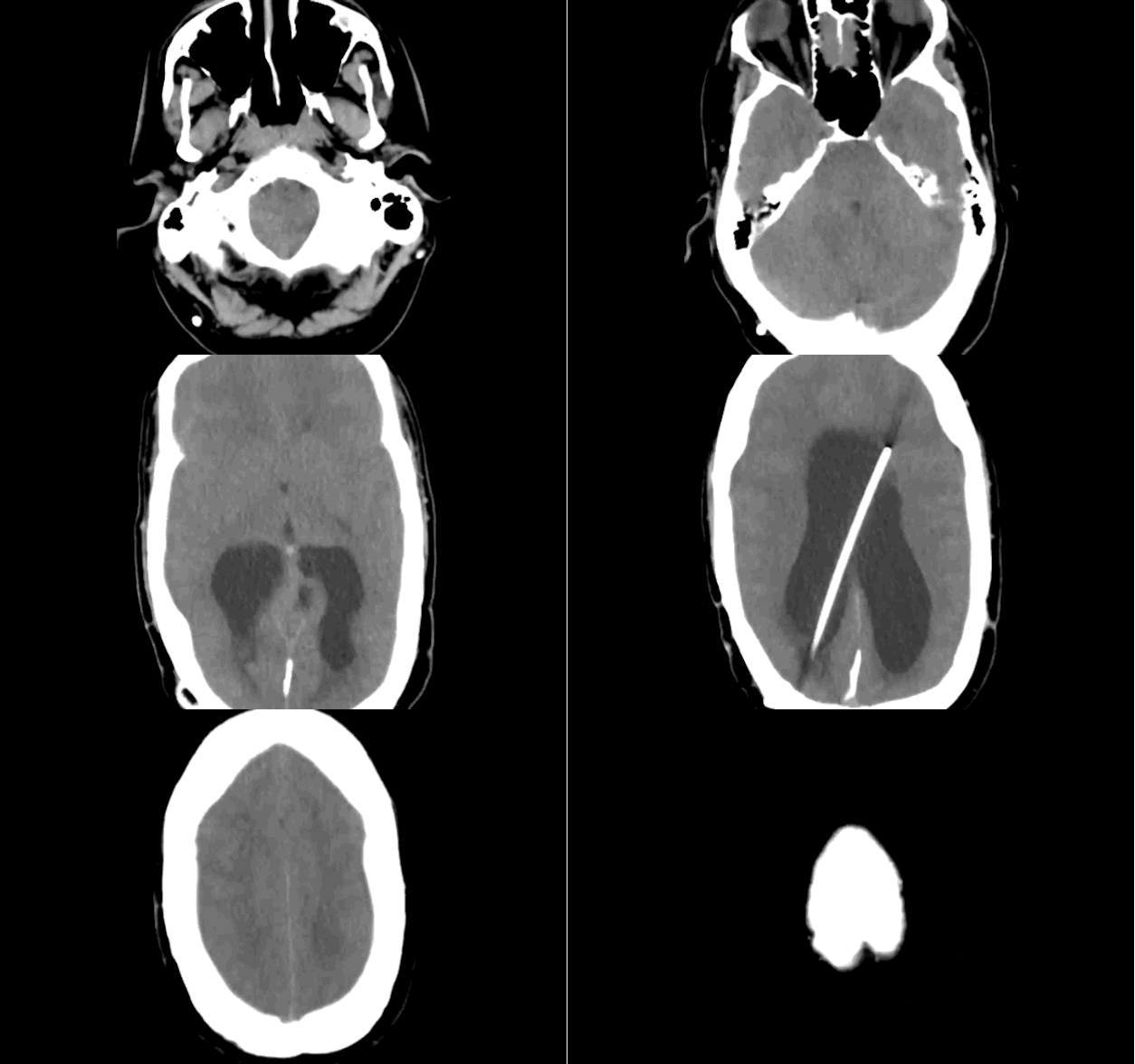
79 year-old male with headaches, ataxia, falls, and difficulty urinating. What's the diagnosis?
Show Answer

Diagnosis: Ventriculomegaly secondary to Normal Pressure Hydrocephalus

An approach to ventriculomegaly

Ventriculomegaly is due to cerebral atrophy (e.g., Parkinson disease) or increased cerebrospinal fluid (CSF) within the ventricles. Increased CSF is due to:

  • Increased CSF production (e.g., choroid-plexus papilloma), or
  • Impaired CSF re-absorption (e.g., subarachnoid-villi inflammation), or
  • Obstruction of CSF flow (e.g., non-communicating hydrocephalus)

Congenital causes of ventriculomegaly:

  • Neuro-tube defect (e.g, myelomeningocele)
  • Aquaductal stenosis
  • CNS malformation (e.g., Dandi-Walker syndrome)
  • Intrauterine infection (e.g., CMV, rubella, etc.)

Acquired causes of ventriculomegaly:

  • Paget's disease (obstruction of CSF flow)
  • Bacterial or viral meningitis (impaired CSF absorption)
  • Tumor (obstruction of CSF flow)
  • Post-hemorrhagic (e.g., trauma, aneurysmal rupture, AVM, coagulopathy) impaired absorption and/or obstruction of flow

Show References

Follow me on Twitter (@criticalcarenow)


Title: Concussion Recovery

Category: Orthopedics

Keywords: Adolescent, head injury (PubMed Search)

Posted: 12/26/2015 by Brian Corwell, MD

Protracted Recovery from Concussion

Age and sex may influence concussion recovery time frame

Methods: 266 adolescent athletes presenting to a sports medicine concussion clinic

Female athletes had a longer recovery course (P=0.002) and required more treatment interventions (p<0.001).

Female athletes were more likely to require academic accommodations (p<0.001), vestibular therapy (P<0.001) and medications (P<0.001).

Be aware that not all concussion patient subgroups with concussions recover in the same manner. Further study is needed to support whether female adolescent athletes require unique management and treatment guidelines.

Show References

Protracted Recovery From a Concussion

A Focus on Gender and Treatment Interventions in an Adolescent Population. Kostyun, Hafeez. Sports Health 2015.


Title: Herpes Encephalitis

Category: Neurology

Keywords: CSF, LP, HSV, infection (PubMed Search)

Posted: 12/23/2015 by Danya Khoujah, MBBS (Updated: 1/16/2016)

HSV infection of the CNS is one of few treatable viral diseases. HSV encephalitis of older children and adults is almost always caused by herpes simplex virus type 1 (HSV-1), and in individuals older than 20, is due to HSV reactivation.

Temporal lobe localization is characteristic for HSV encephalitis in individuals older than 3 months, and is responsible for its characteristic presentation, namely bizarre behavior and expressive aphasia.

CSF analysis will usually reveal an elevated protein level, and a lymphocytic cellular predominance.

CSF protein concentration is a function of disease duration, and will continue to rise even with administration of treatment (acyclovir) and may remain elevated after the completion of therapy.

5% of CSF samples will be totally normal, and the diagnosis will only be revealed with positive PCR detection of viral DNA in the CSF, which is the gold standard for diagnosis.

The sensitivity of MRI is similar to CSF analysis, with 5% of patients with HSV encephalitis having a normal MRI on presentation, and subsequently developing abnormalities.

Of note, HSV-2 tends to cause aseptic meningitis rather than encephalitis in adults, and has a benign course.

Bottom Line? Keep a high index of suspicion for HSV encephalitis, and treat the patient empirically despite a normal CSF/MRI pending PCR results.

Show References

Whitley RJ. Herpes Simplex Virus Infections of the Central Nervous System. Continuum 2015;21(6):1704 13


Title: Hypothermia for Severe Traumatic Brain Injury

Category: Critical Care

Keywords: Critical care, Trauma, TBI, ICP, hypothermia (PubMed Search)

Posted: 12/22/2015 by Daniel Haase, MD

The EuroTherm3235 Trial was a randomized, multi-center trial to study hypothermia (32-35oC) in severe, traumatic brain injury1:

  • Hypothermia was compared with hyperosmolar therapies (hypertonic saline and mannitol) as "Stage 2" management.
  • While hypothermia did successfully reduce ICP, functional outcomes (as measured in Extended Glasgow Outcome Score [GCS-E]) trended towards harm at six months (though not significantly different).
  • Take-home: The study design has significant flaws, but the lack of clear benefit of hypothermia is consistent with previous studies2 and suggests that fever prevention or controlled normothermia (36oC) may be ideal for severe TBI patients, but needs further study.

Show References

1. Andrews PJ, Sinclair HL, et al; Eurotherm3235 Trial Collaborators. Hypothermia for Intracranial Hypertension after Traumatic Brain Injury. N Engl J Med. 2015 Dec 17;373(25):2403-12. doi: 10.1056/NEJMoa1507581. Epub 2015 Oct 7. PubMed PMID: 26444221.

2. Brain Trauma Foundation; American Association of Neurological Surgeons; Congress of Neurological Surgeons. Guidelines for the management of severe traumatic brain injury. J Neurotrauma. 2007;24 Suppl 1:S1-106. PubMed PMID: 17511534.


Title: Mulder's Sign

Category: Orthopedics

Posted: 12/19/2015 by Michael Bond, MD

Quick pearl for those that are trying to complete their holiday shopping.

Mulder's sign is not a sign that there is an extra-terrestial in your ED, But rather a sign that your patient is suffering from a Morton's Neuroma (see pearl from 2012)

Patients will often complain of pain in 3rd and 4th intermetatarsal space and if you can reproduce the pain by compressing the metatarsal heads together then you have a Positive Mulder's sign. Check out the original pearl at https://umem.org/educational_pearls/1684/


Title: Beware the inflatable bouncer

Category: Pediatrics

Keywords: inflatable, trauma, bounce house (PubMed Search)

Posted: 12/18/2015 by Jenny Guyther, MD (Updated: 12/18/2015)

Inflatable bouncers are becoming more popular. A recent study looked at the patients who presented to an Italian emergency department from 2002-2013 after injuries sustained while using them.
-Males had a slight predominance over females
-Preschool children were the most commonly injured
-Upper extremity was injured more commonly than lower extremity
-Injury occurrence increased each year
Bottom line: Beware the inflatable bouncer and have a high suspicion for upper extremity injuries, especially in preschool children

Show References

Ferro V, D'Alfanso Y, Vanacore N et al. Inflatable bouncer-related injuries to children: increasing phenomenon in pediatric emergency department, 2002-2013. Eur J Pediatr. October 2015 (epub ahead of print).


Title: What is the origin of cathinones?

Category: International EM

Keywords: Horn of Africa, Arabian Pennusla, khat, bath salts, altered mental status (PubMed Search)

Posted: 12/16/2015 by Jon Mark Hirshon, MPH, MD, PhD

Synthetic cathinones, known as bath salts, are a frequently used street drug in the United States.  They have been discussed in a number of previous pearls.  But from where did cathinone originate?


Khat (Catha edulis) is flowing plant native to the Arabian Peninsula and the Horn of Africa. It contains the monoamine alkaloid cathinone, which is an amphetamine-like stimulant that also causes euphoria. Historically, khat has been chewed for thousands of years and predates the use of coffee.  Khat chewing is particularly popular in Yemen.


Khat contains many different compounds, which cause a number of different effects. Many of these effects are considered harmful to health. Khat chewing primarily impacts the central nervous system and the gastrointestinal system. However, it also has effects on cardiovascular, respiratory, endocrine, and genitourinary systems.  In addition to the amphetamine like central nervous effects, other toxic effects include elevated blood pressure, tachycardia, insomnia, anorexia, constipation and general malaise.


Next time you see a patient with confusion and hallucinations from Yemen, Ethiopia, Somalia and other countries around the Horn of Africa, consider Khat in your differential.

Show References

Chemistry, Pharmacology, and Toxicology of Khat (Catha Edulis Forsk): A Review  Nasir Tajure Wabe
Addict Health. 2011 Summer-Autumn; 3(3-4): 137–149.


Title: What's the Diagnosis? The Critical Care Edition

Category: Visual Diagnosis

Posted: 12/15/2015 by Haney Mallemat, MD

Question

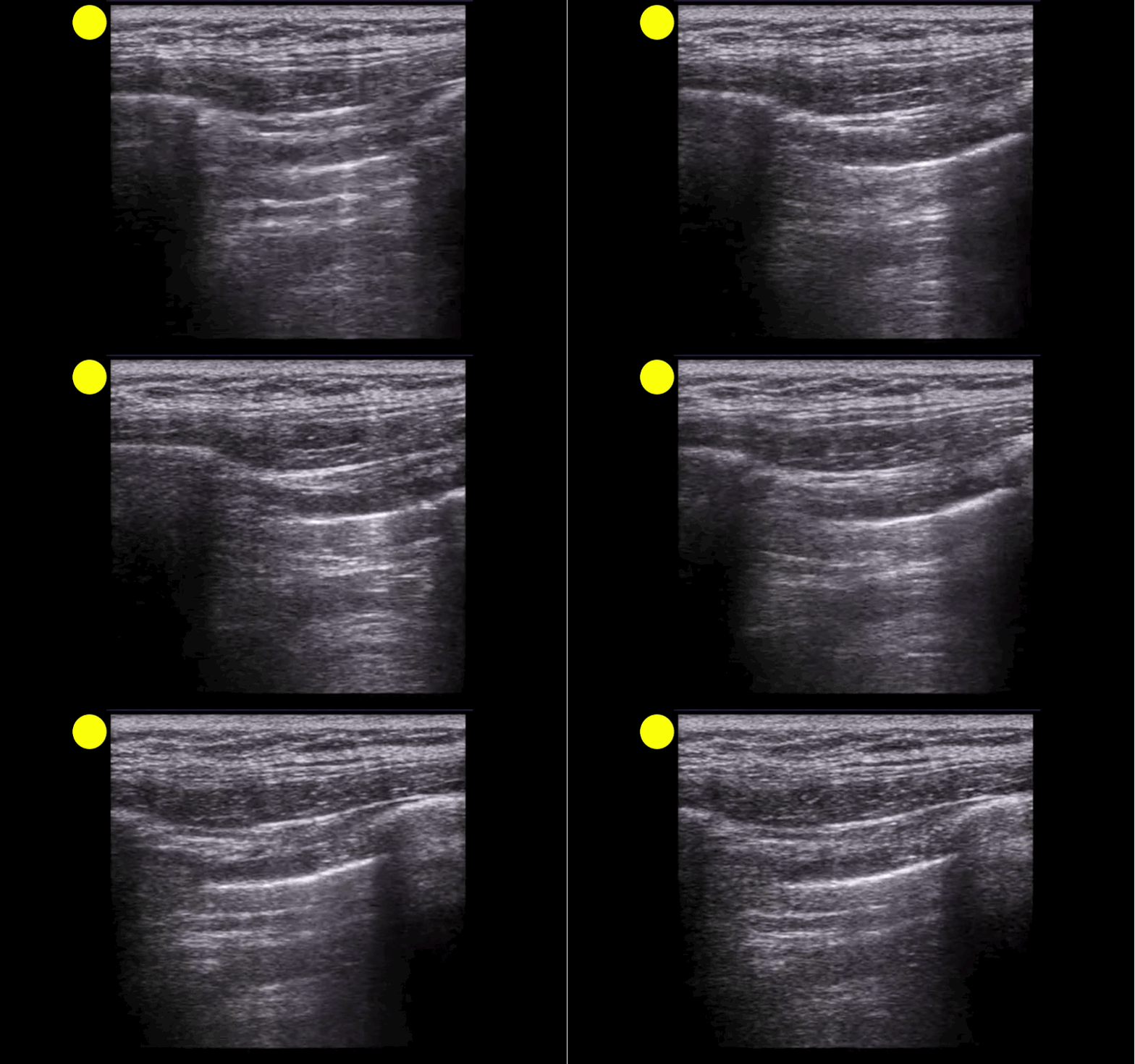
A patient arrives in acute respiratory distress with left sided chest pain. Ultrasound of the left anterior chest is shown; what's the diagnosis and name one false positive?
Show Answer

Lung point indicating pneumothorax (PTX)....see below for the false positives

What's the (Lung) Point

  • Separation of the visceral and parietal pleural secondary to a PTX leads to well recognized loss of lung sliding on ultrasound. 
  • Lung point (LP) on ultrasound is where the transition between pleural sliding and the loss of this sliding is demonstrated. Previous studies have reported that the LP has 100% specificity for a PTX.
  • Although this is a great sign to demonstrate PTX, be aware that there are several LP mimics:
    • lung-heart interface
    • lung-diaphragm interface (lower thorax laterally)
    • pleural effusion
    • blebs
  • Check out these great #FOAM posts by @ultrasoundjelly & @ultrasoundMD for more on the LP (and their mimics). Check them out here & here

Show References

Follow me on Twitter (@criticalcarenow)


Title: What's the Diagnosis? Case by UMEM alumni Dr. Adeleke Oni

Category: Visual Diagnosis

Posted: 12/14/2015 by Haney Mallemat, MD

Question

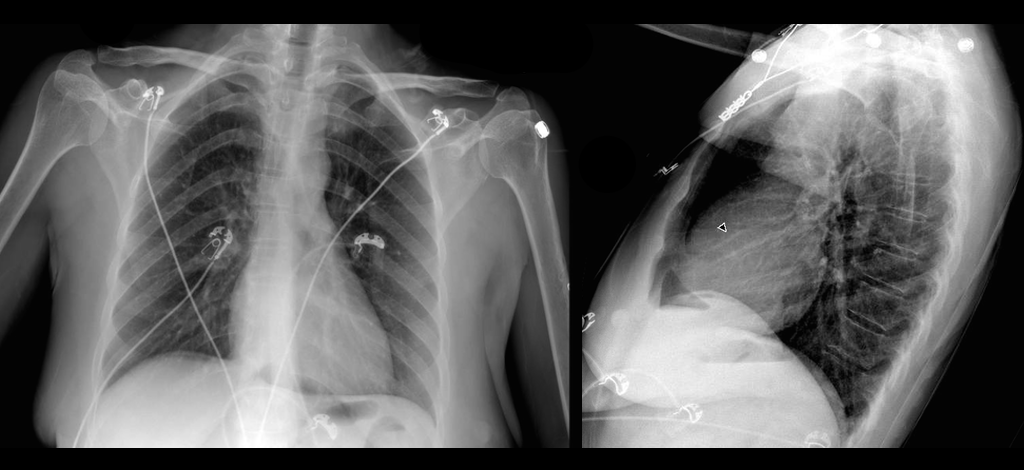
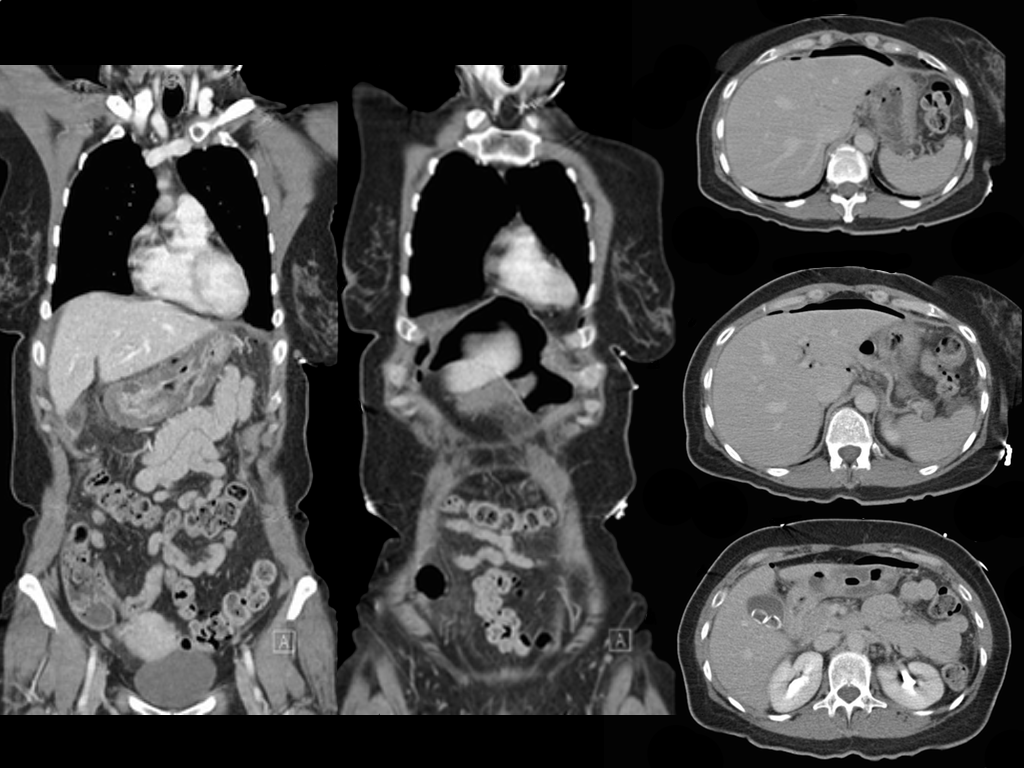
A patient presents with the sudden of onset chest and abdominal pain which woke her up at 2am. She has abdominal tenderness and rebound on exam, what's the diagnosis?

Show Answer

Ruptured gastric ulcer with pneumoperitoneum (CT scan below)

Show References

Follow me on Twitter (@criticalcarenow)


Title: Parental Knowledge and Attitudes toward Pediatric Sports Related Concussions

Category: Orthopedics

Keywords: Concussion, knowledge, education (PubMed Search)

Posted: 12/12/2015 by Brian Corwell, MD

Parental Knowledge of pediatric concussion

Sample: Parents of children brought to pediatric hospital or outpatient clinics for evaluation of orthopedic injuries.

Participants scored an average of 18.4 (0-25) on knowledge and 63.1 (15-75) on Attitudes toward concussions.

Safest attitudes were seen in white females. Knowledge increased with income and education levels.

Parents from low income or education levels may benefit from additional education in the ED prior to discharge in addition to providing paper information which may not be read or understood.

Show References

Assessment of Parental Knowledge and Attitudes toward Pediatric Sports Related Concussions.

Lin, Salzman et al., 2015. Sports Health Journal


Title: Lipid Emulsion's Effect on Labs

Category: Toxicology

Keywords: laboratory, lipid, toxicology (PubMed Search)

Posted: 12/10/2015 by Bryan Hayes, PharmD

The American Academy of Clinical Toxicology's Lipid Emulsion workgroup has published its first of 4 systematic reviews on the use of lipid emulsion in toxicology, this one on lipid's effect on laboratory analyses. [1] As expected, administering a fat bolus can significantly alter labs drawn subsequently.

The key point: If you are considering lipid for overdose, draw labs prior to giving it.

Which labs are affected? Most. Here's a helpful mnemonic courtesy of Dr. Kyle DeWitt.

  • B - Blood Gas
  • L - Liver transaminases
  • E - Electrolytes
  • A - Analgesics (acetaminophen, salicylates)
  • C - Coags
  • H - H/H, platelets

Also remember to give lipid in its own line. It isn't compatable with most resuscitation drugs. [2]

Show References

  1. Grunbaum AM, et al. Review of the effect of intravenous lipid emulsion on laboratory analyses. Clin Toxicol 2015 Dec 1:1-11. [Epub ahead of print, PMID 26623668]
  2. Cocchio C, et al. Physiochemical Stability of Intravenous Fat Emulsion in Combination with Medications Used for Resuscitation. SOJ Pharm PharmSci 2014;1(1):3. (open access)

Follow me on Twitter (@PharmERToxGuy)


Previous  |  1 |  ... |  98 |  99 |  100 |  101 |  102 |  103 |  104 |  105 |  106 |  107 |  108 |  ... |  239 |  Next
University of Maryland School of Medicine logo
  • Departments
  • Programs
  • Research Centers
  • Institutes
  • Graduate Education
  • CIBR Cores
  • Offices of the Dean
    • University of Maryland, Baltimore
    • University of Maryland Medical Center
    • Medical Alumni Association of the University of Maryland
    • Health Sciences and Human Services Library
University of Maryland School of Medicine
655 W. Baltimore Street
Baltimore, MD 21201
Contact Us

© University of Maryland School of Medicine

    • Webmaster
    • Web Accessibility
    • Site Index
    • UMB Hotline
    • Employment
    • Map