University of Maryland School of Medicine logo
Emergency Medicine
All Departments
UMSOM Assistant

UMEM Educational Pearls

  • Home
  • Departments
  • Emergency Medicine
  • CME
  • UMEM Educational Pearls
  • CME
  • Courses and Conferences
  • Free Open Access Medical Education
  • UMEM Educational Pearls

41-60 of 324 results by Robert Flint

Previous  |  1 |  2 |  3 |  4 |  5 |  6 |  7 |  8 |  ... |  17 |  Next

Title: Gender affects trauma triage and care

Category: Trauma

Keywords: trauma, treatment disparity, gender (PubMed Search)

Posted: 4/8/2026 by Robert Flint, MD (Updated: 4/8/2026)

This systematic literature review looking at gender differences in trauma care reveals:

  1. Women were older with more low-energy trauma than men. 
  2. Women were more likely to suffer from pelvic and spinal cord injuries. 
  3. Women were more likely to be under-triaged and under-treated.
  4. Sex/gender-based differences in mortality were inconsistent across studies. 
  5. Adjusted mortality appeared similar between women and men

Show References

Ghika-Nanchen, A., Marzorati, L., Merra, A. et al. Sex and gender bias in major trauma care: a scoping review. Scand J Trauma Resusc Emerg Med (2026). https://doi.org/10.1186/s13049-026-01596-3


Title: Geriatric learning objectives for prehospital providers

Category: Geriatrics

Keywords: prehospital, geriatric, education (PubMed Search)

Posted: 4/5/2026 by Robert Flint, MD (Updated: 4/5/2026)

A  modified 2 round Delphi study was used to create 57 learning objectives in geriatric care for European prehospital providers.  Based on in-hospital learning objectives and literature, these experts came up with what appears to be a very reasonable and helpful list of education objectives for pre-hospital providers that could easily apply to emergency medicine learners as a whole. Here is their table:

https://link.springer.com/article/10.1186/s13049-026-01550-3/tables/3

Show References

Krohn, JN., Barrett, J., Heeren, P. et al. A European paramedic curriculum for geriatric emergency medicine developed via a modified Delphi technique. Scand J Trauma Resusc Emerg Med 34, 14 (2026). https://doi.org/10.1186/s13049-026-01550-3


Title: Older patient splenic injury outcomes

Category: Trauma

Keywords: splenic injury, geriatrics, mortality (PubMed Search)

Posted: 4/4/2026 by Robert Flint, MD (Updated: 9/3/2026)

In this retrospective cohort study looking at splenic injury management and outcomes in the UK, patients over age 65 had much higher mortality and were more often managed conservatively (vs splenectomy or embolization) despite having a lower splenic injury grade and lower overall injury severity score compared to those under 65. Many factors are possible here including frailty, reluctance to intervene in older patients, and lower mechanism of injury bias away from evaluation and management.

Show References

Jenkins P, Anton B, Blair G, et al. Traumatic splenic injury in the elderly population: Does management choice affect outcome? Trauma. 2026;0(0). doi:10.1177/14604086261430458


Title: Rigid or soft-it may not matter

Category: Trauma

Keywords: Cervical immobilization, collar rigid, soft (PubMed Search)

Posted: 4/2/2026 by Robert Flint, MD (Updated: 9/3/2026)

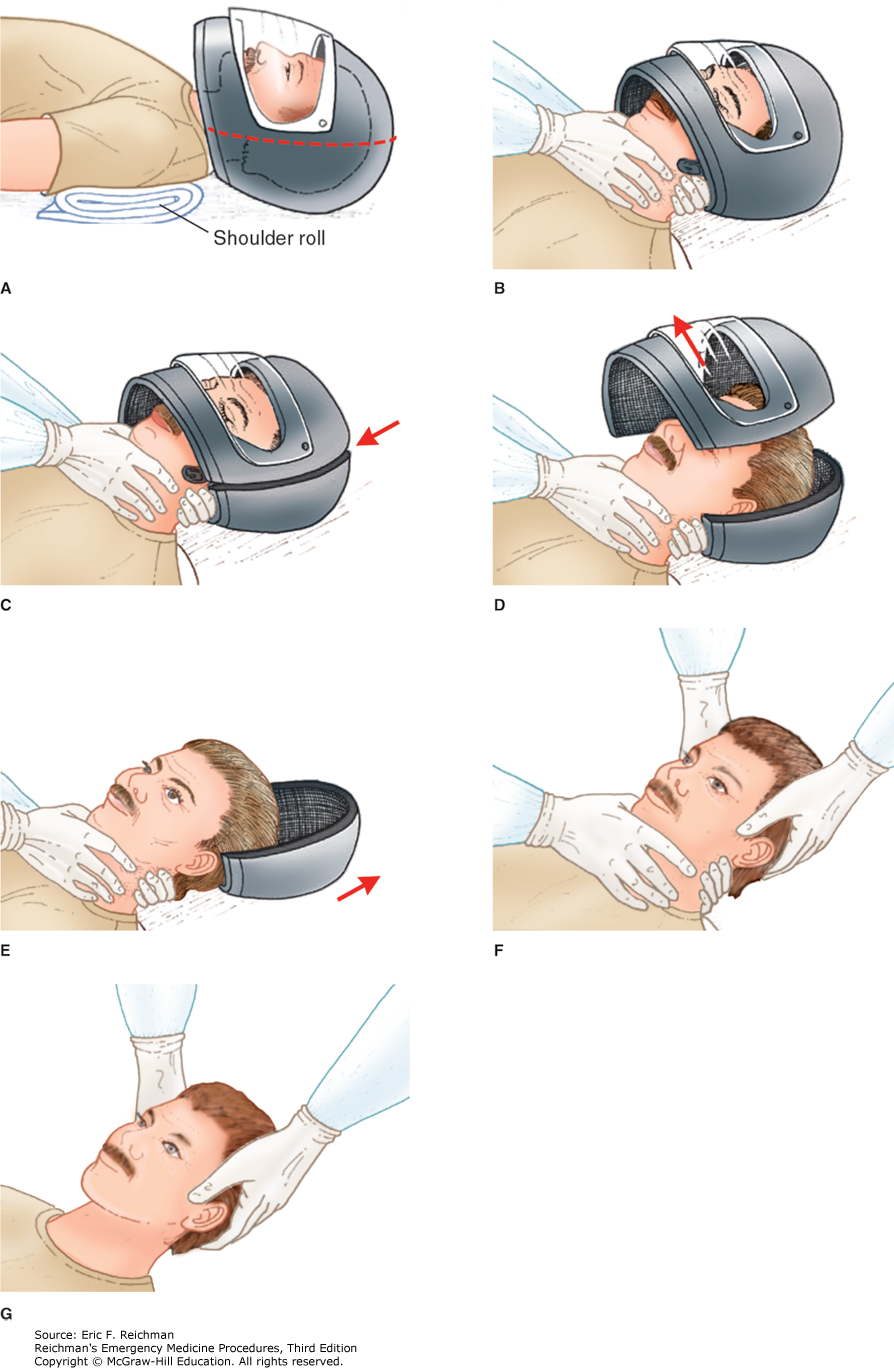
Looking at trauma patients evaluated at a major trauma center before and after EMS switched from semi-rigid to soft cervical collars for immobilization found no difference in adverse outcomes.  Add this to the mounting evidence that our current practice of spinal immobilization may not offer any benefit.

Show References

JACEP Open 2024;5:e13239. https://doi.org/10.1002/emp2.13239


Title: Bradycardia associated with intrabdominal hemorrhage

Category: Trauma

Keywords: Shock, bradycardia, Hemoperitoneum, hypotension, (PubMed Search)

Posted: 3/29/2026 by Robert Flint, MD (Updated: 9/3/2026)

Bradycardia accompanying hypotension can be found in spinal cord injury (loss of autonomic reflex), beta blocker and calcium channel blocker overdose, intrinsic cardiac electrophysiologic derangement, and, often forgotten, intrabdominal hemorrhage.  In the appropriate setting (blunt trauma, ruptured ectopic pregnancy), bradycardic hypotensive patients should be considered the same as tachycardic hypotensive patients and get a work up and treatment focused on Hemoperitoneum.

Show References

  1. Absence of a tachycardic response to intraperitoneal hemorrhage Stephen  L. Adams MD ?, James S. Greene MD †The Journal of Emergency Medicine Volume 4, Issue 5, 1986, Pages 383-389
  2. Howard S. Snyder, Stephen J. Dresnick, Lack of a tachycardic response to hypotension in penetrating abdominal injuries, The Journal of Emergency Medicine, Volume 7, Issue 4, 1989, Pages 335-339, ISSN 0736-4679, https://doi.org/10.1016/0736-4679(89)90294-1.
  3. Howard S. Snyder, Lack of a tachycardic response to hypotension with ruptured ectopic pregnancy,
    The American Journal of Emergency Medicine, Volume 8, Issue 1,1990,Pages 23-26, ISSN 0735-6757,
    https://doi.org/10.1016/0735-6757(90)90288-B.
  4. Rana MS, Khalid U, Law S. Paradoxical bradycardia in a patient with haemorrhagic shock secondary to blunt abdominal trauma. BMJ Case Rep. 2010 Oct 6;2010:bcr0420102872. doi: 10.1136/bcr.04.2010.2872. PMID: 22778107; PMCID: PMC3027800
  5. Jansen RP. Relative bradycardia: a sign of acute intraperitoneal bleeding. Aust N Z J Obstet Gynaecol. 1978 Aug;18(3):206-8. doi: 10.1111/j.1479-828x.1978.tb00051.x. PMID: 283785


Title: Room to improve goals of care conversations

Category: Geriatrics

Posted: 3/26/2026 by Robert Flint, MD

Using a database of 300,000 patients and applying a predictive measure for mortality, these authors found that patients over 66 with a high likelihood of 6 month mortality at the time of presentation were more likely to be admitted to an ICU when they presented to an ED. The authors conclude there is much work to be done regarding discussion of goals of care based on this information.

Show References

Adeyemi O, Hill J, Siman N, Goldfeld KS, Cuthel AM, Grudzen CR. Acute Care Use and Prognosis in Older Adults Presenting to the Emergency Department. J Pain Symptom Manage. 2025;69(6):559-568. doi:10.1016/j.jpainsymman.2025.01.006


Title: Low titer O whole blood use

Category: Trauma

Keywords: Whole blood, trauma center level (PubMed Search)

Posted: 3/22/2026 by Robert Flint, MD (Updated: 9/3/2026)

Looking at a national database, this study concluded the use of low titer O whole blood during trauma resuscitations  was increasing at level one centers but not at level 2 and 3 centers. Is this a representation of the national blood supply as whole blood is harder to stock? We need to understand this trend to assure equal and appropriate care to trauma patients across the country.

Show References

TransfusionEarly View

LETTER TO THE EDITOR

Trends in low titer group O whole blood use among United States trauma centers: An update from a national trauma registry from 2020 to 2024

Steven G. Schauer, Mark H. Yazer

First published: 01 February 2026

https://doi.org/10.1111/trf.70096


Title: Undertriage in older trauma patients-the NZ experience

Category: Trauma

Keywords: Trauma, geriatric, undertriage (PubMed Search)

Posted: 3/15/2026 by Robert Flint, MD (Updated: 9/3/2026)

Another study, this one from New Zealand, showing older trauma patients with similar injury severity score had less trauma team activations and higher mortality.

Show References

M.Nonis, A.McCombie, C.Wakeman, J.Geddes, and L. R.Joyce, “The Effect of Increasing Age on Outcomes in Major Trauma: A Retrospective Cohort Study,” Emergency Medicine Australasia38, no. 1 (2026): e70226, https://doi.org/10.1111/1742-6723.70226.


Title: Vasculitis

Category: Infectious Disease

Keywords: vasculitis, IgA, drug induced (PubMed Search)

Posted: 3/8/2026 by Robert Flint, MD (Updated: 9/3/2026)

This case report reminds us that vasculitis is an inflammatory  process that attacks blood vessels leading to organ dysfunction. The etiology can be a hypersensitivity reaction (think drugs) or an IgA mediated process secondary to infection (Strep or Mycoplasma). In this case, concomitate use of NSAIDS (very common etiology of hypersensitivity) and Mycoplasma lead to vasculitis. Treatment ranges from supportive care, to steroids to immunosuppressive agents such as azathioprine.

Show References

Elaine Yu, Akousa Osei-Tutu, Rachna Subramony,
Small Vessel Vasculitis from Mycoplasma Infection and Concurrent Topical Nonsteroidal Anti-Inflammatory Drug (NSAID) Medication,
The Journal of Emergency Medicine,
Volume 82,
2026,
Pages 88-93,
ISSN 0736-4679,
https://doi.org/10.1016/j.jemermed.2025.12.003.


Title: Continuous vs. bolus metoclopramide?

Category: Pharmacology & Therapeutics

Keywords: Drug reaction. (PubMed Search)

Posted: 3/5/2026 by Robert Flint, MD (Updated: 9/3/2026)

Of 925 ED headache patients in this meta analysis comparing extrapyramidal side effects of bolus vs. continuous infusion of metoclopremide the majority of the reactions occurred in the bolus group.

Show References

Ryuta Onodera, Yusuke Ito, Takahiro Itaya, Yoshie Yamada, Taku Iwami, Yusuke Ogawa,
Extrapyramidal symptoms and effectiveness of continuous vs bolus intravenous metoclopramide: A systematic review and meta-analysis,
The American Journal of Emergency Medicine,
Volume 103,
2026,
Pages 36-44,
ISSN 0735-6757,
https://doi.org/10.1016/j.ajem.2026.01.051.


Title: Ketamine analgesia use and long term quality of life

Category: Trauma

Keywords: Ketamine, pain control, trauma (PubMed Search)

Posted: 3/1/2026 by Robert Flint, MD (Updated: 9/3/2026)

When compared to saline(!) trauma patients with a high injury severity score who received ketamine via pca for pain control had better quality of life indicators at 1,3, and 6 months post injury.

Show References

Trevino, C. , Carver, T. , Tomas, C. , Larson, C. , Mantz-Wichman, M. , Peppard, W. & deRoon-Cassini, T. (2026). Acute traumatic pain treatment with ketamine decreased PTSD and anxiety symptoms 6 months post hospital discharge. Journal of Trauma and Acute Care Surgery, 100 (2), 215-220. doi: 10.1097/TA.0000000000004835.


Title: Temperature as a predictor in older patients

Category: Geriatrics

Keywords: Sepsis, geriatric, temperature (PubMed Search)

Posted: 2/26/2026 by Robert Flint, MD (Updated: 9/3/2026)

Bottom Line: arrival temperature had no prognostic value in non-septic older patients. Hypothermia in sepsis, but not fever, predicted mortality.

Show References

Finn Erland Nielsen, Osama Bin Abdullah, Lana Chafranska, Thomas Andersen Schmidt, Rune Husås Sørensen,
Temperature at admission and mortality in older adults with infection: Limited prognostic value in non-sepsis cases,
The American Journal of Emergency Medicine,
Volume 103,
2026,
Pages 1-8,
ISSN 0735-6757,
https://doi.org/10.1016/j.ajem.2026.01.045.


Title: Substance use associated with fall injuries

Category: Trauma

Keywords: substance use, falls, older, injury (PubMed Search)

Posted: 2/19/2026 by Robert Flint, MD (Updated: 2/19/2026)

In a single level 1 trauma center there were 274 patients age over 55 evaluated for falls in a one year retrospective period.  Their blood toxicology was reviewed for presence of alcohol, opioids, benzodiazepines and cannabinoids. The authors found:

“detection rates were 21.2% for opioids, 18.6% for ethanol, 13.9% for benzodiazepines, and 9.1% for cannabinoids. Injuries identified included 16.4% spinal fractures, 9.5% extremity fractures, 7.7% hip/thigh/pelvic fractures…In this study, nearly 20% of adults 55+ presenting for fall-related trauma recently used substances that impair psychomotor function.”

An area for injury prevention research and intervention would be to screen patients over age 55 for substance use, consider prescribing patterns in this age group (benzodiazepines) , and discuss with patients fall risk avoidance.

Show References

Relationship of Ethanol, Cannabinoids, Benzodiazepines, and Opioids to Serious Injuries from Falls in Adults Aged 55 and Older

Babu, Kavita M. et al.

Journal of Emergency Medicine, Volume 0, Issue 0


Title: Use of an abdominal aortic and junctional tourniquet

Category: Trauma

Keywords: aajt, tourniquet (PubMed Search)

Posted: 2/14/2026 by Robert Flint, MD (Updated: 2/14/2026)

A case report on use of the abdominal aortic and junctional tourniquet in a 27 year old female with hemorrhagic shock secondary to a pelvic fracture after a 10 meter fall demonstrated improved blood pressure and stabilized vasopressor use prior to operative intervention. This device has been used in battlefield situations, however very few reports of civilian use exist. Much more data is needed, however, it is a device to be aware of for future use.

Show Additional Information

From the manufacture's website:

"The AAJTS is an Abdominal Aortic Junctional Tourniquet that is designed to stop non-compressible hemorrhages wherever they occur on the body. FDA Certified for abdominal, axilla, inguinal and pelvic fractures, the AAJTS is battlefield tested and proven to be quick, easy, and effective to deploy.

  • For use with axilla, abdominal, pelvic fractures, inguinal , and REBOA - Zone 3 hemorrhage control
  • Featured in over seventy scientific publications
  • Lightweight and compact
  • Multi-purpose and easy to apply"

Show References

1. Honnef, G., Freidorfer, D., Puchwein, P. et al. Bleeding control in catastrophic blunt pelvic trauma using the abdominal aortic and junctional tourniquet in a civilian level I trauma center: A case report. Scand J Trauma Resusc Emerg Med 34, 2 (2026). https://doi.org/10.1186/s13049-025-01517-w

2.https://www.life-assist.com/products/details/2848/abdominal-aortic-junctional-tourniquet/


Title: Popliteal Artery injuries

Category: Vascular

Keywords: popliteal artery injury review (PubMed Search)

Posted: 2/8/2026 by Robert Flint, MD (Updated: 2/8/2026)

Popliteal artery injuries are very rare (4% of all vascular injuries). 

The majority of injuries are secondary to penetrating injury (70+%)

Blunt mechanism of injury has the higher rate of amputation.

Prolonged ischemia time (from injury to repair greater than 6 hours) leads to higher rates of amputation

Hard signs of vascular injury should prompt X-ray imaging of the knee, femur, and lower extremity and transfer to an operating room for repair.

Soft signs ("a history of significant bleeding which has ceased, nonexpanding hematomas, and the presence of an Ankle-Brachial Index of less than 0.9") and shotgun injury should prompt CT angiogram to evaluate arterial injury.

Show References

Asensio, Juan A. MD, PhD, DABS, FACS, FCCM, FRCS (England), FSVS, FAIM, FISS, KM; Ceron, Santiago A. MD; Inyang, Ime D. BA; Johnson, Sarah E. DHSc, MS; Williams, Mallory MD, MPH, FACS, FICS, FCCP, FCCM; Velasco, Jose M. MD, FACS, FCCM. Popliteal artery injuries: What you need to know. Journal of Trauma and Acute Care Surgery 100(2):p 162-172, February 2026. | DOI: 10.1097/TA.0000000000004752


Title: Findings associated with ICH in fall patients

Category: Trauma

Keywords: ICh, risk factor head injury, geriatric (PubMed Search)

Posted: 2/7/2026 by Robert Flint, MD (Updated: 2/7/2026)

In a metanalysis of studies looking at intercranial hemorrhage in fall patients older than 65 years, the following were unadjusted odds ratio risk factors for finding an ICH in this patient population:

suspected open or depressed skull fracture , signs of basal skull fracture ), reduced baseline Glasgow Coma Scale score , focal neurologic signs , seizure , vomiting , amnesia , loss of consciousness , headache ), external sign of head trauma , male sex , chronic kidney disease , preinjury single antiplatelet , and dual antiplatelet medication . 

Preinjury anticoagulant was not a significant risk factor.

When looking at adjusted odds rations only focal neurologic signs , external sign of head trauma , loss of consciousness , and male sex were found to be associated with intercranial hemorrhage.

Show References

Risk Factors for Traumatic Intracranial Hemorrhage in Older Adults Sustaining a Head Injury in Ground-Level Falls: A Systematic Review and Meta-analysis

Dubucs, Xavier et al.

Annals of Emergency Medicine, Volume 87, Issue 2, 181 - 191


Title: Medetomadine Withdrawal

Category: Toxicology

Keywords: medetomadine, withdrawal (PubMed Search)

Posted: 2/5/2026 by Robert Flint, MD (Updated: 2/5/2026)

The US drug supply has been found to contain medetomidine as an adulterant to heroine/fentanyl. It is a potent tranquilizer used in animals. It is an alpha 2 blocker (similar pharmacology to clonidine and xylazine).  Exposure to this drug can induce withdrawal symptoms to include anxiety, tremor, diaphoresis, nausea, vomiting, agitation, sympathetic hyperactivity, and delirium. Withdrawal can start within 4-6 hours of last use.

Treatment for withdrawal is outlined in this diagram.

Show References

Emergence of Medetomidine in the Illicit Drug Supply: Implications for Emergency Care and Withdrawal Management Lynch, Michael J. et al. Annals of Emergency Medicine, Volume 0, Issue 0


Title: Falling 30 meters in to water…is bad

Category: Trauma

Keywords: Hypothermia, fall, height, injury (PubMed Search)

Posted: 2/1/2026 by Robert Flint, MD (Updated: 2/1/2026)

An English study describes 30 patients that jumped from a single bridge of 30 meters (98 feet) over the course of  12 years. Twenty six landed in the water.  The injury pattern for those landing in water was described as “Hypothermia was the most common presentation (n = 23), followed by pneumothoraces (n = 14), rib fractures (n = 10), thoracic vertebral fractures (n = 9) and lung contusions (n = 8). Lower water temperatures at the time of the incident (p = 0.008) and lower patient body temperatures on arrival to hospital (p = 0.002) were significantly associated with increased 30-day mortality.”

The small group landing on land had more pelvic and extremity fractures than the water group and none had hypothermia.  

Remember to start aggressive rewarming in patients who fall into water!

Show References

Harvey T, Nottingham T, Owen P, Hannah J, Plumb J. Injury patterns and clinical outcomes following falls from a medium-height bridge: A retrospective study. Trauma. 2025;28(1):44-53. doi:10.1177/14604086251404739


Title: Timing of repeat radiograph in small pneumothorax after stab wound

Category: Trauma

Keywords: Stab wound, chest radiograph, pneumothorax (PubMed Search)

Posted: 1/31/2026 by Robert Flint, MD (Updated: 9/3/2026)

This small study from South Africa shows stab wounds to the chest with a pneumothorax less than 0.5 cm that were managed conservatively had completely resolved on 12 hour repeat chest X-ray. This could facilitate earlier discharge of these patients. It also supports conservative (non-tube placement) approach to asymptomatic small pneumothoraces from stab wounds.

Show References

Kong V, Cheung C, Lee D, et al. Defining the optimal timing of interval chest radiograph in conservatively managed small pneumothorax from thoracic stab wounds – a South African experience. Trauma. 2025;28(1):14-17. doi:10.1177/14604086251396434


Title: Avoid tramadol in the older patient

Category: Geriatrics

Keywords: Tramadol, geriatrics (PubMed Search)

Posted: 1/29/2026 by Robert Flint, MD (Updated: 9/3/2026)

Tramadol has been viewed as a safer alternative for pain control than opioids. This study says differently. 
“Tramadol use was associated with increased risk of multiple ER utilizations, falls/fractures, CVD hospitalizations, safety event hospitalizations, and mortality (new users only) compared to nonuse.”

Show References

Musich S, Wang SS, Schaeffer JA, Slindee L, Kraemer S, Yeh CS. Safety Events Associated with Tramadol Use Among Older Adults with Osteoarthritis. Popul Health Manag. 2021 Feb;24(1):122-132. doi: 10.1089/pop.2019.0220. Epub 2020


Previous  |  1 |  2 |  3 |  4 |  5 |  6 |  7 |  8 |  ... |  17 |  Next
University of Maryland School of Medicine logo
  • Departments
  • Programs
  • Research Centers
  • Institutes
  • Graduate Education
  • CIBR Cores
  • Offices of the Dean
    • University of Maryland, Baltimore
    • University of Maryland Medical Center
    • Medical Alumni Association of the University of Maryland
    • Health Sciences and Human Services Library
University of Maryland School of Medicine
655 W. Baltimore Street
Baltimore, MD 21201
Contact Us

© University of Maryland School of Medicine

    • Webmaster
    • Web Accessibility
    • Site Index
    • UMB Hotline
    • Employment
    • Map