University of Maryland School of Medicine logo
Emergency Medicine
All Departments
UMSOM Assistant

UMEM Educational Pearls

  • Home
  • Departments
  • Emergency Medicine
  • CME
  • UMEM Educational Pearls
  • CME
  • Courses and Conferences
  • Free Open Access Medical Education
  • UMEM Educational Pearls
Previous  |  1 |  ... |  39 |  40 |  41 |  42 |  43 |  44 |  45 |  46 |  47 |  48 |  49 |  ... |  239 |  Next

Title: Tme to Access: IO vs IV

Category: Trauma

Keywords: access, IO, IV, resucitation (PubMed Search)

Posted: 7/16/2023 by Robert Flint, MD

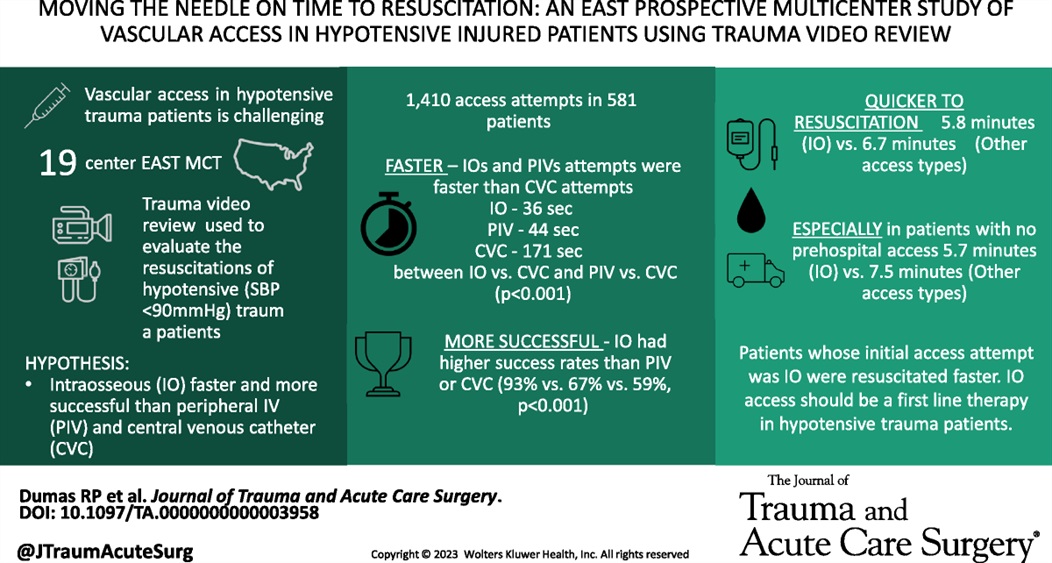
This study found that time to intraosseous was faster than time to peripheral IV. This lead to quicker resuscitation time. This was particularly true in pateints that arrived without a pre-hospital IV. 
 

Show References

Dumas, Ryan P. MD; Vella, Michael A. MD; Maiga, Amelia W. MD; Erickson, Caroline R. MD; Dennis, Brad M. MD; da Luz, Luis T. MD, MSc; Pannell, Dylan MD; Quigley, Emily BSN; Velopulos, Catherine G. MD; Hendzlik, Peter; Marinica, Alexander DO; Bruce, Nolan MD; Margolick, Joseph MD; Butler, Dale F. MD; Estroff, Jordan MD; Zebley, James A. MD; Alexander, Ashley MD; Mitchell, Sarah MD; Grossman Verner, Heather M. MS; Truitt, Michael MD; Berry, Stepheny MD; Middlekauff, Jennifer BSN; Luce, Siobhan MD; Leshikar, David MD; Krowsoski, Leandra MD; Bukur, Marko MD; Polite, Nathan M. DO; McMann, Ashley H. MD; Staszak, Ryan MD; Armen, Scott B. MD; Horrigan, Tiffany MD; Moore, Forrest O. MD; Bjordahl, Paul MD; Guido, Jenny MD; Mathew, Sarah MD; Diaz, Bernardo F. MD; Mooney, Jennifer MD; Hebeler, Katherine MD; Holena, Daniel N. MD. Moving the needle on time to resuscitation: An EAST prospective multicenter study of vascular access in hypotensive injured patients using trauma video review. Journal of Trauma and Acute Care Surgery 95(1):p 87-93, July 2023. | DOI: 10.1097/TA.0000000000003958


Title: Pediatric fever: Is response to antipyretics enough to discharge?

Category: Pediatrics

Keywords: Pediatrics, infectious disease, fever, bacteremia (PubMed Search)

Posted: 7/14/2023 by Kat Stephanos, MD (Updated: 9/17/2026)

This study attempts to answer the age old question: What is the importance of fever in pediatric illnesses?

The authors' goal was to assess if response to antipyretics was associated with bacteremia. This article retrospectively reviewed 6,319 febrile children in whom blood cultures were sent and found that 3.8% had bacteremia.  They then looked at the fever curve in response to antipyretics for these two groups in the emergency department over 4 hours. The study concluded that patients with bacteremia have a higher rate of persistent fever despite antipyretics. It is important to note the limitations of this study. As this was retrospective, it is unclear what clinical findings resulted in blood cultures being sent - most febrile children did not have any drawn (23,999 were excluded for this reason). They did not assess other vital signs, and did not address other bacterial infections (UTI, cellulitis, meningitis, otitis media, etc).  Additionally, while patients with bacteremia did have a higher likelihood of fever, the majority of patients in both groups had fever resolution within 4 hours, and both groups had some children with persistent fevers. 

Overall, this does seem to support the decision to consider obtaining further testing in those children with a persistent fever, but also emphasizes the importance of not using fever resolution alone as support for discharge to home or exclusion of bacteremia from the differential. 

Show References

Baker AH, Monuteaux MC, Michelson KA, Neuman MI. Resolution of Fever in the Pediatric Emergency Department and Bacteremia. Clin Pediatr (Phila). 2023;62(5):474-480.


Title: Optimal calcium repletion for massive transfusion protocol

Category: Pharmacology & Therapeutics

Keywords: Calcium, Massive transfusion protocol, Citrate, Blood products (PubMed Search)

Posted: 7/13/2023 by Wesley Oliver (Updated: 9/17/2026)

Citrate is an anticoagulant added to blood products to maintain stability for storage. With the administration of large volumes of blood products, citrate binds to ionized calcium, which can cause hypocalcemia. Evidence for specific calcium administration during massive transfusion protocols is limited; however, a proposed strategy has been to administer calcium gluconate 2 grams for every 2-4 units of red blood cells.

Robinson, et al. performed a retrospective analysis attempting to determine the optimal Citrate:Ca ratio (a novel ratio created for this study) to reduce 30-day mortality. They did not find any differences in mortality; however, they found a Citrate:Ca ratio of 2-3 produced a normalized ionized calcium level with 24 hours of a massive transfusion protocol.

Based on their calculations, this would equate to supplementing 1 g of calcium gluconate for every 3 units of red blood cells given.

***Reminder: Based on the amount of elemental calcium in each gram of calcium gluconate (4.7 mEq) and calcium chloride (13.6 mEq); 3 g calcium gluconate=1 g calcium chloride.***

Bottom Line: Supplementing with calcium gluconate 1 g for every 3 units of red blood cells should be sufficient to maintain normal ionized calcium levels after a massive transfusion protocol.

Show References

Robinson A, Rech MA, DeChristopher PJ, Vaughn A, Rubino J, Bannister E, Moore ME, Chang K. Defining the optimal calcium repletion dosing in patients requiring activation of massive transfusion protocol. Am J Emerg Med. 2023 May 13;70:96-100.


Title: Risk factors for delayed neuropsychiatric sequalae from CO poisoning

Category: Toxicology

Keywords: CO (PubMed Search)

Posted: 7/13/2023 by Mak Moayedi, MD (Updated: 9/17/2026)

Age >36

LOC

Prolonged exposure (>24hrs)

COHgb level >25%

Show References

Weaver LK, Valentine KJ, Hopkins RO. Carbon monoxide poisoning: risk factors for cognitive sequelae and the role of hyperbaric oxygen. American journal of respiratory and critical care medicine. 2007;176(5):491-497. doi:10.1164/rccm.200701-026OC


Title: Pelvic Fractures

Category: Trauma

Keywords: pelvic fracture, binder, hemorrhage (PubMed Search)

Posted: 7/9/2023 by Robert Flint, MD

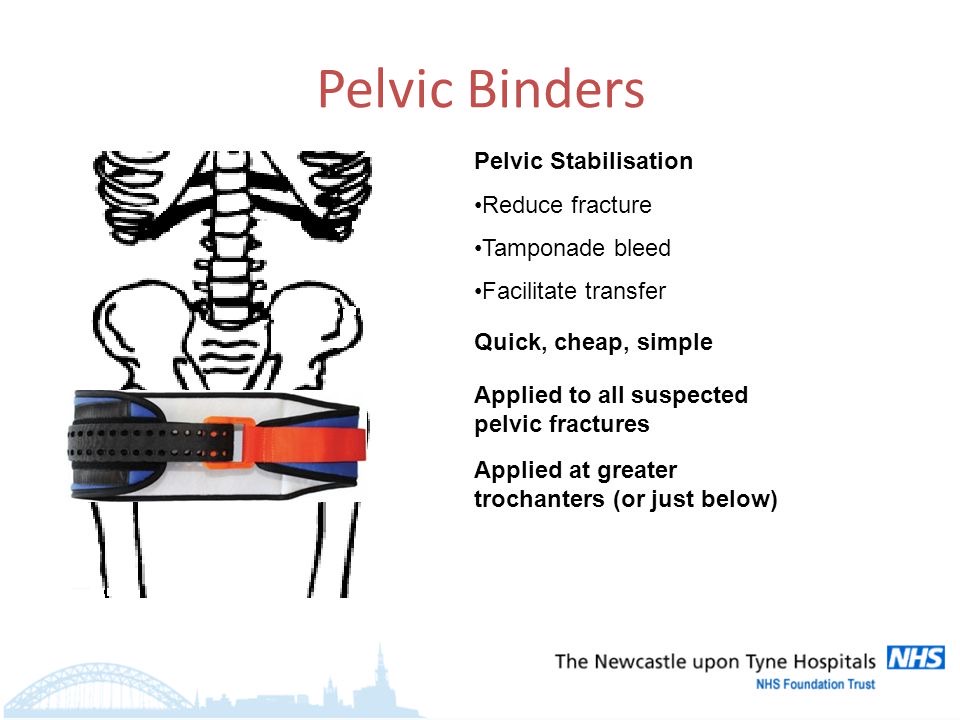
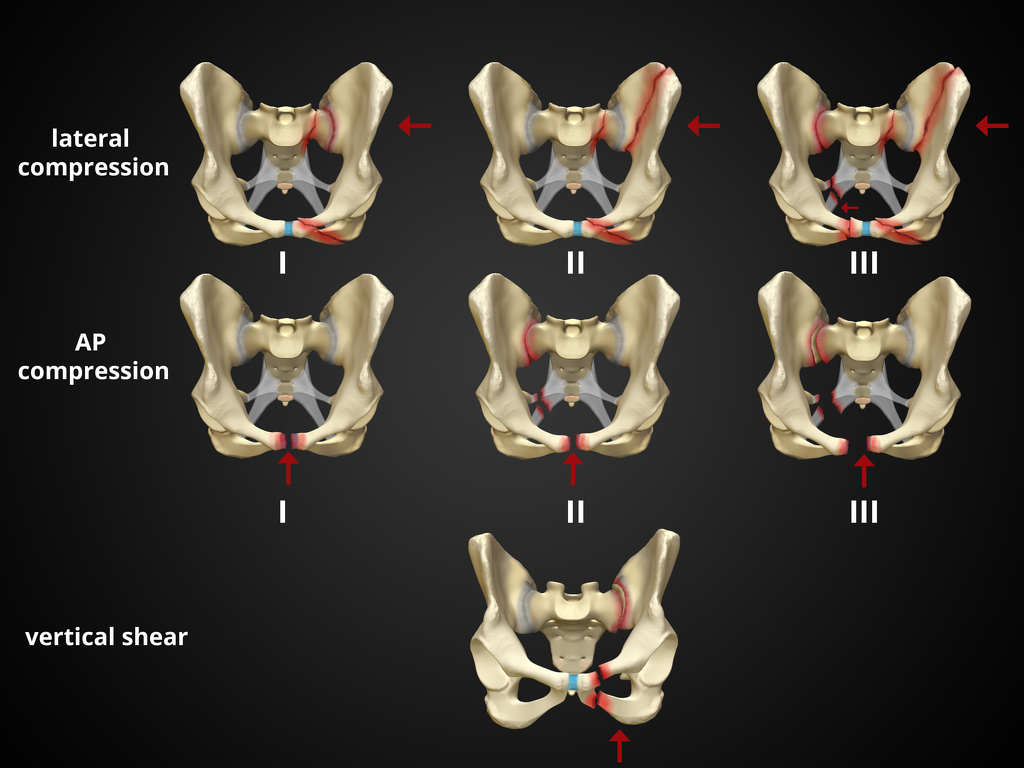
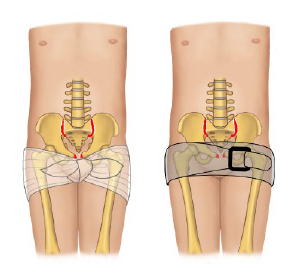
Pelvic fractures can be a major source of life threatening hemorrhage. Suspect fracture with significant force/mechanism. Signs are pelvic tenderness (no need to “rock” the pelvis), bruising at perineum, and hypotension in the setting of major trauma. Major classifications of pelvic fractures are lateral compression, anterior posterior (wide public ramus, open book), and vertical sheer (fall from height). An appropriately applied pelvic binding device can be lifesaving. The biggest mistake in applying these devices is to apply them too high. Maximum pressure is achieved with application directly across the greater trochanters.
Show References

1.     https://radiopaedia.org/cases/pelvic-fracture-diagrams


2.     Bonner TJ, Eardley WGP, Newell N, et al. Accurate placement of a pelvic binder improves reduction of unstable fractures of the pelvic ring. J Bone Joint Surg Br. 2011;93-B(11):1524-1528. doi:10.1302/0301-620X.93B11.27023


Title: Concussion and Convergence Insufficiency

Category: Orthopedics

Keywords: blurry vision, head trauma (PubMed Search)

Posted: 7/8/2023 by Brian Corwell, MD

Multiple vision disorders may occur after concussion including injury to the systems that control binocular vision including: Convergence insufficiency and Accommodation insufficiency

In order to obtain a single binocular vision, simultaneous movement of both eyes in opposite directions is required.

To look at an object close by such as when reading, the eyes must rotate towards each other (convergence).

Convergence insufficiency is the reduced ability to converge enough for near vision and is a common visual dysfunction seen after concussion.

One of both eyes may also turn outward.

May lead to complaints with reading such as diplopia, blurry vision, eyestrain, and skipping words or losing one's place.

Patient or parent may also report other difficulties such as becoming more easily fatigued when reading, needing to squint and/or having disinterest in reading.

Take home: consider testing convergence in patients with some of these complaints in setting of acute or subacute head trauma.


Show References

Master CL, Bacal D, Grady MF, Hertle R, Shah AS, Strominger M, Whitecross S, Bradford GE, Lum F, Donahue SP; AAP SECTION ON OPHTHALMOLOGY; AMERICAN ACADEMY OF OPHTHALMOLOGY; AMERICAN ASSOCIATION FOR PEDIATRIC OPHTHALMOLOGY AND STRABISMUS; and AMERICAN ASSOCIATION OF CERTIFIED ORTHOPTISTS. Vision and Concussion: Symptoms, Signs, Evaluation, and Treatment. Pediatrics. 2022 Aug 1;150(2):e2021056047.


Title: In light of recent July 4th celebrations, lets talk about burns! Submitted by Dr. To-Lam Nguyen

Category: Pediatrics

Keywords: burns, pediatric (PubMed Search)

Posted: 7/7/2023 by Jenny Guyther, MD (Updated: 9/17/2026)

Burns are common pediatric injuries and usually represent preventable unintentional trauma.
Approximately 10% of children hospitalized with burns are victims of abuse. Thermal burns are the most common type of burn and can result from scalding injuries or contact with objects (irons, radiators, or cigarettes). Features of scald burns that are concerning for inflicted trauma include clear lines of demarcation, uniformity of burn depth and characteristic pattern. Abusive contact burns tend to have distinct margins (branding of the hot object), while accidental contact burns tend to have less distinctive edges
How Kids are Different than Adults: 
- Kids have thinner skin, so time to burn/energy required to cause a burn is less. 
- Kids have increased blood volume relative to their mass, so may need more volume resuscitation compared to adults. 
- Kids are more likely to become hypoglycemic so give glucose in mIVF in kids <20 kgs.
- Risk of airway compromise in kids following inhalation injury is higher due to their smaller airway openings 
Treatment:
- Initial treatment should follow ABCs of resuscitation
- Airway: Airway management should include assessment for presence of airway or inhalation injury, with early intubation if such an injury is suspected. Smoke inhalation may be associated with carbon monoxide toxicity; 100% humidified oxygen should be given if hypoxia or inhalation is suspected.
- Circulation: Parkland's formula
     - Fluid requirements = TBSA burned (%) x weight (kg) x4mL
     - Give ½ of total requirements in 1st 8 hours, then give 2nd half over the next 16 hours. 
     - REMEMBER KIDS HAVE BIG HEADS
          - Rule of 9's for adults: 9% for each arm, 18% for each leg, 9% for head, 18% for front torso, 18% for back torso
          - Rule of 9's for children" 9% for each arm, 14% for each leg, 18% for head, 18% for front torso, 18% for back torso. 
Options for pain management
- fentanyl IN
- morphine IV
- ketamine IV
 Burns you should consider admission
- >6% TBSA
- full thickness burns
- specialty areas: face, eyes, airway, genitalia, palmar crease, sole of foot
- concern for non-accidental injury
- caused by treadmill


Show References

Kliegman, R. M., MD, Stanton, B. F., MD, St Geme, J., MD, & Schor, N. F., MD PhD. (2015). Nelson Textbook of Pediatrics (20th ed.). Elsevier Health Sciences.


Title: Pediatric edible cannabis toxicity

Category: Toxicology

Keywords: cannabis exposure, pediatric, toxicity, NPDS (PubMed Search)

Posted: 7/6/2023 by Hong Kim, MD (Updated: 9/17/2026)

Medical Cannabis is permitted in 39 states and Washington DC while 18 sates and Washington DC has legalized recreational cannabis use. As cannabis products become more available, pediatric exposure has also increased.

A retrospective study of National Poison Data System involving children < 6 years from 2017 and 2021 showed: Pre-COVID (2017-2019) & COVID (2020-2021)

  • 7043 exposures: (increase of 1375%)
  • 2017: 207  
  • 2021: 3054 
  • Residential exposure: 97% (n=6842)

Common Clinical effects

  • CNS depression: 70% (n=3381)
    • Pre-COVID: 61.6% --> COVID: 72.9% (p<0.05)
  • Tachycardia: 11.4% (N=548)
    • Pre-COVID: 10.3% -->COVID: 11.6% (p,0.05)
  • Vomiting: 9.5% (n=4827)
    • Pre-COVID: 7.5% -->COVID: 10.0% (p<0.05)
  • Ataxia: 7.4% (n=352)
  • Confusion: 6.1% (n=294)
  • Mydriasis: 5.9% (n=284)
  • Respiratory depression: 3.1%

Disposition

  • Admission: 22.7%
  • Critical care: 8.1% (n=533)
    • Pre-COVID: 6.6% -->COVID: 8.6% (increase of 30%) (p<0.05)
  • Non-critical care: 14.6% (n=1027)
    • Pre-COVID: 9.7% -->COVID: 16.3% (increase of 68%)(p<0.05)

Conclusion

  • Pediatric cannabis exposure has increased between 2017 and 2021. consequently, more pediatrics patients developing toxicity and being hospitalized.

Show References

Tweet MS, Nemanich A, Wahl M. Pediatric Edible Cannabis Exposures and Acute Toxicity: 2017–2021. Pediatrics. 2023;151(2):e2022057761


Title: POCUS for Appendicitis

Category: Gastrointestional

Keywords: POCUS, Appendicitis, Pregnancy (PubMed Search)

Posted: 7/3/2023 by Alexis Salerno Rubeling, MD

POCUS can be used to screen for appendicitis.

A recent study showed a sensitivity of 66.7% (CI 95% 47.1–82.7), and a specificity of 96.8% (CI 95% 83.3–99.9) during pregnancy, with the highest sensitivity in the first trimester. 

2 methods to locate the appendix are:

1) have your patient point to the area where it hurts the most

2) perform a lawnmower technique over the right lower quadrant looking for the right psoas mucle and the iliac vessels. The appendix will usually be near these structures. 

Sometimes it is easiest to use your curvilinear probe to identify an area of inflammation and then change to the linear probe for better visualization. 

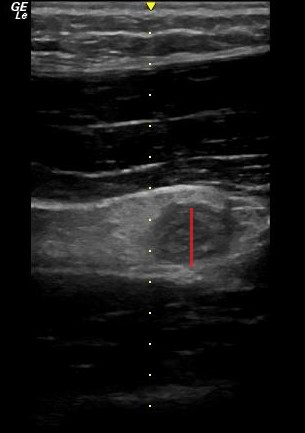
On ultrasound, appendicitis is defined as a non-compressible blind pouch with an outer diameter greater than 6 mm. On short axis the inflammed appendix will look like a target sign:
 

Show References

Abgottspon D, Putora K, Kinkel J, Süveg K, Widmann B, Hornung R, Minotti B. Accuracy of Point-of-care Ultrasound in Diagnosing Acute Appendicitis During Pregnancy. West J Emerg Med. 2022 Oct 23;23(6):913-918. doi: 10.5811/westjem.2022.8.56638


Title: Abnormal pre-hospital SI is a poor predictor even with a normal arrival SI

Category: Trauma

Keywords: shock index, trauma, pre-hospital (PubMed Search)

Posted: 7/2/2023 by Robert Flint, MD (Updated: 9/17/2026)

Shock index (heart rate/systolic blood pressure) has been used to predict trauma outcomes. This study from American Journal of Emergency Medicine looked at 89,000 pre-hospital patients who had a normal shock index on arrival at an emergency department. They then looked for those with abnormal pre-hospital shock index vs. those without an abnormal shock index and compared outcomes. Those with an abnormal pre-hospital shock index had worse outcomes than those with normal pre-hospital shock index.

Bottom line: A good handoff from pre-hospital to emergency department staff is critical because any abnormal shock index predicts a worse outcome than those with a normal shock index.

Show References
Yoshie Yamada  Sayaka Shimizu, et al  Prehospital shock index predicts 24-h mortality in trauma patients with a normal shock index upon emergency department arrival Am J Emerg Med 2023 May 10;70:101-108  doi: 10.1016/j.ajem.2023.05.008.


Title: Identify this eye exam finding.

Category: Ophthamology

Keywords: Optho. (PubMed Search)

Posted: 6/29/2023 by Robert Flint, MD (Updated: 6/29/2023)

Question


What is this called? What does it indicate? Treatment?

Show Answer

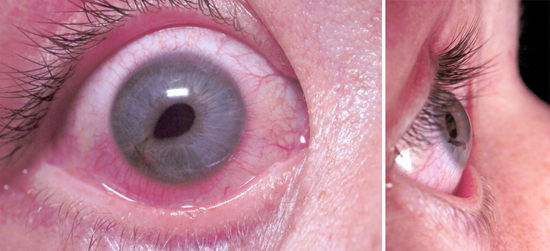
Tear Drop pupil. Globe rupture/corneal laceration. Protect the eye with a commercially available shield (Fox, etc) or if none is available use a paper/sytroform cup that can be cut to length to allow taping in place. Start IV antibiotics and emergency opthamology referal. 

Show References

1. https://www.jems.com/patient-care/traumatic-eye-injury-management-principl-0/

2. https://eyesoneyecare.com/resources/ophthalmic-emergencies-open-globe-injuries/


Title: Predictive Rule for Likelihood to Occupy Inpatient Bed

Category: Administration

Keywords: predictive rule, EHR, utilization, AI (PubMed Search)

Posted: 6/28/2023 by Robert Flint, MD (Updated: 9/17/2026)

Author- Steve Schenkel, MD MPP Professor of Emergency Mediciner at UMEM:

A recent Annals of Emergency Medicine Publication (here https://www.annemergmed.com/article/S0196-0644(22)01276-8/fulltext) tested a predictive rule for Likelihood to Occupy an Inpatient Bed associated with a common Electronic Health Record.


At the individual patient level, the score performed ok. Depending on the chosen threshold, it traded off sensitivity and specificity and generally became more accurate the longer the patient was in the ED.


The authors and the associated editorial (here https://www.annemergmed.com/article/S0196-0644(22)01401-9/fulltext) suggest a different, potentially more beneficial use: to allow aggregate prediction of admissions across an entire department and therefore prompt earlier planning to prevent crowding on account of boarding.


The takeaway: Administrative prediction rules oriented toward individual patients may be more meaningfully used to predict resource needs, including in-patient beds, across the ED population.

Show References

https://www.annemergmed.com/article/S0196-0644(22)01276-8/fulltext) t


Title: Development and External Validation of the International Early Warning Score for Improved Age- and Sex-Adjusted In-Hospital Mortality Prediction in the Emergency Department

Category: Critical Care

Keywords: NEWS, MEWS, IEWS, international Early Warning Score, mortality (PubMed Search)

Posted: 6/27/2023 by Quincy Tran, MD, PhD (Updated: 9/17/2026)

Settings: Retrospective data from 3 Dutch EDs (development of the score), 2 Denmark ED (for validation of the score). The novel score (International Early Warning Score) will be composed of the National Early Warning Score (NEWS) + Age +Sex

Components of the National Early Warning Score:

  • Respiratory rate,
  • oxygen saturation,
  • supplemental oxygen (yes/no),
  • Temperature,
  • Systolic blood pressure,
  • heart rate,
  • level of consciousness (Alert vs. not).

Participants: All adult patients in the Netherlands Emergency department Evaluation Database (NEED) and Danish Multicenter Cohort (DMC).

Outcome measurement: in-hospital mortality, including death in EDs.

Study Results:

  • 95553 (2314, 2.5% died) patients were used for development of the score, 14809 patients (365, 2.5% died) were in the validation cohort.
  • The IEWS provides higher AUROC (0.87, 95% CI 0.85-0.88) than the NEWS (AUROC 0.82, 95% CI 0.80-0.84) in the validation cohort.
  • The IEWS for the age group 18-65 years (AUROC 0.86, 95% CI 0.80-0.91) had the most improvement, compared to NEWS (AUROC 0.82, 95% CI 0.75-0.89).

Discussion:

  • The study excluded patients whom did not have 2 sets of vital signs, thus, “very sick” or “not sick” patients would be excluded.
  • This novel score was not compared with the updated NEWS2, which incorporates hypercapnia and confusion. Additionally, this novel score was also not compared with another popular score, Modified Early Warning Score (MEWS). Both the NEWS and MEWS scores have been studied extensively in the literature, thus, have been adopted in clinical use.

Conclusion:

This multicenter study showed that IEWS perform better than the NEWS for predicting in-hospital mortality for ED patients.


Show References

Candel BGJ, Nissen SK, Nickel CH, Raven W, Thijssen W, Gaakeer MI, Lassen AT, Brabrand M, Steyerberg EW, de Jonge E, de Groot B. Development and External Validation of the International Early Warning Score for Improved Age- and Sex-Adjusted In-Hospital Mortality Prediction in the Emergency Department. Crit Care Med. 2023 Jul 1;51(7):881-891. doi: 10.1097/CCM.0000000000005842. Epub 2023 Mar 23. PMID: 36951452; PMCID: PMC10262984.


Title: Fascia Iliac Block for Hip Fractures

Category: Orthopedics

Keywords: POCUS, Hip Fractures, Nerve Blocks, Administration (PubMed Search)

Posted: 6/26/2023 by Alexis Salerno Rubeling, MD (Updated: 9/17/2026)

The use of a fascia iliaca compartment block has been shown to reduce pain, decrease length of stay and decrease the opiate requirements for patients with hip fractures.  


Check out this page on how to perform this procedure.  


Fascia iliac blocks can be challenging to implement routinely in the emergency department. Studies show that 2.5% of eligible patients, despite departmental implementation, receive a block.  


One recently published article showed that large scale multi-disciplinary implementation can increase the use of fascia iliac blocks. After implementation, the study team found that 54% of eligible patients received a fascia iliac block.  


This article is interesting as it provides helpful resources including physician and nursing protocols for performing this block. 


Show References

Downs T, Jacquet J, Disch J, Kolodychuk N, Talmage L, Krizo J, Simon EL, Meehan A, Stenberg R. Large-scale Implementation of Fascia Iliaca Compartment Blocks in an Emergency Department. West J Emerg Med. 2023 May 3;24(3):384-389. doi: 10.5811/westjem.58793. PMID: 37278790; PMCID: PMC10284502.


Title: Lidocaine use for pain management in rib fracture patients.

Category: Trauma

Keywords: lidocaine, trauma, rib fractures (PubMed Search)

Posted: 6/25/2023 by Robert Flint, MD (Updated: 9/17/2026)

Use of intravenous lidocaine has been proposed as an adjunct/replacement for opioids in trauma patients with rib fractures. These small studies show a signal that the use of lidocaine decreased the need for opiate pain medication in this cohort of patients. Larger studies are needed, however, trauma surgeons maybe reaching for intravenous lidocaine in patients they are admitting with rib fractures. Also, transdermal lidocaine patches have been shown to have a similar effect in this patient cohort. “In admitted trauma patients with acute rib fractures not requiring continuous intravenous opiates, lidocaine patch use was associated with a significant decrease in opiate utilization during the patients’ hospital course.” 3

Show References

1.     Patton, Petrease MD, MSc; Vogt, Kelly MD, MSc; Priestap, Fran MSc; Parry, Neil MD; Ball, Ian M. MD, MSc. Intravenous lidocaine for the management of traumatic rib fractures: A double-blind randomized controlled trial (INITIATE program of research). Journal of Trauma and Acute Care Surgery 93(4):p 496-502, October 2022. | DOI: 10.1097/TA.0000000000003562


2.     Jeff Choi , Kirellos Zamary, Nicolas B. Barreto, Lakshika Tennakoon, Kristen M. Davis, Amber W. Trickey, David A. Spain. Intravenous lidocaine as a non-opioid adjunct analgesic for traumatic rib fractures. Published: September 28, 2020 https://doi.org/10.1371/journal.pone.0239896


3.     Johnson M, Strait L, Ata A, et al. Do Lidocaine Patches Reduce Opioid Use in Acute Rib Fractures? The American SurgeonTM. 2020;86(9):1153-1158. doi:10.1177/0003134820945224


Title: How much screen time after concussion?

Category: Administration

Keywords: concussion recovery (PubMed Search)

Posted: 6/24/2023 by Brian Corwell, MD (Updated: 9/17/2026)

How much screen time after concussion?

Adolescents spent more than 7 hours daily on screen time during the pandemic.

Historically, experts recommended screen time abstinence to various degrees after concussion.

Prior study: RCT of concussion patients (ages 12 to 25) found that those who abstain from screen time for the first 48 hours recovered 4.5 days sooner than those who were permitted screen time.

Population: 633 children and adolescents with acute concussion and 334 with orthopedic injuries aged 8 to 16, recruited from 5 Canadian pediatric emergency departments.

Post concussion symptoms were measured at 7 to 10 days, weekly for three months, and biweekly for three to six months post injury. Screen time was measured.

Results: Screen time was a significant predictor of post concussion symptom recovery with both parent reported somatic and self-reported cognitive symptoms.

There may be an effect of low to moderate screen time (Goldilocks effect) demonstrating that those in the 25th to 50th percentiles had less severe symptoms than those on the higher end of screen time use or those who minimally use of screens!

Low and high screen time were both associated with relatively more severe symptoms in the concussion group compared to the orthopedic injury group during the first 30 days post recovery but not after 30 days.

Conclusion: The association of early screen time with post concussion symptoms is not linear. Recommending moderation in screen time may be the best approach to clinical management.

 Children need to strike a balance between avoiding boredom, deconditioning, isolation, and  overexerting themselves physically or cognitively.


Show References

Cairncross M, al. Early Postinjury Screen Time and Concussion Recovery. Pediatrics. 2022 


Title: What are risk factors in ambulance crashes?

Category: EMS

Keywords: ambulance, crash, response, fatality, collision (PubMed Search)

Posted: 6/22/2023 by Jenny Guyther, MD

Between 2010 and 2020, there were 279 fatalities related to ambulance accidents.  In up to 50% of accidents, EMS is not at fault.  The use of lights and sirens and intersections have been previously shown to be the most common risk factor for accidents.  There is a national push for a more judicious use of lights and sirens.  
Most ambulance crashes are minor, but up to 1/3 of crashes can result in significant injury or significant damage to the vehicle.  This study attempted to relate driver demographics and aggressive driving behavior to ambulance crashes using a vehicle telematics system.  The agency in this study responded to about 130,000 calls per year and the incident rate of any crash was 2.1/100,000 miles and the incident rate of a serious crash was 0.63/100,000 miles.  Injuries occured in 8% of the 214 crashes over the 3 year study period.  One third of the cases resulted in significant vehicle damage.  Female sex and age 18-24 were found to be independently associated with a collision.
Bottom line: Transporting patients via ambulance, especially when lights and sirens are used, is not a risk free event.  Even if injuries do not occur, the impact of damage to the vehicle can significantly impact the EMS system.


Show References

Prehosp Emerg Care. 2023;27(4):455-464. doi:10.1080/10903127.2022.2163327


Title: POCUS for Abdominal Aortic Aneurysm

Category: Vascular

Keywords: POCUS, AAA, (PubMed Search)

Posted: 6/19/2023 by Alexis Salerno Rubeling, MD (Updated: 9/17/2026)

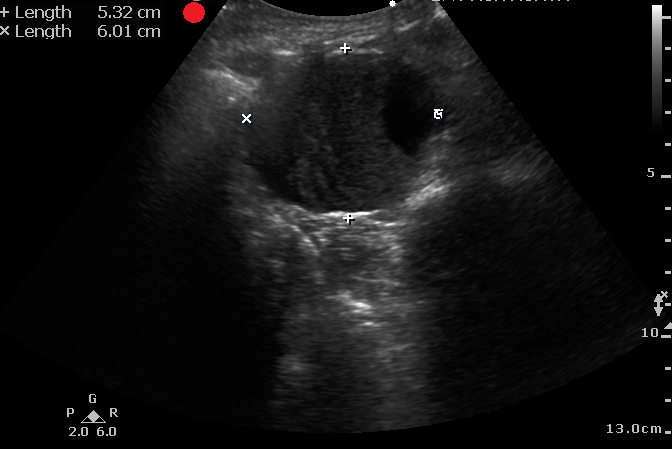
It is difficult to diagnosis a ruptured AAA with POCUS. However, based on one systematic review and meta-analysis, POCUS has a sensitivity of 97.8% and a specificity of 97% for diagnosing AAA in patients supsected of having a ruptured AAA. 

Remeber:

  • The normal abdominal aorta should measure under 3 cm.
  • The proximal iliacs should measure under 1.5 cm. 
  • Measure the aortic diameter from leading edge to leading edge. 

Laslty, make sure you are measuring the aortic wall and not a mural thrombus. 


Show References

Fernando SM, Tran A, Cheng W, Rochwerg B, Strauss SA, Mutter E, McIsaac DI, Kyeremanteng K, Kubelik D, Jetty P, Nagpal SK, Thiruganasambandamoorthy V, Roberts DJ, Perry JJ. Accuracy of presenting symptoms, physical examination, and imaging for diagnosis of ruptured abdominal aortic aneurysm: Systematic review and meta-analysis. Acad Emerg Med. 2022 Apr;29(4):486-496. doi: 10.1111/acem.14475. 


Title: What is this eye exam finding?

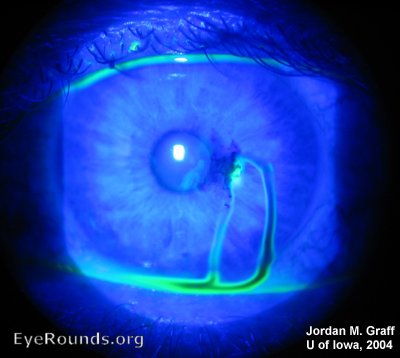
Category: Ophthamology

Keywords: corneal perforation (PubMed Search)

Posted: 6/19/2023 by Robert Flint, MD (Updated: 9/17/2026)

Question


What is this called? What does it indicate?

Show Answer

Seidel Sign. Assoicated with corneal perforation. 

Show References

https://webeye.ophth.uiowa.edu/eyeforum/atlas/pages/corneal-perforation-seidel-posative-.html


Title: Spinal Cord Injury types

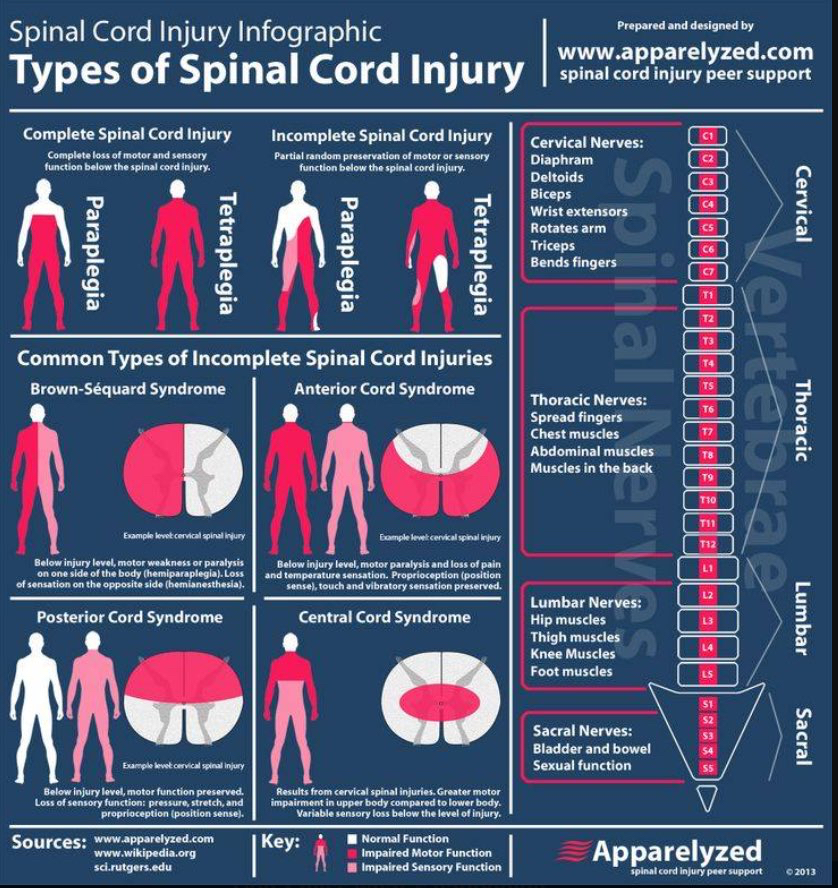
Category: Trauma

Keywords: spinal trauma, injury, spine (PubMed Search)

Posted: 6/18/2023 by Robert Flint, MD

Show References

https://neuroscand.com/common-spinal-cord-injury-patterns-infographic/


Previous  |  1 |  ... |  39 |  40 |  41 |  42 |  43 |  44 |  45 |  46 |  47 |  48 |  49 |  ... |  239 |  Next
University of Maryland School of Medicine logo
  • Departments
  • Programs
  • Research Centers
  • Institutes
  • Graduate Education
  • CIBR Cores
  • Offices of the Dean
    • University of Maryland, Baltimore
    • University of Maryland Medical Center
    • Medical Alumni Association of the University of Maryland
    • Health Sciences and Human Services Library
University of Maryland School of Medicine
655 W. Baltimore Street
Baltimore, MD 21201
Contact Us

© University of Maryland School of Medicine

    • Webmaster
    • Web Accessibility
    • Site Index
    • UMB Hotline
    • Employment
    • Map