
The suprasternal notch view is a valuable tool for assessing the aorta and identifying signs of thoracic aortic dissection. Proper technique is essential to obtain a clear image and improve diagnostic accuracy.
Steps to Obtain the Suprasternal Notch View:
Position the Patient:
Ideally, place the patient in a supine position.
If the patient cannot tolerate lying flat, the scan can be performed with the patient in an upright position.
Probe Selection & Orientation:
Use a phased array probe in cardiac mode.
Direct the probe marker slightly toward the patient’s left shoulder (or right hip if using abdominal mode).
Optimize Patient Positioning:
Ask the patient to extend their neck to improve visualization.
Having the patient rotate their head to the side may further enhance imaging.
Placing a rolled towel under the shoulders can help achieve optimal neck extension.
Probe Manipulation:
Angle the probe inferiorly toward the chest.
Adjust the depth to clearly visualize the aortic arch.
Show References
Risk factors for necrotizing soft tissue infections include: obesity, diabetes mellitus, peripheral vascular disease, immunosuppression, injection drug use, and deep traumatic wounds.
“Any anatomical site can be involved, but the most common sites are perineal, anorectal, foot, or lower extremities.”
Show References
Not based on currently available literature.
This editorial reminds us that the only evidenced based screening criteria we have for C-spine clearance in those over age 65 after trauma is the Canadian C-Spine Rule (2002). This rule recommends imaging for all patients over age 65. No large, well done study indicates physical exam or other means can be used to clear C-Spines in those over age 65.
Show References
PECARN, in 2012, published a decision tool aimed at helping avoid unnecessary abdominal CT scans in children with blunt torso trauma. While a prior retrospective validation was done, the tool had not been prospectively validated and generally has not been in widespread use as a standalone, although the original paper may have helped to influence development of local pediatric trauma protocols. Recent prospective validation may make the tool more applicable for broader usage.
The tool is useful as a rule out given that when all criteria are negative, the risk of intraabdominal injury requiring intervention is less than 0.1%. The criteria are:
- Evidence of abdominal wall trauma or seatbelt sign
- GCS <14 and blunt abdominal trauma
- Abdominal tenderness
- Evidence of thoracic wall trauma
- Abdominal pain
- Decreased breath sounds
- Vomiting
If using the rule, it is important to note that the presence of one or more of the criteria does not indicate that the patient needs a CT. Patients who do not rule out should be evaluated based on local pediatric trauma protocols and/or in collaboration with the local pediatric trauma center, which often will involve a stepwise approach based on historical information, laboratory workup, and physical exam findings.
Show References
These infections remain difficult to diagnose early and early diagnosis is key to limiting morbidity and mortality.
“The classic clinical signs and symptoms are rarely all present especially in early disease. Crepitus or gas in the soft tissues, while specific, is only present in approximately 10% of patients. More often, the presenting symptoms are nonspecific: fever, pain, induration, and edema. Pain out of proportion to examination is a more specific finding that may assist in differentiation of NSTI from cellulitis.”
Show References
Two recent studies (see “Additional Information” for more study details) published in the New England Journal of Medicine evaluated the outcomes of OHCA, comparing drug administration via intraosseous devices versus intravenous access, neither demonstrating benefit to one strategy over the other in terms of sustained ROSC or 30-day survival. [1,2] While there were a few limitations, these results are generally in line with existing literature. Although it is worth noting that some studies signal improved outcomes with IV access, the time to intervention seems to be the more important metric related to outcome. [3-5]
Bottom Line: Intraosseous devices remain rapid and easy to place devices that can provide access for drug administration when IV access is unable to be obtained. In patients with difficult access, use an IO to administer meds, fluids, or blood products as indicated while you and your team work on more definitive IV access and focus on high-quality CPR.
Show Additional Information
Show References
This small study randomized patients with 2 or greater rib fractures or requiring chest tube insertion into a kerorolac (30 mg) or ketamine (0.25 mg/kg) group and evaluated pain levels pre, 30 and 60 minutes post medication administration. They also looked at need for morphine rescue medication. The ketamine group had superior pain control and required less rescue medication.
Show References
Question
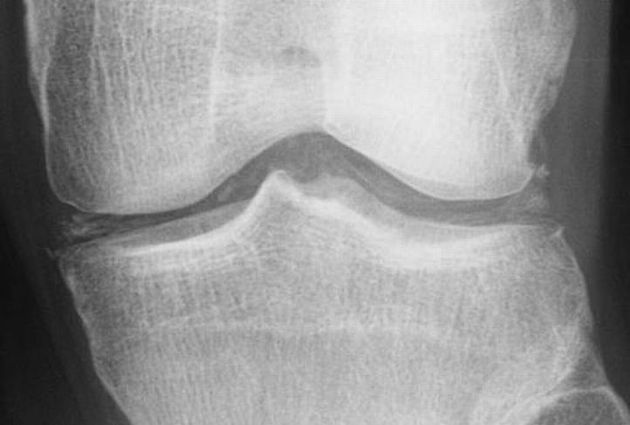
https://buckup-cuh-production.s3.amazonaws.com/images/Capture_IIWc51k.width-840.png

“Hey Doc, do I knee surgery?”
Show Answer
On March 18, 2022, Congress passed the Dr. Lorna Breen Health Care Provider Protection Act, named after an emergency medicine physician who died by suicide during the pandemic. This landmark legislation allocated $103 million across 45 organizations to introduce evidence-based measures to mitigate and prevent burnout.
As a result, the Impact Wellbeing Guide was developed, outlining the six key evidence-based action steps for organization leaders to address health care workers’ professional well-being listed below:
- Conduct a review of your hospital’s operations to determine how they support professional wellbeing.
- Build a dedicated team to support professional wellbeing at your hospital.
- Break down barriers to seeking help, such as updating and removing intrusive mental health questions on credentialing applications and offering confidential mental health support options.
- Develop a suite of communication tools that help you share updates with your workforce about your hospital’s journey to improve professional wellbeing.
- Integrate professional wellbeing into an existing quality improvement project at your hospital.
- Create a 12-month plan to continue to move your workforce’s professional wellbeing work forward.
The Guide is designed to help hospital leaders and executives accelerate or supplement professional wellbeing work in their hospitals at the operational level.
A PDF of the full guide is available from the CDC: https://www.cdc.gov/niosh/docs/2024-109/
Show References
Delirium in the ICU means badness as delirious ICU patients are associated with longer stay and higher mortality. While medications are not proven to prevent delirium, certain environmental interventions such as window access, light and sound levels have been recognized as legit interventions to prevent ICU delirium.
Settings: This is a retrospective study at Massachusetts General Hospital
Participants: 3527 patients admitted to a surgical ICU between 2020 and 2023.
Outcome measurement: This study hypothesized that patients in a windowed ICU room will have lower rates of delirium, decreased ICU length of stay, hospital LOS. Multivariable logistic regressions were performed for the association of clinical variables and the presence of delirium.
Study Results:
Delirium was observed in 460 patients (21%) of the windowed rooms group and 206 patients (16%) of the nonwindowed rooms group. Multivariable logistic regression showed that patients in windowed rooms were associated with higher odds of delirium (aOR, 1.29; 95% CI, 1.07–1.56; p = 0.008), although they were not associated with longer ICU LOS or longer HLOS
Discussion:
The study’s findings added to the literature that natural lighting might not be the effective prevention of delirium. The presence of windows might not be the answer.
In this study, all the windows were facing another building, and there was no view of other natural scenes, with a limited view of the sky. Therefore, the authors suggested that the overall quality of the windows would be more important.
Conclusion:
The ICU environment is more important for patients’ delirium than just the presence of windows.
Show References
Stellate Ganglion Blocks (SGB) have been reported in case reports as a last-line treatment for patients with refractory ventricular arrhythmias.
-
A recent multicenter study evaluated the efficacy and safety of SGB in managing refractory ventricular arrhythmias.
-
The study included 117 critically ill patients, with 9 on ECMO, 5 with Impella devices, and 15 with LVADs.
-
70% were given long-acting bupivacaine, 28% were given ropivacaine and 1 patient received lidocaine.
-
SGBs were primarily performed by anesthesiologists during short periods of when the patients were not in ventricular arrhythmia
-
The median 24-hour episodes of VT/VF decreased from 9.0 (interquartile range [IQR]: 3.0–31.0) pre-SGB to 1.0 (IQR: 0.0–5.0) post-SGB.
-
2 patients had complications; recurrent laryngeal nerve block with resultant hoarseness and brachial plexus block.
Limitations: This study was conducted in a controlled setting (ie not in active arrest, not in the emergency department) and involved a selective cohort. Randomized controlled trials (RCTs) are needed to validate these findings.
Show References
Fractures of the occipital condyles are a relatively rare injury that occur in high energy blunt mechanisms (IE roll over MVC) most commonly. Physical exam will show signs of basilar skull fracture and significant pain at the base of the skull/upper C-spine. CT scan is the gold standard to make the diagnosis. Look for signs of upper extremity weakness on physical exam or cranial nerve injuries. Those type of findings should also prompt emergent MRI evaluation. Treatment generally is long term immobilization in a collar however Type 3 and those with neurologic findings may require surgical intervention.
Anderson and Montesano Classification
Type I 3% of occipital condyle fracturesImpaction-type fracture with comminution of the occipital condyle
Due to compression between the atlantooccipital joint
Stable injury due to minimal fragment displacement into the foramen magnum
Type II 22% of occipital condyle fracturesBasilar skull fracture that extends into one or both occipital condyles
Due to a direct blow to skull and a sheer force to the atlantooccipital joint
Stable injury as the alar ligament and tectorial membrane are usually preserved
Type III 75% of occipital condyle fractures Avulsion fracture of condyle in region of the alar ligament attachment (suspect underlying occipitocervical dissociation)
Due to forced rotation with combined lateral bending
Has the potential to be unstable due to craniocervical disruption

Show References

This was a retrospective, multicenter cross-sectional study of pediatric sedations over 3 years using the Pediatric Sedation Research Consortium database.
85,599 pediatric sedations were included. These sedations did include the operating rooms.
8.7% of sedations required an intervention for airway/breathing/circulation in patients who did NOT have procedural oxygenation while 10.1% of patients in the group that did have procedural oxygenation required an intervention. The majority of these interventions were minor, ie airway repositioning. The group that did have procedural oxygenation did have a lower rate of hypoxia compared to the group without procedural oxygenation (2.5% vs 4.5%).
The authors concluded that preemptive procedural oxygenation did NOT decrease the overall need for interventions in the ABCs compared to no procedural oxygenation.
Show References
Intrathecal baclofen pumps are increasingly used to manage spasticity in patients with conditions such as cerebral palsy, spinal cord injury, multiple sclerosis, traumatic brain injury, and other dystonias. The most common causes of baclofen pump dysfunction include pump-related issues (e.g., programming errors, battery failure), catheter problems (e.g., extra-thecal dislodgement, kinking, leaks), and medication depletion (e.g., overdue or insufficient refills). Symptoms of dysfunction can be nonspecific, ranging from mild (spasticity, dysphoria, dysesthesias) to severe (e.g., rigidity, rhabdomyolysis, seizures, fever, autonomic dysfunction, cardiomyopathy).
Once dysfunction is recognized, management involves stabilizing vital functions (ABCs, temperature management, fluids), administering multimodal antispasmodics (enteral or parenteral baclofen, benzodiazepines, dexmedetomidine, tizanidine), and performing pump interrogation, often in collaboration with neurology or PM&R specialists. Restoration of intrathecal flow is the preferred and definitive therapy; however, patients with severe withdrawal may require aggressive temporizing measures including intubation. Some authors describe intrathecal baclofen administration via lumbar puncture as a rescue measure for severe cases with limited access to definitive care. Imaging with plain radiographs, fluoroscopy, or CT may be indicated in select cases where there is concern for catheter displacement or kinking, and some patients may require surgical revision.
Takeaway: Consider baclofen withdrawal in patients on chronic baclofen therapy who present with nonspecific symptoms that may mimic conditions such as alcohol withdrawal, delirium, sympathomimetic toxicity, neuroleptic malignant syndrome, serotonin syndrome, thyrotoxicosis, rhabdomyolysis, sepsis, or status epilepticus. In cases of intrathecal pump dysfunction, the definitive treatment is restoration of baclofen flow, so involve consultants early for pump interrogation while temporizing with supportive measures.
Show References
Previous studies have shown that an on scene time of 10-35 minutes was associated with improved survival in pediatric out of hospital cardiac arrests compared to an on scene time of > 35 minutes. There was no significant difference in overall survival between < 10 minutes and 10-35 minutes of on scene time.
This study involved a total of 2854 pediatric cardiac arrests in the US and Canada. The patients who had a cardiac arrest during transport were compared to patients who received on scene CPR by equal minutes.
Among patients < 1 year, intra-arrest transport was associated with lower survival to hospital discharge compared to those that were resuscitated on scene. There was no association for patients > 1 year.
Bottom line: This study supports resuscitating in place for pediatric cardiac arrests, especially in patients < 1year.
Show References
These 2 papers challenge management dogmas in critical care that have persisted despite low-quality/absent evidence.
In particular, one explores the dogma, “bicarbonate improves ventricular contractility in severe metabolic acidosis,” with the following points:
-intracellular pH (which has a large impact on myocardial contractility) correlates poorly with blood gas pH
-many of the studies regarding bicarbonate in severe metabolic acidosis and hemodynamics are done on animal shock models
-two studies in patients with lactic acidosis showed increase in pH with bicarb administration without beneficial impact on hemodynamics (even in pts with pH < 7.1)
-bicarb administration is associated with hypernatremia, hypokalemia, and decreased ionized calcium levels
Show References
This meta analysis of studies looking at thrombolytics and prostaglandins in treating significant frost bite offers some insight into the possibilities these therapeutics offer. Unfortunately, the studies available are not high quality and most are case reports.
“Our results suggest that thrombolysis or intravenous iloprost is effective when administered promptly to treat severe frostbite. For grade 3–4 frostbite the Wilderness Medical Society frostbite guidelines recommend the use of intravenous iloprost within 48 h of injury, and thrombolysis within 24 h of injury. The Helsinki protocol recommends the use of tPA for patients with grade 3–4 frostbite presenting within 48 h of injury with angiographic evidence of thrombosis."
“Iloprost is a synthetic prostaglandin I2 that has been used to treat frostbite . Like other prostacyclins, it inhibits platelet aggregation and promotes vasodilation. Iloprost may stimulate the release of endogenous tissue plasminogen activator or counteract its inhibitory effects [35]. Iloprost reduces vasoconstriction induced by thromboxane A2 , and may reduce oxidative stress from free radicals, moderating reperfusion injury [37, 38]. The effect on platelet aggregation may be reversed within two hours), but prostacyclin effects may disrupt the vicious cycle of activated platelets and leukocytes that damages endothelium .”
More research in this area is needed. Transfer to a center with these capabilities seems worth a discussion in the case of severe frostbite.
Show References
The Trauma Frailty Index has been validated to predict inpatient mortality, major complications and discharge to rehab facility. “In addition, frailty was significantly associated with higher adjusted odds of mortality, major complications, readmissions, and fall recurrence at 3 months postdischarge ( p < 0.05).”
It is a simple 15 variable index.

Show References
Background
Treatment of acute agitation often involves combining antipsychotics and benzodiazepines. Injectable olanzapine, a second-generation antipsychotic, uniquely carries a warning against concomitant use with parenteral benzodiazepines. The olanzapine prescribing information states that “concomitant administration of intramuscular (IM) olanzapine and parenteral benzodiazepines is not recommended due to the potential for excessive sedation and cardiorespiratory compromise”. The European Medicines Agency (similar to the United States FDA) cautions against use of the two within 60 minutes of each other using similar language.
The above warnings were based on a 2010 publication of 160 adverse event reports from a post-marketing database maintained by the drug manufacturer, and have resulted in many institutions prohibiting co-administration of IM olanzapine and parenteral benzodiazepines. The publication cited 29 fatal adverse events involving injectable olanzapine, concluding that caution should be exercised when using IM olanzapine and parenteral benzodiazepines simultaneously. However, 25 of the 29 patients received other sedating medications in addition to olanzapine and benzodiazepines, and the majority of fatalities were >12 hours after the last dose of olanzapine. Following this publication, a 2013 randomized controlled trial by Chan et al. found no difference in adverse event rates between patients receiving IV midazolam alone and patients receiving IV midazolam plus IV olanzapine for acute agitation.
This December 2024 study by Cole et al. aimed to re-evaluate the risks of cardiorespiratory compromise with concomitant injectable olanzapine and injectable benzodiazepine administration.
Study design
This was a single-center retrospective cohort study of 693 patients who received 2 parenteral doses of eligible sedating medications within 60 minutes of each other. A total of 549 patients received 2 doses of olanzapine, and 144 received olanzapine and a benzodiazepine (midazolam, lorazepam, or diazepam). To avoid cohorts with a higher baseline risk of sedation, patients who received other sedating medications and patients who received more than 2 doses of olanzapine or 1 dose of a benzodiazepine were excluded.
Patient Population
- Average age of 35
- Mostly male
- Most patients were intoxicated with alcohol
- 65% in olanzapine + olanzapine group
- 88% of patients in olanzapine + benzodiazepine group
- Median blood alcohol concentration of 210 mg/dL for both groups
- Average time between medications was about 30 minutes for both groups
- Most medications were given via IM route
Results

*One death during hospitalization was due to missed occlusion myocardial infarction
- No significant difference in rates of intubation
- No significant difference in rates of hypoxemia or hypotension at any time after drug administration while in the ED
- No significant differences in primary or secondary outcomes when inclusion criteria was expanded to 2 doses within 120 minutes of each other in pre-specified sensitivity analysis
Study Critique:
- Well-designed study that attempted to address limitations of prior studies by excluding patients who received additional sedatives or multiple doses
- Median time of 30 minutes between doses aligns with real-world practice and pharmacokinetics of each medication
- May not be generalizable to all institutions and types of agitation, as most patients were agitated secondary to alcohol intoxication
- Study was slightly underpowered
Key Takeaways
- The concomitant administration of IM olanzapine with parenteral benzodiazepines may pose less risk than labeled warnings suggest.
- With the increasing pool of literature showing improved safety, it may be time to re-evaluate our practices surrounding these agents.