
Hyperoxia in the Critically Ill
- Oxygen is liberally administered to many critically ill patients, thereby exposing them to supranormal arterial oxygen levels.
- Hyperoxia results in the formation of reactive oxygen species, which adversely affect the pulmonary, vascular, cnetral nervous, and immune systems.
- Though the optimal PaO2 remains unknown, recent evidence indicates that hyperoxia is associated with increased mortality in post-cardiac arrest, CVA, acute coronary syndrome, and traumatic brain injury patients.
- Take Home Point: Carefully titrate oxygen to the lowest tolerable level to meet the patient's needs.
Show References
Question
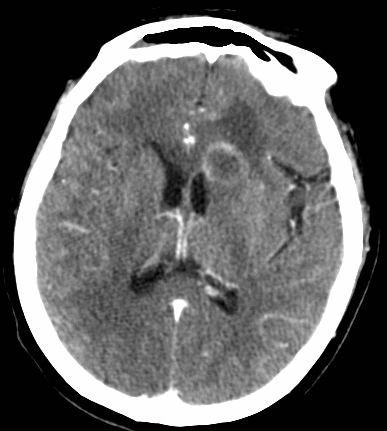
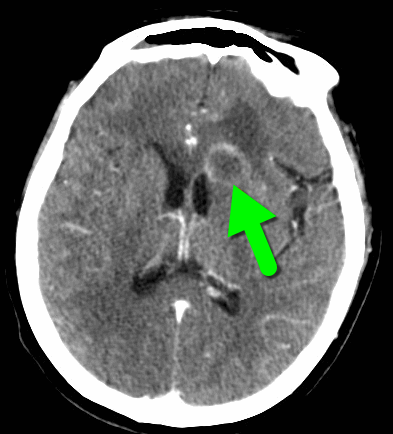
68 year-old man presents with a new-onset seizure. What's the diagnosis and what's in your differential diagnosis?
Show Answer
Show References
A new prospective, randomized, double-blind trial compared subdissociative ketamine to morphine for acute pain in the ED.
What they did
- 45 patients received IV ketamine 0.3 mg/kg (mean baseline pain score 8.6)
- 45 patients received IV morphine 0.1 mg/kg (mean baseline pain score 8.5)
- Source of pain was abdominal for ~70% in each group
- Exclusion criteria was pretty standard
What they found
- Pain score at 30 minutes: 4.1 for ketamine vs. 3.9 for morphine (p = 0.97)
- No difference in the incidence of rescue fentanyl analgesia at 30 or 60 minutes
- No serious adverse events occurred in either group
- Patients in the ketamine group reported increased minor adverse effects at 15 minutes post-drug administration
- In an effort to reduce opioid use in the ED, low-dose ketamine may be a reasonable alternative to opioids for acute analgesia.
- State nursing regulations govern who can administer IV ketamine in the ED.
- What to prescribe on discharge? Lead author Dr. Motov recommends a "pain syndrome targeted" approach with "patient-specific opioid and non-opioid analgesics."
Show References
Injuries are a leading cause of morbidity and mortality globally
- Approximately 5.8 million deaths annually
- 90% occur in lower and middle income countries
Injuries are the leading cause of preventable death in travelers
- Cause 18%–24% of deaths among U.S. travelers
- From 2011-2013, an estimated 2,466 US citizens traveling in foreign countries died from non-natural causes, such as injuries and violence
- Excluded the wars in Iraq and Afghanistan
- Main causes for non-natural deaths among Americans are:
- Motor vehicle crashes (n= 621, 25%)- the single largest cause
- Homicide (n=555, 23%),
- Suicide (n=392, 16%),
- Drowning (n=309, 13%)
Bottom Line: Stay safe while travelling. The same safety habits used in the US, such as wearing your seatbelt or not drinking and driving, are important patterns while traveling.
Show References
Your ESLD patient is hypotensive with a tense abdomen, and he needs a paracentesis!
--ALWAYS use ultrasound to localize a fluid pocket [Fig 1]! Take the time to use color Doppler to look for underlying abdominal wall varices [Fig 2]. Cirrhotic patients frequently have abnormal abdominal wall vasculature [1-2].
--Hemorrhage from paracentesis is exceedingly rare, and reversal of mild coagulopathy probably isn't that important [3-4].
--In hypotensive patients, consider placement of a small pigtail catheter for slow, continuous drainage (e.g. 8.3F pericardiocentesis catheter) instead of large-volume paracentesis. Non-tunneled catheter infection risk goes up after 72h [5].
--Albumin replacement improves mortality and incidence of renal failure in patients with SBP or other infection [6-7].
Show References
Attachments
- 1509011640_Figure_1_--_Ascites_pocket.jpg (78 Kb)
- 1509011640_Figure_2_--_Color_over_abd_wall_varices.jpg (89 Kb)
Question
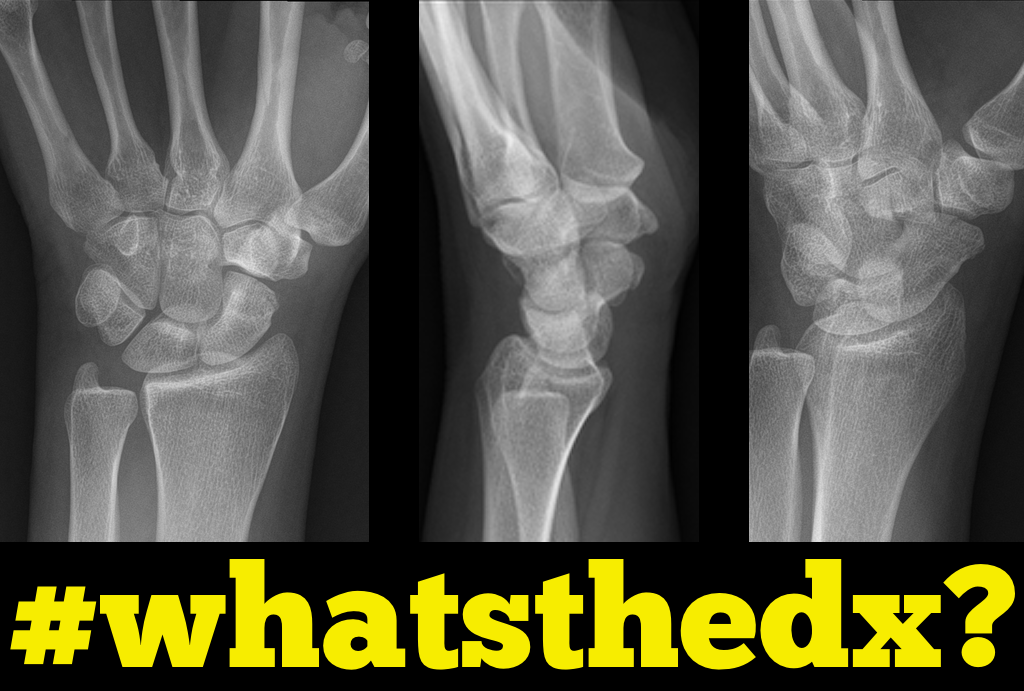
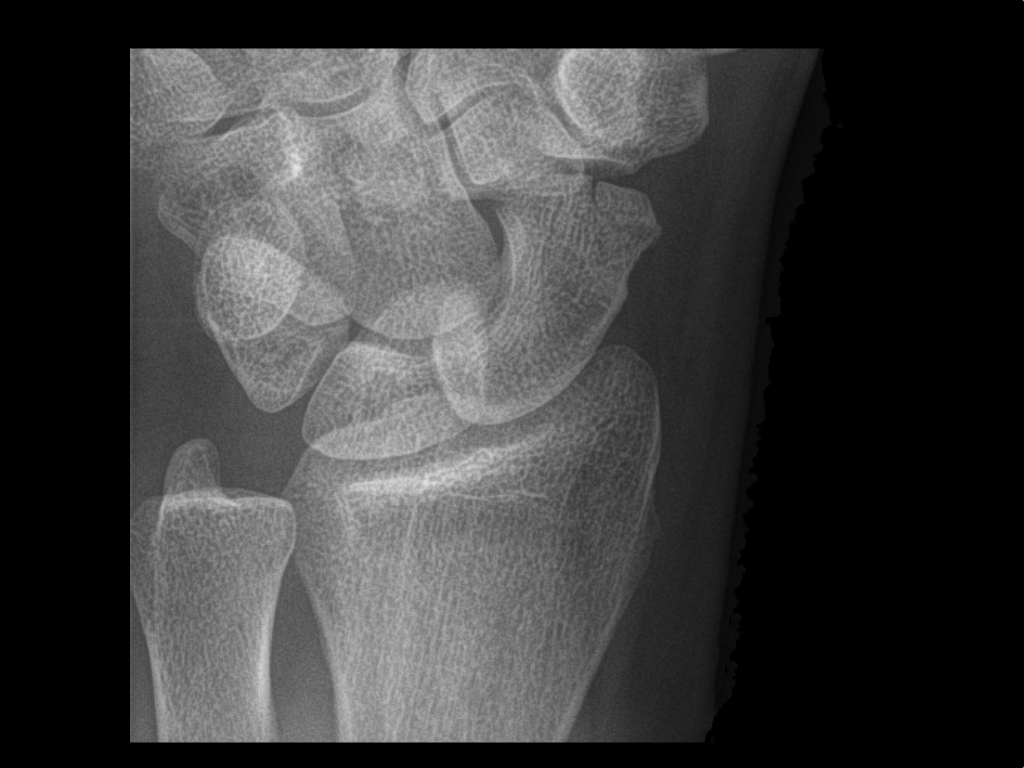
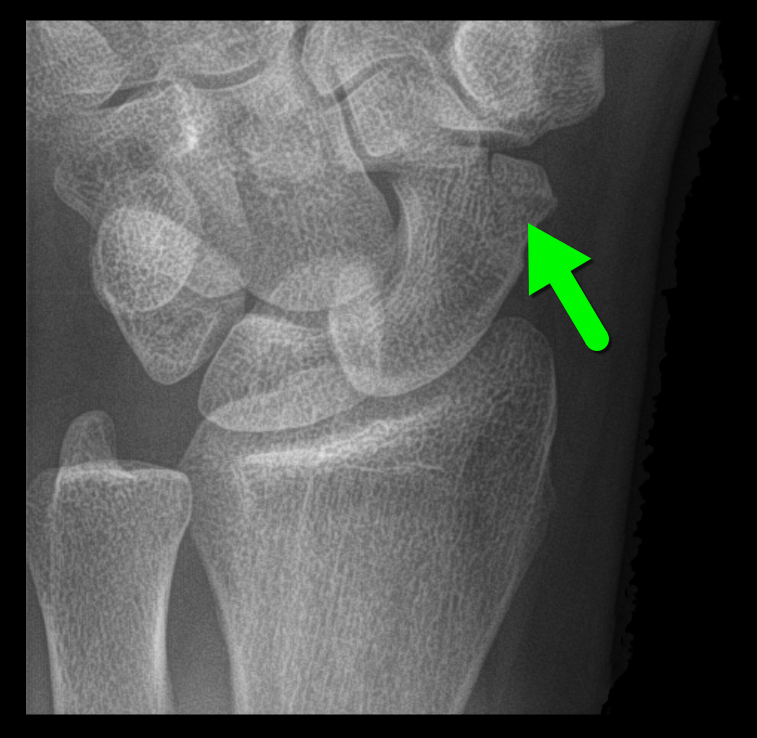
Person presents following a fall on an outstretched hand and there is snuffbox tenderness. What's the diagnosis?
Show Answer
Show References
Policeman's Heel:
When patient's present complaining of heel pain we often think immediately of plantar fascititis,and heel spurs. If they jumped and landed on the heel with are concerned for calcaneal fracture. However, a policeman's heel can occur from repetitive bounding of the heel or from landing on it as in a fall or jump.
Policeman's heel has been descirbed as a plantar calcaneal bursitis, inflammation of the sack of fluid (bursa) under the heel bone, or a contusion of the heel bone due to flattening and displacement of the heel fat pad, which leaves a thinner protective layer allowing the bone to get bruised.
Regardless of cause this responds well to NSAIDs, limiting weight bearing, or taping the foot. If the repetitive activity is not reduced this can easily become a chronic cause of heel pain. A short video showing how to tape the foot can be found at https://youtu.be/nQtkwfJrhXo
Making the wee patient pee – a non invasive urinary collection technique in the newborn
Obtaining a urinary sample in a neonate can be challenging and time consuming. The most commonly used non-invasive technique is urine collection using a sterile bag. This technique is limited by patient discomfort and contamination of the urinary sample. Catheterisation and needle aspiration are other options, but are more invasive.
A prospective feasibility and safety study enrolled 90 admitted infants aged under 30 days who needed a urine sample into the study [1]. They performed the following stimulation technique.
1. Feed the baby through breast-feeding or an appropriate amount of formula for their age and weight.
2. Wait twenty-five minutes. After twenty-five minutes clean the infant’s genitals thoroughly with warm water and soap. Dry with sterile gauze.
3. Have an assistant hold a sterile urine container near the infant
4. Hold the baby under their armpits with their legs dangling (if short handed, parents can do this)
5. Gently tap the suprapubic area at a frequency of 100 taps or blows per minute for 30 seconds
6. Massage the lumbar paravertebral zone lightly for 30 seconds
7. Repeat both techniques until micturition starts. Collect midstream urine in the sterile container
In the study, success was defined as obtaining a midstream urinary sample within 5 minutes after initiation of the stimulation procedure. There was a 86% success rate (n=69/80). Mean time to sample collection was 57 seconds. There were no complications, but controlled crying occurred in 100% of infants. The study was limited by the lack of a control group. Previous studies have described longer collection times with traditional non invasive techniques, up to over an hour [2].
Conclusion
Consider the above mentioned stimulation technique to obtain a urinary sample in the neonate.
Show References
Status migrainosus is a migraine that lasts more than 72 hours, and can be rather challenging to control. A few tips to tackle this are:
1. Adequately hydrate all patients (IV fluids are usually required, especially with severe nausea/vomiting)
2. Establish realistic expectations for the patient. A patient with chronic daily headaches will not be pain-free in the ED.
3. Use IV nonopioid medications for pain control
1st Line:
- Dopamine Antagonists: in increasing efficacy
- Metoclopramide
- Phenothiazines: prochlorperazine, promethazine and chlorpromazine
- Butyrophenones: droperidol and haloperidol
- NSAIDs: such as Ketorolac IV or IM
2nd Line:
- Corticosteroids: Do not treat the migraine in the ED, but prevent headache recurrence within 72 hours.
- Magnesium Sulfate: Has shown mixed efficacy. More likely to have a sustained benefit in patient with serum magnesium level of 1.3mg/dL or less.
- Valrpoic Acid: Be careful of combining it with Topiramate.
- Vasoconstrictors: Triptans, ergotamine, dihydroergotamine. Effective, but use is limited by contraindications.
- Opioids: Last resort
The RV is a low-pressure chamber that doesn’t tolerate acute increases in pulmonary pressures (e.g., ARDS, pulmonary embolism, etc.); acute increases can lead to RV dysfunction / failure
Managing RV dysfunction requires a three-pronged approach:
- Optimize preload – give small fluid boluses (e.g., 250cc) but not too much, because too much can worsen RV function. Use ultrasound to determine volume status
- Optimize RV function – Consider starting inotropes (e.g., dobutamine) for better RV contractility and concurrently start pulmonary vasodilators (e.g., inhaled nitric oxide); also minimize hypoxemia and hypercarbia
- Prevent systemic hypotension – hypotension reduces coronary perfusion that leads to RV ischemia and dysfunction; use norepinephrine to keep blood pressure >65
- Bottom-line: Don't under-estimate the importance of the RV when resuscitating your patients
Show References
Question
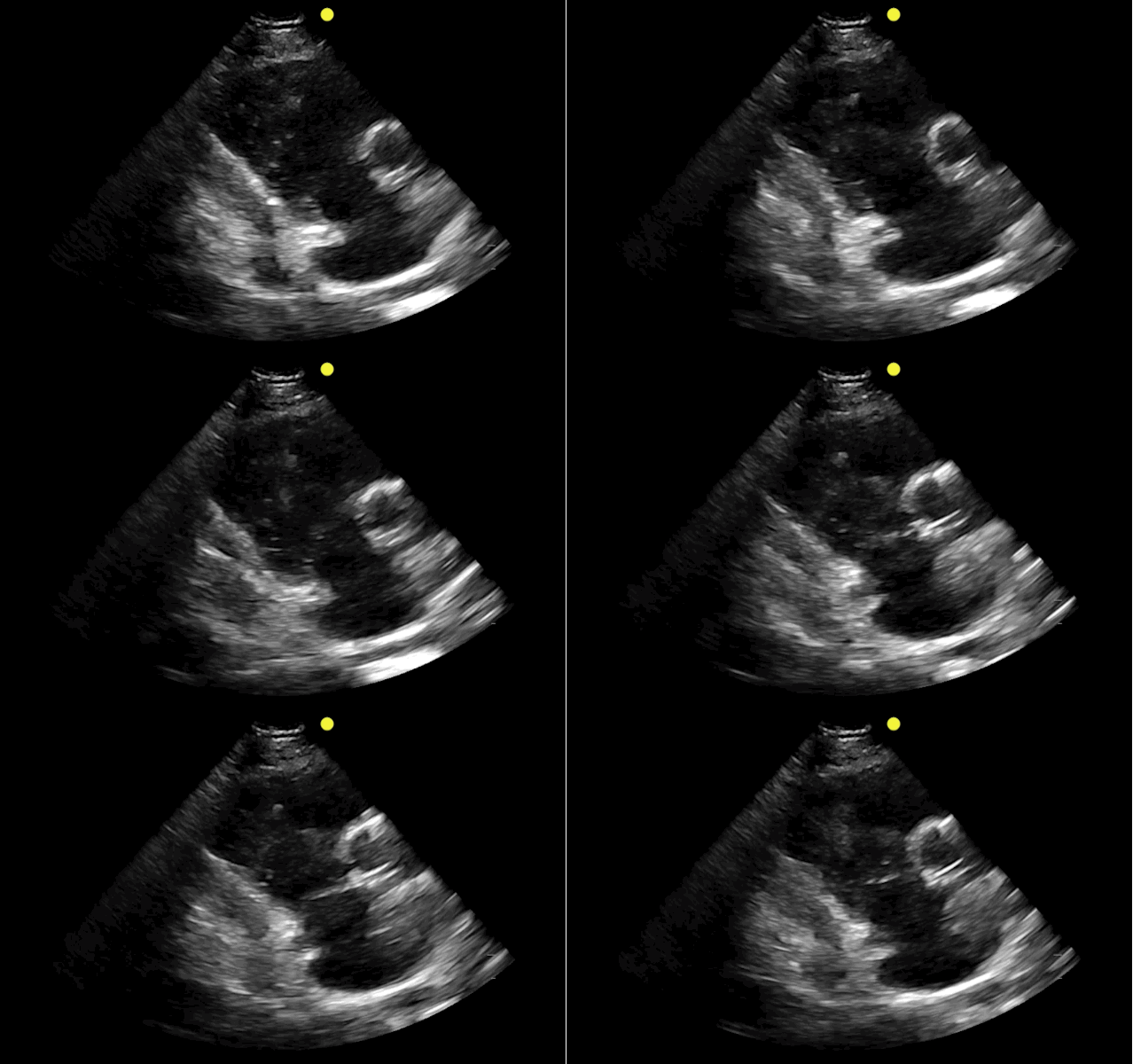
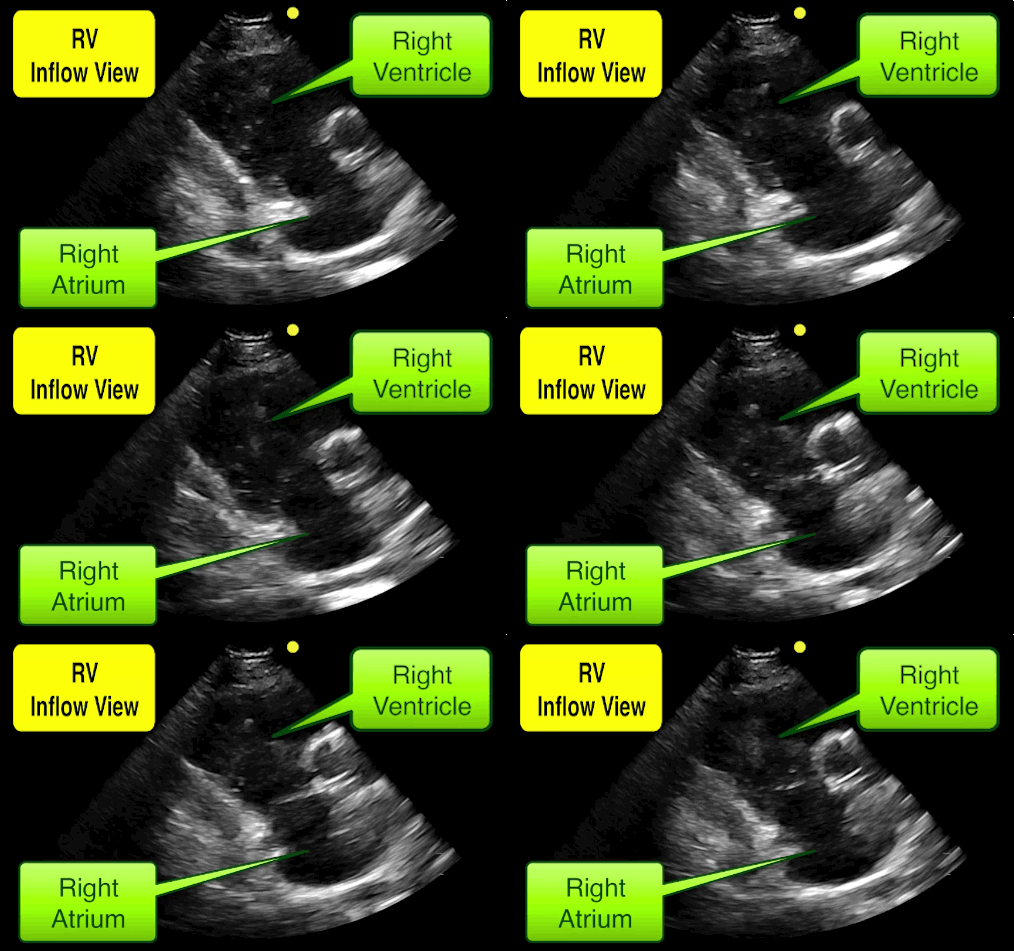
You find this interesting view while scanning a patient. Which view is this and why should you care about it?
Show Answer
Show References
Sodium Supplementation and Exercise-Associated Hyponatremia (EAH) during Prolonged Exercise (ultramarathon running)
Weight loss of around 4% body weight (relative to pre race weight) can be anticipated to maintain euhydration in such a prolonged event
Those who become symptomatic with EAH have either gained weight or lost less that 3-4% body weight
Overhydration rather than inadequate supplemental sodium intake is a greater contributor to the development of EAH
There is a suggested link between EAH and rhabdomyolysis. The mechanism remains unknown and it is unclear which condition may augment the other. Further research is needed.
Take home: Avoid overhydration during prolonged exercise to prevent EAH.
Show References
The answer may be no, as long as you have a serum HCO3. In this retrospective study, linear regression was used to to assess serum HCO3 as a predictor of venous pH. Logistic regression was also used to evaluate serum HCO3 as a predictor of DKA. Using a HCO3 cutoff of <18 mmol/L had a sensitivity of 91.8% and specificity of 91.7% for detecting a pH <7.3. A HCO3 < 8 had a sensitivity of 95.2 % and specificity of 96.7 % for detecting a pH <7.1.
Show References
Introduction: As discussed in previous Pearls, Middle East respiratory syndrome coronavirus (MERS-CoV) is a recently emerged respiratory viral infection that is caused by a single stranded, positive-sense RNA novel coronavirus.
Updates:
As of August 12th, 2015, WHO has received reports of:
- 1413 laboratory confirmed cases
- 502 deaths
The current reported case fatality rate is approximately 36%
Recent outbreaks have included
- Wide spread dissemination in Korea, which impacted multiple hospitals and near-by countries
- A very recent outbreak at King Abdulaziz Medical City in Riyadh, Saudi Arabia which has closed an emergency ward for two weeks. Of the approximately 46 people currently reported infected, at least 15 were medical personnel.
Bottom Line:
MERS-CoV is significantly contagious respiratory virus with high lethality. It is spread primarily as an airborne virus, though the CDC currently recommends both standard contact and airborne precautions. There is currently no vaccine and only supportive treatment is advised.
Don’t be a vector or have your emergency department be a nidus of infection! Take appropriate precautions, including:
- Minimize chances of exposure when patients arrive
- Have them wear a face mask if they have respiratory symptoms
- During triage and throughout the visit, have patients adhere to respiratory hygiene and cough etiquette, hand hygiene
- Adhere to standard contact and airborne precautions
- Use caution when performing aerosol-generating procedures
Show References
People who hide illicit drugs can be classified in to three different types.
1. Body stuffers – people who ingest drugs that are poorly wrapped to “eliminate” evidence from police – e.g. street dealers.
2. Body packers – people who ingest large amounts of “well” packed drug packets to transport drugs (usually internationally) – aka “mule.”
3. Body pushers – people hiding drugs in rectum or vagina.
Body stuffers are more frequently encountered in local ED compared to body packers. Stuffers can become symptomatic as the ingested drugs (cocaine, heroin, amphetamines) are often poorly wrapped (e.g. in plastic bag/wrap, cellophane paper, aluminium oil, etc.).
Recent retrospective article looked at the utility of 6-hour observation period in the ED as a management strategy for body stuffers. (n=126)
Characteristics
1. Ingested drugs (self-reported): heroin (48%), cocaine (46%), other drugs [cannabis, MDMA, diazepam, methamphetamine] (16%), unknown (8%)
2. Time of ingestion to ED presentation
- < 2 hr: 58%
- 2-6 hr: 10%
- > 6 hr: 7%
Clinical findings
76% of the patients experience clinical signs of toxidrome at time of presentation.
Most common findings:
- Hypertension: 30%
- Tachycardia: 20%
- Agitation: 16%
Patients who ingested heroin were more symptomatic vs. cocaine (87% vs. 70%)
Patients were discharged:
- Within 6 hr: 72%
- Between 6 – 12 hr: 10%
- Between 12-24 hr: 10%
- > 24 hr: 8%
Conclusion
- Patients developed new or worsening drug toxicity within 6 hr of presentation
- Majority of patients were discharged within 6 hr.
- Asymptomatic patients at ED presentation should be observed for 6 hr.
Show References
Pressure Regulated Volume Control (PRVC)
Here are some basic pearls about PRVC Ventilation
- Form of Assist Control (AC) ventilation: patient initiated or ventilator intiated
- Constant pressure through inspiration
- Decelerating inspiratory flow pattern
- Ventilator adjusts pressure breath to breath based on patient’s airway resistance and compliance
- Not recommended for asthma or COPD
- Set: RR, tidal volume, upper pressure limit, oxygen level, I:E ratio (can start at 1:2), PEEP
Benefits: minimum PIP, guaranteed tidal volume, patient can trigger more breaths, improved oxygenation, breath by breath changes
Question
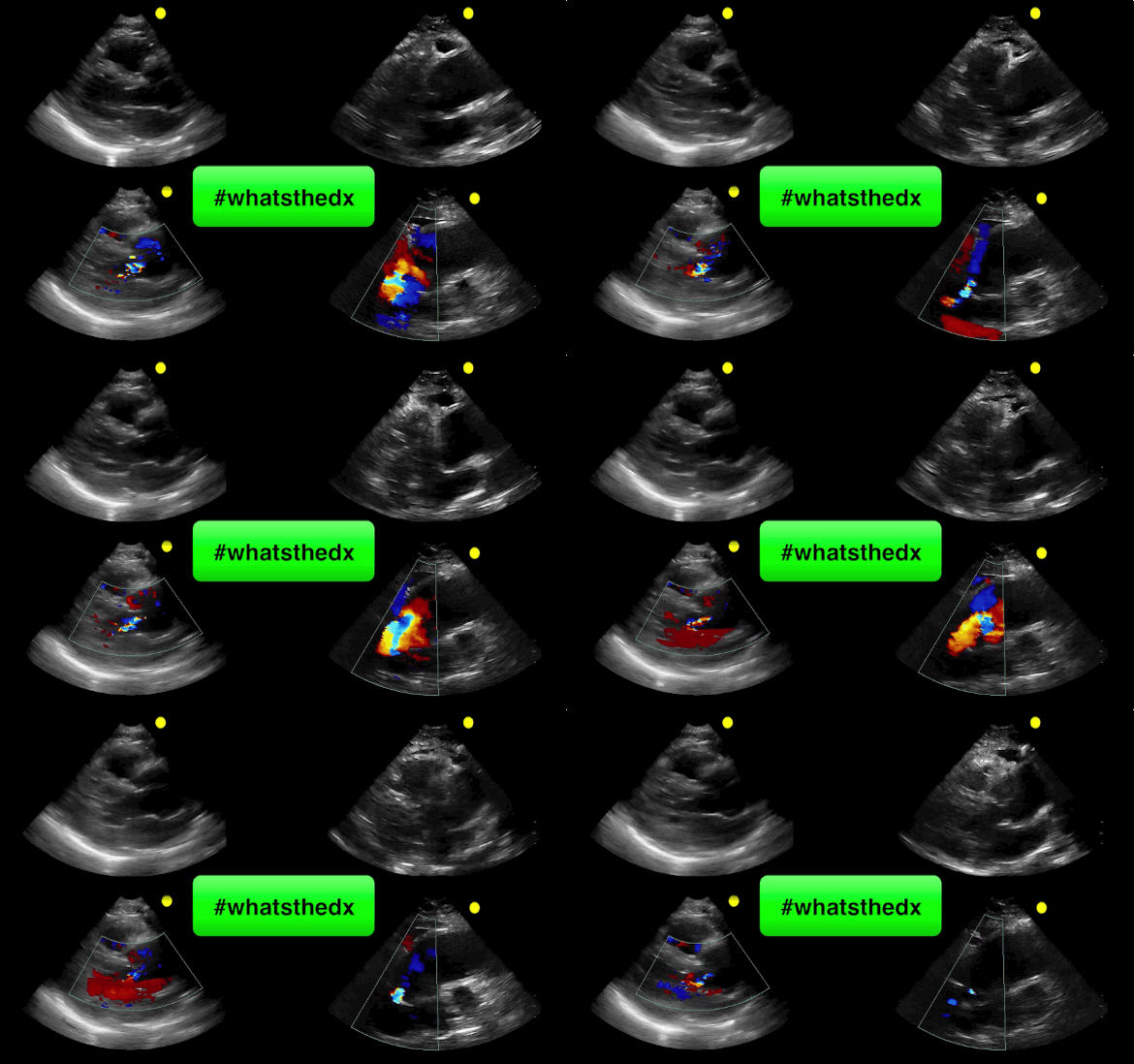
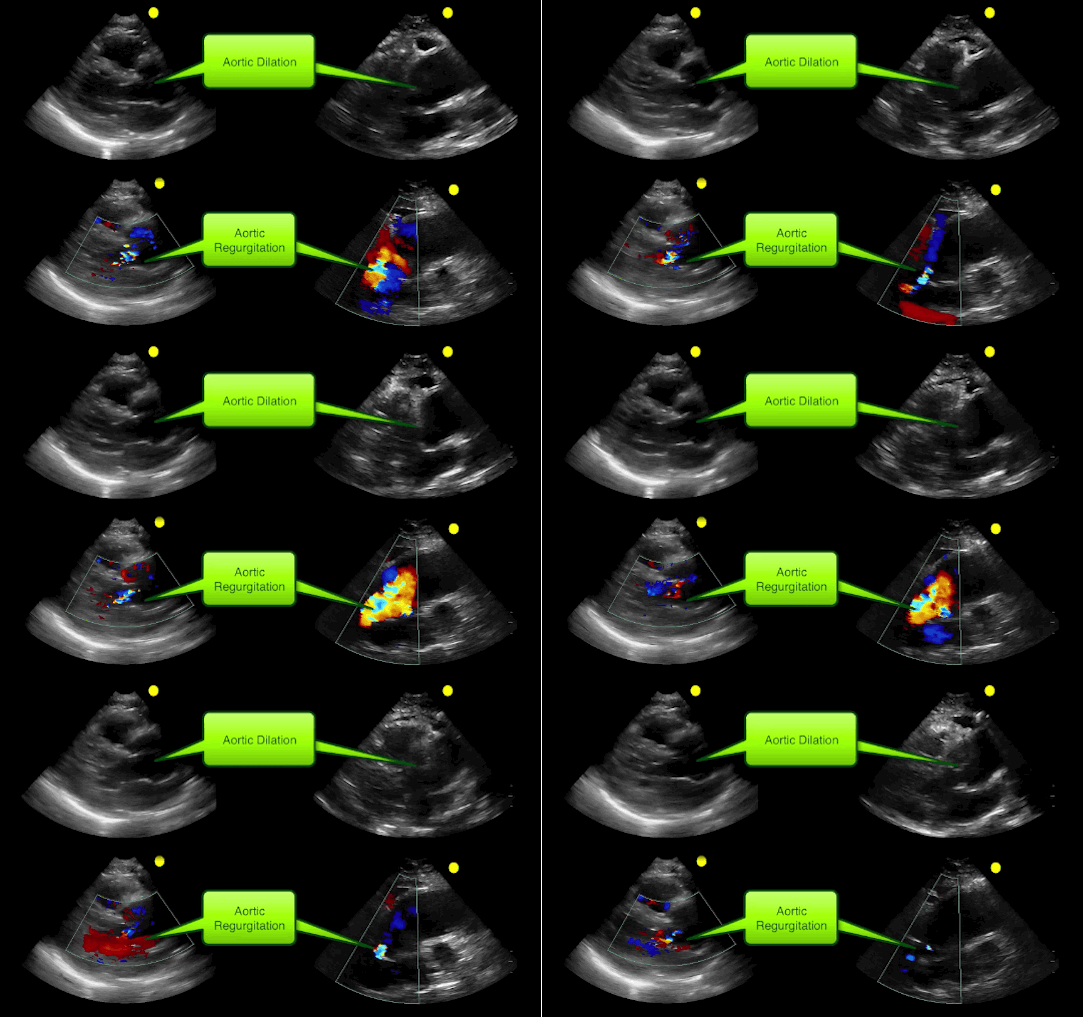
55 year-old male presents with chest pain. Echo is shown below (parasternal long-axis on the left and aortic root / ascending aorta on the right), what's the diagnosis?
Show Answer
Show References
Flumazenil is generally avoided in most adult patients with suspected benzodiazepine overdose due to resedation, seizures/withdrawal, inconsistent reversal of respiratory depression, and the potential for proconvulsant coingestants.
Three relatively recent poison center studies have attempted to demonstrate the safety of flumazenil in this setting. [1-3] In the first study there were 904 adult patients with 13 reported seizures and 1 death. [1] A second study specific to pediatric patients reported 83 patients with no seizures and no deaths. [2] A third study found 80 patients with 1 seizure and 0 deaths. [3]
On the surface, it may appear that flumazenil is safe to give. But, retrospective poison center studies from voluntary reporting cannot be used to prove a drug's safety. The true denominator is unknown. In the pediatric study, we wouldn't expect children to experience withdrawal since they aren't on chronic benzodiazepine therapy. [2] So, it's no surprise there weren't any seizures or deaths.
A recent systematic review and meta-analysis of randomized trials summed it up perfectly: "Flumazenil should not be used routinely, and the harms and benefits should be considered carefully in every patient." [4] Cases in which to consider flumazenil are pediatric patients and reversal of procedural sedation if needed.
Show References
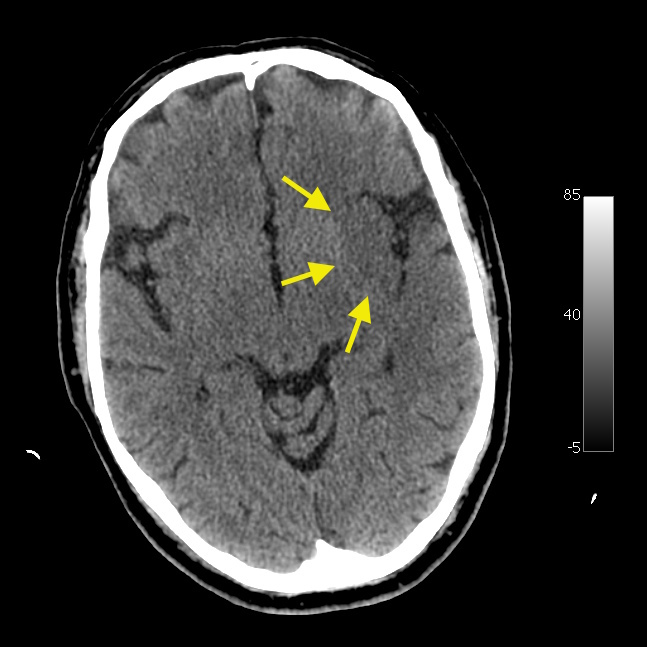
Neuroimaging Tip - Loss of the Insular Ribbon Sign
- Loss of the insular ribbon sign refers to loss of the gray-white differentiation of the insular cortex.
- This is an early sign of middle cerebral artery (MCA) stroke.
- The insular cortex has less collateral blood supply from the anterior cerebral artery (ACA) and posterior cerebral artery (PCA) than other portions of the MCA territory; thus making it more susceptible to ischemia.
Show References
Is It Really ARDS?
- Recent literature suggests that the incidence of ARDS in intubated ED patients may be as high as 10%.
- The Berlin Definition of ARDS includes the acute onset of bliateral opacities (CXR or chest CT) that is not fully explained by pulmonary edema or fluid overload.
- Emergency physicians and Intensivists are well versed in lung-protective ventilator settings for patients with ARDS.
- However, several diseases can appear simliar to ARDS and may require different ventilator strategies and treatments.
- In the absence of clinical risk factors for ARDS (e.g., sepsis, trauma), consider the following in your differential:
- Idiopathic pulmonary fibrosis
- Interstitial pneumonitis
- Granulomatosis with polyangitis (Wegener's)
- Diffuse alveolar hemorrhage
- Goodpasture's syndrome