
Research Grants & Funding
CVD Faculty Receive Competitive Contract to Support Global RSV Vaccination Efforts
August 31, 2026
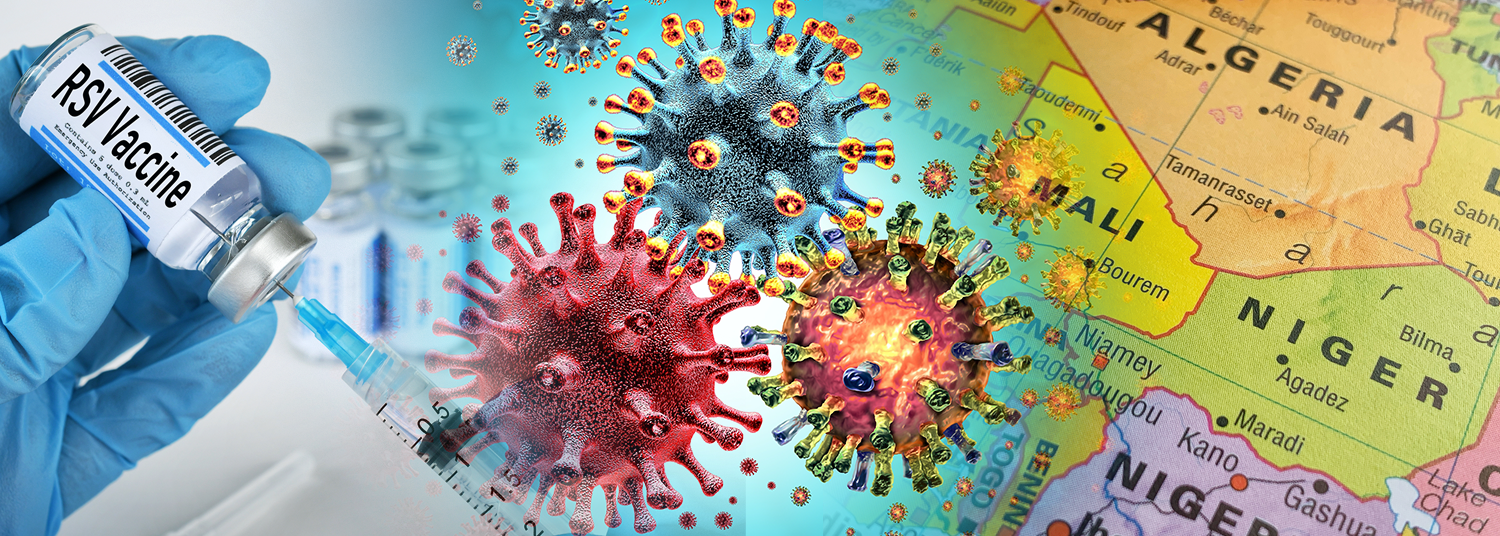
Despite recent advances in prevention, respiratory syncytial virus (RSV) remains a leading cause of hospitalization and death among children under age 5 worldwide. Gavi, the Vaccine Alliance has committed to support maternal immunization in low-income countries for whom new products are otherwise unaffordable. To help inform global vaccination strategies, Meagan Fitzpatrick, PhD, Associate Professor of Medicine and co-Director of the UMSOM Global Health Alliance, and colleagues at the Center for Vaccine Development and Global Health (CVD) have been awarded a competitive contract from Gavi, the Vaccine Alliance, to model the potential impact of RSV vaccination programs across all countries eligible for Gavi support.
 RSV is one of the most common childhood respiratory infections, with nearly all children experiencing at least one infection by age 2. While many cases result in mild illness, RSV can also cause severe disease requiring hospitalization, particularly among young infants, who are at the greatest risk of serious complications and death.
Recent years have brought important advances in RSV prevention, including maternal vaccines administered during pregnancy that protect newborns by transferring protective antibodies across the placenta before birth. Many low- and middle-income countries, where the burden of RSV is often highest, need evidence about the expected vaccine impact in their own populations as they weigh the potential benefits of the program against other pressing health concerns.
To address this need, Dr. Fitzpatrick and colleagues at CVD will develop country-level estimates of the health impact of maternal RSV vaccination across all Gavi-eligible countries. This work builds upon studies conducted in collaboration with CVD-Mali, a longtime partner site of the CVD that is located in one of the Gavi-eligible countries.
The analyses will estimate the number of infant infections prevented, hospitalizations avoided, deaths averted, and years of healthy life gained through vaccination programs. Researchers will assess key questions, including how outcomes may vary based on factors such as vaccination coverage, disease seasonality, and health system capacity. They plan to report their results in 2027.
The work supports decision-making at multiple levels, from ministries of health evaluating RSV vaccination alongside other public health priorities to Gavi and other global partners determining where investments can have the greatest impact.
The contract builds on CVD's longstanding expertise in applying rigorous quantitative and epidemiological methods to vaccine policy questions, particularly in settings where the burden of infectious disease is greatest and critical evidence is often limited.