
UM School of Medicine Faculty Spotlight Black Women’s Health Through Women’s History Month Panel
April 16, 2026 | Ramata Kaba
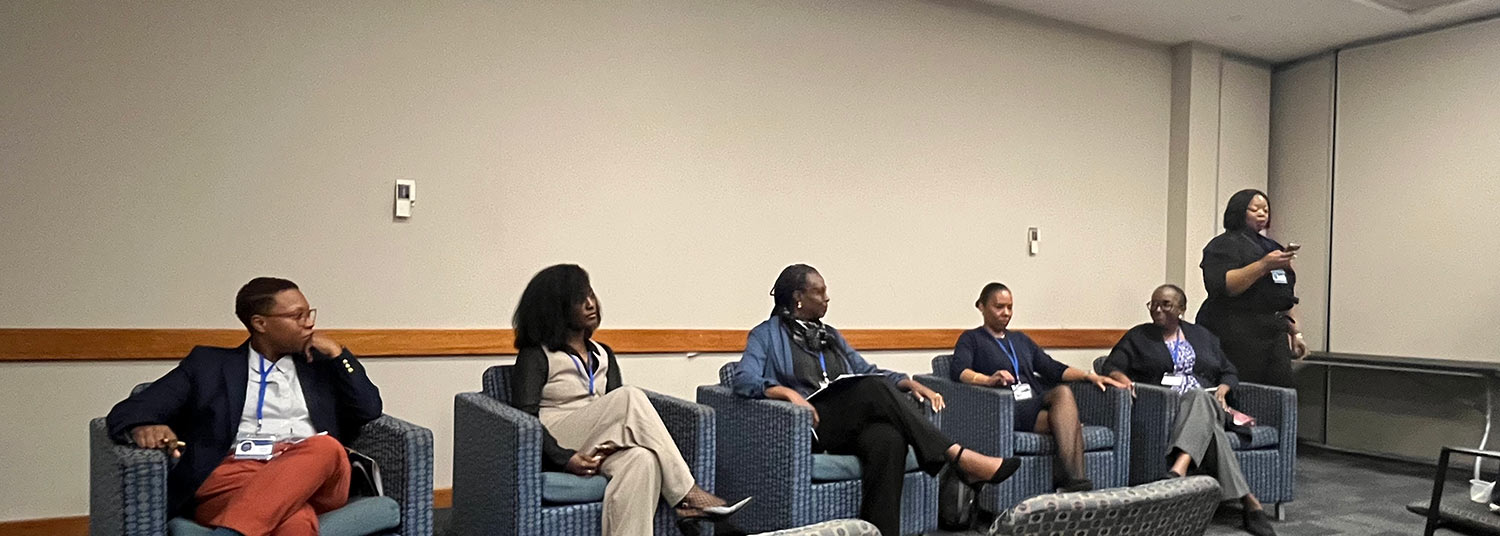
On Friday, March 27, University of Maryland School of Medicine (UMSOM) faculty joined colleagues at Coppin State University for their 5th Annual Women’s History Month Forum. The event drew 132 attendees, including students, staff, faculty, and local community leaders, for a series of workshops and panel discussions on women’s health topics that predominantly affect Black women.
One panel discussion featured several faculty members from UMSOM and the University of Maryland, Baltimore (UMB). They provided expert insight into the unique health challenges Black women face from adolescent reproductive health issues to midlife wellness and aging, offering strategies to help women better understand their bodies, navigate the healthcare system, and advocate for their own care.
Moderator Shana Ntiri, MD, MPH, Associate Professor of Family and Community Medicine, Assistant Director of the Office of Community Outreach and Engagement at the University of Maryland Greenebaum Comprehensive Cancer Center and Medical Director for the Baltimore City Cancer Program, opened the panel with this question: “What does optimal health look like for Black women across the lifespan, and how can different disciplines support that goal?”
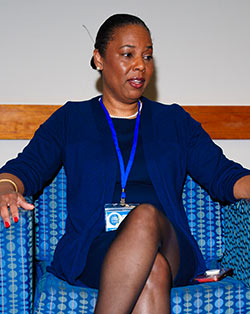
Panel member Esa Davis, MD, MPH, Associate Vice President for Community Health, Senior Associate Dean for Population and Community Medicine, and Interim Chair of the UMSOM Department of Family and Community Medicine, approached the question through the lens of maternal health, highlighting the ongoing U.S. maternal health crisis and its disproportionate impact on Black women. She emphasized that many pregnancy‑related deaths are preventable and often stem from chronic conditions that exist long before pregnancy.
Dr. Davis pointed to a life‑course approach as critical to achieving optimal health, one that prioritizes nutrition, physical activity, sleep, stress management, and chronic disease prevention across a woman’s lifetime. “Pregnancy doesn’t begin the story,” she noted. “It reflects health and access across an entire lifetime.”
Beyond clinical care, Dr. Davis addressed the cultural and emotional barriers that often lead Black women to place their own health last. She encouraged attendees to view self‑care as essential rather than optional, emphasizing that prioritizing personal well‑being enables women to show up more fully for their families and communities.
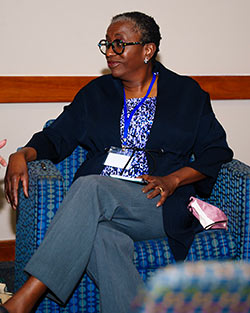 In her remarks on the panel, Stacey Stephens, MSW, LCSW‑C, Clinical Associate Faculty and Director of B'more for Healthy Babies at the University of Maryland School of Social Work Center for Restorative Change, urged attendees to broaden their understanding of optimal health beyond clinical settings, emphasizing that wellness must account for the full environment in which people live, connect, and heal. She spoke to the importance of addressing spiritual, emotional, and social well‑being alongside physical health, noting that understanding a person’s history and lived experiences helps inform more effective care.
Ms. Stephens noted that optimal health is not achieved alone. While medical providers are essential, she highlighted the need for a strong support network that can include therapists, doulas, community health workers, faith leaders, movement instructors, and trusted family members. Together, she said, these supports help reduce stress and anxiety and support long-term health from adolescence through older age.
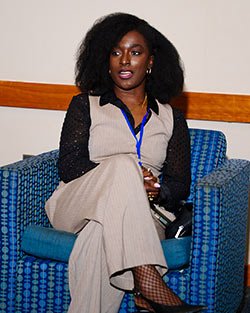
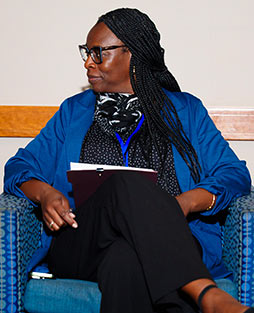
As the discussion turned to aging and long-term care, panelists spoke about the importance of self-advocacy in maintaining good health over time. Laurene Dampare, MD, Assistant Professor of Family and Community Medicine, encouraged attendees to recognize when a healthcare provider may not be the right fit and to voice concerns by asking questions, requesting additional testing and seeking clarification about treatment options. She noted that navigating the healthcare system should not be done in isolation, pointing to the support structures within medical settings, including hospital patient advocates and supervisory teams within primary care practices that can help address unresolved issues.
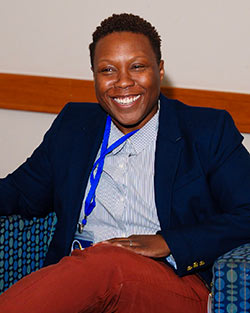
Building on earlier discussions about self‑advocacy and navigating care later in life, the panelists expanded their focus to consider how health experiences are shaped long before a patient enters a medical setting. They highlighted the ways individual health outcomes are influenced by cultural and historical forces. Panelists noted that these outcomes are shaped not only by interactions within healthcare systems, but also by long‑standing societal norms and how health knowledge is shared across generations. Improving Black women’s health, they emphasized, requires honesty at the family and community level and a shared commitment to ensuring future generations are better prepared to navigate healthcare systems with knowledge and confidence.
Closing the discussion in the spirit of Women’s History Month, Jasmine Pope, Director of Strategic Initiatives and Partnership Integration at the University of Maryland Center for Community Health, connected Black women’s health to the historical conditions that continue to shape medical care and trust today. She encouraged attendees to begin reframing negative encounters with healthcare providers through honest conversations within families and communities, open sharing of health experiences, and acknowledgment of both pain and resilience. Ms. Pope emphasized that entering healthcare spaces informed and engaged is essential, and that meaningful, lasting progress depends on shared knowledge, mutual support, and continued advocacy across generations.
Contact
Ramata Kaba
RKaba@som.umaryland.edu