
New Guidelines Aim to Bring Precision Medicine to Stroke Rehabilitation
August 28, 2026 | Jon Kelvey
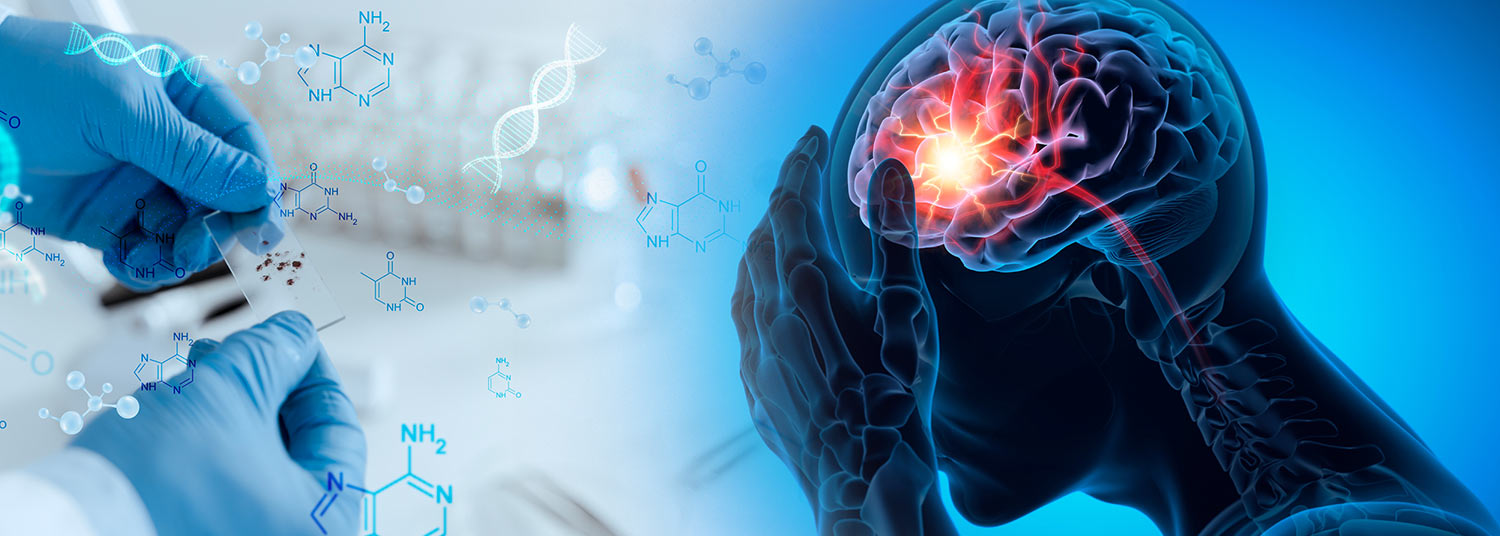
A University of Maryland School of Medicine (UMSOM) stroke rehabilitation specialist helped develop new recommendations for studying molecular biomarkers associated with recovery from stroke. The new guidelines could help pave the way for precision rehabilitation approaches tailored to individual patients.
Published August 19 in the International Journal of Stroke, an international task force established a framework for conducting large scale studies that collect blood samples alongside detailed recovery measurements taken over time after stroke. Such longitudinal studies are required to identify the biological signals that could help clinicians determine not only which therapies are most effective, but when stroke patients are most likely to benefit from them.
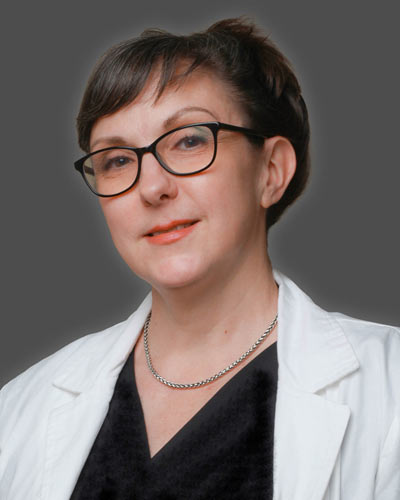 “For a long time, stroke recovery studies have used ‘outcome’ measures at a single 90-day timepoint. But that approach misses the peaks and valleys that define a patient’s unique recovery profile,” said Robynne Braun, MD, PhD, UMSOM Associate Professor of Neurology and a stroke rehabilitation specialist at the University of Maryland Rehabilitation & Orthopaedic Institute.
Dr. Braun’s goal, and that of her co-lead author, Matthew Edwardson, MD, Associate Professor of Neurology and Rehabilitation Medicine at Georgetown University School of Medicine, “is to move beyond one-size-fits-all rehabilitation and toward precision medicine approaches,” she says. Approaches that “help us identify the right treatment for the right patient at the right moment in recovery.”
More than 795,000 Americans experience a stroke each year, and many survivors face long-term challenges, like mobility issues, speech difficulties and cognitive impairment that interfere with their daily activities. While advances in emergency stroke care have dramatically improved survival, scientists still know relatively little about the biological processes that drive recovery in the weeks and months after stroke—compared to the recovery that takes place after a heart attack, for example. One of the major goals of the 17-member task force was to outline the methodologies and specific research areas to fill in these knowledge gaps.
The task force identified several important candidate biomarkers for ongoing study, including neurofilament light chain (NfL), brain-derived neurotrophic factor (BDNF), brain-derived tau, glial fibrillary acidic protein (GFAP), and interleukin-6 (IL-6). These biological molecules are associated with cell damage, nerve cell growth, and inflammation in many other disease states, and in normal physiology. The recommendations emphasized that researchers still need to understand, for example, how molecular profiles of these biomarkers change over time following a stroke, and how those changes relate to the brain’s ability to repair itself, especially in response to interventions like physical therapy.
“The evidence shows that trying to do intensive rehabilitation too soon after a stroke, while the brain may still be dealing with inflammation and injury, can actually make things worse. But research also shows that you get diminishing returns with rehabilitation if you wait too long to intervene,” Dr. Braun said. “That window is likely different for every person. So the goal is identifying molecular signposts that can tell us where an individual patient is in that recovery journey so we can intervene at the most effective time, targeting the most appropriate biology for each individual patient.”
To support progress, the report recommends creating national biomarker centers, international data repositories, and dedicated funding programs capable of supporting studies involving thousands of stroke survivors. The recommendations also highlight the importance of ethical safeguards to ensure biomarker information is never used to limit patients’ access to rehabilitation services.
With a storied history of brain research, UMSOM is well positioned to help lead these efforts. The school hosts the multi-disciplinary University of Maryland - Medicine Institute for Neuroscience Discovery (UM-MIND), which has a major focus on neurotrauma and brain injury research, and UMSOM faculty staff both the University of Maryland Rehabilitation & Orthopaedic Institute’s stroke recovery program and the University of Maryland Comprehensive Stroke Center. Dr. Braun envisions leveraging the University’s strengths in precision medicine, biobanking, and clinical research to build regional and national collaborations focused on stroke recovery biology.
“I would love to see Maryland become a hub for this work,” she said. “We have outstanding precision medicine infrastructure and neurorehabilitation programs. By bringing together expertise in neuroscience, rehabilitation, molecular biology, and data science, we can help accelerate discoveries that ultimately improve outcomes for stroke survivors.”
Contact
Office of Public Affairs
655 West Baltimore Street
Bressler Research Building 14-002
Baltimore, Maryland 21201-1559
Contact Media Relations
(410) 706-5260
Related stories
Monday, February 16, 2026
Stroke Neurologist Seemant Chaturvedi, MD, Receives American Stroke Association’s David G. Sherman Lecture Award
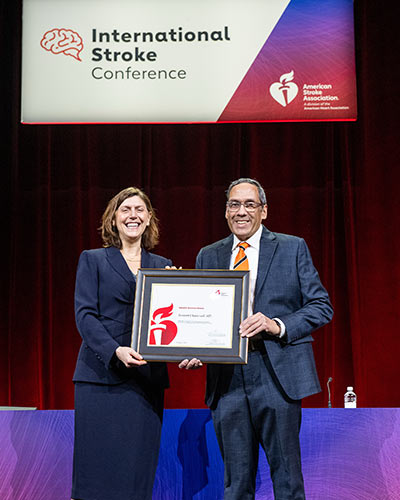
Seemant Chaturvedi, MD, the Stewart J. Greenebaum Endowed Professor of Stroke Neurology at UMSOM and Director of the University of Maryland Medical System’s (UMMS) Stroke Program was honored with the American Stroke Association’s David G. Sherman Lecture Award at the association’s annual International Stroke Conference on February 6.
Monday, October 04, 2021
University of Maryland Medicine Announces Comprehensive Stroke Center at UMMC Receives Top Honors for Stroke Care
The Comprehensive Stroke Center (CSC) at the University of Maryland Medical Center (UMMC) has been recognized by the American Heart Association (AHA) as among the best in the nation for patient care, University of Maryland Medicine (comprised of UMMC and the University of Maryland School of Medicine) announced today. The Center has received multiple accolades from AHA, including Gold Plus Recognition for 85% or higher rates of compliance with AHA’s rigorous, research-based stroke care guidelines; Target Stroke Honor Role Elite for rapid treatment of ischemic stroke patients; and 90 percent or higher compliance with guidelines for treating diabetic strokes. The center’s lifesaving care is provided by faculty from the University of Maryland School of Medicine’s Department of Neurology and its Divisions of Neuroradiology and Neurosurgery.