
Cruise Ship Hantavirus Outbreak Highlights Need for Clear Public Health Communication and Global Disease Preparedness
July 22, 2026 | Jake Shindel
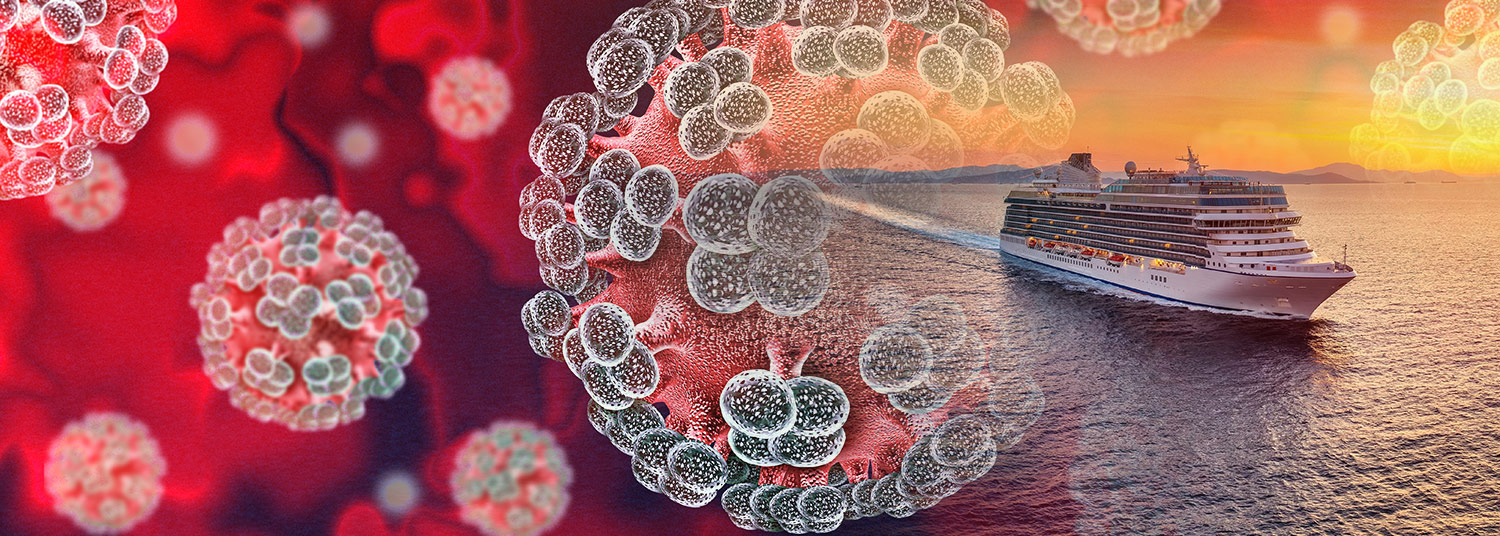
A small outbreak of a rare hantavirus on a cruise ship earlier this year captured worldwide attention and sparked concerns about a possible new pandemic. But according to a new University of Maryland School of Medicine (UMSOM) commentary published in JAMA Internal Medicine, the outbreak posed little risk to the general public and offers important lessons about how health officials, scientists, and the media should communicate during emerging disease events.
 The commentary examines an outbreak of Andes virus, a rare hantavirus found in South America, aboard the cruise ship MV Hondius. The outbreak left three people dead and there were 13 infections among passengers and crew. While the event prompted extensive media coverage, the authors argue that the virus's limited human-to-human transmission ability made a larger outbreak unlikely.
"Seeing a deadly virus spread among passengers on a cruise ship naturally raised concerns because it reminded many people of the early days of COVID-19," said Daniel J. Morgan, MD, MS, Professor of Epidemiology & Public Health at UMSOM and lead author of the commentary. "But not every dangerous virus has the capacity to become a pandemic. It's important that public health responses and public messaging are guided by evidence rather than fear."
Hantaviruses are rare diseases that usually spread to humans through contact with rodents or their droppings, urine, or saliva. In the United States, roughly 30 cases are reported annually. Andes virus is unique among hantaviruses because it can spread from person to person through close contact. However, outbreaks have historically remained small and self-limited.
In the commentary, the authors describe how public health officials followed established practices aboard the ship by identifying infected individuals, tracing contacts, and monitoring those who may have been exposed. Health authorities, including the World Health Organization, assessed the risk to the global population as low.
"The outbreak appears to have been managed appropriately, and the limited transmission seen with Andes virus makes it very different from highly contagious viruses such as SARS-CoV-2 or measles," Dr. Morgan said. "The public deserves clear explanations about what scientists know, what they don't know, and how much risk a situation actually poses."
According to the authors, the recent outbreak illustrates the value of strong international public health networks and expert guidance, particularly as human interactions with wildlife, environmental changes, and global travel continue to increase opportunities for emerging infectious diseases.
"We live in a world where new infectious disease threats will continue to emerge," Dr. Morgan said. "The key is ensuring that we have responsive public health institutions, independent scientific research, and trusted experts who can help the public understand which threats require their concern, and those that don’t."
The authors said that maintaining public engagement in infectious disease issues is valuable, but scientific evidence must be communicated carefully and accurately. They emphasize that society needs experts, institutions, and media organizations capable of helping the public distinguish between rare outbreaks with limited pandemic potential and emerging viruses that could pose a more serious global threat.
"International public health collaboration remains critical to preventing and managing outbreaks," said co-author Tara Palmore, MD, Professor of Medicine at UMSOM and a faculty member at the School’s Institute of Human Virology. "Continued investment in the development of vaccines and therapeutics for emerging infectious diseases must remain a global research priority, while clear, timely communication from public health experts and the media is essential to keep the public informed about infectious disease risks."
Contact
Jake Shindel
jshindel@som.umaryland.edu