
Question
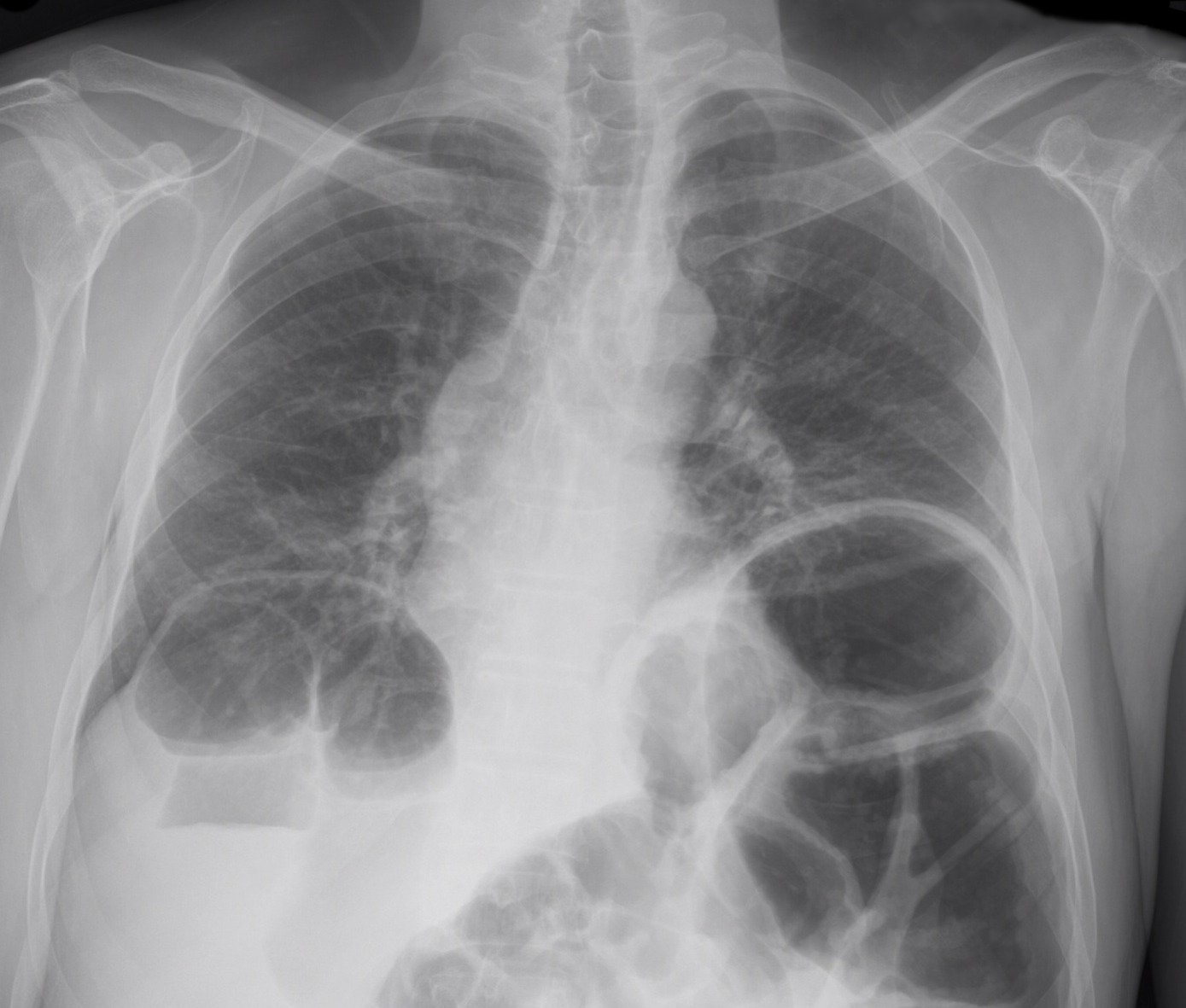
65 year-old male presents with nausea and diffuse abdominal pain, 3 days after knee replacement surgery. What's the diagnosis?
Show Answer
Show References
- Statin therapy significantly reduces the risk for thrombotic events
- A recent study sought to determine the impact of short-term intensive statin therapy on intracoronary plaque lipid content
- 87 patients with multivessel CAD undergoing percutaneous coronary intervention and at least 1 other severely obstructive were randomized to intensive (rosuvastatin40 mg daily) or standard-of-care lipid-lowering therapy
- Upon follow-up, median reduction (95% confidence interval) was significantly greater in the intensive versus standard group ( p=0.01)
- Short-term intensive statin therapy in small trials reduces lipid content in obstructive lesions and further large studies with longer follow-up are warranted
Show References
Sternal fractures
- Initially thought to be associated with high mortality due to associated injuries though newer studies show the mortality rate is about 1%.
- Can be associated with
- Rib fractures
- Mediastinal injury
- Cardiac Contusion
- Pneumothorax
- Aortic dissection
- Pulmonary Contusion
- The diagnosis can be made with plain radiographs, but a fracture can be missed on a regular PA and Lateral Chest Xray. Ask for dedicated sternal views to better define the fracture
- CT Chest is only needed if you are concerned about associated injuries
- Obtain an ECG on arrival and at 6 hours to ensure there are no signs of a myocardial contusion
- ST segment changes, arrhthymias
- Treatment is supportive. Provide adequate pain control and treat associated injuries
Show References
When reviewing a patient's medication list, there are always some that should catch your eye. Digoxin is one since we can measure it, has a low therapeutic index and elimination is effected when renal function is diminished. Another drug that should catch your eye is SOTALOL. Renally cleared and affected by even a minimally lower than normal magnesium. The toxic effect even at therapeutic levels is torsades de pointes.
One study, in a 736 bed hospital, showed 89% of patients prescribed sotalol were on an inappropriate dose due to renal function and an odds ratio of 3.7 increased re-admission rate at 6 months for the patients on the inappropriate dose of sotalol.
We can catch this in the ED. Involve your pharmacist, ED pharmacist or local toxicologist for dosing calculations.
Show References
General Information:
An estimated 70 children in the world die every 5 minutes-- 99% of these deaths are from developing countries, half in Sub-Saharan Africa , and two-thirds from preventable or easily treatable causes.
Area of the world affected:
One study examining the quality of hospital emergency care of 131 children in 21 hospitals in 7 developing countries found:
· 66% of hospitals did not have adequate triage; 41% of patients had inadequate initial assessment;
· 44% received inappropriate treatment and 30% had insuf cient monitoring.
· Frequent essential drugs, laboratory and radiology services supply outages
· Staffing and knowledge shortages for medical and nursing personnel
Relevance to the US physician:
The International Federation of Emergency Medicine (IFEM) used a consensus approach to develop the International Standards for Emergency Care of Children in Emergency Departments, published in July 2012.
· The standards covering initial assessment, stabilization and treatment, staf ng and training
· Guidelines for coordinating, monitoring and improving the pediatric emergency care are addressed
Bottom Line:
The IFEM International Standards for Emergency Care of Children provide an excellent resource for both clinicians and hospital managers in developing countries.
University of Maryland Section of Global Emergency Health
Author:Terrence Mulligan DO, MPH,FIFEM, FACEP, FAAEM, FACOEP, FNVSHA
--thanks and acknowledgments to Baljit Cheema, University of Cape Town and Stellenbosch University, South Africa
Show References
CVP and Fluid Responsiveness
- Central venous pressure (CVP) has been used over the last 50 years to assess volume status and fluid responsiveness in critically ill patients.
- Despite widespread practice habit, CVP has not been shown to reliably predict fluid responsiveness in the critically ill.
- In a recent updated meta-analysis, Marik et al reviewed 43 studies, totaling over 1800 patients.
- 57% of patients were fluid responders
- The mean CVP was 8.2 mm Hg for fluid responders and 9.5 mm Hg for non-responders
- For studies performed in ICU patients, the correlation coefficient for CVP and change in cardiac index was just 0.28.
- Bottom line: Current literature does not support the use of CVP as a reliable marker of fluid responsiveness.
Show References
Bifascicular block
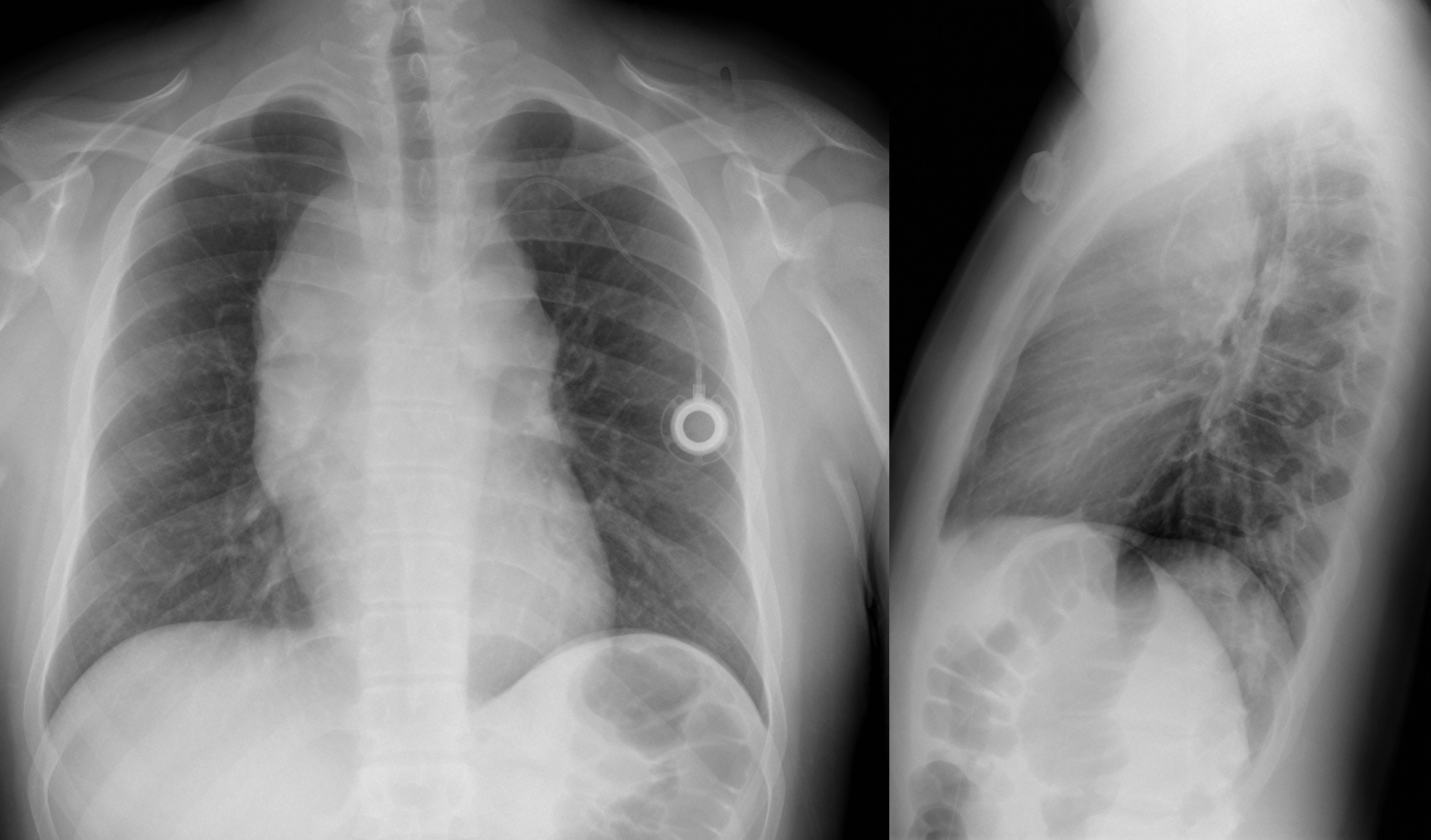
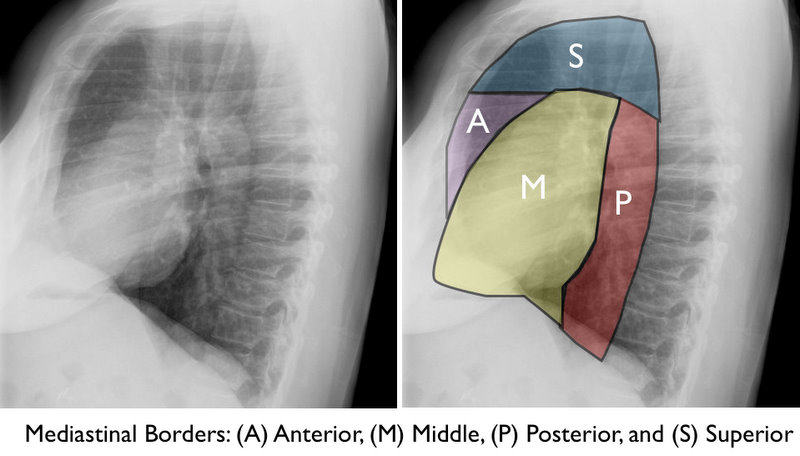
- Right bundle branch block (RBBB) + left anterior fascicular block (LAFB)
- RBBB + left posterior fascicular block (LPFB)
- Complete left bundle branch block (LBBB)
Incomplete Trifascicular block
- Bifascicular block w/1st degree AV block *classically referred to as “trifascicular block”*
- Bifascicular block w/2nd degree AV block
- Alternating LBBB + RBBB
Complete Trifascicular block
- Bifascicular block w/3rd degree AV block
Show References
Tennis Elbow
The tendon usually involved in tennis elbow is called the Extensor Carpi Radialis Brevis (ECRB).
The ECRB muscle helps stabilize the wrist when the elbow is straight.
Ask the patient to straighten the arm at the elbow and then perform resisted long finger extension. This will stress the ECRB and reproduce the pain. One can also ask the patient to lift the top of a chair in the air with the elbow extended.
General Information:
Hepatitis A is a food-borne illness that is prevalent in developing countries. Currently in the US we are experiencing an outbreak in 8 states related to a frozen blend of organic berries. (Linked to Townson Farms brand sold at Costco and Harris Teeter)
Clinical Presentation:
- Case definition: sudden onset of S/S + jaundice or elevated liver enzyme levels
- S/S: nausea, anorexia, fever, malaise, abdominal pain
Diagnosis:
- Hepatitis A IgM
Treatment:
- Exposed patients should be given the Hep A vaccine within 2 weeks of exposure
- Exposed patients >40 yrs old, <1 yr old, immunocompromised, or with chronic liver disease: give immunoglobulin instead (risk of more severe disease)
- Supportive care
Bottom Line:
Patients potentially exposed to Hepatitis A in the past 2 weeks should be given either the vaccination or immunoglobulin, depending on comorbid conditions. Treatment of active infection is supportive.
University of Maryland Section of Global Emergency Health
Author: Andi Tenner, MD, MPH
Show References
Keep Immune Thrombocytopenic Purpura (ITP) in your differential for patients with thrombocytopenia and evidence of bleeding. Although ITP has classically been described in children, it can occur in adults; especially between 3rd- 4th decade.
Thrombocytopenia leads to the extravasation of blood from capillaries, leading to skin bruising, mucus membrane petechial bleeding, and intracranial hemorrhage.
ITP occurs from production of auto-antibodies which bind to circulating platelets. This leads to irreversible uptake by macrophages in the spleen. Causes of antibody production include:
- Medication exposure
- Infection (usually viral), including HIV and hepatitis
- Immune disorders (e.g., lupus)
- Pregnancy
- Idiopathic
Suspect ITP in patients with isolated thrombocytopenia on a CBC without other blood-line abnormalities. Abnormality in other blood-line warrants consideration of another diagnosis (e.g., leukemia).
ITP cannot be cured; treatments include:
- Steroid to suppress antibody production (first-line therapy)
- Intravenous immunoglobulin (IVIG)
- IV Rho immunoglobulin (for Rh+ patients only)
- Rituximab +/- dexamethasone
- Splenectomy (rare cases of massive hemorrhage refractory to pharmacologic treatment)
Stanford type A (proximal) aortic dissection accounts for ~60% of all aortic dissections
Classic treatment includes direct surgical replacement of the ascending aorta w/prosthetic graft (+/- AV aortic repair/replacement)
~20-30% of these patients (*institutional dependent) are considered poor candidates for surgery and receive only medical management, which innately results in substandard outcomes
In this study those who were considered poor candidates for surgical repair underwent novel endovascular treatment
Endovascular repair in this study was considered both appropriate and improved traditional medical outcomes in patients who were considered poor candidates
Show References
Trapezium Fractures
- The trapezial body is often fractured due to an axial load through the thumb
- The trapezial ridge is often fractured during a fall on an outstretched hand
- Accounts for 1% to 5% of all carpal fractures.
Suspect the Diagnosis when you note
- Tenderness over trapezium
- Often have increased pain with axial loading of thumb.
- Point tenderness at the volar base of the thumb just distal to the scaphoid, at the base of the first metacarpal.
- Since the trapezium is obscured by superimposed bones in PA and lateral views, fractures are most easily identified on the oblique radiographs
If you are suspected the diagnosis oblique radiographs or a CT scan of the wrist will note the fracture the best.
Treatment consists of placing the patient in a thumb spica splint.
- enterovirus which lives in digestive tract, and is highly contagious
- outbreaks worse in summer and fall, but is a self-limited illness
- causes mild flu-like symptoms such as fever, headache, muscle aches, sore throat. with fever usually lasting less than 3 days
- hand, foot, and mouth disease: syndrome of painful blisters in oropharynx and plams of hands and soles of feet
- herpangina: painful blisters in oropharynx, usually posterior in location
- hemorrhagic conjunctivitis: eye pain with injected conjunctivia
- serious complications include: viral meningitis and encephalitis, myocarditis, and secondary bacterial infections
Show References
In the treatment of acetaminophen poisoning with N-acetylcysteine (NAC), the PT/INR can be slightly elevated even in the absence of hepatotoxicity. Considering Prothombin Time (PT) is one of the criteria used to assess severity of liver damage in this setting, it is important to know how much the PT/INR can be affected by NAC and if it has an actual effect on coagulation factor levels.
- N-acetylcysteine has been shown to slightly increase the PT) by up to 3.5 seconds in healthy volunteers.
- A more recent study by the same authors demonstrated a reduction in vitamin K-dependent clotting factor activity (II, VI, IX, and X) after NAC administration in healthy volunteers.
Clinical Practice Pearls
- The elevation in PT/INR after NAC administration is real, not simply laboratory interference.
- However, the PT/INR elevation and decrease in coagulation factors is modest and not likely clinical signficant.
- Many poison center guidelines allow for an INR up to 2 to be considered 'normal' to account for this phenomenon in this setting.
Show References
General Information:
-Listeria can cause serious infections in vulnerable groups: adults >65 years old, pregnant women, newborns, immunocompromised
-In a recent CDC report, infection with Listeria was associated with a 20% mortality rate.
Clinical Presentation:
- History of cantaloupe, soft cheese, or raw produce ingestion
- Non-specific symptoms: fever, myalgias, occasionally preceded by GI symptoms
-Can have headache, stiff neck, confusion, AMS, miscarriage or stillbirth in pregnant women
Diagnosis:
- Blood, CSF, or amniotic fluid culture showing Listeria monocytogenes
- Listeria is a reportable disease
Treatment:
- Ampicillin and Penicillin G are the drugs of choice
- Add gentamycin in CSF infection, endocarditis, the immunocompromised, and neonates.
Bottom Line:
Listeria infections have a high mortality rate and can be found worldwide. Suspect in patients who have febrile syndromes and travel to areas where they may consume unpasteurized cheese.
University of Maryland Section of Global Emergency Health
Author: Andi Tenner, MD, MPH
Show References
Rhabdomyolysis in the Critically Ill
- Rhabdomyolysis can be disastrous in the critically ill patient, resulting in metabolic acidosis, life-threatening hyperkalemia, acute kidney injury, and acute renal failure (ARF). In fact, mortality can be as high as 60% for those that develop ARF secondary to rhabdomyolysis.
- Although creatine kinase (CK) is a sensitive marker of muscle injury and used for diagnosis, it is actually the presence of myoglobinuria that results in ARF.
- Current guidelines recommend treatment when the CK level is > 5000 U/L.
- The mainstay of treatment remains aggressive fluid resuscitation with crystalloids.
- The administration of bicarbonate to alkalinize the urine, diuretics to increase urine output, and osmotic agents (mannitol) to augment urine output remain controversial and are not supported by current literature.
Show References
Question
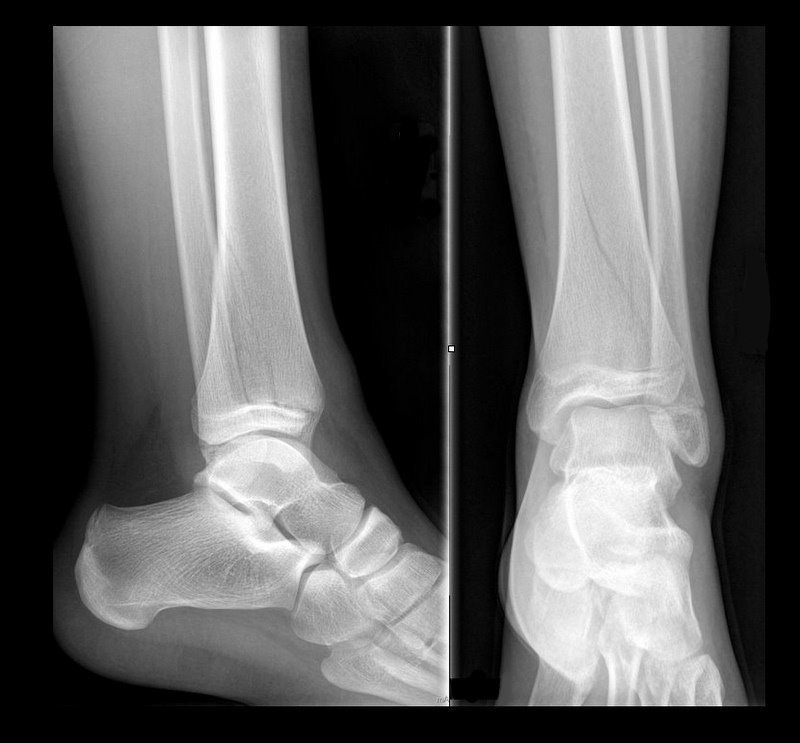
13 year-old female with ankle pain following fall down escalator. What's the diagnosis?
Show Answer
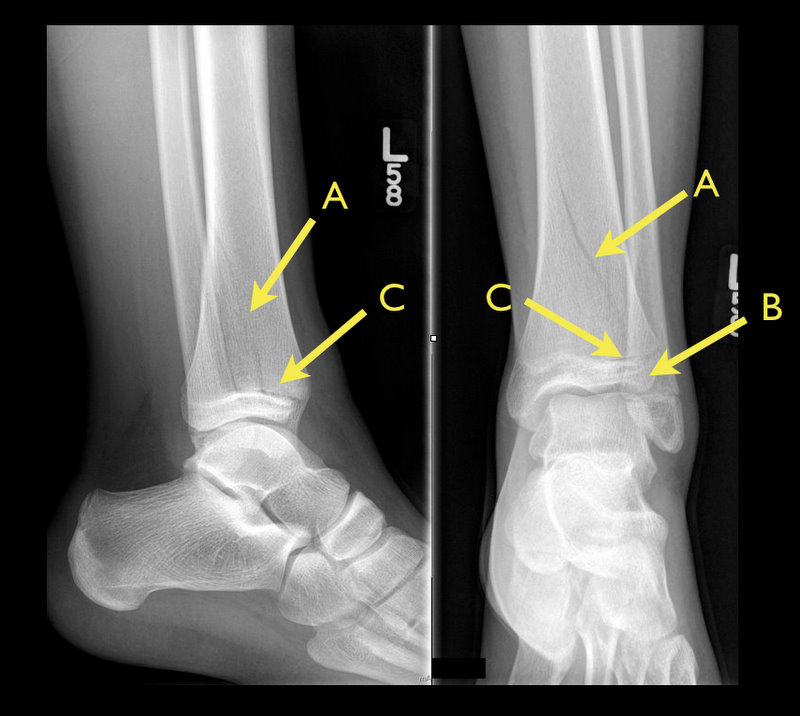
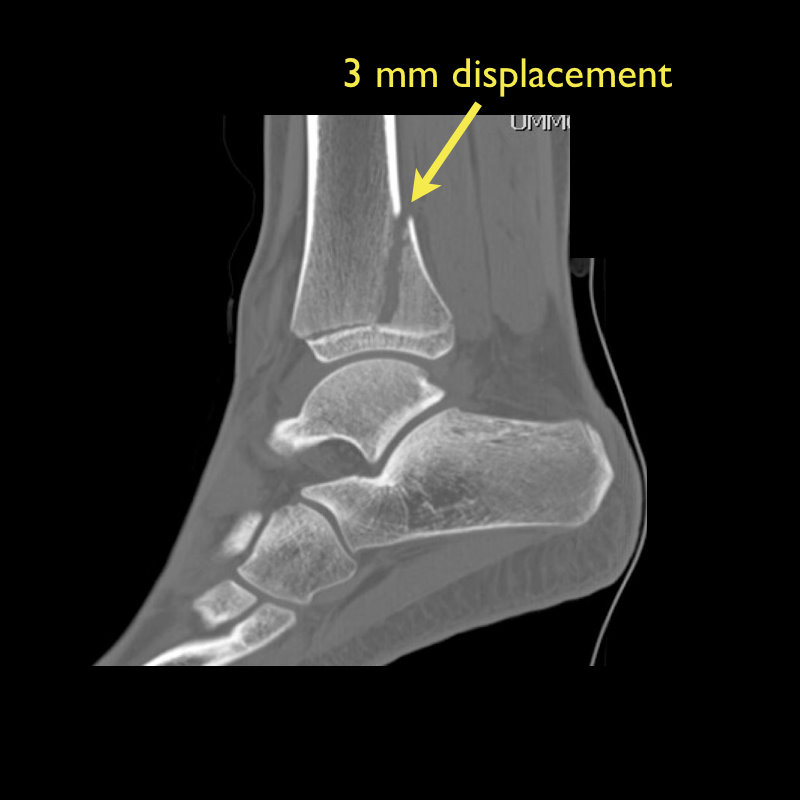
Show References
- Syncope is a sudden lack of blood supply to the brain typically caused by a problem in the regulation of blood pressure or a problem with the heart
- Syncope can be broadly classified in 3 categories neural reflex (~60%), orthostatic (~15%), and cardiac (~15%)
- >Even in the absence of a firm diagnosis of cardiac syncope, the presence of known structural heart disease (CAD) or evidence a primary electrical disorder is associated with a poor prognosis
- Cardiac causes of syncope can also be divided into 3 categories: structural heart disease, obstructive lesions, and arrhythmogenic potential
- Structural: Ischemic heart disease, dilated cardiomyopathy, ARVD,
- Obstructive: HCM, aortic/mitral stenosis, atrial myxoma, pulmonary HTN, PE, tamponade
-
- Brady: AV block, sick sinus, sinus arrest/pause
- Tachy: SVT (AVNRT/AVRT), accessory pathways (WPW), or primary arrhythmias (LQTS, SQTS, CPVT, Brugada)