
Cringing at the thought of sewing up another screaming 2 year old?
Consider intranasal fentanyl.
Who: Young, otherwise healthy pediatric patients undergoing minor procedures (laceration repair, fracture reduction/splinting, etc...)
What: Fentanyl (2mcg/kg)
When: 5 minutes pre-procedure
Where: Intranasal
Why: More effective than PO, less invasive than IV while being equally efficacious.
How: Use an atomizer, splitting the dose between each nostril.
Department Reduces time to analgesic Administration, Anna Holdgate, MBBS, Academic Emergency Medicine 2010, 17:214-217.
General Information:
· Caused by the ameboflagellate Naegleria Fowleri
· Case fatality rate is estimated at 98%
· Commonly found in warm freshwater environments such as hot springs, lakes, natural mineral water, especially during hot summer months
· Incubation period 2-15 days
Relevance to the EM Physician:
· Clinical presentation: resembling bacterial meningitis/encephalitis
· Final diagnostic confirmation is not achieved until trophozoites are isolated and identified from CSF or brain tissue
· Treatment: Amphotericin B
Bottom Line:
· History of travel to tropical areas or exposure to warm or under-chlorinated water during summer time should raise the suspicion for Naegleria Fowleri. The amoeba is not sensitive to the standard meningitis/encephalitis therapy and amphotericin B must be added to the treatment regimen.
University of Maryland Section of Global Emergency Health
Show References
HIV, ART, and the ICU
- Though survival has dramatically improved for patients with HIV, there has been no decrease in the quantity of ICU admissions for this select patient population.
- One of the most common reasons for ICU admission is now adverse effects of antiretroviral therapy (ART).
- When managing a critically ill HIV patient in the ED or ICU, consider the following effects of ART as an etiology:
- Lactic acidosis
- Seen with nucleoside reverse transcriptase inhibitors (NRTIs): greatest risk with didanosine, stavudine, and zidovudine
- Presentation: fatigue, malaise, vomiting, abdominal pain, hepatomegaly
- Lactate often > 10 mmol/L
- Abacavir hypersensitivity
- Usually within first 6 weeks of drug initiation
- Presentation: rash, fever, shortness of breath, vomiting, abdominal pain
- Can rapidly progress to cardiovascular collapse
- Lactic acidosis
Show References
Question
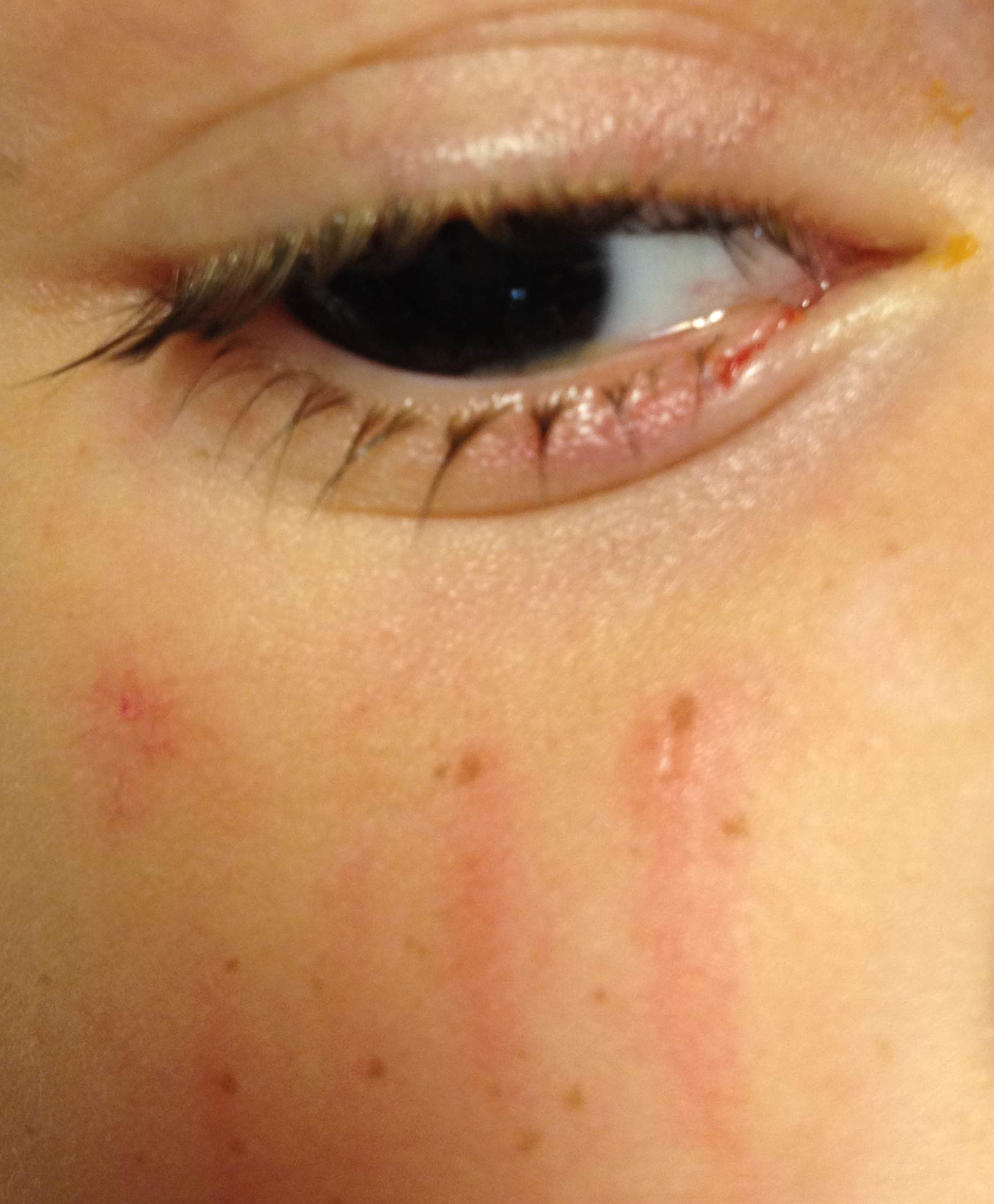
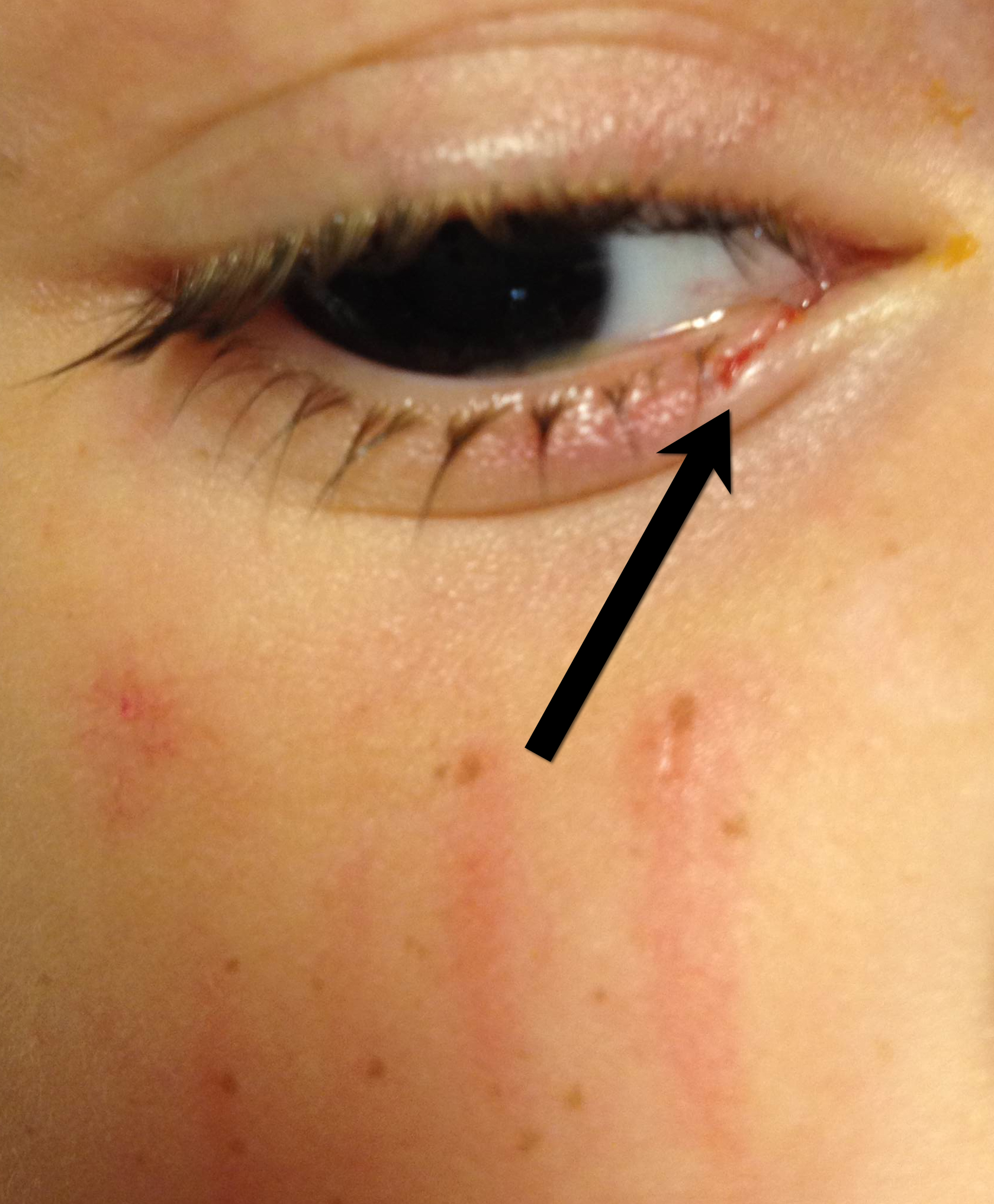
A 3 year-old boy was attacked by a dog and sustained the injury below. Name one injury that should be strongly considered (Hint: there are several)
Show Answer
Show References
- A recent meta–analysis of 12 studies (6,538 patients with 1,824 ROSC) assessed the quality of cardiopulmonary resuscitation (CPR) using either manual vs. mechanical (load-distributing or piston-driven) compressions in out-of-hospital cardiac arrest
- Compared w/manual CPR, load-distributing band CPR had significantly greater odds of ROSC (odds ratio, 1.62 and p<0.001)
- The treatment effect for piston-driven CPR was similar to manual CPR
- The difference in percentages of ROSC rates from CPR was 8.3% for load-distributing band CPR and 5.2% for piston-driven CPR
- Compared with manual CPR, combining both mechanical CPR devices produced a significant treatment effect in favor of higher odds of ROSC with mechanical CPR devices (odds ratio, 1.53 and p<0.001)
Show References
Treatment of Severe Hypothyroidism
We do not see patient's with severe hypothyroidism often, but it is important that they be treated aggressively. Some treatment pearls are
- Rule out aggravating cause (i.e.: infection [UTI, pneumonia], myocardial infarction)
- Start IV levothyroxine dosing
- Initial dose 400-500 mcg. This is a large dose but it only saturates the thyroid receptors and will not cause a rebound hyperthyroidism state.
- Daily dose 100 mcg/day
- Consider starting Dexamethasone/hydrocortisone
- Patients may also have adrenal insufficiency from primary pituitary failure or may have secondary adrenal suppression due to the severe hypothyroidism. If dexamethasone/hydrocortisone is not provided they may develop severe adrenal insufficiency once you kick start their metabolism.
Lactate is commonly used in the adult ED when evaluating septic patients, but there is a lack of literature validating its use in the pediatric ED. Pediatric studies have suggested that in the ICU population, elevated lactate is a predictor of mortality and may be the earliest marker of death.
A retrospective chart review over a 1 year period showed that one elevated serum lactate correlated with increased pulse, respiratory rate, white blood cell count and platelets. Serum lactate had a negative correlation with BUN, serum bicarbinate and age. Elevated lactate levels were higher for admitted patients. However, the mean serum lacate level was not statistically different between those diagnosed with sepsis and those that were not.
The study included 289 patients less then 18 years who had both blood cultures and lactate drawn. This community hospital had a sepsis protocol in place that automatically ordered a lactate with blood cultures. Only previously healthy children were included.
The study is limited by its small sample size and overall low lactate levels. Despite having a protocol in place, only 39% of patients who had blood cultures drawn had lactate levels available for analysis. The mean serum lacate in this study was 2.04 mM indicating that the study population may not have been sick enough to determine mortality implications. There were no serial measurements.
Bottom line: Consider measuring serum lacate in your pediatric patient with suspected sepsis. Pediatric ICU literature does suggest that an serum lactate as low as 3mM is associated with an increased mortality in the ICU.
Show References
The internet has become a wealth of information and some books have now gained internet noteriety. A chemist and author of the book - TIKHAL: Tryptamines I Have Known and Loved is an excellent example.
Tryptamines include drugs like LSD and alpha-methyltryptamine (AMT). Vivid visual hallucinations and serotonin agonism, these drugs were glamorized by this author. He would synthesize a tryptamine and then "taste it". Take a look at the link below where he first describes the biochemical synthesis he performed then describes his dose response effect when he tried the drug.
If you run into a drug or slang term in the ED you are not familiar with, the website www.erowid.org will likely have the translation.
http://www.erowid.org/library/books_online/tihkal/tihkal48.shtml
COPD treatment guidelines (e.g., GOLD) recommend 10-14 days of steroid therapy following a COPD exacerbation to prevent recurrences; the supporting data is weak.
A recent noninferiority trial (here) compared patients with a severe COPD exacerbation who received either a 5-day course (n=156) or 14-day course (n=155) of prednisone 40mg.
The results were:
- No significant reduction in time until the next exacerbation (primary end-point)
- No significant difference in mortality, incidence of mechanical ventilation, FEV1, or dyspnea scores (secondary end-points)
What you need to know:
- This was a non-inferiority trial, which has limitations
- All subjects received broad-spectrum antibiotics and an initial dose of IV steroid
- Surprisingly, there were no differences between groups with respect to steroid complications (e.g., hyperglycemia, hypertension, etc.)
Bottom-line: 5 days of prednisone may be as effective as 14-days for COPD exacerbations.
Show References
Question
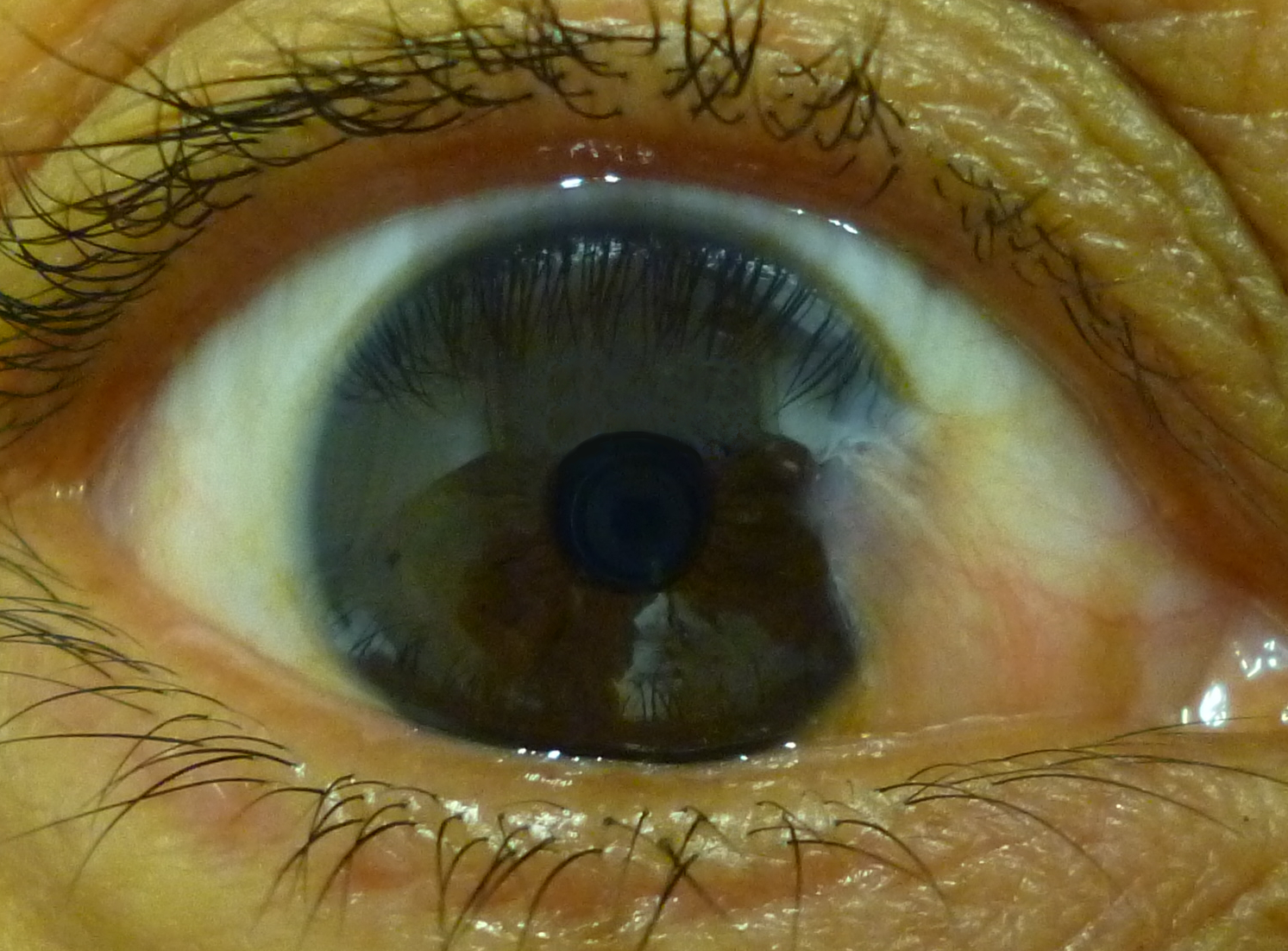
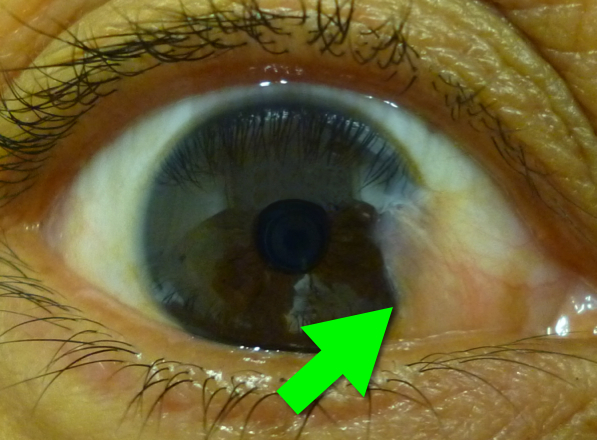
46 year-old female presents with a headache. The following is seen on visual inspection of the eye. What's the diagnosis?
Show Answer

Show References
Radiation therapy is frequently utilized in the management of numerous thoracic malignancies
Cardiovascular disease is now the leading cause of nonmalignancy death in radiation-treated cancer survivors
The spectrum of radiation-induced cardiac disease is broad
The relative risk of CAD, CHF, pericardial/valvular disease, and conduction abnormalities is particularly increased
Early identification of potential cardiac complications w/cardiac MR and echocardiography provides an opportunity for regular assessment and potentially improved long term mortality
Show References
Tests for distal ulnar nerve entrapment
Ask patient to hold a piece of paper between the thumb and the index finger
Normally this is a fairly simple task.
With an unlar nerve palsy, the patient will substitute with the FPL (flexor pollicis longus - median nerve innervation). This causes flexion of the thumb in order to maintain the grip since the adductor pollicis cannot be used. This causes thumb flexion rather than extension.
http://www.mims.com/resources/drugs/common/CP0042.gif
http://www.youtube.com/watch?v=yJTIhm1VfSI
Risk stratisfication score introducted by Maden Samuel in 2002.
The Pediatric Appendicitis Score had a sensitivity of 1, speciificity of 0.92, positive predictive value of 0.96, and negative predictive value of 0.99
Signs:
- Right lower quadrant tenderness = 2 points
- Cough/Percussion/Hop RLQ tenderness = 1 point
- Pyrexia = 1 point
Symptoms:
- RLQ migration of pain = 1 point
- Anorexia = 1 point
- Nausea/Vomiting = 1 point
Laboratory Values:
- Leukocytosis = 2 points
- Polymorphonuclear neutrophiia = 1 point
Scores of 4 or less are least likely to have acute appendicitis, while scores of 8 or more are most likely.
Show References
In June 2013 the American College of Medical Toxicology (ACMT) released a Guidance Document on the Management Priorities in Salicylate Toxicity. Here are some key highlights:
- Continuous IV infusion of sodium bicarbonate is indicated even in the presence of mild alkalemia from the early respiratory alkalosis.
- Euvolemia is important.
- If intubation is required, administration of sodium bicarbonate by IV bolus at the time of intubation in a sufficient quantity to maintain a blood pH of 7.45-7.5 over the next 30 minutes is a reasonable management option during this critical juncture.
- Once airway control has been established, it is imperative that the increased minute ventilation and low PCO2 usually seen with salicylate intoxication are maintained.
- A salicylate concentration approaching 100 mg/dL warrants consideration of hemodialysis in the acute toxicity setting (40 mg/dL for chronic toxicity). Consult nephrology well before these threshold levels.
The full document can be accessed here.
The Poison Review blog by Dr. Leon Gussow discusses the guidance document here.
Follow me on Twitter (@PharmERToxGuy)
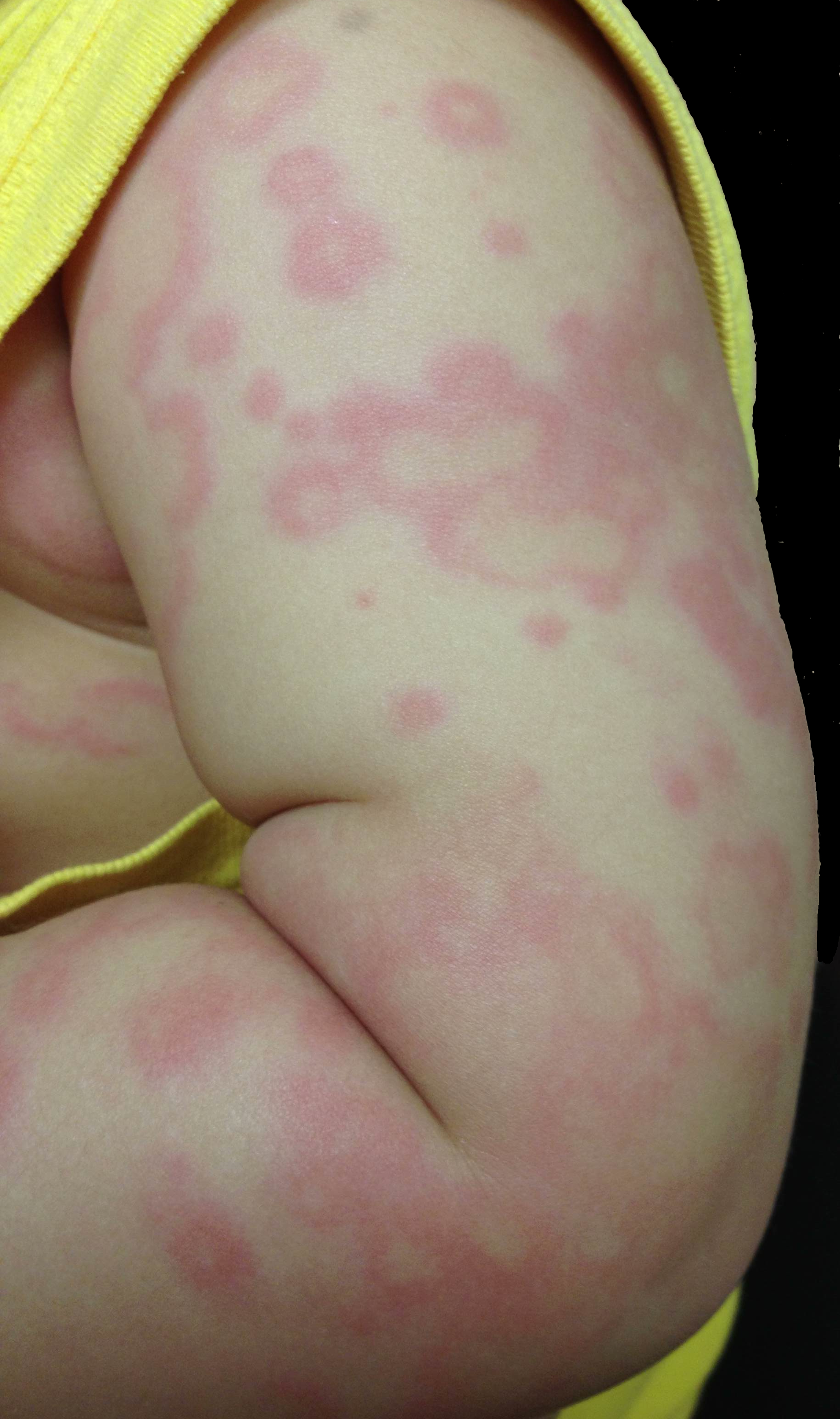
Question
3 year-old male develops rash 5 days after starting amoxicillin for acute otitis media. What's the diagnosis?
Show Answer
Show References
- Typically the normal ECG shows progression of T-wave size across the precordial leads & the T-wave in V1 is inverted or flat
- A large upright T-wave in V1 can be considered normal when there is high voltage/LVH or LBBB
- A new upright T-wave in V1 can be indicative of significant atherosclerotic disease
- If the T-wave in V1 is larger than the T-wave in V6 have a high suspicion for myocardial disease
- A new tall upright T-wave in V1 has ~84% specificity for ischemic heart disease (Barthwal)
Show References
A recent, randomized study evaluated two approaches for treating acute pain in an inner-city ED.
- Group 1 received hydromorphone 2 mg. Group 2 received hydromorphone 1 mg (with the option of a second 1 mg dose 15 minutes later).
- 1 hour after the dose, patients were asked if they wanted more pain medication.
- Both groups had an equal proportion of patients decline more pain medication at one hour (67%). 61% of patients in the 1 + 1 group only needed the initial dose of hydromorphone!
- Secondary outcomes and safety measures were also similar between the groups.
- Patients with chronic pain, age >64, weight <150 pounds, or opioid use within last 7 days were excluded.
Application to clinical practice: For most patients with acute, severe pain in the ED, start with hydromorphone 1 mg. It may be all the patient needs and can potentially avoid giving them extra opioid they don't need.
Show References
- Hold metformin if the patient is at risk for dehydration (eg. vomiting, diarrhea) due to the risk of lactic acidosis
- Medications that stimulate insulin secretion (eg. sulfonylureas, repaglinide, or nateglinide) should be held if the patient is at risk for hypoglycemia
- Patients usually should continue their basal insulin, but may decrease or hold their bolus dosing.
- Finger sticks should be checked every 2-4 hours for those on insulin, or 2-4 times per day for type II diabetics not on insulin.
Show References
Background:
Infection with the Hepatitis C virus can result in mild to severe liver disease. Morbidity and mortality from Hep C is increasing the US--many of the 2.7-3.9 million persons with Hep C are not aware of their infection.
Pertinent Information:
- Hepatitis C is now curable for many patients
- Current treatment recommendations are a combination of medications (pegylated interferon plus ribavirin plus a protease inhibitor).
- Research in this field is very active--treatment is likely to change in the next 3-5 years.
- Risk reduction strategies to protect the liver (i.e. eliminating alcohol and Hep A and B vaccination) are also recommended.
Critical New Recommendation
As much of the disease burden is in the “Baby Boomers,” the CDC now recommends one time testing of all persons born between 1945 and 1965.
Bottom Line:
While emergency department management is focused on the treatment of acute complications of liver disease, it is also important to have all age appropriate patients follow-up for testing and treatment of Hepatitis C with their primary care provider.
Show References
Hydroxyethyl starch (HES) is a colloid used for volume resuscitation in critically-ill patients.
Previous studies (click here) have compared crystalloids to HES during fluid resuscitation and have demonstrated that HES has an increased cost with more adverse effects. Adverse effects may include:
- Coagulopathy
- Acute kidney injury
- Increased mortality
In the United States, the Federal Drug Administration published a warning on June 24th 2013 with respect to the use of HES in critically ill adult patients. Specifically, it warned about the use of HES in patients,
- with sepsis
- with pre-existing kidney injury
- admitted to the ICU
- undergoing heart surgery with cardiopulmonary bypass
If a decision to use HES is made, the FDA warning advises to:
- discontinue use of HES at the first sign of renal injury or coagulopathy
- continue to monitor renal function for at least 90 days (all patients)
Bottom line: With an increased cost and evidence of harm compared to crystalloids, it appears the indications for use of HES are rapidly declining.