
Acute Aortic Syndromes
Classically, aortic dissection is considered the primary culprit in patients with chest pain that radiates to the back (aortic pain) or chest pain combined with ischemia (cerebral, cardiac, peripheral), syncope, or cardiac arrest. However, it should not be your only concern: the rate of aortic rupture is much higher in penetrating atheromatous ulcer (42%) and intramural hematoma (35%) than in aortic dissection (types A 7.5% and type B 4.1%).
Chest pain with concomitant ischemic symptoms and acute decompensation should prompt consideration of several etiologies under the umbrella of aortic syndromes and not limited to dissection :
- Penetrating atheromatous ulcer - rupture of an atheromatous plaque through the internal elastic lamina, with subsequent localized medial disruption and potential dissection, pseudoaneurysm formation, or free rupture
- Intramural hematoma - rupture of the vasa vasorum or hemorrhage within an atherosclerotic plaque followed by aortic wall infarct
- Aortic dissection- an intimal tear with resultant propagation within the middle third of the medial layer of the aorta
- Aneurysm leak or rupture - progressive vessel dilation and increased wall tension
- Traumatic transection - rapid deceleration forces or direct trauma, commonly shearing distal to left subclavian artery at aortic isthmus where the aorta is fixed by ligamentum arteriosum
Show References
Treatment of patients with HIV/AIDS can frequently mean consideration for, and need to treat cryptoccocal meningitis.
Since 1997, studies have demonstrated that high-dose Amphotericin B combined with flucytosine has improved outcomes compared to low dose treatment or monotherapy.
A recent 2013 study reiterated this approach, showing significant decrease in deaths at 70 days post-treatment and increased rates of yeast clearance with combination therapy of Amphotericin B plus flucytosine.
Recommendation:
Antifungal treatment of cryptococcal meningitis should start with Amphotericin B at 0.7-1 mg/kg IV daily plus concurrent flucytosine 25 mg/kg orally q6 hours. Fluconazole can be substituted in place of flucytosine if it is not available or not tolerated.
Show References
Should you be concerned about erythema around the umbilical stump?!
Yes!
Often parents will bring their neonate to the ED with concerns about the umbilical cord and it is just a simple granuloma or normal detachment. But is it omphalitis???
Omphalitis incidence is low in developed countries, but that means it’s easier, and no less catastrophic, to miss!
Omphalitis is a superficial cellulitis of the umbilical cord, but 10-16% progress to necrotizing fasciitis of the abdominal wall!!!
Always ADMIT and consider consulting surgery early in case of rapid progression…
Most often polymicrobial and should be treated with:
- Anti-staphylococcal PCN, Vanc, & an Aminoglycoside
- Also consider adding Metronidazole or Clindamycin for anaerobic coverage
- Anti-pseudomonal coverage if toxic
Should notice improvement within 12-24 hours, so if don’t or begin to observe
- Fever
- Induration
- Peau d’orange tisse
- Tenderness
- Violaceous discoloration
- Crepitace
- Increased erythema
- Systemic signs of toxicity/shock
CONSULT SURERY for concern of necrotizing fasciitis which has a mortality rate of close to 60%!!!
Show References
ACLS recommendation for procainamide in tachycardic rhythms is:
Loading dose 20 mg/minute (up to 50 mg/minute for more urgent situations) until:
- Arrhythmia is controlled
- Hypotension occurs
- QRS complex widens by 50% of its original width
- or total of 17 mg/kg is given
Maintenance infusion is 1 to 4 mg/min.
An easier method for dosing acute onset atrial fibrillation in stable patients was used in the Ottawa Aggressive Protocol, in which they administered 1 gm over 60 min, which was interrupted if BP < 100 mmHg; if corrected by a 250 ml IV bolus, the infusion was resumed. This was not used, however if the patient was to be admitted.
A strategy for treating stable monomorphic VT with procainamide used:
100 mg IV over 1-2 minutes, repeat as necessary until an endpoint of
- Termination of tachycardia
- Drug induced hemodynamic deterioration
- Completion of 800 mg maximal dose
If no slowing of the tachycardia occurred with a dose of 400 mg, the administration was ceased.
Show References
Case Presentation:
You are working in an ED in Houston when a 2 year old girl presents with fever for one day and decreased po intake. On arrival her temp=103, HR=180, and RR=50 SaO2=100%. She was born in the US and is up to date on all of her vaccinations, but has just returned from a trip to Liberia where she was visiting her extended family and received multiple mosquito bites. Physical exam, CXR and urinalysis are otherwise unremarkable and you suspect malaria, based on her history. You start quinine IV while you are waiting for the smear when suddenly the child becomes unresponsive.
Clinical Question:
What is the next investigation you should perform?
Answer:
Rapid blood glucose!
This patient has at least 4 reasons to be hypoglycemic:
1. fasting (Kids can become hypoglycemic from fasting alone in ~24hrs)
2. infection (any infectious disease can cause it, esp in kids <3 yrs old)
3. malaria (thought to be due in part to increased consumption by parasite)
4. quinine (stimulates insulin release)
Bottom Line:
Kids can become hypoglycemic fast—check a blood glucose in all pre-pubertal sick children.
University of Maryland Section of Global Emergency Health
Author: Andi Tenner, MD, MPH
Show References
-
The efficacy of epinephrine during out-of hospital cardiac arrest has been questioned in recent years, especially with respect to neurologic outcomes (ref#1).
-
A recent study demonstrated both a survival and neurologic benefit to using epinephrine during in-hospital cardiac arrest when used in combination with vasopressin and methylprednisolone.
-
Researchers in Greece randomized 268 consecutive patients with in-hospital cardiac arrest to receive either epinephrine + placebo (control group; n=138) or vasopressin, epinephrine, and methylprednisolone (intervention arm; n=130)
-
Vasopressin (20 IU) was given with epinephrine each CPR cycle for the first 5 cycles; Epinephrine was given alone thereafter (if necessary)
-
Methylprednisolone (40 mg) was only given during the first CPR cycle.
-
If there was return of spontaneous circulation (ROSC) but the patient was in shock, 300 mg of methylprednisolone was given daily for up to 7 days.
-
-
Primary study end-points were ROSC for 20 minutes or more and survival to hospital discharge while monitoring for neurological outcome
-
The results were that patients in the intervention group had a statistically significant:
-
probability of ROSC for > 20 minutes (84% vs. 66%)
-
survival with good neurological outcomes (14% vs. 5%)
-
survival if shock was present post-ROSC (21% vs. 8%)
-
better hemodynamic parameters, less organ dysfunction, and better central venous saturation levels
-
-
Bottom-line: This study may present a promising new therapy for in-hospital cardiac arrest and should be strongly considered.
Show References
Question
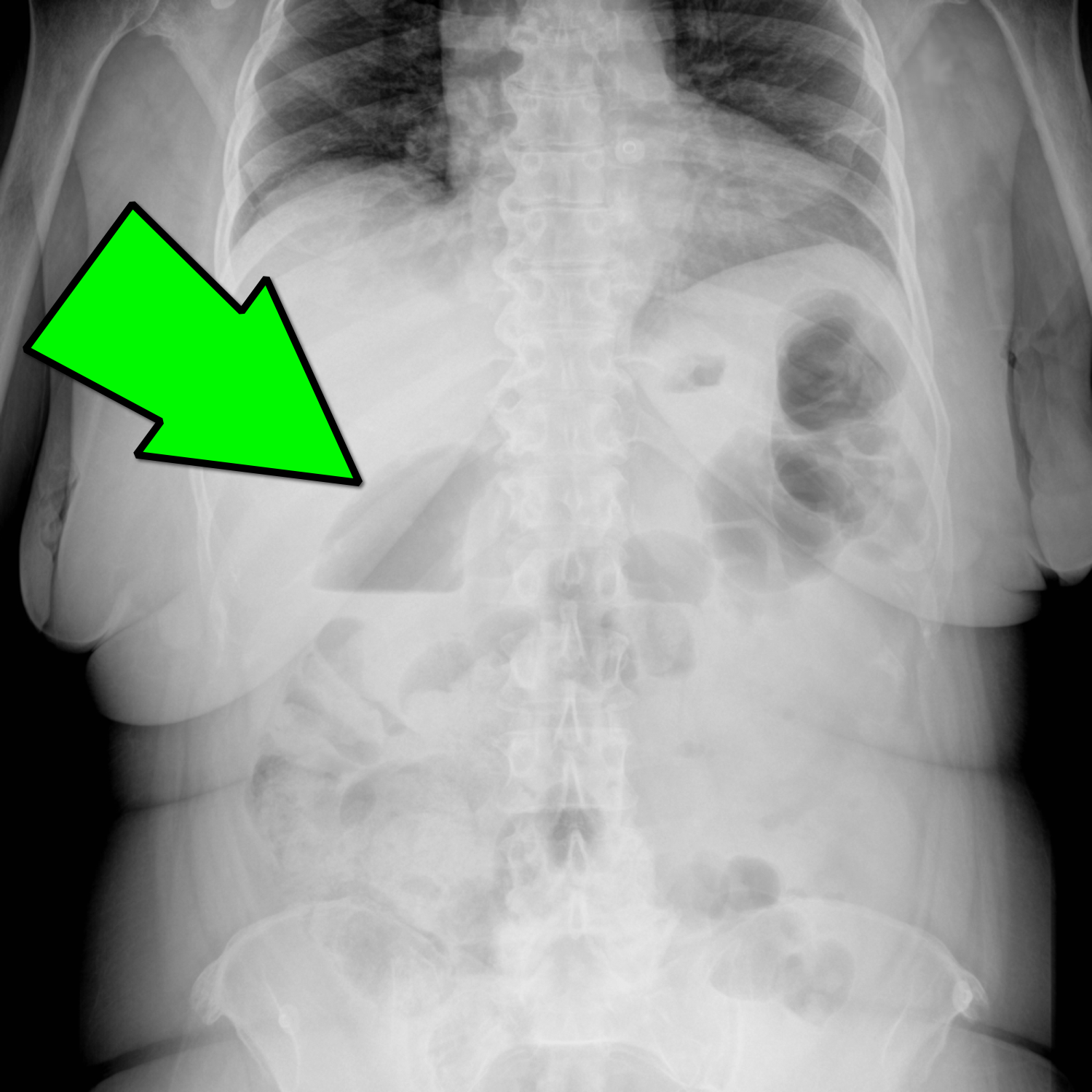
65 year-old diabetic patient presents with abdominal pain. What's the abnormality on Xray?
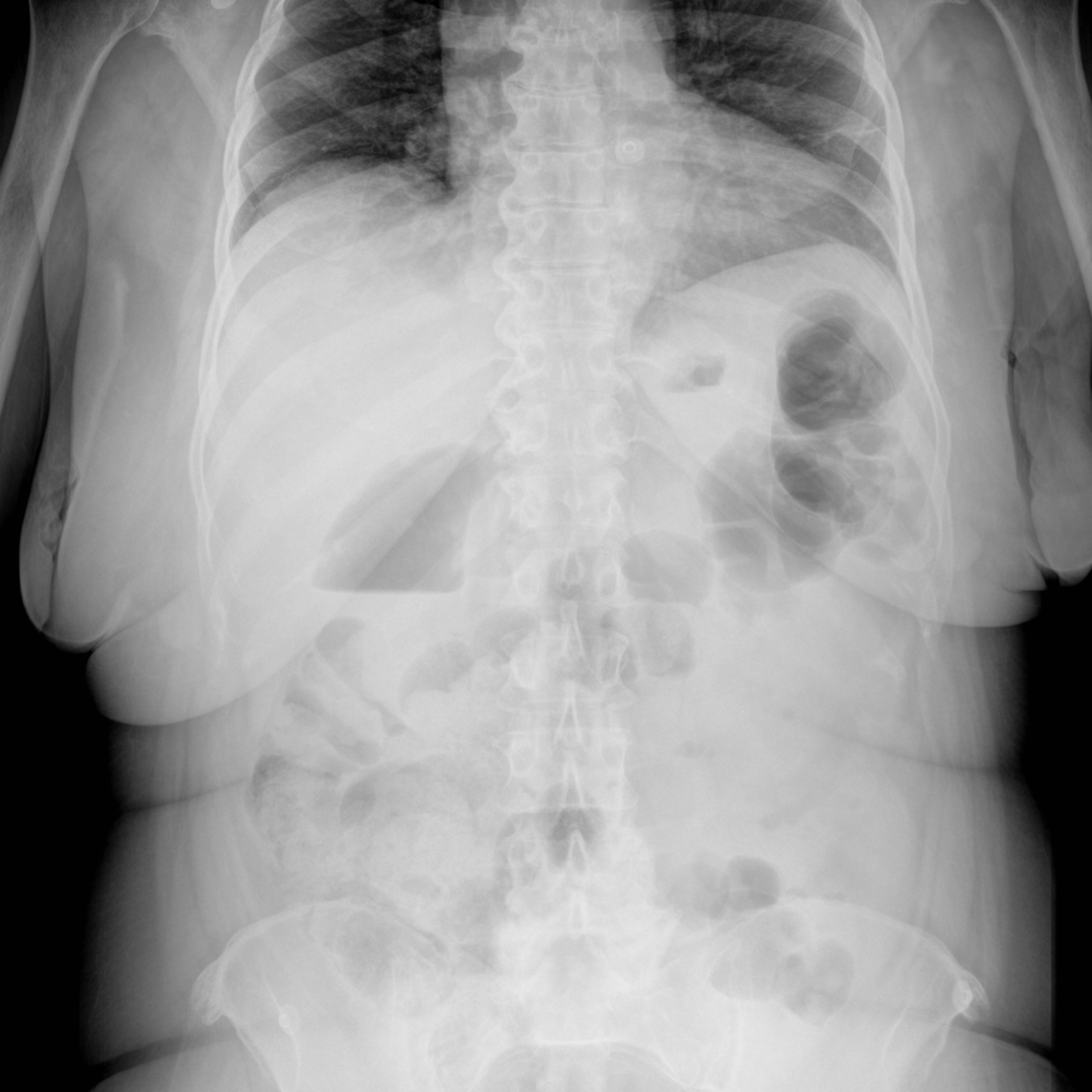
Show Answer
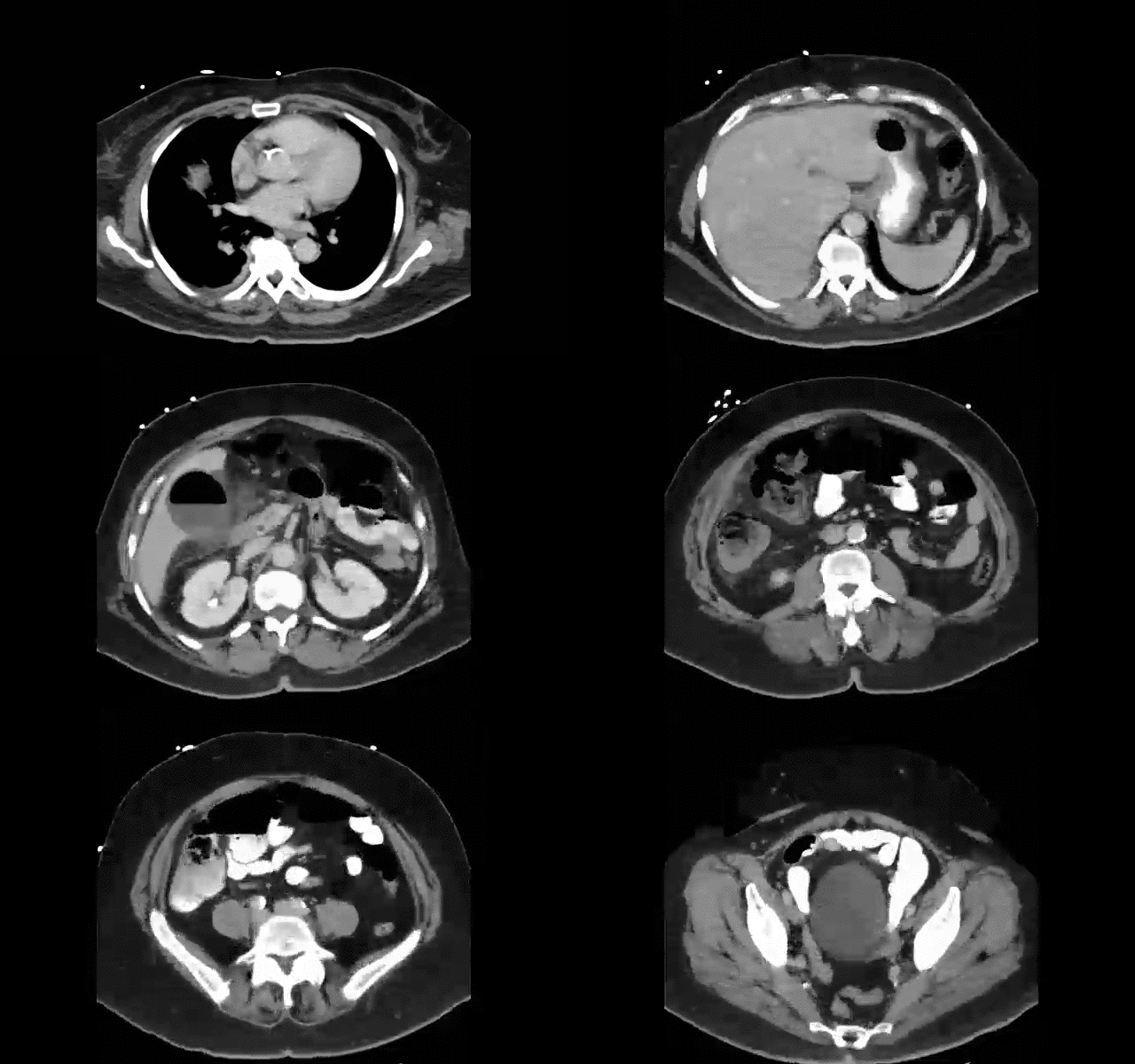
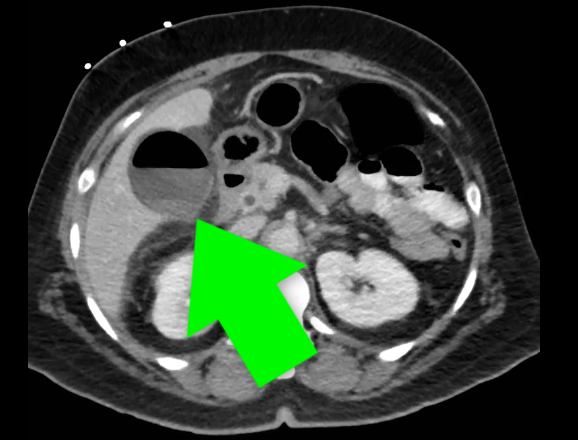
Show References
The primary goal in management of STEMI is rapid coronary revascularization. STEMI's are occasionally complicated by ventricular fibrillation (VF) arrest. High quality chest compressions and early defibrillation will improve survival. But what can be done in cases where conventional ACLS measures fail and patients have shock-refractory VF?
Some have suggested that emergent PCI with ongoing CPR en route may be beneficial. This option may be considered in close consultation with cardiology if the arrest is thought to be driven by ongoing ischemia and infarction. However, definitive data is lacking and this has only been described in a handful of case reports.
There may also be a role for venoarterial ECMO to aid in perfusion of vital organs and limit the risk of multisystem organ failure. The ECMO circuit can also help facilitate therapeutic hypothermia after the culprit vessel(s) is revascularized and rhythm is restored.
Chances for survival are highest in younger patients, those that do not have chronic illnesses, and those who received immediate CPR after arrest.
Summary:
Consider emergent consultation for salvage PCI and ECMO in select cases of shock-refractory ventricular fibrillation associated with STEMI
Want more emergency cardiology pearls? Follow me @alifarzadmd
Show References
Attachments
Prior fracture represents the strongest predictor of stress fracture in both sexes
For girls: Low body mass index, (<19), late menarche (age 15 or older), previous participation in gymnastics and dance.
For boys: increased number of seasons.
Participation in basketball appears protective in boys.
This may represent a modifiable risk factor for stress fractures.
Show References
General Information:
- Injuries are responsible for 10% of all deaths worldwide.
- About 5.8 million people die from injuries worldwide every year.
- Injuries kill 32% more people around the world than malaria, tuberculosis, and HIV/AIDS combined.
- Injuries have an immeasurable impact on the families and communities affected.
- They are responsible for about 16% of all disabilities.
- Road traffic injuries are the leading cause of injury related deaths among young people, aged 15–29 years. Available global cost estimates show that the cost of road injuries annually is about US$518 billion.
- More than 90% of deaths that result from road traffic injuries occur in low- and middle-income countries.
- Road traffic crashes cost most countries 1-2% of their Gross National Product (GNP).
Relevance to the EM Physician:
Although road traffic injury deaths have decreased in some high-income countries, by 2030 it is predicted that they will be the fifth leading cause of death worldwide, and the seventh leading cause of Disability Adjusted Life Years (DALY) lost.
Bottom Line:
Developing trauma and acute care capacities in low and middle-income countries is of utmost importance to mitigate the global burden of injuries.
University of Maryland Section of Global Emergency Health
Author: Walid Hammad, MB ChB
Show References
Background:
- Antibiotics are prescribed commonly for URIs including acute bronchitis and community acquired pneumonia.
- Antibiotic prescriptions for non-bacterial causes of URIs lead to antibiotic overuse, which can lead to antibiotic resistance and risk of Clostridium difficile.
- Procalcitonin is a biomarker for bacterial infections and is released in response to bacterial toxins during infections.
- Several algorithms using procalcitonin have been developed to help guide antibiotic treatment of URIs based on blood levels and to aid discontinuing antibiotics when procalcitonin levels have returned to normal, leading to decreased use and length of antibiotic treatment courses.
Clinical Question:
- Does measurement of procalcitonin lead to shorter antibiotic exposure without increasing mortality and treatment failure?
Meta-analysis:
- 14 trials; 2004-11; 4211 patients with a variety of URI severity and type including CAP and COPD exacerbations.
- Inpatient and outpatient settings
- Compared to regular antibiotic treatment without procalcitonin level guidance.
- Primary outcomes: All cause mortality and treatment failure within 30 days.
Conclusions:
- No increase in all-cause mortality using procalcitonin algorithms versus standard therapy in any clinical setting or type of URI (5.7% vs. 6.3%, respectively).
- Treatment failure was LOWER for procalcitonin guided patients in the ED [OR 0.76 (95% CI, 0.61-0.95)].
- Lower antibiotic exposure due to lower prescription rate in COPD exacerbations and bronchitis.
Limitations:
- Non-blinded to outcome assessment.
- Adherence to algorithms was variable.
- Immunosuppressed patients and children were excluded.
Bottom Line:
- Another tool to help aid clinical decision making regarding antibiotic treatment
- Test is around $25-30 and takes about 1 hour to run
- Low levels may indicate a non-bacterial cause of infection.
Show References
Question
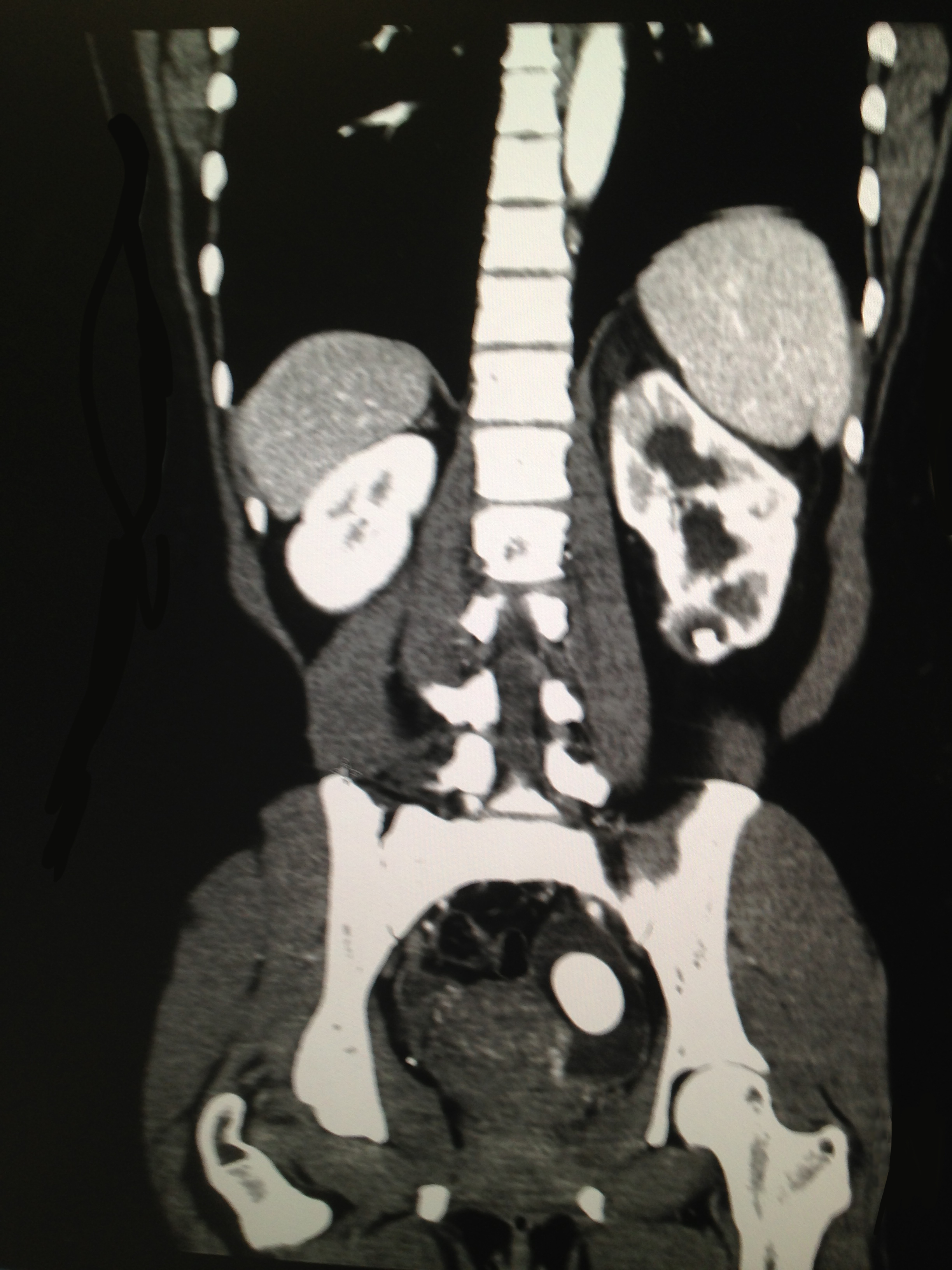
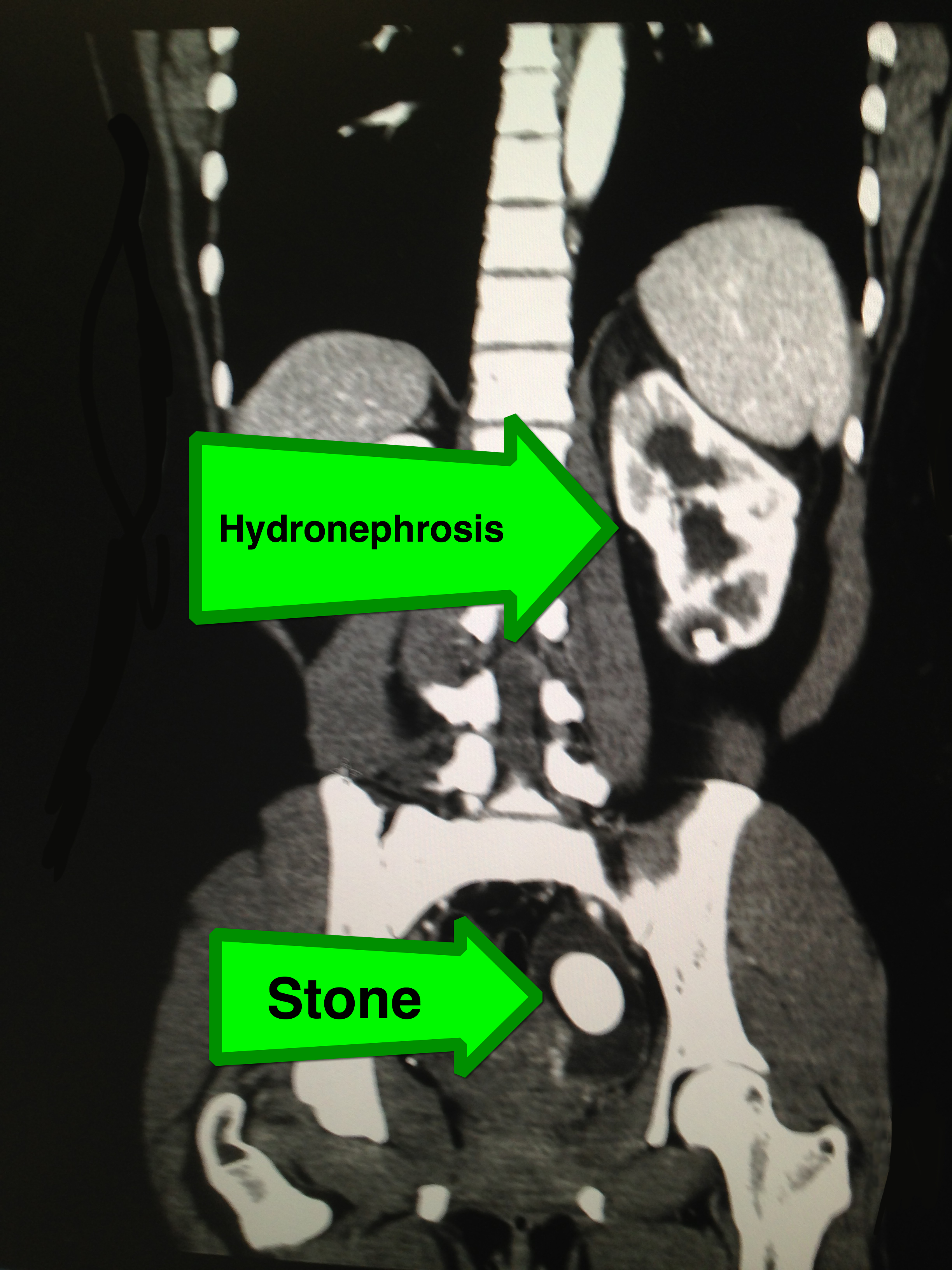
27 year-old female with no past medical history presents with sudden onset of left lower quadrant pain. What's the diagnosis?
Show Answer
Show References
Is RBBB More Indicative of Large Anteroseptal MI?
- Conventionally a new onset left bundle branch (LBBB) with acute myocardial infarction (MI) is associated with a massive MI
- Proximal left anterior descending artery (LAD) septal perforators perfuse the right bundle branch and the anterior fascicle of the left bundle branch ~90% of cases
- The right coronary artery (RCA) perfuses the posterior fascicle of the left bundle branch ~90% of cases
- Given the anatomy, a LAD occlusion should cause RBBB and/or LAFB; both a proximal LAD and RCA occlusion would be required for MI to cause LBBB
- A recent cohort study analyzed 233 patients to evaluate if RBBB or LBBB was associated with a large anteroseptal scar:
- RBBB was associated with larger scar size (24% vs. 6.5%; p<0.0001)
- RBBB was more indicative of ischemic heart disease (79% vs. 29%; p<0.0001)
- Based on this preliminary data RBBB may have a stronger association with ischemia and anteroseptal scarring than LBBB (*limitations - small cohort of cardiomyopathy patients with an EF<35%, further study is required)
Show References
Treatment:
- Vitamin B6 has been shown in a number of randomized placebo-controlled trials to be very effective in treatment of the 1st trimester nausea and vomiting and is a supported recommendation by the American College of Obstetrics and Gynecology (ACOG).
- For refractory symptoms, efficacy is increased with supplementation of the sleep aide Doxylamine (found in Unisom pills over the counter)
- Dosing of Vitamin B6 is 10 to 25mg every 8 hours daily
- Dosing for Doxylamine is 12.5mg as needed in the morning, 12.5mg as needed in the afternoon, and 25mg as needed at bedtime.
- Ginger (ginger ale and ginger supplements) taken at 250mg daily doses has been recommended as 1st line treatment by ACOG.
Consider these therapies the next time you see a pregnant with persistent nausea and vomiting in her 1st
--Yemi
Show References
We have learned how to diagnose compartment syndrome in adults, but how do you determine the early warning signs in a nonverbal or even frightened child?
Rising compartment pressures are related to increasing anxiety and agitation in children. A Boston study in 2001 showed that increasing pain medication requirements were detected 7 hours earlier than a vascular exam change. 90% of the patients with compartment syndrome in this study reported pain, but only 70% had another ‘P” (pallor, parasthesia, paralysis or pulselessness).
This has led to the proposal of the 3 “A”s for early identification of compartment syndrome in children: increasing anxiety, agitation and analgesia requirement.
Show References
General Information:
· The coming of the Affordable Care Act (ACA) is designed to shift patient care from episodic encounters to continuous community based partnerships.
· Elsewhere in the world, community health workers (CHWs) have been used effectively to improve health outcomes, reduce heath care costs and create jobs in infectious disease (TB, HIV), maternal child health and chronic disease management.
· CHWs are paid, full time lay provider members of community health systems.
o Sub-Saharan Africa is training, deploying and integrating one million CHWs into the health system via a targeted campaign.
o Brazil’s CHWs are part of family health teams that care for 110 million people.
o India employs 600,000 CHWs paid through a fee-for-service system for primary care functions.
· CHWs cost less, reduce readmissions and help address root causes of preventable chronic disease while remaining embedded in the community helping to strengthen long-term community relationships.
Relevance to the EM Physician:
As frustration with non-compliant patients mounts and the impact of the ACA looms, CHWs integrated into American communities may be just the answer we haven’t yet considered to help reduce ED overcrowding and improve our patients’ outcomes.
University of Maryland Section of Global Emergency Health
Author: Emilie J.B. Calvello, MD, MPH
Show References
Peri-Intubation Cardiac Arrest
- Emergency intubation is a common critical care procedure that carries the risk of life-threatening complications.
- Although cardiac arrest (CA) is an established complication, there is scant literature on the actual incidence ad factors associated with CA in the peri-intubation period.
- In a recent retrospective analysis from Carolinas Medical Center, investigators found:
- Peri-intubation CA occurred in 4.2% of patients and was associated with a 14-fold increase in hospital mortality.
- A pre-RSI shock index > 0.9 was indepedently associated with CA.
- Obese patients had a higher incidence of CA; odds of CA increased 1.37 times for every 10 kg increase in weight.
- Take Home Point: Peri-intubation CA may be more common than previously thought and, not suprisingly, is associated with an increased risk of in-hospital death.
Show References
Question
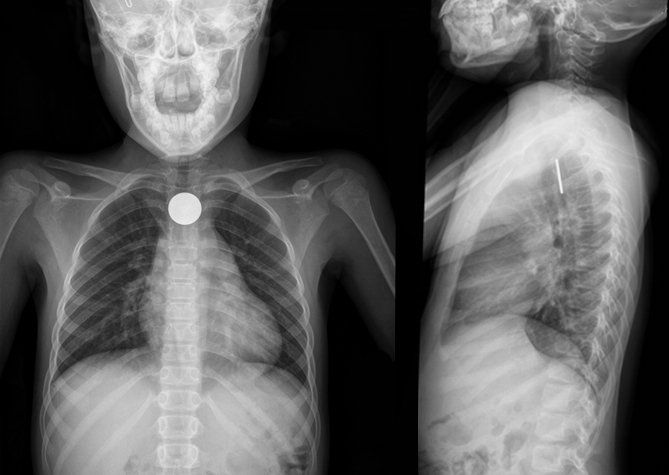
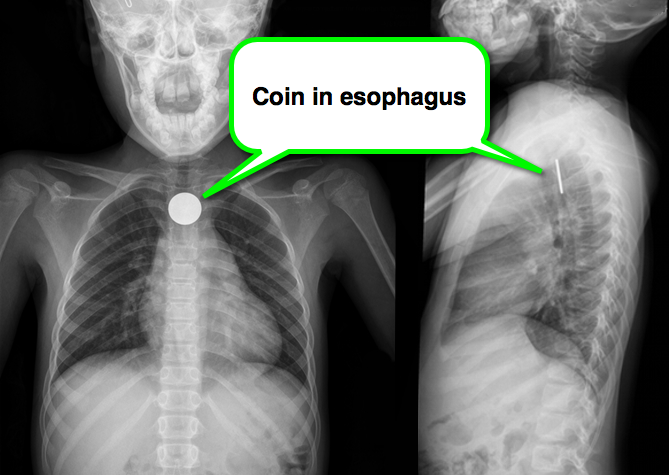
8 year-old girl presents with dysphagia and drooling, Xray is shown. What’s the diagnosis (and where is it located)?
Show Answer
Show References
Colchicine is known to be effective in treatment of recurrent pericarditis, but until recently its efficacy during the first attack of acute pericarditis has been uncertain.
A recent multicenter, double-blinded, RCT of patients with acute pericarditis found colchicine to be effective in reducing the rate of incessant or recurrent pericarditis (primary outcome), as well as the rate of hospitalization. Here are some highlights:
- 240 patients with acute pericarditis received conventional therapy (aspirin or ibuprofen), half of them were randomized to also get colchicine, the other half to placebo for 3 months
- Incessant or recurrent pericarditis: 16% in the colchicine group versus 37% in the control group (relative risk reduction=0.56; CI 0.30-0.72; NNT =4; p < 0.001)
- Symptom persistence at 72 hours, recurrences per patient, and hospitalization rate were all significantly reduced in the colchicine group
- There were no significant differences in adverse effects or discontinuation of the study drugs
Bottom-line:
Colchicine is a safe and effective drug for the treatment of acute pericarditis. Consider adding colchicine to conventional therapies to reduce duration of symptoms, recurrences, and rate of hospitalization.
Show References
Attachments
The thumb MCP joint is subject to arthritric changes.
Sx's of arthritis will frequently present with pain in a similar region to deQuervain's disease.
The basal joint grind test
Perform by stabilizing the triquetrum with your thumb and index finger and then dorsally subluxing the thumb metacarpal on the trapezium while providing compressive force with the opposite hand.
http://www.youtube.com/watch?v=oEJH7KFGx_Y