
Seizures can be the presenting manifestation of acute poisoning in children.
A 3-year data set from the Toxicology Investigators Consortium (ToxIC) Case Registry identified 142 cases of drug-induced seizures in children < 18 years old. 75% were teenagers.
Antidepressants were most commonly associated with causing seizures, especially bupropion and citalopram. Diphenhydramine was also a commonly identified cause.
The authors conclude that clinicians managing teenagers presenting with seizures should have a high index of suspicion for intentional ingestion of antidepressants.
Show References
- The American College of Emergency Physicians recently released the 2014 National Report Card on America’s Emergency Care Environment.
- This comprehensive, state-by-state report card evaluates the support for emergency care in the United States.
- One area to highlight from the Report Card is the issue of emergency department (ED) crowding.
- Crowding primarily results from keeping admitted patients in the ED for hours while waiting for an inpatient bed. This happens not only in the U.S., but in many other countries as well.
- For the U.S. overall, the median time from ED arrival to ED departure for admitted patients was 272 minutes (approximately 4.5 hours).
- However, median times for individual states ranged from the best time of 176 minutes (approximately 3 hours) to 452 minutes (approximately 7.5 hours).
Bottom line
ED crowding remains a critical problem in the US and globally. It is frequently driven by the “boarding” of admitted patients. Improved patient flow is needed to be able to take care of patients presenting with acute care needs.
University of Maryland Section of Global Emergency Health
Author: Jon Mark Hirshon, MD, MPH, PhD
Show References
A 50yo man found dow in the snow was brought into our ER last week in cardiac arrest with a bladder temperature of 21° C. Let’s warm him up!
- Passive external warming (good for mild hypothermia > 34° C): remove all wet clothing, use warm blankets, hot chocolate.
- Active external rewarming (Used for temp between 30-34° C): Radiant heat, electric blankets, Bair-Hugger. Disadvantages: “core temperature after drop” theory: drop in core temp because of peripheral vasodilatation. Therefore, focus on warming the chest and torso area. May not occur with certain warming techniques.
- Active core rewarming (<30 °C, above techniques and several other options):
- Heated humidified oxygen via mechanical ventilation at 42-46°
- IV normal saline warmed to 41-43° C
- Cardio-pulmonary bypass: 1-2° C increase every 5 minutes
- ECMO (best option in cardiac arrest): Up to 4-6° C/hr. VV or VA ECMO. Provides Cardio-pulmonary support. Can continue CPR while placing a cannula.
- CVVH: less costly, more available, 1-4°C/hr. Case reports only.
- Artic Sun; external rewarming pads: used in hypothermia protocols. Easy to use. Case reports only.
- Other methods (use if other methods are unavailable):
- Pleural irrigation: one chest tube in the mid-clavicular line w saline at 42° and another chest tube in the post-axillary line and connected to a pleurovac.
- Peritoneal lavage: 8 Fr catheter into the peritoneum using a standard paracentesis method. Use 40-45° C dialysate.
- Gastric, bladder, colonic irrigations
We were able to get ROSC with CPR and ACLS and then used Artic Sun to re-warm successfully.
Other tips/tricks:
- Continue CPR while rewarming (This is debatable: monitor ECG for new rhythms)
- How warm is “warm and dead”? Probably around 32°C
- How fast to rewarm? Would warm quickly in cardiac arrest and then 1-2° C/hr thereafter; (No good evidence here)
- Arrhythmias corrected by rewarming (bradycardia etc); no need for pacing
- Up to three defibrillations for V. fib/V. tach; hold if no benefit
- Can give epinephrine per ACLS protocol but would be cautious with further dosing
- Pressors: can use epinephrine drip cautiously for hypotension
- Cisaturacurium for paralysis w/ sedation to prevent shivering
- Rule out hypoglycemia, adrenal insufficiency, hypothyroidism, sepsis if patient does not rewarm as expected!
- Avoid IJ lines or irritating the myocardium with a guidewire.
- K>12 mmol /L: consider termination of CPR
Attachments
Question
25 year-old male presents after falling off his bicycle. He complains of pain in his right-hand (he is right-hand dominant). What's the diagnosis?
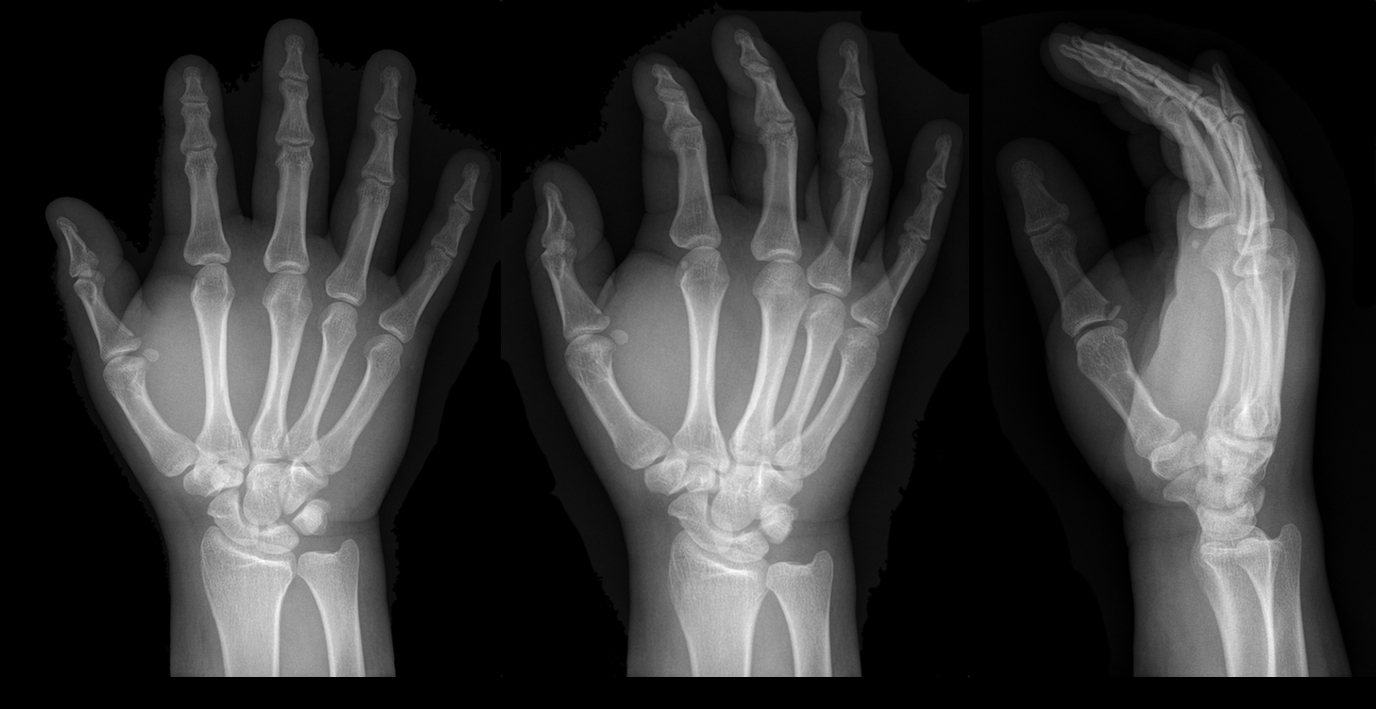
Show Answer
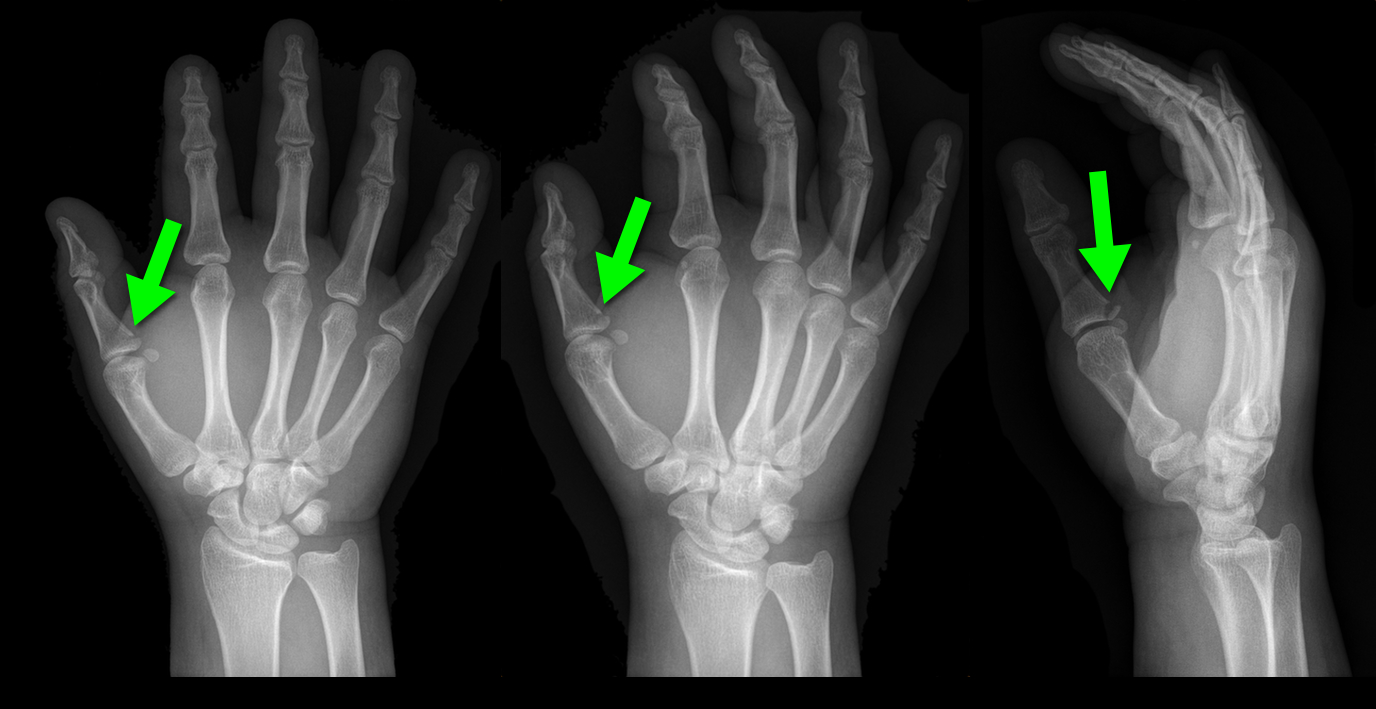
Show References
The importance of new ST-segment depressions (STD) and/or T wave inversions (TWI) in lead aVL have not been emphasized or well recognized across specialties. Computer-assisted ECG readings typically report these findings as normal or nonspecific.
There is growing evidence that changes in lead aVL are abnormal, and that paying attention to that lead can be clinically useful. Reciprocal changes presenting as STD or TWI in lead aVL may be indicative of a significant coronary artery lesion and can sometimes be the only ECG manifestation of acute MI.
STD in lead aVL is considered a sensitive marker for early inferior STEMI, and has been shown to help differentiate STEMI from pericarditis. Another recent retrospective study suggests that TWI in aVL might be associated with significant LAD lesions.
Bottom Line: Paying close attention to subtle changes and abnormalities in lead aVL may help in early identification and initiation of therapy for patients who are having an acute MI.
Show References
Attachments
Overtraining syndrome
A maladaptive response to excessive exercise without adequate functional rest
-Results in disturbances of multiple body systems (neurologic, endocrinologic, immunologic and psychologic).
- May be caused by systemic inflammation and resultant neurohormonal changes
- Multiple hypotheses exist
-Symptoms
Parasympathetic alterations: fatigue, depression, bradycardia
Sympathetic alterations: insomnia, irritability, agitation, tachycardia, hypertension, restlessness
Other: anorexia, weight loss, poor concentration, anxiety
Usual presentation is prolonged underperformance despite adequate rest and recovery (weeks to months).
- Much attention has been paid towards early goal-directed therapy for sepsis in adult ED patients, but there has not been as much consideration for the pediatric ED patient.
- R-C analyses and M&M reviews have consistently identified system difficulties recognizing sepsis in children, especially cases of compensated shock, and subsequent management.
- Protocols beginning in triage to recognize abnormal vital signs, followed by timely execution of interventions especially antibiotic and fluid administration are worthwhile to reduce overall morbidity and mortality.
- Protocols should include 3 major goals:
- Triage vital signs adjusted for age, and corrected heart rate for pyrexia to recognize sepsis.
- Obtain vascular access within 5 minutes followed by a 20mL/kg bolus of IV fluids administered within 15 minutes in cases of volume depletion.
- Antibiotic administration within 30 minutes.
Show References
Ondansetron (Zofran) is a great anti-emetic that, since it has gone generic, is also inexpensive. High dose ondansetron has been reported to cause QT prolongation and that practice is largerly discontinued now in the oncology world. Another uncommon adverse drug reaction may be dystonia. Though we think of ondansetron as a 5-HT3 blocker and should not cause the dystonic reaction like we see in metoclopramide, there are case reports of this reaction occurring.
Tranexamic Acid (TXA) topically applied was compared to anterior nasal packing in 216 patients with acute anterior epistaxis. Cotton pledgets (15 cm) soaked in injectable TXA (500 mg/5 ml) were inserted into the bleeding nostril and removed after bleeding had arrested. This was compared to standard anterior packing.
RESULTS
| TXA Anterior packing |
| % pts bleeding stopped in 10 min: 71% 31.2% |
| Discharge after 2 hours 95.3% 6.4% |
| Rebleeding in 24 h hours 4.7% 11% |
| Satisfaction scores 8.5 4.4 |
Bottom line: topical tranexamic acid looks promising for control of uncomplicated anterior epistaxis.
Show References
General Information:
- 1.24 million people die each year on the world's roads
- 50% of those dying on the world’s roads are vulnerable road users (VRUs-- those most at risk in traffic, i.e. those unprotected by an outside shield)
- 23% motorcyclists, 22% pedestrians, 5% cyclists
- Children and elderly are overrepresented among victims
Area of the world affected:
- In 2010, low- and middle-income countries had higher road traffic fatality rates (18.3 and 20.1 per 100,000, respectively) compared to high-income countries (8.7).
- The African region had the highest road traffic fatality rate, at 24.1, while the European region had the lowest rate, at 10.3.
Relevance to the US physician:
- While public health measures are key in reducing the risk to VRUs, improving the provision of emergency medical services may also result in a higher proportion of victims surviving on the road or on the way to a health clinic.
- Travelers should also be mindful of the risks of motorcycles, bicycles, and walking along the roadside
Bottom Line:
VRU traffic injuries are the greatest challenge of today's worldwide road safety.
University of Maryland Section of Global Emergency Health
Author: Terrence Mulligan DO, MPH
Show References
Mechanical Ventilation During ECMO
- ECMO is a rapidly emerging therapy for critically ill patients with severe acute respiratory failure (VV-ECMO) and circulatory failure (VA-ECMO).
- Mechanical ventilation (MV) settings may have important effects on patients receiving either VV- or VA-ECMO.
- Though no large, randomized trials, consensus guidelines and expert opinion recommend the following initial settings for patients receiving VV-ECMO:
- Tidal volume: < 4 ml/kg predicted body weight
- Plateau pressure: < 25 cmH2O
- PEEP: 10-15 cmH2O
- FiO2: titrated to maintain sats > 85%
- RR: 4 to 6 breaths per minute
Show References
Question
34 year-old left-hand dominant male sustained injury to left hand after his pressurized greasing-gun discharged into the palm of his hand. He has a small lac to the hand but is in extreme pain. On exam his hand is very puffy and he is neurovascularly intact (XR below) What is the next step in management?
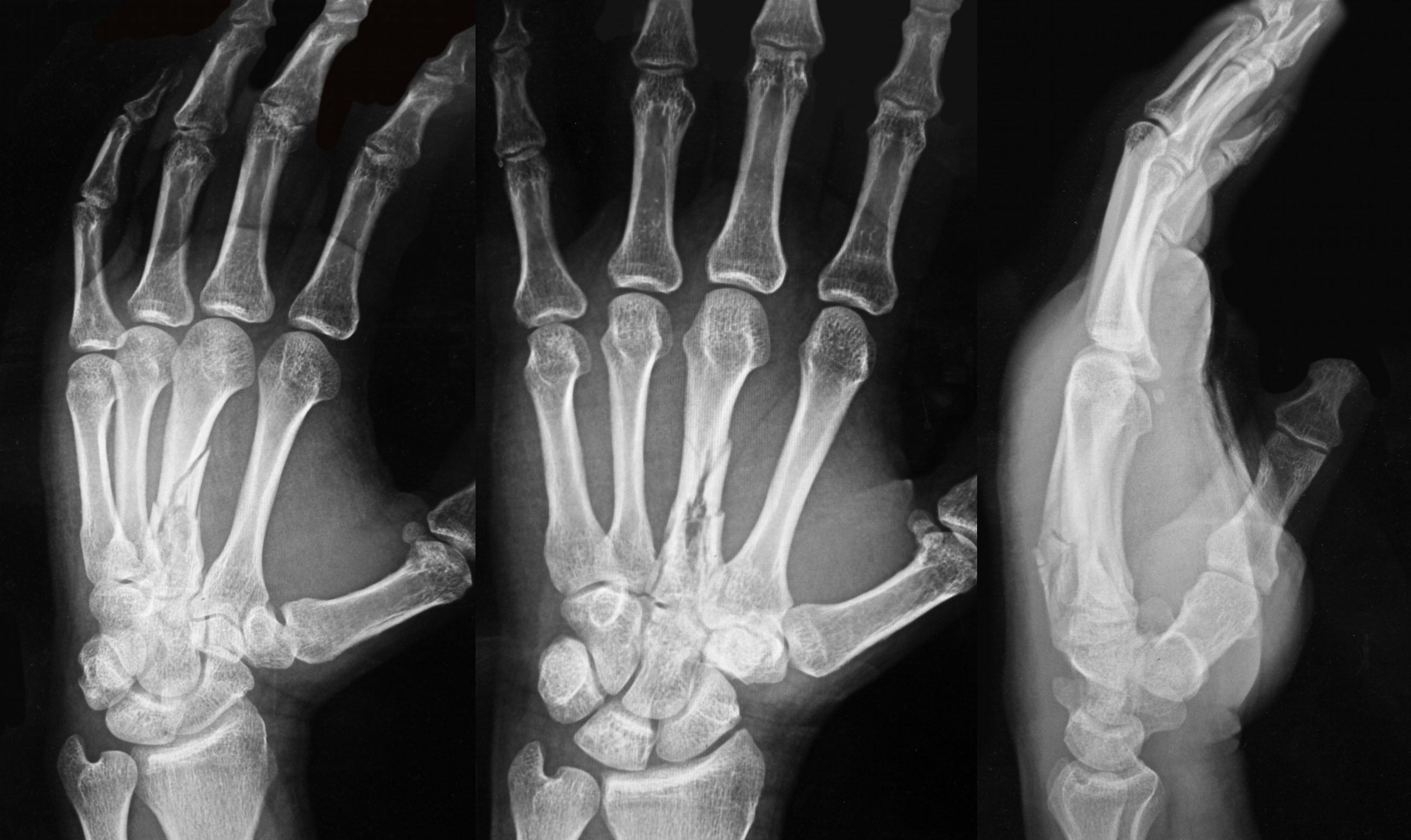
Show Answer
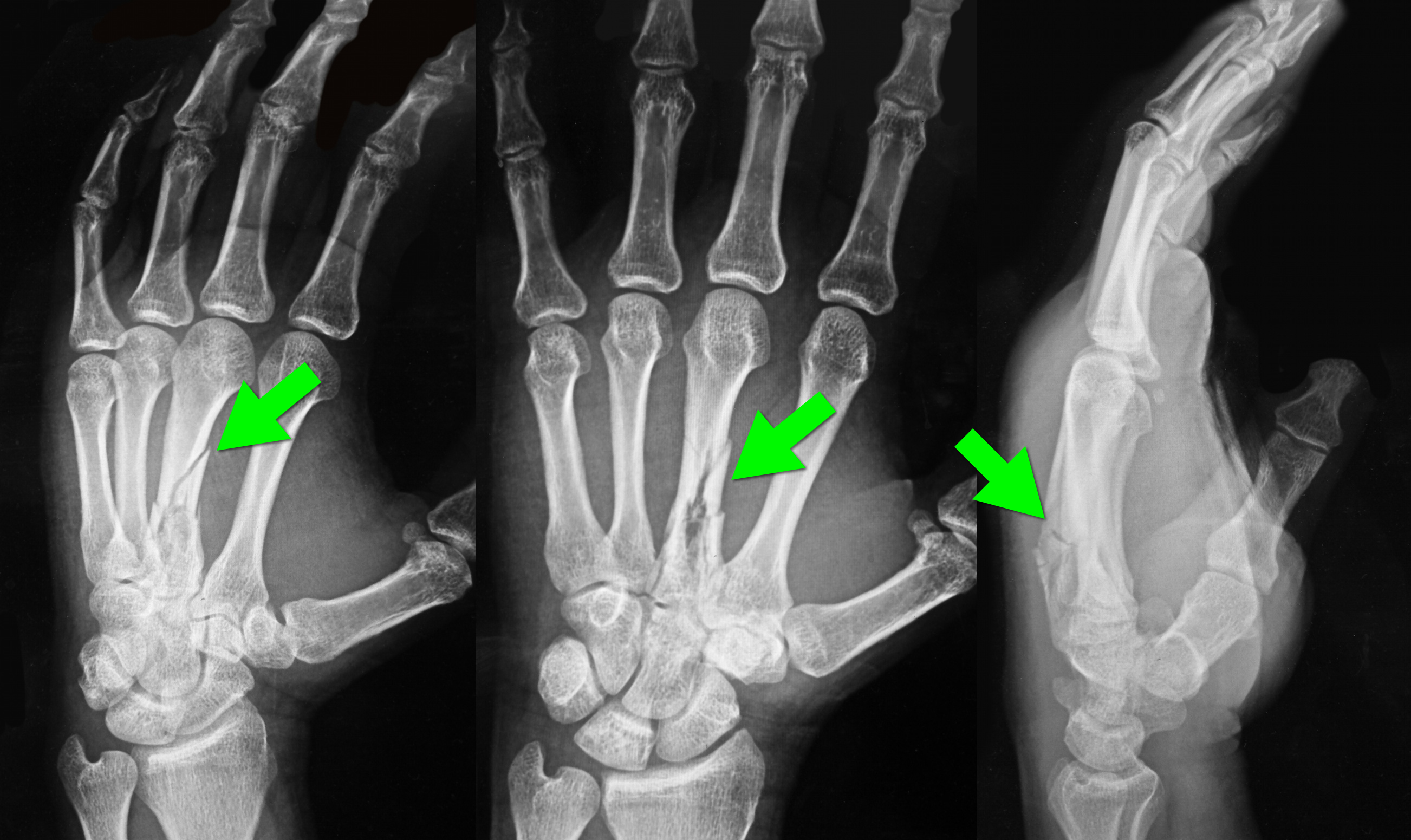
Show References
Myocardial Infarction in Women After Childbirth
World Health Organization reports that obesity is the 5th leading cause of global death with the highest impact on women <65 years of age
The association of obesity and cardiovascular risk in young women is currently being researched
A recent nationwide cohort looking at obesity and future cardiovascular risk looked at Danish women giving birth (2004-2009) and followed them a median time of 4.5 years
This study grouped women via pre-pregnancy body mass index (BMI)
1. Underweight (BMI <18.5)
2. Normal weight (BMI <25)
3. Overweight (BMI <30)
4. Obese (BMI >30)
Data revealed that healthy women of fertile age, pre-pregnancy obesity alone was associated with increased risk of myocardial infarction in the years after childbirth
Show References
In most situations (dependant on state laws and institutional policies), methadone-maintained patients enrolled in a drug abuse program are best managed by continuing methadone at the usual maintenance levels with once-a-day oral administration.
Pearl: In the event the methadone clinic is closed and/or the dose cannot be verified, 30-40 mg (10-20 mg IM) is generally enough to prevent withdrawal in most patients.
This is only a short-term measure and some patients may require additional methadone. Full doses of methadone should be reinstituted as soon as possible.
Show References
Case Presentation: A 63 year old woman from Texas with no recent international travel presents to the ED with persistent fatigue which onset a month ago and is associated with anorexia and occasional fevers and chills. She has been to her family doctor who tested her for a number of viral illnesses and was told she had West Nile virus.
Clinical Question:
What other febrile illness could this be?
Answer:
This patient had dengue. Dengue is now endemic in the US, and locally-acquired cases have been reported in Florida, Texas and Hawaii. The fatigue and anorexia are typical and can last for weeks after other symptoms have resolved.
West Nile virus testing may be falsely positive when another flavivirus is present such dengue, yellow fever or Japanese encephalitis.
Bottom Line:
Other possible illnesses like dengue should be considered in patients who have tested positive for West Nile virus.
University of Maryland Section of Global Emergency Health
Author: Jenny Reifel Saltzberg, MD, MPH
Show References
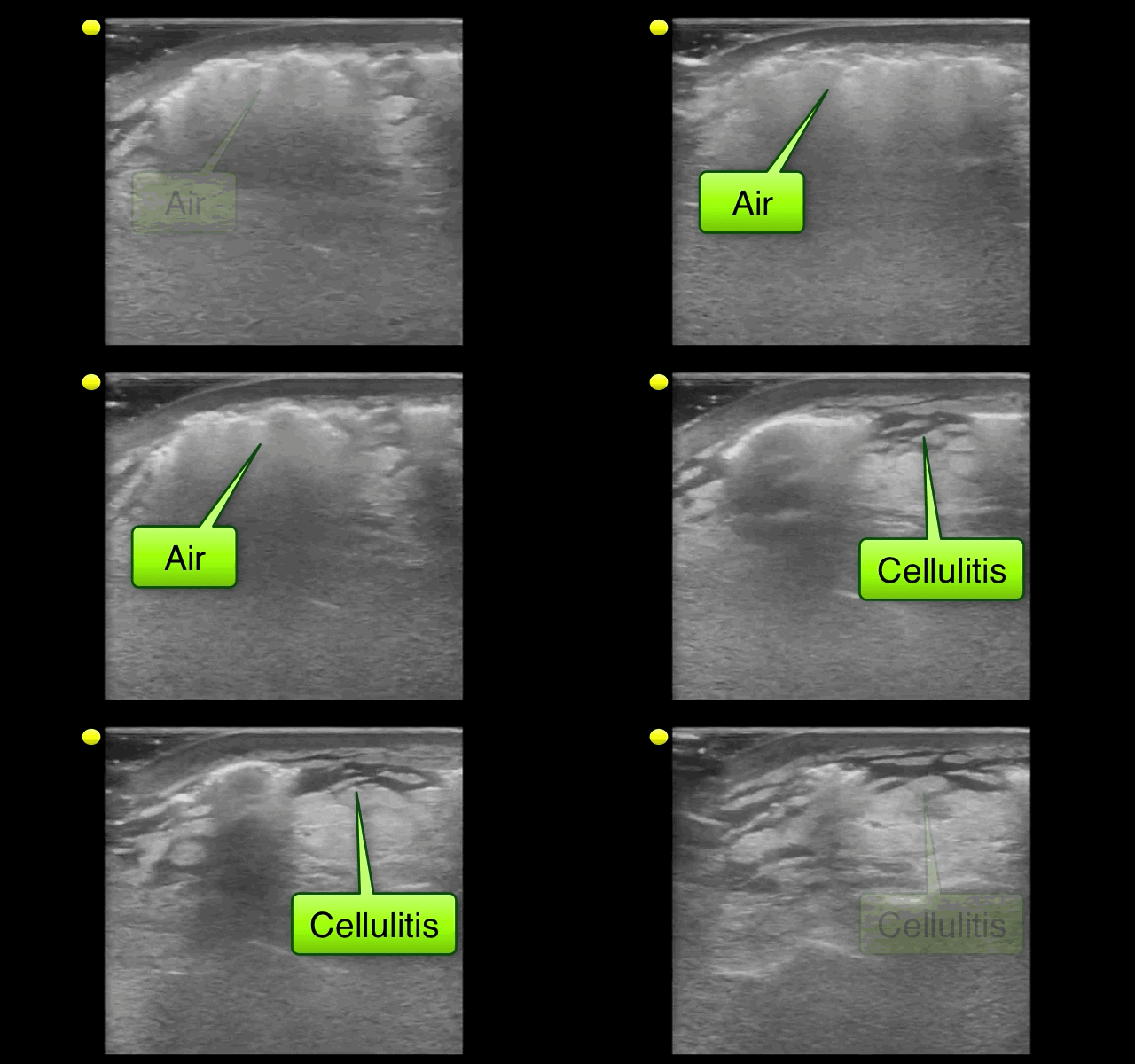
NSSTIs occur secondary to toxin-secreting bacteria; NSSTIs are surgical emergencies with a high-morbidity / mortality
Risk factors: immunocompromised host (DM, AIDS, etc.), intravenous drug use, malnourishment, peripheral vascular disease
Type I (polymicrobial; most common), Type II (monomicrobial; typically clostridia, streptococci, staph, or bacteroides), Type III (Vibrio vulnificus; seawater exposure)
Signs / Symptoms: pain out of proportion to exam (occasionally no pain at all), skin findings (blistering / bullae, gray-skin discoloration, or “Dishwater-like” discharge), or systemic toxicity (altered mental status, elevated lactate, etc.)
Diagnostic radiology
- Xray (shows gas); low sensitivity; CT scan (gas / tissue stranding); sensitivity is also low
- MRI can over-diagnose NSSTI and should not be used routinely
- Bedside ultrasound may demonstrate fluid or gas collections in deeper tissues (see clip below)
Treatment is emergent surgical debridement with simultaneous hemodynamic resuscitation PLUS broad-spectrum antibiotics; consider clindamycin becuase it has anti-toxin activity
Adjunctive therapies include Intravenous intraglobulin (neutralizes toxins secreted by bacteria) and hyperbaric oxygen
Show References
Question
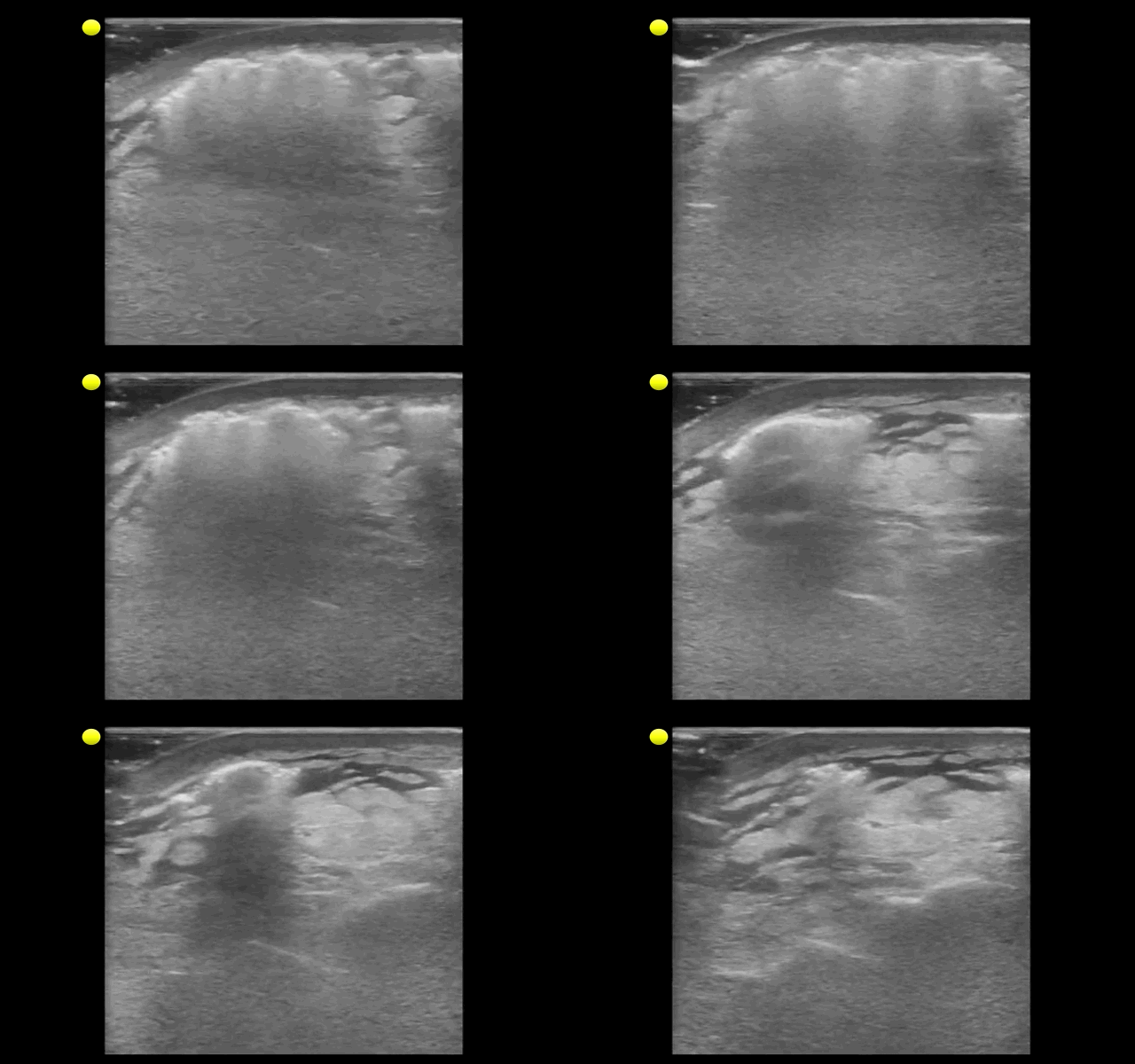
32 year-old with diabetes presents with fever, erythema, and warmth of his lower extremity; his leg is not particularly painful. He is diagnosed with cellulitis, started on antibiotics, and admitted to the hospital. While boarding in the Emergency Department he becomes rigorous and hypotensive. An ultrasound of his cellulitis is performed and is shown below. What’s the diagnosis?
Show Answer
Show References
Question
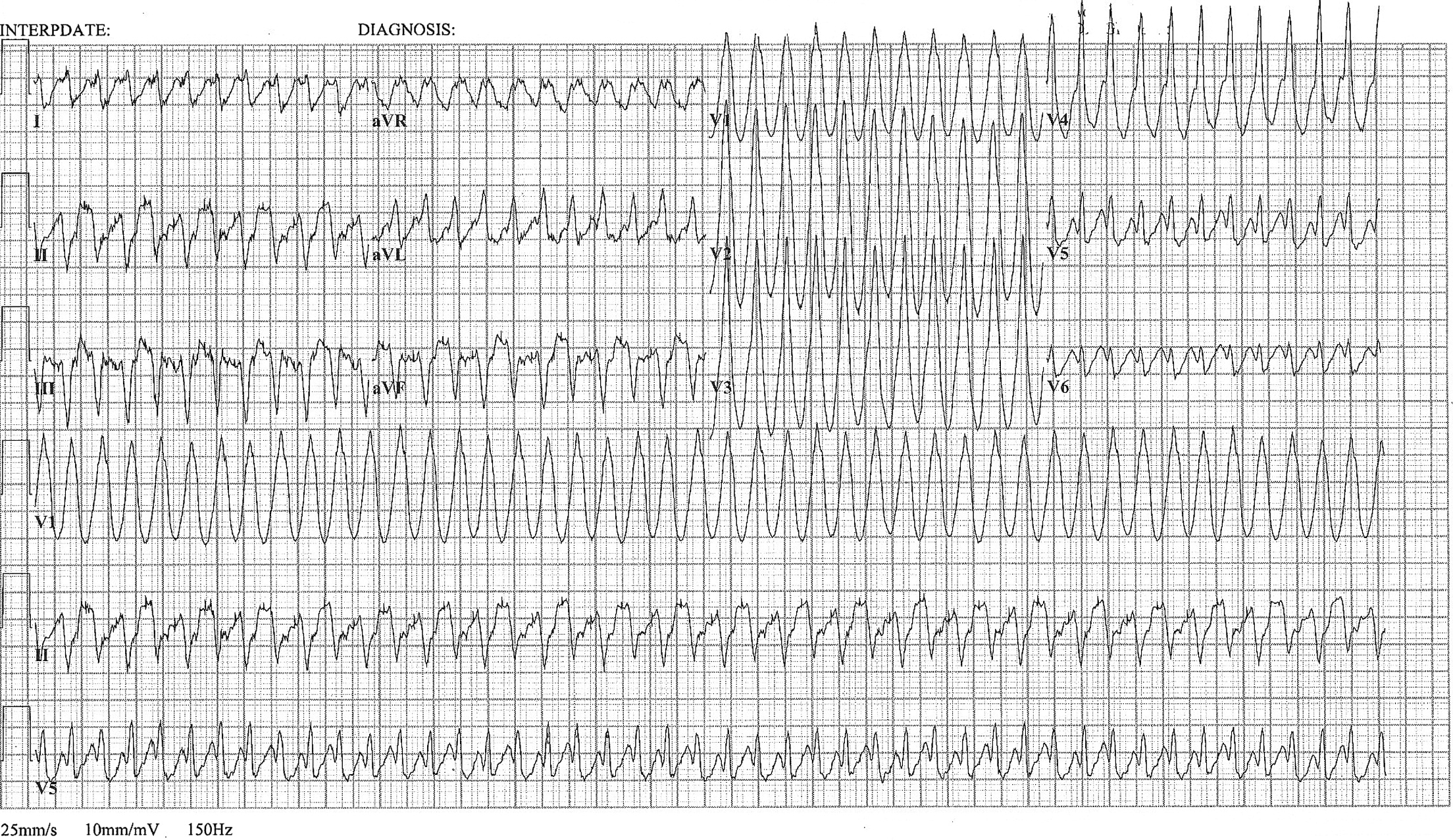
A 48 year old woman has acute chest pain and palpitations over the past several hours. She has felt similar palpitations in the past but never sought medical attention. She arrives to your ED alert and anxious. HR = 270, BP=130/100. ECG is below. What’s the diagnosis and treatment?
Show Answer
Show References
Attachments
Pelllegrini-Stieda lesion
Ossified post-traumatic lesions at the MCL adjacent to the femoral attachment site of the medial femoral condyle.
Mechanism is likely from an avulsion injury that subsequently calcifies after the initial trauma.
Often an incidental finding on plain films.
If symptomatic, refer to ortho as an outpatient
If not symptomatic, no treatment is indicated
http://images.radiopaedia.org/images/30076/b62e61e83241e30f2da693901edcdc_gallery.jpg
http://www.imageinterpretation.co.uk/images/knee/PELLEGRINI%20STIEDA2.jpg