
Search
Subscribe to daily UMEM Pearls (FREE!) via:
In a prospective cohort of 598 ED patients, 5 risk factors were independently associated with uncomplicated cellulitis patients who fail initial antibiotic therapy as outpatients and require a change of antibiotics or admission to hospital:
- Fever (temperature > 38°C) at triage (OR = 4.3, 95% CI = 1.6 to 11.7)
- Chronic leg ulcers (OR = 2.5, 95% CI = 1.1 to 5.2)
- Chronic edema or lymphedema (OR = 2.5, 95% CI = 1.5 to 4.2)
- Prior cellulitis in the same area (OR = 2.1, 95% CI = 1.3 to 3.5)
- Cellulitis at a wound site (OR = 1.9, 95% CI = 1.2 to 3.0)
Patients presenting with uncomplicated cellulitis and any of these risk factors may need to be considered for observation +/- IV antibiotics.
Show References
This is a must memorize simple table of the toxic doses of local anesthetics. Toxicity of local anesthetics starts with slurred speech, lethargy to seizures and lethal cardiac dysrhythmias. There should be zero tolerance to actual cause toxicity when repairing a laceration or performing a fascia iliaca block.
Remember that a Bupivcaine solution 0.5% = 0.5 g/dL (%=g/dL) so a 70kg person, you can use a maximum of 2mg/kg x 70kg person. You can inject 140 mg in a 70kg person. This is a maximum volume injection of 28 mL if you were doing a fascia iliaca block. You can double the volume if you use a more dilute solution of 0.25%.
| Local Anesthetic | mg/kg |
| Bupivacaine | 2 |
| Ropivacaine | 3 |
| Lidocaine | 4 |
| Lidocaine with Epinephrine | 6 |
| Prilocaine | 6 |
Treatment for cardiac dysrhythmias due to local anesthetics is 20% lipid emulsion therapy - don't follow ACLS protocol as epinephrine or other antidysrhythmics (especially lidocaine) will be lethal.
General Information:
This year there have been over 280 cases of measles in the US, spanning 18 states; early recognition is key to preventing transmission.
Remember the 3 c's for recognition:
Cough, Coryza (runny nose), Conjunctivitis + febrile rash
-Incubation period is 10-12 days
-Symptoms usually start with fever, followed by rash 2-3 days later starting from the hairline and spreading to the trunk and extremities
-Completion of the first series of vaccines provides 90-95% immunity from measles
Relevance to the EM Physician:
-Immediately place any patient suspected of having measles on airborne precautions
-Look for koplik spots on the oral mucosa (commonly described as appearing like small grains of salt)
-Complications include diarrhea, otitis media, “measles croup,” pneumonia, encephalitis (1/1000 cases), and death (2-3/1000 cases)
-Post exposure prophylaxis (PEP) is recommended for unvaccinated exposed individuals and is effective up to 72 hours after exposure; however, vaccination is contraindicated in pregnant women
Bottom Line:
-The incidence of measles is rising sharply in the US. Vaccination, early detection, and post exposure prophylaxis for exposed individuals is key to reversing this trend.
University of Maryland Section of Global Emergency Health
Author: Bradford Schwartz, MD
Show References
Emergent reversal of Dabigatran
What is it:
Direct thrombin inhibitor used for stroke prevention in non-valvular atrial fibrillation
When do I worry about reversal:
Patients can have clinically important bleeding (GI hemorrhage, or Intracranial bleeding) or need reversal for emergent surgery
Patients with renal failure can have a prolonged medication effect
What can I do:
1. Activated charcoal: good for recent overdose or recent ingestion (within 2 hours)
2. Hemodialysis: around 60-65% can be removed within 2-4 hrs; putting in a dialysis line can be…bloody
3. FFP: in rat studies, has been shown to reduce the volume of intracranial hemorrhage. Unknown in humans. No good evidence of use based on coagulation mechanisms. Still worth a try though.
4. Recombinant activated factor VII: Has been shown to correct the bleeding time in animal studies. Probably the best bet in severe bleeding
5. Pro-thrombin complex concentrate: has been shown to decrease the bleeding time in animal studies
How do I monitor effect?
No great way here. Check aPTT and thrombin time (TT). At supra-therapeutic doses there is no good test.
Coming attractions: Dabigatran-fab for emergent reversal (see previous pearl: https://umem.org/educational_pearls/2415/)
Show References
Question
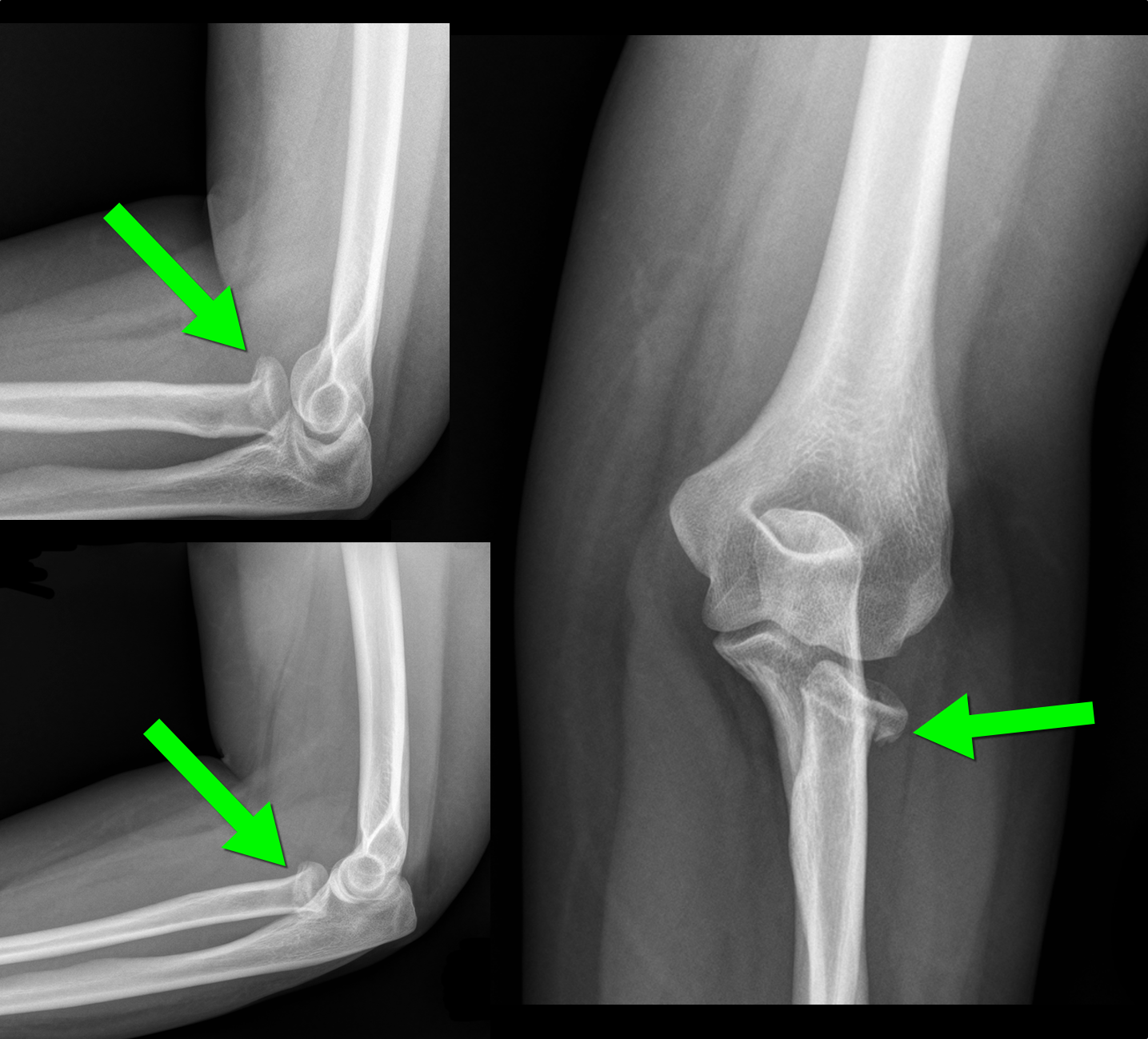
30 year-old female with elbow pain following a fall. What's the diagnosis? (bonus points if you name the fracture with an associated radio-ulnar joint dislocation)
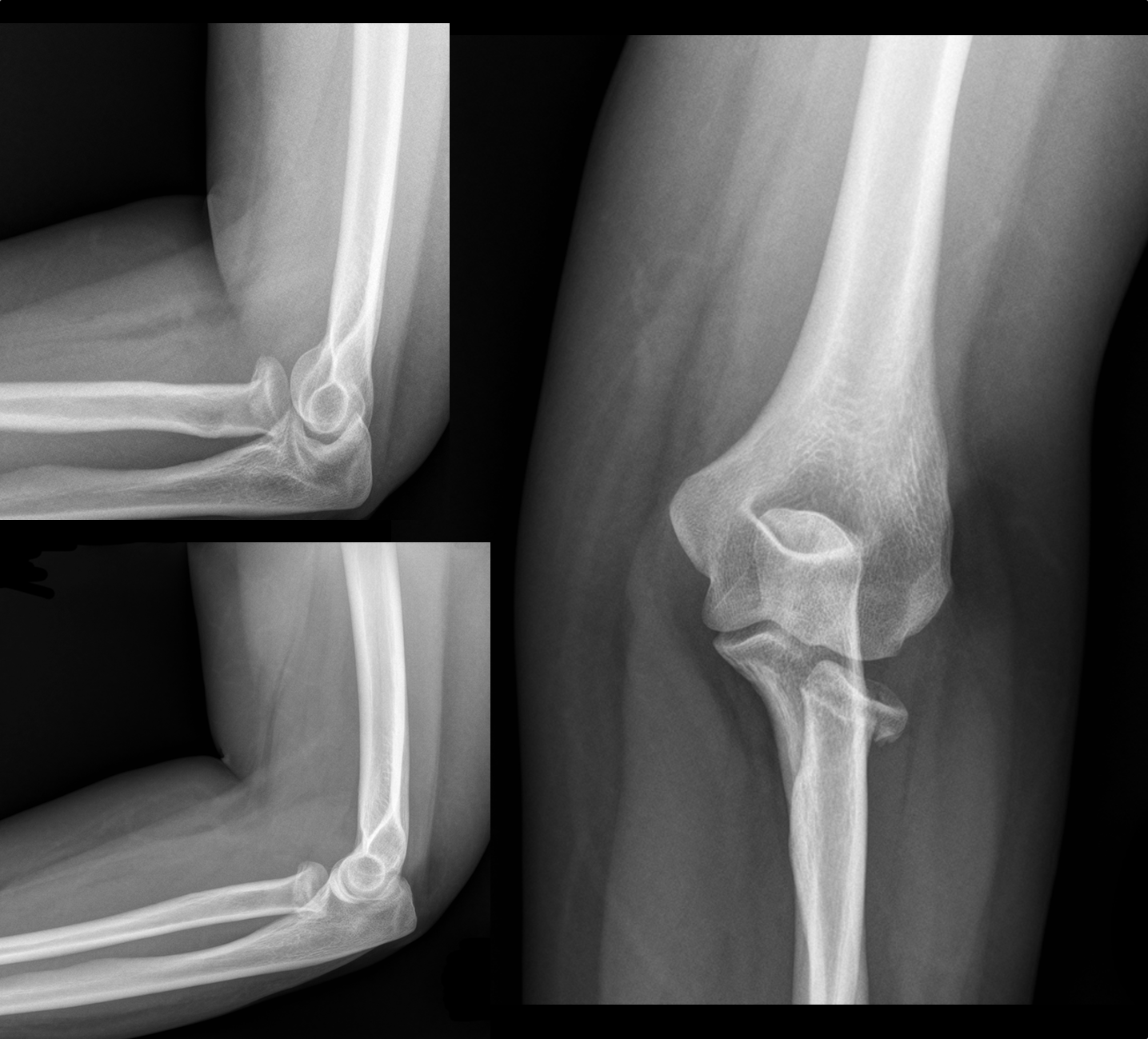
Show Answer
 d
Show References
When examining a knee for a meniscal injury the commonly described tests are the McMurray Test and Apley Test. However, these tests have sensitivities of 48-68% and 41% respectfully, and specificities of 86-94% and 86-93% respectfully. Depending on whether you are looking at the medical or lateral meniscus.
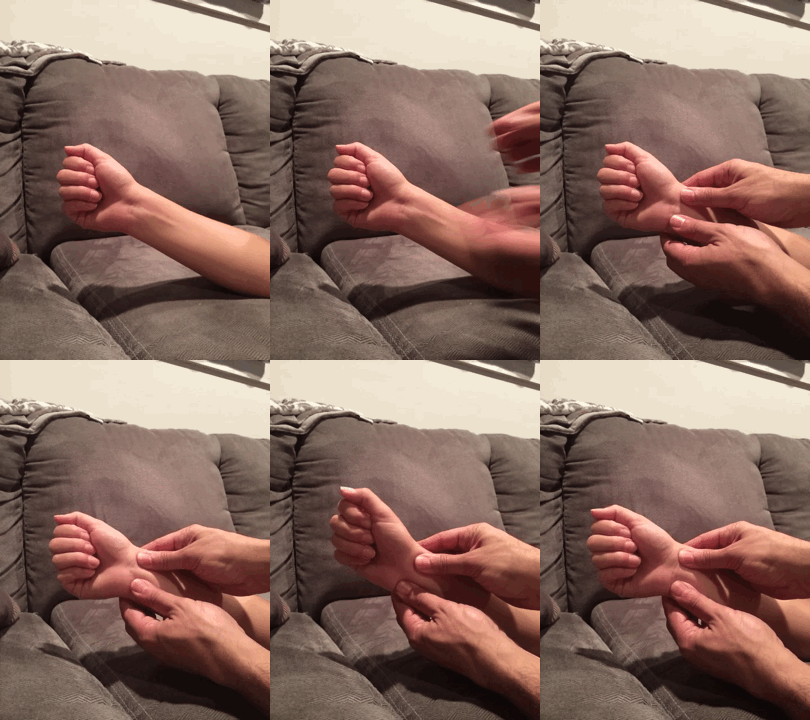
The Thessaly Test that was first described in 2005 can be performed with knee in either 5 or 20 degrees of flexion and has a senstivity of 89-92% and specificity of 96-97% when performed in 20 degrees flexion. The test also tends to be easier to perform.
To perform the test:
- Stand on affected leg only with the other leg held up in the air. The examiner holds hands for balance.
- Flex knee to be test to 20 degrees, while the other leg is held in the air
- Internally and Externally Rotate Knee
- Positive test is pain at medial or lateral joint line with possible locking/catching sensation
Essentially you and your patient will look like you are doing the twist as they rotate their knee with you holding their hands.
A video of the technique can be found at http://youtu.be/R3oXDvagnic
Show References
Seizure is a very common effect seen in many overdoses. Think about the following drugs which have a higher propensity for seizure as noted in a Swiss study of over 15000 patients and isolating to single drug overdoses:
The most prevalent pharmaceuticals were mefenamic acid (51 of the 313 cases), citalopram (34), trimipramine (27), venlafaxine (23), tramadol (15), diphenhydramine (14), amitriptyline (12), carbamazepine (11), maprotiline (10), and quetiapine (10).
The drug mefenanamic acid is not used much in the USA but citalopram, venlafaxine and tramadol as well as the most prelavent bupropion which was number one in the study are all commonly prescribed in the USA. Keep a watchful eye if you see any of these drugs on a drug list or as an overdose.
Show References
General Information:
- Acute diarrheal illness is a common cause of morbidity and mortality disproportionately affecting low and middle income countries
- Acute diarrhea poses the greatest threat to the immunocompromised, children, and the elderly
- Stool samples are costly and frequently don’t provide information altering the course of treatment in acute, non-severe diarrhea
- However, for acute diarrhea, a single stool sample should be obtained when diarrhea is associated with:
- fever (≥38.5°C)
- a severe coexisting condition in a hospitalized patient on antibiotics
- persistent diarrhea (≥14 days)
- profuse cholera-like watery diarrhea
- dehydration
- dysentery
- an elderly or immunocompromised patient
- food handlers, nursing home residents, and daycare workers
- The stool sample must be processed by the lab within 4 hours to directly visualize parasites and within 12 hours for routine microbiologic staining.
Bottom Line for the EM Physician: Use these guidelines to test stool only when helpful to patient care and avoid flushing resources down the toilet.
University of Maryland Section of Global Emergency Health
Author: Alex Skog
Show References
Are Intermediate Lactate Levels Concerning in Patients with Suspected Infection?
- It is well known that lactate levels > 4 mmol/L are associated with increased mortality in patients with suspected infection.
- What is unclear, however, is the prognostic value of intermediate lactate levels (2.0-3.9 mmol/L) in patients with suspected infection.
- Puskarich, et al. performed a systematic review to determine the risk associated with intermediate lactate levels.
- 8 studies (> 11,000 patients) were included in the analysis
- Mortality for patients with intermediate lactate levels but without hypotension was 15%
- Mortality was > 30% for hypotensive patients with intermediate levels of lactate.
- Take Home Point: Patients with intermediate lactate levels have an increased risk of mortality.
- Though no current guidelines exist for the optimal care of these patients, aggressive care should continue until repeat levels demonstrate normalization.
Show References
Question
Diabetic patient with active intravenous drug use presents with hypotension, fever, and tenderness of right arm. What's the diagnosis and what antibiotic(s) would you start?

Show Answer
Show References
Happy Memorial Day! With all the recent attention in the news about swimming and drowning I thought I would share this article
The Instinctive Drowning Response—so named by Francesco A. Pia, Ph.D., is what people do to avoid actual or perceived suffocation in the water. And it does not look like most people expect. There is very little splashing, no waving, and no yelling or calls for help of any kind. To get an idea of just how quiet and undramatic from the surface drowning can be, consider this: It is the No. 2 cause of accidental death in children, ages 15 and under (just behind vehicle accidents)—of the approximately 750 children who will drown next year, about 375 of them will do so within 25 yards of a parent or other adult. In some of those drownings, the adult will actually watch the child do it, having no idea it is happening.* Drowning does not look like drowning—Dr. Pia, in an article in the Coast Guard’s On Scenemagazine, described the Instinctive Drowning Response like this:
- “Except in rare circumstances, drowning people are physiologically unable to call out for help. The respiratory system was designed for breathing. Speech is the secondary or overlaid function. Breathing must be fulfilled before speech occurs.
- Drowning people’s mouths alternately sink below and reappear above the surface of the water. The mouths of drowning people are not above the surface of the water long enough for them to exhale, inhale, and call out for help. When the drowning people’s mouths are above the surface, they exhale and inhale quickly as their mouths start to sink below the surface of the water.
- Drowning people cannot wave for help. Nature instinctively forces them to extend their arms laterally and press down on the water’s surface. Pressing down on the surface of the water permits drowning people to leverage their bodies so they can lift their mouths out of the water to breathe.
- Throughout the Instinctive Drowning Response, drowning people cannot voluntarily control their arm movements. Physiologically, drowning people who are struggling on the surface of the water cannot stop drowning and perform voluntary movements such as waving for help, moving toward a rescuer, or reaching out for a piece of rescue equipment.
- From beginning to end of the Instinctive Drowning Response people’s bodies remain upright in the water, with no evidence of a supporting kick. Unless rescued by a trained lifeguard, these drowning people can only struggle on the surface of the water from 20 to 60 seconds before submersion occurs.”
This doesn’t mean that a person that is yelling for help and thrashing isn’t in real trouble—they are experiencing aquatic distress. Not always present before the Instinctive Drowning Response, aquatic distress doesn’t last long—but unlike true drowning, these victims can still assist in their own rescue. They can grab lifelines, throw rings, etc.
Look for these other signs of drowning when persons are in the water:
- Head low in the water, mouth at water level
- Head tilted back with mouth open
- Eyes glassy and empty, unable to focus
- Eyes closed
- Hair over forehead or eyes
- Not using legs—vertical
- Hyperventilating or gasping
- Trying to swim in a particular direction but not making headway
- Trying to roll over on the back
- Appear to be climbing an invisible ladder
So if a crew member falls overboard and everything looks OK—don’t be too sure. Sometimes the most common indication that someone is drowning is that they don’t look like they’re drowning. They may just look like they are treading water and looking up at the deck. One way to be sure? Ask them, “Are you all right?” If they can answer at all—they probably are. If they return a blank stare, you may have less than 30 seconds to get to them. And parents—children playing in the water make noise. When they get quiet, you get to them and find out why.
Show References
Methylene blue is an extremely effective antidote for acquired methemoglobinemia but has important adverse effects if given in excess of recommended dose.
Below is the usual dose of methylene blue for treatment of methemoglobinemia
1-2 mg/kg of 1% solution IV with a repeat dose given if there is inadequate response to the first one
Adverse effects include:
- >4 m/kg -- Reversible skin, feces, and urine discoloration
- 5-7 mg/kg -- EKG abnormalities (T-wave inversions, diminished R-waves), shortness of breath, chest discomfort, diaphoresis, nausea, diarrhea, abdominal discomfort
- Paradoxically, between 4 and 15 mg/kg, it may cause methemoglobinemia
Show References
General Information:
- There is a growing incidence of chronic kidney disease (CKD) in Central America referred to as Mesoamerican Nephropathy
- Patients tend to be young (30-50 years old), male, agricultural workers, and do not have a history of diabetes, hypertension, or obesity
- Etiology remains unconfirmed but is likely multifactorial with contributors including: repeated dehydration, excessive NSAID use, toxins from sugarcane derived alcohol, and mild Leptospirosis infection.
Area of the world affected:
- Highest prevalence in El Salvador and Nicaragua
- Lower prevalence in Costa Rica and Guatemala
Relevance to the US physician:
- Immigrants with Mesoamerican Nephropathy may present to the ED with acute on chronic kidney disease
- Treatment guidelines are the same as for other CKD etiologies
- Council patients on proper hydration during exertion, limiting NSAID use, and avoiding homemade alcohol consumption
Bottom Line:
- Mesoamerican Nephropathy should be considered in Central American immigrants presenting to the ED with clinical and laboratory signs of CKD but without traditional risk factors.
University of Maryland Section of Global Emergency Health
Author: Emilie J.B. Calvello, MD, MPH & Alex Skog
Show References
Carbapenem Resistant Organisms are HERE
We've all heard Dr. Bryan Hayes warn us that, "Vanc & Zosyn is NOT the Answer for Everything" but things just got a little more serious, on a whole 'nother level...
Within the past few months, 2 cases of NDM-producing carbapenem-resistant pseudomonas have been reported in the area - one in Delaware and one in Pennsylvania. Previously, the only reported cases were found in Europe.
It's important for EM physicians to be aware of carbapenem resistant organisms and infections because:
- They have been independently associated with an increase in mortality
- Are increasing in frequency around the world
- Are a major threat to our antimicrobial armamentarium
Risk factors for carbapenem resistance
- Stem cell transplant patients
- History of mechanical ventilation
- Recent ICU stay
- Previous exposure to antibiotics
Antimicrobial options
Few treatment options are currently available for carbapenem resistant organisms.
- Polymixins (colistimethate & polymyxin B)
- Tigecycline
- Fosfomycin
- Some aminoglycosides (amikacin, gentamicin, & tobramycin)
Appear to have retained some in vitro activity against these organisms, but are generally used as, "drugs of last resort".
What should you do about it?
Know it exists, take a good history, & know your local antibiogram. Prior to selecting a broad spectrum antimicrobial regimen, try to obtain previous antimicrobial culture data for patients with resistant organism infectious risk factors.
Show References
Question
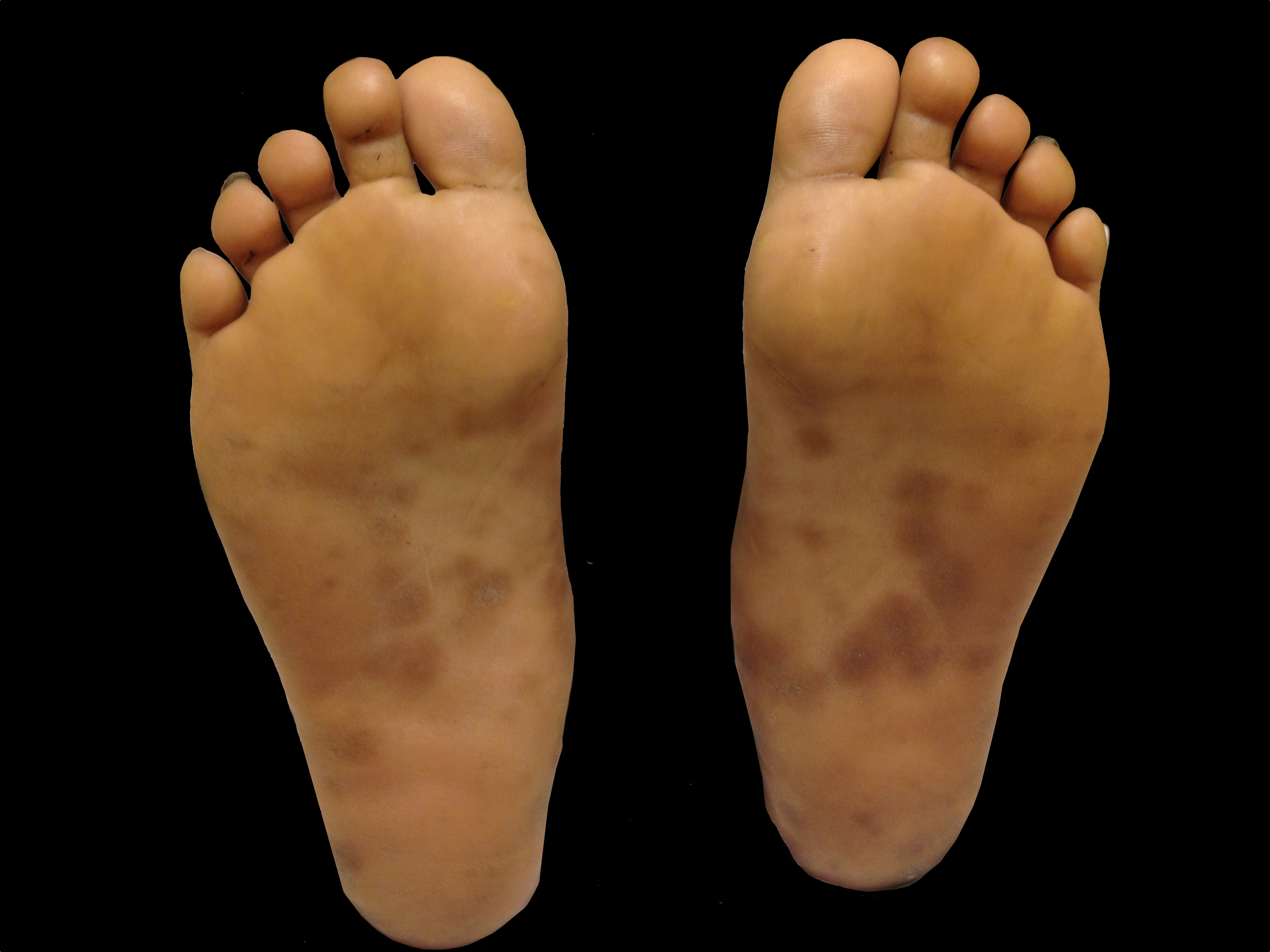
A patient presents with the rash shown below and is treated with penicillin. Fever, headache, and myalgia develop four hours later. What’s the diagnosis?
Show Answer
Show References
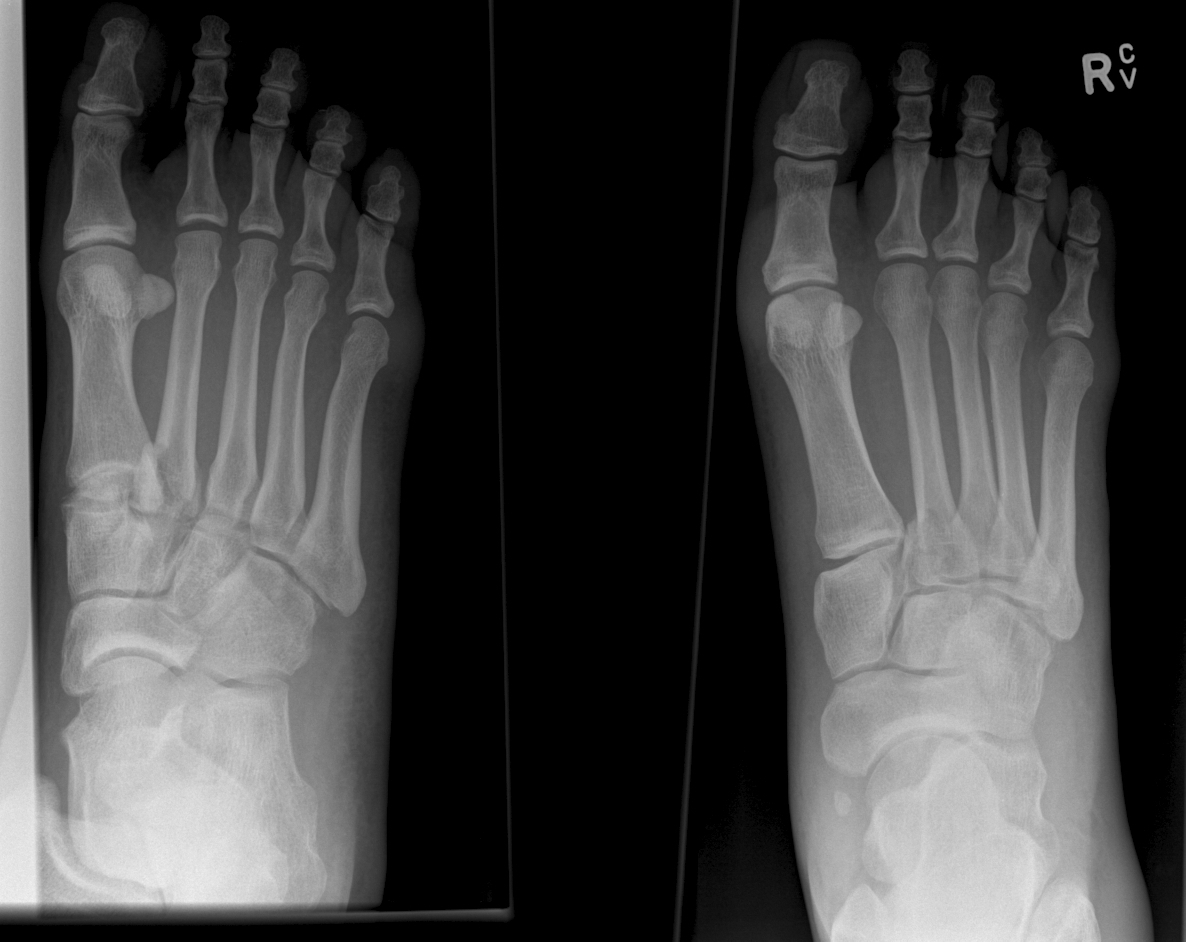
Lisfranc Fracture:
Typically consists of a fracture of the base of the second metatarsal and dislocation, though it can also be associated with fractures of a cuboid. Common current mechanism of injury is when a person steps into a hole and twists the foot. The original mechanism of injury that was described was when a horseman would fall of their horse with their foot still trapped in a stirrup.
Diagnosis should be considered if patient has difficultly weight bearing with pain on palpation over the 2nd and 3rd metacarpal head with an appropriate mechanism.
Pearls:
- Fracture findings on plain films may be subtle.
- If in doubt obtain weight bearing AP views of the foot to demonstrate dislocation/fracture.
- If weight bearing films are negative and you are still suspicious consider a CT scan of the foot.
Mental health-related visits account for 1.6–6% of ED encounters. Patients with acute psychosis are often brought to the ED for clearance prior to psychiatric evaluation. Is this necessary?
Background: Several adult studies have shown that only 0–4% of patients with isolated psychiatric complaints have organic diagnoses requiring urgent treatment. Routine ED laboratory testing in adults is low yield still, with one study identifying abnormalities in only 2 of 352 patients—both mild hypokalemia. A pediatric study found that 207 of 209 patients were medically cleared.
This study was a retrospective review of pediatric psychiatric patients presenting to a an urban California hospital. They examined 798 patients who had an involuntary psychiatric hold placed by a psychiatric mobile response team.
- 72 (9.1%) were determined to require medical screening (based on patient complaints).
- Only 35 (4.4%) holds were found to require further medical care prior to psychiatric hospitalization.
- Total charges for laboratory assessments, secondary ambulance transfers and wages for sitters were $1,241,295 or US$17,240 per patient requiring a medical screen.
- Patients were in the ED for an average of 7 h with a cumulative time of 5538 hours.
The authors concluded that few pediatric patients brought to the ED on an involuntary hold required a medical screen and perhaps use of basic criteria in the prehospital setting to determine who required a medical screen (altered mental status, ingestion, hanging, traumatic injury, unrelated medical complaint, sexual assault) could have led to significant savings.
Show References
The Prehospital Acute Neurological Treatment and Optimization of Medical Care in Stroke Study (PHANTOM-S) was a randomized prehospital clinical trial. On certain days, a dedicated Stroke Emergency Mobile (STEMO) responded to possible ischemic stroke incidents. Outcomes measured included time to thrombolysis and adverse events such as intracerebral hemorrhage. As opposed to usual prehospital care, a STEMO ambulance was equipped with a CT scanner, point of care laboratory, and a neurologist. According to the study, STEMO use resulted in reduced time to treatment (tPA) without adverse events.
Though this trial did not specifically measure clinical endpoints, it addresses issues central to the delivery of specialized prehospital care:
1) Are there certain conditions which might warrant a tailored, super-specialized EMS response?
2) Are EMS systems capable of delivering definitive care to the patient as opposed to delivering the patient to definitive care?
Stateside study has already started. The Houston Fire Department, in partnership with UTHeath, has already loosed a "Mobile Stroke Unit" on the streets. Like the STEMO, the specialized ambulance will be University hospital based, carry a neurologist, and have the capability to administer tPA.
STEMO pictures courtesy of the "NeuroEMS Blog"
http://www.neuroems.com/2014/05/14/tpa-in-the-truck-results-of-the-phantom-s-trial/
Show References
Currently, no effective reversal agent for new oral anticoagulants (e.g. direct thrombin inhibitor, dabigatran, and factor Xa inhibitors: rivaroxaban and apixaban) exists for emergent management of hemorrhagic complications.
Boehringer Ingelheim, the manufacturer of dabigatran, is developing an antibody fragment (Fab) against dabigatran as a reversal agent.1
A small ex-vivo porcine study demonstrated partial reversal of anticoagulation effects, measured by PT, aPTT, clotting time, clot formation time and maximum clot firmness, of dabigatran by PCC and activated PCC, while dabigatran-Fab achieved complete reversal. Recombinant fVIIa did not reverse the anticoagulation effect of dabigatran.2
Caution should be exercised when interpreting these finding as reversal of laboratory values does not necessarily correlate with clinical effect/outcome. However, dabigatran-Fab holds promise as an effective reversal agent of dabigatran.
Dabigatran-Fab is still under development and is not available/approved for clinical use.
Show References
- The US tends to average about 2-3 cases of rabies in humans per year
- However, around 6,000 animal cases are reported yearly in the US, so the potential for infection is there.
- Most cases are acquired through contact with infected animals: generally bats, foxes, and unvaccinated dogs (this is a huge problem in low- and middle-income countries)
- Of note, in 2013, a human case was reported in Maryland that was acquired through organ transplantation from an infected donor
Clinical Presentation
Rabies is, initially, a clinical diagnosis. To see what a patient with rabies looks like, check out this 3 minute YouTube video: (There is a bit of commentary by the person who posted it at the beginning that you might want to skip through.)
https://www.youtube.com/watch?v=EZbrNN9KeUI
Bottom Line
Rabies, while a rare disease in the US, can occur through either contact with infected animals (especially while traveling) or via organ transplantation. Recognizing the clinical syndrome is key to diagnosis.
University of Maryland Section for Global Emergency Health
Author: Andi Tenner, MD, MPH, FACEP