
Question
25 year-old male with autoimmune enteropathy presents with intractable vomiting and diarrhea for 7 days. What's the diagnosis?
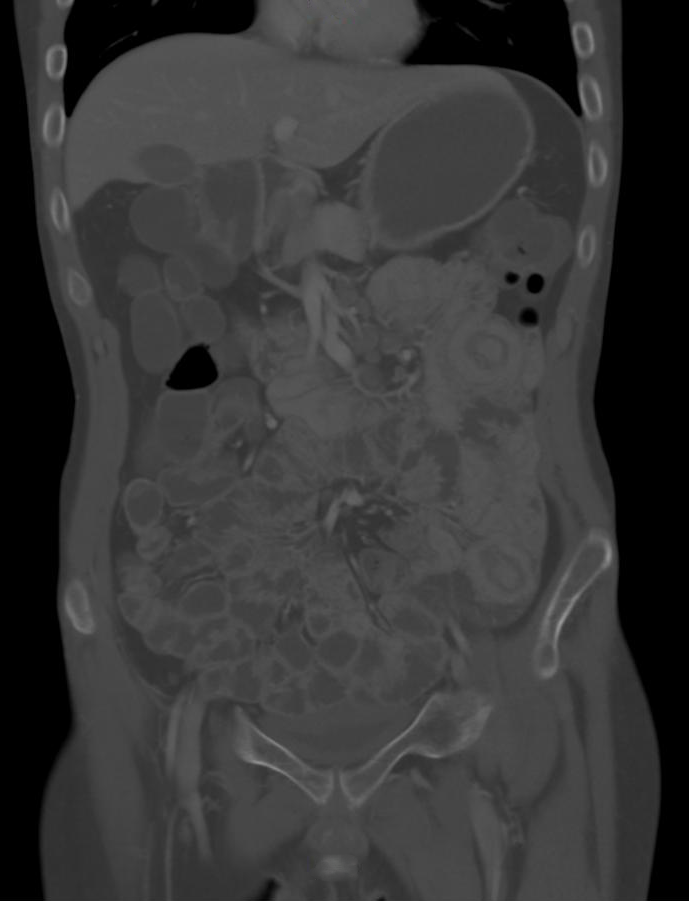
Show Answer
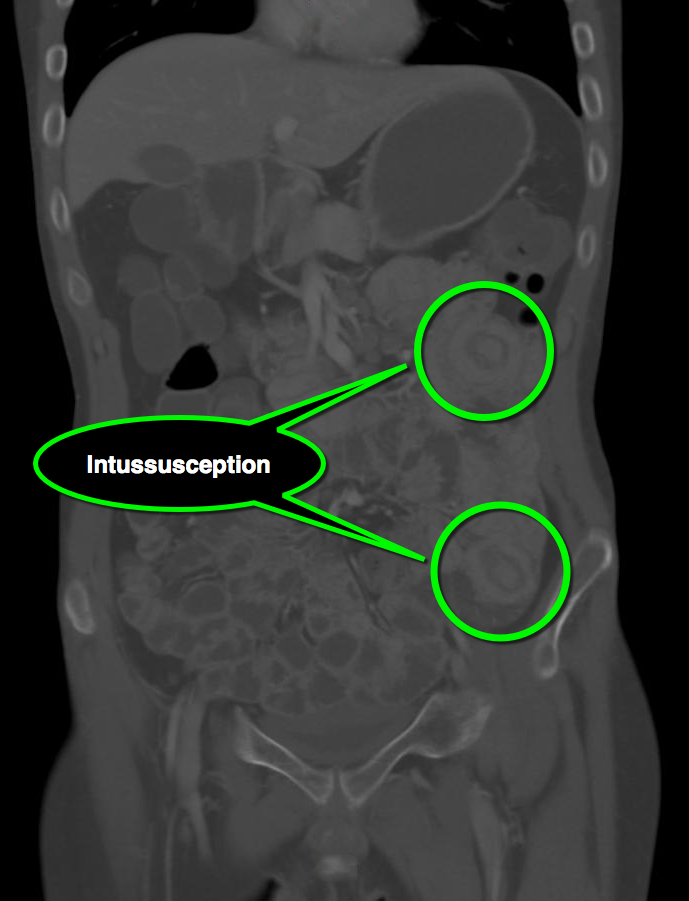
Show References
Acute Pericarditis
- Pericarditis has numerous etiologies; in developed countries 80-90% of cases are idiopathic/viral & 10-20% of cases are most commonly post-cardiac injury syndromes, connective-tissue diseases, or cancer.
- Diagnosis requires at least two of the following symptoms or signs: chest pain, pericardial friction rub, typical electrocardiographic changes, and pericardial effusion.
- Since pleuritic chest pain has many possible causes, pericarditis should be diagnosed with caution in the absence of other clinical criteria, additionally a friction rub & ECG findings may be transient making the diagnosis even more challenging.
- Data from a recent RCT indicated that pericardial effusions are present in ~2/3 of patients; the vast majority are small and of no concern, nonetheless an echocardiogram is routinely indicated and if present should be carefully followed to assess for tamponade.
- Treatment for idiopathic/viral cases of pericarditis consistents of NSAIDs & colchicine.
Show References
It is commonly taught that radiographs are not needed in non-traumatic back pain unless the patient is <18 or > 65 years old. Several studies have started to disprove this in the pediatric population, and a recent study in JAMA is giving some weight to not having to do this in the eldery.
The JAMA study was a prospective cohort of 5239 patients over age 65 who presented to a PCP or urgent care center in three different health systems from 2011-2013 with a complaint of back pain without radiculopathy. Patients were determined to have early imaging if they had a plain films, CT, or MRI done within 6 weeks of their initial visit for back pain. The primary outcome measure was back or leg-pain related disability at 12 months when comparing those that had early imaging versus late (> 6 weeks). They excluded patients with prior surgery, prior back pain, or if they had a cancer visit in the prior year.
At one year they found that there was no statistical difference in the primary outcome of back or leg-pain related disability at one year. The early imaging did pick up more fractures of the spine, but again no change in long term outcomes. The serious diagnoses were summarized in this graph.
This study was not done in the Emergency Medicine setting, and our patients may not be equivilant, but it suggests that we do NOT have to get radiographs on all patients over 65 years old with non-traumatic back pain without radiculopathy. If you are not going to get radiographs make sure your patient has clear discharge instructions on what to return for and that they should follow up with their primary care provider within a week.
A link to the full article is here http://jama.jamanetwork.com/article.aspx?articleid=2203801
Show References
Show References
Elevation of AST or ALT >1000 after acute ingestion of acetaminophen indicate hepatic toxicity. N-acetylcysteine (NAC) is an effective treatment for acute acetaminophen poisoning. However, in a setting a significant transaminitis, (> 1000s) NAC infusion is continued beyond the routine 21-hour protocol.
Currently, there is no specific guideline or “level” of AST or ALT where discontinuing NAC is deemed safe and appropriate.
A recent retrospective study (n = 37 patients with 343 pairs of AST/ALT) evaluated AST/ALT ratio as a possible indicator for discontinuing NAC infusion after an acute acetaminophen induced hepatic toxicity.
This study found that post peak AST/ALT ratio of < 0.4 had sensitivity of 99% for identifying patients with resolving hepatic injury.
This finding requires validation prior to clinical application but this may be the first step to identifying a safe indicator to help guide clinician when NAC can be discontinued safely.
Show References
Whether in the U.S. or overseas, there are four main phases of emergency management:
- Mitigation
- Identifying risks and hazards to reduce or eliminate the risks, such as:
- Building codes (for earthquakes, hurricanes, fires, etc.)
- Zoning rules (floodplain restrictions)
- Dams and levees (prevent flooding)
- Identifying risks and hazards to reduce or eliminate the risks, such as:
- Preparedness
- To enhance response capacity, such as
- Training, including exercises to assure adequacy of planning efforts
- Planning
- Resource procurement
- To enhance response capacity, such as
- Response
- Immediate post disaster activities to save lives and property, such as
- Evacuating victims
- Response teams deployment
- Incident command operations
- Immediate post disaster activities to save lives and property, such as
- Recovery
- Efforts to restore essential services and repair damage, such as
- Reconstruction of government operations and services
- Housing and services for displaced families/ individuals
- Replenish stockpiles
- Efforts to restore essential services and repair damage, such as
Show References
The results of a multi-center trial from the UK, the ProMISe trial, were just released and it confirms what two prior studies (i.e., ProCESS and ARISE) have already shown; there does not appear to be any difference in mortality when septic patients are treated with a strategy of early-goal directed therapy as compared to usual care.
Patients were included in the ProMISe trial if they were in septic shock and were then randomized to either the EGDT group (630 patients) or the usual care group (630 patients); a total of 1,260.
The primary end-point was all cause mortality at 90 days and there was no difference shown in the primary outcome. There were no differences found in the measured secondary outcomes (e.g., serious adverse events)
This trial adds to the evidence that septic patients may not benefit from protocolized (i.e., EGDT) care versus usual care. One explaination why, is that our "usual care" in 2015 has significantly changed since the introduction of EGDT in 2001.
Show References
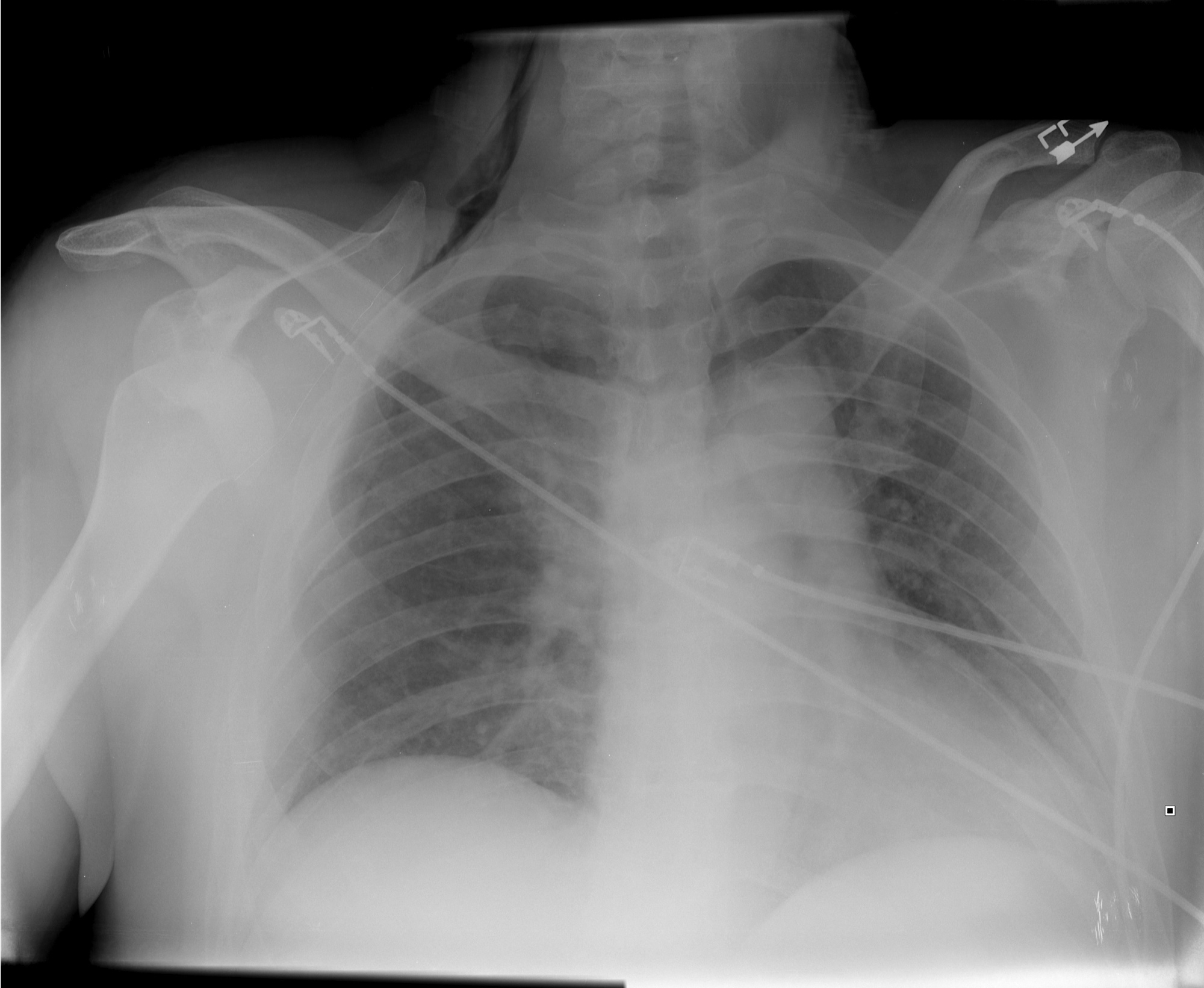
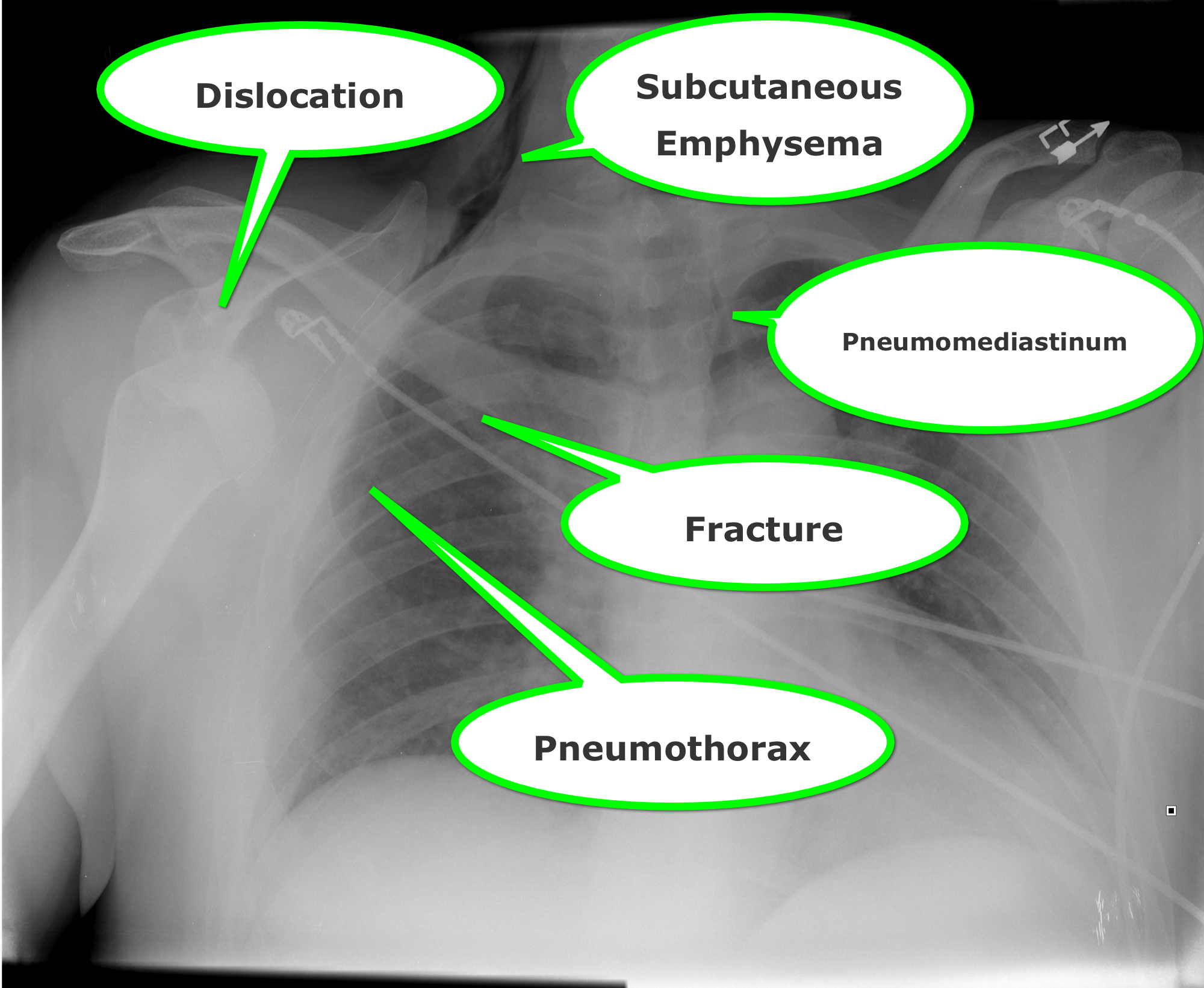
Imaging plays an important role in the evaluation of child abuse.
It aids in the identification, evaluation and in treatment.
Additionally, it is often the only objective evidence of abuse available to the courts.
It is often discovered through two means.
1) Injuries/fractures that are inconsistent with the alleged mechanism of injury.
2) Pathognomonic fracture patterns are found on routine radiographs
The ED physician should not attempt to precisely "date" the injury.
That said, soft tissue swelling resolves in 2-5 days. The periosteum becomes radiodense in 7 to 10 days. In subtle fractures this may be the only radiographic finding. If there is no evidence of bone healing (periosteal reaction), the fracture is less than 2 weeks old. Callus formation and resorption of the bone along the fracture line begins at 10 to 14 days. The callus is visible for up to 3 months. Bone remodeling continues for up to one year.
Show References
- Pediatric forearm fractures are common, and on the rise due to increasing sporting activity and increasing BMI.
- The most common mechanism is falling on an outstretched hand, which often leads to rotational displacement.
- If not properly reduced, it leads to reduced range of motion.
- The majority do well with closed reduction, if properly reduced.
- A recent study (Debrovsky, et al. Ann of Emerg Med), found the accuracy of bedside ultrasonography to determine when pediatric forearm fractures have been adequately realigned was comparable to fluoroscopy.
- Consider using US for post-reduction evaluation of pediatric forearm fractures to reduce radiation exposure, cost, and time.
Show References
In the midst of an unprecedented opioid epidemic, there have been considerable efforts to expand access to naloxone (Doyon S, et al. J Med Toxicol 2014;10:431-4). If the situation arises when you need to write a prescription for it, here's how:
Option 1: Naloxone vial and needle traditional IM/SQ using 0.4 mg/mL injection vial and needles (least expensive $40, FDA approved)
Naloxone 0.4 mg/mL single dose vial and 3 cc, 23 g, 1 inch syringes, #2 each
SIG: Inject 1 mL intramuscularly upon signs of opioid overdose. May repeat X 1. Call 911.
Option 2: IMS/Amphastar 2 mg/2 mL prefilled syringe and mucosal atomization device ($95/kit, products FDA approved but intranasal administration is off-label)
Naloxone 2 mg/2 mL prefilled syringe and intranasal atomizer device, #2 each
SIG: Spray one-half of syringe (1 mL) into each nostril upon signs of opioid overdose. May repeat X 1. Call 911.
Option 3: Evzio Autoinjector ($200-700 per Rx though many insurances cover it and the company has vouchers available, FDA approved in 2014, evzio.com/hcp)
Evzio 0.4 mg, #1 two-pack
SIG: Use as directed upon signs of opioid overdose. May repeat X 1. Call 911.
Show References
Cauda Equina Syndrome is a true neurologic and surgical emergency. Unfortunately, no constellation of symptoms or exam findings is 100% sensitive. In fact, no single symptoms predicts the radiographic finding of cauda equina syndrome with an accuracy greater than 65%.
The most common symptoms are sciatica (96%), micturition dysfunction (89%), saddle anesthesia or hypoethesia (81%) and defecation dysfunction (47%).
Show References
Transfusion in Major Trauma: The PROPPR Trial
What should we be transfusing in major trauma?
- Should we aim towards 1:1:1 ratios or is that unnecessary? Most trauma centers have gone towards a 1:1:1 ratio or a 1:1:2 ratio with a greater percentage of RBCs transfused in the latter
- Our strategy should be to avoid coagulopathy, acidosis, and hypothermia
- This trial looks at transfusion of Plasma, Platelets, and RBCs in a 1:1:1 vs a 1:1:2 ratio
- Is it safe to give 1:1:1 ratios?
The Trial
- RCT, Non-blinded
- 12 Trauma Centers in North America
- 15 years or older; highest level trauma activation
- Predicted to receive massive transfusion
- Transfusions stopped when clinically indicated
Results
- 24 hour or 30 day mortality no significant difference
- Post-hoc analysis: death by exsanguination (9% vs 15%) in the 1st 24hrs was significantly decreased in the 1:1:1 group
- Achieved hemostatis (86% vs 78%; p = 0.006) greater in the 1:1:1 group
Conclusions
- Was not powered to detect a difference of less than 10% in mortality
- There was less mortality from exsanguination in the 1:1:1 ratio.
- Worth noting that platelets given first in 1:1:1 group (in control group 6 U and 3 FFP given prior to platelets)
- There was some "catch up" in the 1:1:2 group (after the initial transfusions, these patients got more than expected plasma and platelets based on INR/Plt counts)
- TEG was used in the majority of the patients and TXA was used in a majority of patients (but similar in both groups)
How does this affect my practice?
A 1:1:1 transfusion practice is safe and can decrease mortality from hemorrhage in major trauma
Other points: control bleeding, permissive hypotension, avoid crystalloids, use TEG to guide therapy (TXA etc)
Show References
Question
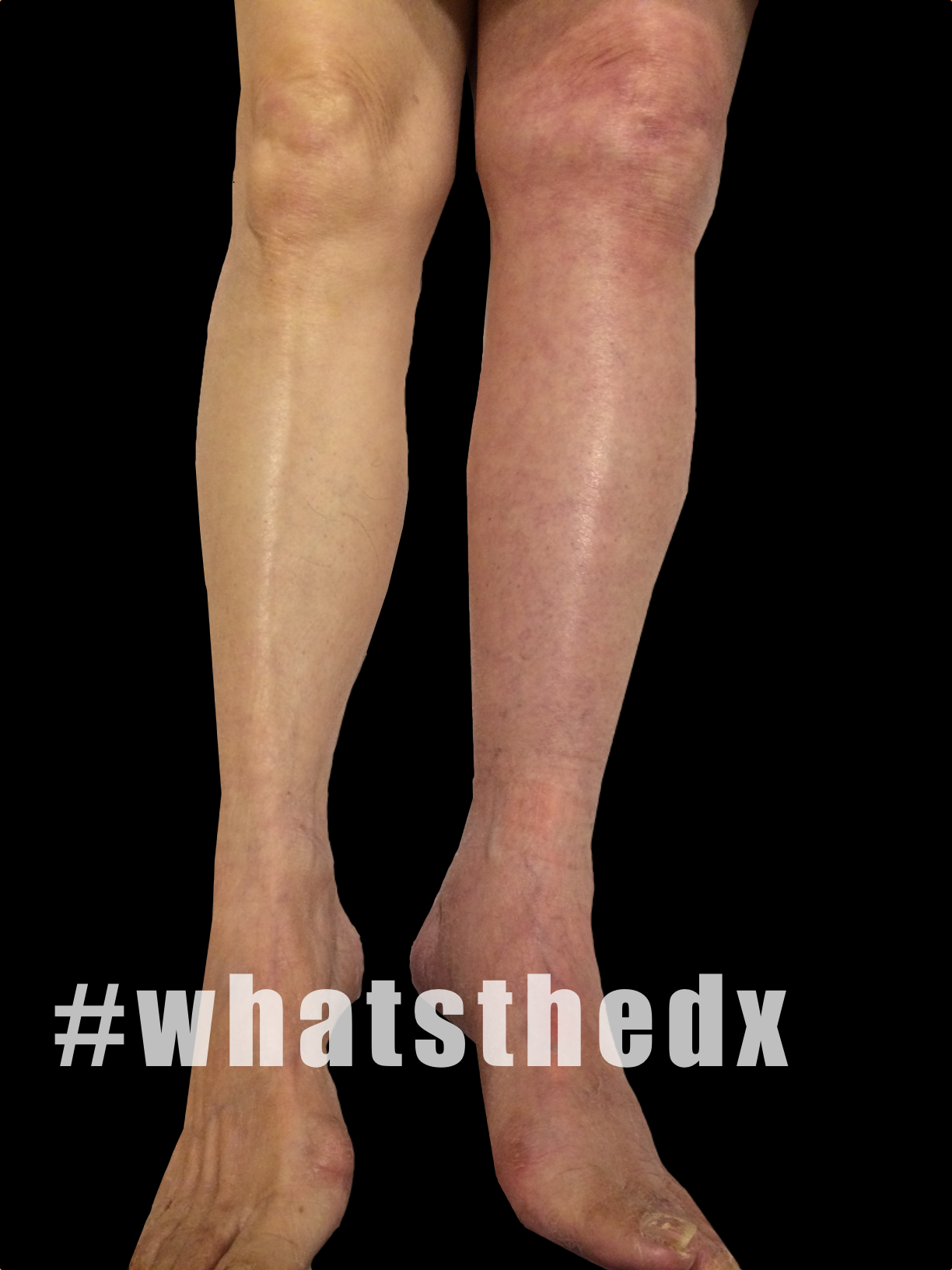
35 year-old female presents with acute leg pain and swelling. What's the diagnosis?
Show Answer
Show References
Afib Clinical Decision Aid: AFFORD
- Atrial fibrillation (AF) affects ~34 million people worldwide; the hospital admission rates vary with frequencies of 81%, 62%, and 24% in the US, Australia, and Canada respectively.
- Lack of a reproducible and accurate risk stratification/decision aid likely contributes to variability in ED disposition.
- AFFORD (Atrial fibrillation and flutter outcome risk determination) was the 1st clinical decision aid (contains 17 variables) to predict 30-day adverse events in a prospective ED patient cohort with acute symptomatic AF.
- Vanderbilt University Medical Center's ED (2010-2013) derived and internal validated an ED based clinical decision aid for prediction of MACE within 30 days utilizing the AFFORD decision aid in hemodynamically stable patients whose AF reverted to sinus rhythm, either spontaneously or after cardioversion (pharmacologic or electrical), and those who are adequately rate controlled and candidates for outpatient management.
- Incorporating AFFORD with a shared decision model into ED practice may help identify patients at low risk and potentially reduce rate of hospitalizations.
Show References
Emergency Departments are increasingly searching for alternatives to opioids for acute pain management.
An urban trauma center in California retrospectively evaluated their use of low-dose ketamine for acute pain over a two-year period. [1]
- 530 patients
- Indications were separated in 7 broad categories such as abdominal pain, back pain, and musculoskeletal pain
- Ketamine dose: 10-15 mg (93% IV, 7% IM)
- No significant changes in heart rate or blood pressure
- 30 patients (6%) experienced adverse effects (psychomimetic/dysphoric reactions, transient hypoxia, emesis) - none were classified as severe based on authors' definitions
Application to Clinical Practice
There was no comparison group and there was no mention of what other pain medicines were given. Adverse events are often under-reported in retrospective studies. This study seems to demonstrate that low-dose ketamine administration for acute pain management in the ED is feasible with a low rate of adverse effects.
It's worth noting that a new review of 4 randomized controlled trials evaluating subdissociative-dose ketamine found no convincing evidence to support or refute its use in the ED. The 4 included trials had methodologic limitations. [2]
Show References
Background: While much of international health focuses on communicable diseases, it is clear that noncommunicable diseases (NCDs), such as cardiovascular diseases, cancer and diabetes, causes substantial morbidity and mortality.
Epidemiology:
- NCDs kill 38 million people each year
- Approximately 28 million of these deaths occur in low- and middle-income countries.
- Of the 38 million deaths, 16 million of these deaths occur in patients <70 years of age
- 82% of these “premature” deaths occur in low- and middle-income countries
- Causes of NCD deaths
- Cardiovascular diseases (heart attacks and strokes): 17.5 million
- Cancers: 8.2 million
- Chronic respiratory diseases (COPD and asthma): 4 million
- Diabetes: 1.5 million
Bottom line: As in developed countries, risk factors for NCDs deaths include physical in activity, tobacco use, unhealthy diabetes, harmful use of alcohol.
Show References
High-Flow Nasal Cannula for Apneic Oxygenation
- In recent years, much has been written about the use of apneic oxygenation for patients who require endotracheal intubation (ETI).
- Critically ill patients often have little cardiopulmonary reserve and can rapidly desaturate during ETI.
- High-flow nasal cannula (HFNC) devices can deliver heated, humidified O2 up to 60 L/min and can provide a modest amount of positive pressure.
- A recent study evaluated the use of a HFNC device for apneic oxygenation in ICU patients requiring ETI:
- Prospective, quasi-experimental, before-after study
- 101 patients in a single ICU in France
- Compared NRB + nasal cannula to HFNC for preoxygenation/apneic oxygenation
- Prevelance of severe hypoxemia (SpO2 < 80%) was significantly lower in the HFNC group
- Clinical Application: Consider using HFNC for apneic oxygenation in critically ill patients with mild-to-moderate hypoxemia who require ETI.
Show References
Question
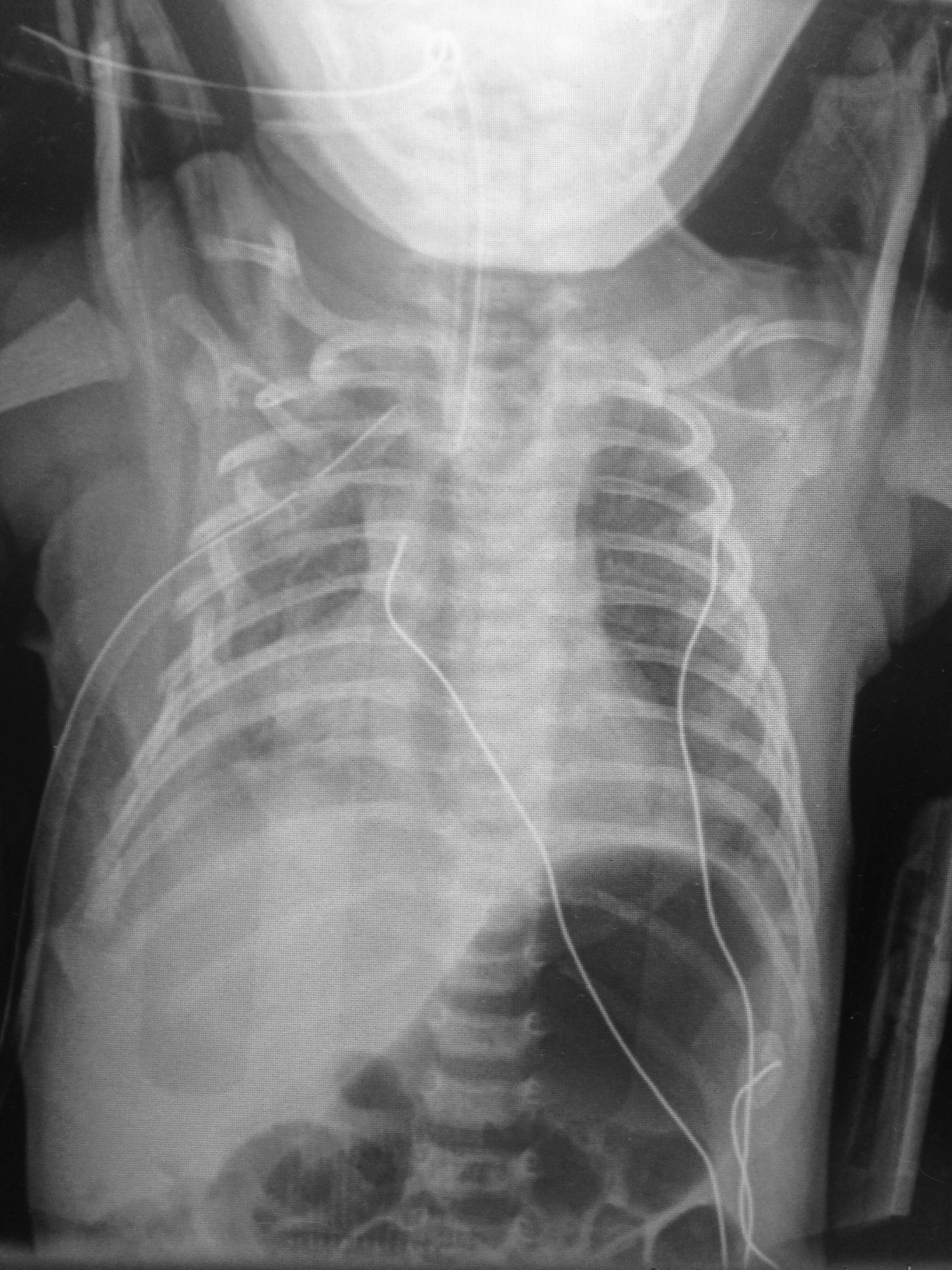
6 day-old child is brought in by parents with 1 day of reduced oral intake and 4 hours of rapid breathing. The child has no fever and no significant birth history. The child is tachycardic, hypotensive, and hypoxic. What’s the diagnosis?
Show Answer
Show References
Safety Risk? Digoxin in Atrial Fibrillation
- Digoxin is commonly utilize for atrial fibrillation/flutter with rapid ventricular response, though beta blockers and/or calcium channel blockers are a better 1st line therapy given digoxin’s narrow therapeutic index and lack of mortality benefit.
- Digoxin in the acute setting is often favored given its ability to reduce the heart rate while maintaining or slightly augmenting blood pressure.
- 2014 AHA/ACC guidelines recommend digoxin, specifically for rate control in patients with heart failure and/or reduced ejection fraction.
- There have been 2 post hoc studies from the AFFIRM trial which showed conflicting results w/regards to digoxin and risk of mortality.
1. Increased risk of mortality associated w/digoxin (on-treatment analytic strategy)
2. No association w/mortality (intent-to-treat analytic strategy)
- A recent retrospective cohort examination of newly diagnosed afib patients without heart failure & no prior use of digoxin; digoxin was independently associated with a 71% higher risk of death & a 63% higher risk of hospitalization.
- Consistent and substantial increase in mortality and hospitalization risk was seen using both on-treatment and intent-to-treat analytic methods.
- Given other available rate control options, digoxin should be used with caution.