
In Memoriam
William T. Carpenter, Jr., MD, Influential Leader in Schizophrenia Research
November 13, 2026
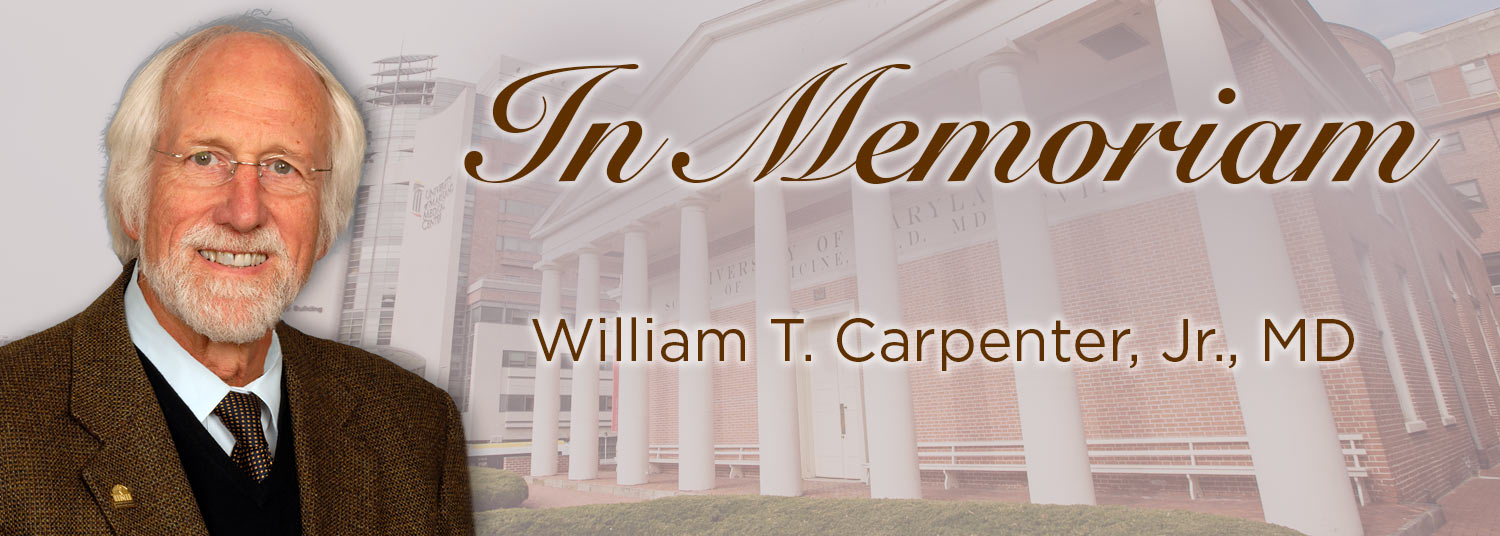
September 15, 1936 – November 11, 2026, Honoring an Extraordinary Life and Legacy
The University of Maryland School of Medicine mourns the passing of William T. Carpenter, Jr., MD, Distinguished Professor and Professor Emeritus of Psychiatry at the University of Maryland School of Medicine. He was a visionary scientist, extraordinary mentor, and beloved colleague and friend to many at UMSOM. Dr. Carpenter passed away on November 11, 2026 at the age of 90. He was among the most influential figures in modern schizophrenia research. His leadership helped shape the Maryland Psychiatric Research Center (MPRC) into one of the world's most respected centers for the study and treatment of serious mental illness.
 Dr. Carpenter served as Director of MPRC from 1977 to 2013, leading the Center for 36 years, and remained an active and influential member of the MPRC community until his retirement in 2023. He began his research career at the National Institute of Mental Health (NIMH) in 1966 and participated in the World Health Organization's landmark International Pilot Study of Schizophrenia. At a time when schizophrenia was poorly understood and treatment options were limited, he recognized the importance of bringing together basic science, clinical research, and compassionate patient care.
With more than 400 scientific publications, Dr. Carpenter made fundamental advances in our understanding of schizophrenia, including its clinical characteristics, negative symptoms, diagnosis, treatment, and long-term course. He challenged the traditional understanding of schizophrenia as a single, uniform disorder, helping establish the distinction between positive symptoms, negative symptoms, and functional impairments. He also pioneered the concept of deficit schizophrenia, identifying a subgroup characterized by enduring primary negative symptoms, an important advance in understanding the heterogeneity of the illness. These contributions helped reshape modern schizophrenia research and approaches to treatment. He championed rigorous clinical trials, advanced ethical principles in psychiatric research, and chaired the Psychotic Disorders Work Group for DSM-5. He also served as Editor-in-Chief of the prestigious Schizophrenia Bulletin from 2005 to 2023, influencing nearly two decades of scientific scholarship and discovery worldwide.
His expertise extended beyond academic psychiatry into matters of national and international significance. He provided expert psychiatric testimony in the historic 1982 trial of John Hinckley Jr., following the attempted assassination of President Ronald Reagan, and in the 1997 murder trial of John E. du Pont. These high-profile cases placed him at the intersection of psychiatry, law, and public understanding of serious mental illness. In 1989, during the administration of President George H. W. Bush, he served on a U.S. State Department delegation to the Soviet Union to investigate the political misuse of psychiatry and the institutionalization of political dissidents. This important mission contributed to international efforts to expose abuses of psychiatric practice, protect human rights, and uphold ethical standards in mental health care.
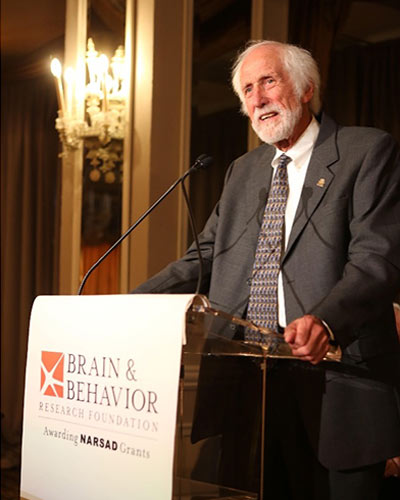
Dr. Carpenter also played an important role in advancing psychiatric research well beyond his own institution. He was instrumental in the establishment of the Brain & Behavior Research Foundation (BBRF), formerly the National Alliance for Research on Schizophrenia and Depression (NARSAD), and served as Chair of the Scientific Program Committee of its Scientific Council. Through this work, he helped shape the Foundation's support of innovative psychiatric research and generations of investigators, an enduring part of its legacy.
Perhaps one of his greatest contributions was the extraordinary number of scientists and clinicians he mentored across the globe. His trainees and mentees became leaders in psychiatry and schizophrenia research, carrying forward his scientific rigor, intellectual curiosity, and commitment to patients. He was deeply admired and loved by generations of mentees who knew him not only as a brilliant scientist, but as a generous teacher, trusted advisor, and lifelong friend.
His many honors reflect a remarkable lifetime of distinction in academic psychiatry. He was elected to the Institute of Medicine of the National Academy of Sciences in 1998, served as President of the American College of Neuropsychopharmacology, and received some of the field's most prestigious awards, including the Lieber Prize for Outstanding Achievement in Schizophrenia Research, the NAMI Mind of America Scientific Research Award, the Adolph Meyer Award, the Menninger Award, and the Sarnat International Prize in Mental Health from the National Academy of Medicine. He also received the Lifetime Achievement Award from the Schizophrenia International Research Society. In 2019, he was awarded the Pardes Humanitarian Prize in Mental Health from BBRF, one of the most prestigious international honors recognizing transformative humanitarian contributions to mental health. This award was especially meaningful because it recognized not only his scientific achievements, but also his lifelong compassion, advocacy, and commitment to the dignity and well-being of individuals living with mental illness.
He and his wife, Carol, also made an extraordinary commitment to the future of psychiatric research through their philanthropy. Together with contributions from colleagues, friends, and organizations, their generosity established the endowed Dr. William and Carol Carpenter Professorship in Psychiatry for Mental Illness Research at the University of Maryland School of Medicine. In 2024, Deanna L. Kelly, PharmD, BCPP, was invested as the inaugural holder of this endowed professorship.
For those fortunate to know him, Dr. Carpenter was so much more than his remarkable professional accomplishments. He loved to laugh and had a remarkable ability to connect with people, whether internationally recognized scientists, young trainees, staff members, or patients.
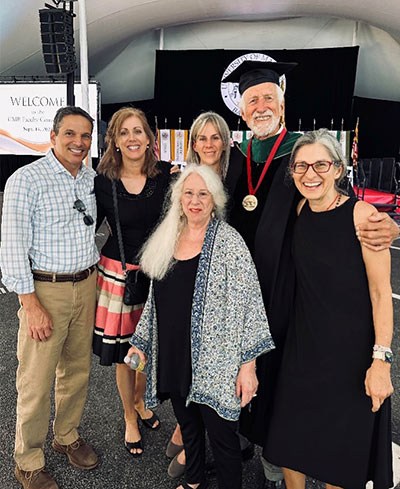 Dr. Carpenter’s extraordinary talents also extended well beyond science and medicine. He was an exceptional athlete, excelling in both basketball and football at Wofford College. He surpassed 1,000 career points in basketball and was inducted into the Wofford College Athletics Hall of Fame in 1989. His football talents attracted the attention of the Baltimore Colts, who recruited him for a professional career. Ultimately, he chose medicine over professional football, a decision that would change the course of psychiatric research and countless lives.
Above all, he put his family at the center of his life: his beloved wife, Carol, three daughters, Prana, Nicole, and Ashley, his son-in-law James, his grandchildren, and his great-grandchild. His family describes him as someone who was simply the best at everything he did, not because of the honors he received, but because of the love, dedication, generosity, and joy he brought to those around him.
One of the most meaningful ways UMSOM has honored his legacy is through the newly named Carpenter Clinic at MPRC in 2026, which brings together the existing Adult Outpatient Clinic and First Episode Program. The Carpenter Clinic is a living testament to the values Dr. Carpenter embodied throughout his career: curiosity, kindness, integrity, humility, and an unwavering commitment to improving the lives of individuals with serious mental illness. Every day, patients and families who walk through its doors will benefit from the philosophy of compassionate, evidence-based care that he helped establish.
Dr. Carpenter leaves an extraordinary legacy in psychiatry and an equally meaningful legacy in the hearts of those who knew and loved him. His influence will continue through the research he inspired, the generations of scientists and clinicians he mentored, and the countless lives touched by his work. He will be remembered not only for his brilliant mind and remarkable achievements, but also for his warmth, kindness, wonderful laughter, and friendship. He will be deeply missed, warmly remembered, and forever appreciated.