
Research Grants & Funding
Shailesh Kantak, PT, PhD, Receives an NIH Grant for Stroke Recovery Research
November 23, 2026
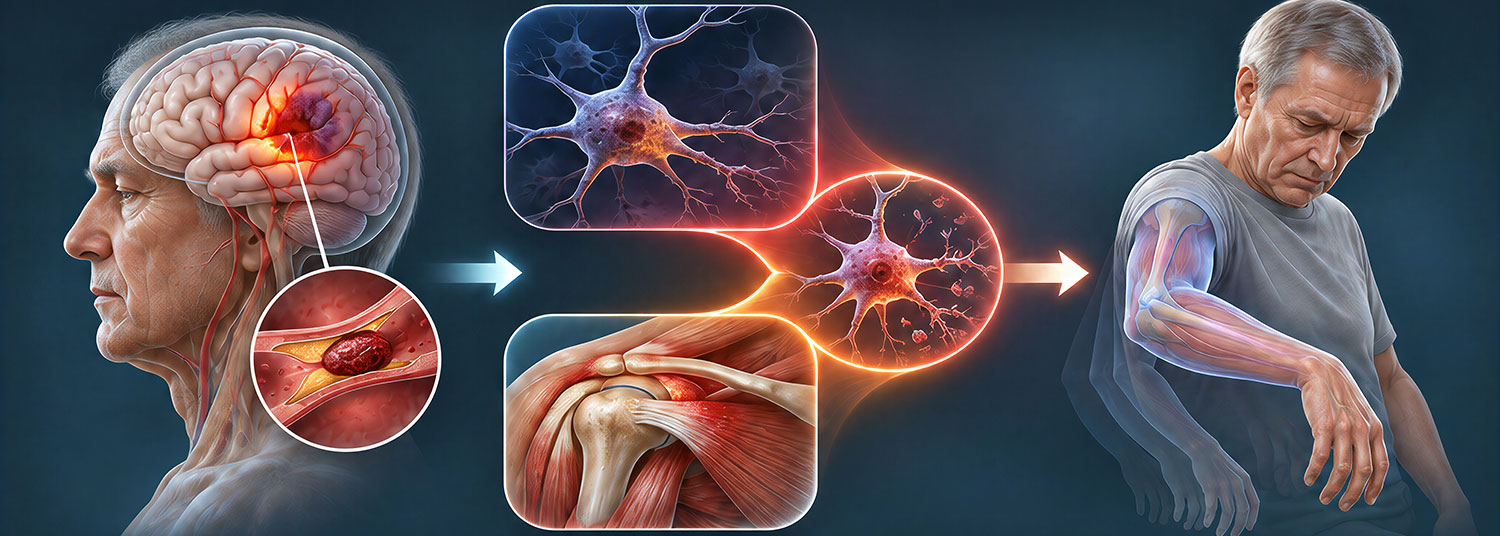
 Shailesh Kantak, PT, PhD, Associate Professor of Physical Therapy and Rehabilitation Science, was recently awarded a grant from the Eunice Kennedy Shriver National Institute of Child Health & Human Development (NICHHD) for his project titled "Targeting post-stroke upper extremity paresis through a synergy between ischemic and mechanical stress."
Dr. Kantak joined the University of Maryland School of Medicine’s Department of Physical Therapy and Rehabilitation Science in July, bringing extensive expertise in neurorehabilitation, teaching, and research. His research explores the behavioral and neurophysiological mechanisms underlying movement recovery following neurologic injury, with a focus on individual differences and optimizing personalized rehabilitation strategies.
With this grant, worth more than $400,000, Dr. Kantak will investigate the effects of combined blood flow restriction and low-intensity resistance training on upper extremity strength, recovery, and neuromuscular mechanisms in chronic stroke survivors. “Arm weakness is one of the strongest predictors of long-term disability after stroke,” Dr. Kantak says. “While high-intensity strength training can improve muscle strength, it is often challenging for stroke survivors. Clinicians therefore rely on low-intensity exercises, which are generally more manageable but less effective at building strength.”
One promising solution is blood flow restriction training, which temporarily limits blood flow to the exercising muscles while individuals perform low-intensity resistance exercises. Research in healthy individuals suggests that this combination can improve strength without requiring heavy resistance.
Over two years, Dr. Kantak's team will examine whether combining blood flow restriction with low-intensity resistance training can improve arm strength and recovery after stroke. The team will also investigate how this approach affects the nervous system and muscles, helping identify which patients are most likely to benefit. Ultimately, the findings could lay the groundwork for a safe, practical rehabilitation approach that promotes faster and more complete arm recovery after stroke.