
UM Greenebaum Comprehensive Cancer Center is First in Region to Offer Innovative Cell Therapy for Synovial Sarcoma
June 03, 2026 | Katie Ghiardi
 The University of Maryland Greenebaum Comprehensive Cancer Center (UMGCCC) is the first in the Maryland, Delaware, Virginia, and Washington D.C. region to offer an innovative cell therapy treatment for patients with an advanced type of soft tissue cancer, known as synovial sarcoma. This single-infusion T-cell therapy, called TCR-T therapy, involves engineering a patient’s own white blood cells to recognize and attack cancer cells.
TCR-T therapy is one of the first of its kind to be FDA approved for solid tumors. The patient’s T-cells are modified to target proteins inside the cancer cell and then infused back into the patient. The cell manufacturing process is similar to CAR T-cell therapy, used to treat blood cancers. While CAR T therapy targets proteins on the surface of cancer cells, TCR-T is able to target proteins inside the harmful cells.
UMGCCC is a national leader in CAR T-cell therapy treatment and research, with an ongoing first-in-human clinical trial for B-cell lymphomas. The Cancer Center has its own cell-processing laboratory – the Fannie Angelos Cellular Therapeutics GMP Laboratory.
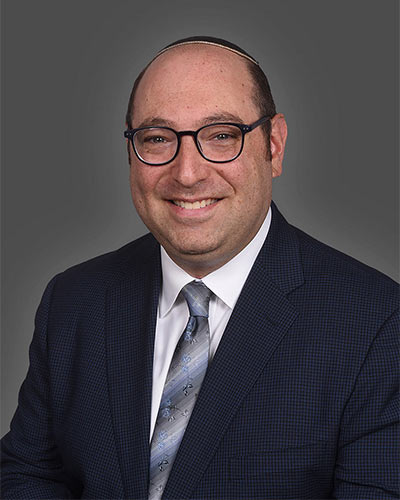
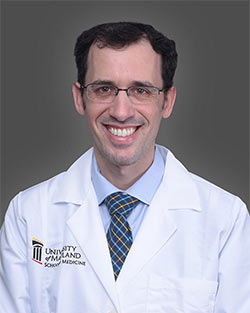 “We are proud to utilize our expertise and experience with CAR-T therapy to offer this novel cellular therapy to patients with treatment resistant synovial sarcoma,” said Ariel Fromowitz, MD, Assistant Professor of Medicine at the University of Maryland School of Medicine (UMSOM) and a hematologist/oncologist at UMGCCC. “The patients we have treated so far have tolerated it well with no serious side effects. We are hopeful and optimistic that they will have durable responses to the treatment.”
Synovial sarcoma is a rare form of cancer that occurs in the body’s soft tissues, including the muscles. It tends to impact younger patients, with one third being diagnosed under the age of 30, according to the National Cancer Institute.
“Standard options for patients with chemotherapy-resistant synovial sarcoma are limited,” said Aaron Ciner, MD, Assistant Professor of Medicine at UMSOM and medical oncologist at UMGCCC. “It is critical that we have this option for patients who are diagnosed with advanced disease or recur after surgery and progress after chemotherapy. We are optimistic that this treatment will lead to a better quality of life and outcomes for our patients.”
 So far, 2 patients have received TCR-T therapy at UMGCCC. Patients must have a specific genetic profile to be eligible for TCR-T and are monitored in the hospital during and after treatment.
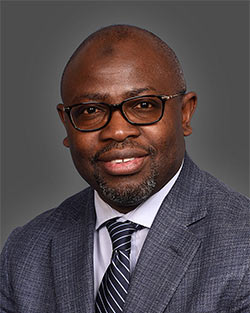
“At UMGCCC, we continue to strive to meet the vision of the Greenebaum family that, "your zip code should not determine the outcome of your diagnosis,”” said Taofeek K. Owonikoko, MD, PhD, Executive Director of UMGCCC and the Kevin J. Cullen Distinguished Professor of Oncology at UMSOM. “We remain committed to bringing advanced treatments closer to home for Marylanders. Patients should not have to travel far to receive the life-saving treatments they need, and we are encouraged by the expansion of this treatment option for synovial sarcoma patients.”
About the University of Maryland Marlene and Stewart Greenebaum Comprehensive Cancer Center
The University of Maryland Marlene and Stewart Greenebaum Comprehensive Cancer Center (UMGCCC) is a National Cancer Institute-designated comprehensive cancer center within the University of Maryland Medical Center in Baltimore, the flagship academic hospital of the University of Maryland Medical System. It offers a multidisciplinary approach to treating all types of cancer and has an active clinical and basic science research program through its relationship with the University of Maryland School of Medicine. The center is ranked among the top 50 cancer programs in the country by US News & World Report. umgccc.org
Contact
Katie Ghiardi
kghiardi@som.umaryland.edu
(301) 742-6959