
Groundbreaking Study Compares Aspirin and Prescription Blood Thinners for Preventing Blood Clots After Hip and Knee Replacement
November 19, 2026
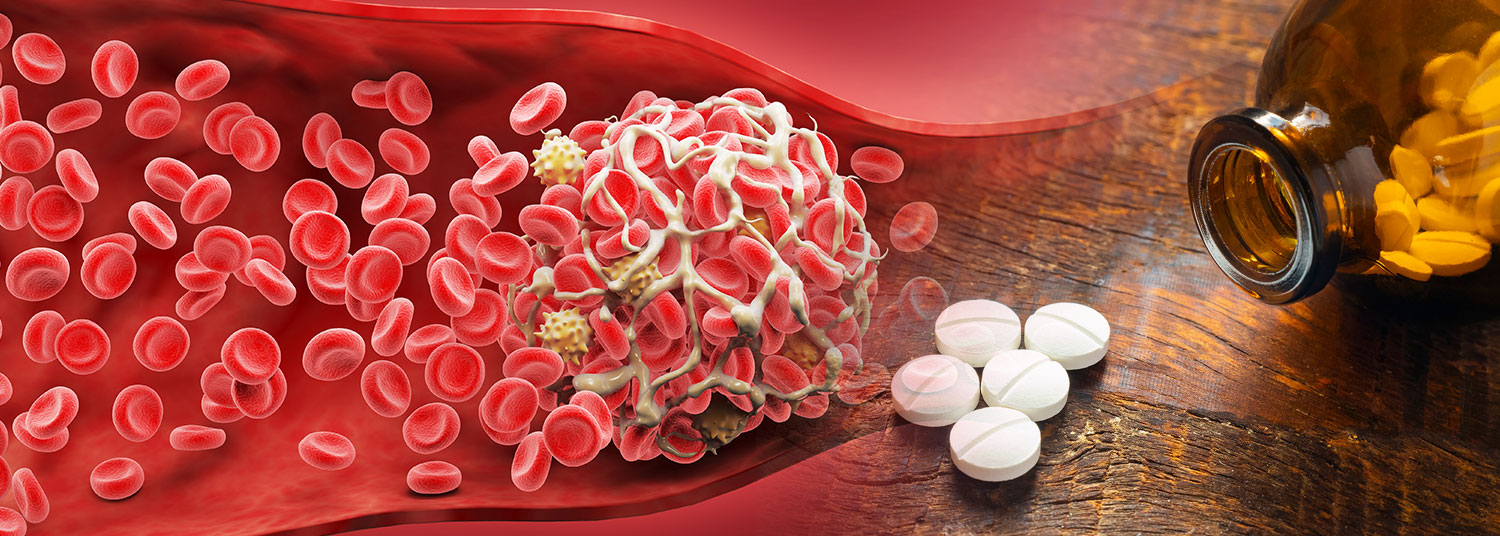
Large clinical trial involving University of Maryland School of Medicine researchers provides new evidence to help patients and physicians weigh risks of blood clots and bleeding after joint replacement
A large, multi-site clinical trial involving researchers at the University of Maryland School of Medicine (UMSOM) has provided important new evidence about the medications commonly used to prevent potentially life-threatening blood clots following hip and knee replacement surgery.
 The study, published in the New England Journal of Medicine, compared aspirin with two anticoagulants, warfarin and rivaroxaban, for preventing venous thromboembolism (VTE) after elective total hip or knee replacement. VTE includes deep-vein thrombosis, a blood clot usually occurring in the leg, and pulmonary embolism, which occurs when a clot travels to the lungs and can be life-threatening.
“For patients and clinicians, the decision is not simply about which medication prevents the most blood clots. It is about balancing the risk of a potentially serious clot against the risk of bleeding and other complications,” said Jay S. Magaziner, PhD, MSHyg, Professor of Epidemiology & Public Health. “By directly comparing three widely used approaches in thousands of patients, the PEPPER trial provides important evidence to help patients and their care teams make more informed decisions.”
The Pulmonary Embolism Prevention after Hip and Knee Replacement (PEPPER) trial enrolled 18,883 patients at 34 medical centers in the United States and Canada, one of the largest evaluations of the commonly used blood-clot prevention strategies following joint replacement. Patients were randomly assigned to aspirin, warfarin or rivaroxaban following surgery and were followed for outcomes through six months.
The study highlights a central challenge in preventing blood clots after joint replacement – weighing which medications would be the most effective in reducing clotting risks against their potential for causing bleeding and other complications post-surgery.
Researchers found evidence that aspirin was slightly worse at preventing blood clots compared to rivaroxaban or warfarin. Conversely, researchers noted that rivaroxaban and warfarin treatment was associated with a small increased risk of bleeding events.
“Despite widespread agreement that some blood thinning is desirable after joint replacement, surgeons and physicians have long debated the value of a simple baby aspirin compared with traditional anticoagulants when trying to balance the risks of excessive bleeding with the benefits of thinning the blood to avoid blood clots—and both may be right,” said Vincent D. Pellegrini Jr., MD, professor emeritus of orthopedics and health practice/clinical policy at the Geisel School of Medicine at Dartmouth University. “The PEPPER trial is the largest study conducted on this subject.”
 Pellegrini, the study’s lead author, explained that the impetus for the trial emerged from discussions during a convening at the University of Maryland School of Medicine.
UMSOM coauthors included Jay S. Magaziner, PhD, MSHyg, and Laurence S. Magder, PhD, of the Department of Epidemiology and Public Health. The Data Coordinating Center within the Department of Epidemiology and Public Health led by Dr. Magder, as well as the Claude D. Pepper Center located on the Baltimore campus also played roles in the study.
The researchers said the results offer comparative risk-benefit information that physicians and patients can use when making decisions before elective hip or knee replacement.
The trial also examined whether results differed between patients undergoing hip and knee replacement. Researchers found no clear evidence of differences among the treatment groups in the primary effectiveness and safety outcomes based on the type of joint replacement. The authors noted, however, a possible greater effectiveness of rivaroxaban compared with aspirin in preventing pulmonary embolism following total hip replacement. The researchers noted that additional evidence is needed before drawing firm conclusions.
The study was funded by the Patient-Centered Outcomes Research Institute.
Contact
Office of Public Affairs
655 West Baltimore Street
Bressler Research Building 14-002
Baltimore, Maryland 21201-1559
Contact Media Relations
(410) 706-5260