
- occurs during neonatal period
- sterile pustules which then change to hyperpigmented macules, often with a rim of scale
- may persist up to 3 months
- histology is characterized by leukocytes
- benign condition with no sequelae
- requires no treatment
Show References
With several new diabetes medications available, it is important to know which ones are likely to cause hypoglycemia after overdose. Based on mechanism of action and reported cases, the likelihood of hypoglycemia after overdose is listed below by drug class.
Keep in mind that other drugs can interact with antidiabetics resulting in hypoglycemia. This table applies only to single agent ingestion/administration.
| Drug Class | Examples | Hypoglycemic Potential |
|---|---|---|
| Insulins | Glargine, Aspart, Detemir | High |
| Sulfonylureas | Glyburide, Glipizide | High |
| Meglitinides | Nateglinide, Repaglinide | High |
| Glucagon-Like Peptide-1 (GLP-1) Receptor Agonists | Exenatide | Low-Moderate |
| Alpha-glucosidase inhibitors | Acarbose, Miglitol | Low |
| Thiazolidinediones | Rosiglitazone, Piaglitazone | Low |
| Biguanides | Metformin | Low |
| Dipeptidyl Peptidase 4 (DPP-4) Inhibitors | Sitagliptin, Saxagliptin | Low |
Show References
Background Information:
A recent review article in NEJM evaluated what effects globalization and climate change can be expected to have on human health. If global population increases and temperatures continue to rise, diseases that were once limited by either remoteness or climatologic regions may have new geographical spread.
Pertinent Conclusions:
There are three primary ways which climate change may be expected to affect health:
- Primary: Direct biologic consequences (i.e. heat waves, extreme weather events, air pollution)
- Secondary: Risks caused by process changes (i.e. decreased crop yields, tropical vectors with increased spread)
-Tertiary: More diffuse effects (mental health issues in failed farmers, conflict due to scarce water)
Bottom Line:
No matter what your views are on the causes, the current trend is that the overall climate is getting warmer and human population is increasing. Anticipation of possible consequences is key to planning for the future.
University of Maryland Section of Global Emergency Health
Author: Andi Tenner, MD, MPH
Show References
Necrotizing Pneumonia
Necrotizing pneumonia is a rare, but potentially deadly complication of bacterial pneumonia.
It is characterized by the finding of pneumonic consolidation with multiple areas of necrosis within the lung parenchyma. Necrotic foci may coalesce, resulting in a localized lung abscess, or pulmonary gangrene if involving an entire lobe.
Most common pathogens: S. aureus, S. pneumoniae, and Klebsiella pneumonia.
Others include S. epidermidis, E. coli, Acinetobacter baumannii, H. influenzae and Pseudomonas.
Contrast-enhanced chest CT is the diagnostic test of choice and is also helpful in evaluating for parenchymal complications.
Empiric antibiotic therapy should include:
- Broad spectrum coverage for commonly implicated pathogens (vancomycin, pseudomonal-dose piperacillin/tazobactam)
- PLUS either clindamycin or metronidazole to cover possibly involved anaerobes
Consider an early surgical evaluation for the patient with necrotizing pneumonia complicated by septic shock, empyema, bronchopleural fistula, or hemoptysis.
Show References
Question
This week's case is challenging, but very interesting...
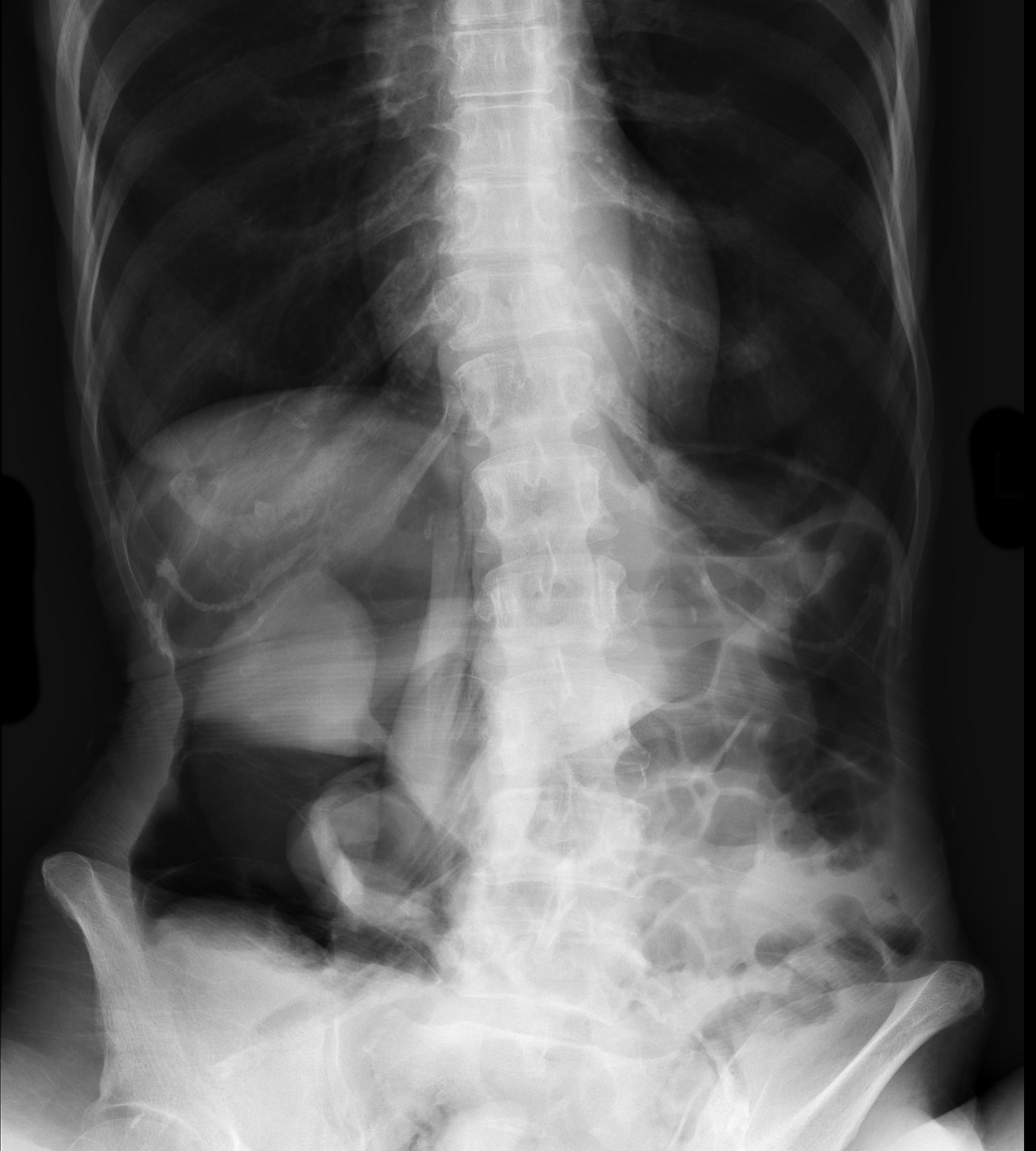
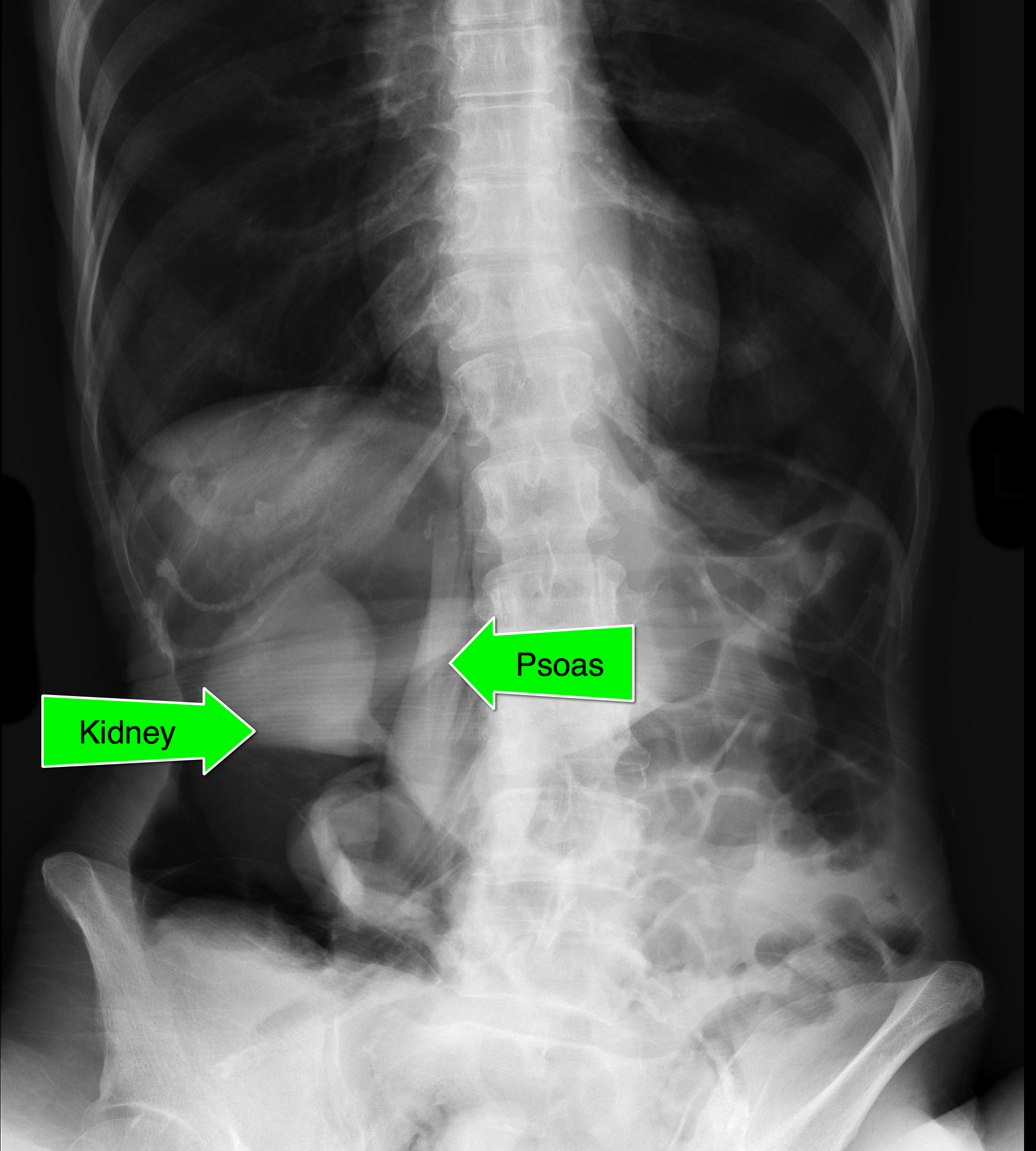
An elderly patient presents with a history of significant weight loss and chronic constipation; abdominal Xray is below. What's the diagnosis? (Hint: why is the right kidney and psoas muscle so well defined?)
Show Answer
Show References
- In 1936 early repolarization (ER) was 1st described as ST-segment elevation in the absence of coronary artery disease, typically viewed as a benign ECG finding (BER) not association with increased cardiovascular mortality
- Classically the prevalence of BER tends to be associated with young athletes, male sex, and black race
- Recent data from Haissaguerre et al. and Tikkanen et al. suggest that certain subtypes of ER may be associated with a predisposition for malignant arrhythmias and sudden cardiac death (SCD)
- Although ER has various definitions contingent on the author, it consists of two components:
- 1.) Prominent J wave
- 2.) ST-segment elevation
- This article (9/13 JACC) focuses on the analysis and importance of the ST-segment contour and its possible relation to “malignant” repolarization
- Several studies (subgroup analysis) have found that a rapidly ascending ST-segment blending with the T-wave (Figures: A & C) confers BER, whereas a flat, horizontal, or even descending ST-segment (Figures: B & D) prior to the T-wave has potential to be malignant
*Please see the attachment below for Figures A-D
Show References
Attachments
Although there is a paucity of data to guide dosing of antimicrobials in the critically ill obese patient, we can draw some conclusions from existing kinetic studies. Assuming normal renal and hepatic function, here's what to do:
Penicillins: Use the high end of dosing range. For example, if the plan is to use piperacillin/tazobactam 3.375 gm IV every 6 hours for a complicated intra-abdominal infection, use 4.5 gm instead.
Cephalosporins: Use the high end of the dosing range.
Carbapenems: Use the high end of the dosing range.
Quinolones: Use the high end of the dosing range.
Aminoglycosides: Dose using adjusted body weight. ABW (kg) = IBW + 0.4 X (actual body weight - IBW)
Vancomycin: 15-20 mg/kg actual body weight every 8 to 12 hours. Adjust based on trough level.
When dosing most antibiotics in critically ill obese patients, use the high end of the dosing range (if not more).
Show References
NMS is most often seen with the typical high potency neuroleptic agents (e.g haldol, fluphenazine)
All classes of antipsychotics can cause NMS, including low potency and newer atypical agents; antiemetics can cause this as well.
Symptoms usually occur after the first 2 weeks of therapy, but may occur after years of use
Signs and symptoms include:
mental status changes
muscular rigidity (“lead pipe”)
hyperthermia (>38 - 40 degrees).
Autonomic instability (tachycardia, tachycardia and diaphoresis)
Treatment includes discontinuation of the offending agent and providing supportive care.
While no clinical trials have ever been undertaken, dantrolene (muscle relaxant) is commonly used.
Bromocriptine (dopamine agonist) may also be used, and amantadine (dopaminergic and anticholinergic agent) is used as an alternative to bromocriptone
Recently, several case reports have documented the successful use of diazepam as a sole pharmacologic agent. This may be an alternative or a supplement to the above agents
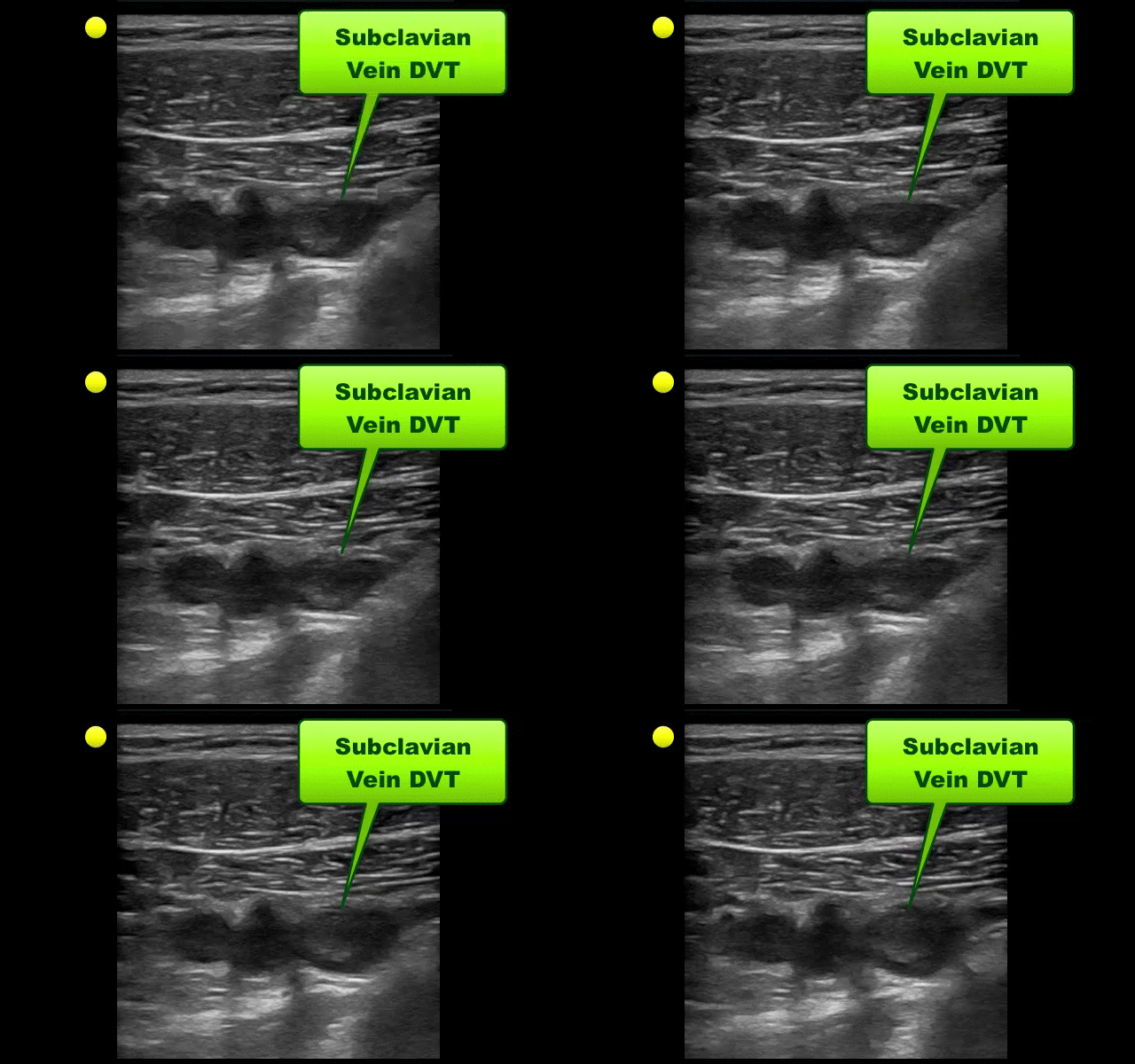
UEDVT comprise 10% of all DVTs (majority are lower extremity), but incidence of UEDVT is rising; UEDVTs are categorized into distal (veins distal to axillary vein) or proximal (from superior vena cava to axillary vein)
Compared to lower extremity DVT, UEDVTs have lower:
- mortality
- risk of pulmonary embolism
- rates of recurrence
75% of UEDVT are secondary (indwelling catheters, pacemakers, malignancy, etc.) and 25% are primary in nature; #1 primary cause of UEDVT is Paget – Schroetter disease
Up to 25% of patients with primary UEDVTs are eventually found to have an underlying malignancy; patients with idiopathic UEDVT should be referred for cancer workup
Treatment includes removal of the catheter (if no longer needed) and:
- anticoagulation (minimum of 3 months)
- consideration of thrombolytics, including catheter-directed administration
- mechanical thrombolysis (clot aspiration, fragmentation, etc.)
- surgical thrombectomy / venous bypass
Show References
Question
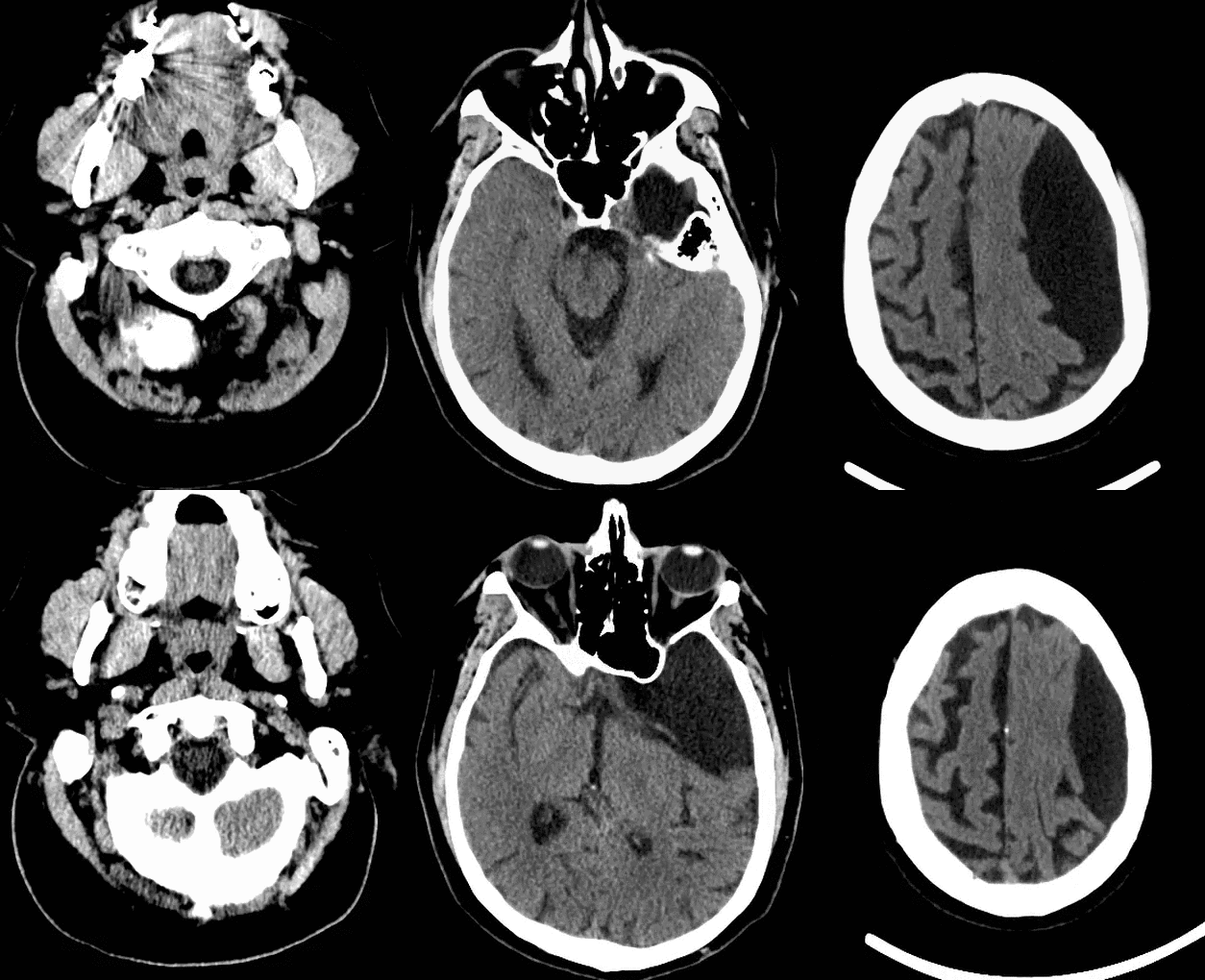
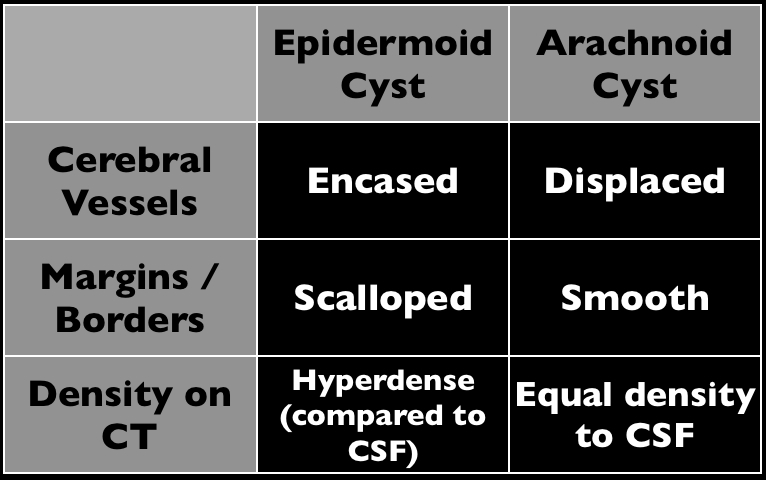
Elderly male presents with headache, confusion, and trouble with gait. What's in your differential diagnosis?
Show Answer
Show References
Adult ED patients are commonly found to have markedly elevated blood pressures (>160/100) without any signs or symptoms of acute organ injury (ie, cardiovascular, renal, or neurological).
A recently revised ACEP clinical policy aims to guide emergency physicians in the evaluation and management of such patients.
They make the following recommendations (Level C):
- Routine screening tests (ie, CXR, ECG, UA, BMP) do not reduce adverse outcomes and are not required from the ED.
- Initiation of medical treatment does not reduce adverse outcomes and is not required in the ED.
- Patients with persistently elevated blood pressure should be referred for primary care follow-up.
- In select patient populations (eg. poor access to care), a screening creatinine level may identify renal injury that may alter disposition.
- If medication is started in the ED, the goal should be to facilitate gradual long-term control. Rapidly lowering blood pressure may be harmful.
Bottom-line:
There's little evidence to guide the decision of which patients with markedly elevated blood pressures to test or treat in the ED. This new clinical policy suggests that routine screening and treatment is not required. Asymptomatic patients should be referred for close follow-up, but consider a BMP in patients with poor follow up.
Want more emergency cardiology pearls? Follow me @alifarzadmd
Show References
Attachments
There are Type 1C Anti-Dysrhythmics, like propafenone and flecainide, that are utilized to suppress atrial fibrillation. They are called Type 1C due to their sodium channel blocking effects. Flecainide has a potent effect on the ECG and has caused significant and resistant widening of the QRS complex.
Typically, a sodium channel blocker like a TCA can be treated with hypertonic sodium bicarbonate but flecainide has been resistant to this at times and there is a reported overdose utilizing magnesium sulfate. (1) Keep that in mind if you were to see a widened QRS complex in the face of a flecainide ingestion.
There has been a Brugada ECG pattern also reported (I know Amal is smiling) (2) ontop of the widened QRS, PR intervals though minimal effect on the QT.
Show References
General Information:
-MERS-CoV (Middle East Respiratory Syndrome) is a novel coronavirus that produces a SARS-like syndrome. (You might have seen a pearl about this from us in March...)
-Since that time there have been a total of 102 laboratory-confirmed cases with 42 deaths (almost half!)
-All known cases had links to the Arabian Peninsula, although there has been some local non-sustained transmission
Relevance to the EM Physician: Consider MERS-CoV in patients with SARS-like syndrome who have traveled or had contact with someone who has traveled to the Arabian Peninsula within the past 14 days.
Bottom Line: Ask about recent travel in patients with severe acute respiratory illness. If you suspect MERS-CoV, contact your local health department.
University of Maryland Section of Global Emergency Health
Author: Andi Tenner, MD, MPH
Show References
Background
- Stroke is common in the first few weeks after a transient ischemic attack (TIA) or minor ischemic stroke.
- Aspirin reduces the risk of recurrent stroke by 12% or so.
- Thus far there is a trend toward no benefit from dual anti-platelet treatment.
Trial
- Randomized, double blind, placebo-controlled trial conducted in China.
- 5170 patients were randomized to either combination therapy with clopidogrel and aspirin (clopidogrel at an initial dose of 300 mg, followed by 75mg per day for 90 days, plus aspirin 75 mg per day for 21 days) or to placebo plus aspirin.
- Primary outcome was stroke during 90 days of follow-up using intention to treat analysis
Results
- Stroke occurred in 8.2% of patients in the aspirin-clopidogrel group as compared with 11.7% in the aspirin group (Hazard ratio 0.68; 95% confidence interval, 0.57-0.81; p<0.001). Rates of hemorrhage were similar in both groups (0.3%).
- Relative risk reduction of stroke at 90 days by 32%.
Conclusions
- Patients with acute TIA or minor stroke may benefit from combination therapy with no increased risk of hemorrhage
Bottom Line:
- 41,561 patients were screened in order to find 5170 appropriate patients!
- Patients with major stroke, who are risk for hemorrhage, and have isolated sensory TIAs, were excluded.
- The trial was conducted in China, so the results may not apply in other countries (A similar trial, the Platelet-Oriented Inhibition in New TIA and Minor Ischemic Stroke (POINT) study is being done in North America).
- Decision to treat should be made with neurology assistance.
Show References
Question
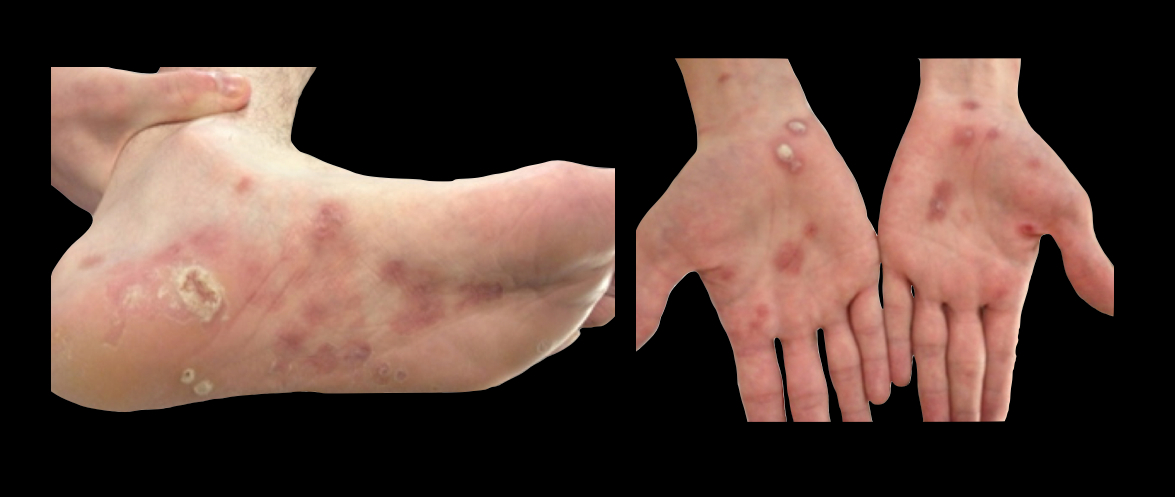
23 year-old patient presents with a rash on his palms and soles. He also states that he had a something strange on his genitals several weeks before. What's the diagnosis and what’s the treatment (including dosing) for this disease?
Show Answer
Show References
- 1st generation drug-eluting stents (DES) have been shown to reduce restenosis and target vessel revascularizations (TVR) compared with bare-metal stents (BMS) in patients with STEMI
- 1st generation DES have also been associated with increased rates of very late stent thrombosis (ST), raising concerns over the safety of these devices in patients with STEMI, who compared to patients with stable coronary artery disease, have greater rates of ST due to heightened platelet activation and the presence of thrombus
- The most important finding in this study is the significantly reduced risk of 1-year cardiac death, MI, and ST with CoCr-EES (cobalt-chromium everolimus eluting stent) compared to BMS
- The observed reduction in MI, ST, and composite cardiac death rates with CoCr-EES compared to BMS is consistent with experimental data suggesting that stents covered by fluorinated polymers are less thrombogenic than even BMS
Show References
We will all see a patient that comes into the Emergency Department stating they have ingested some wild or self-picked mushrooms. Usually they will be actively vomiting and there will be no mushroom to identify. If there is, identification may still be difficult. There are no other clinical relevant symptoms that you can see until its too late. Amanita species is lethal and may require liver transplant. The most important question you can ask after trying to identify the mushroom is:
When did you eat the mushroom and how long after did the vomiting start?
As a general rule (with some exceptions), Amanita species cause vomiting and diarrhea in a delayed fashion 5-6 hours after ingestion. The other non hepatotoxic species usually cause vomiting within 1-3 hours.
Immediate vomiting <6 hrs from time of ingestion is good (usually).
General Information:
·You must know the diagnosis to deliver effective and high quality care to patients; likewise for health systems to be effective, it is necessary to understand what the global burden of disease is.
·In 1991, the World Bank and World Health Organization launched the Global Burden of Disease Study which as of 2010 evaluates 291 disease and injuries as well as 1160 sequelae of these causes.
·In order to compare the burden of one disease with that of another, you must consider death and life expectancy of persons affected by the disease as well as disability imposed by the condition.
·The combined composite summary metric is termed disability adjusted life years (DALYs).
·There have been three major worldwide studies to date (1990, 2005, 2010) attempting to quantify the burden of disease yet no study to date has ever attempted to quantify the burden of disease requiring emergent intervention.
Bottom Line:
DALYs are a useful tool for quantifying the burden of disease and provides essential input into health policy dialogues to identifies conditions and risk factors that may be relatively neglected and others for which progress is not what was expected. To date, there has been no rigorous scientific effort to quantify the burden of disease worldwide that requires emergent intervention to avoid death and disability.
University of Maryland Section of Global Emergency Health
Author: Emilie J. B. Calvello, MD, MPH
Show References
Question
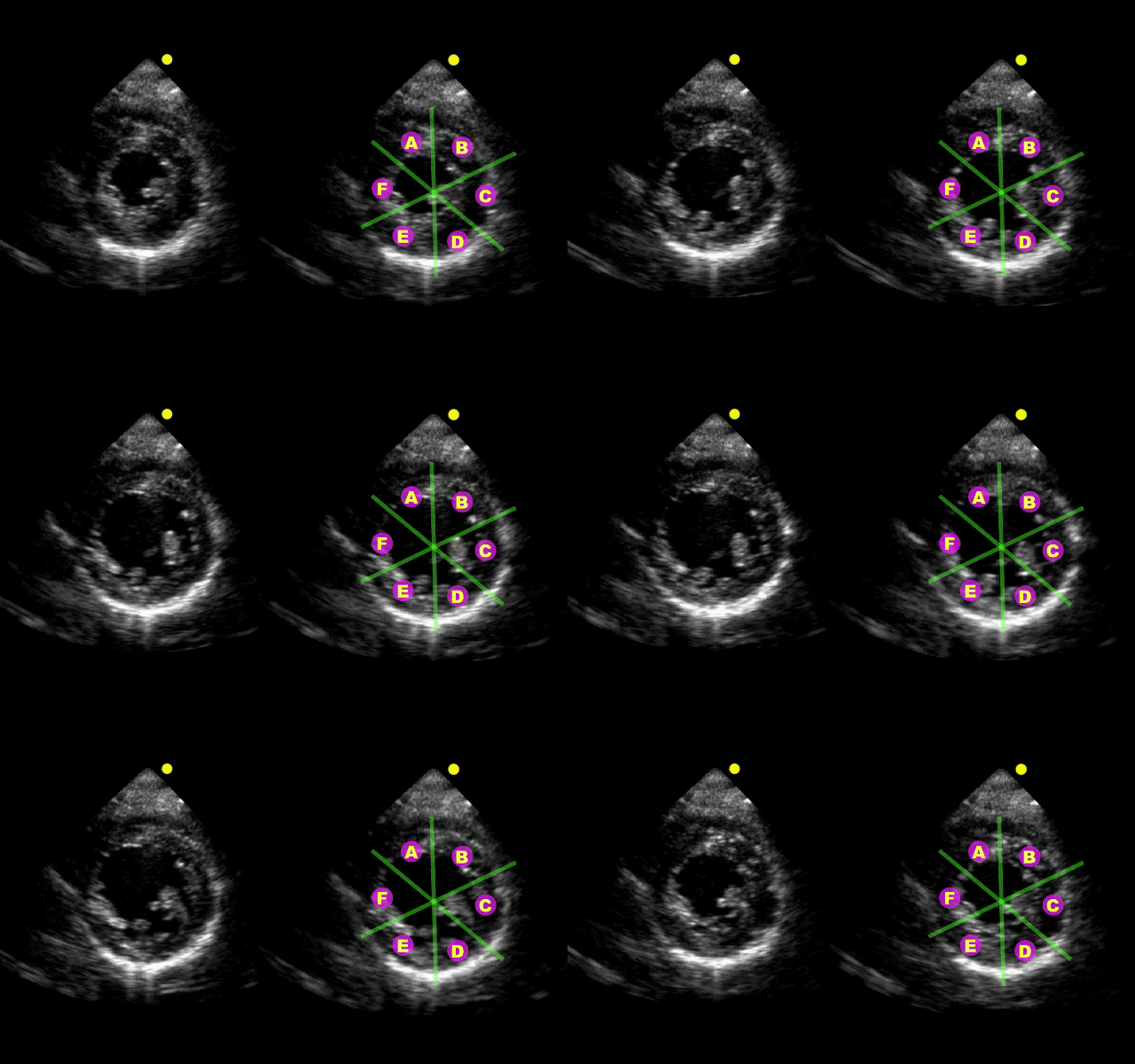
Which echocardiographic view of the heart is this and can you name all 6 segments of the left ventricle? (Hint: A = Anteroseptal wall)
Show Answer
Charcot Joint - Neuropathic arthropathy
A Charcot Joint is a progressive degeneration of a weight bearing joint that is normally seen in patients that have decreased peripheral sensation and proprioception.
Conditions associated with Charcot Joints are:
• Alcohol neuropathy
• Cerebral palsy
• Diabetes mellitus
• Spinal Cord Injury
• Strokes
• Syphilis (tabes dorsalis)
The foot is most commonly affected and radiographs can also show bony destruction, bone resorption, and gross deformity. The onset of pain and deformity is typically insidious. Charcot joints are often associated with ulcerations, secondary osteomyelitis, and can lead to amputations.
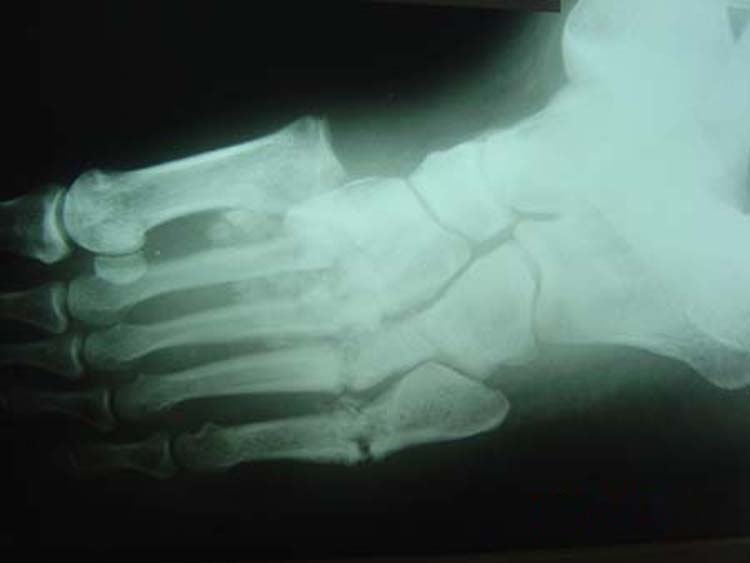
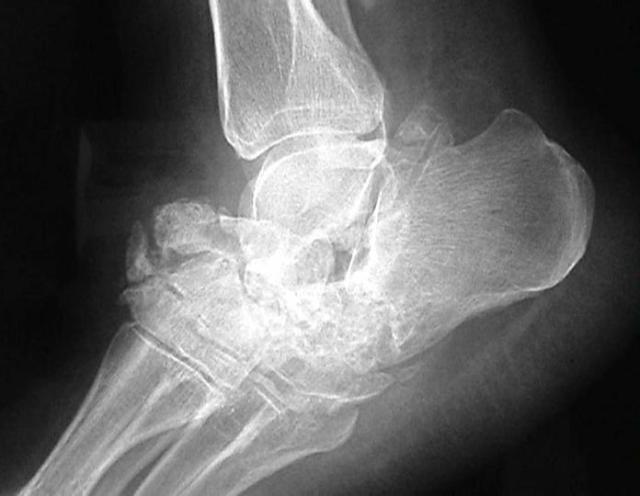
It is important to recognize the presence of a Charcot Joint so that the patient can be referred to Orthopaedics and treated (often with cast immobilization) to prevent further destruction of the joint.