
The NEXUS criteria is widely applied to adults who present with neck pain due to trauma. While this study did include about 2000 pediatric patients, there were not enough young children to draw definitive conclusions. For more information on the evaluation of the cervical spine, see Dr. Rice's pearl from 9/7/12. A 2003 study piloted an algorithm for cervical spine clearance in children < 8 years.
Patients were spine immobilized if: unconscious, abnormal neurological exam, history of transient neurological symptoms, significant mechanism of injury, neck pain, focal neck tenderness or inability to assess based on distracting injury (extremity or facial fractures, open wound, thoracic injuries, or abdominal injuries), physical exam findings of neck trauma, unreliable exam due to substance abuse, significant trauma to the head or face, or inconsolable children.
When the 2 pathways (see attached) were implemented, there was a decrease in time to cervical spine clearance. There were no missed injuries in the study period prior to implementation of the pathway or once it was implemented. There was no significant difference in the amount of xrays, CT scans or MRIs.
Show References
Attachments
Food poisoning can occur with many different food groups/items, as well as how the food is prepared, handled or stored.
There are three specific “food poisonings” associated with fish consumption can cause serious toxicity/illness beyond GI symptoms: Ciguatera, Scrombroid, tetrodotoxin (puffer fish)
Ciguatera
- Endemic to warm tropical water and bottom reef dwelling large carnivorous fish: grouper, red snapper, barracuda, amberjack, parrot fish, etc. (> 500 species).
- Toxin: ciguatoxin: opens voltage gated Na channel
- Produced by dinoflagellates (gambierdiscus toxicus) and bioaccumulates in large fish through food chain (eating small fish).
Symptoms:
- GI symptoms: n/v/d and abdominal pain
- Hot/cold reversal
- Paresthesia of tongue/lip >> extremities
- Dental pain: “loose teeth”
May progress to develop…
- T wave changes, bradycardia, hypotension
- Respiratory paralysis and pulmonary edema
Treatment: supportive care and mannitol in presence of severe neurologic symptoms (limited evidence).
Scrombroid
- Endemic in (dark meat) fish living in temperate or tropical water: amberjack, skipjack, tuna, mackerel, albacore, mahi mahi, etc.
- Associated with poor refrigeration/storage after catching fish.
- Histidine in tissue is converted to histamine by bacteria on the fish skin.
Symptoms:
- GI symptoms: n/v/d and abdominal pain
- Upper body flushing
- Puritis, urticarial and perioral swelling can occur
- Palpitation and mild hypotension
Tx: H1/H2 blockers and supportive care
Serious reactions: treat like allergic/anaphylactic reaction
Tetrodotoxin
- Ingestion of improperly prepared puffer fish (fugu) sushi (or bite from blue ring octopus)
- Toxin: tetrodotoxin: blocks voltage gated Na channel.
- Highest concentration in liver and ovary.
Symptoms:
- GI: n/v/d
- Progressive paresthesia and weakness (bulbar-> extremities), ataxia
- Ascending paralysis and respiratory distress/paralysis
- Dysrythmia and hypotension
- Mental status preserved.
Treatment: supportive care and intubated if needed.
While sitting on an international flight, ever wonder what your risks are for a blood clot?
General Background:
It is estimated that the risk for a deep venous thrombosis (DVT) is 3-12% on a long-haul flight. However, the real incidence is difficult to evaluate, due in part to the lack of consensus about 1) diagnostic tests, and 2) the appropriate time frame to relate a venous thromboembolic event (VTE) to travel.
Risks Factors for VTEs on long-haul flights:
- General:
- stasis: prolonged sitting & crowded conditions
- relative hypoxia
- dehydration
- Patient specific:
- Age >40
- Female gender
- Use of estrogen-containing contraceptives/hormone replacement therapy
- Obesity
- Varicose veins in the legs
- Family/personal history of prior VTEs
- Active cancer/recent cancer treatment
Bottom Line:
- Even healthy individuals are at risk on long-haul (>8 hour) flights.
- The risk increases the longer the flight
- Current data does not appear to show a risk difference between economy and business class.
- Avoid dehydration and immobility
- Exercise your legs/calf muscles
- Drink plenty of fluid
Show References
Infectious Risks Associated with TTM
- Targeted temperature management (TTM) is commonly used in the care of patients resuscitated from cardiac arrest.
- Despite improving neurologic outcomes, TTM can increase the risk of infection, bleeding, coagulopathy, arrhythmias, and electrolyte derangements.
- Infectious complications of TTM are associated with increases in ICU length of stay, along with increases in the duration of mechanical ventilation.
- Pneumonia and bacteremia are the two most common infectious complications of TTM, with S.aureus the most common single pathogen isolated in cases of infection.
- Since TTM may suppress normal signs of infection, it is important to be vigilant for these two infectious complications.
- At present, evidence does not support prophylactic antibiotics for all patients receiving TTM.
Show References
Question
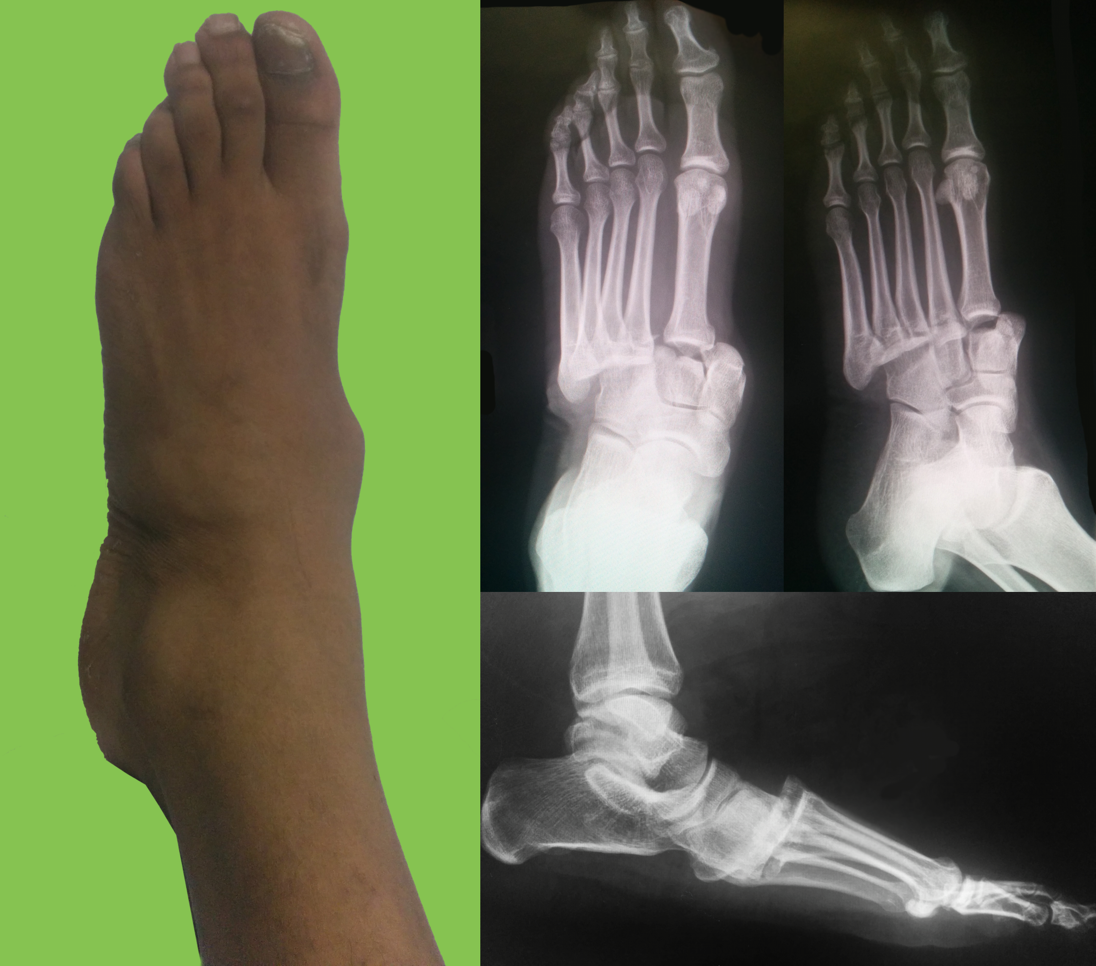
Football player complains of sudden foot pain after begin tackled. What’s the diagnosis?
Show Answer
Show References
Optimal Revascularization in Complex Coronary Artery Disease
- A multicenter trial 4,566 patients with NSTEMI, unstable angina, and multi-vessel coronary artery disease were enrolled comparing outcomes of cardiac stenting versus coronary artery bypass.
- Cardiac stenting was associated with improved outcomes and lower mortality in the following subgroups: age >65 years, women, unstable angina, TIMI score >4, and 2 vessel disease.
- Despite high clinical risk patients who underwent cardiac stenting compared to surgical revascularization did better in this prospective registry.
Show References
Back pain accounts for more than 2.6 million visits
30% of ED patients receive X-rays as part of their evaluation
Imaging can be avoided in a majority of these patients by focusing on high risk (red flags) findings in the history and physical exam.
Patients who can identify a an acute inciting event without direct trauma likely have a MSK source of pain.
Imaging rarely alters management
Attempt to avoid imaging in patients with nonspecific lower back pain of less than 6 weeks duration, with a normal neurologic exam and without high risk findings (fever, cancer, IVDA, bowel or bladder incontinence, age greater than 70, saddle anesthesia, etc)
Patients with radiculopathy (sciatica) and are otherwise similar to the above also do not require emergent imaging
- The human enterovirus D68 is a rare virus closely related to the rhinovirus which causes the common cold. However, there have been recent outbreaks throughout the midwest and the areas are rapidly expanding.
- Mild symptom onset of rhinorrhea and cough rapidly progress to hypoxia and respiratory distress.
- Key features are the rapid progression, presence of wheezing even without a history of reactive airway disease, and typically an absence of consolidation on chest XR.
- Children under 5 years and those with asthma are at the greatest risk for respiratory failure.
- There are a limited number of labs in the US which test specifically for EV-D68. At UMMC, the Luminex respiratory virus panel can be ordered using the kit form which includes a flocked swab and viral transport media. Unfortunately, the panel does not differentiate between the closely related enterovirus and rhinovirus.
- There is no definitive cure, rather only supportive care and low-threshold for admission/observation for high risk patients.
Show References
Digoxin-specific antibody fragments (Fab) are safe and indicated in all patients with life-threatening dysrhythmias and an elevated digoxin concentration. However, full neutralizing doses of digoxin-Fab are expensive and may not be required (not to mention cumbersome to calculate).
Based on pharmacokinetic modeling and published data, a new review suggests a simpler, more stream-lined dosing scheme as follows:
-
In imminent cardiac arrest, it may be justified to give a full neutralizing dose of digoxin-Fab.
-
In acute poisoning, a bolus of 80 mg (2 vials), repeat if necessary, titrated against clinical effect, is likely to achieve equivalent benefits with much lower total doses.
-
With chronic poisoning, it may be simplest to give 40 mg (1 vial) at a time and repeat after 60 min if there is no response.
Show References
Why is everyone obsessed about blood pressure management in stroke?
Greater than 60% of patients with stroke have elevated blood pressure, and 15% have a systolic blood pressure (SBP) greater than184 mmHg. That is more common in hemorrhagic stroke than ischemic stroke.
Whether it's an acute hypertensive response or a premorbid uncontrolled hypertension, it is likely to negatively affect the clinical course and neurological outcome.
Below is a suumary of the current guidelines for blood pressure management of stroke subtypes; for a more detailed summary of the guidelines, refer to the original article (below)
Ischemic stroke:
Lytic patients have a target SBP of <185mmHg, whereas nonlytic patients have a higher SBP target of <220mmHg
Hemorrhagic Stroke:
Non-aneurysmal hemorrhage patients with a SBP >180mmHg have a target SBP of <160 mmHg, whereas if their SBP was 150-220 mmHg then lowering it to 140 mmHg is safe. Patients with aneurysmal hemorrhage have a target SBP of <160mmHg
Show References
Goal-Directed Resuscitation During Cardiac Arrest
Focusing on high-quality CPR is by far one of the most effective methods to ensure your arrested patient has the best chance to survive. However, emerging evidence suggests that there are additional goals that we should try and accomplish during our resuscitation.
As we continue to move toward goal-directed resuscitation strategies, optimizing coronary perfusion pressure (CPP) may be our next target in “personalizing” the care we provide to those in cardiac arrest.
A recent AHA consensus statement recommended the following physiologic goals during cardiac arrest care:
- CPP > 20 mmHg: Estimated by diastolic BP [DBP] – [CVP] using an arterial line & central line.
- DBP > 25 mmHg: When an a-line is present without an appropriate CVC.
- EtCO2 > 20 mmHg: When an a-line & CVC are not present.
Each of these variables can give the provider valuable feedback about how their patient is responding to their resuscitation. Some argue that the DBP target should be much higher (>35 mmHg), with the caveat that pharmacologic optimization can only occur once high quality CPR is confirmed. The goal should always be to minimize the use of epinephrine whenever possible!
Bottom Line: During your next cardiac arrest resus, consider using a goal-directed strategy by monitoring the patient’s CPP, DBP, & EtCO2 to determine the effectiveness of your resuscitation.
Suggested Reading
- Meaney PA, Bobrow BJ, Mancini ME, et al. Cardiopulmonary resuscitation quality: [corrected] improving cardiac resuscitation outcomes both inside and outside the hospital: a consensus statement from the American Heart Association. Circulation. 2013;128(4):417-35.
- Sutton RM, Friess SH, Maltese MR, et al. Hemodynamic-directed cardiopulmonary resuscitation during in-hospital cardiac arrest. Resuscitation. 2014;85(8):983-6.
Follow me on Twitter @JohnGreenwoodMD
Question
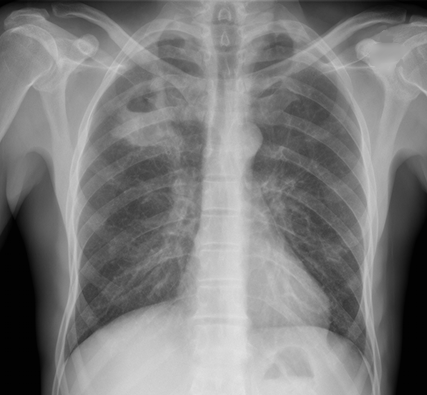
CXR shown below, what's the diagnosis? ...and name 3 differential diagnoses.
Show Answer

Show References
PARADIGM Shift in Heart Failure
- Angiotensin-converting enzymes inhibitors (ACE-I) are cornerstone for treatment of heart failure (HF) given the multiple trials which have shown their positive risk reduction in cardiovascular death.
- Studies looking at the effect of angiotensin-receptor blockers (ARBs) on mortality have been inconsistent; thus ARB's have been recommended as 2nd-line for those who have unacceptable side effects to ACE-I.
- A recent double-blinded RCT (PARADIGM-HF) ~8400 patients with class II-IV HF w/ ejection fraction <40% were treated with enalapril (standard therapy) versus novel therapy with neprilysin (neutral endopeptidase) inhibitor combined with an ARB.
- Primary outcomes were death from cardiovascular causes and hospitalization for HF; The RCT was ceased early (~27 months) because of an overwhelming benefit with the new agent.
- At study closure death occurred 26.5% in the standard group versus 21.8% in the novel group. The risk of HF hospitalization was decreased 21% with novel therapy.
- In early studies the use of a neprilysin inhibitor combined with an ARB has shown superior effects to current standard therapy (ACE-I), however long-term effects of this novel therapy are yet to be determined.
Show References
In May 2014, the U.S. Public Health Service released the first comprehensive clinical practice guidelines for PrEP.
Pre-Exposure Prophylaxis (PrEP) has been shown to decrease the risk of HIV infection in people who are at high risk by up to 92%, if taken consistently.
How this applies to the ED patient:
- You may start seeing more patients on only one HIV medication. The PrEP recommendation is once daily emtricitabine/tenofovir (Truvada) 200/300 mg.
- This is not a therapy that should generally be initiated in the ED as close outpatient monitioring and follow up is essential.
For more information, the CDC has a comprehensive website dedicated to PrEP.
Show References
Dysrhythmia-induced sudden death, termed "sudden sniffing death syndrome," is well described phenomena due to inhalant (chlorinated and aromatic hydrocarbon) abuse.
Common inhalants include:
Chlorinated hydrocarbons: Degreasers, spot removers, dry-cleaning agents
Fluorocarbons: Freon gas, deodarants
Toluene: Paint thinners, spray paint, airplane glue
Butane: Lighter fluid, fuel
Acetone: Nail polish remover
The common theory behind the syndrome is cardiac sensitization that increases susceptibility of the heart to systemic catecholamines (epinephrine, norepinephrine, etc). Usually, it occurs after an episode of exertion in that any excess catecholamine exposure causes irritability of the myocardium, resulting in dysrhythmias (V. fib, V. tach) and cardiac arrest.
If acute dysrhythmias is due to myocardial sensitization, sympathomimectis should be avoided. Beta-adrenergic antagonist can be used for the catecholamine-sensitized heart.
Hyperthermia can be defined as a core body temperature > 38.5ºC. In contrast to fever, the body’s temperature rises uncontrollably and the body is not able to dissipate the heat. There can be many causes of hyperthermia, including from environmental exposure.
There are two main environmental heat illnesses, heat exhaustion and heat stroke.
Heat exhaustion:
- Vague malaise, fatigue, headache
- Core temperature may be normal or elevated (below 40ºC)
- May have tachycardia, orthostatic hypotension, clinical dehydration
- Liver function tests (transaminases) may be normal or elevated
- IMPORTANT- there is no altered mental status (i.e.: no coma or seizures)
Heat stroke
- Usually tachycardia, orthostatic hypotension, clinical dehydration
- May have hot, dry skin, but not always
- Liver function tests (transaminases) are markedly elevated
- May have rhabdomyolysis and renal failure
- IMPORTANT- Signs of altered mental status (i.e.: coma, seizure, delirium)
- Mortality may be up to 33%
Bottom line:
- Heat stroke is a life threatening emergency.
- Early recognition and rapid appropriate therapy can save a life
- The most effective cooling is evaporative cooling along with ice packs
Show References
Vasopressors are used in shock-states to increase mean arterial pressure (MAP) and improve distal tissue perfusion. Additionally, some agents have effects on the heart to augment cardiac output.
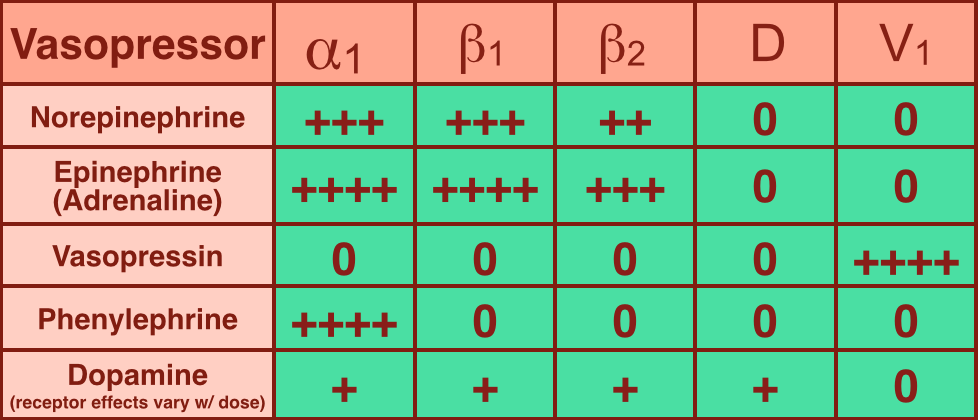
Receptors that vasopressors work on include:
- Alpha-1: increase arterial tone (increases MAP) and venous tone to reduce venous pooling and augment cardiac preload
- Beta-1: increase inotropy and chronotropy on heart muscle; also increases arterial tone
- Beta-2 and Dopamine: cause vasodilation but may actually be beneficial because this increases perfusion to cardiac, renal, and GI tissues.
- V1: arterial vasoconstriction to increase MAP
- The chart below is a summary; please note that quoted receptor effects vary depending on the source reviewed
Norepinephrine (NE): excellent vasopressor for most types of shock and recommended as a first-line agent in the Surviving Sepsis Guidelines.
- Works on alpha-1, beta-1, and beta-2 receptors.
- Initial dosing 0.05 mcg/kg/min with a maximum dose often cited as 0.5 mcg/kg/min (though there is technically no maximum dose).
Epinephrine (a.k.a. Adrenaline): in several countries the first-line agent for shock (including sepsis).
- Works similarly to NE on alpha-1, beta-1 and beta-2; it is a more potent inotrope than NE.
- One downside is the production of lactic acid, which can sometimes lead to confusion when following serial lactates during resuscitation.
Show References
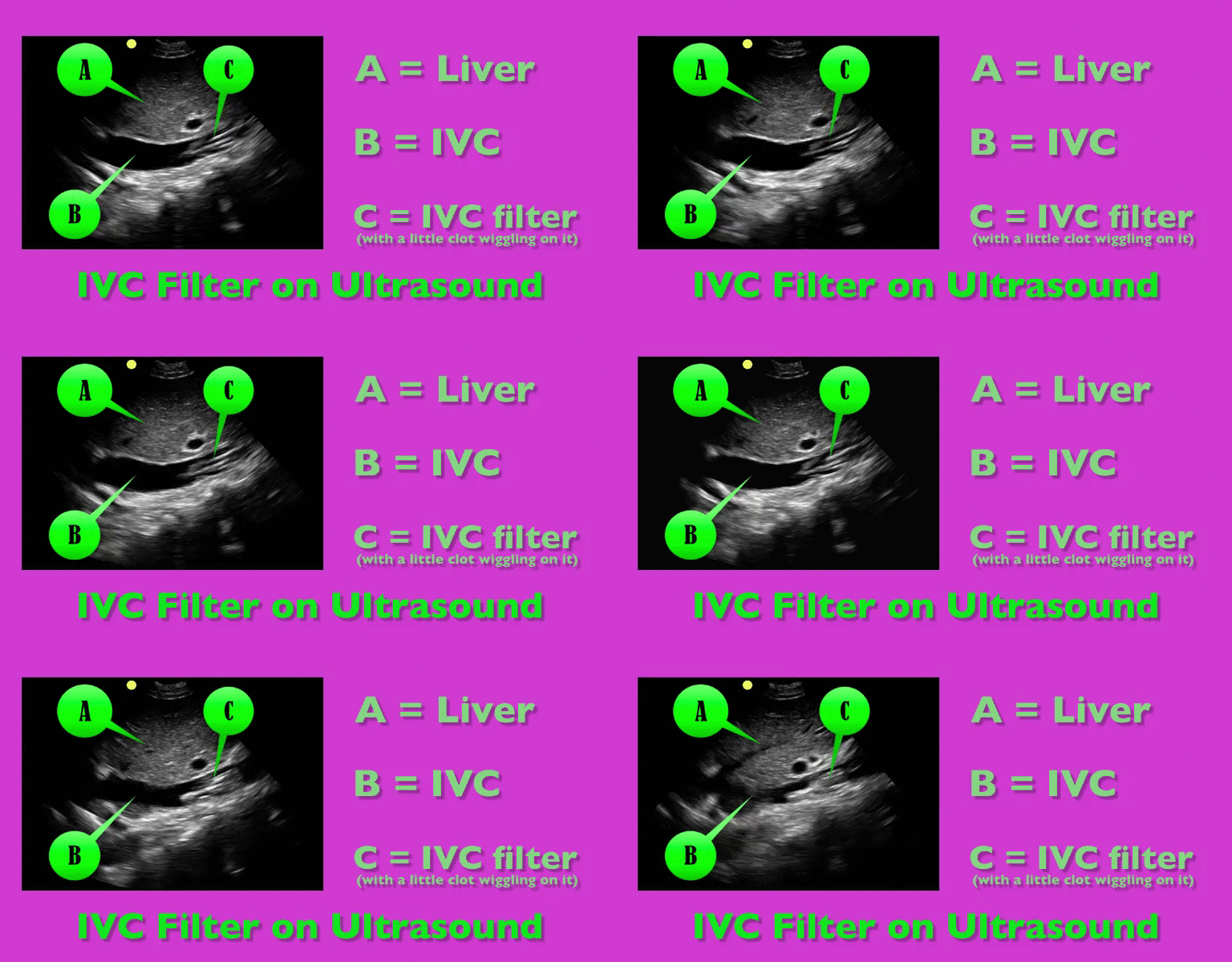
Question
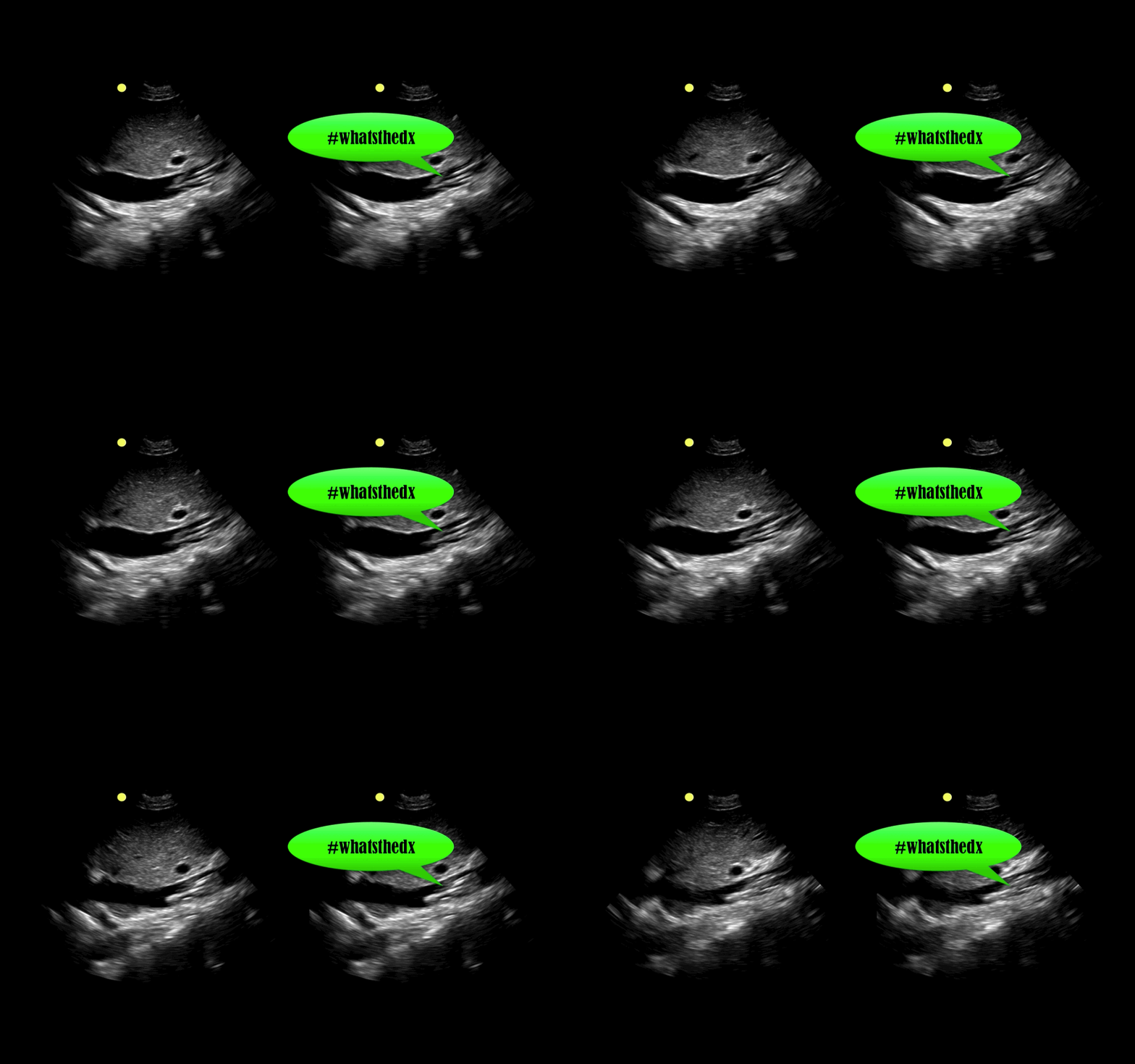
You are scaning the liver with ultrasound and you see this. What's the diagnosis?
Show Answer
Show References
Sick Sinus Syndrome
- Sick sinus syndrome (SSS) is a cardiac conduction disorder characterized by symptomatic dysfunction of the sinoatrial (SA) node.
- SSS usually manifests as sinus bradycardia, sinus arrest, or sinoatrial block, and is sometimes accompanied by supraventricular tachydysrhythmias.
- Symptoms of SSS include: syncope, dizziness, palpitations, exertional dyspnea, fatigability from chronotropic incompetence, heart failure, and angina.
- Clinically significant SSS typically requires pacemaker implantation. Approximately 30% to 50% of pacemaker implantation in the United States list SSS as the primary indication.
- 2 large, prospective cohorts with an average follow-up of 17 years, observed the incidence of SSS increases with age, does not differ between men and women, and is lower among blacks than whites.
- Risk factors for SSS included greater BMI & height, elevated NT-proBNP level & cystatin C level, longer QRS interval, lower heart rate, hypertension, and right bundle branch block.
Show References
Some radiology pearls concerning ankle pain and fractures courtesy of David Bostick and Michael Abraham
Maisonneuve fracture – fracture of the medial malleolus with disruption of the tibiofibular syndesmosis with associated fracture of the proximal fibular shaft (http://radiopaedia.org/articles/maisonneuve-fracture)
When to look for high fibular fracture
- Isolated fracture of medial malleolus
- Isolated fracture of malleolus tertius without fracture on the lateral side
- Any painful swelling or hematoma on medial side without a fracture on x-ray
Always look for avulsion fracture of 5th metatarsal styloid in patients with ankle pain and
no obvious fractures
Dans-Weber Classification – for lateral malleolar fractures (http://radiopaedia.org/articles/ankle-fracture-classification-weber)
- Type A – fracture below ankle joint
- Type B – at level of joint with tibifibular joint intact
- Type C – fracture above joint with tears syndesmotic joint