
Overall, suicide is the 15th leading global cause of death. However, it is the 2nd leading cause among 15-29 year olds
- Over 800,000 people die each year from suicide
- 75% of these deaths occur in low- and middle-income countries
- Most common methods of suicide globally are:
- Pesticide ingestion (around 30%)
- Hanging
- Firearms
Suicides are preventable. Interventions to decrease suicides include:
- Reduce access to means of suicide
- Alcohol policies that reduce the harmful use of alcohol
- Early identification and treatment of patients at risk
- Mental health disorders
- Substance use disorders
- Chronic pain syndromes
- Acute emotional distress
- Prior suicide attempts
- Appropriate follow-up care for individuals who have attempted suicide
Show References
Question
Patient presents after being started on an antibiotic for cellutlitis of lower extremity. What's the diagnosis and what are some other etiologic agents (name 3)
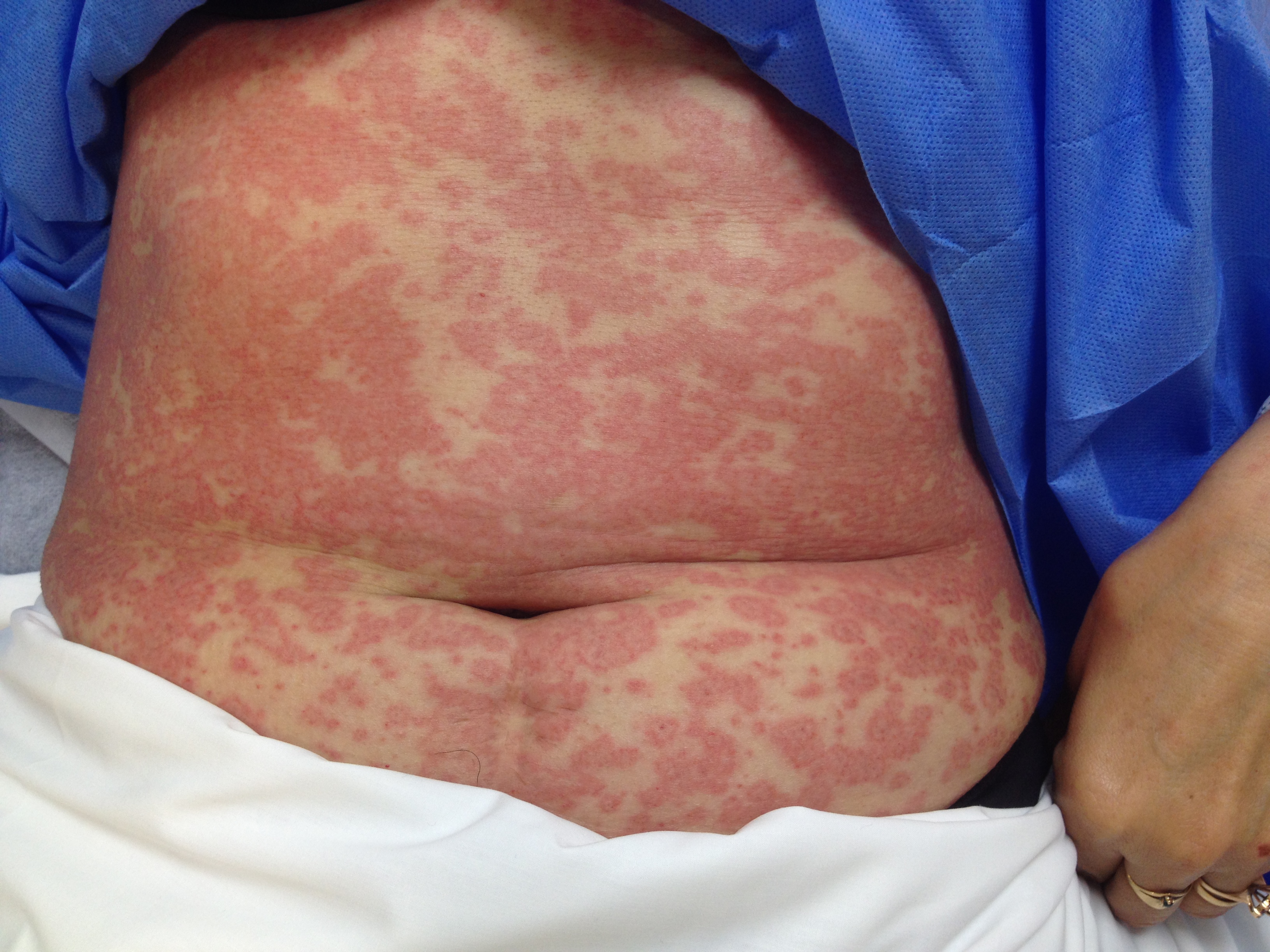
Show Answer
Show References
An excellent new review article provides a detailed look at how the drugs we give are affected by targeted temperature management. Here is a helpful chart of drug alterations that have data in reduced body temperature states:
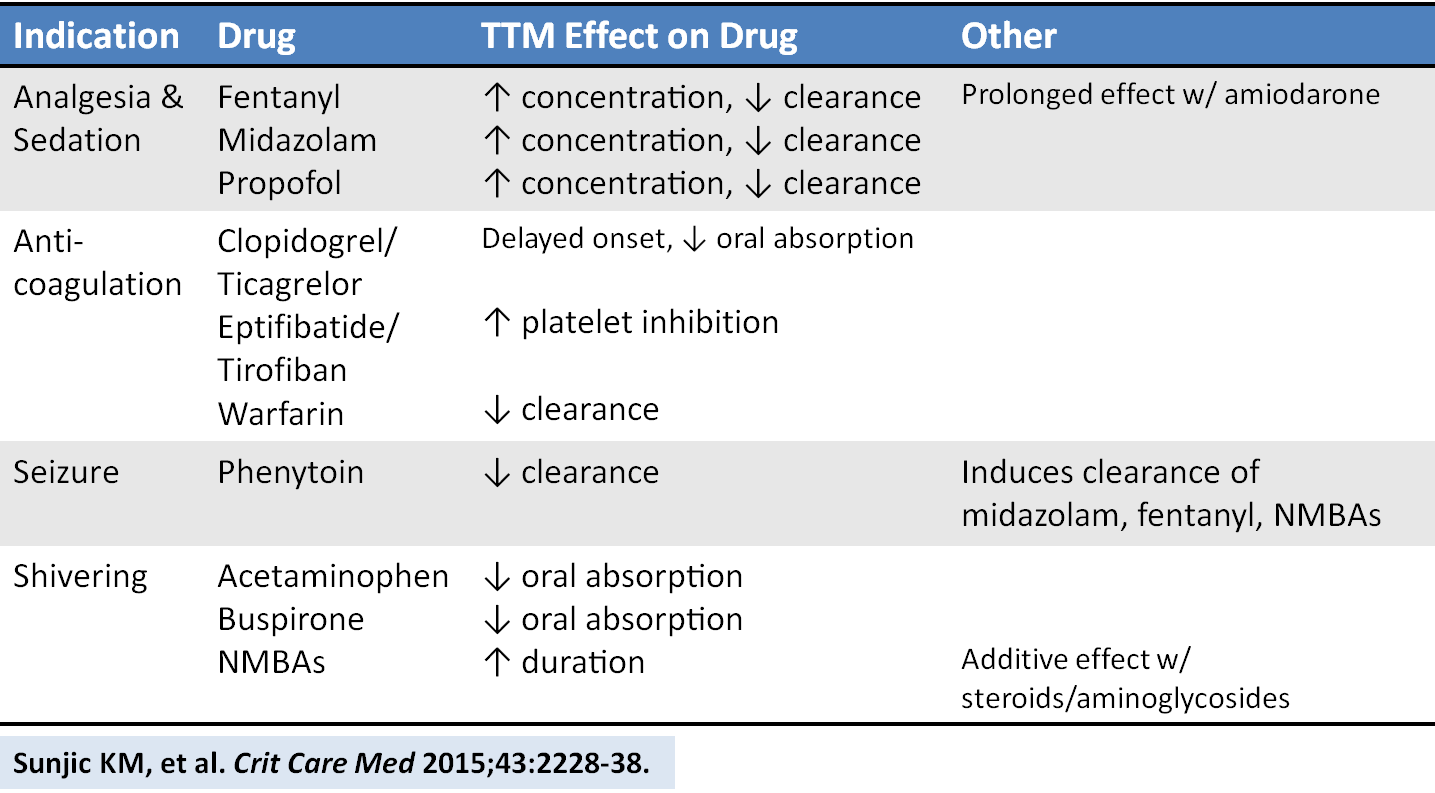
Other Important Points:
- Lingering effects of sedatives may confound prognostication and may even mimic brain death. Concentrations of remifentanil, propofol, and midazolam decrease during rewarming, whereas no change has been demonstrated for fentanyl, indicating that the pharmacokinetic alterations fentanyl incurs during induction and maintenance of hypothermia persist during and following the rewarming phase.
- Continuous infusions of analgesics, sedatives, and hemodynamic support agents may require closer monitoring and smaller incremental changes compared to normothermic states.
- The QTc interval is increased in TTM, though it has not been associated with an increased risk of torsades de pointes or in-hospital mortality.
Show References
A group from Colorado identified the high-stress of pediatric resuscitation as a high-risk setting for possible medication error. As such, they performed a prospective, block-randomized, crossover study with two mixed teams of docs (ABEM certified) and nurses, managing 2 simulated peds arrest scenarios using either:
1) conventional “draw-up and push” drug administration methods [control] or
2) prefilled medication syringes labeled with color-coded volumes correlating to the weight-based Broselow Tape dosing [intervention].
The objective was to compare the time of preparation and administration of a medication, as well as to assess dosing errors. Participants were blinded to the purpose during recruitment but unblinded just prior to running the scenarios.
The scenarios included advanced airway management and hemodynamic life support efforts to care for an 8-year-old or 8-month-old manikin. The intervention group received a standard 3-minute tutorial on the use of prefilled color-coded syringes just prior to their scenario. After completing the first scenario, the groups switched, utilizing the other sim with the other method of medication administration. After a 4-16 week “wash out” period, the groups reconvened to reverse the medication administration technique across the same 2 scenarios.
Each Broselow tape color zone corresponds to a narrow range of weights. The authors opted to designate medication dosing errors >10% above or below the correct range as critical dosing errors.
The results? Median time to delivery of all conventionally administered medication doses was 47 seconds versus the prefilled color-coded administration system-- 19 seconds. The conventional administration system saw 17% of doses with critical errors versus none for the prefilled color-coded syringe group.
These prefilled color-coded syringes are not currently manufactured. Should they go into commercial production, the hope is that such syringes would be longer and more narrow than conventional syringes to effectively elongate each color-coded section (the delineations for red and purple on a standard syringe differ by as little as 1/8-3/32 of an inch if you want to make your own!-- see picture).
Show References
Attachments
Show References
If you are interested in learning about the current status of emergency medicine in a specific country, it can be difficult to find up-to-date information. One excellent resource for country specific details is the American College of Emergency Physicians’ (ACEP) International Ambassador Program.
This program has Emergency Medicine Ambassadors (U.S. emergency physicians), Liaisons (in-country emergency physicians) and Representatives (U.S. emergency physicians in training) for many countries around the world. Additionally, there are country specific reports that give annually updated information about emergency medicine in each country.
Included on the website are links to send emails to the Ambassadors, Liaisons and Representatives in order to request more detailed information.
To learn more, see: http://www.acep.org/IntlAmbassador/
Classically, aortic dissection presents as tearing or ripping chest pain that radiates to the back in a HYPERtensive patient.
However, type A aortic dissections can quickly become HYPOtensive due to any the primary cardiac complications from retrograde dissection into:
- The pericardium causing cardiac tamponade
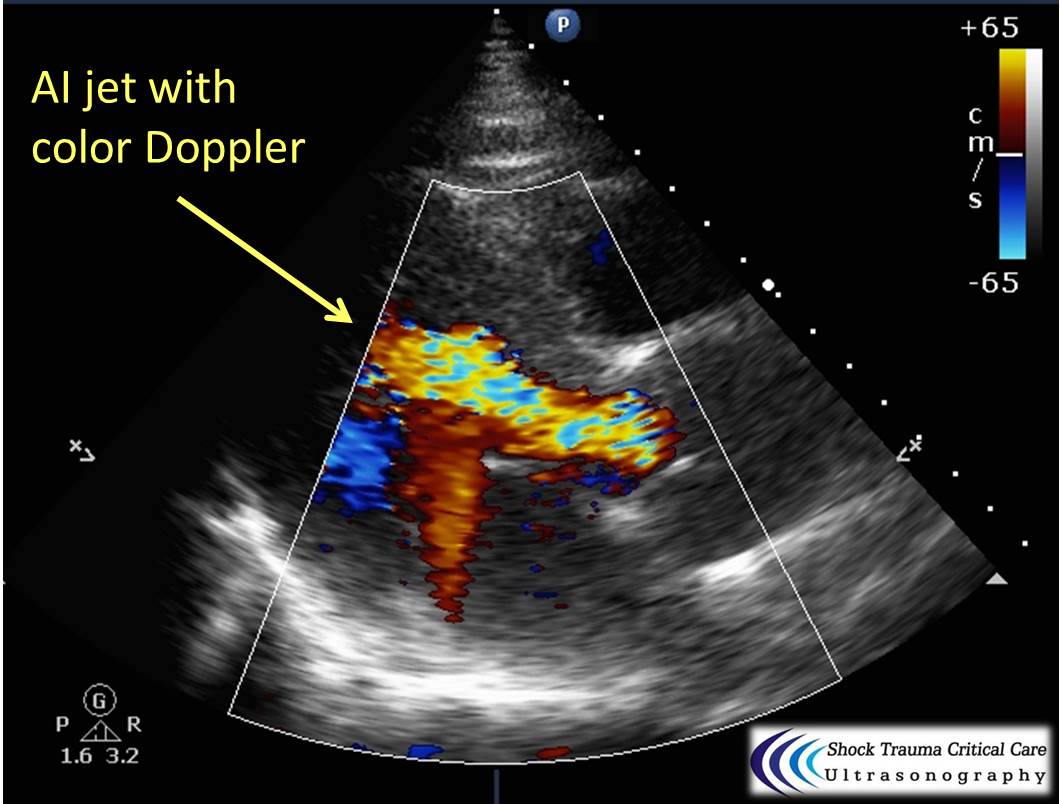
- The aortic valve causing wide-open aortic insufficiency
- One of the coronary arteries (typically the RCA presenting as inferior STEMI)
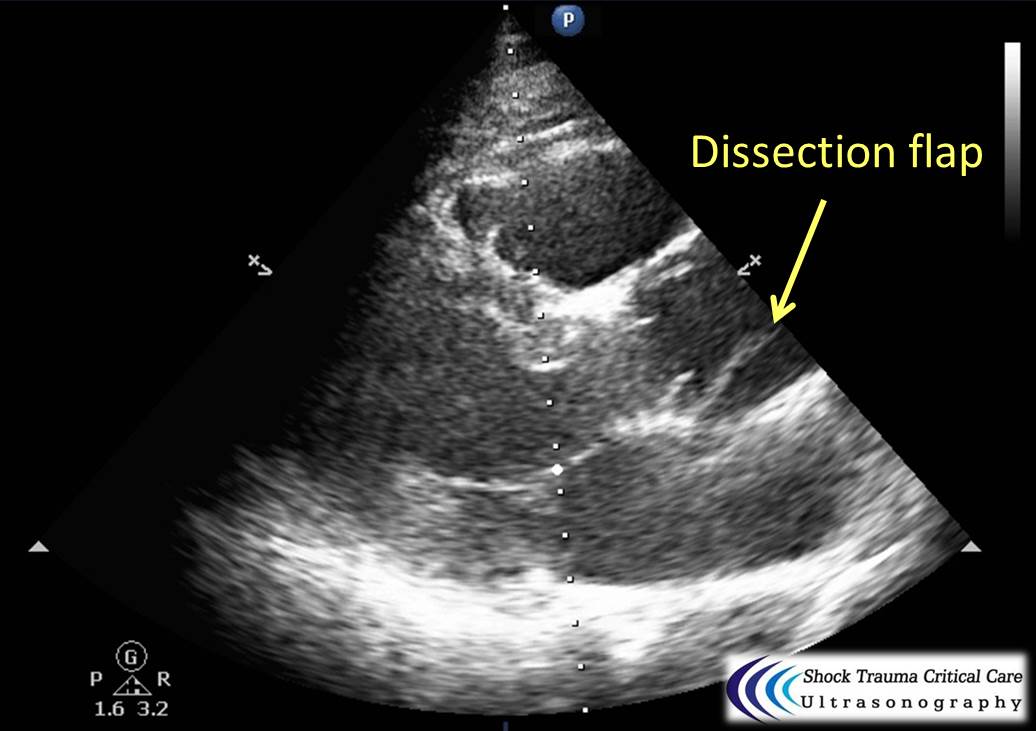
Bedside echo can't rule out aortic dissection, but it can help rule in the diagnosis (figure 1) or complications (figure 2) at times.
Attachments
Question
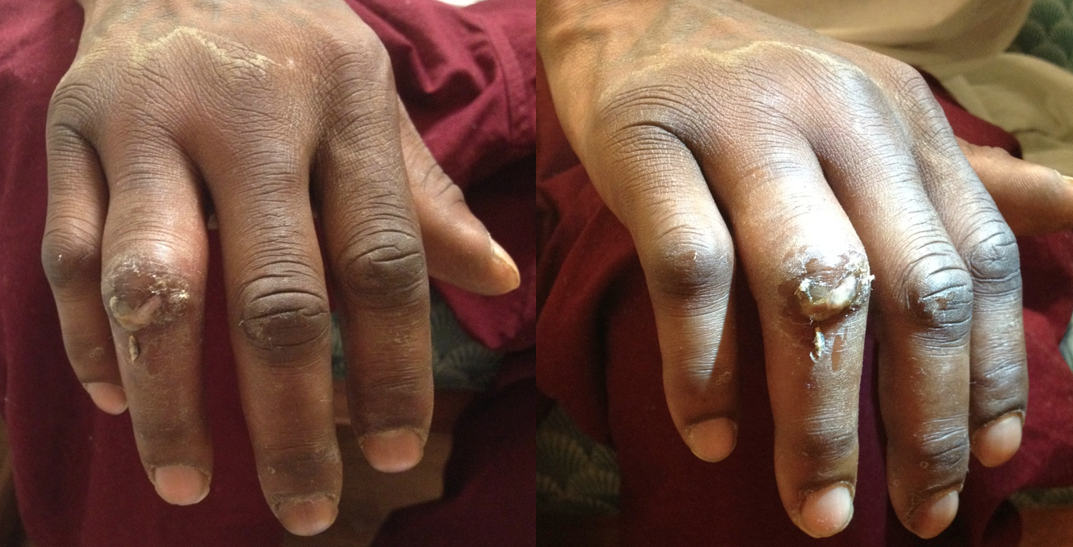
26 year-old male presents with a swollen 4th digit and pain during extension, what’s the diagnosis?
Show Answer
Show References
Most common mass in popliteal fossa
Incidence 10 to 58%
Intra-articular pathology results in flow of synovial fluid from the joint into the bursa, forming a cyst
Association with concomitant intra-articular disorders 94%
Possible pathology - Meniscus, ligamentous, arthritis, other osteochondral defects
In children this is not a pathologic finding
Symptoms - Posterior knee bulging, posterior tightness/stiffness esp. with knee flexion
Ultrasound - 100% sensitive/specific
DDx: DVT
Tx: Refer for ultrasound guided aspiration, fenestration and steroid injection
http://www.caringmedical.com/wp-content/uploads/2013/11/Bakers-Cyst-treatment.jpg
Show References
A thunderclap headache is defined as a very severe headache that reaches its maximum intensity within 1 minute.
One of the most common causes (and the one associated with this buzzword on board questions!) is subarachnoid hemorrhage, but what else can cause a it?
- Reversible cerebral vasoconstriction syndrome (RCVS): suggested by recurrent thunderclap headaches (2-10) over 1 to 2 weeks. Normal CT and LP, with vasoconstriction on angiography. Can lead to SAH, ICH or ischemic stroke.
- Cervical artery dissection
- Cerebral venous sinus thrombosis
- Spontaneous intracranial hypotension: characterized by orthostatic HAs and auditory muffling.
- Intracerebral hemorrhage
- “Primary”: a diagnosis of exclusion
Bottom line? All patients with thunderclap HA should have a stat head CT with no contrast, then have SAH excluded with an LP, CTA or MRI/MRA. Just because you excluded SAH in a patient with thunderclap headache does not mean you’re done with the emergency workup.
Show References
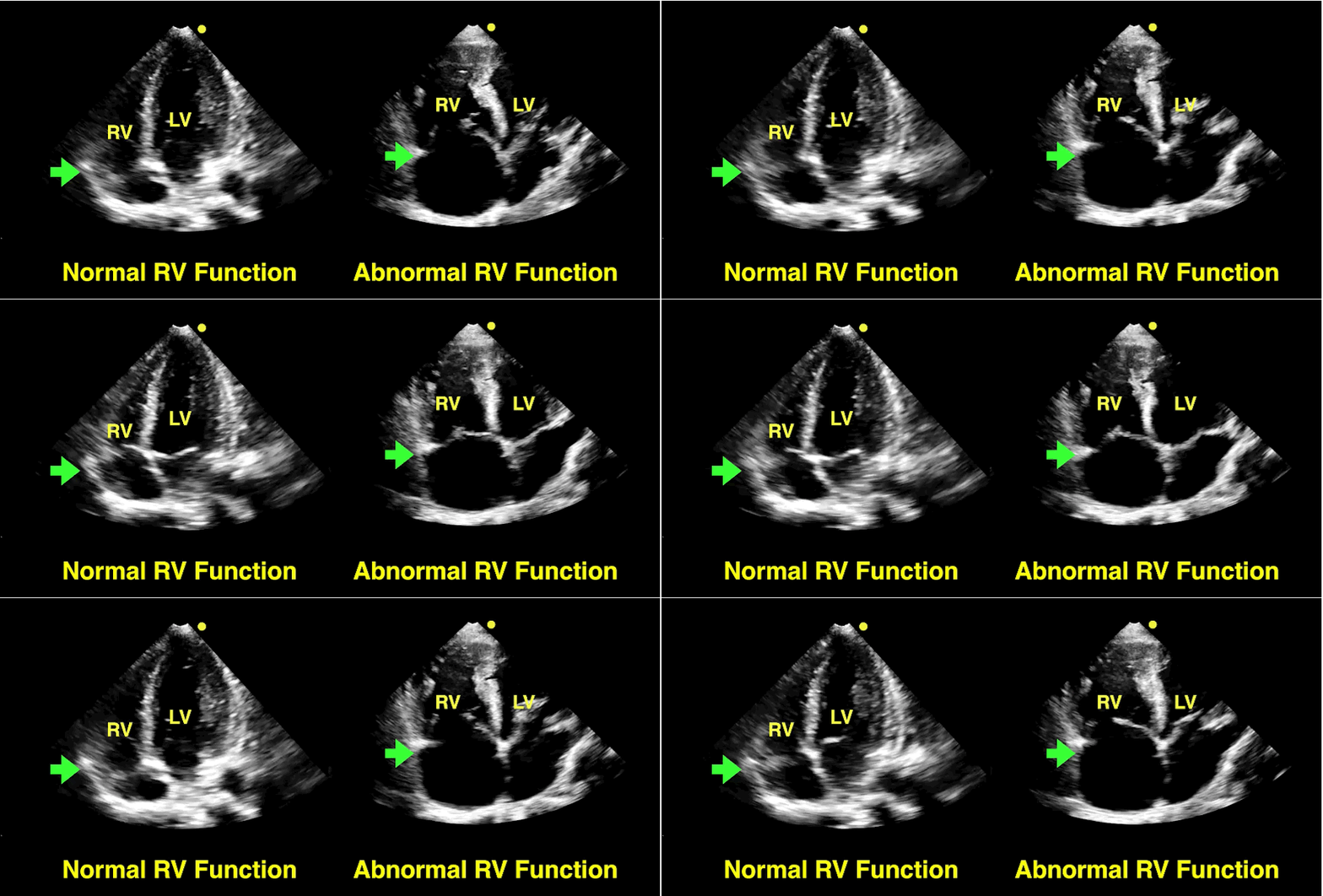
- Evaluating the systolic function of the RV is an important skill and there are described methods.
- One of the simplest method is using the tricuspid annular plane of systolic excursion (or T.A.P.S.E.)
- This is how far the tricuspid annulus travels from diastole to systole because the RV contracts in a longitudinal fashion from the base (diastole) to the apex (systole)
- A TAPSE of <17mm is consistent with abnormal function and >17mm is normal. An eyeball method of assessment can be done when grossly obvious or M-mode can be used when an accurate assessment is required.
- The clip below demonstrates the technique, which should always be performed from an apical four-chamber view.
- Want more info on the RV, then click here for a whole podcast on it.
Show References
Question
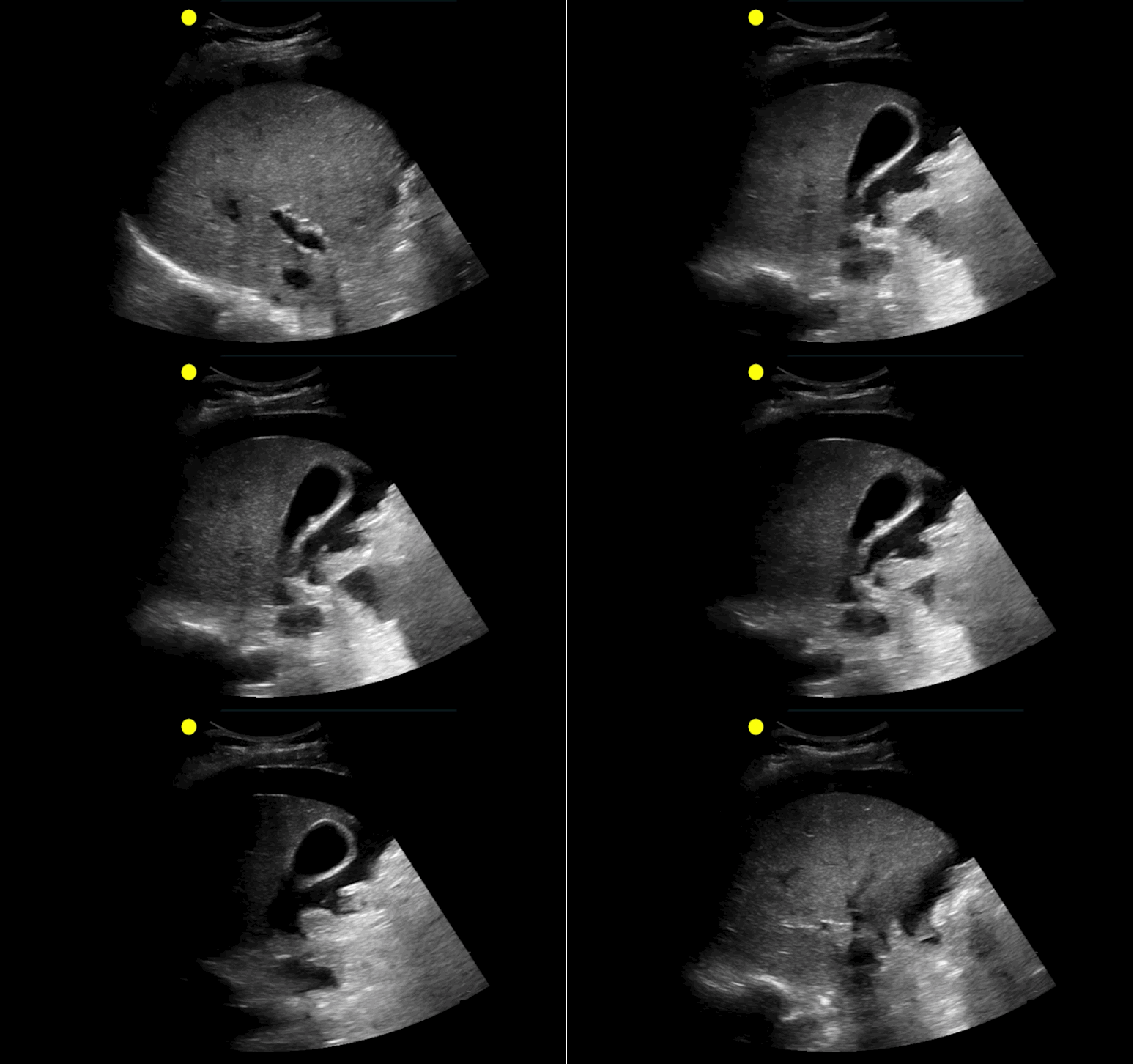
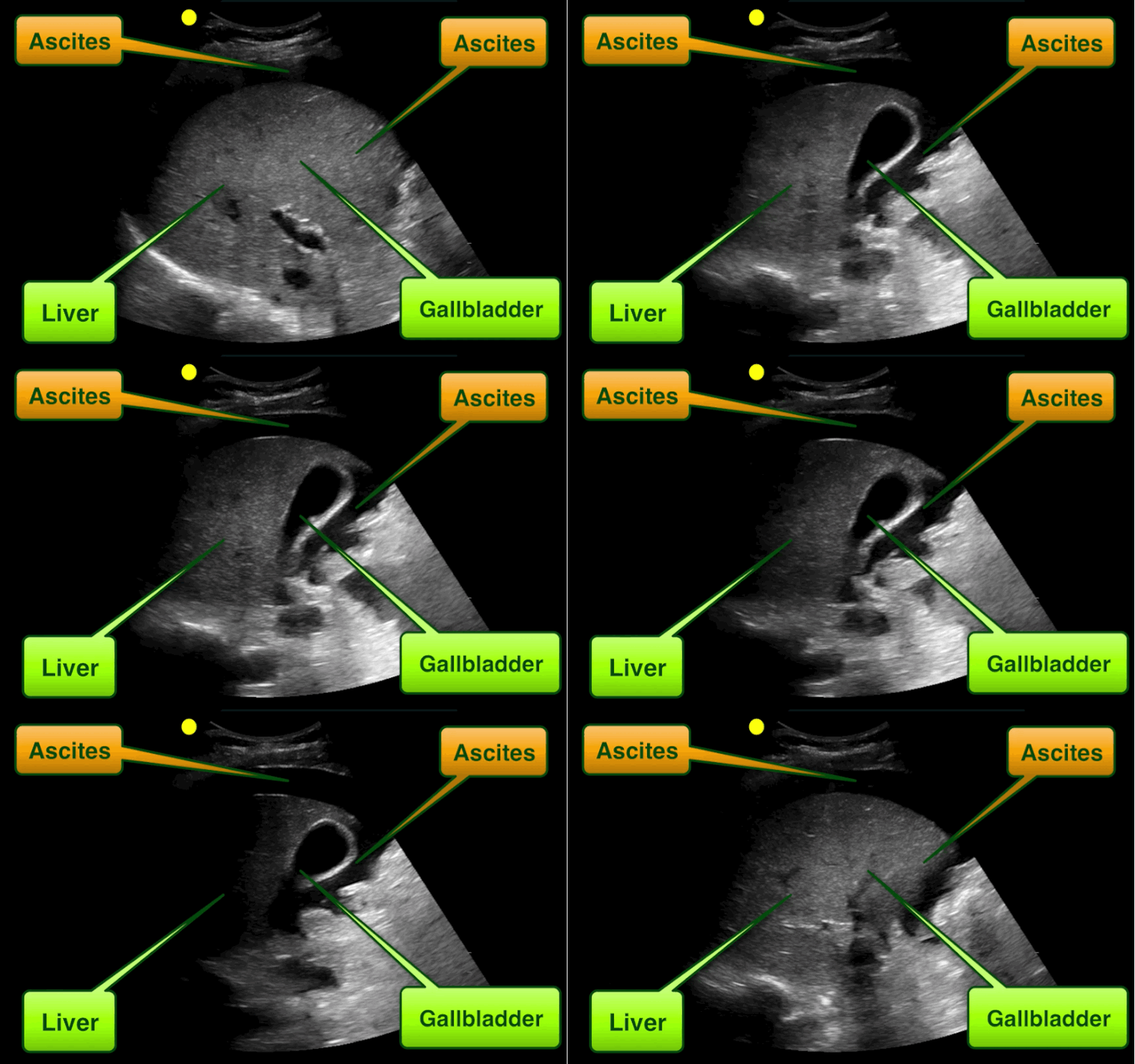
30 year-old male with abdominal pain and diffuse tenderness on exam. Ultrasound is shown, what's the diagnosis?
Show Answer
Show References
Shoulder Dislocation Reduction
Do you have a chronic dislocated that frequents your ED? Are you interested in teaching them a way to relocate their shoulder without looking like Mel Gibson from Lethal Weapon, https://youtu.be/Igrdi_lhhW4, then the newly described GONAIS method might be what you are looking for.
This technique has the patient grab the top of a chair with the hand on the affected side, and then slowly equating, effectively bringing the hand and arm above their head. Once in the full squat position the patient can step backwards which should reduce the shoulder. If not they can use the opposite hand to apply pressure to push the humerus backward and reduce the location.
The full article can be found at http://bit.ly/1iZ8a9z
Show References
Is there a set of criteria similar to the Ottawa Ankle or Knee Rule that can be applied to the wrist in children?
The Amsterdam Pediatric Wrist Rules are as follows:
-Swelling of distal radius
-Visible deformity
-Painful palpation of the distal radius
-Painful palpation at the anatomical snuff box
-Painful supination
A positive answer to any of these would indicate the need for an xray.
The study referenced attempted to validate these criteria. This criteria is inclusive of the distal radius in addition to the wrist. The sensitivity and specificity were 95.9% and 37.3%, respectively in children 3 years through 18 years. This model would have resulted in a 22% absolute reduction in xrays. In a validation study, 7/170 fractures (4.1%, 95% CI: 1.7- 8.3%) would have been missed using the decision model. The fractures that were missed were all in boys ages 10-15 and were all buckle fractures and one non displaced radial fracture.
Bottom line: This rule can serve as a guide for when to obtain an xray in the setting of trauma, but it is not perfect.
Show References
Monosodium glutamate
- Rapid onset 30 min and lasts about 1 hour
- May accompanied with headache & chest pain.
- No associated GI sx.
- History of eating Chinese fodd. AKA "Chinese restaurant syndrome"
Metabisulfites (Na sulfite, Na/K bisfulfite, Na/K metabisulfite, etc.)
- Food preservatives found in dried fruit, wine, molasses, sauerkraut, etc.
- Bronchospasm – asthma like, headache, mild hypotension can occur
- Most significant reaction in people with asthma/allergies
- History of trying to eat "healthy"
Tyramine reaction
- Mostly among patients taking MAO inhibitors
- Source of tyramine (food): fermented, pickled product, avocado, chocolate, etc.
Niacin
- Burning warm sensation to body
- Often used for sexual enhancement, elevated cholesterol and beating drug urine screens
Trichloroethylene
- Occupational exposure – AKA “Degreaser’s flush”
- Facial flushing, head pressure, lacrimation & blurred vision may occur
- Require several weeks of exposure prior to symptoms
Scrombroids
- Occurs after a “fish meal” (e.g. dark meat fish - tuna)
- Associated with GI symptoms (nausea, vomiting, diarrhea)
- Histamine related reaction due to poor refrigeration after catching fish.
Hydroxocobalamin
- Antidote for CN poisoning
- Skin become red after administration due to its color (red)
Which infectious disease listed as Class A agents occur naturally, though sporadically within the U.S?
- Anthrax- primarily in the West and Southwest (including Texas)
- Plague- western United States
- Tularemia- in all states except Hawaii, but most common south central US
- Botulism- throughout the U.S. Most common type reported is infant botulism
- Dengue- primarily Puerto Rico. Within the continental US, a small outbreak was reported from south Texas.
Small pox no longer occurs naturally and other viral hemorrhagic fevers occur in tropical settings.
Show References
SIMV (Synchronized intermittent mandatory ventilation)
- A common mode of ventilation that all pratitioners should be familiar with
- It provides a minimum number of fully assisted breaths synchronized with patient respiratory effort
- Patient or time triggered
- Flow limited
- Volume cycled
- Any additional breaths are unassisted and determined by patient effort
- SIMV=AC when heavily sedated
- The idea is exercise the patients lungs but this can lead to increased work of breathing and fatigue, and prolong extubation when used
Question
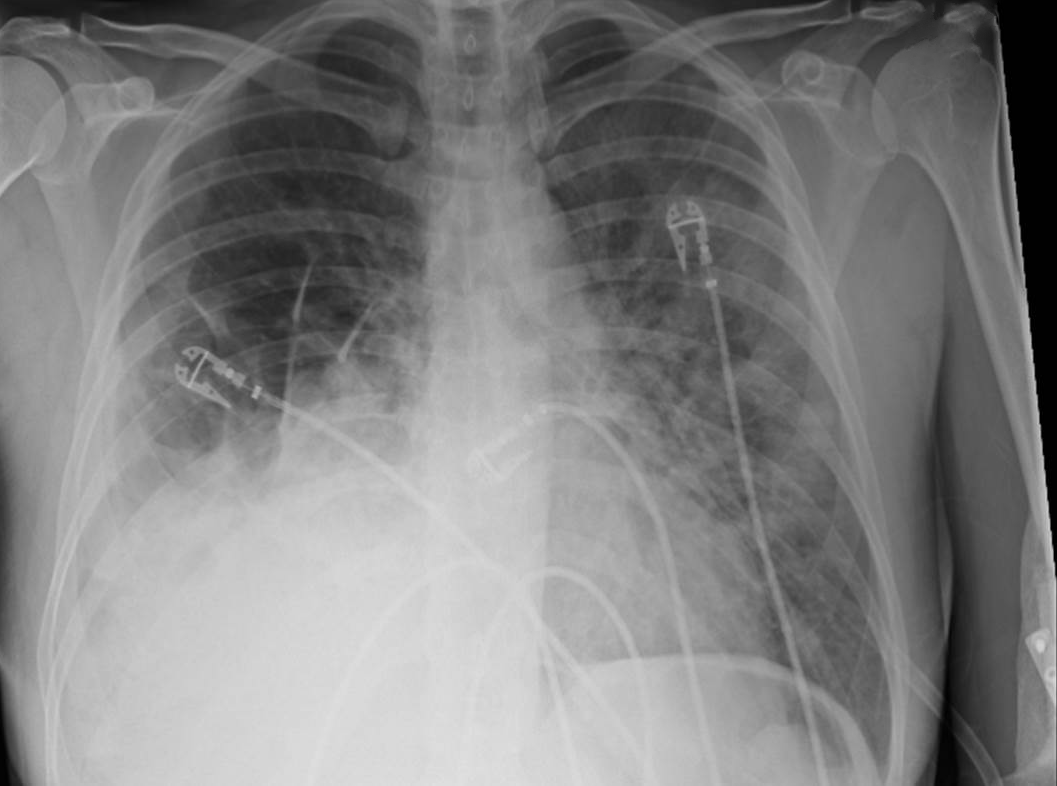
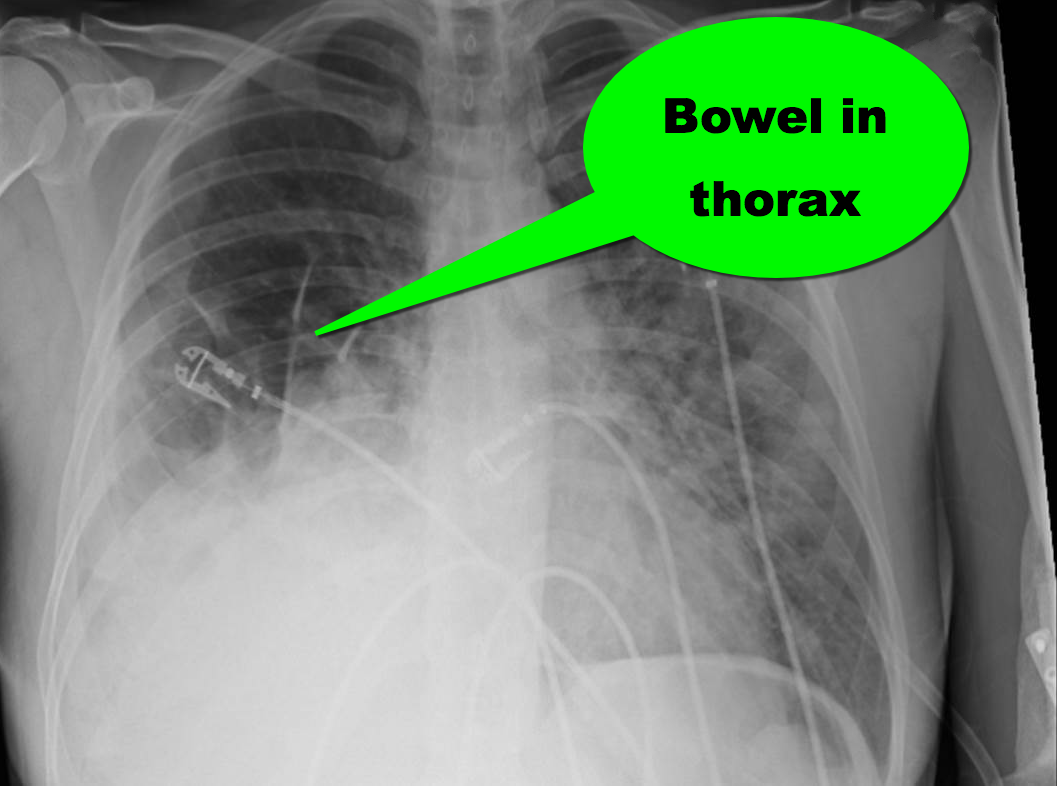
35 year-old female presents to the Emergency Room with cough and chest tightness. She was discharged from the hospital yesterday for an asthma exacerbation that was secondary to pneumonia. What's the diagnosis?
Show Answer
Show References
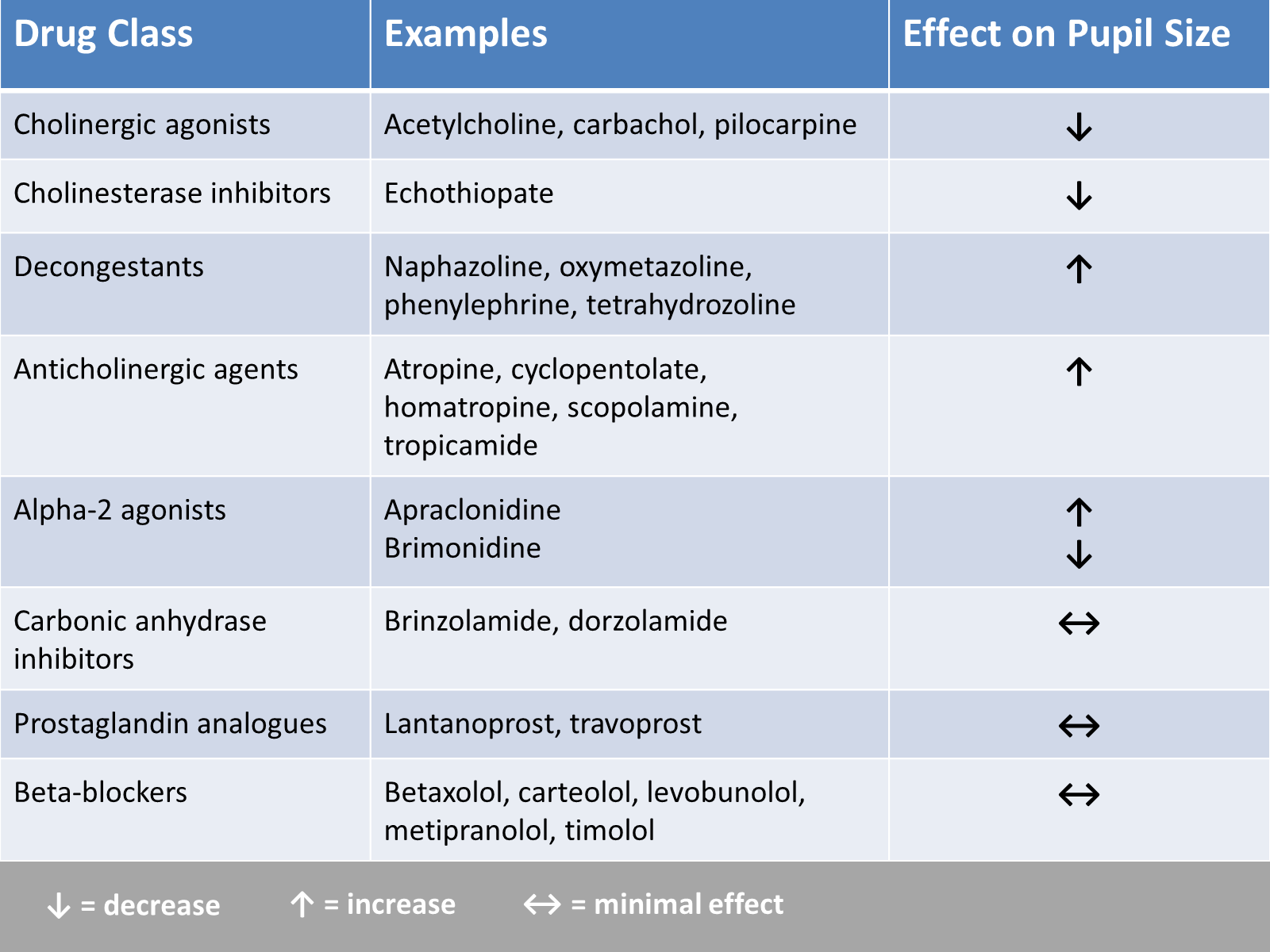
In the evaluation of ED patients, it may be important to understand the effect on pupil size from the ophthalmic medications they use. Here is a summary chart of common eye drops and their effect on pupil size.
Show References
Serotonin Syndrome - What is It?
- Potentially life-threatening condition associated with increased serotonergic activity in the CNS.
- Selective serotonin reuptake inhibitors (SSRIs) are the most commonly implicated class of medications. However, other medications can also be involved.
- It is a clinical diagnosis!
- Classic triad: mental status change, autonomic hyperactivity, and neuromuscular abnormalities
- Mental status change - anxiety, agitation, restlessness, disorientation
- Autonomic hyperactivity - diaphoresis, tachycardia, hypertension, hyperthermia, nausea, vomiting, diarrhea
- Neuromuscular abnormalities - tremor, muscle rigidity, myoclonus, hyperreflexia, clonus, Babinski sign (abnormal plantar reflex)
- Hunter Criteria is the most accurate diagnostic rule:
- Serotonergic agent + one of the following:
- Spontaneous clonus
- Inducible clonus + agitation or diaphoresis
- Ocular clonus + agitation or diaphoresis
- Tremor + hyperreflexia
- Hypertonia + temperature above 38C + ocular clonus or inducible clonus
- Serotonergic agent + one of the following:
- Majority of cases present within 24 hours, most within 6 hours, of a change in dose or initiation of a medication.
** Stay tuned for part 2 on what causes serotonin syndrome **