
Search
Subscribe to daily UMEM Pearls (FREE!) via:
21-40 of 85 results with category "Geriatrics"
This study looked at older patients admitted to the hospital with a diagnosis of one of the following: RSV infection, UTI, influenza, fracture. Those patients with RSV had longer stays, higher mortality, higher ICU length of stay and interestingly more cardiovascular complications up to one year after hospitalization. Further evidence we should be testing for RSV in our ill older patients and encouraging vaccination.
Show References
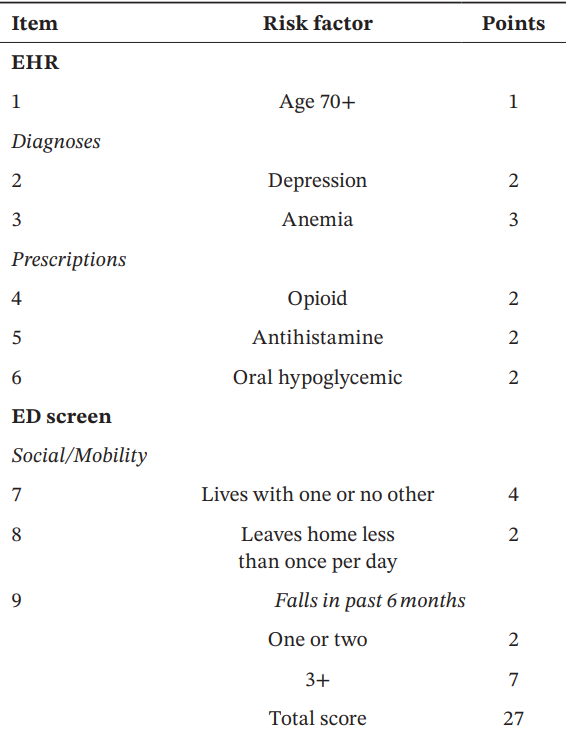
These authors used information available from both the medical record as well as from a survey instrument given in the emergency department to created this fall risk score. A score over 6 had a 63% sensitivity and 75% specificity of predicting future falls.
Show References
Reenforcing the recent pearl on geriatric trauma patient care, here is the National Association EMS Physicians statement on prehospital care.
"EMS clinicians should use age-adjusted, physiologic criteria to guide decisions to transport geriatric trauma patients to the most appropriate level of trauma center available in the community.
Geriatric trauma patients should be promptly evaluated for pain and should receive analgesic interventions in a timely manner. Analgesic medications should be dosed following weight-based guidance and should be administered with consideration of potential drug interactions and age-related changes in drug metabolism and side effects.
EMS clinicians should consult advance care planning documents, e.g., Physician Orders for Life-Sustaining Treatment (POLST), when available, to guide care in emergency scenarios, including management of traumatic injuries.
While older patients are at higher risk for spinal injuries, including lumbar and cervical spine fractures, traditional spinal motion restriction practices may not be suitable for older patients due to age-related anatomic changes in spinal alignment and increased risk for cutaneous pressure-related injuries. EMS clinicians should exercise judgment to determine when and how to best achieve spinal motion restriction if spinal injury is suspected in geriatric trauma patients."
Show References
This retrospective study looking at a readmission database for patients greater than 65 years categorized 10,000 patients into non-frail, pre-frail and frail based on the five-factor modified frailty index. They found no difference in recurrent diverticulitis among the groups but did find:
“frailty was a predictor of mortality on index hospitalization (adjusted odds ratio, 1.99; p < 0.001) and readmissions (adjusted odds ratio, 3.05; p < 0.001)…frail patients are at increased risk of mortality once they develop diverticulitis. Optimal management for frail patients with diverticulitis must be defined to improve outcomes.”
Once again, assessing your patient's frailty can help you predict outcomes and have meaningful discussions with patients and their families.
Show References
This editorial reminds us about the use of frailty measures in the geriatric population.
The authors write that frailty “describes a state of vulnerability causing an impaired ability to maintain homeostasis due to reduced physiologic reserve. Frailty is associated with disability, multimorbidity, cognitive impairment, institutionalization, and mortality. **Analogous to troponin testing, frailty assessment has been used to risk stratify older adults.**”
They also remind us that frailty is a syndrome not a disease in and of itself. It impacts how disease affects the patient and should inform our care, but not generate ageism or therapeutic nihilism.
Once frailty is identified, it allows for further assessment looking at the “Geriatric 5M's framework: Mind, Mobility, Medications, Multicomplexity, and Matters Most.”
Show References
A scoping review of the literature regarding anxiety in older patients found the follow areas had the biggest impact on anxiety level:
“The variables most strongly associated with anxiety—either as risk or protective factors—are age, female gender, physical activity, physical health conditions, depression, perceived and family support, and social participation. New variables linked to anxiety include body mass index (BMI) and dietary habits.”
Asking questions related to these areas can give you a better picture of your patient’s risk for anxiety.
Show References
This prospective cohort study from Germany found an under triage rate of 58% of trauma patients over 70 years presenting to 12 trauma centers. One area that consistently lead to undertriage was not using a systolic blood pressure under 110 as a criteria for trauma team activation.
The older cohort had 3 times the mortality than younger, were more likely not to arrive by helicopter and mechanism was more commonly ground level fall. This study echos many others in USA and Australia. Better trauma triage criteria are needed for older patients.
Show References
An open label pragmatic study in 29 Japanese hospitals randomized septic shock patients over age 65 to either a high (MAP 80-85) or control (65-70) group. They then looked at all cause 90 day mortality. The study was stopped early due to a significantly higher percentage of mortality in the higher MAP group.
The study isn’t blinded and is only done in one country, however it does raise the question of what is the ideal MAP for older septic shock patients.
Show References
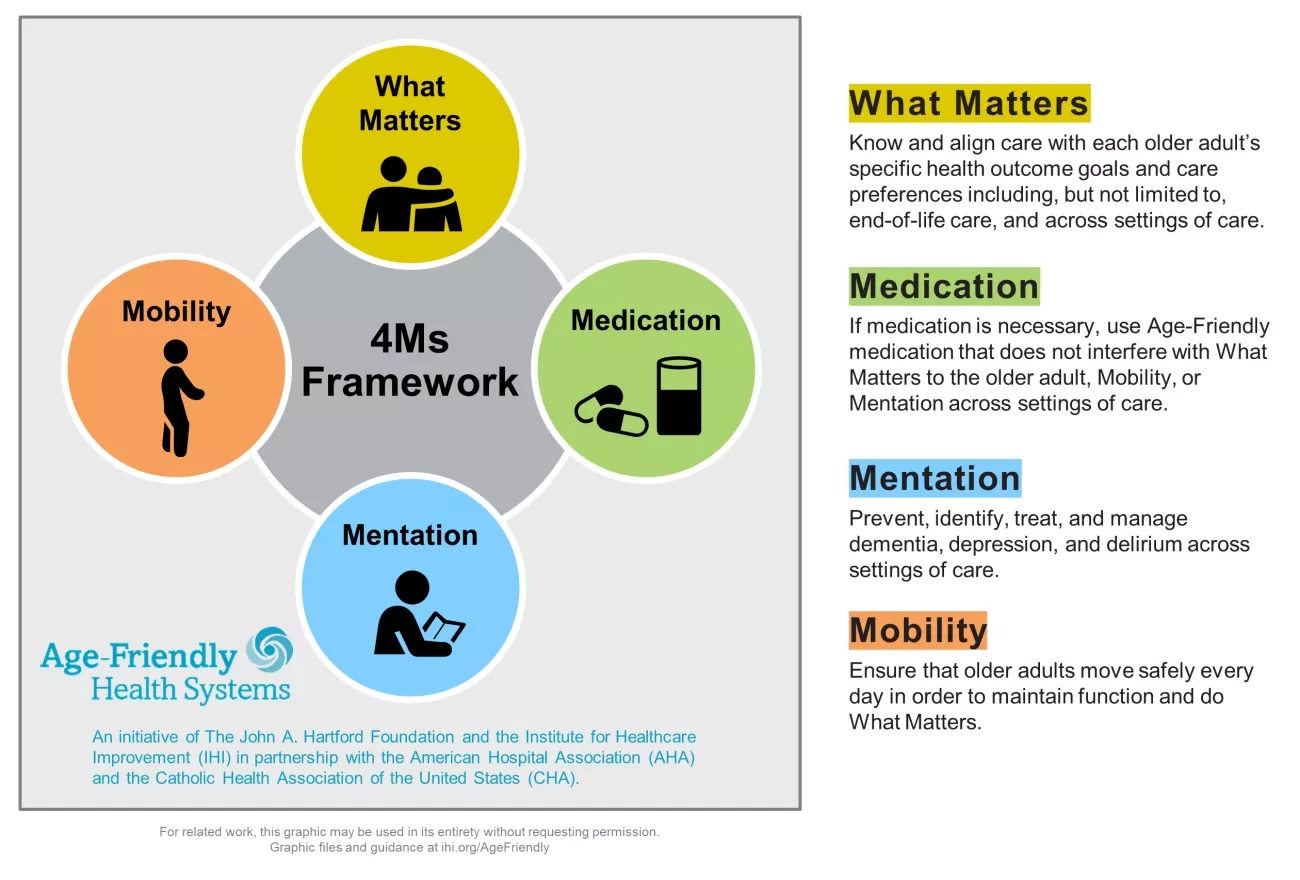
In mid-2024 the Center for Medicare and Medicaid Services introduced a new quality measure entitled Age Friendly Hospital Measure. The initial phase went into effect 1/1/25. It is built around programs from the American College of Surgeons, the American College of Emergency Physicians as well as the Institute for Healthcare Improvement (IHI). It is modeled around the IHI’s 4M Framework.
Show References
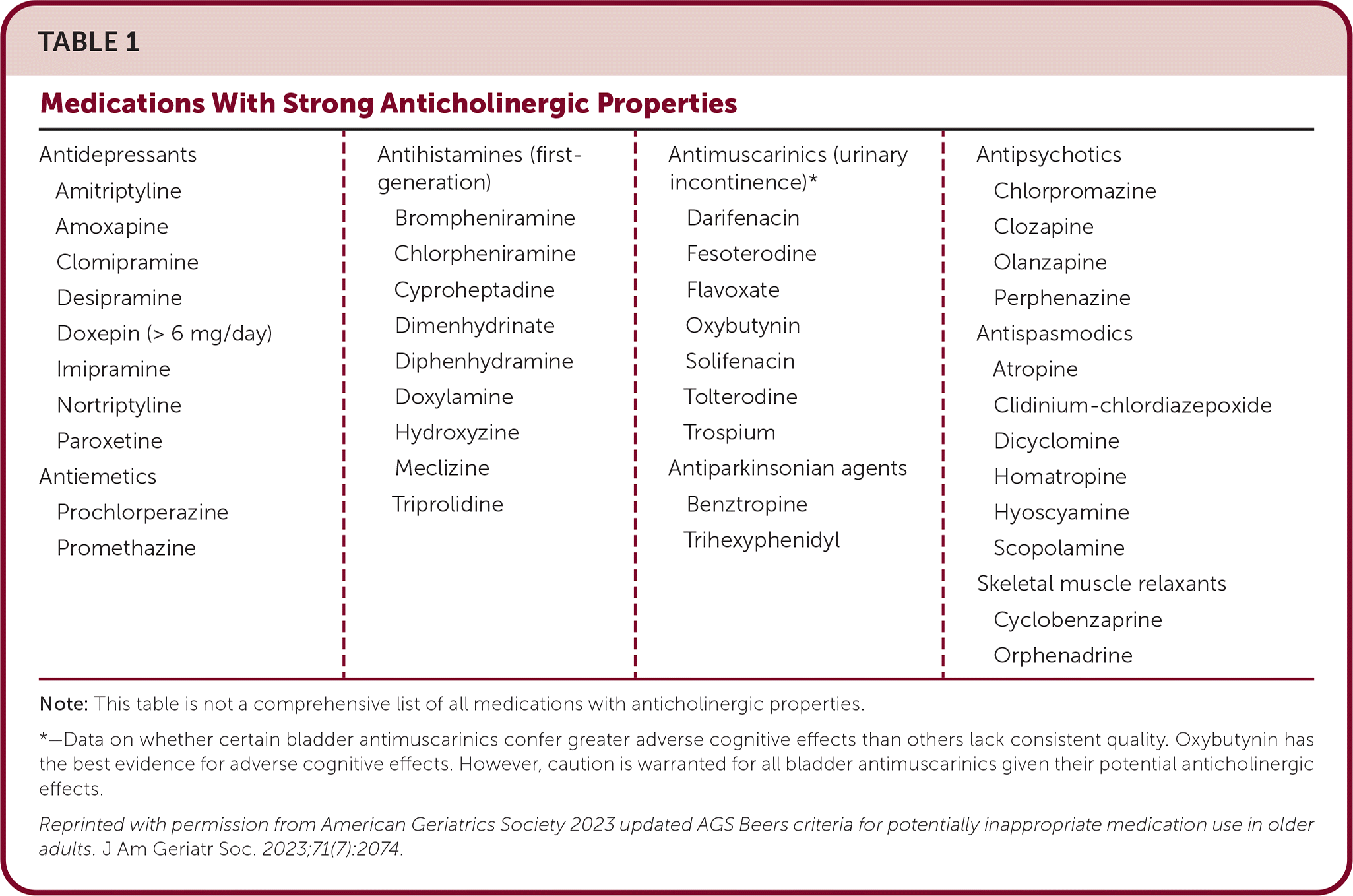
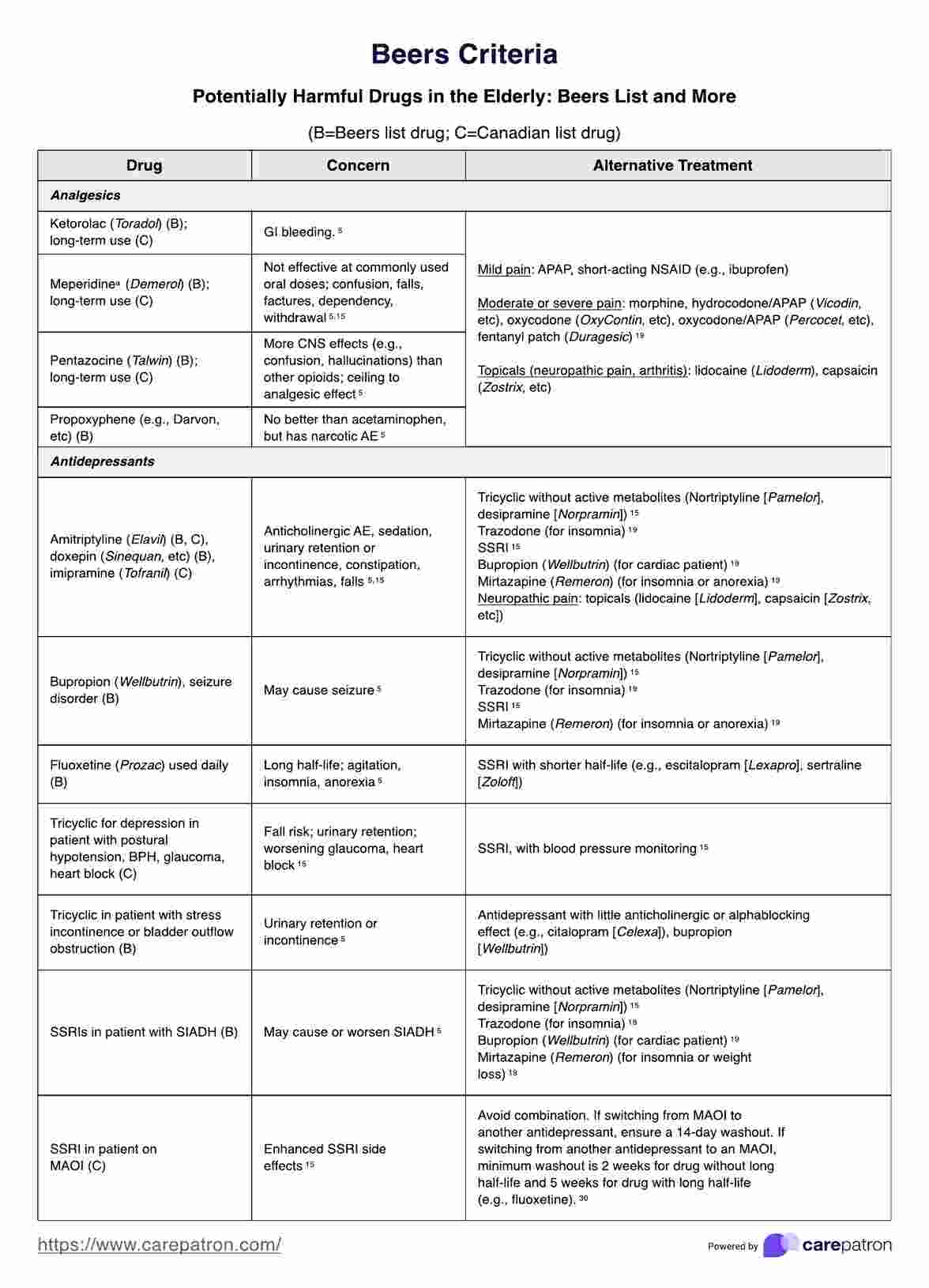
As a reminder, prescribing medications to older patients should be done with caution because of changed physiology, co-morbid conditions and other currently used medications. The Beers Criteria is a helpful list of medications that may cause trouble for your older patients. https://www.guidelinecentral.com/guideline/340784/#section-2776198 is a list of medications to either avoid or prescribe carefully in this patient population.
Pay particular attention to medications that have anticholinergic properties as they cause change in mental status and increase the risk for falls.
Show Additional Information
Show References
This study attempts to validate the use of the Geriatric Fever Score to predict 30 day mortality in patients over age 65 presenting to an emergency department with fever.
The Geriatric Fever Score uses: leukocytosis, severe coma, and thrombocytopenia. One point is award for each abnormality.
Not surprisingly, mortality went up with the higher the score (33%, 42% and 57% for 0,1,2 points)
For me, I’m not discharging anyone with severe coma, leukocytosis or thrombocytopenia in this patient population therefore I’m not sure this scale has much utility for the practicing emergency physician.
Show References
This article serves as a great reminder that our older patients are on a significant amount of medications and many of these medications effect cognition. Cognitively impaired patients are at risk of medication errors. High risk medications in older patients include anticoagulants, opioids, anticholinergics, hypoglycemic/insulin and sedating medications. The authors found:
- “In unadjusted analyses and analyses adjusted for a variety of demographic and clinical factors, older adults with cognitive impairment living alone were exposed to a similar number of high-risk medications as those living with others, while at the same time receiving less support from others for medication management.”
It is important to ask how the patient takes (or doesn’t take) their medications as well as other social determinate of health such as living alone.
Show References
Prioritizing the timely admission of older patients from the emergency department (ED) to appropriate wards is essential to reduce adverse events, such as falls and infections, and to decrease the duration of hospital stays. Recent cohort studies, both observational and prospective, have demonstrated that elderly patients who experienced prolonged or overnight stays in the ED had a higher in-hospital mortality rate compared to those who were admitted earlier to inpatient care. Efficient patient flow and early admission from the ED to appropriate wards are crucial strategies for improving survival rates and reducing morbidity among older patients.
Show References
This Delphi study and companion editorial highlight current thought on frailty screen in emergency department patients. Key takeaways are:
- Those with a high degree of frailty may have different care goals and needs than those with lower frailty.
2. Screening should include functional status in the past 2-4 weeks.
3. Screening should include functional ability, cognition, mobility, medication use and social situation.
4. Screening is practical and can be completed quickly.
5. Screening should occur in the first 4 hours of an ED visit.
6. ED protocols designed for streamlined, single problem focused visits won’t work well for those with a high degree of frailty.
Emergency departments should be instituting procedures that incorporate screening older patients for frailty. These references are a good starting point.
Show References
Elderly patients (mean age of 84 years) living in the community who are seen and discharged from the Emergency Department due to illness or injury are at increased risk for further disability and functional decline for at least six months after their visit. This is associated with increased mortality, cost and need for long term care in previously self-functioning individuals. * When appropriate to discharge from the ED, we should consider discharge planning that includes coordination with care management services to be sure these individuals have adequate home support systems in place and access to close outpatient follow-up.
*It should be noted that the risk is even greater after inpatient hospitalization.
Show References
Yes.
Serum creatinine decreases with age with the decrease in lean body mass. However, the number of functioning glemeruli and kidney function decrease with age as well, making the creatinine an unreliable indicator of renal function in older adults.
The solution? Calculate the creatinine clearance (CrCl) (or GFR) for a more accurate assessment of the renal function. You can use simple equations such as the Cockroft-Gault equation which incorporate the body weight and age.
CrCl (mL/min) = (140-age) x lean body weight (kg) x (0.85 if female)
serum creatinine (mg/dL) x 72
Show References
Many elderly patients have thin skin making suture repair of lacerations difficult. Consider using Steri-Strips™ in combination with sutures to close fragile skin tears.
1. Apply Steri-Strips™ perpendicular to the wound in order to approximate skin edges.
2. Place sutures through both the applied Steri-Strips™ and skin and knot the suture.
This technique will help prevent the suture from tearing the skin as the tension of the suture will be distributed across the surface area of the Steri-Strips™.
Show References
Is your older patient hard of hearing (HoH)? Instead of shouting, get a stethoscope. Put the ear buds in your patient's ears and talk into the bell. It is a hearing amplifier you carry with you.
Bonus pearl: If you use the disposable stethoscopes, then the patient can keep it in their room and use it whenever anyone wants to talk to them.
Based in part upon Geriatric Emergency Department Guidelines, the American College of Emergency Physicians has initiated a Geriatric Emergency Department Accreditation Program. Emergency departments (EDs) can be accredited at one of three levels- Gold (Level 1), Silver (Level 2) and Bronze (Level 3). There are various aspects upon which and EDs’ level is determined, including nurse and physician staffing and education, appropriate policies and protocols, quality improvement activities, outcome measures, equipment and the physical environment.
Older patients are less likely than their younger counterparts to mount a fever in response to an infection. One explanation is that their basal temperature is lower. Some experts suggest redefining fever in older patients to match this decrease of 0.15C per decade. Therefore, your 80 year old patient would be considered “febrile” if their temperature is above 37.3C, rather than the traditional 38C.