University of Maryland School of Medicine logo
Emergency Medicine
All Departments
UMSOM Assistant

UMEM Educational Pearls

  • Home
  • Departments
  • Emergency Medicine
  • CME
  • UMEM Educational Pearls
  • CME
  • Courses and Conferences
  • Free Open Access Medical Education
  • UMEM Educational Pearls

Search


Subscribe to daily UMEM Pearls (FREE!) via:

Mailing List

121-140 of 335 results by Robert Flint

Previous  |  1 |  2 |  3 |  4 |  5 |  6 |  7 |  8 |  9 |  10 |  11 |  12 |  ... |  17 |  Next

Title: Inpatient stroke risk with blunt cerebral vascular injury

Category: Trauma

Keywords: Bcvi, stroke, CVA (PubMed Search)

Posted: 7/28/2025 by Robert Flint, MD

A retrospective, single Australian center review of 300 patients who had blunt cerebral vascular injuries found:

-9.8% had an inpatient CVA

-Most occurred in first 72 hours

-Those receiving no anti coagulation or antiplatelets had 28% CVA incidence. 
-Those treated had a 3.6% CVA incidence (anti platelets were better than anti coagulation)

-Carotid artery injury was less common than vertebral artery but had higher frequency of CVA

-associated factors: low GCS, rib fractures, severe trauma 

Take away: non-treatment of blunt cerebral vascular injuries had higher inpatient stroke risk. Antiplatelet agents such as aspirin and Clopidogrel performed better than anticoagulants

Show References

Stanislaus V, Zhang WW, Chen Z, et al. Inpatient stroke outcomes in patients with blunt cerebrovascular injuries according to risk factors and treatment. Trauma. 2025;0(0). doi:10.1177/14604086251333569


Title: Missed injuries in trauma patients

Category: Trauma

Keywords: Mussed injuries, trauma, tertiary survey, (PubMed Search)

Posted: 7/27/2025 by Robert Flint, MD

This paper looked at the literature regarding missed injuries in trauma patients. Missed injuries was defined as an injury discovered after the patient was discharged. Most of the missed injuries and causes are not novel but are worthy of remembering. 
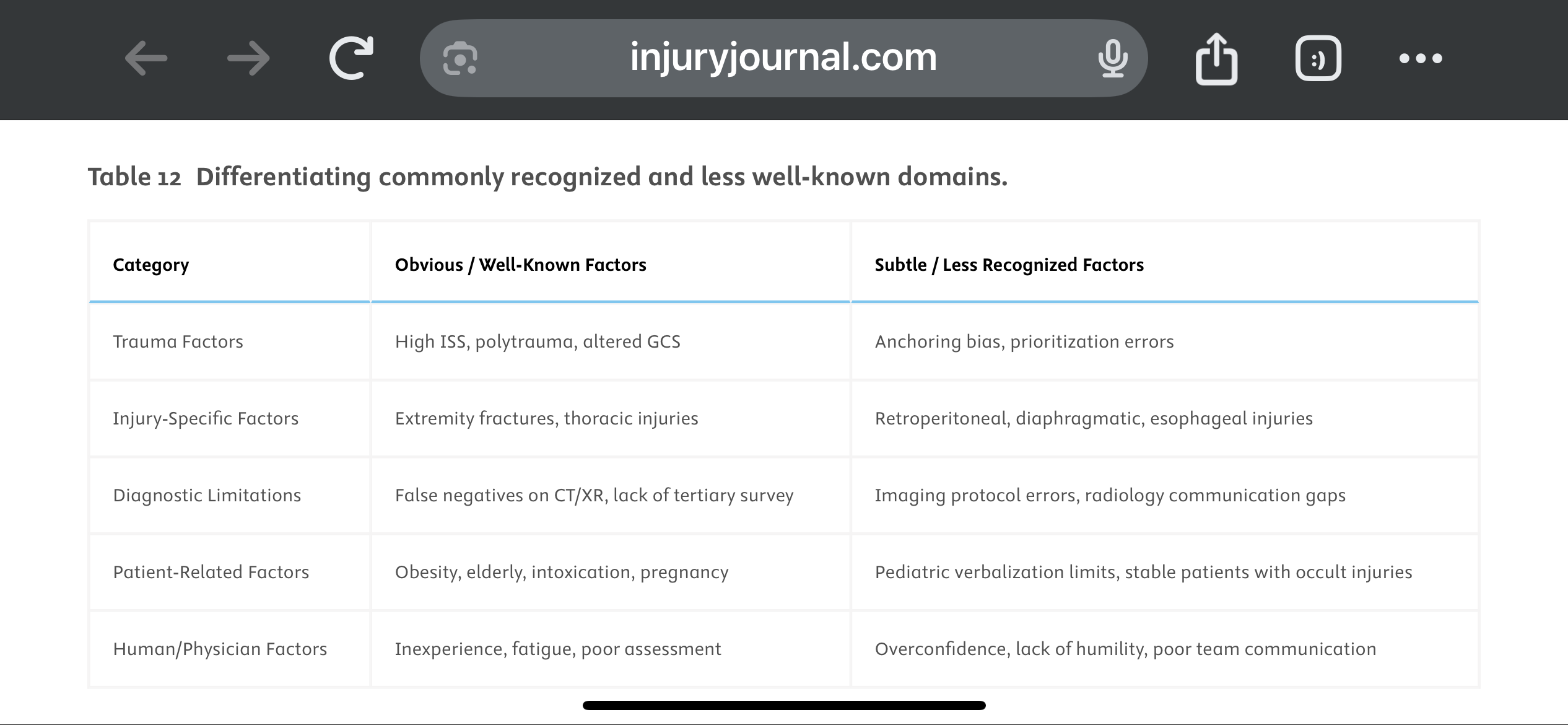
They suggest a Trauma Tertiary Survey helps prevent missed injury. “Tertiary Survey (TTS), which includes a thorough in-hospital re-examination and a review of diagnostic investigations within the first 24 h, has been shown to significantly reduce the occurrence of missed injuries (1–9 %) in severe trauma patients found after a primary and secondary survey.”  This concept is similar to a discharge time out in emergency medicine where all data is reviewed, viral signals are confirmed normal and a team discharge is performed. 
The paper offers these suggestions to avoid missed injuries:

1.

Standardize Tertiary Trauma Surveys (TTS).

2.

Be Cognizant of Cognitive Biases (e.g., Anchoring Bias).

3.

Repeat Imaging When Clinically Indicated.

4.

Use Protocolized Imaging Techniques (CT/MRI).

5.

Ensure Radiology-Trauma Communication.

6.

Prioritize High-Risk Populations.

7.

Implement Peer Review or Double-Check Systems.

8.

Encourage a Culture of Collaboration and Humility.

9.

Limit Provider Fatigue and Overload.

10.

Create Tailored Checklists for Subtle Injuries.

Show References

Missed injuries in trauma care: An analysis of mechanisms and prevention of one of the surgeon's worst nightmares

Vieira, Lucas Fontenelle et al.

Injury, Volume 56, Issue 8, 112600


Title: Traumatic Brain Injury Management Reminders

Category: Trauma

Keywords: TBI, management, parameters (PubMed Search)

Posted: 7/20/2025 by Robert Flint, MD (Updated: 10/19/2026)

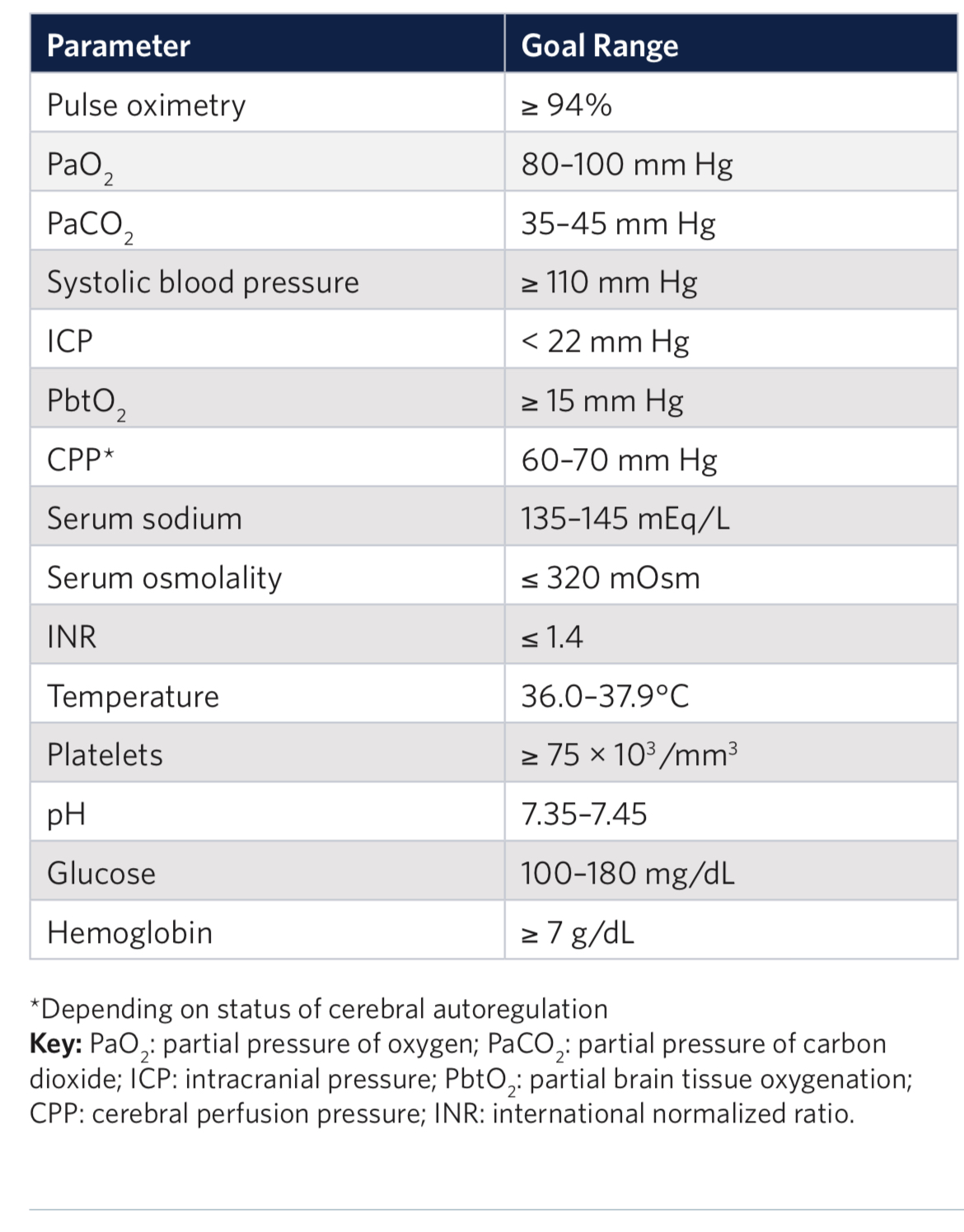
Outcomes in traumatic brain injury are improved when physiologic homeostasis is achieved as soon as possible after injury. Here are the American College of Surgeons’ recommendations. Note SBP over 110 and a hemoglobin over 7. A study looking at a more liberal transfusion target showed worse ARDS and no mortality benefit. 
 

Show References

  1. American College of Surgeons Committee on Trauma. Best Practices Guidelines on the Management of Traumatic Brain Injury. American College of Surgeons; 2024. https://www.facs.org/media/vgfgjpfk/best-practices-guidelines-traumatic-brain-injury.pdf

2. Liberal or Restrictive Transfusion Strategy in Patients with Traumatic Brain Injury

Authors: Alexis F. Turgeon, M.D. https://orcid.org/0000-0001-5675-8791, Dean A.Fergusson, Ph.D., Lucy Clayton, M.Sc., Marie-Pier Patton, M.Sc., Xavier Neveu, M.Sc., Timothy S. Walsh, M.D., Annemarie Docherty, M.D., Ph.D., +48 , for the HEMOTION Trial Investigators on behalf of the Canadian Critical Care Trials Group, the Canadian Perioperative Anesthesia Clinical Trials Group, and the Canadian Traumatic Brain Injury Research Consortium* 

June 13, 2024N Engl J Med 2024;391:722-735DOI: 10.1056/NEJMoa2404360VOL. 391 NO. 8


Title: Higher MAP for critically ill older patients: is this the answer

Category: Geriatrics

Keywords: Geriatric, critical care, vasopressors. (PubMed Search)

Posted: 7/14/2025 by Robert Flint, MD (Updated: 7/14/2025)

An open label pragmatic study in 29 Japanese hospitals randomized septic shock patients over age 65 to either a high (MAP 80-85) or control (65-70) group. They then looked at all cause 90 day mortality. The study was stopped early due to a significantly higher percentage of mortality in the higher MAP group. 
The study isn’t blinded and is only done in one country, however it does raise the question of what is the ideal MAP for older septic shock patients.

Show References

Endo A, Yamakawa K, Tagami T, Umemura Y, Wada T, Yamamoto R, Nagasawa H, Takayama W, Yagi M, Takahashi K, Kojima M, Narita C, Kazuma S, Takahashi J, Shiraishi A, Todani M, Nakane M, Nagata T, Tanaka S, Yokokawa Y, Takahashi K, Ishikita H, Hisamune R, Sasaki J, Muramatsu KI, Sonobe H, Minami K, Hoshi H, Otomo Y; OPTPRESS trial investigators. Efficacy of targeting high mean arterial pressure for older patients with septic shock (OPTPRESS): a multicentre, pragmatic, open-label, randomised controlled trial. Intensive Care Med. 2025 May;51(5):883-892. doi: 10.1007/s00134-025-07910-4. Epub 2025 May 13. PMID: 40358717; PMCID: PMC12130109.


Title: Effect of vehicle size on pedestrian and cyclist fatalities

Category: Trauma

Keywords: Pedestrian, fatality, injury, cyclist (PubMed Search)

Posted: 7/12/2025 by Robert Flint, MD (Updated: 10/19/2026)

This study from Great Britain compared fatalities for pedestrians and cyclist struck by motor vehicles based on vehicle body type. They found :

“We conclude that in Great Britain, being hit by an SUV as opposed to a passenger car increases injury severity among pedestrians and cyclists, with the strongest effect in children.“

Show References

Goodman, Anna, Phil Edwards, and Anthony A. Laverty. 2025. “Do Sports Utility Vehicles (SUVs) Cause More Severe Injuries to Pedestrians and Cyclists than Passenger Cars, in the Case of a Crash? Findings from Great Britain, 2004-2023.” Findings, July. https:/?/?doi.org/?10.32866/?001c.141647.


Title: Age friendly hospital quality measure

Category: Geriatrics

Keywords: Age friendly, geriatric, healthcare, quality improvement (PubMed Search)

Posted: 7/6/2025 by Robert Flint, MD (Updated: 10/19/2026)

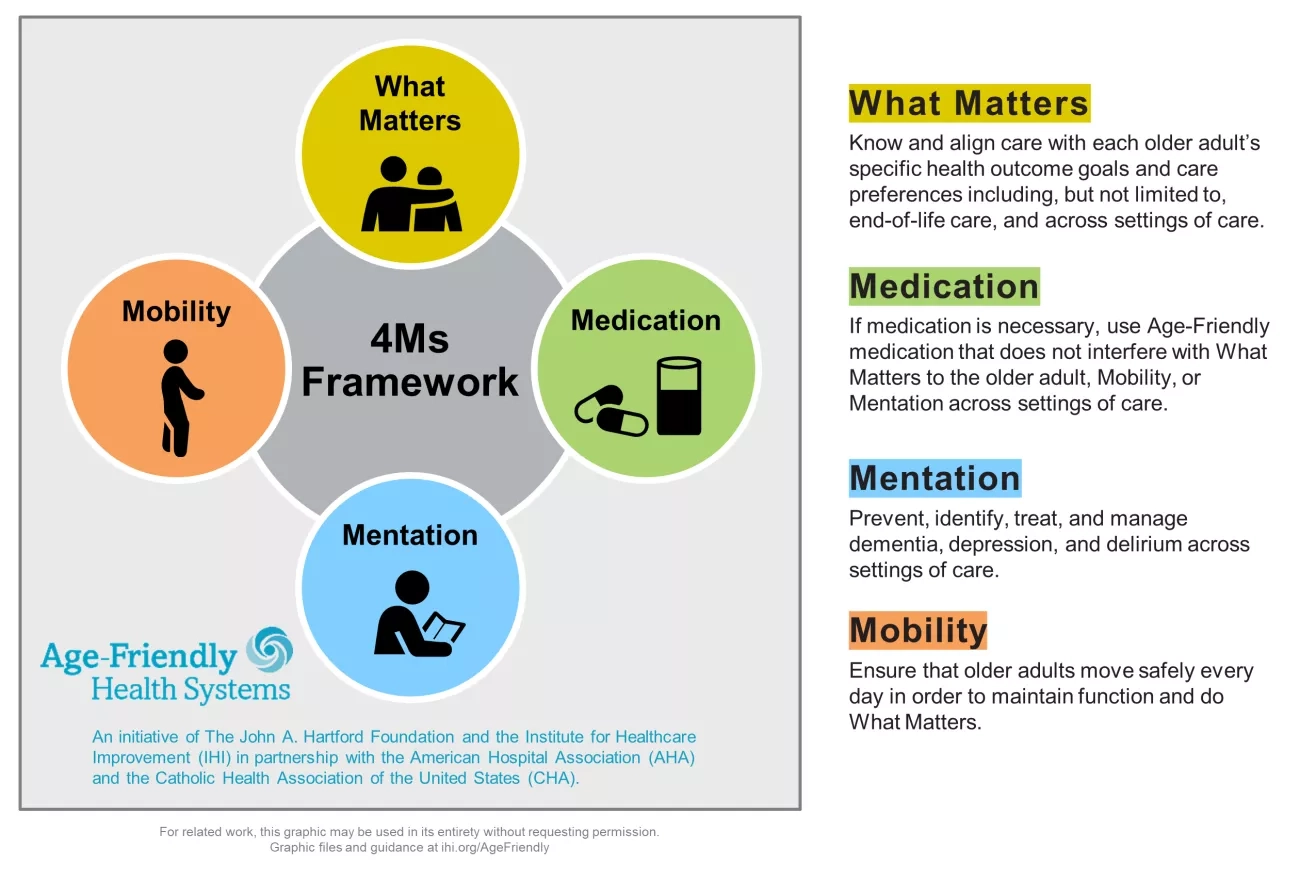
In mid-2024 the Center for Medicare and Medicaid Services introduced a new quality measure entitled Age Friendly Hospital Measure. The initial phase went into effect 1/1/25. It is built around programs from the American College of Surgeons, the American College of Emergency Physicians as well as the Institute for Healthcare Improvement (IHI). It is modeled around the IHI’s 4M Framework. 
Show References

  1. https://www.ihi.org/networks/initiatives/age-friendly-health-systems
  2. https://www.johnahartford.org/resources/view/cms-passes-new-2025-age-friendly-hospital-measure
  3. https://www.facs.org/quality-programs/accreditation-and-verification/geriatric-surgery-verification/


Title: Use of shock index in compensated shock state to predict transfusion

Category: Trauma

Keywords: Shock index, transfusion, hypotension (PubMed Search)

Posted: 7/5/2025 by Robert Flint, MD (Updated: 10/19/2026)

These authors looked at 5958 trauma patients arriving at their trauma center with a systolic blood pressure greater than 90. They calculated shock index (heart rate /sbp) for all of these and then looked at who received a blood transfusion within one hour of arrival.  211 patients received blood in that time frame.  “Patients were stratified by SI using the following thresholds: ? 0.7, > 0.7 to 0.9, > 0.9 to 1.1, > 1.1 to 1.3, and > 1.3.”
“A main effect was observed for shock index with increased risk for required transfusion for patients with admission shock index >0.7 (P < 0.001). In comparison to shock index of ? 0.7, odds ratios were 2.5(1.7 - 3.8), 8.2(5.4 - 12.2), 24.9(15.1 - 41.1), 59.0(32.0 - 108.6) for each categorical increase in SI.”

Show References

Lin TM, Memon AM, Reeson EA, Tolan GC, Low TM, Kupanoff KM, Huang DD, Jones MD, Czarkowski BR, Soe-Lin H, Bogert JN, Weinberg JA. Shock index identifies compensated shock in the 'Normotensive' trauma patient. Injury. 2025 May 8:112419. doi: 10.1016/j.injury.2025.112419. Epub ahead of print. PMID: 40379507.


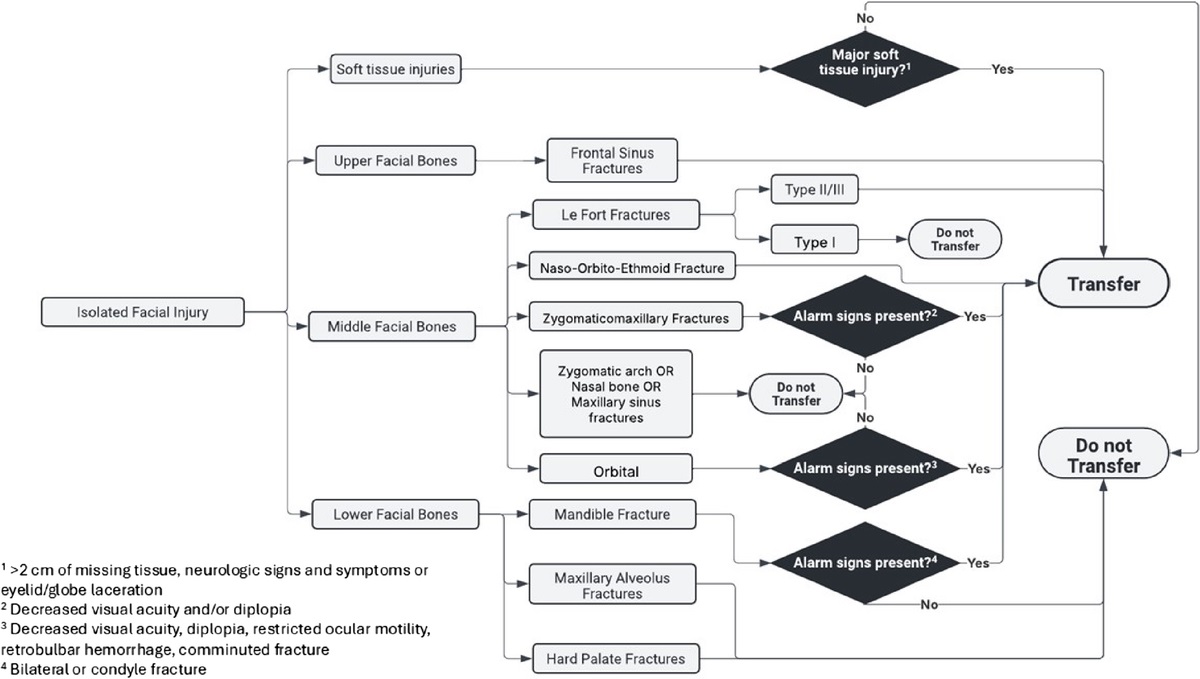
Title: Facial Fracture Transfer Guidelines

Category: Trauma

Keywords: facial fracture, transfer, guidelines (PubMed Search)

Posted: 7/2/2025 by Robert Flint, MD (Updated: 7/2/2025)

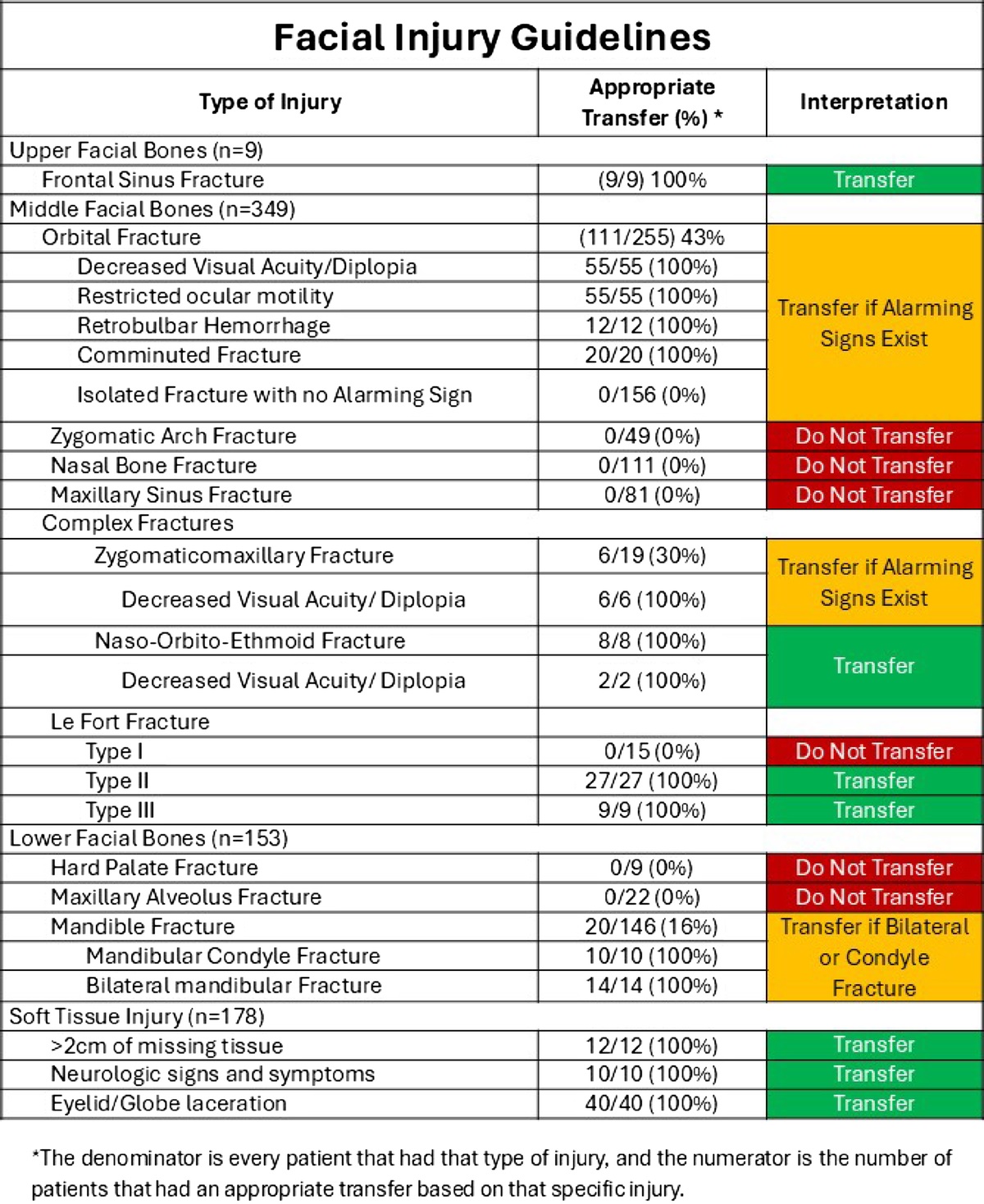
Based on a review of  511 patients transferred to a level one trauma center for evaluation of facial fractures, this group developed the Facial Fracture Transfer Guidelines.  they found that over half of the patients transferred to them did not require intervention and were discharged within 6 hours. These guidelines are meant to decrease unneeded transfers yet provide appropriate care to those with traumatic facial injuries. 
Show References

Castillo Diaz, Francisco MD; Anand, Tanya MD, MPH, FACS; Khurshid, Muhammad Haris MD; Kunac, Anastasia MD, FACS; Al Ma'ani, Mohammad MD; Colosimo, Christina DO, MS, FACS; Hejazi, Omar MD; Ditillo, Michael DO, FACS; Magnotti, Louis J. MD, MS, FACS; Joseph, Bellal MD, FACS. Look me in the face and tell me that I needed to be transferred: Defining the criteria for transferring patients with isolated facial injuries. Journal of Trauma and Acute Care Surgery ():10.1097/TA.0000000000004651, May 9, 2025. | DOI: 10.1097/TA.0000000000004651


Title: Facial Fracture Review

Category: Trauma

Keywords: facial fracture, Le Fort, orbital fracture (PubMed Search)

Posted: 6/29/2025 by Robert Flint, MD (Updated: 10/19/2026)

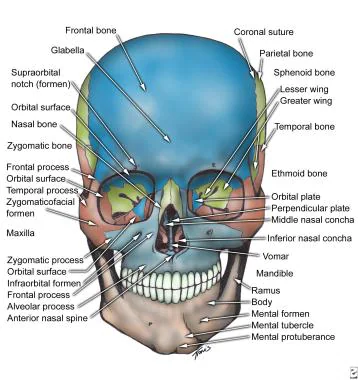
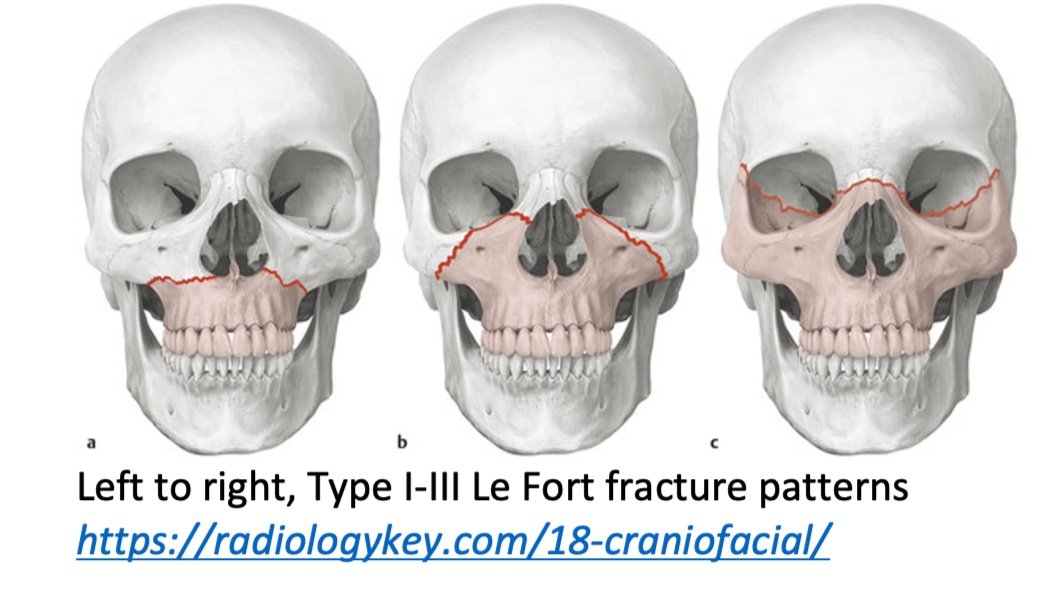
Most common facial fracture is the nasal fracture followed by the zygomatic arch fractures. 
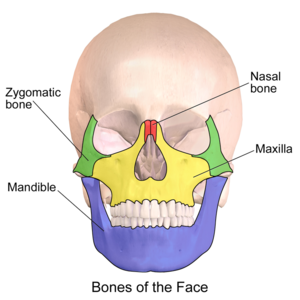
Le Fort Classification of facial fractures/facial stability. The higher the number, the more unstable. 
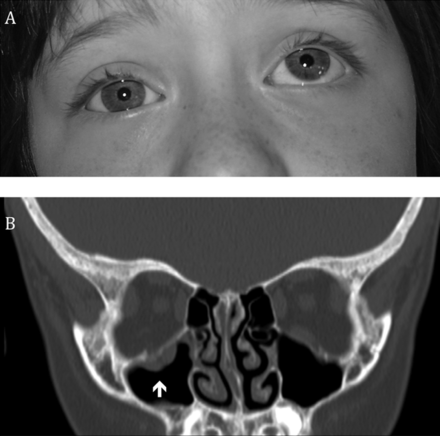
Orbital blow out fractures may entrap the ocular muscles leading to eye immobility in various directions. 
Show References

  1. https://www.nuemblog.com/blog/tracheostomy-facial-fractures-midfaceandmandible
  2. https://www.physio-pedia.com/Facial_Trauma
  3. https://emedicine.medscape.com/article/84613-overview
  4. https://dontforgetthebubbles.com/orbital-fractures/


Title: BIG for kids

Category: Trauma

Keywords: Head injury, BIG, pediatric (PubMed Search)

Posted: 6/23/2025 by Robert Flint, MD (Updated: 10/19/2026)

Brain injury guidelines were designed to decrease transfers and neurosurgical consults for adults with head injuries. 
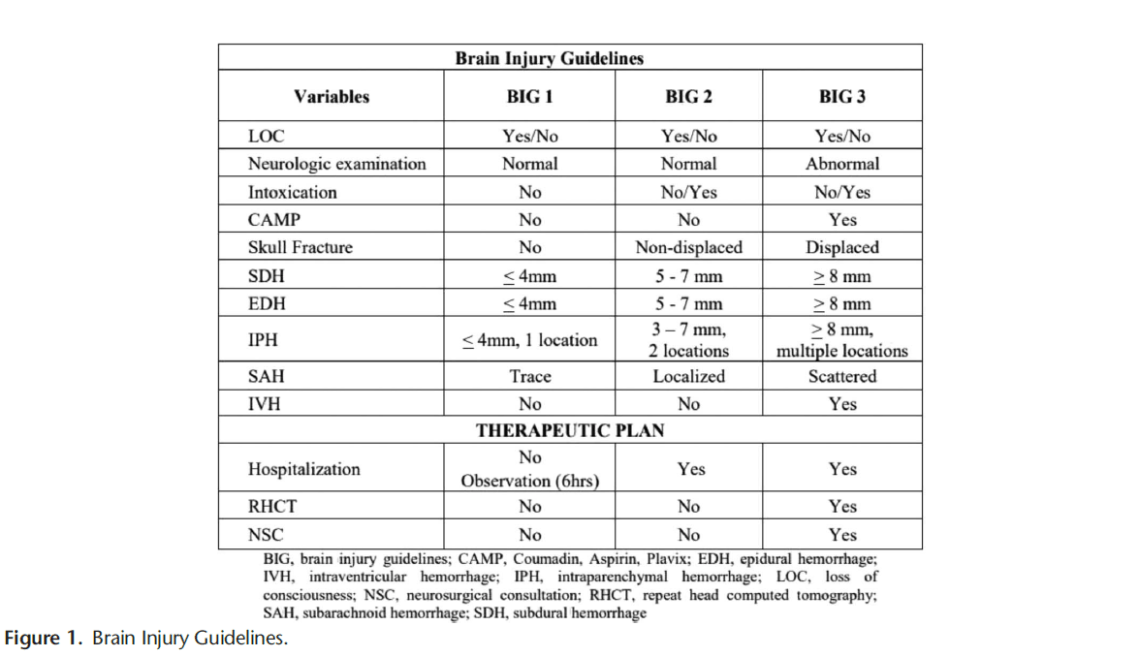
A new retrospective study suggests that modified  guidelines may be feasible in the pediatric population as well. More data is needed but this is an important step in assuring safe resource utilization in pediatric head injury patients.

Show References

1. https://first10em.com/the-brain-injury-guidelines-can-we-avoid-talking-to-neurosurgeons/

2. Kay AB, Glasgow SL, Kahan AM, Swendiman RA, Kastenberg ZJ, Roach CM, Wan HY, Bollo RJ, Iyer RR, Ravindra VM, Morris DS, Yorkgitis BK, Joseph B, Russell KW. Small Change, BIG Impact: Proposal of the Brain Injury Guidelines for kids (kBIG). J Pediatr Surg. 2025 May 17;60(8):162372.


Title: Call Neurosurgery for that abscess!

Category: Infectious Disease

Keywords: Abscess, brain, drainage, neurosurgery (PubMed Search)

Posted: 6/22/2025 by Robert Flint, MD (Updated: 10/19/2026)

In a Danish study of 558  patients with a brain abscess, those that had early surgical drainage did better than those treated conservatively with antibiotics only.  Prompt neurosurgical consultation is warranted for these patients.

Show References

https://www.emjreviews.com/microbiology-infectious-diseases/news/surgery-cuts-brain-abscess-death-risk-and-favored-over-drug-treatment/


Title: Mortality of ED vs. OR intubation for trauma patients.

Category: Trauma

Keywords: Intubation, trauma, mortality, operating room, Ed (PubMed Search)

Posted: 6/15/2025 by Robert Flint, MD (Updated: 10/19/2026)

In this Israeli study comparing mortality for trauma patients intubated in the emergency department vs the operating room, in hospital mortality was higher for the ED group before controlling for injury severity score and shock. After controlling for injury severity and shock, there was no difference in In hospital mortality. Coupled with previous research, if intubation can wait until after resuscitation and in the OR, that is ideal. And sometimes it just has to happen in the ED and we should be prepared for rapid resuscitation.

Show References

Talmy T, Radomislensky I, Brzezinski Sinai I, Shaylor R, Katorza E, Gendler S; Israel Trauma Group Collaborators. Intubation Setting and Mortality in Trauma Patients Undergoing Hemorrhage Control Surgery: A Propensity Score-Matched Analysis. Anesth Analg. 2025 May 16. doi: 10.1213/ANE.0000000000007542. Epub ahead of print. PMID: 40378073.


Title: How to: resuscitative hysterotomy

Category: Trauma

Keywords: Hysterotomy (PubMed Search)

Posted: 6/8/2025 by Robert Flint, MD (Updated: 10/19/2026)

Another case series of 3 resuscitative hysterotomies, all performed by obstetricians, reported 33% maternal and 67% neonate survival.(1). 
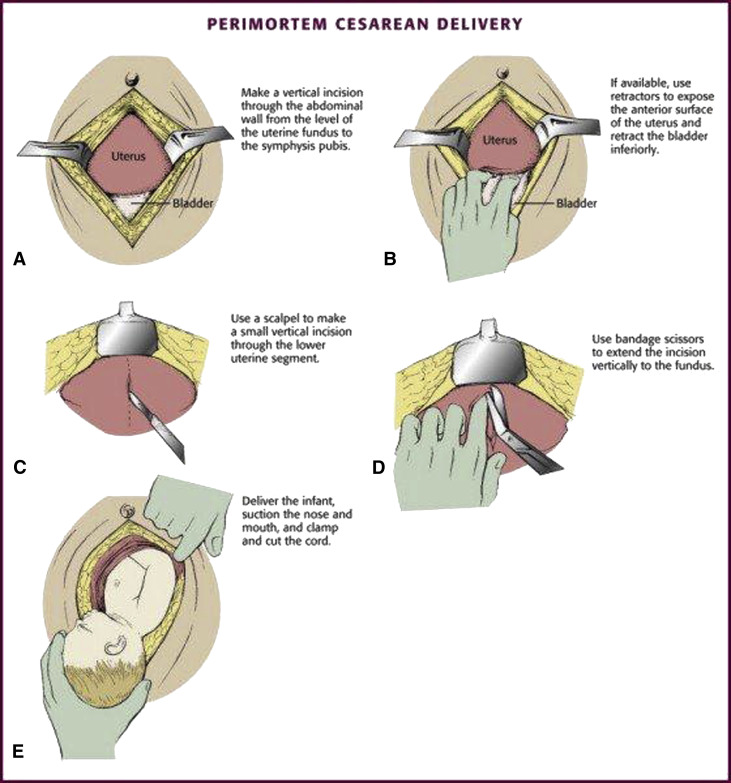
The mechanics of the procedure are:

  • “Duration should not exceed 5 minutes!
  • Incise from pubic symphysis to at least umbilicus with a large scalpel along linea nigra into peritoneal cavity. Layers: skin, subcutaneous tissue, fascia between the rectus muscles, peritoneum.
  • Retract abdominal wall laterally
  • Reflect bladder inferiorly and empty by aspiration
  • Make a small incision (~5cm) vertically into the inferior presenting part of the uterus until amniotic fluid comes or through endometrium
  • Insert 2 fingers and lift up uterus from foetus
  • Extend uterine incision up to fundus with safety scissors curved away from foetus
  • Deliver the foetus. May need to disengage the presenting part from the pelvis.
  • Clamp the cord twice and cut between clamps
  • Give the neonate to the neonatal resuscitation team” (2)
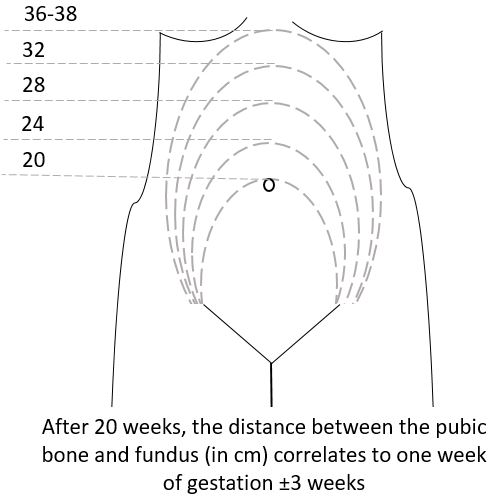
(3)

Show References

  1. Case Series of Resuscitative Hysterotomy in Pregnant Trauma Patients Performed in the Emergency Department of a Level One Major Trauma ServiceThomas A. G. Shanahan, Jason Gabriel-Anyassor, Stefan C. Kane, Kellie Gumm, David J. Read, Elyssia Bourke  Emergency Medicine AustralasiaVolume 37, Issue 3 e70078 First published: 03 June 2025 https://doi.org/10.1111/1742-6723.70078
  2. Perimortem Caesarean section Life in the Fast Lane. Matthew Quo and Chris Nickson May 23, 2024 https://litfl.com/perimortem-caesarean-section/
  3. Trauma in Pregnancy Posted on March 20, 2023 by Julissa De La Cruz https://sinaiem.org/foam/trauma-in-pregnancy/


Title: Out of hospital cardiac arrest and resuscitative hysterotomy

Category: Trauma

Posted: 6/7/2025 by Robert Flint, MD (Updated: 10/19/2026)

A literature search revealed very little evidence, however in 66 women and 68 neonates who underwent resuscitative hysterotomy for out of hospital cardiac arrest 4.5% of women and 45% of neonates survived to discharge. The longest down time was 29 minutes and 47 minutes for women and neonates respectively. While more evidence is needed, it appears this procedure should be performed as early as possible and may lead to some survival benefit.

Show References

Leech C, Nutbeam T, Chu J, Knight M, Hinshaw K, Appleyard TL, Cowan S, Couper K, Yeung J. Maternal and neonatal outcomes following resuscitative hysterotomy for out of hospital cardiac arrest: A systematic review. Resuscitation. 2025 Feb;207:110479. doi: 10.1016/j.resuscitation.2024.110479. Epub 2024 Dec 29. PMID: 39736393.


Title: Prehospital femur fracture management.

Category: Trauma

Keywords: Femur fracture, splint (PubMed Search)

Posted: 6/6/2025 by Robert Flint, MD (Updated: 10/19/2026)

The National Association of Emergency Medical Service Physicians reminds us that femur fractures rarely cause enough blood loss to cause hemodynamic instability (look for other sources),  often have concomitant injuries in the pelvis or distal extremity, and can be effectively  splinted either static or with traction (which has contraindications, complications, and technical hurdles).

Show References

John W. Lyng, Joshua G. Corsa, Philip S. Nawrocki, Brad D. Raetzke, Josh

Nackenson & Nichole Bosson (07 May 2025): Prehospital Trauma Compendium: Management

of Suspected Femoral Shaft Fractures – A position statement and resource document of

NAEMSP, Prehospital Emergency Care, DOI: 10.1080/10903127.2025.2493846

To link to this article: https://doi.org/10.1080/10903127.2025.2493846


Title: Nail gun injuries: surgery and antibiotics?

Category: Trauma

Keywords: Nail gun injury, surgery, antibiotics (PubMed Search)

Posted: 6/1/2025 by Robert Flint, MD (Updated: 6/1/2025)

An Australian retrospective study of 158 patients treated for nail gun injuries found those treated with operative debridement or with prophylactic antibiotics had no different 30 day infection rates compared to patients receiving no antibiotics.

Show References

Slater S, Vasudeva M, Mitra B, Sreedharan S. Penetrating nail gun injuries: Role of antibiotics and surgical management. Trauma. 2025;0(0). doi:10.1177/14604086251320524


Title: Do whole body Ct scans lead to better outcomes in geriatric trauma?

Category: Trauma

Keywords: geriatric, trauma, CT scan (PubMed Search)

Posted: 5/29/2025 by Robert Flint, MD (Updated: 10/19/2026)

This literature search from 1946-2023 looking at comparing selective use of CT scans vs whole body scans in geriatric trauma found no benefit of whole body CT in mortality, hospital length of stay or ED discharge. This study only included 15,000 pts over that very long time line. More robust, current work needs to be done on this important topic.

Show References

Tang P, Elkington O, Stevens S. Whole body CT-scan vs. selective CT-scan in geriatric trauma: Systematic review and meta-analysis. Trauma. 2025;0(0). doi:10.1177/14604086241304629


Title: Climate change and Coccidioidomycosis

Category: Infectious Disease

Keywords: Coccidioidomycosis, climate change (PubMed Search)

Posted: 5/26/2025 by Robert Flint, MD (Updated: 10/19/2026)

Typically Coccidioidomycosis is seen in the Southwestern US. The authors of this study, using climate modeling  predict endemic areas will spread across the US to include Idaho, the Dakotas, Nebraska and Wyoming. 
Clinically, “Patients with pulmonary Coccidioides infection frequently experience fever, cough, and shortness of breath. Chest radiographic imaging may demonstrate lobar, segmental, or multifocal consolidations; cavitary lesions; and lung nodules. Given these nonspecific findings, patients with coccidioidomycosis are often treated for community-acquired pneumonia. Coccidioidomycosis should be considered in patients not improving with antibiotic treatment or in those who have exposure to or reside in endemic areas. Up to 50% of patients with pulmonary coccidioidomycosis have erythema nodosum, approximately 25% to 30% have peripheral eosinophilia, and approximately 25% have arthralgias (particularly symmetric knee and ankle arthralgia). Up to 10% of patients diagnosed with coccidioidomycosis develop disseminated disease, including skin, central nervous system, and bone and joint infection.”

Show References

Lee PS, Swain DL, Johnson R. Climate Change and Coccidioidomycosis. JAMA. 2025;333(11):997–998. doi:10.1001/jama.2024.27274


Title: How likely are TIA pts to develop a stroke?

Category: Neurology

Keywords: CVA, TIA, prediction, one year (PubMed Search)

Posted: 5/21/2025 by Robert Flint, MD (Updated: 10/19/2026)

How likely is your TIA pt to go on to have a stroke? This study in JAMA gives us some answers. While EM providers aren’t as interested in 5 and 10 year prediction, it provides more evidence TIAs need to be evaluated and are risk factors for future events.

“In this systematic review and meta-analysis of 171?068 patients with TIA or minor stroke from 38 studies, the risk of subsequent stroke was 5.9% within 1 year, 12.8% within 5 years, and 19.8% within 10 years.”

Show References

Long-Term Risk of Stroke After Transient Ischemic Attack or Minor StrokeA Systematic Review and Meta-Analysis

Writing Committee for the PERSIST Collaborators

JAMA. 2025;333(17):1508-1519. doi:10.1001/jama.2025.2033


Title: Antibiotics after nasal packing, yea or neah?

Category: ENT

Keywords: Epistaxis prophylaxis (PubMed Search)

Posted: 5/18/2025 by Robert Flint, MD (Updated: 10/19/2026)

This large retrospective database study compared those receiving antibiotics after anterior nasal packing to those that did not.  There was no difference in clinically significant infection between the groups leading the authors to conclude prophylactic antibiotics after anterior nasal packing is not required.

Show References

Tran QK, Vashee I, Vanga R, Camp S, Rallo MK, Najafali D, Bontempo LJ, Pourmand A. Is antibiotic prophylaxis necessary for anterior epistaxis with packing? Insights from a large database. Am J Emerg Med. 2025 Mar 19;93:64-72. doi: 10.1016/j.ajem.2025.03.040. Epub ahead of print. PMID: 40147155.


Previous  |  1 |  2 |  3 |  4 |  5 |  6 |  7 |  8 |  9 |  10 |  11 |  12 |  ... |  17 |  Next
University of Maryland School of Medicine logo
  • Departments
  • Programs
  • Research Centers
  • Institutes
  • Graduate Education
  • CIBR Cores
  • Offices of the Dean
    • University of Maryland, Baltimore
    • University of Maryland Medical Center
    • Medical Alumni Association of the University of Maryland
    • Health Sciences and Human Services Library
University of Maryland School of Medicine
655 W. Baltimore Street
Baltimore, MD 21201
Contact Us

© University of Maryland School of Medicine

    • Webmaster
    • Web Accessibility
    • Site Index
    • UMB Hotline
    • Employment
    • Map