
- Phenytoin (Dilantin) should not be infused at a rate greater than 50 mg/minute, to a total of 20 mg/kg.
- Caution is encouraged while infusing due to the risk of inducing hypotension and cardiac arrhythmias, making cardiac monitoring during infusion mandatory.
- These adverse effects are partly related to the propylene glycol used to solubilize phenytoin.
- Additionally, the risk of local pain and injury, such as venous thrombosis and the purple glove syndrome, increases with rapid infusion rates.
Dopamine in the ED
- Recall that dopamine is an endogenous catecholamine that is a precursor for norepinephrine synthesis
- Despite the popularity of norepinephrine, dopamine is still used by many EPs in the setting of septic shock
- Dopamine produces progressive alpha-receptor stimulation at doses > 10 mcg/kg/min
- Tachyarrhythmias (namely sinus tachycardia) is the predominant adverse effect
- When selecting a vasopressor agent, be sure to check the HR. If the patient is already tachycardic, the addition of dopamine will only worsen the tachycardia
- Additional important adverse effects are increased intraocular pressure and delayed gastric emptying
Show References
Healthcare Associated Pneumonia (HCAP)....why is this important for the emergency physician?
Most of us are very familiar with the types of pneumonias commonly seen in clinical practice: community-acquired pneumonia (CAP), hospital-acquired pneumonia(HAP), and ventilator-associated pneumonia (VAP). But, some may not be that aware of a relatively newer type of pneumonia that has been well-defined, healthcare-associated pnemonia (HCAP). Experts in infectious disease and critical care now say that we (the ED) should be assessing ALL pneumonia patients for HCAP risk factors.
Why care, you ask?
- Higher mortality than CAP
- May look like CAP
- Treated much differently than CAP
Risk factors: (most are common sense)
- Nursing home or extended care facility resident
- Recently admiited to a hospital for 2 or more days in the preceeding 90 days
- Home wound care or attending a clinic for wound care
- Dialysis patient
- Home infusion therapy (antibiotics)
- Immunosuppresive therapy or disease
Treatment:
- 3 drugs....not like treatment of CAP!
- Usually a combination of a big gun anti-pseudomonal (e.g. Pip/Tazo) combined with a broad spectrum respiratory fluoroquinolone (e.g. Moxi), combined with Vancomycin
- Key difference between treatment of CAP and HCAP is consideration for multi-drug resistant pathogens, pseudomonas, and MRSA.
Death from ruptured aortic aneurysms and thoracic aortic dissection has a few key features that often help in distinguishing these entities from other causes of rapid decompensation and sudden death:
1. These aortic disasters have a tendency to present with hypotension but without necessarily any specific complaints of pain (in contrast to common teaching).
2. These aortic disasters tend usually to produce PEA as the initial arrest rhythm.
3. These aortic disasters are often diagnosable on bedside ultrasound (AAA seen when scanning the abdomen; dissections frequently produce pericardial tamponade as they dissect backwards into the pericardial sack).
ALWAYS take a look at a patient's aorta and pericardium with the ultrasound when that patient presents in extremis or in cardiac arrest. The results can help make some critical diagnostic and therapeutic decisions.
[recent article related to this topic: Pierce LC, Courtney DM. Clinical characteristics of aortic aneurysm and dissection as a cause of sudden death in outpatients. Am J Emerg Med 2008;26:1042-1046.]
The glucometer is one of the devices that we quickly reach for in the management of our unresponsive patients, diabetics and in the critically ill. Recently, I noticed that our Roche Accu-Check has a big sticker on the case stating that results could be affected by therapies that alter the metabolism of galactose, maltose, and xylose. Since this was a big hole in my fund of knowledge I decided to look up what else affects the accuracy of glucometers.
Now, Dr. Winters already warned used about the inaccuracy of bedside glucometer readings in the critically ill, but what about the patient that is not septic and/or in shock.
Substances/Drugs that have been reported to affect the accuracy of glucometers are:
- Levodopa
- Dopamine
- Mannitol
- Acetaminophen
- Severe lipemia
- Severe unconguted bilirubin
- Elevated Uric Acid
- Maltose (present in immunoglobin products)
- Patient on peritoneal dialysis secondary to Icodextrin
- Ascorbic Acid (Vitamin C)
Anemia also results in higher values, and a capillary blood sample can differ from venous blood by as much as 70mg/dL.
Most errors are more significant when dealing with hypoglycemia.
So the moral of the story is be careful with a bedside glucometer when the reading is low, as the venous blood sample sent to the lab may return even lower. Error on the side of treating the patient with glucose.
Show References
- Exact definitions of status epilepticus vary.
- Generally speaking, status epilepticus is defined as a single unremitting seizure that lasts longer than 5 to 10 minutes OR greater than one generalized clinical seizure with no interictal return to clinical baseline.
- While treatment with phenytoin and diazepam is often used for status, studies have shown that lorazepam use alone is more effective.
How many times have you had a patient with an allergy to codeine described as stomach upset? Or how about a rash with morphine (probably secondary to histamine release)? True anaphylactic reactions to opioids are very rare (< 1%). But what happens when you have a patient with a true allergy, but still need to give an opioid? No problem, you just need to choose one that is structurally different.
- Group 1 (aka opiates) - Naturally occurring agents derived from the opium plant
- Morphine, codeine, thebaine
- Group 2 - Semi-synthetics
- Hydrocodone, oxycodone, hydromorphone, oxymorphone, buprenorphine (heroin is also in this group)
- Group 3 - Synthetics
- Fentanyl (alfentanil, sufentanil, etc.), methadone, tramadol, propoxyphene, meperidine
All of the group 1 and 2 agents are structurally very similar to each other and should not be given if a true allergy exists to any other natural or semi-synthetic derivative. Group 3 agents have structures different enough that they can be given to a patient intolerant to the natural or semi-synthetics without fear of cross reactivity. They are also very different from others in this same group.
Seizures in the Critically Ill
- Seizures are a common complication in medical and surgical patients commonly arising from coexisting conditions associated with critical illness
- Most seizures in the critically ill are generalized convulsions rather than focal
- The majority of seizures occur in patients without a pre-existing history of seizure disorder
- Common causes of seizures in the critically ill include sepsis, cardiovascular disease, metabolic abnormalities, medications, and drug intoxication/withdrawal
- Metabolic abnormalities account for 30 -35% of causes
- The most common metabolic abnormalities include hyponatremia, hypocalcemia, hypophosphatemia, uremia, and hypoglycemia
- Be sure to check these labs in ICU patients with a seizure
Show References
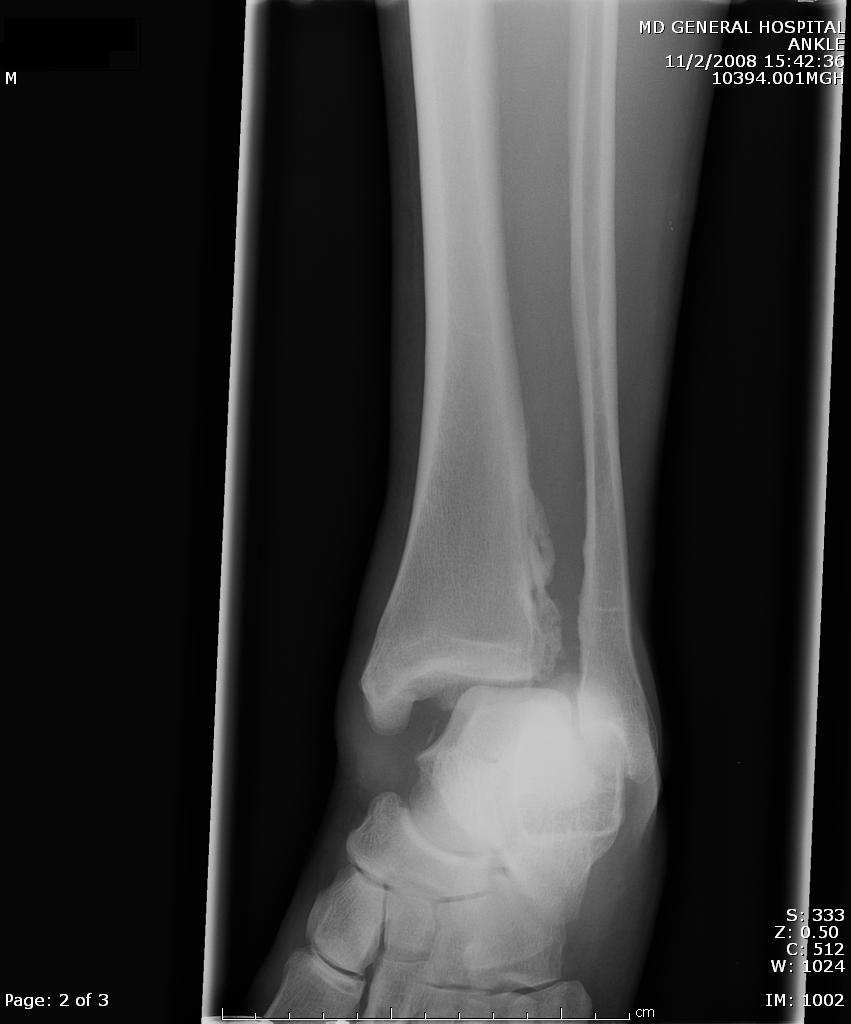
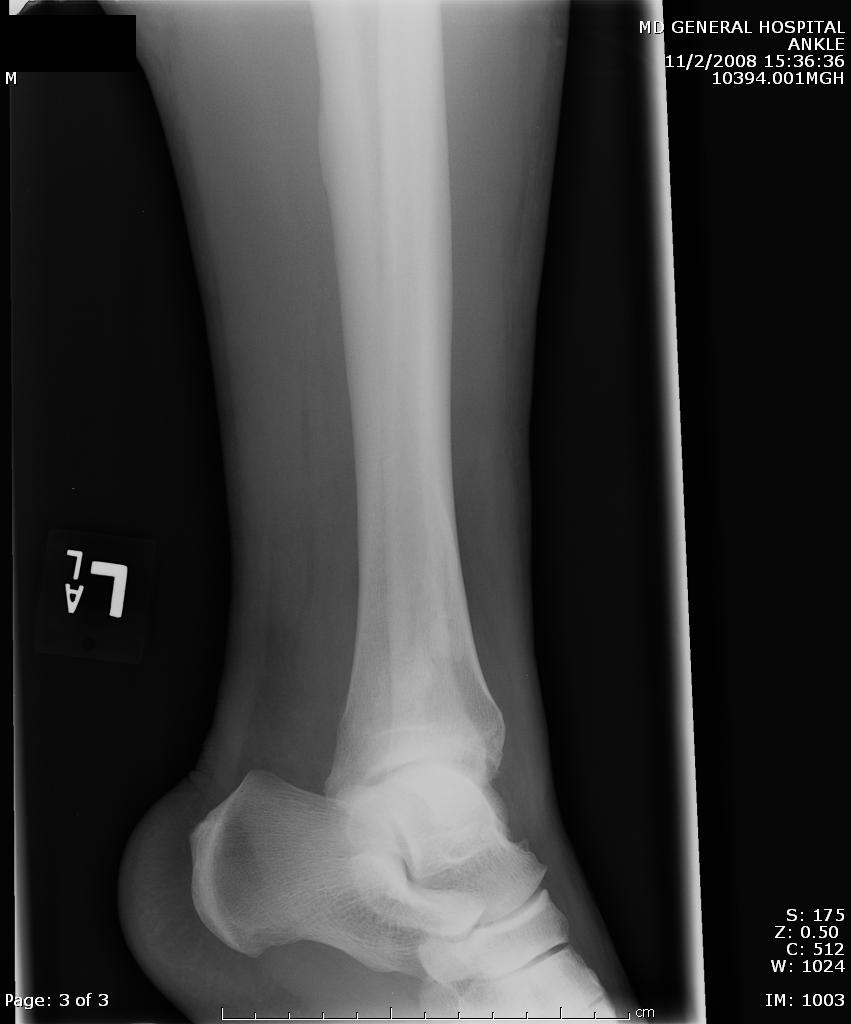
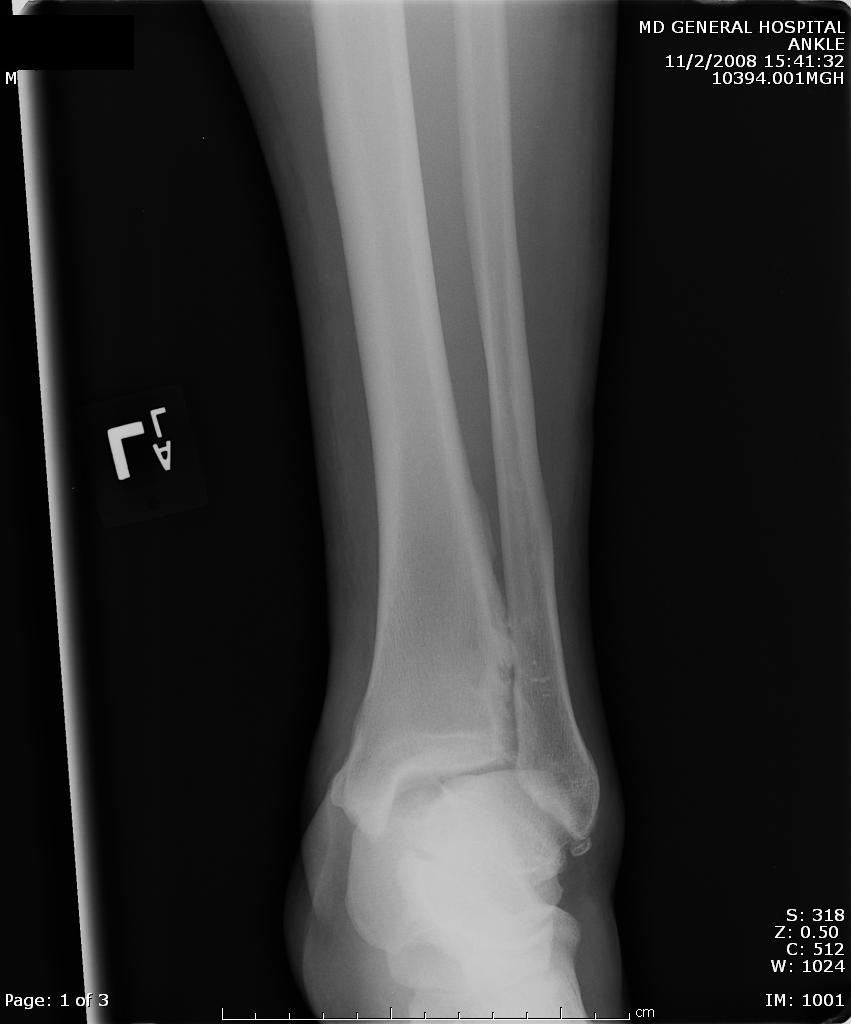
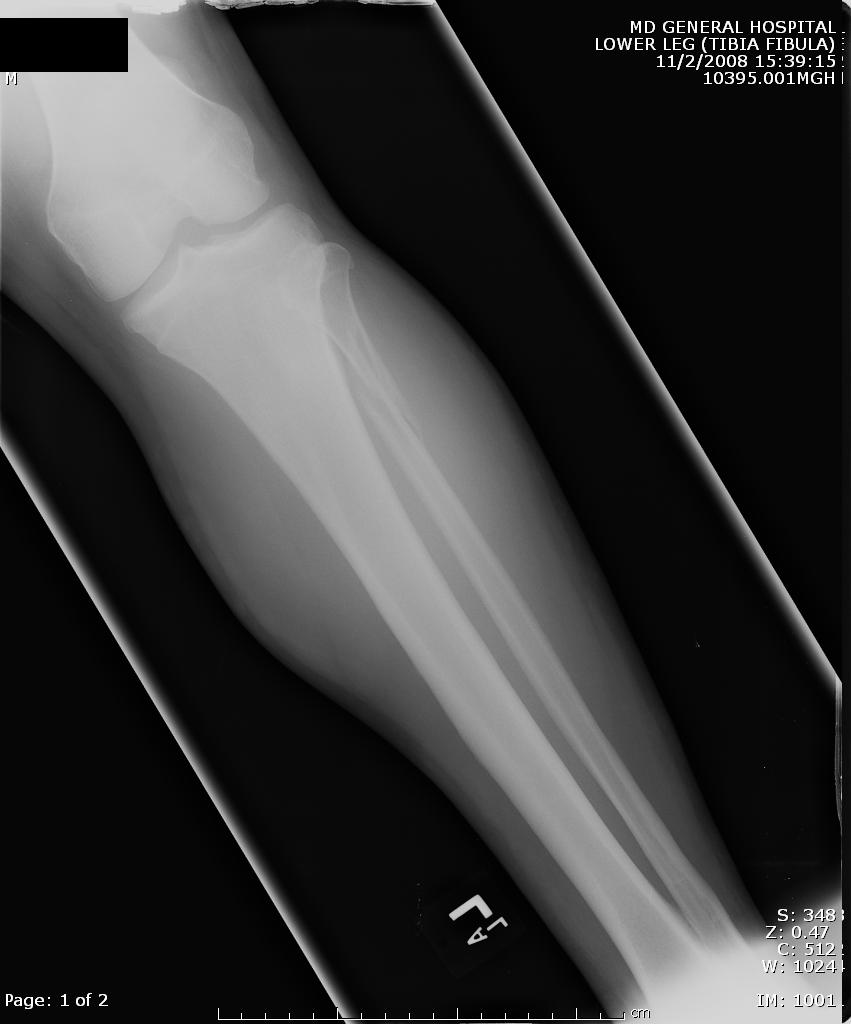
A maisonneuve fracture is a fracture dislocation resulting from external rotational forces to ankle -- through interosseous ligament to fibula.
- Proximal fibula fracture - from external rotational forces (spiral/oblique)
- Ankle components can include any of the following:
- medial maleolus avulsion fx or deltoid ligament rupture
- anterior talofibular ligament rupture
- interosseous ligament rupture
- posterior malleolar fracture
If stability is questionable, orthopedic evaluation under anesthesia is required. Additionally always consider compartment syndrome. Do not rely on Kanduval's signs (pain, paraesthesia, pallor, poikilothermia, pulselessness) - "... with the exception of pain and paraesthesia, these traditional signs are not reliable." Emergent orthopedic consultation and compartment pressure assessment should be performed. (see attached photos)

Show References
This is a psychoactive herb which can induce strong dissociative effects by stimulation of the kappa receptor. It has become increasingly well known and available in modern culture, and popularized by YouTube Salvia (also known as Sage, Diviner's Sage, Magic Mint, or Sally D) is usually smoked, but can be chewed or ingested.
The high it produces is very intense, but lasts only approximately 10 minutes. Currently many states have enacted legislation against it, including Fla, IL, KA, MI, MO, ND, OK and VA, but it is available over the internet.
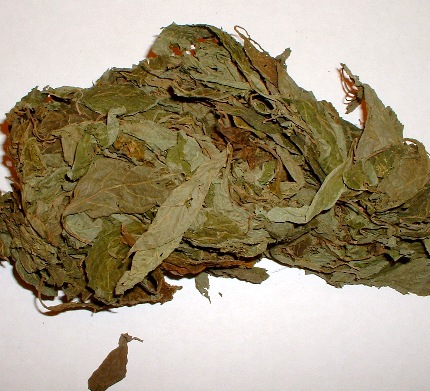
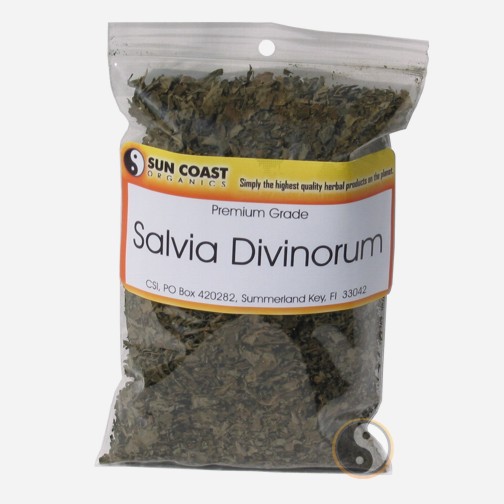
The following video demonstrates clinical effects of drug.
Although it is amusing, this is not meant to condone use.
(if you can not view the embeded video here is the link)
http://www.youtube.com/watch?v=w6dgXX0ytSo
- Chiari Malformations are congenital abnormalities wherein the cerebellum downwardly displaces into the spinal canal.
- This results in an increase in pressure and subsequent obstruction of CSF flow.
- Common symptoms associated with Chiari Malformations include:
- vertigo
- headache
- muscle weakness
- coordination abnormalities
- gait abnormalities
- visual abnormalities
Show References
Auto-PEEP in the non-COPD patient
- In previous pearls we have discussed the concept of auto-peep in patients with expiratory flow limitation (asthma and COPD)
- Unexpected auto-peep can also occur in up to 35% of patients without asthma or COPD
- In these patients, auto-PEEP typically occurs with high minute ventilations (> 20 L/min) with shortened exhalation times or if exhalation is blocked (blocked ETT, exhalation valve, or PEEP valve)
- Recall that auto-PEEP increases the work of breathing, worsens gas exchange, and can cause hemodynamic compromise
- Treatment of auto-PEEP can be as follows:
- Change ventilator settings
- increase expiratory time
- decrease respiratory rate
- decrease tidal volume
- Reduce ventilatory demand
- reduce anxiety, pain, fever with sedatives
- Reduce flow resistance
- large-bore ETT
- frequent suctioning
- Apply external PEEP
- Change ventilator settings
Show References
The classic risk factors for coronary artery disease (e.g. hypertension, diabetes, smoking, etc.) are helpful at predicting the long-term risk of CAD, but they have limited utility at predicting whether a patient with acute symptoms is having an acute coronary syndrome or not. In one recent study of > 800 patients with suspected cardiac chest pain, 12% of patients with NO cardiac risk factors ruled-in for acute MI.
Never rule out ACS in a patient purely based on the absence of traditional cardiac risk factors!
[Body R, McDowell G, Carley S, et al. Do risk factors for chronic coronary heart disease help diagnose acute myocardial infarction in the Emergency Department? Resuscitation 2008;79:41-45.]
High altitude illnesses is typically called Acute mountain sickness (AMS) and is associated with two major complications high altitude pulmonary edema (HAPE) and high altitude cerebral edema (HACE).
Symptoms associated with AMS are headache, fatigue, nausea and vomiting, anorexia and insomia. Cough, Cyanosis, hypoxia, and dyspnea are associated with HAPE. HACE is associated with progressive neurologic symptoms and can lead to ataxia and coma.
Factors that increase your risk for altitude illnesses are:
- Rate of ascent
- Elevation obtained
- Exertion on arrival to elevation
- Duration at that altitude
- Recent URI
- Previous symptoms of AMS
How do we know if we really need to put all those red eyes sent in from daycare centers and schools on antibiotics? The following study shows us why.
Bacterial Conjunctivitis in Children
- Prospective study in a children’s hospital ED
- Conjunctival swabs for culture were obtained from patients aged 1 mo - 18 yrs presenting with red or pink eye and/or the diagnosis of conjunctivitis
- 111 patients enrolled over one year
- Mean age of 33.2 mos, 55% male
- 87 patients (78%) had positive bacterial cultures
- Nontypeable H influenzae = 82%
- S pneumoniae = 16%
- Staphylococcus aureus = 2.2%
- The combination of a history of gluey or sticky eyelids and the physical finding of mucoid or purulent discharge had a post-test probability of 96% that the infection was bacterial.(So when both these are present you definitely should treat)
- And since the majority of these children (78%) had positive cultures even if they only had a pink eye it is reasonable to use empirical ophthalmic antibiotic therapy in children who present with the complaint of a pink eye.
Show References
Methylenedioxymethamphetamine (MDMA) or "Ecstasy"
A designer club drug that has been classified as a "hallucinogenic" amphetamine though it does not cause visual hallucinations like are reported with LSD. It has many of the sympathomimetic effects like other amphetamines but its main mechanism of action which both causes the euphoria and toxicity is serotonin agonism. Since Anti-diuretic hormone is released by the hypothalamus under the direct regulation of serotonin, there is a transient but dangerous episode of Syndrome of Inappropriate ADH (SIADH). Combined with the club culture and fear of dehydration while taking MDMA, patients ingest MDMA concomitantly with free water through the night further exacerbating the hyponatremia. The time sequence of events for these patient is (women appear genetically predisposed to this phenomena):
- Friday Night: Ingestion of MDMA (even one pill is enough) +/- free water
- Saturday Morning: headache, nausea, vomiting
- Saturday Afternoon: (Realizes its not a hangover) patient becomes confused progressing to unresponsive and eventually seizures
- Saturday Evening: Presents to ED with seizures
Treatment: Fluid restriction - this is the one time that the 1L NS Bolus can kill a patient with cerebral edema. If you must give fluid give 3% NaCl if there is symptomatic hyponatremia. Remember the patient has dropped their sodium in about 24 hours so you can replenish in about the same time quite safely and even faster in severe cases. Treated correctly, patients improve rapidly - within 24-48 hours. Read a great case report in the reference below.