University of Maryland School of Medicine logo
Emergency Medicine
All Departments
UMSOM Assistant
UMEM Educational Pearls
  • Home
  • Departments
  • Emergency Medicine
  • CME
  • UMEM Educational Pearls
  • CME
  • Courses and Conferences
  • Free Open Access Medical Education
  • UMEM Educational Pearls

Search

281-300 of 310 results by Robert Flint

Previous  |  1 |  ... |  10 |  11 |  12 |  13 |  14 |  15 |  16 |  Next

Title: Traumatic injuries associated with sexual assault

Category: Trauma

Keywords: sexual assault, injury, trauma, intimate partner violence (PubMed Search)

Posted: 4/2/2023 by Robert Flint, MD (Updated: 7/21/2026)

A retrospective review of patients over age 13 presenting to one urban level one trauma center and one urban community hospital looked at traumatic injuries in patients presenting for sexual assault. They looked at 157 patients and found 61% of assailants were acquaintances, 22% strangers, and 15% intimate partners. One third of all patients had some traumatic injury however only 12 patients has serious injuries such as non-fatal strangulation or a fracture. Assault by an intimate partner was more likely to lead to injury/trauma including non-fatal strangulation. Drug and alcohol use was not associated with presence of injury.

Show References

Traumatic Injuries in Sexual Assault Patients in the Emergency Department

Denise McCormack, et al. Western Journal of Emergency Medicine Volume 23, no5; September 2022


Title: Hypoxia is bad for traumatically brain injured patients

Category: Trauma

Keywords: Head injury, TBI, oxygenation, hypoxia, outcome, (PubMed Search)

Posted: 3/26/2023 by Robert Flint, MD (Updated: 7/21/2026)

This study is a secondary analysis of another studying looking at hypertonic saline in traumatic brain injury (TBI) making it not the most robust study however it found that TBI patients who’s PaO2 dropped below 100 had a worse outcome than those whose PaO2 did not fall below 100.


Bottom line: This is a reminder that traumatic brain injury patients do not do well with hypoxia or hypotension even if transient (during intubation, etc.). Pre-oxygenate and resuscitate prior to intubation and maintain oxygen saturations in the mid-90s for your traumatic brain injured patients.  This applies to prehospital, emergency department, and ICU settings

Show References

Effect of Different Early Oxygenation levels on Clinical Outcomes of Patients presenting in the Emergency Department with Severe Traumatic Brain Injury

CS Vrettou, et al.  Annals of Emergency Medicine March 2023 Volume 81, No. 3, 273-81


Title: Predicting mass transfusion with RABT

Category: Trauma

Keywords: trauma, whole blood, reduction, blood products, MHP, Shock index, RABT, hemorrhage (PubMed Search)

Posted: 3/19/2023 by Robert Flint, MD (Updated: 7/21/2026)

Predicting the need for a mass hemorrhage protocol (MHP) activation is important both for individual patient outcome as well as for proper utilization of critical resources such as blood products and healthcare workers time and effort. These two studies look at using the RABT score to predict the need for mass transfusion. The RABT score is:

A 4-point score

blunt (0)/penetrating trauma (1),

shock index (hr/SBP)≥ 1 (1),

pelvic fracture (1)

FAST positive (1)

With a score >2 predictive of needing MHP.


These studies (one in Canadian trauma centers, the other in US trauma centers) validate the use of this score to predict the need for activation of a mass hemorrhage protocol.

Show References

1, Prediction of massive transfusion with the Revised Assessment of Bleeding and Transfusion (RABT) score at Canadian level I trauma centers  Karan D'Souza , Mathew Norman , Adam Greene , Colby J.F. Finney  Matthew T.S. Yan , Jacqueline D. Trudeau , Michelle P. Wong , Andrew Shih , Philip Dawe  Injury Volume 54, Issue 1, January 2023, Pages 19-24

2.2. Multicenter Validation of the Revised Assessment of Bleeding and Transfusion (RABT) Score for Predicting Massive Transfusion Kamil Hanna 1, Charles Harris , Marc D Trust , Andrew Bernard , Carlos Brown , Mohammad Hamidi , Bellal Joseph  World J Surg  2020 Jun;44(6):1807-1816.  doi: 10.1007/s00268-020-05394-5.


Title: Thoracic trauma as a predictor of 30 day mortality

Category: Trauma

Keywords: thoracic trauma, rib fractures, Sweden, trauma, 30 day mortality (PubMed Search)

Posted: 3/12/2023 by Robert Flint, MD (Updated: 7/21/2026)

This study from Sweden looked at 2397 trauma patients and identified 768 with thoracic injury. Those with thoracic injury had a 30-day mortality of 11% whereas those without thoracic injury had a 4% 30-day mortality. Patients over age 60 had higher mortality and were more likely to have rib fractures. Those under 60 with thoracic injury were more likely to have thoracic organ injury than rib fracture.


Bottom line: Rib fractures were more common over age 60 and there was a higher mortality for those with thoracic vs non-thoracic trauma.

Show References

Lundin, A., Akram, S.K., Berg, L. et al. Thoracic injuries in trauma patients: epidemiology and its influence on mortality. Scand J Trauma Resusc Emerg Med 30, 69 (2022). https://doi.org/10.1186/s13049-022-01058-6

https://rdcu.be/c7q1w


Title: Paramedic clearance of cervical spine injuries

Category: Trauma

Keywords: EMS, C-Spine, Canadian C-Spine Rule, spinal injury, trauma (PubMed Search)

Posted: 3/5/2023 by Robert Flint, MD

Applying a cervical collar to all patients involved in motor vehicle collisions and mechanical falls has been shown to add to patient discomfort, unwarranted imaging studies and prolonged on scene time for emergency medical services. This study adds further evidence that paramedics can use validated algorithms to clinically clear cervical spine injuries without any bad outcomes including spinal cord injuries. EMS medical directors and all of us who interact with EMS providers should be proactive in developing protocols to use cervical immobilization in appropriately selected patients only.  This study used the Modified Canadian C-Spine Rule. 

Show References

Implementation of Modified Canadian C-Spine Rule by Paramedics

Christian Vaillancourt, Manya Charette, Julie Sinclair, Richard Dionne, et al

Annals of Emergency Medicine Volume 81, No.2 February 2023. 187-196.


Title: Fentanyl use is common in violently injured patients

Category: Trauma

Keywords: substance abuse, trauma, fentanyl, injury (PubMed Search)

Posted: 2/26/2023 by Robert Flint, MD (Updated: 7/21/2026)

In a small study at a single level one trauma center, ? of patients screened positive for illicit fentanyl use prior to violent or intentional injury. Those who screened positive were more likely to require ICU admission and had a higher rate of previous trauma center admission. The authors concluded: 


“Exposure to illicit fentanyl was common among victims of violence in this single-center study. These patients are at increased risk of being admitted to intensive care units and repeated trauma center visits, suggesting fentanyl testing may help identify those who could benefit from violence prevention and substance abuse treatment.”

Show References

Illicit Fentanyl Exposure Among Victims of Violence Treated at a Trauma Center 

ACUTE CARE SURGERY| VOLUME 283, P937-944,


Kyle R. Fischer, MD, MPH

Timothy Traynor, BS

Benoit Stryckman, MA

Joseph Richardson, PhD

Laura Buchanan, MD

Zachary D.W. Dezman, MD, MS 


Title: Are anti-coagulated elderly head injured patients at risk for delayed intracranial hemorrhage?

Category: Trauma

Keywords: head injury, anticoagulation, delayed, intracranial, warfarin, DOAC, risk (PubMed Search)

Posted: 2/19/2023 by Robert Flint, MD (Updated: 7/21/2026)

This study looked at 69,321 head injured patients over age 65 in a health care database for delayed intracranial hemorrhage (within 90 days of visit). 58,233 patients were not on oral anticoagulants, 3081 (4.4%) were on warfarin and 8007 (11.6%) were on direct oral anticoagulants. One percent of patients not on anticoagulation and those on oral direct anticoagulation had a delayed hemorrhage while those on warfarin had a 1.8% delayed hemorrhage rate.


Bottom Line: Direct oral anticoagulants do not increase the risk of delayed intracranial hemorrhage in patients over age 65 from baseline but warfarin does. 

Show References

Sharon Liu et al Delayed intracranial hemorrhage after head injury among elderly patients on anticoagulation seen in the emergency department CJEM 2022 Dec:24(8):853-861 doi:10.1007/s43678-022-00392-z.


Title: Trauma Patients and Substance Use Disorders

Category: Trauma

Keywords: substance abuse, alcohol abuse, SBIRT, intervention, FACS (PubMed Search)

Posted: 2/12/2023 by Robert Flint, MD

In December 2022, The American College of Surgeons released a practice guidine discussing screening trauma patients for mental health disorders and substance use disorders. There is a very high likelihood that your acute trauma patient has a pre-existing disorder.

"Over 50% of hospitalized trauma patients report an alcohol and/or drug use diagnosis during their lifetime. At the time of admission, one in four trauma victims meet diagnostic criteria for an active alcohol use problem and 18% meet diagnostic criteria for a drug use problem".

Screening, Brief Intervention and Referal to Treatment (SBIRT) programs have a major impact on injury recidivism and future mortality. Trauma patients should be screened for mental health disorders and substance use disorders. 

Show References

BEST PRACTICES GUIDELINES SCREENING AND INTERVENTION FOR MENTAL HEALTH DISORDERS AND SUBSTANCE USE AND MISUSE IN THE ACUTE TRAUMA PATIENT American College of Surgeons December 2022

https://www.facs.org/media/nrcj31ku/mental-health-guidelines.pdf


Title: Zone Out! Penetrating neck trauma

Category: Trauma

Keywords: penetrating neck trauma, zones, hard signs, operative management (PubMed Search)

Posted: 2/5/2023 by Robert Flint, MD

Question

The classic teaching regarding penetrating neck trauma is violation of the platysma muscle in zones 1 and 3 requires angiography, endoscopy and bronchoscopy.  Injury to zone 2 is an automatic operative evaluation. Now, more anatomic and physiologic signs dictate operative management and those not meeting these hard signs get evaluated with Ct angiography. 


Neck zones and hard vs soft signs available by clicking link

Show Answer

Zone Boundaries Structures
I (lower) Clavicles and sternum to the cricoid cartilage Vascular: subclavian arteries and veins, jugular veins, carotid arteries, vertebral arteryAerodigestive: lungs, trachea, esophagusNeurologic: spinal cord, vagus nerveOther: thoracic duct, thyroid gland
II (middle) Cricoid cartilage to the angle of the mandible Vascular: common/internal/external carotid arteries, vertebral arteries, jugular veinsAerodigestive: trachea, larynx, pharynx, esophagusNeurologic: spinal cord, vagus nerve, recurrent laryngeal nerve
III (upper) Angle of the mandible to the base of the skull Vascular: internal carotid arteries, vertebral arteries, jugular veinsAerodigestive: pharynxNeurologic: spinal cord, CN IX, X, XI, XI, sympathetic chainOther: salivary glands


Hard SignsVascular injury

Severe uncontrolled hemorrhage
Refractory shock/hypotension
Large, expanding, or pulsatile hematoma
Unilateral extremity pulse deficit
Bruit or thrill
Neurologic deficit consistent with strokeMinor bleeding

Soft Signs Vascular

Small, nonexpanding hematoma

Proximity wound

Hard SignsAerodigestive tract injuryAirway compromise
Bubbling through wound
Extensive subcutaneous emphysema
Stridor
Hoarse voice

Soft Signs

Mild hemoptysis
Mild hematemesis
Dysphonia
Dysphagia
Mild subcutaneous emphysema

Show References

Protect That Neck! Management of Blunt and Penetrating Neck Trauma

Matt Piaseczny, MD, MSc  Julie La, MD, MESc Tim Chaplin, MD Chris Evans, MD :https://doi.org/10.1016/j.emc.2022.09.005


Title: How to identify blunt cervical vascular injuries

Category: Trauma

Keywords: Blunt neck trauma, Denver criteria, expanded Denver Criteria, cervical trauma (PubMed Search)

Posted: 1/29/2023 by Robert Flint, MD (Updated: 7/21/2026)

Missing blunt cervical vascular injuries can lead to delayed catastrophic sequela such as stroke. Usie the epanded Denver criteria to help you identify these injuries.


Expanded Denver criteria for BCVI

-Signs/symptoms of BCVI

Potential arterial hemorrhage from neck/nose/mouth
Cervical bruit in patient less than 50 years old
Expanding cervical hematoma
Focal neurologic defect: TIA, hemiparesis, vertebrobasilar symptoms, Horner's syndrome
Neurologic deficit inconsistent with head CT
Stroke on CT or MRI


-Risk factors for BCVI

High-energy transfer mechanism
Displaced midface fracture (LeFort II or III)
Mandible fracture
Complex skull fracture/basilar skull fracture/occipital condyle fracture
Severe TBI with GCS less than 6
Cervical spine fracture, subluxation, or ligamentous injury at any level
Near hanging with anoxic brain injury
Clothesline type injury or seat belt abrasion with significant swelling, pain, or altered mental status
TBI with thoracic injuries
Scalp degloving
Thoracic vascular injuries
Blunt cardiac rupture
Upper rib fractures

Show References

Protect that Neck! Management of Blunt and Penetrating Neck Trauma  Julie La, MD, MESc Tim Chaplin, MD Chris Evans, MD :https://doi.org/10.1016/j.emc.2022.09.005


Title: Where and when should we intubate unstable trauma patients?

Category: Trauma

Keywords: trauma, unstable, intubation, arrest, resuscitate (PubMed Search)

Posted: 1/22/2023 by Robert Flint, MD (Updated: 7/21/2026)

At this month’s Eastern Association for the Surgery of Trauma annual meeting there was a presentation asserting that hemodynamically unstable trauma patients have worse outcomes when intubated in the emergency department vs the operating room. This was not a study diminishing the intubating skills of EM providers but a look at the fact that hemorrhaging patients will crash after intubation and if they are not in a position for immediate surgical intervention they will die. The loss of sympathetic tone, positive inter-thoracic pressure, loss of muscle tone as well as the agents used all contribute to peri-intubation arrest. This month’s EmCrit episode tackled this topic as well. 


Synthesizing all of the opinion and literature regarding hemodynamically unstable trauma patients requiring operative intervention the take home points are:


  1. Resuscitate with mass transfusion and TXA
  2. If the OR is ready, do nothing else but facilitate rapid transfer to the OR
  3. If there is a delay in going to the OR, carefully monitor the patent's work of breathing and CO2. If they are tiring or have normal or rising CO2 then intubate.
    1. Weingart suggests that Ketamine dissociative intubation is the safest and most physiologic neutral way to accomplish airway control in these patients. (A skill that must be practiced!)
    2. Consider push dose pressors at the time of intubation


Much of this is counter to historical teaching of early airway management on ED arrival. It certainly fits with recent literature supporting resuscitation prior to airway management whenever feasible. 


Show References

EMCrit – Ghali Grills 2 – Should You Tube the Patient in Severe Hemorrhagic Shock if there is a Delay to OR?

January 21, 2023 by Scott Weingart, MD FCCM

https://emcrit.org/emcrit/should-you-tube-the-patient-in-severe-hemorrhagic-shock-if-there-is-a-delay-to-oremcrit-ghali-grills-2-should-you-tube-the-patient-in-severe-hemorrhagic-shock/


Title: Should we be giving antibiotics prior to or after chest tube insertion

Category: Trauma

Keywords: chest tube, antibiotics, tube thoracotomy, prophylaxis, meta-analysis, EAST (PubMed Search)

Posted: 1/15/2023 by Robert Flint, MD (Updated: 7/21/2026)

A systemic review and meta-analysis revealed that the literature and science surrounding timing and effectiveness of prophlactic antibiotic use in tube thoracotomy for trauma is not robust.  The heterogeneity of the antibiotics used, the duration of antibiotics and the nature of the trauma (majority penetrating) make it very difficult to give an iron clad recommendation. The authors conclusion, which is the practice management guideline from the Eastern Association for the Surgery of Trauma, ultimately was:


“We conditionally recommend that antibiotic prophylaxis be given at the time of insertion to reduce empyema in adult patients who require TT for traumatic hemothorax or pneumothorax.”

Show References

Jennifer J Freeman Sofya H Asfaw, Cory J Vatsaas, Brian K Yorkgitis, Krista L HaineJ Bracken Burns, Dennis Kim, Erica A Loomi, Andy J Kerwin, Amy McDonald, Suresh Agarwal, Jr., Nicole Fox Elliott R Haut, Marie L Crandall, John J Como George Kasotakis


Antibiotic prophylaxis for tube thoracostomy placement in trauma: a practice management guideline from the Eastern Association for the Surgery of Trauma

Trauma Surgery and Acute Care Open 2022 Volume 7, Issue 1


Title: Stabilizing the healthcare system

Category: Misc

Keywords: Health policy, healthcare (PubMed Search)

Posted: 1/7/2023 by Robert Flint, MD (Updated: 7/21/2026)

These two pieces from Becker’s Hospital Review demonstrate significant areas of weakness within the American healthcare system. Hospitals that care for underserved as well as medically and socially complicated patients should be afforded protection and financial security. Not only do they care for the most complex patients, they often educate the next generation of health care providers. 


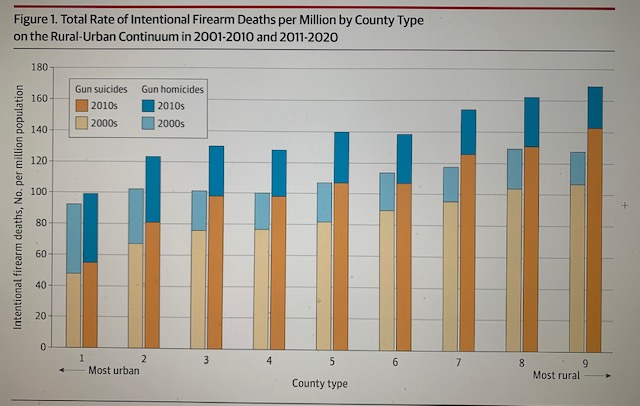
The loss of small community or rural hospitals also has a major negative impact on the US health care system. For time sensitive conditions such as trauma, myocardial infarction or stroke these facilities are often the first, closest facility to initiate care or stabilization. The loss of these critical smaller hospitals also adds to the burden at already overwhelmed larger facilities. 


As medical providers, we are in a unique position to advocate for our patients, our co-workers and our communities. Join your professional societies (ACEP, AAEM, SAEM etc.), write your local and national representatives, find like minded colleagues, please get involved with the process any way you can.  As a nation we can not afford to lose large essential hospitals or small critical access, rural hospitals.

Show References

https://www.beckershospitalreview.com/hospital-management-administration/viewpoint-protect-the-safety-net-by-designating-essential-hospitals.html


https://www.beckershospitalreview.com/finance/101-hospitals-with-the-worst-margins-nationwide-ranked.html


Title: Pelvic fractures, compression and the need for education

Category: Trauma

Keywords: Pelvic Trauma, education, pelvic binder, hemorrhage control, pelvic compression (PubMed Search)

Posted: 1/1/2023 by Robert Flint, MD (Updated: 7/21/2026)

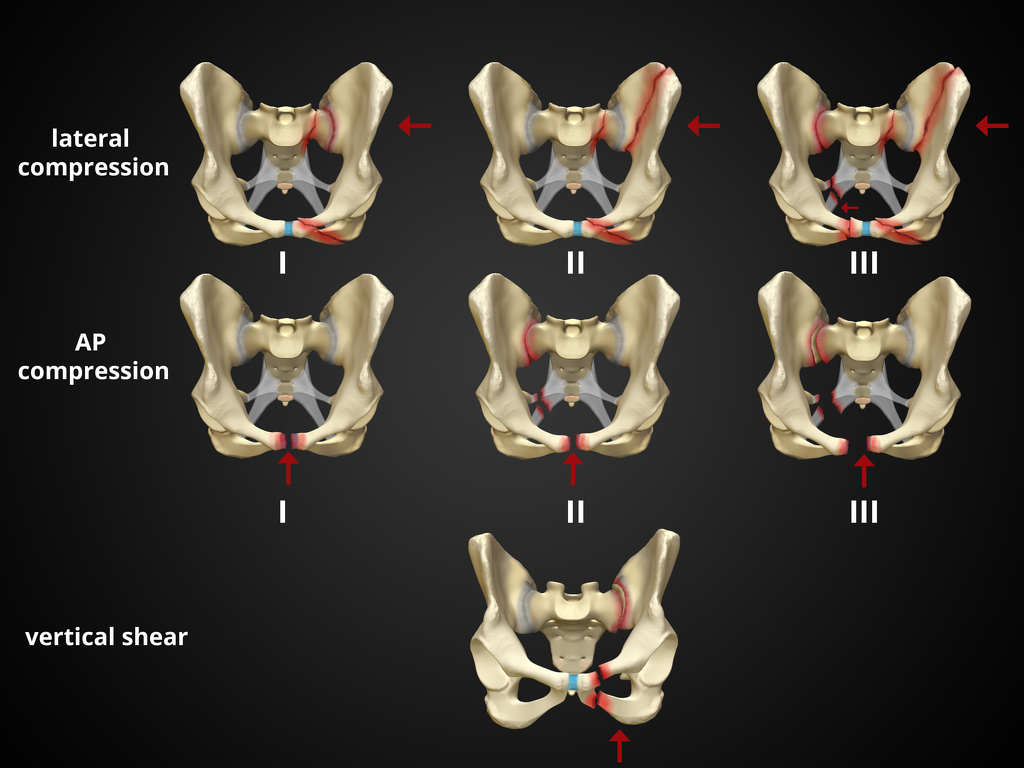
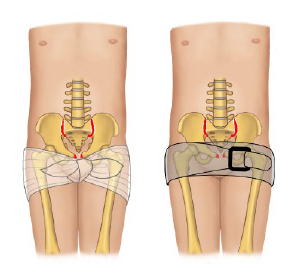
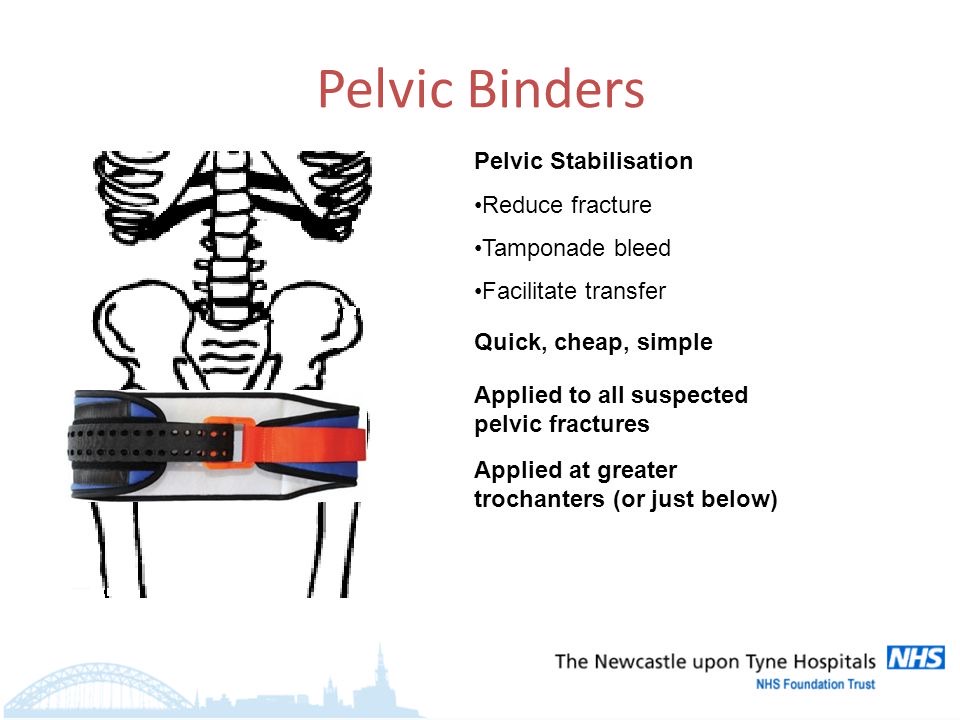
Pelvic fractures caused by large force compression (open book) and vertical sheer injuries can lead to life threatening massive hemorrhage from arterial injury, venous injury (most common), bone bleeding or muscle hemorrhage. Advanced Trauma Life Support and many other trauma organizations recommend pelvic binding be applied after the secondary survey is complete. This should preferentially happen in the pre-hospital envirnonment. The literature has not shown a mortality benefit to pelvic binding. One reason that external compression has not been shown to be of benefit is the high percentage of incorrectly applied compression devices. Commercial pelvic compression devices are superior to the old sheet method. If the device is not applied with maxim compression over the greater trochanters the benefit of pelvic compression is lost.


Beser et al. demonstrated in their recent study in the Journal of Trauma Nursing that it takes about 8 attempts to learn to properly place the binder over the greater trochanters. This adds to the literature that appropriate education and continuing education is needed to assure that these devices are appropriately applied.


It is this pearl author’s recommendation that new EMS, nursing and ED and trauma provider staff receive training on these devices with repetitive application until proficient and that yearly competency be performed to maintain our skills in this low frequency potentially high yield procedure.


Open to thoughts and comments.

Happy New Year!

Show References

Pelvic Compression Device (Binder) Application Training in Medical Students: A Manikin Study Be?er, Zafer MD; O?uz, Ahmet Burak MD; Koca, Ayça MD; Genç, Sinan MD; Erdurmu?, Ömer Yusuf MD; Polat, Onur MD Journal of Trauma Nursing 29(6):p 298-304, November/December 2022. | DOI: 10.1097/JTN.0000000000000682

Application of Circumferential Compression Device (Binder) in Pelvic Injuries: Room for Improvement Rahul Vaidya, MD et al. Western Journal of Emergency Medicine ARTICLES , CRITICAL CARE , CURRENT ISSUE: VOLUME 17 ISSUE 6 , ORIGINAL RESEARCH PUBLISHED: OCTOBER 20, 2016 DOI: 10.5811/WESTJEM.2016.7.30057


Pelvic circumferential compression devices for prehospital management of suspected pelvic fractures: a rapid review and evidence summary for quality indicator evaluation Robin Pap, Rachel McKeown, Craig Lockwood, Matthew Stephenson, Paul Simpson Scandinavian Journal of Trauma, Resuscitation and Emergency Medicine volume 28, Article number: 65 (2020)

Application of Pelvic Circumferential Compression Devices in Pelvic Ring Fractures—Are Guidelines Followed in Daily Practice? Valerie Kuner,,* Nicole van Veelen, Stephanie Studer, Bryan Van de Wall, Jürgen Fornaro, Michael Stickel, Matthias Knobe, Reto Babst, Frank J.P. Beeres, and Björn-Christian Link   J Clin Med. 2021 Mar; 10(6): 1297.

Published online 2021 Mar 21. doi: 10.3390/jcm10061297


Title: Predicting 30 day readmission in rib fracture patients

Category: Trauma

Keywords: Rib Fractures, re-admission, 30 day (PubMed Search)

Posted: 12/25/2022 by Robert Flint, MD (Updated: 7/21/2026)

In this retrospective chart review, 3720 admitted trauma patients with rib fractures were looked at for 30 day readmission. 206 patients in the group were readmitted within 30 days.

The authors concluded:

In patients with traumatic rib fractures, those with anticoagulant use, those who actively smoke, those with a psychiatric diagnosis, or those with associated abdominal injuries are at the highest risk of re-hospitalization following discharge. 


While this study is retrospective and looks at patients that were sick enough to be admitted, it is a good reminder that patients with rib fractures can have high morbidity and mortality and it gives us certain patient populations in which to show extra concern.

Show References

Hospital readmission after blunt traumatic rib fractures

Marthy, Andrew G. MD; Mounsey, Molly MSIV; Ata, Ashar MBBS, MPH, PhD; Stain, Steven C. MD, FACS; Tafen, Marcel MD, FACS

Journal of Trauma and Acute Care Surgery: December 2022 - Volume 93 - Issue 6 - p 793-799    doi: 10.1097/TA.0000000000003558


Title: Use of Serratus Anterior plane block for posterior rib fractures

Category: Trauma

Keywords: rib fracture, pain control, trauma, nerve block (PubMed Search)

Posted: 12/18/2022 by Robert Flint, MD (Updated: 7/21/2026)

The use of a serratus anterior plane nerve block has previously been described as effective for anterior and lateral rib fracture pain control. A new, small study by Singh et al. shows efficacy in using this block for posterior rib fractures as well.

The reference link to the ACEPNow website shows how to perform this block using ultrasound guidance.

Show References

Efficacy of serratus anterior plane block in pain control in traumatic posterior rib fractures: A case series

Paramvir Singh pasingh@augusta.edu, Ashish Sakharpe https://orcid.org/0000-0001-5398-1963, https://journals.sagepub.com/doi/abs/10.1177/14604086211046779

Volume 24, Issue 4  https://doi.org/10.1177/14604086211046779


Ultrasound-Guided Serratus Anterior Plane Block Can Help Avoid Opioid Use for Patients with Rib Fractures

By Arun Nagdev, MD; Daniel Mantuani, MD, MPH; Edward Durant, MD; & Andrew Herring, MD | on March 14, 2017 |

https://www.acepnow.com/article/ultrasound-guided-serratus-anterior-plane-block-can-help-avoid-opioid-use-patients-rib-fractures/2/?singlepage=1


Title: Poster for hemorrhage control education

Category: Trauma

Posted: 12/11/2022 by Robert Flint, MD (Updated: 7/21/2026)

TACTICS

Transfusion

         1:1:1

         Whole Blood O+

         Activate mass transfusion

         TXA

         TEG


Adjuncts

         Arterial Line

         Antibiotics( 2 grams cefazolin with first blood product, redoes 1 gram every 4th product)


Calcium

         Treat hypocalcemia with CaCl2 (1 gram after every fourth product)

         Check ionized calcium after second dose of calcium


Temperature

         Increase room tem to 80 F

         Warm blankets

         Warm blood products


IV Access

         Peripheral x2

         I/O

         Central Line


Consider

         Hemostatic gauze

         Tourniquet

         Pelvic Binder

         Reboa

         IR

         Cryopercipitate (10 units if fibrinogen low)


Scrub

         Call OR

         Hybrid Room

         Call anesthesia


         Call for Back up

Show References

Due to technical error, the poster did not come through with the pearl. Here is Harford Health's escellent poster 


Title: Novel prompt for hemmoragic shock resuscitation

Category: Trauma

Keywords: simulation, trauma, exsanguination, TACTICS, mass transfusion (PubMed Search)

Posted: 12/11/2022 by Robert Flint, MD (Updated: 12/11/2022)

Question

This paper outlines a training course by Hartford Hospital for general surgery and emergency medicine residents. Their goal was to assess pre-and post-training effectiveness of hemorrhagic shock management in a simulation environment.  The training was on using a novel aid (TACTICS) to prompt the participants in appropriate care decisions involving patients with massive hemorrhage.

The bottom line is having a poster in the resuscitation bay helped the health care providers manage hemorrhagic shock patients. Visual prompts work, especially for new and learning physicians.


Please click below to see their fantastic poster.

Show Answer

Show References

Tactics for hemorrhagic shock: A virtual course and visual aid for improved resuscitation

Keating, Jane Josephine MD; Silvis, Jennifer DO; Ricaurte, Daniel MD; Desrochers, Ryan MD; Jacobs, Lenworth MD; Saccomanno, Fabio BS; Staff, Ilene PhD; Croteau, Alfred MD; Merchant, Nishant MD; Gates, Jonathan MD

Journal of Trauma and Acute Care Surgery: December 2022 - Volume 93 - Issue 6 - p 800-805 doi: 10.1097/TA.0000000000003552


Title: Follow up to Trauma Center Accessibility

Category: Trauma

Posted: 12/4/2022 by Robert Flint, MD

In follow-up to last week’s pearl regarding the inequitable distribution of trauma care, there were a few more thoughts:

1.     A huge shout out to those ED physicians working in critical access facilities without surgical back up, access to specialists, and who are regularly struggling to get their patients transferred to trauma centers to receive the care they need.

2.     All centers, big and small, are struggling with crowding, staffing, and patient flow. It is critical to the entire system that these issues get addressed. They need to be addressed at a system level by all stake holders. Smaller EDs, critical access EDs, or Level 2 and 3 centers holding patients that need to be transferred has a deleterious effect not only on that individual patient, but the patients that can’t be seen while the most critically ill are being attended to.

3.     Hospital administrators, medical directors, national organizations, department leaders, and each of us in the trenches owe it to our communities and patients to get involved in fixing the problems. These issues are best addressed by a meeting of stake holders than by an overwhelmed ED provider at 2 am desperately trying to do the right thing for their patient.

4.     The best systems have:

a.     ongoing education for EMS providers, hospital providers, nurses and the general public,

b.     pre-hospital protocols regarding trauma patients,

c.      a timely means to get patients to the correct facility,

d.     injury prevention programs,

e.     post-acute care rehabilitation services, and

f.      family support services in place.

5.     Those with well-functioning systems, please publish your results and the steps you have taken to become well-functioning. We need leadership. We do not need to reinvent the wheel. Please take an active role in lifting the less functional systems to your level.

6.     Those that are struggling, ask for help! Also publish your efforts, your struggles, and your needs.


For those interested in a deeper dive into where we have come from and the concept of trauma systems, please read the attached reference. This is a call to all that care for the critically ill to work to improve our stressed system, publish your work so we ca all learn and to advocate and lobby for your patients.

This pearl's author is open to comments, criticism, concerns and questions. 

Back to clinical pearls next week.


Show References

The impact of trauma systems on patient outcomes

Jeff Choi, MD, MSc,1 Garrison Carlos, MD,1 Aussama K. Nassar, MD, MSc, FRCSC, FACS, Lisa M. Knowlton, MD, MPH, FRCSC, and David A. Spain, MD, FACS?


Curr Probl Surg. 2021 Jan; 58(1): 100849.

Published online 2020 Jun 10. doi: 10.1016/j.cpsurg.2020.100849 PMCID: PMC7286246 PMID: 33431134


Title: Trauma Center Accessibility

Category: Trauma

Keywords: level I, Level II, Level III, Trauma Center, Accessibility (PubMed Search)

Posted: 11/27/2022 by Robert Flint, MD (Updated: 11/26/2022)

This study found that 22% of Americans do not have access to a trauma center within 60 minutes. Eight percent of the population relied on Level III centers.  Not unexpectantly, Black and Native Americans were overly represented in the group receiveing care at Level III centers. White and Native Americans were over represented in the group without access to trauma care within 60 minutes. Most disappointing of all, none of this has changed since 2010. Some states have a robust trauma network, while others need to evaluate their needs and potentially add Level III centers to cut down the time to trauma care.  What is your area's trauma coverage and what level?

Show References

Jarman, Molly P. PhD, MPH; Dalton, Michael K. MD, MPH; Askari, Reza MD; Sonderman, Kristin MD, MPH; Salim, Ali MD; Inaba, Kenji MD

Accessibility of Level III trauma centers for underserved populations: A cross-sectional study

Journal of Trauma and Acute Care Surgery: November 2022 - Volume 93 - Issue 5 - p 664-671

doi: 10.1097/TA.0000000000003725


Previous  |  1 |  ... |  10 |  11 |  12 |  13 |  14 |  15 |  16 |  Next
University of Maryland School of Medicine logo
  • Departments
  • Programs
  • Research Centers
  • Institutes
  • Graduate Education
  • CIBR Cores
  • Offices of the Dean
    • University of Maryland, Baltimore
    • University of Maryland Medical Center
    • Medical Alumni Association of the University of Maryland
    • Health Sciences and Human Services Library
University of Maryland School of Medicine
655 W. Baltimore Street
Baltimore, MD 21201
Contact Us

© University of Maryland School of Medicine

    • Webmaster
    • Web Accessibility
    • Site Index
    • UMB Hotline
    • Employment
    • Map