
Search
Subscribe to daily UMEM Pearls (FREE!) via:
481-500 of 558 results with category "Toxicology"
How many times have you had a patient with an allergy to codeine described as stomach upset? Or how about a rash with morphine (probably secondary to histamine release)? True anaphylactic reactions to opioids are very rare (< 1%). But what happens when you have a patient with a true allergy, but still need to give an opioid? No problem, you just need to choose one that is structurally different.
- Group 1 (aka opiates) - Naturally occurring agents derived from the opium plant
- Morphine, codeine, thebaine
- Group 2 - Semi-synthetics
- Hydrocodone, oxycodone, hydromorphone, oxymorphone, buprenorphine (heroin is also in this group)
- Group 3 - Synthetics
- Fentanyl (alfentanil, sufentanil, etc.), methadone, tramadol, propoxyphene, meperidine
All of the group 1 and 2 agents are structurally very similar to each other and should not be given if a true allergy exists to any other natural or semi-synthetic derivative. Group 3 agents have structures different enough that they can be given to a patient intolerant to the natural or semi-synthetics without fear of cross reactivity. They are also very different from others in this same group.
This is a psychoactive herb which can induce strong dissociative effects by stimulation of the kappa receptor. It has become increasingly well known and available in modern culture, and popularized by YouTube Salvia (also known as Sage, Diviner's Sage, Magic Mint, or Sally D) is usually smoked, but can be chewed or ingested.
The high it produces is very intense, but lasts only approximately 10 minutes. Currently many states have enacted legislation against it, including Fla, IL, KA, MI, MO, ND, OK and VA, but it is available over the internet.
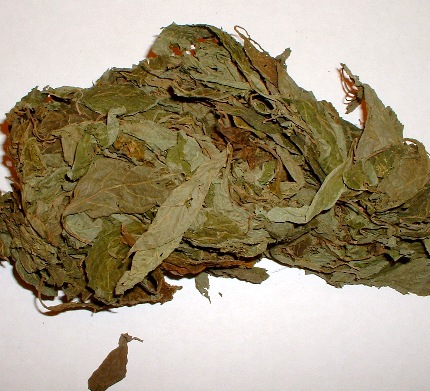
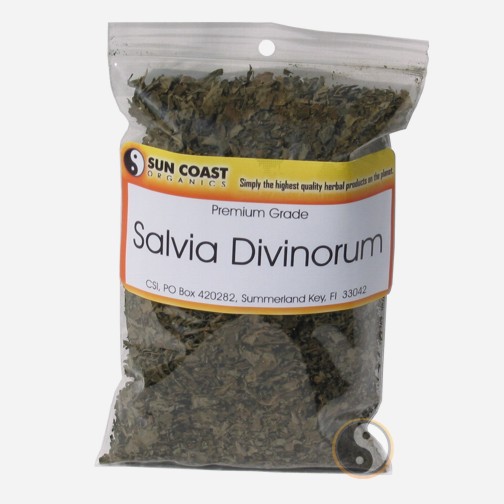
The following video demonstrates clinical effects of drug.
Although it is amusing, this is not meant to condone use.
(if you can not view the embeded video here is the link)
http://www.youtube.com/watch?v=w6dgXX0ytSo
Methylenedioxymethamphetamine (MDMA) or "Ecstasy"
A designer club drug that has been classified as a "hallucinogenic" amphetamine though it does not cause visual hallucinations like are reported with LSD. It has many of the sympathomimetic effects like other amphetamines but its main mechanism of action which both causes the euphoria and toxicity is serotonin agonism. Since Anti-diuretic hormone is released by the hypothalamus under the direct regulation of serotonin, there is a transient but dangerous episode of Syndrome of Inappropriate ADH (SIADH). Combined with the club culture and fear of dehydration while taking MDMA, patients ingest MDMA concomitantly with free water through the night further exacerbating the hyponatremia. The time sequence of events for these patient is (women appear genetically predisposed to this phenomena):
- Friday Night: Ingestion of MDMA (even one pill is enough) +/- free water
- Saturday Morning: headache, nausea, vomiting
- Saturday Afternoon: (Realizes its not a hangover) patient becomes confused progressing to unresponsive and eventually seizures
- Saturday Evening: Presents to ED with seizures
Treatment: Fluid restriction - this is the one time that the 1L NS Bolus can kill a patient with cerebral edema. If you must give fluid give 3% NaCl if there is symptomatic hyponatremia. Remember the patient has dropped their sodium in about 24 hours so you can replenish in about the same time quite safely and even faster in severe cases. Treated correctly, patients improve rapidly - within 24-48 hours. Read a great case report in the reference below.
Show References
Olanzapine (Zyprexa)
This is an atypical antipsychotic that gained popularity because it caused less sedation and fewer extrapyramidal effects. However, there are many other adverse effects that need to be emphasized. Some of these may contribute to a patient's condition in the ED:
- Hyperglycemia: has been reported to even cause hyperglycemic hyperosmolar nonketotic coma as well as DKA in patients that were not diabetic prior to initiation of olanzapine.
- Anticholinergic: one of the most anticholinergic antipsychotics, watch for polypharmacy. Perhaps the patients urinary retention and mild confusion is due to the many anticholinergic medications the patient is taking.
- Serotonin Syndrome: again a problem with polypharmacy and in overdose.
Bisphenol A (BPA) is found in epoxy resins that line common food and beverage materials. There has been concern that this compound, like phthalates, may be causing harm through chronic low exposure. An epidemiologic study was performed and published in JAMA that has raised this question. Amazingly, the study did find that:
- Higher urinary BPA levels correlated with an increase incidence of: NIDDM, CAD and elevated liver enzymes
- Mechanism may be an estrogen effect, disruption of Beta-islet cell function and even obesity promoting effects
- Study was strictly epidemiologic but raises a serious public health concern that you will see in the news more
Show References
Clinical Manifestations in relation to lead level in children:
- > 70 - 100 mcg/dL: Encephalopathy, increased ICP, anemia, vomiting
- 50 - 70 mcg/dL: Irritable, difficult child, abdominal pain, anorexia
- >10 mcg/dL: often asymptomatic, may develop impaired cognition, behavior, impaired fine-motor coordination, hearing and growth
Several antihypertensive agents raise intracranial pressure. Normal cerebral blood flow (CBF) is constant within normal cerebral perfusion pressure (CPP) ranges, recalling that CPP=MAP-ICP.
If CPP is outside the range in which autoregulation occurs, e.g. due to a structural lesion, ischemic stroke, or head trauma, CBF decreases and can adversely affect the patient.
- Nitroprusside
- Vasodilates both cerebral arteries and veins, increasing ICP
- Inhibits the normal vasoconstrictive response to hypocapnia
- Nitroglycerin
- Causes cerebral venodilation, increasing ICP
- Impairs vasodilatory response to hypercapnia
- Hydralazine (varying effects)
- Vasodilates cerebral arteries > cerebral veins
- Impairs cerebral autoregulation
- Nicardipine
- Other calcium channel blockers increase ICP by vasodilating arteries
- Has been used to treat vasospasm in SAH
- Increases cerebral blood flow in patients with SAH and acute stroke
In patients with ischemic stroke or intracerebral pathology, labetalol or esmolol may be used to lower blood pressure without raising ICP. Nicardipine is recommended for use in patients with ischemic stroke or SAH but not in patients with brain injury
If the patient has NO structural abnormalities, but has hypertensive encephalopathy, nitroglycerin, nitroprusside, labetalol, esmolol, or nicardipine may be used.
Show References
Melamine
- In case you thought the chinese only sent their toxin filled products to the USA, a massive scandal has been occurring with their milk.
- Adding melamine to their milk, companies were able to get falsely elevated readings of protein which is measured by the government to make sure the milk was not watered down.
- 53,000 illnesses, over 12,000 hospitilizations and at least 4 infant deaths have been attributed to their milk supply - 20% of China's milk supply is thought to be contaminated
- Melamine or melamine resin is used to make plastics and involved in other polymeric reactions.
- Toxicity involves the creation of kidney stones - imagine the pain in these poor children
- These children died from renal failure from multiple kidney stones.
- Check the link below to the news article
Show References
Cheese Heroin: a slang term for the combination of heroin with an over-the-counter antihistamine
- The two are combined and forms a cheesy like powder that is different from pure heroin
- A string of deaths were reported between 2005-2007 in Texas, many adolscents
- This concoction is more often insufflated than smoked or injected
- Combines opioid effect with the anticholinergic confusion and hallucinations
- Scorpion was a heroin that was combined with scopolamine that had similiar effect
Treatment
- Find the anticholinergic toxidrome, place the foley and supportive care are mainstays
- Consider administration of physostigmine 1mg IV slowly over 2-5 minutes (call toxicologist)
- The anticholinergic effects will linger much longer than the heroin effects ( <1hr)
Latrodectus sp (Black Widow Spider)
- The only indigenous neurotoxic insect in the state of Maryland and found through many states in the US
- The "bite" often not visible and does not cause a necrotic lesion like the brown recluse
- Causes Acetycholine release from post-synaptic motor and sensory nerves
- This leads to intense muscle contraction and pain. There have been reports of a black widow spider on the leg and the patient undergoes ex lap surgery for suspected acute abdomen only to find out the abdominal muscles were fasciculating due to envenomation
- Treat with aggresive analgesia and benzodiazepines.
- Not often lethal with approximately 60-70 deaths in the US over 30 years
Take a look at a picture of the black widow on the following attachment
Attachments
Topical Lidocaine for local anesthesia
Disclosure: I have no financial or invested interest in the product or the company.
Show References
Buprenorphine (Suboxone)
- Use in opioid maintenance therapy programs, doesn't have QT prolongation and less respiratory depression than methandone
- Patients must been maintained on <40mg of methadone for successful conversion to buprenorphine to take place
- Primary caregivers can prescribe after taking a course
- Partial agonist can actual precipitate withdrawal if patient takes a full opioid (say sneaking a little heroin before appointment)
- Suboxone is buprenorphine+naloxone, since naloxone has poor bioavailability when taken appropriately there is no effect but if the tablet is crushed and injected the patient will go into florid withdrawal.
- Use and abuse has been steadily increasing and death can still occur from overdose.
- Pain is difficult to manage in patient on buprenorphine since opioid effect will be blunted, buprenorphine is potent partial agonist.
A recent landmark article has cited a connection between non-insulin dependent diabetes and low-level arsenic in our drinking water.
- Approximately 13 million in the USA are drinking water that contains Arsenic levels higher than EPA allowable standards
- This study controlled for organic arsenic (found in seafood) and was looking for the effect of inorganic arsenic which is the more toxic compound - don't have to stop eating sushi
- This study essentially found a dose response curve with people with lower arsenic levels having lower incidence of non-insulin dependent diabetes, those with higher levels, higher risk.
Show References

Alcohol-Drug Interactions
- There are a number of medications that produce the disulfiram-like reaction when ingested with alcohol.
- The disulfiram reaction is a very uncomfortable reaction characterized by severe flushing, and may be accompanied by tachycardia and hypotension.
- Although we always think of metronidazole, there have been well described cases of bactrim causing this reaction.
- Tinidazole, a new antiprotozoal used in the treatment of trichomonas, causes this as well.
- Patients should be advised to avoid alcohol for 24 hours after metronidazole, and 72 hours after bactrim and tinidazole.
Other common medications that produce this reaction:
1. Sulfonylureas: chlorpropamide, tolbutamide, glyburide
2. Cardiovascular medications: Isosorbide dinitrate, nitroglycerin
Show References
- Elemental Mercury is found in manometers, some mercury switches and thermometers.
- Elemental Mercury is also in the CFLs (Compact Fluoroscent Lightbulbs) that are popular now due to rising energy cost (approx 4 mg)
- Organic mercury found in seafood is only toxic in high consistent doses - though has been catastrophic. See attached picture which was the award winning Time magazine cover of the year showing a mother holding her child who had congenital disfigurement due to mercury being dumped into Minamata Bay
- Elemental Mercury is mostly a neurotoxin causing personality changes, nervousness, shyness and depression.
- Acrodynia is pain and pink discoloration of hands and feet due to mercury poisoning in children.
Attachments
- Therapeutic concentration considered 10-20 mg/dL
- Some hospitals report in "mg/L" thus a level of 110 mg/L is therapeutic
- Symptoms of Toxicity usually > 40 mg/dL
- Consider Hemodialysis in any patient with a serum concentration >100 mg/dL
First Line Therapy: Urine Alkalinization (pH >7.5) by administrating NaHCO3
Other Indications for Hemodialysis in Salicylate Poisoned Patient:
- Renal Failure
- CHF
- Acute Lung Injury
- Persistent CNS disturbances
- Refractory metabolic acidosis or electrolyte abnormality
- Hepatic insufficiency with coagulopathy
- Metformin is the most commonly prescribed oral diabetic mediction in US
- Relative contraindication is in renally impaired patients, they are susceptible to the lactic acidosis
- Lethal adverse effect is the increase production of lactate
- ED patient with an anion gap metabolic acidosis, check for metformin and check the lactate
- The lactic acidosis is often severe (>10 mmol/L) and carries a high mortality rate that has been estimated at >40%
- Correction of pH and emergent hemodialysis are essential
Show References
ADOLESCENT DRUG ABUSE
Show References
- Dapsone has been used to treat leprosy but more commonly to in brown recluse spider bites and to prevent PCP pneumonia and toxoplasmosis in our HIV population
- It can cause methemoglobinemia: a reduced form of iron (ferrous to ferric) in the Hb molecule that decreases your oxygen carrying capacity.
- Due to its color, cyanosis is a predominant symptom out of proportion to symptoms.
- Treatment: Methylene Blue 1-2 mg/kg IV
- Pitfall: Dapsone's long half-life may cause reoccurrence of MetHb and require retreatment