
Listed Alphabetically
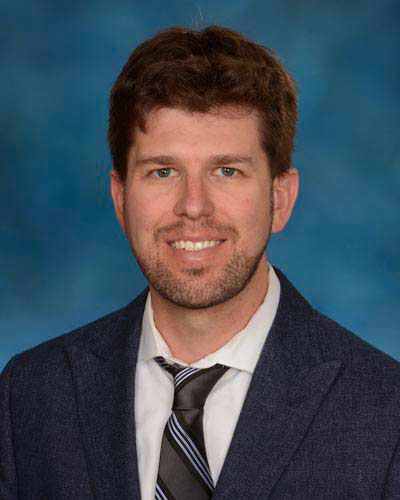
Seth Ament, PhD
Professor, Psychiatry
Maryland Psychiatric Research Center
University of Maryland Medicine Institute for Neuroscience Discover (UM-MIND)
Kahlert Institute for Addiction Medicine
Dr. Ament's research focuses on discovering genomic mechanisms and advance precision medicine for brain disorders. His research team conducts genome sequencing and genome-wide association studies (GWAS) to identify risk variants for these disorders. In addition, they use single-cell multiomic technologies to characterize cell type diversity and disease-associated transcriptomic and epigenomic changes in many regions of the human and mammalian brain. The lab functionally characterizes the genes and variants that emerge from these studies using human stem cells and animal models. Dr. Ament works with clinical collaborators to build patient cohorts to translate genetic and genomic findings for the development of precision biomarkers and therapies. Ongoing studies in the lab apply these approaches to psychiatric disorders, substance use disorders, brain injury, and neurodegeneration.
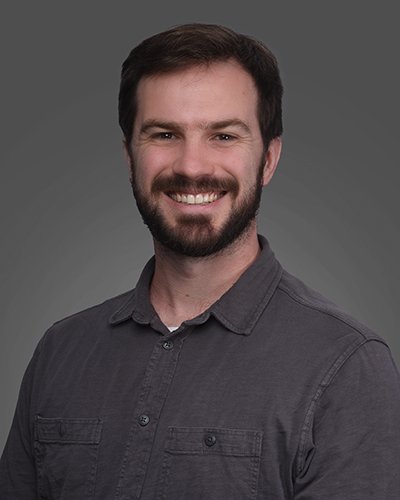
Daniel Bergman, PhD
Assistant Professor, Pharmacology & Physiology
Dr. Bergman studies the tumor microenvironment and how it regulates cancer progression and mediates treatment. He uses mathematical models — specifically, agent-based models — to do this work. These models capture the multi-scale dynamics of cancer — from rewired gene regulatory networks to systemic effects, such as therapeutic interventions — and provide a powerful platform to test our understanding of cancer and how to treat it. They hope these studies will be able to guide experimental and even clinical work, revealing core principles of how cancer hijacks an individual's intrinsic biology to achieve unconstrained growth and how to treat it.

Victor Borda, PhD
Research Associate, Medicine
Dr. Borda combines different fields (archaeology, anthropology, and genetics) to answer the question: How have evolutionary and demographic factors shaped the present-day genetic diversity of human populations? His research incorporates several statistical genetic analyses to understand the recent dynamics of Latin American populations to begin to understand the architecture of complex characteristics and work towards eliminating disparities and understanding the diversity that makes us human.
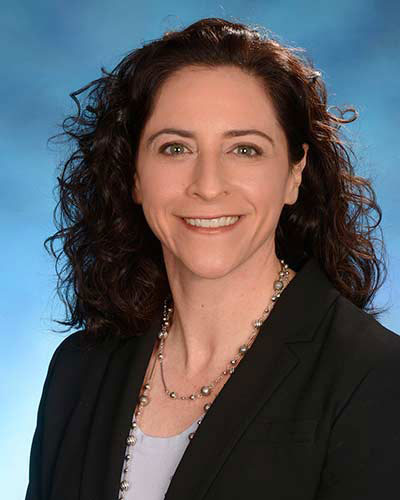
Rebecca Brotman, PhD, MPH
Professor, Epidemiology & Public Health
Dr. Brotman is an infectious diseases epidemiologist whose research examines how the vaginal microbiome protects women's urogenital health. Her work has characterized how Lactobacillus-dominant vaginal communities guard against reproductive tract infections and bacterial vaginosis, promote pathogen clearance, and how personal behaviors, including vaginal hygiene practices, contraceptive use, and smoking, affect those protective bacterial communities. Her current focus is on translating these findings into microbiome-based prevention strategies to durably protect women's reproductive health.
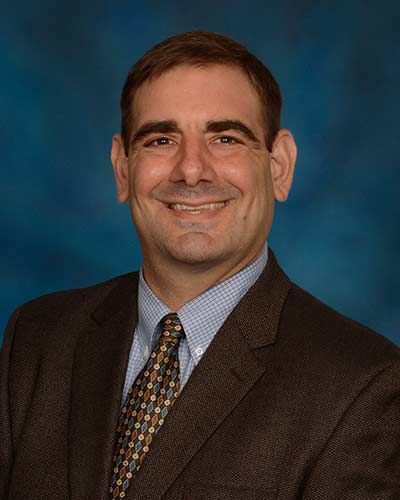
Vincent Bruno, PhD
Professor, Microbiology & Immunology
Associate Director of Fungal Research in the Center for Pathogen Research (CPT)
Dr. Bruno's research focuses on obtaining a molecular understanding of how fungi interact with human cells to identify novel therapeutic targets to treat invasive fungal infections—for which very few effective therapies exist. The lab team uses a combination of in vivo animal models, in vitro models, transcriptomics, proteomics, molecular microbiology, and genetics to explore how pathogenic fungi invade airway epithelial cells and avoid being cleared by the immune system.
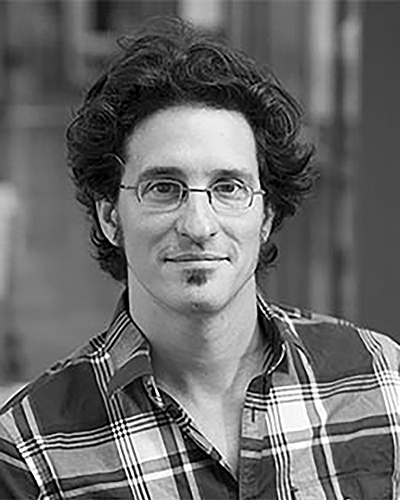
Carlo Colantuoni, PhD
Research Associate, Neurology
Dr. Colantuoni researches how the human brain is constructed in order to understand what goes wrong when it falls apart. For example, he researches how different elements of the genome are used during the birth of neurons in the mouse, monkey, and human brain. He uses single-cell technology to create an image of the developing neocortex. In addition, his research has shown how conserved gene expression programs begin in neural stem cells, progressing through intermediate states, and finally in newly born neurons. In humans, the full maturation of these cortical neurons has evolved to take many years, enabling us to continue to learn from our experiences for much longer than other species.
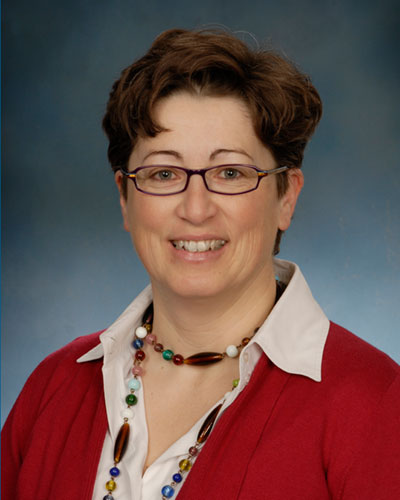
Joana Carneiro da Silva, PhD
Professor, Microbiology & Immunology
Affiliate Member, Malaria Research Program, Center for Vaccine Development & Global Health
Honorary Member, Higiene e Medicina Tropical, Universidade NOVA de Lisboa, Lisbon, Portugal
Dr. Silva's research contributes to the fight against malaria and other infectious diseases through analytical approaches. She uses evolutionary genetics and genomics to conduct translational studies in infectious diseases, especially those caused by parasites. Her research uses principles and methodologies of population genetics and comparative genomics to study the evolutionary forces that have shaped the composition and organization of genomes and the structure and dynamics of microbial populations.
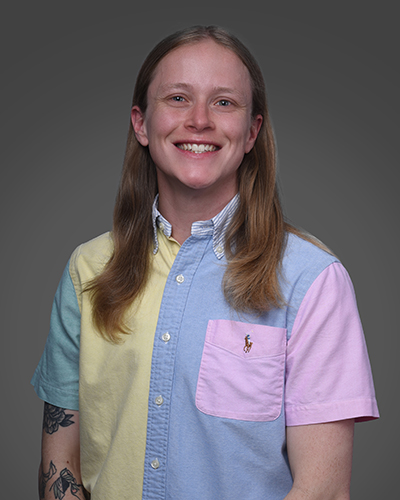
Kale Carter, PhD, MPH
Assistant Professor, Epidemiology & Public Health
in vitro experiments in high-fidelity biomimetic tissue models to generate and rigorously test specific mechanistic hypotheses, using multiomic technologies and integration throughout. The ultimate aim of Dr. Carter’s research program is to identify elements of host-pathogen-microbiome interactions that impact patient outcomes and are amenable to intervention in order to develop antibiotic-sparing treatment and prevention strategies for STIs and their adverse reproductive outcomes.
Dr. Carter publishes under the name Kayla A. Carter.

Scott Devine, PhD
Associate Professor, Medicine
Co-Leader, Cancer Biology, University of Maryland Marlene & Stewart Greenebaum Comprehensive Cancer Center (UMGCCC)
The Devine Lab advances knowledge of human genome variation and its impact on human diseases, such as cancer. Lab members use bioinformatics, genomics, and molecular tools to look at the impact of human genome sequence variation on traits and diseases. They specialize in new technology development to facilitate such studies, as well as collaborations with large consortia, such as the 1000 Genomes Project, to fuel such studies.
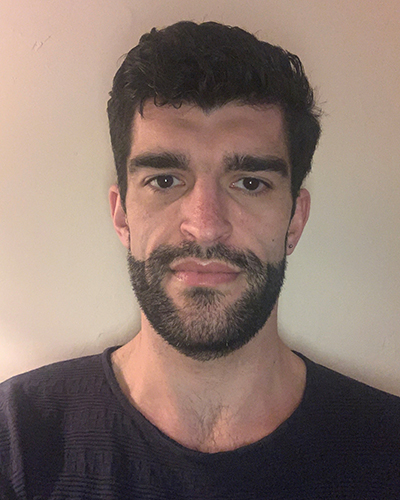
Franck Dumetz, PhD
Research Associate, Microbiology & Immunology
Dr. Dumetz studies Leishmania parasites — transmitted by sand flies — that cause leishmaniasis, a disease that ranges from skin ulcers to life-threatening infections. Current treatment options are toxic, costly, and increasingly affected by resistance. The parasites rewire immunity and metabolism to survive inside host macrophages. Unlike most eukaryotes, Leishmania relies heavily on post-transcriptional gene regulation. Dr. Dumetz uses it as a model to study RNA secondary structures and their role in translation control, combining RNA-sequencing approaches with molecular validation to identify parasite vulnerabilities and advance new therapeutic strategies.
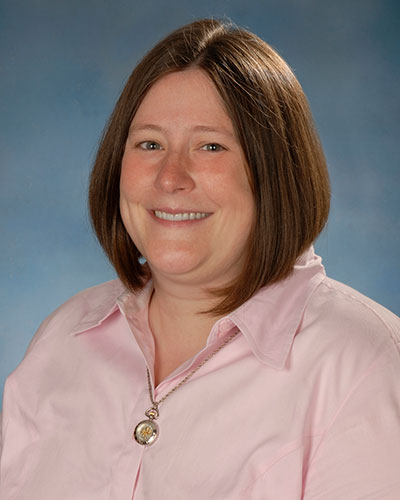
Julie Dunning Hotopp, PhD
Professor, Microbiology & Immunology
Dr. Dunning Hotopp's research focuses on understanding the rules of life as they pertain to genomes and transcriptomes in multi-organismal systems with the goal of developing new ways to improve human health. Her research concentrates on three main areas: lateral/horizontal gene transfer between bacteria and eukaryotes; genomics of Brugia/Wolbachia interactions; and the development of methods to improve systems-level research in host/microbe interactions.
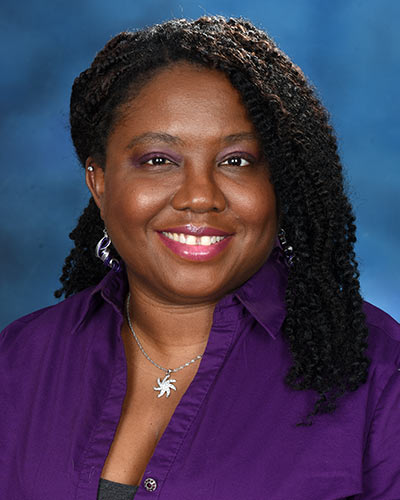
Vonetta Edwards, PhD
Research Associate, Microbiology & Immunology
Dr. Edwards focuses her research on analyzing the role of the vaginal microbiome, spanning all stages of the reproductive life, in modulating the susceptibility of host cells to both single- and co-infections of sexually transmitted infections (STIs). She applies cell culture models in collaboration with microbiological, molecular, and cellular techniques to better understand and interpret observed data from omics studies. The goal of her research is to create better diagnostics, prevention, and therapeutics for STIs.
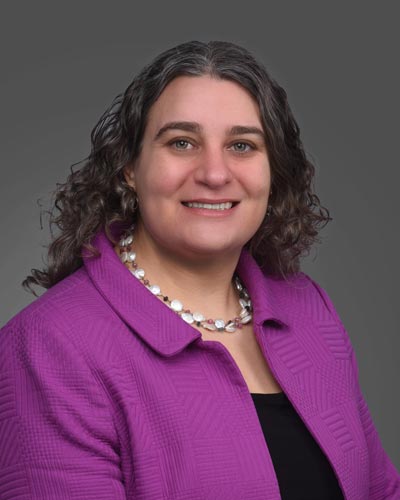
Elana Fertig, PhD
Dean E. Albert Reece Professor of Medicine
Director, Institute for Genome Sciences (IGS)
Associate Director, Quantitative Sciences, University of Maryland Marlene & Stewart Greenebaum Comprehensive Cancer Center (UMGCCC)
Dr. Fertig researches the dynamic mechanisms that allow cancer to develop, metastasize, and either resist treatment or be treated successfully. She employs a systems-level approach, developing new mathematical modeling and artificial intelligence (AI) methods to enable this predictive oncology paradigm. In bringing these approaches together, Dr. Fertig strives to embed these computational methods into a forecasting method for tumors, similar to how weather prediction systems work. Beyond cancer, the computational approaches pioneered in Dr. Fertig’s lab have broad applicability in biological systems, including neuroscience, developmental biology, and aging as notable examples.
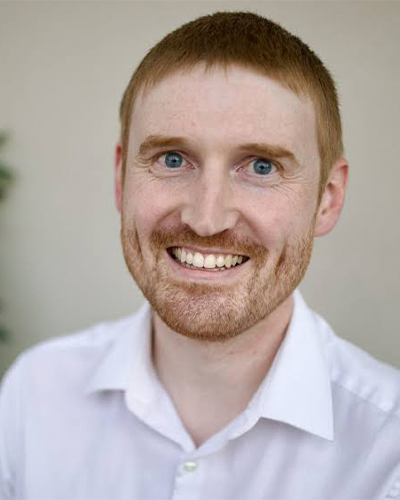
Michael France, PhD
Research Associate, Microbiology & Immunology
Dr. France focuses his research on understanding how the microbes in the vagina interact with one another and with host tissues. He employs integrative multiomics analyses using data collected both in vivo and in vitro. Dr. France’s expertise in bioinformatics and computational biology, combined with his scientific background, enables him to effectively analyze and interpret this data from an ecological and evolutionary standpoint. His research has led to the development of innovative live biotherapeutic products specifically designed to shift the vaginal microbiome from a non-optimal state to an optimal one.
Pawel Gajer, PhD
Research Associate, Microbiology & Immunology
Dr. Gajer focuses his research on computational microbiome science, developing statistical, geometric, and graph-based methods to understand complex genomic and metagenomic data. His current work centers on the vaginal microbiome and its role in reproductive health, including bacterial vaginosis and spontaneous preterm birth. His research aims to move beyond static community labels by modeling microbial trajectories, transition states, and clinically meaningful biomarkers that can inform diagnosis, risk prediction, and microbiome-based interventions.
Daria Gaykalova, PhD
Associate Professor, Otorhinolaryngology-Head & Neck Surgery
Co-Assistant Leader, Cancer Biology Research Program, University of Maryland Marlene & Stewart Greenebaum Comprehensive Cancer Center
Dr. Gaykalova studies the epigenetic mechanisms of head and neck cancer. She works to discover novel biomarkers, develop effective drugs, and enhance immune response to cancer to improve the diagnosis, prevention, and treatment of this cancer. Her lab investigates how epigenetic changes, such as DNA methylation and chromatin remodeling, affect the expression of genes and their alternative splicing variants during cancer onset and progression. They also explore how these changes lead to the accumulation of mutations and the production of cancer-specific proteins and antigens. By understanding the complex interplay between epigenetics and transcription, the lab hopes to identify new therapeutic targets and strategies that can modulate the cellular and immunological functions of cancer cells. Dr. Gaykalova also works on advancing smoking cessation and HPV vaccination efforts, as these are significant risk factors for head and neck cancer. The lab’s ultimate goal is to translate its epigenetic discoveries into clinical practice and improve the outcomes and quality of life of patients with head and neck cancer.
Michelle G. Giglio, PhD
Professor, Medicine
Associate Director, Education & Outreach, Institute for Genome Sciences (IGS)
Associate Director, Analysis, Informatics Resource Center, IGS
Academic & Outreach Coordinator, IGS
Dr. Giglio has been working in the analysis of omics data for more than 25 years. She focuses on metadata harmonization and standardization to facilitate the efficient exchange and reuse of biomedical data. Data standardization makes it possible for researchers to engage in effective data mining and analysis of the enormous quantity of multiomic data that is continuously being produced, leading to hypothesis generation and discovery of new knowledge. Dr. Giglio has applied her work in data harmonization and standardization to multiple data coordination centers associated with large consortia, including the Human Microbiome Project (an NIH Common Fund program) and the Neuroscience Multi-Omic (NeMO) Archive (part of the NIH BRAIN Initiative).
Tracy Hazen, PhD
Assistant Professor, Microbiology & Immunology
Dr. Hazen’s goal is to develop feasible molecular and sequencing-based approaches to enhance infection control in healthcare settings. This approach uses culture-independent sequencing for real-time detection and tracking of pathogens and antimicrobial resistance in hospitals. This focus is built upon her foundational research into the diversity of pathogens using comparative genomics and transcriptomics.
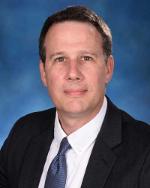
Brian Herb, PhD
Assistant Professor, Pharmacology & Physiology
Dr. Herb studies the development of the brain, particularly the complexity of the hypothalamus that regulates many essential bodily functions, including temperature control, hunger, thirst, sleep, and hormone productions.
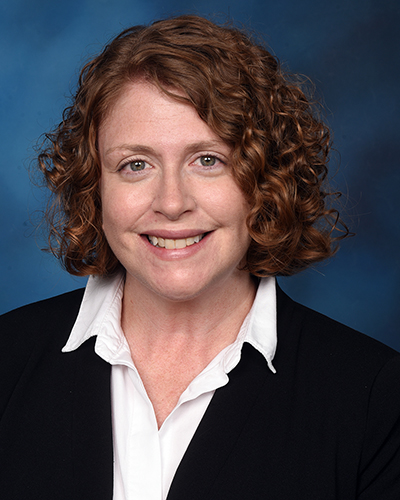
Johanna Holm, PhD
Assistant Professor, Microbiology & Immunology
Dr. Holm focuses her research on the vaginal microbiome. Her research combines bioinformatic, statistical, and epidemiological approaches to identify biomarkers associated with adverse outcomes in the female genital tract. Dr. Holm’s laboratory aims to develop molecular-based tests for diagnosing and developing more targeted and effective clinical solutions for those affected by bacterial vaginosis (BV).
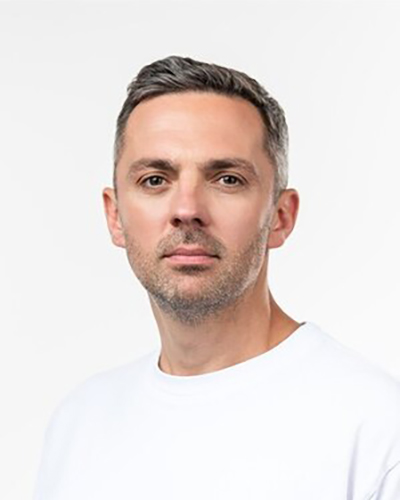
Dmitrijs Lvovs, PhD
Research Associate, Medicine
Dr. Lvovs studies how to analyze spatial transcriptomics data, a technology that measures gene expression directly within tissues, while preserving the precise location of each cell. His work focuses on developing an integrated platform that automates the entire process, called STAPLE — from cell-type annotation to spatial analysis and the identification of molecular interactions between cells. Through a modular architecture and AL-enabled interpretation, his work unifies and streamlines analyses that were previously fragmented, labor-intensive, and difficult to reproduce. This work can have a direct impact on health by discovering biomarkers, cellular mechanisms involved in treatment response, and key molecular interactions in different contexts, such as cancer and neuroscience.
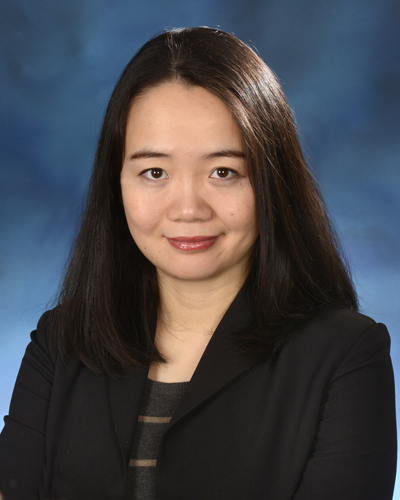
Bing Ma, PhD
Assistant Professor, Microbiology & Immunology
Dr. Ma focuses her research on understanding the intricate interplay between gut microbes and host health to develop live biotherapeutics. Her laboratory is at the forefront of omics technologies. She uses a comprehensive omics approach, investigating the microbiome, metabolome, and metatranscriptome to decode microbial signals. She uses advanced techniques, including bulk and single RNA-seq, to study gene activity in the host and applies integrative modeling to understand these interactions. This research has a multitude of applications, spanning various gut conditions, including “leaky gut” in preterm infants, early-life immune development influenced by the gut microbiome, gut microbiome-mediated chronic visceral pain relief in irritable bowel syndrome, and the gut microbiome-driven alloimmune response that determines solid organ transplantation outcomes.
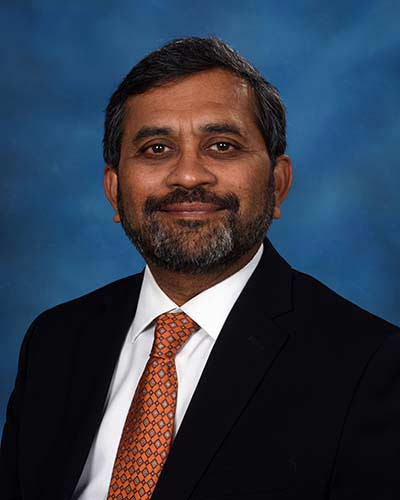
Anup Mahurkar, MA
Associate Professor, Medicine
Associate Director, Software & Information Technology, Institute for Genome Sciences (IGS)
Co-Director, Biostatistics Shared Resource (BSR), University of Maryland Marlene and Stewart Greenebaum Comprehensive Cancer Center (UMGCCC)
Anup Mahurkar is IGS's Chief Information Officer and the Director of its Informatics Resource Center. He has extensive experience in the field of genomics and health sciences, where he has worked as a researcher, engineer, and manager over the past 30 years. During this time, he has overseen the work of scientists, engineers, system administrators, and managers in research environments. His areas of expertise include genome analysis, web-based analysis and visualization tool development, building scalable analysis systems, database design, and high-throughput computing architecture and application development. He leads a team of researchers, engineers, analysts, and IT professionals responsible for production bioinformatics activities, custom bioinformatics analysis, new tool development, and systems engineering. His group also develops visualization tools. He has more than 100 publications in peer-reviewed journals from the group.
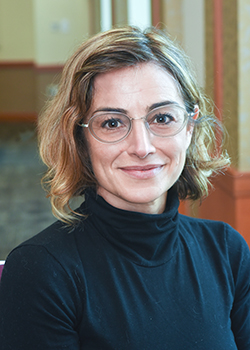
Evelina Mocci, PhD
Research Associate, Medicine
Dr. Mocci's research centers on developing and applying precision medicine strategies that integrate genetic, clinical, and demographic data to define personal risk profiles for pain, neurological, and psychiatric conditions. Through the use of biomarkers and predictive models, she aims to enhance risk assessment, inform tailored treatment strategies, and facilitate earlier detection of individuals likely to experience disease progression or treatment-related side effects across diverse patient populations.

Andrew Neuwald, PhD
Professor Emeritus, Biochemistry & Molecular Biology
Dr. Neuwald uses rigorous statistical methods to distinguish between subtle biological information and random noise within protein sequence data. He was among the first to develop genetic algorithm-based Bayesian multiple sequence alignment strategies. Dr. Neuwald was also the first to formulate (and implement Bayesian strategies to infer likely determinants of underlying biochemical functions based on correlations in protein sequences, as well as implement Bayesian strategies to infer likely determinants of underlying biochemical functions based on correlations in protein sequences.
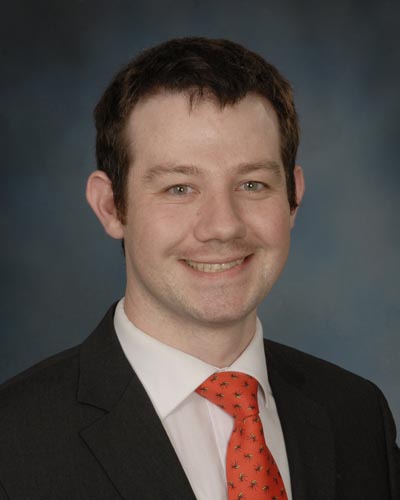
Timothy O'Connor, PhD
Associate Professor, Medicine
Co-Director, Program in Health Equity & Population Health
Dr. O'Connor studies population genetics and genetic epidemiology of underrepresented populations, including African Americans and Latin Americans. The O’Connor Lab researchers work with large-scale genomic data, including the Trans-Omics for Precision Medicine (TOPMed) Project, where Dr. O’Connor co-convenes the population genetics working group tasked with generating flagship papers for the project, and the Genetics of Latin American Diversity (GLAD) Project, where he is the lead PI. The goal of the GLAD project is to collect, combine, and curate all existing samples from Latin American subjects, which will be publicly available through innovative technologies that preserve individual consent.
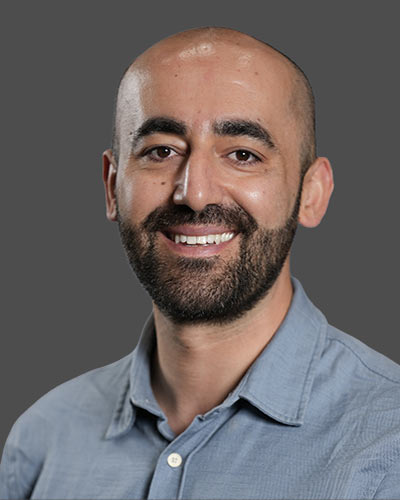
Mustafa Özçam, PhD
Assistant Professor, Microbiology & Immunology
Dr. Özçam researches how diet influences the gut microbiome. Specifically, his lab focuses on how early-life diet influences gut microbial functional capacity, immune development, and the risk of allergic diseases, with a particular emphasis on food allergies. Using multiomics approaches and translational human cohorts, he aims to identify microbial and metabolic pathways that can be leveraged for the prevention and treatment of immune disorders. His research integrates immunology, microbiome science, and human cohort studies to uncover novel mechanisms driving mucosal immune health.
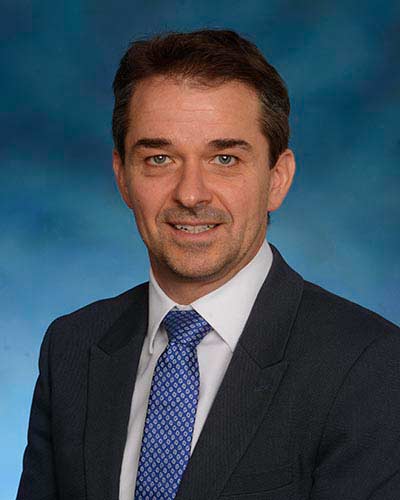
Jacques Ravel, PhD
John L. Whitehurst Professor of Medicine
Professor, Microbiology & Immunology
Director, Center for Advanced Microbiome Research & Innovation (CAMRI)
Assistant Dean for Research Advancement, University of Maryland School of Medicine (UMSOM)
Dr. Ravel studies the foundational mechanisms of the relationship between the cervicovaginal microbiome and epithelia, particularly in the context of sexually transmitted infections, bacterial vaginosis, and adverse pregnancy outcomes. He has developed a research program focused on applying modern genomics technologies and ecological principles to characterize the role and dynamics of the vaginal microbiome in women’s health. The Ravel Lab uses microbiome clinical studies and systems biology applied to high-dimensional omics data to explore questions that were previously unanswerable in vivo. This research focuses on developing improved treatments to manage gynecological and obstetric conditions.
Riley Risteen, PhD
Research Associate, Microbiology & Immunology
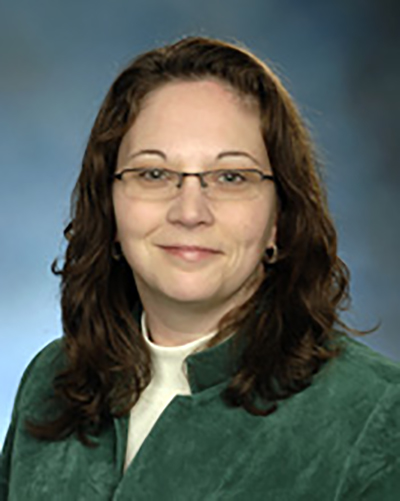
Lynn Schriml, PhD
Professor, Epidemiology & Public Health
Associate Director, Research, IGS
Dr. Schriml's research incorporates data science and knowledge engineering, focusing on the classification of genetic and environmental drivers of complex diseases, biomedical data sharing, integration, and harmonization. Her work has expanded human diseasome knowledge, enhancing the findability, accessibility, interoperability, and reusability (FAIR) of disease data across thousands of biomedical data repositories and published works. Data-intensive biomedical research experiments and the development of informatics tools, rigorously using community-based standards — and connecting data between studies, across databases, and with big data analysis — are what's needed to address environmental and genetic drivers to realize human health.
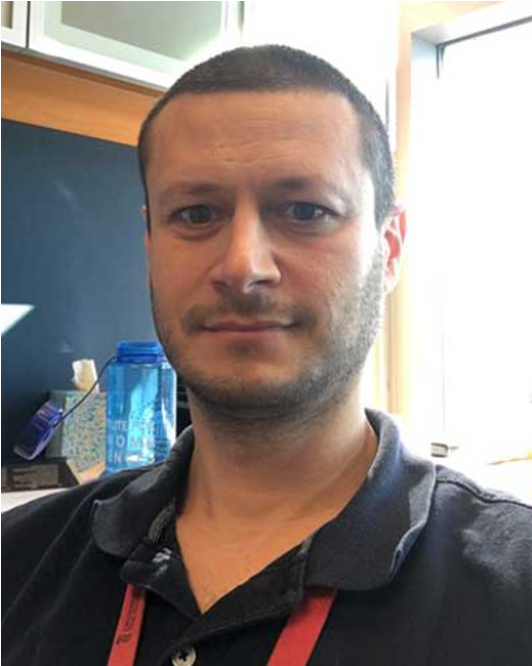
David Serre, PhD
Professor, Microbiology & Immunology
Dr. Serre develops novel genomic approaches to study infectious diseases and to address outstanding biological questions that cannot be easily studied with classical molecular biology approaches. His lab is interested in understanding the molecular and cellular interactions between eukaryotic parasites and their hosts, with a primary focus on Plasmodium vivax, a parasite that causes malaria. His studies use a variety of state-of-the-art genomic assays—including whole genome sequencing, high-throughput genotyping, dual RNA-seq, single cell RNA-seq, and spatial transcriptomics—to analyze samples from malaria patients, animal models, and in vitro cultures.
Michelle Shardell, PhD
Professor, Epidemiology & Public Health
Vice Chair, Research, Epidemiology, & Public Health, Division of Biostatistics & Bioinformatics
Dr. Shardell focuses on the epidemiology of aging. Employing her interdisciplinary background in biostatistics, she develops statistical methods to assess the relationship between high-dimensional biomarkers (metabolomics, proteomics) and aging-related outcomes, an innovative approach to integrating microbiome data into aging studies. She develops novel statistical methods to handle confounding variables in studies of older adults, adapting machine-learning methods to identify and validate clinically meaningful thresholds, integrating omics data, and developing time-to-event methods with informative censoring.
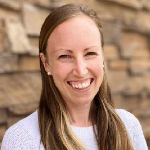
Kate Shutta, PhD
Assistant Professor, Medicine
Dr. Shutta’s research encompasses two complementary themes: methods development for network modeling of multiomic data and the use of these methods to explore molecular changes in pulmonary health throughout the lifecourse. The combination of genetic background and lived experiences determine trajectories of lung health and disease that are unique to each individual. Dr. Shutta’s work focuses on understanding how and why these trajectories diverge at the molecular level and how these divergences lead to differential disease risk, with the end goal of identifying effective strategies to promote healthy lung aging and reduce morbidity and mortality of age-related pulmonary disease.
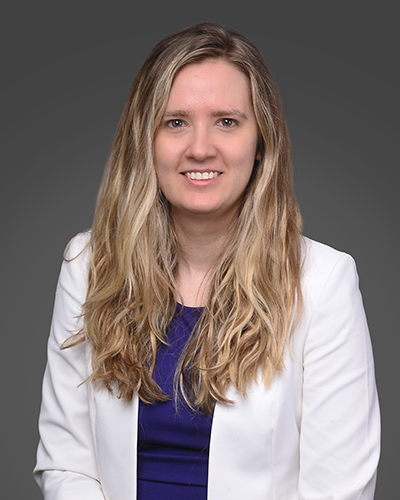
Jaclyn Smith, PhD
Research Associate, Microbiology & Immunology
Dr. Smith studies antigenic variation, an immune evasion strategy used by numerous pathogens to evade the host immune system. Pathogens display an immunogenic antigen to the host. Drawing from a large repertoire of antigen-encoding genes, pathogens “switch" which antigen is displayed temporarily escaping the pre-existing targeted antibody response. A particular master of this strategy is Trypanosoma brucei, the causative agent of African Sleeping Sickness. Using a massive repertoire of immunogenic Variant Surface Glycoproteins, parasites can generate chronic infections without ever hiding within host cells. Dr. Smith aims to understand how antigens are selected, how new antigens are formed, and if parasite are able to switch in response to the host environment.
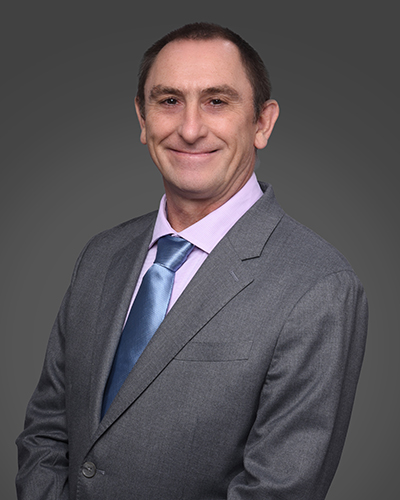
Hervé Tettelin, PhD
Professor, Microbiology & Immunology
Associate Director, Faculty Affairs, IGS
Dr. Tettelin's research uses large-scale comparative and functional genomics approaches to study host-pathogen interactions and identify novel targets for the development of vaccines or therapeutics. His lab also develops bioinformatics tools or pipelines to achieve these goals. Dr. Tettelin—in collaboration with the group of Dr. Rino Rappuoli at GSK Vaccines—pioneered the fields of reverse vaccinology and pangenomics. Reverse vaccinology uses genomics to identify novel protein candidates for vaccine development. His group first applied it to Neisseria meningitidis, resulting in the commercialization of the 4CMenB (Bexsero®) vaccine. Pangenomics characterizes of the genomic content of an entire species far exceeding knowledge from the genome content of any individual isolate.
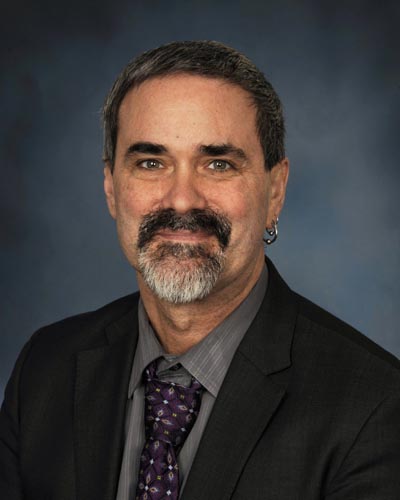
Owen White, PhD
Professor, Epidemiology & Public Health
Associate Director, Research Collaboration & Development, IGS
Dr. White is an internationally recognized expert in bioinformatics with more than 15 years of experience. He leads a team of scientists and engineers at IGS that develops production-level pipelines, databases, and tools for automated and manual analysis of genomic and metagenomic data. Dr. White and his group design socio-technical frameworks that enable large, multi-institutional research collaborations through consensus governance, standardized metadata, and coordinated data processing and sharing. Their work supports robust data ingestion, curation, harmonization, and uniform processing to create broadly accessible multiomic resources. His group also develops visualization and analytical tools, facilitates consortium-wide publications, and expands community access to complex biomedical datasets through outreach and collaboration.