
IGS Systems Biology Cancer Research Captures the Complexity of Tumors for Predictive Medicine
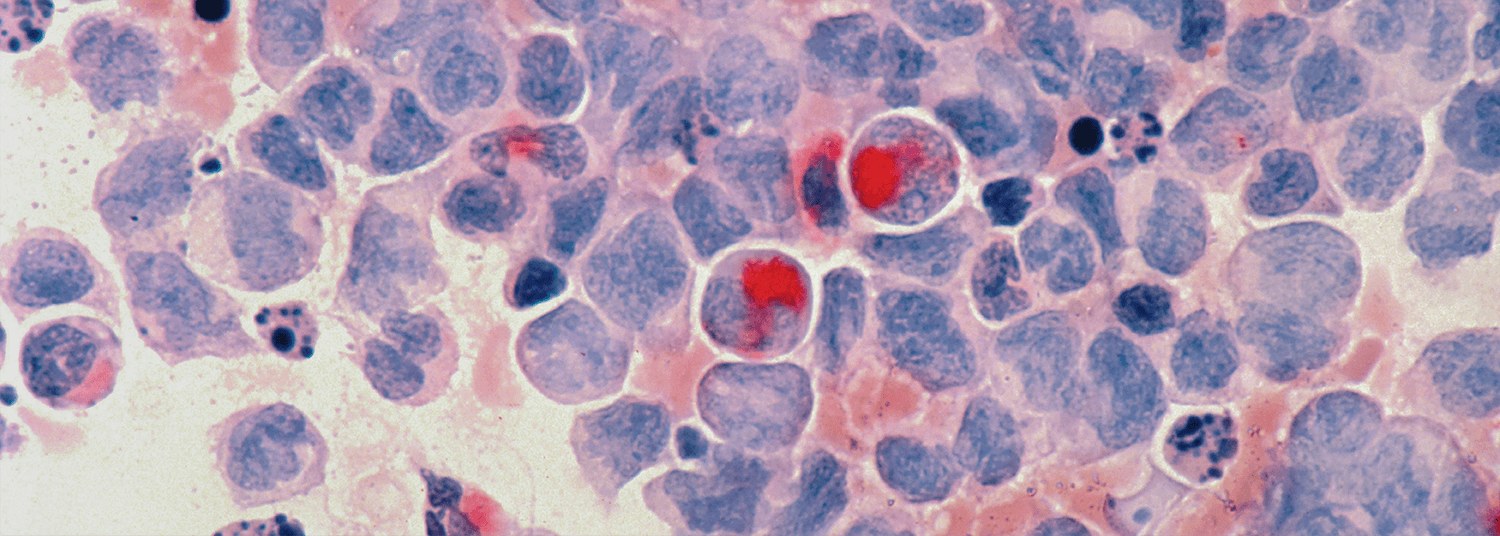
IGS researchers work to unravel the causes of cancer development and its response to therapies to improve diagnosis, treatment and basic understanding of cancer biology. To do this, our scientists use genomics technologies and population studies to find biomarkers and discover other commonalities across different cancer types. In addition, they blend computational and experimental techniques to uncover the fundamental mechanisms of the disease, including causes of progression and metastases, as well as responses to different therapies.
IGS investigators embrace the complexity of cancer, as they work to understand the multiple genetic, epigenetic, transcriptional, and cellular changes that underlie tumor development and evolution. To do this, they use spatial technologies and various bioinformatics analysis methods. Spatial technologies look at molecules, cells, and proteins in the exact location within tissues. This is critical because spatial organization within a tumor influences its progression, immune responses, and treatment outcomes. For example, rather than looking at a snapshot of a tumor, spatial technology allows scientists to combine it with other techniques — such as artificial intelligence and mathematical modeling — to probe the complex interplay within the tumor's environment and identify what may cause it to grow or spread or how it might respond to different treatments.
To ensure that this complex work can be translated into clinical use, IGS has a close partnership with the University of Maryland Marlene and Stewart Greenebaum Comprehensive Cancer Center (UMGCCC). IGS Director Elana J. Fertig, PhD, FAIMBE, also holds the title of Associate Director for Quantitative Science at UMGCCC, and IGS faculty member Scott Devine, PhD, serves as Co-Director of its Cancer Biology Research Program.
In addition, IGS's Maryland Genomics provides cost-effective, cutting-edge molecular and cellular profiling for UMGCCC investigators, as well as the Mid-Atlantic Shared Resources Consortium.
Cancer Genomics Faculty
Daniel Bergman, PhD
Assistant Professor, Pharmacology & Physiology
Dr. Bergman studies the tumor microenvironment and how it regulates cancer progression and mediates treatment. He uses mathematical models — specifically, agent-based models — to do this work. These models capture the multi-scale dynamics of cancer — from rewired gene regulatory networks to systemic effects, such as therapeutic interventions — and provide a powerful platform to test our understanding of cancer and how to treat it. They hope these studies will be able to guide experimental and even clinical work, revealing core principles of how cancer hijacks an individual's intrinsic biology to achieve unconstrained growth and how to treat it.
Scott Devine, PhD
Associate Professor, Medicine
Co-Leader, Cancer Biology, University of Maryland Marlene & Stewart Greenebaum Comprehensive Cancer Center (UMGCCC)
The Devine Lab advances knowledge of human genome variation and its impact on human diseases, such as cancer. Lab members use bioinformatics, genomics, and molecular tools to look at the impact of human genome sequence variation on traits and diseases. They specialize in new technology development to facilitate such studies, as well as collaborations with large consortia, such as the 1000 Genomes Project, to fuel such studies.
Elana Fertig, PhD
Dean E. Albert Reece Professor of Medicine
Director, Institute for Genome Sciences (IGS)
Associate Director, Quantitative Sciences, University of Maryland Marlene & Stewart Greenebaum Comprehensive Cancer Center (UMGCCC)
Dr. Fertig researches the dynamic mechanisms that allow cancer to develop, metastasize, and either resist treatment or be treated successfully. She employs a systems-level approach, developing new mathematical modeling and artificial intelligence (AI) methods to enable this predictive oncology paradigm. In bringing these approaches together, Dr. Fertig strives to embed these computational methods into a forecasting method for tumors, similar to how weather prediction systems work. Beyond cancer, the computational approaches pioneered in Dr. Fertig’s lab have broad applicability in biological systems, including neuroscience, developmental biology, and aging as notable examples.
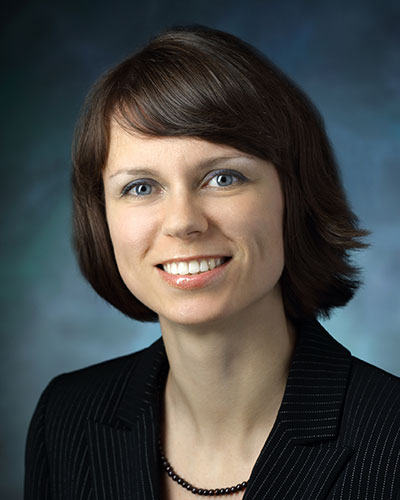
Daria Gaykalova, PhD
Associate Professor, Otorhinolaryngology-Head & Neck Surgery
Co-Assistant Leader, Cancer Biology Research Program, University of Maryland Marlene & Stewart Greenebaum Comprehensive Cancer Center
Dr. Gaykalova studies the epigenetic mechanisms of head and neck cancer. She works to discover novel biomarkers, develop effective drugs, and enhance immune response to cancer to improve the diagnosis, prevention, and treatment of this cancer. Her lab investigates how epigenetic changes, such as DNA methylation and chromatin remodeling, affect the expression of genes and their alternative splicing variants during cancer onset and progression. They also explore how these changes lead to the accumulation of mutations and the production of cancer-specific proteins and antigens. By understanding the complex interplay between epigenetics and transcription, the lab hopes to identify new therapeutic targets and strategies that can modulate the cellular and immunological functions of cancer cells. Dr. Gaykalova also works on advancing smoking cessation and HPV vaccination efforts, as these are significant risk factors for head and neck cancer. The lab’s ultimate goal is to translate its epigenetic discoveries into clinical practice and improve the outcomes and quality of life of patients with head and neck cancer.