
Search
Subscribe to daily UMEM Pearls (FREE!) via:
1-20 of 65 results by Andrea Tenner
General Information: Tetanus is caused by the toxin of Clostridium tetani--a gram-positive bacillus found in soil and animal excrement. It is a life-threatening but preventable disease. Cases have declined by > 95% in the past 65 years, but dozens of cases still occur annually in the US and it is still frequently seen in developing countries.
Clinical Presentation:
- Generalized increased rigidity
- Convulsive spasms of skeletal muscles
- Risus sardonicus (severe facial spasms with a “sardonic” smile)
- autonomic instability (fever, sweating, tachycardia, salivation, hyper- or hypo prefusion)
- Lucid mental state
Diagnosis:
Clinical Case Definition: In the absence of a more likely diagnosis, an acute illness with muscle spasms or hypertonia. There is no diagnostic laboratory test for tetanus.
Treatment:
- Supportive care (including ventilator support as needed)
- Control symptoms with muscle relaxants and anticonvulsants as needed
- Wound debridement and antibiotics (metronidazole, e.g. 0.5 gm every 6 hours) to decrease C tetani
- Passive immunization with human tetanus immune globulin (TIG) (may shorten course and decrease severity--Dose: TIG 3,000-6,000 units IM)
- Tetanus toxoid vaccine (clinical disease does not produce immunity!)
Bottom Line:
Tetanus is not as rare as we would like to think. Acute diagnostic acumen and assertive clinical management can help save the life of someone with this potentially deadly disease
University of Maryland Section for Global Emergency Health
Author: Jon Mark Hirshon, MD, MPH, PhD
Show References
Clinical Presentation:
A 35-year-old female presents to your emergency department complaining of fever, malaise, myalgias, headache and an urticarial rash. Her physical exam reveals a papular rash and hepatosplenomegaly. You also find out that she traveled to Sudan 6 weeks earlier. She stayed mostly in Kharotum, but while there, she swam in the Nile. You send a smear for malaria, which is negative. What other major parasite should you consider?
Diagnosis:
- Schistosomiasis, also know as bilharzia, is a disease caused by parasitic worms.
- While not found in the US, it impacts more than 200 million people globally, and is second only to malaria as a major parasitic infection.
Discussion:
While the acute presentation is generally non-specific, chronic complications may be more serious. Many organ systems can be impacted and symptoms of chronic infection can include liver dysfunction, including portal hypertension and esophageal varacies or hematuria and renal failure.
Treatment:
- Treatment is a one-day course of Praziquantel but must be initiated 6-8 weeks after infection. (It's most effective against the adult worm so timing is key!)
Bottom Line:
Consider a broader differential in travelers. There are many infectious killers that can be easily treated.
University of Maryland Section of Global Emergency Health
Author: Jon Mark Hirshon, MD, MPH, PhD
Show References
Case Presentation:
A 64 yo male with a history of IDDM presents with generalized fatigue. He felt so weak last night that he missed his pm dose of Lantus and vomited this morning. He arrived with a critically elevated BG of 590. He flew to the US from Sierra Leone 3 days ago.
Labs include:
Wbc 3.5 Plt 34 Hb 12 Hct 36
Na 125 CL 93 Co2 14 K 4.5 BUN 25 Cr 1.9 Glu 590 AG 18
VBG pH 7.23
Clinical Question:
Other than treating his diabetic ketoacidosis and renal failure, would you send any further tests?
Answer:
Thick smear for Malaria.
Bottom Line:
- DKA is often a symptom of an underlying metabolic or infectious insult
- Have a high suspicion for malaria in those travelers coming from endemic regions and don't forget malaria symptoms are often insidious presenting with myalgia and fatigue, as well as the traditional undulating fevers and chills
- In addition to anemia, thrombocytopenia has been seen in P. vivax and P. falciparum. (In the at-risk traveler, this finding should raise your suspicion for malaria.)
University of Maryland Section of Global Emergency Health
Author: Bradford Schwartz, MD
Show References
General Information:
- Acute diarrheal illness is a common cause of morbidity and mortality disproportionately affecting low and middle income countries
- Acute diarrhea poses the greatest threat to the immunocompromised, children, and the elderly
- Stool samples are costly and frequently don’t provide information altering the course of treatment in acute, non-severe diarrhea
- However, for acute diarrhea, a single stool sample should be obtained when diarrhea is associated with:
- fever (≥38.5°C)
- a severe coexisting condition in a hospitalized patient on antibiotics
- persistent diarrhea (≥14 days)
- profuse cholera-like watery diarrhea
- dehydration
- dysentery
- an elderly or immunocompromised patient
- food handlers, nursing home residents, and daycare workers
- The stool sample must be processed by the lab within 4 hours to directly visualize parasites and within 12 hours for routine microbiologic staining.
Bottom Line for the EM Physician: Use these guidelines to test stool only when helpful to patient care and avoid flushing resources down the toilet.
University of Maryland Section of Global Emergency Health
Author: Alex Skog
Show References
General Information:
- There is a growing incidence of chronic kidney disease (CKD) in Central America referred to as Mesoamerican Nephropathy
- Patients tend to be young (30-50 years old), male, agricultural workers, and do not have a history of diabetes, hypertension, or obesity
- Etiology remains unconfirmed but is likely multifactorial with contributors including: repeated dehydration, excessive NSAID use, toxins from sugarcane derived alcohol, and mild Leptospirosis infection.
Area of the world affected:
- Highest prevalence in El Salvador and Nicaragua
- Lower prevalence in Costa Rica and Guatemala
Relevance to the US physician:
- Immigrants with Mesoamerican Nephropathy may present to the ED with acute on chronic kidney disease
- Treatment guidelines are the same as for other CKD etiologies
- Council patients on proper hydration during exertion, limiting NSAID use, and avoiding homemade alcohol consumption
Bottom Line:
- Mesoamerican Nephropathy should be considered in Central American immigrants presenting to the ED with clinical and laboratory signs of CKD but without traditional risk factors.
University of Maryland Section of Global Emergency Health
Author: Emilie J.B. Calvello, MD, MPH & Alex Skog
Show References
- The US tends to average about 2-3 cases of rabies in humans per year
- However, around 6,000 animal cases are reported yearly in the US, so the potential for infection is there.
- Most cases are acquired through contact with infected animals: generally bats, foxes, and unvaccinated dogs (this is a huge problem in low- and middle-income countries)
- Of note, in 2013, a human case was reported in Maryland that was acquired through organ transplantation from an infected donor
Clinical Presentation
Rabies is, initially, a clinical diagnosis. To see what a patient with rabies looks like, check out this 3 minute YouTube video: (There is a bit of commentary by the person who posted it at the beginning that you might want to skip through.)
https://www.youtube.com/watch?v=EZbrNN9KeUI
Bottom Line
Rabies, while a rare disease in the US, can occur through either contact with infected animals (especially while traveling) or via organ transplantation. Recognizing the clinical syndrome is key to diagnosis.
University of Maryland Section for Global Emergency Health
Author: Andi Tenner, MD, MPH, FACEP
Show References
General Information:
- Previously, polio had been decreasing in incidence and nearing worldwide eradication.
- From 2012 to 2013, the incidence doubled from 223 to 403 cases, and is anticipated to be higher in 2014 (May and June are the highest transmission months).
- The WHO declared a Public Health Emergency of International Concern on Monday (5/5/14).
- Polio has been transmitted across international borders by travelers and is still circulating within endemic areas.
- In addition to improving vaccination within these countries, the public health emergency calls for all travelers from these countries to complete a polio vaccine series and travel with vaccination records.
Relevance to the EM Physician:
- Previously unvaccinated travelers should be given a 3-dose polio vaccine series.
- If a traveler has completed the 3-dose series in the past, the CDC recommends one single lifetime booster dose of inactivated polio virus (IPV).
Bottom Line:
- Polio is increasing in incidence in 10 countries: Syria, Pakistan, Cameroon, Afghanistan, Equatorial Guinea, Ethiopia, Iraq, Israel, Somalia and Nigeria.
- For those who received an IPV series as a child, a single IPV booster is recommended for travelers to those countries to assure lifelong immunity.
University of Maryland Section of Global Emergency Health
Author: Jenny Reifel Saltzberg, MD
Show References
Background Information:
ACEP has recently revised its 2004 policy on critical issues in the evaluation and management of adult patients with seizures in the emergency department.
Pertinent Study Design and Conclusions:
- A literature review was conducted to derive evidence-based recommendations to help clinicians answer 4 critical questions. Only recomendations relating to question number 4 are presented in this pearl.
- Evidence suggests that in cases refractory to benzodiazepine, valproate works as well as phenytoin and fosphenytoin in status epilepticus as a second-line agent. Compared to phenytoin or fosphenytoin, valproate can be given more quickly and has fewer adverse effects (Level B recommendation).
- This recommendation is intended for adult patients aged 18 years and older presenting to the ED with generalized convulsive seizures.
Bottom Line:
As an alternative to phenytoin or fosphenytoin, valproate may be considered for refractory convulsive status epilepticus if benzodiazepines fail.
University of Maryland Section of Global Emergency Health
Author: Walid Hammad, MB ChB
Show References
Attachments
- 1404301058_ACEP_Clinical_Policy_Neurology_2014.pdf (607 Kb)
- 1404301059_ACEP_Clinical_Policy_Neurology_2004.pdf (217 Kb)
General Information:
- Middle East Respiratory Syndrome (MERS) is a viral illness caused by the coronavirus MERS-CoV.
- First reported as a novel species in Saudi Arabia in September 2012, it has an estimated fatality rate of 40%.
- MERS can present like a URI or can be as severe as pneumonia and ARDS.
- More than half of the laboratory-confirmed secondary cases have been associated with health care settings.
Area of the world affected:
- A second spike of cases occurred over the past few weeks in the Arabian Peninsula and has spread to Northern Africa and Europe.
- All cases outside of the Middle East involve patients that have either been to the Middle East or have been in contact with someone returning from the region.
Relevance to the US physician:
- Inbound travel to the US from the Middle East increases significantly between April and September. The WHO’s Global Alert Response recommends that countries with travelers from the Arabian Peninsula maintain a high level of vigilance.
Bottom Line:
Evaluate patients for MERS-CoV infection if they develop fever and pneumonia within 14 days after traveling to countries in or near the Middle East or if they had close contact with someone from this area.
University of Maryland Section of Global Emergency Health
Author: Walid Hammad, MB ChB
Show References
General Information:
- Mental disorders account for 7.4% of the world’s burden of disease in terms of disability-adjusted life years and nearly 25% of all years lived with disability — more than cardiovascular disease or cancer (Source: 2010 Global Burden of Disease Study)
- Suicide is a leading cause of death among young people globally
- Evidence suggests that people with mental disorders are often subject to severe human rights violations
Relevance to the US physician:
- The majority of the world’s population has no access to the pharmacologic, psychological, and social interventions that can transform lives.
- In May 2013, 194 ministers of health adopted the WHO Comprehensive Mental Health Action Plan, recognizing mental health as a global health priority.
Bottom Line:
Mental illness is an often-forgotten cause of significant morbidity worldwide. Front-line care delivered by appropriately trained and supervised community-based health workers operating in partnership with emergency physicians, primary care physicians, and mental health specialists is key to address this health crisis.
University of Maryland Section of Global Emergency Health
Author: Terrence Mulligan DO, MPH
Show References
General Information:
- 5 families of RNA viruses
- Arenaviradae – Lassa fever
- Bunyaviradae – Crimean – Congo hemorrhagic fever (CCHF)
- Hantavirus - Hemorrhagic Fever with Renal Syndrome (HFRS)
- Flaviviruses – Yellow fever, Dengue
- Filoviridae – Ebola, Marburg
- Vector transmission – humans, rodents, livestock, bush meat, mosquito, tick, contaminated feces
- Incubation of 2-14 days
Clinical Presentation:
- Mild – Mod: fever, fatigues, malaise, myalgia followed by coagulopathy (petechial rash)
- Severe: shock, coma, delirium, seizure, liver/renal failure
Diagnosis:
- Whole blood or serum can be sent to the CDC for testing (PCR, IgM/IgG, viral culture)
- Leukopenia/leukocytosis, proteinuria, thrombocytopenia, LFTs/PT/PTT, may see DIC
Treatment:
- Supportive
- Contact and airborne precautions
- Ribavirin – effective in patients with Lassa fever or HFRS (not approved by the FDA)
- Convalescent-phase plasma has been used with success in some patients with Argentine hemorrhagic fever
- FFP, high dose steroids has been reported to be successful in Crimean-Congo (CCHF)
Bottom Line:
- Immediate isolate patents with fever and signs of coagulopathy
- Supportive care primarily
University of Maryland Section of Global Emergency Health
Author: Veronica Pei
Show References
Question
You are working in a clinic in Tanzania (or Baltimore, for that matter) when a 24 year old presents with this itchy rash on his feet. What's the diagnosis and what underlying systemic condition does it indicate?
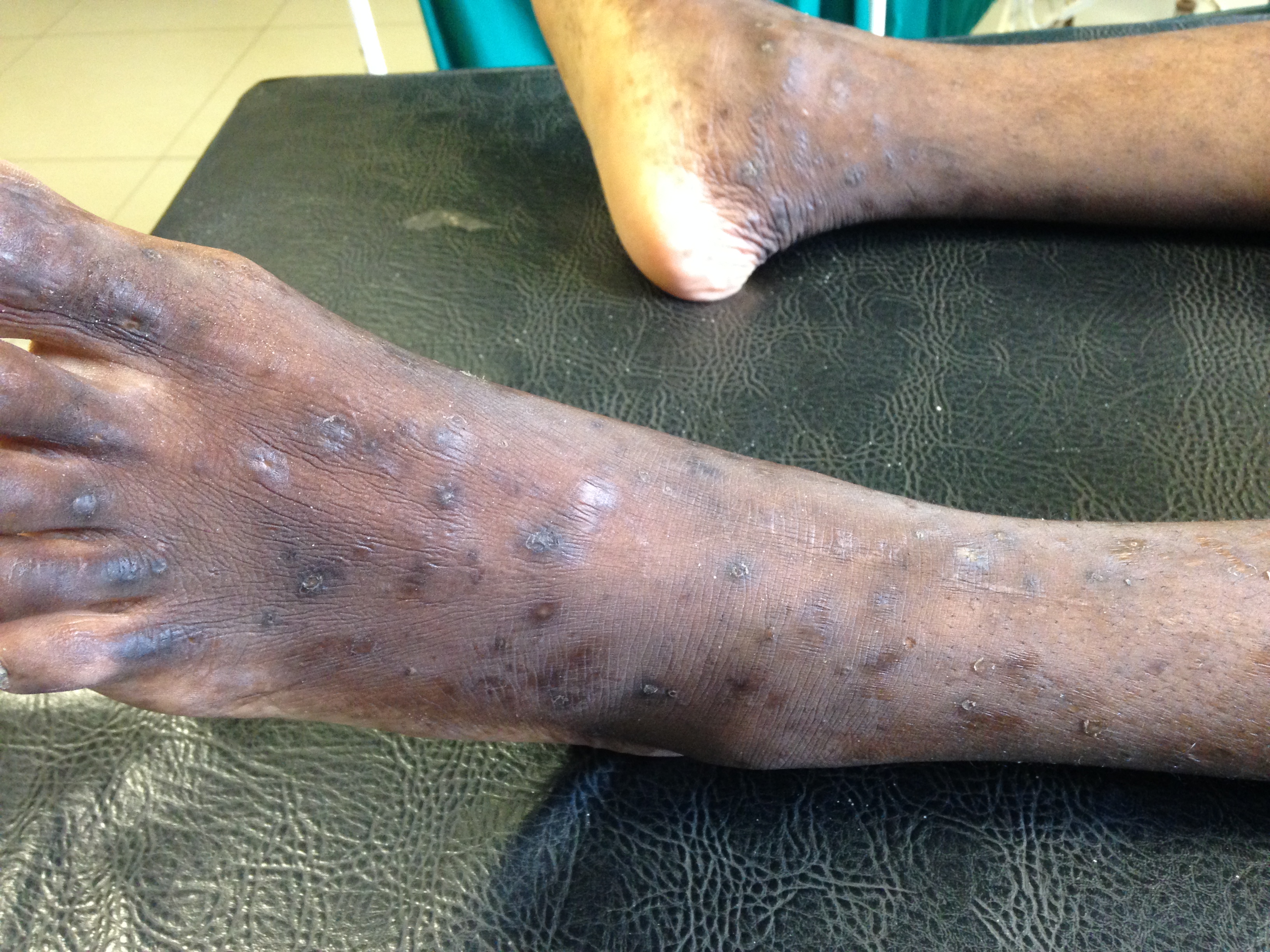
Show Answer
Show References
Attachments
Question
You are evaluating a 40 year old trauma victim and see this on pelvic xray. What are you worried about?
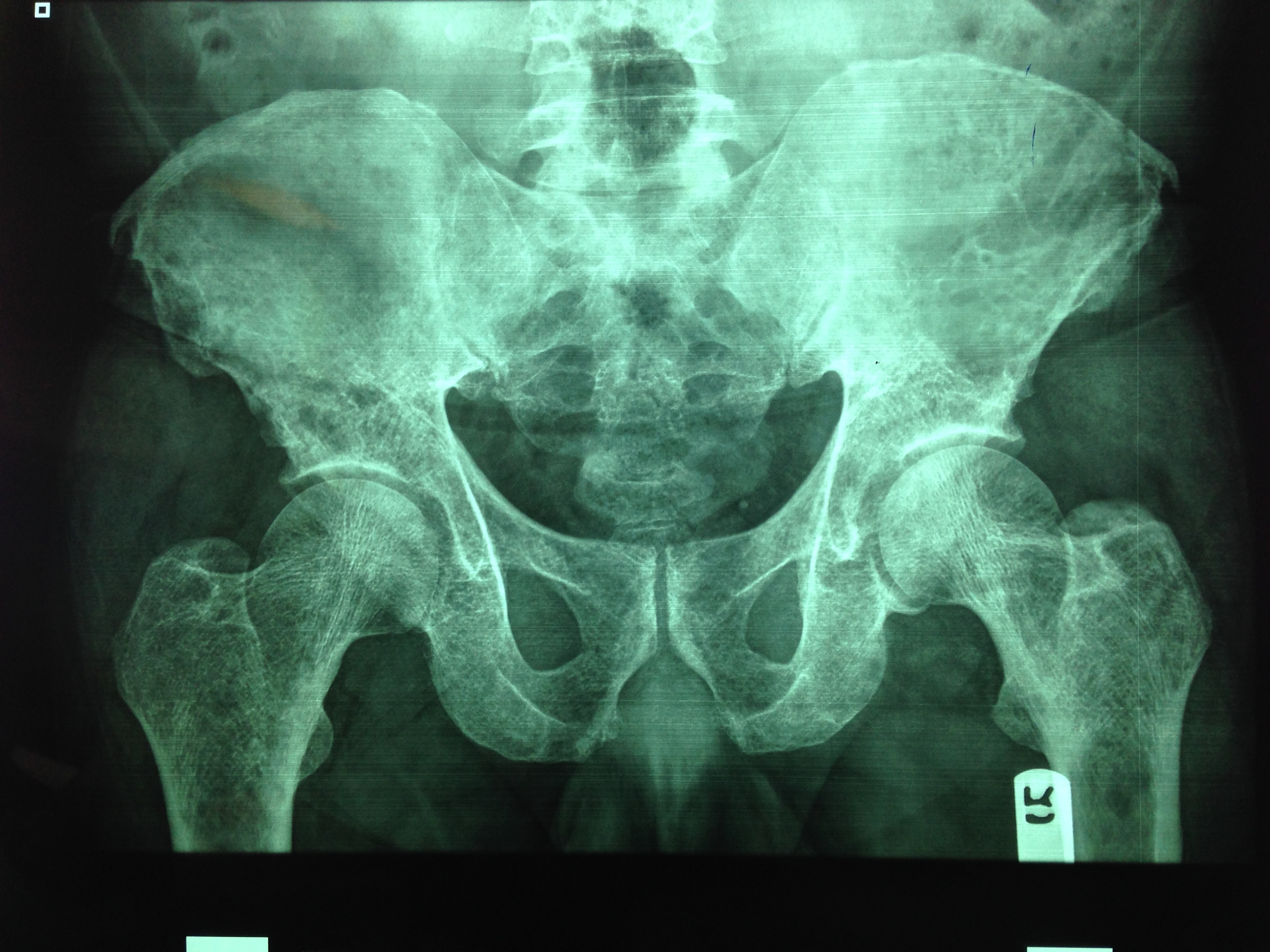
Show Answer
Question
35yo M with history of rheumatic heart disease presents with fever. What disease process is suggested by the echo?
.JPG)
Show Answer
Show References
Attachments
Case Presentation:
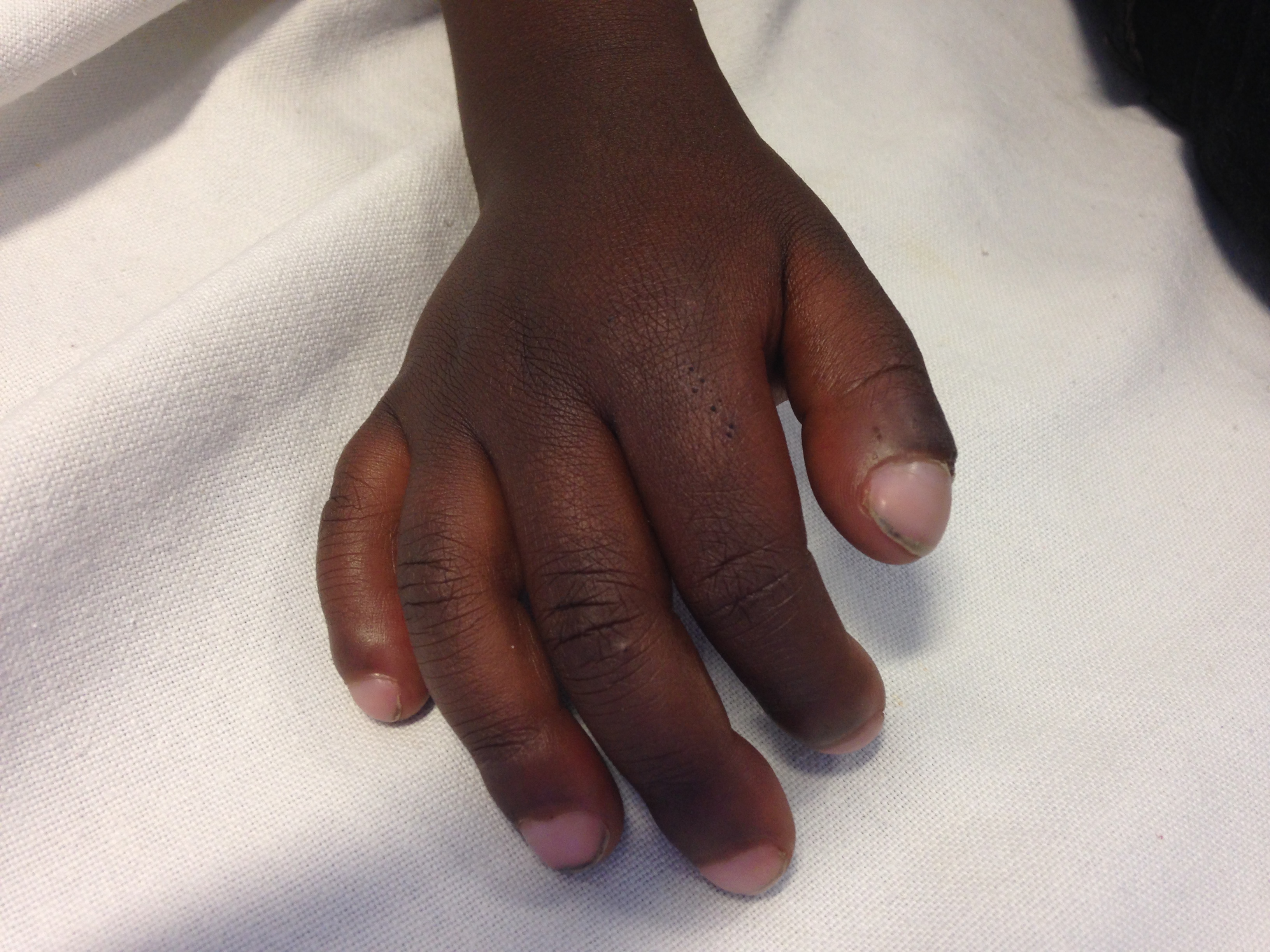
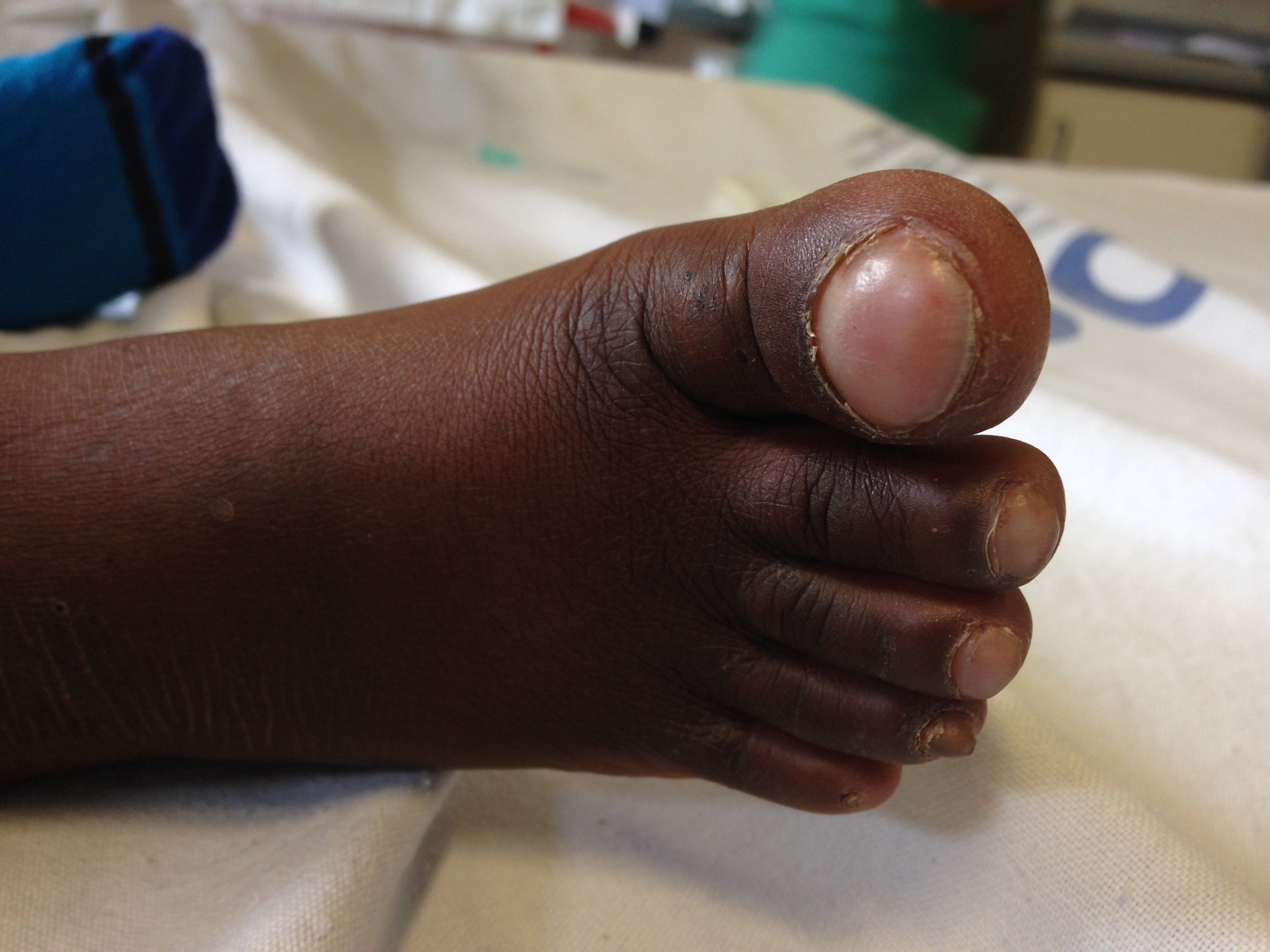
53 yo male presents with fever, myalgia, maculopapular rash, and severe polyarthralgia. He just returned from a cruise to the Caribbean islands.
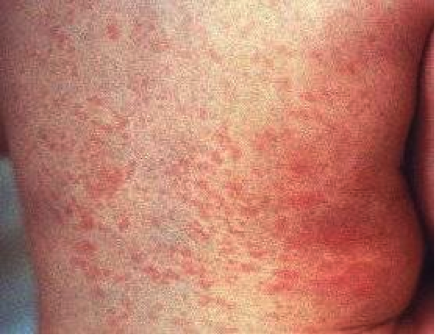
Clinical Question:
What is the diagnosis?
Answer:
Chikungunya Virus
- Travelers who go to the Caribbean are at risk of getting chikungunya. Cases have been reported in Saint Martin, Martinique, and Guadeloupe. In addition, travelers to Africa, Asia, and islands in the Indian Ocean and Western Pacific are also at risk.
- Mosquito vector, incubation 3-7 days
- Joints involved are typically hands and feet, usually symmetric, severe arthralgia often debilitating
- Dx: serology - ELISA, IgM
- Treatment: IVF, NSAIDS, supportive
Bottom Line:
- Include Chikungunya in your differential of non-specific fever, rash, headache and arthralgia in travelers the Caribbean and endemic areas.
University of Maryland Section of Global Emergency Health
Author: Veronica Pei, MD
Show References
Bottom Line:
- Routine immunizations (make sure you don’t need boosters!) : Hep A/B, Tetanus, Measles, Influenza
- Vaccines for disaster relief purposes where sanitation is a concern: typhoid, cholera
- Japanese encephalitis if you plan to be rural areas for > 1 month or spend substantial time outdoors
- Rabies if you might encounter animal bites, bats
- Yellow fever
- Malaria prophylaxis (not really a vaccine but necessary)
University of Maryland Section of Global Emergency Health
Author: Veronica Pei
Show References
General Information:
- Hepatitis B virus (HBV) is a common cause of cirrhosis, end-stage liver disease, and hepatocellular carcinoma, particularly in areas of the world where infection rates are high.
- More than 240 million people have chronic HBV infections and about 600,000 people die every year due to the acute or chronic consequences.
- The antiviral tenofovir (used in HIV treatment) has shown recent promise in not only prolonging progression to cirrhosis but actually reversing cirrhosis.
- Phase III trial results of 5 years of tenofovir treatment showed an 87% improvement in histology. Notably, of the 96 patients with cirrhosis prior to treatment, 74% were no longer cirrhotic at year 5 of therapy and only 2 went on to decompensated liver disease.
Bottom Line:
Tenofovir has already become standard therapy for HIV (contained in Truvada and Atripla). This HBV study shows promise that this drug can not only decrease progression of disease but also reverse the cirrhosis associated with long-term infection. Given the prevalence of chronic HBV, larger scale role-out of this drug could markedly change the epidemiologic landscape of morbidity and mortality due to hepatitis B.
University of Maryland Section of Global Emergency Health
Author: Emilie J.B. Calvello
Show References
- The American College of Emergency Physicians recently released the 2014 National Report Card on America’s Emergency Care Environment.
- This comprehensive, state-by-state report card evaluates the support for emergency care in the United States.
- One area to highlight from the Report Card is the issue of emergency department (ED) crowding.
- Crowding primarily results from keeping admitted patients in the ED for hours while waiting for an inpatient bed. This happens not only in the U.S., but in many other countries as well.
- For the U.S. overall, the median time from ED arrival to ED departure for admitted patients was 272 minutes (approximately 4.5 hours).
- However, median times for individual states ranged from the best time of 176 minutes (approximately 3 hours) to 452 minutes (approximately 7.5 hours).
Bottom line
ED crowding remains a critical problem in the US and globally. It is frequently driven by the “boarding” of admitted patients. Improved patient flow is needed to be able to take care of patients presenting with acute care needs.
University of Maryland Section of Global Emergency Health
Author: Jon Mark Hirshon, MD, MPH, PhD
Show References
General Information:
- 1.24 million people die each year on the world's roads
- 50% of those dying on the world’s roads are vulnerable road users (VRUs-- those most at risk in traffic, i.e. those unprotected by an outside shield)
- 23% motorcyclists, 22% pedestrians, 5% cyclists
- Children and elderly are overrepresented among victims
Area of the world affected:
- In 2010, low- and middle-income countries had higher road traffic fatality rates (18.3 and 20.1 per 100,000, respectively) compared to high-income countries (8.7).
- The African region had the highest road traffic fatality rate, at 24.1, while the European region had the lowest rate, at 10.3.
Relevance to the US physician:
- While public health measures are key in reducing the risk to VRUs, improving the provision of emergency medical services may also result in a higher proportion of victims surviving on the road or on the way to a health clinic.
- Travelers should also be mindful of the risks of motorcycles, bicycles, and walking along the roadside
Bottom Line:
VRU traffic injuries are the greatest challenge of today's worldwide road safety.
University of Maryland Section of Global Emergency Health
Author: Terrence Mulligan DO, MPH