
Search
Subscribe to daily UMEM Pearls (FREE!) via:
81-100 of 558 results with category "Toxicology"
Hematologic toxicity (coagulopathy/bleeding) can occur with pit viper envenomation. Copperhead is the most commonly implicated pit viper envenomation in the U.S. However, the prevalence of hematologic toxicity from copperhead envenomation is variable, possibly due to regional variation in venom potency and species misidentification.
An observation study was performing using multi-center (Virginia Commonweath university, University of Virginia Medical Center and Eastern Virginia Medical medical center) electronic hospital/medical records (Jan 1, 2006 to Dec 31, 2016) of suspected copperhead bites. Authors state that copperhead snakes are "nearly exclusively endemic" to the VCU and UVA medical center region.
Results:
388 patients were identified but 244 met inclusion/exclusion criteria.
- Mean age: 34 years
- Male: 59%
- Antivenom administration: 76%
- No bleeding was reported.
Hematologic toxicity: 14%
- Elevated PT: 10.0%
- Elevated PTT: 3.9%
- Thrombocytopenia: 1.2%
- Hypofibrinogenemia: 0.7%
Conclusion
In a small sample of copperhead envenomation in Virginia, “subtle” hematologic abnormalities were observed but clinically significant hematologic toxicity was not observed (i.e. bleeding)
Show References
Pulmonary complications - aspiration, pulmonary edema, etc. are frequently reported in both heroin intoxication and in reversal of opioid overdose with naloxone.
Suspected opioid overdose victims (N=1831) who received naloxone from EMS providers were studied retrospectively. Pulmonary complications were defined as pulmonary edema, aspiration pneumonia and aspiration pneumonitis.
Results
- Out of hospital naloxone dose > 4.4 mg – 62% more likely of experiencing pulmonary complication (OR 2.14, 95% CI: 1.44 to 3.18)
- Increased risk of pulmonary complication if initial naloxone dose is > 0.4 mg (OR 2.57, 95% CI 1.45 to 4.54)
Conclusion
Higher out of hospital naloxone administration is associated with increased odds of developing pulmonary complications
Show References
“Push dose pressors” – administration of small doses of vasopressors in the emergency room has become a common practice. A recently published study investigated the incidence of human error and adverse hemodynamic events.
Push dose pressors were defined as:
- Phenylephrine (any dose)
- Epinephrine (<= 100 mcg)
Adverse hemodynamic event was defined as:
- Extreme tachycardia (HR > 140 bmp)
- New bradycardia (HR < 60 bmp)
- Hypertension (SBP > 180 mmHg)
- Ventricular tachycardia
249 out of 1522 patients were identified and analyzed from Jan 2010 to November 2017
- median initial epinephrine dose (20 mcg; IQR: 10-100; range 1-100)
- recieved more than one dose: 78 (57%)
- median initial phenylephrine dose (100 mcg; IQR: 100-100; range 25 to 10,000)
- received more than one dose: 62 (56%)
Adverse event
- Phenylephrine group (n=110): 30 (27%; 95% CI: 19-36%)
- Epinephrine group (n=139): 68 (50%; 95% CI: 41-58%)
Errors
- Human error: 47 (19%) - similar proportion of human error between two agents.
- Dosing error: 7 (3%; 2.5 to 100-fold)
- Documentation error: 43 (17%)
- Only one dosing error occurred when a pharmacist was present
Conclusion
- Human errors and adverse hemodynamic event were common when “push dose pressors” were administered.
- Consultation with a pharmacist can/may reduce dosing error.
Show References
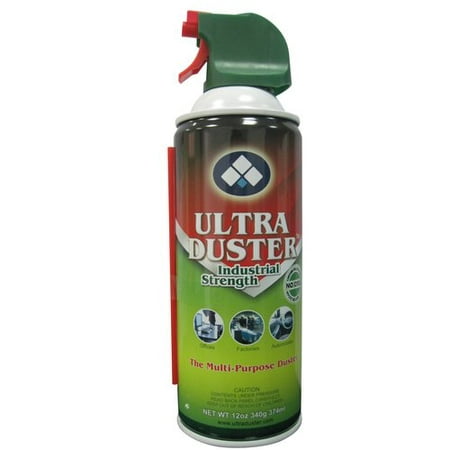
Volatile inhalants such as glue, lighter fluid, spray paint are abused by "sniffing" (from container), "huffing" (poured into rag), or "bagging" (poured into bag). "Dusting" is the abuse of canned air dust removal products. These inexpensive easliy accessible products are so dangerous that manufacturers include product warnings regarding lethal consequences from misuse and even may indicate that a bitterant is added to discourage use. Common duster gases include the halogenated hydrocarbons, 1,1-difluoroethane or 1,1,1-trifluroethane which are highly lipid soluble and rapidly absorbed by alveolar membranes and distributed to CNS. Desired effect of euphoria and disinhibition rapidly occur but unwanted side effects include confusion, tremors, ataxia, pulmonary irritation, asphyxia and, rarely, coma.
"Sudden sniffing death" is seen within minutes to hours of use and is due to ventricular arrhythmias and cardiovascular collapse. Available experimental evidence postulates the following mechanisms: Inhibition of cardiac sodium, calcium, and repolarizing potassium channels hERG and I(Ks) causing reduced conduction velocity and altered refractory period leading to reentry arrythmias or myocardial "sensitiization" to catecholamines resulting in after depolarizations and enhanced automaticity. Treatment should include standard resuscitation measures but refractory arrythmias to defibrillation have been reported and use of amiodarone and beta blockers should be considered.
Bottom Line:
- Volatile Inhalant Abuse is common and dangerous
- SSD can occur even with first use
- Ventricular arrythmias can be refractory to electricity. Consider amiodarone and beta blockers.
Show References
Cyanide poisoning, while uncommon, is frequently fatal. Current antidotes include methemoglobinemia inducers (nitrites), sulfur donators (thiosulfate), and hydroxocobalamin. Each has risks and benefits that must be considered. Three new potential antidotes, including sodium tetrathionate, have recently been evaluated in swine models.
Intramuscular sodium tetrathionate1
- Sodium tetrathionate can bind and eliminate two cyanide molecules compared to one cyanide molecule by thiosulfate.
- Studied in a large (50 kg) female swine model of cyanide poisoning.
- All pigs were given cyanide via IV until 6 minutes post-onset of apnea, then given an approximately 1.5 mL IM injection of sodium tetrathionate (18 mg/kg).
- Survival at 90 minutes was 100% (6/6) in the treated group and 16% in the control arm (1/6).
Advantages:
- Small volume injection (~1.5-2 mL in humans)
- No interference with routine laboratory tests.
- Ease of administration in pre-hospital or potential mass casulty setting.
Bottom line:
- New cyanide antidotes are being developed.
- The FDA does NOT require human trials of efficacy for cyanide antidotes.
- It is unclear where these drugs are in the approval process at this time, but look for them in the future.
Show References
Naloxone distribution programs have been expanding to promote the naloxone adminstration by laypersons, usually intranasal (IN) device, to victims of opioid overdose. A recent study analyzed the reports of prehospital naloxone administration reported to a regional poison center.
- 1139 cases of prehospital naloxone administrations were identified between 2015 and 2017.
- 98.2% had ventilatory depression
- 97% were unresponsive
- Law enforcement officers administered 91% of the naloxone, 97.9% via IN route
Opioid toxicity revesal:
- Opioid-induced ventilatory or CNS depression was reversed in 79.2% after administering a mean naloxone dose of 3.12 mg.
- EMS administered additional naloxone (mean dose: 2.2 mg) to 291 due to lack of or partial reversal of opioid toxicity.
- 254 out of 291 (92.4%) regained normal/improved mental and ventilatory status.
- 95.9% of the overdose victims survived.
However, between 2015 and 2017, the reversal rate decreased (82.1% to 76.4%) while mean administered naloxone dose increased (2.12 mg to 3.63 mg). The cause of this trend is unknown but the dose of commercially available IN naloxone kit increased from 2 mg to 4 mg in 2016.
Bottom line:
- IN naloxone administration is an effective intervention to reverse opioid toxicity.
- However, larger naloxone doses were administered between 2015 and 2017 while the reversal rate decreased.
- It is essential for bystander/witness of overdose to notify EMS as overdose victims may require additional naloxone administration/medical attention.
Show References
Since 2013, the availability of fentanyl has been increasing in the illicit drug supply, especially in heroin supply. Fentanyl and its analogs have been responsible for the dramatic increase in opioid overdose death over the past 5 years.
Two recent cross-sectional studies screened ED patients with opioid use disorder for fentanyl exposure.
Study 1:
- Of 165 patients, urine samples were obtained from 129 participants.
- 80.6% tested positive for fentanyl from urine sample when over 95% reported preference for heroin in the fentanyl positive group.
- 85.7% of the overdose group (n=42) was positive for fentanyl.
- Over 84% recognized fentanyl’s high potency and high risk of death in overdose.
- 29.7% (n=49 of 165) intentionally purchased fentanyl for use.
- Intentional fentanyl purchase was more common in non-overdose group(34.1% vs. 16.7%).
Study 2:
- 76 ED patients were screened.
- 83% showed presence of fentanyl in urine.
- 5% reported knowledge of using fentanyl (i.e. intentional use).
Bottom line:
- Fentanyl exposure is common among opioid users in Baltimore
- Up to 30% of ED patients with opioid use disorder intentionally purchase fentanyl although majority recognize the higher risk of overdose death from fentanyl compared to other opioids.
Show References
Many chemicals and substances - both legal and illegal - can be purchased from an online retailer. A recent study searched Amazon.com to see if any of the "extremely hazardaous substances" identified by Environmental Protection Agency (EPA) were available for purchase.
Amazon.com was searched over 10-month period.
Result:
- 79 of 340 substances listed as "extremely hazardous by the EPA were available for purchse.
- 1/3 of the products/substances possess sufficient dose to be considered toxic in single unit purchase
- Only 4 substances required a bussiness account to be purchase.
Bottom line:
Toxic substances are readily available from many online retailers that can potentially cause serious toxicity. Online retailers should consult with experts and governmental agencies to limit the availability of such products.
Show References
Drug-induced hypoglycemia is an important cause of hypoglycemia which should be considered in any patient presenting with altered mental status. In one study, drug-induced hypoglycemia represented 23% of all hospital admissions attributed to adverse drug events. Risk factors for developing hypoglycemia include older age, renal or hepatic insufficiency, concurrent use of insulin or sulfonylureas, infection, ethanol use, or severe comorbidities. The most commonly cited drugs associated with hypoglycemia include:
- Quinolones
- Sulfonylureas* either alone or with a potentiating drug
- Insulin
- Pentamidine
- Quinine
- B-blockers
- ACE Inhibitors
- Tramadol**
*In Glipizide users, there was 2-3 fold higher odds of hypoglycemia with concurrent use of sulfamethoxale-trimethoprim, fluconazole, and levofloxacin compared with patients using Cephalexin.
**Tramadol potentially induces hypoglycemia by effects on hepatic gluconeogenesis and increasing insulin release and peripheral utlizilation. Was seen in elderly at initiation of therapy within first 30 days.
BOTTOM LINE:
Take care in prescribing drugs known to increase risk of hypoglycemia in elderly patients, with comorbidities, or those already taking medications associated with hypoglycemia.
Show References
Guanfacine is a presynaptic alpha-2 adrenergic receptor agonist (similar to clonidine) that is FDA approved to treat ADHD in pediatric patients 6 years of age and older. A recently published study characterized the pediatric exposure to guanfacine between 2000 and 2016.
- 10927 single exposures to guanfacine were identified.
- Guanfacine exposure increased in all age group starting 2009
- Highest exposure rate was in 6-12 years old population
Most frequently reported clinical effect (n=10927)
- Drowsiness (n=4262; 39.0%)
- Bradycardia (n=1696; 15.5%)
- Hypotension (n=1127; 10.3%)
- Dizziness (n=279; 2.6%)
- Hypertension (n=199; 1.8%)
Severe clinical effects (n=10927)
- Respiratory depression (n=47; 0.43%)
- Coma (n=24; 0.22%)
- Respiratory arrest (n=5; 0.05%)
- Cardiac arrest (n=1; 0.01%)
Duration of clinical effect
- 8 to 24 hours: > 80%
Conclusion
- Severe toxicity (respiratory depression/arrest and cardiac arrest) is rare with unintentional guanfacine exposure.
- If symptomatic, majority of the patients were asymptomatic within 24 hours.
Single use laundry pods are readily available in many homes. Due to their bright colors, they have been mistaken for edible products (e.g. candy) by children.
A recent study reviewed 4652 laundry pod exposures from United Kingdom.
95.4% involved children aged < 5 years via oral route (89.7%).
- Asymptomatic: 1738 (37.4%)
- Minor symptoms: 2728 (58.6%)
- Moderate symptoms: 107 (2.3%)
- Severe symptoms: 19 (0.4%)
- Death: 1
Common symptoms in moderate/severe symptom groups, including fatality (n=127)
- Vomiting: 75
- Stridor: 34
- CNS depression: 22
- Keratitis/corneal damage: 21
- Coughing: 18
- Conjunctivitis: 13
- Hypersalivation: 12
- Foaming from the mouth: 11
- Hypoxemia: 11
Conclusion
- The majority of the laundry pod exposure occurs via oral route and result in no or minor symptoms
- Although rare, respiratory, GI and ocular effect can occur after laundry pod exposure.
Show References
Intravenous lipid emulsion (ILE) is use as a therapy of last resort in refractory cardiovascular shock from toxicity of select agents (e.g. calcium channel blockers, beta blockers and select Na-channel blocking agents). There are number of case reports/series that showed positive cardiovascular/hemodynamic response after ILE, which are prone to publication bias. Results from limited number of human trials have shown mixed results.
A study reviewed fatal cases of poisoning that received ILE from the National Poison Data System to characterize the clinical response of ILE therapy.
Results
N=459 cases from 2010 to 2015.
Most common substance involved
|
| N (%) | Number with ROSC (%) |
| Ca-channel blockers | 183 (40) | 8 (4.4) |
| Beta blockers | 102 (22) | 5 (4.9) |
| Bupropion* | 53 (12) | 5 (9.4) |
| TCAs* | 48 (10) | 2 (4.2) |
| Citalopram/escitalopram | 36 (8) | 0 |
| Quetiapine | 26 (6) | 1 (3.8) |
| Flecainide | 21 (5) | 5 (23.8) |
| Local anesthetics – parenteral* | 8 (2) | 1 (12.5) |
*Use of ILE supported by Lipid work group
Response rate
- No response: 45%
- Unknown response: 38%
- Transient/minimal response: 7%
- ROSC: 7%
- Immediate worsening: 3%
Possible adverse reactions (n)
- ARDS: 39
- Lipemia: 3
- Failure of CRRT filter: 2
- Worsening/new seizure: 2
- Asystole immediately after administration: 2
- Fat embolism: 1
Conclusion
- The number of failed cases of ILE therapy outnumbers the published cases of ILE success.
- Currently, there is a lack of data that shows the efficacy of ILE therapy.
Show References
Scromboid (histamine fish poisoning) can be easily misdiagnosed since its' clinical presentation can mimic that of allergy. Seen most frequently in the summer and occurring with Scombroideafish (tuna, mackerel, bonito, skipjack) but also with large dark meat fish (sardines and anchovies) and even more commonly with nonscromboid fish such as mahi mahi and amber jack. In warm conditions when fish is improperly refrigerated, bacterial histidine decarboxylase converts muscle histidine into histamine which quickly accumulates. Histamine is heat stable and not destroyed with cooking.
- Clinical features: Intense flushing of face, neck, and upper torso, urticaria, abdominal cramps, headache, palpitations, diarrhea, nausea, vomiting, burning of the mouth and throat.
- Symptoms begin within minutes of ingestion and typically last several hours
- Self limiting condition. Mainstay of treatment is H1 blockers (antihistamines) and good supportive care. If bronchospam present steroids and inhaled B2 agonists should be administered.
Bottom Line:
Scromboid poisoning is due to histamine ingestion and is often misdiagnosed as allergic reaction. It is preventable with proper fish storage.
Show References
Kratom (Mitragyna speciosa) has been used for centuries in Southeast Asia to manage pain and opium withdrawal. It is increasingly being used in the U.S. for similar purpose. The U.S. DEA lists Kratom as a “drug of concern”.
Effects of Kratom leaves
- 1 – 5 gm: mild stimulatory effects
- 5 – 15 gm: opioid-like effects
- >15 gm: sedative effects
A study reviewed National Poison Data System (2011 to 2017) to evaluate the clinical effects/outcomes of Kratom exposure.
Finding: (N=1807; single-substance: 1174; multiple-substance: 633])
- 2/3 of all exposure occurred in 2016 – 2017 via oral route (83.0%)
- 88.9% were adults (> 20 years old)
- 86.1% of the exposures occurred in private residence
- Fatality: 11 (2 deaths occurred after an isolated exposure to Kratom)
Common symptoms
- Agitation: 22.9%
- Tachycardia: 21.4%
- Drowsiness/lethargy: 14.3%
- Nausea/vomiting: 13.2% - 14.6%
- Confusion: 10.6%
- Hypertension: 10.1%
- Seizure (single/multiple): 9.6%
- Respiratory depression: 3.6%
Disposition
- Admitted to a health care facility: 31.8% (n=498)
- Critical care unit: 14.0%
- Non-critical care: 13.1%
- Psychiatric facility: 4.7%
Bottom line:
- Kratom use is associated with a wide spectrum of clinical signs/symptoms.
- Death from isolated exposure to Kratom is rare.
Show References
The primary tenet of poisoning treatment is to separate the patient from the poison. Gastric decontamination has been the cornerstone of poisoning treatment throughout history and methods include induced emesis, nasogastric suctioning, EGD or gastrostomy retrieval, activated charcoal, and whole bowel irrigation. Current guidelines for gastic decontamination are limited to few clinical situations. The detection of residual life threatening poisons in the stomach would be of value in predicting who might benefit from gastric decontamination in overdose.
Plain radiographs have variable sensitvity in detecting radioopaque pills. Computed tomography (CT) has been successful and gained wide acceptance in the detection of drug in body packers. In a recent study, authors studied the usefulness of non-contrast abdominal computed tomography for detection of residual drugs in the stomach in patients presenting over 60 minutes from acute drug overdose:
- 140 patients were included in this study
- Median ingested drug amounts were 28 tablets or capsules
- Median time until CT scan was performed after drug ingestion was 4 hours
- Multiple types of drugs were ingested in 53.6%
- Sustained-release drugs were ingested in 17.1 %
- Gastric lavage and WBI were performed on 32.9% patients
- Drugs were detected in 25.7% in the non-contrast CT scan performed over 60 min after ingestion.
- Total duration of hospital stay was significantly longer in the “presence of drugs” group
BOTTOM LINE:
Non-contrast CT may help to predict which patients would benefit from gastric decontamination in acute life-threatening drug poisonings.
Show References
Physostigmine is a cholinergic agent that can be administered to reverse delirium associated with anticholinergic toxicity. However, it is infrequenly used since the reports of cardiac arrest in patients with TCA overdose.
A recently published study reviewed 161 articles – involving 2299 patients – to determine the adverse effects and their frequency after the administration of physostigmine.
Findings
Adverse effects were observed in 415 patients (18.1%)
- In patients with anticholinergic overdose: 7.7%
- In patients with non-anticholinergic agent overdose: 20.6%
Specific adverse effects
- Hypersalivation: 206 (9%)
- Nausea/vomiting: 96 (4.2%)
- Seizure: 14 (0.61%)
- Symptomatic bradycardia: 8 (0.35%) – including 3 with bradyasystolic arrest
- Asymptomatic bradycardia: 4 (0.17%)
- Ventricular fibrillation: 1 (0.04%) patient had a history of coronary artery disease
- Cardiac arrest: 4 (0.17%)
- Death: 5 (0.22%)
Of 394 TCA overdose, adverse effects occurred in 14 patients (3.6%)
Conclusion
- Adverse effects from physostigmine occurs infrequently.
- However, inappropriate dosing or use of physostigmine can result in cholinergic toxicity.
- For isolated anticholinergic toxicity (e.g. antihistamine overdose): physostigmine dosing: 0.5 mg (dilute in 5 – 10 mL normal saline) IV over 2 -5 minutes. May repeat every 5-10 minute to max dose total of 2 mg. (patient needs to be on cardiac monitor with atropine at bedside)
- Therapeutic goal: reversal of delirium
- Avoid physostigmine in the presence of QRS widening (cardiac Na-channel blockade) and patients with history of underlying coronary artery disease.
Show References
Most clinicians are familiar with use of methylene blue for the treatment of methemoglobinemia, as a urinary analgesic, anti-infective, and anti-spasmodic agent, or for its use in endoscopy as a gastrointestinal dye, but this compound also has a role as a rescue antidote in life threatening poisonings causing refractory shock states and other shock states.
- Nitric Oxide plays an important role in the regulation of vascular tone.
- Metylene blue inhibits the NO-cGMP pathway which decreases vasodilitation and increases responsiveness to vasopressors.
- Several case reports document hemodynamic improvement in recalcitrant shock states form calcium channel and beta blockers despite multiple therapies including vasopressors, glucagon, high dose insulin, and fat emulsion therapy.
- Dosing is 1-2 mg/kg (0.1-0.2 ml/kg) of 1% solution given IV over 5 minutes folllowed by continuous infusion.
Bottom Line:
Methylene blue should be considered when standard treatment of distributive shock fails.
Show Additional Information

Show References
Therapeutic use or overdose of tramadol has been associated with seizure. However, it is unknown if there are any specific predisposing factor that increases a patient’s risk of seizure after tramadol use/overdose.
In a recently published study, eighty patient data with single ingestion of tramadol were reviewed.
- 52.5% of the patient developed seizure
- 11% developed serotonin syndrome
Risk of seizure
- Higher risk of seizure were found in Asian patients (OR=7.1, 95% CI: 1.9 – 27.3) and patients with abuse/misuse of tramadol (OR=3.2, 95% CI: 1.2-8.3)
- Patients who presented with opioid toxidrome were less likely to develop seizure (OR=0.12, 95% CI: 0.02 – 0.71)
- Acute overdose and age were not associated with increased risk of seizure.
Conclusion
In this small study, Asian patients and patients with abuse/misuse were at higher risk of developing seizure compared to patients who overdose tramadol.
Show References
Take home naloxone (THN) programs have been expanded to help reduce the opioid overdose-related deaths. A study was done in Australia to characterize a cohort of heroin overdose deaths to examine if there was an opportunity for a bystander to intervene at the time of fatal overdose.
235 heroin-overdose deaths were investigated during a 2 year study period in Victoria, Australia.
- 79% (n=186) of fatality occurred at a private residence
- 83% (n=192) of the decedents were alone at the time of the fatal overdose
- In 34 cases, decedent was with someone else.
- Half of these witnesses were also significantly impaired at the time of the fatal overdose.
- The opportunity for intervention by a bystander was present in only 19 cases.
Conclusion
- There was no witness or bystander in majority of overdose deaths.
- THN alone may only lead to modest reduction in fatal heroin overdose.
Show References
Taking a double-dose of a single medication is presumed to be safe in most cases. However, there is limited data to support this assumption.
A retrospective study of the California Poison Control System was performed to assess adverse effects of taking double dose of a single medication. During a 10-year period, 876 cases of double-dose ingestion of single medication were identified.
Adverse effects were rare (12 cases). However, medication classes that were involved in severe adverse effects included:
- Propafenone: ventricular tachycardia and syncope
- Beta blockers (BB): bradycardia and hypotension
- Calcium channel blockers (CCB): bradycardia and hypotension
- Bupropion: seizure
- Tramadol: ventricular tachycardia
Conclusion:
- Adverse effect from double dosing is rare.
- Cardiovascular collapse can occur with BB and CCB
- Seizure can occur with tramadol and bupropion.