
Search
Subscribe to daily UMEM Pearls (FREE!) via:
21-40 of 59 results by Kathy Prybys
Sulfonylureas are commonly used oral hypoglycemic agents for type II diabetes. Agents on the market include glipizide (Glucotrol), glyburide (Micronase, Glynase, Dibeta) and glymepiride (Amaryl). These agents exert their effect by stimulation of insulin release from the pancreatic beta islet cells. Following overdose, hypoglycemia is usually seen within a few hours of ingestion and can be prolonged and profound. First line treatment for rapid correction of severe hypoglycemia is administration of an intravenous bolus of concentrated dextrose. However, use of dextrose infusion in attempt to maintain euglycemia is problematic as it can cause further release of insulin and rebound hypoglycemia. Octreotide ia a long acting synthetic somatostain analogue, blocks insulin secretion and has been shown to prevent recurrence of hypogylcemia better than placebo.
Bottom Line:
- Octreotide is the antidote of choice for sulfonylurea poisoning. Its use greatly simplifies management by avoiding the need for a central line, prolonged ICU admit, and frequent monitoring.
- Bolus 50 μg IV followed by an infusion of 25–50μg/h or give100 mcg subcutaneously with additional doses at 6-12 hour intervals for recurrent hypoglycemia. Octreotide has similar bioavailability by SC and IV route. It's duration of action can extend from 6 to 12 hours with SC use.
- After stopping Octreotide monitor for 12-24 hours for rebound hypoglycemia.
Show References
Methylene Blue is a dye that was synthesized in the late 1800s as an antimalarial drug. After the emergence of chloroquine its use loss favor partly due to unpopular side effects of temporarily turning the urine, other body fluids, and the sclera blue. Methylene blue is primarily known as a highly effective fast acting antidote for methemboglobinemia. Over the past few years, it has become an important therapeutic modality with expanding uses in cardiac surgery and critical care. As a potent inhibitor of nitric oxide mediated guanylate cyclase induced endothelium vascular smooth muscle relaxation, it has been shown to be effective in increasing arterial blood pressure and cardiac function in several clinical states, such as septic shock and calcium channel blocker poisoning.
BOTTOM LINE:
-
Methylene blue should be considered for treatment of refractory shock from calcium channel and beta blocker poisoning.
-
Clinical improvement in refractory hypotension and reduction of vasopressor dose has been described in several poisoning cases.
-
Recommended dose is 1–2 mg/kg injection with effects seen within 1 hour.
Show References
Despite initial excitement for the use of intravenous lipid emulsion (ILE) therapy as an antidote for serious poisonings due to lipohphilic drugs there remains an absence of evidence combined with an incomplete understanding of its efficacy, mechanisms of action, safety, and analytical interferences to recommend its use except in a few clinical scenarios.
The lipid emulsion workgroup performed a comprehensive analysis of four systematic reviews and based recommendations from consensus of expert panelists from the American Academy of Clinical Toxicology, the European Association of Poison Centres and Clinical Toxicologists, the American College of Medical Toxicology, the Asia Pacific Association of Medical Toxicology, the American Association of Poison Control Centers, and the Canadian Association of Poison Control Centers. Toxins evaluated had to have a minimum of three human cases reported in the literature.They concluded that ILE could be indicated for the following clinical situations:
- In Bupivacaine poisoning resulting in cardiac arrest or life threatening toxicity (dysrhythmias, VTach with compromised organ perfusion, VFib, status epilepticus, and/or hypotension with organ compromise defined as increased lactate concentration, acute kidney injury, increased troponin, altered mental status, or decreased capillary refill) ILE is recommended after standard ACLS is started and if other therapies fail or as last resort.
- In life-threatening toxicity due to other local anesthetics, ILE recommended if other therapies fail/in last resort
- In cardiac arrest due to toxicity from Amitriptyline (or other tricyclic antidepressants), lipid soluble and non-lipid soluble Beta-receptor antagonists, Bupropion, Calcium channel blockers (diltiazem, verapamil and dfihydropyridines), Cocaine, Diphenhydramine, Lamotrigine, Baclofen, Ivermectin and other Insecticides, Malathion and other Pesticides, Olanzapine and other Antipsychotics, and SSRIs.
- Most common regimen of ILE was a bolus of 1.5 mL/kg of ILE 20% followed by infusion of 0.25 mL/kg/min
- The use of ILE with extracorpeal membrane oxygenation may cause fat deposition in the circuit and increase blood clot formation causing malfunction and limitation of use of this potentially life saving modality. This should be considered if VA-ECMO is a treatment option.
The Bottom Line:
The use of Intravenous Lipid Emulsion in severe poisoning is recommended only for a few poisoning scenarios and was based on very low quality of evidence, and consideration of risks and benefits, adverse effects, laboratory interferences as well as related costs and resources.
Show References
Bradycardias caused by poisoning are due to the toxin's effects on cardiovascular receptors and cellular channels and transport mechanisms and are often refractory to standard ACLS drugs. The most common drug classes responsible for bradycardias are calcium channel and beta blockers and digoxin (cardiac glycosides). Sodium channel blockers, clonidine, and opiates also can cause bradycardias. Antidotes are as follows:
- Glucagon 5-10mg IV bolus followed by 1-5 mg/hr (Always pretreat with antiemetic) - Beta Blockers
- Calcium infusion 1-3 grams IV Bolus - Calcium Channel Blockers
- High Dose Insulin Euglycemic therapy of reg insulin 0.5-2 unit/kg Bolus (ie. 100 Units) with D50 IV bolus followed by reg insulin 0.5-1 units/kg/hr and dextrose 0.5 grams/kg/hr - Calcium channel and Beta Blockers
- **Intravenous Lipid Emulsion therapy bolus 1.5 mL/kg of ILE 20% followed by an infusion of 0.25 mL/kg/min- Very small subset of toxins. See below.
- Atropine 2mg IV - Acetylcholinestrase inhibitors (Organophosphates)
- Sodium Bicarbonate 1-3 amps IV - Sodium Channel Blockers
- Digibind for acute toxicity10 vials IV (20 Vials in cardiac arrest) and for chronic toxicity 2 vials and repeat as needed - Cardiac gylcosides
- Narcan 2 mg IV repeat boluses up to 10 mg- Opiates and Clonidine
** ILE is recommended only in life threatening poisonings where other accepted therapies have been use first or in cardiac arrest clinical scenarios.
Show References
A leading cause of cardiac arrest in patients 40 years and younger is due to drug poisoning. Adverse cardiovascular events (ACVE) such as myocardial injury (by biomarker or ECG), shock (hypotension or hypoperfusion requiring vasopressors), ventricular dysrhythmias (ventricular tachycardia/fibrillation, torsade de pointes), and cardiac arrest (loss of pulse requiring CPR) are responsible for the largest proportion of morbidity and mortality overdose emergencies. Clinical predictors of adverse cardiovascular events in drug overdose in recent studies include:
- QTc prolongation on presentation ECG ( > 500 msec )
- Prior history of either coronary artery disease or congestive heart failure
- Metabolic acidosis (elevated serum lactate)
Bottom line:
Obtain ECG and perform continuous telemetry monitoring in overdose patients with above risk factors. Patients with two or more risk factors have extremely high risk of in-hospital adverse cardiovascular events and intensive care setting should be considered.
Show References
Bupropion (Wellbutrin, Zyban) is unique monocyclic antidepressant and smoking cessation agent that is structurally similar to amphetamines. Bupropion blocks dopamine and norepinephrine reuptake and antagonizes acetylcholine at nicotinic receptors.
- One of the most common causes of drug-induced seizures.
- Sinus tachycardia is the most frequently seen cardiac effects with overdose.
- QTc prolongation and ventricular dysrhythmias can occur in severe overdose. New evidence supports this is not related to cardiac sodium channel block but likely due to blockade of the delayed rectifying (ikr) potassium channel and gap junction inhibition in the myocardium simulating effects class IA effect.
Bottom line:
Bupropion is a common cause of drug induced seizures but in severe overdose can also cause prolonged QTc and wide complex ventricular dysrhythmia that may be responsive to sodium bicarbonate. All patients with an overdose of bupropion should have an ECG performed and cardiac monitoring to watch for conduction delays and life-threatening arrhythmias.
Show References
Question
47 year old woman presents with cough, headache, weakness, and low grade fever. Her symptoms have been present for several days. Vital signs are temperature 99.9 F, HR 96, RR 16, BP 140/88, Pulse Ox 98%. Physical exam is nonfocal. She is Influenza negative. She is treated with Ibuprofen and oral fluids. Upon discharge she mentions she is having difficulty hearing and feels dizzy. Upon further questioning she admits to ringing in her ears. What tests should you order?
Show Answer
Show References
Acute liver failure carries a high morbidity without liver transplantation. Liver support systems can act as “bridge” until an organ becomes available for the transplant procedure or until the liver recovers from injury. Artificial liver support systems temporally provide liver detoxification utilizing albumin as scavenger molecule to clear the toxins without providing synthetic functions of the liver (coagulation factors). One of the most widely used devices is the Molecular Adsorbent Recirculating System (MARS).This system has 3 different fluid compartments: blood circuit, albumin with charcoal and anion exchange column, and a dialysate circuit that removes protein bound and water soluble toxins with albumin.
- Mars has been used in several case reports to treat acetaminophen, Amanita phalloides,Phenytoin, lamotrigine, theophylline, and calcilum channel blockers poisonings.
- All the extracorporeal liver assist devices are able to remove biological substances (ammonia, urea, creatinine, bilirubin, bile acids, amino acids, cytokines, vasoactive agents) but the real impact on the patient's clinical course has still to be determined.
Bottom Line
MARS therapy could be a potentially promising life saving treatment for patients with acute poisoning from drugs that have high protein-binding capacity and are metabolized by the liver, especially when concomitment liver failure. Consider consultation and transfer of patients to liver center.
Show References
Loperamide (Imodium) is a common inexpensive over-the counter antidiarrheal agent. It acts peripherally at the mu opioid receptor to slow gastrointestinal motility and has no CNS effects at therapeutic doses due to it's low bioavailability and limited abillity to cross the blood brain barrier dependent on glycoprotein transport. In the past few years, reports of loperamide abuse causing serious cardio toxicity began to appear in the literature. Abused at daily doses of 25-200 mg to get high or and to treat symptoms of withdrawal. (therapeutic dose: 2-4 mg with a maximun of 8mg for OTC and 16mg for prescription). Loperamide has been called the "poor man's methadone".
At large doses, loperamide effects the cardiac sodium, potassium and calcium channels which prolongs the QRS complex and can lead to ventricular arrhythmias, hypotension, and death. Clinical features includes:
- QT prolongation
- QRS widening
- Ventricular arrythmias
- Hypotension
- Syncope
- CNS depression
Take Home Point:
Consider loperamide as a possible cause of unexplained cardiac events including QT interval prolongation, QRS widening, Torsades de Pointes, ventricular arrhythmias, syncope, and cardiac arrest. Intravenouse sodium bicarbonate should be utilized to overcome blockade and may temporize cardiotoxic events. Supportive measures necessary may include defibrillation, magnesium, lidocaine, isoproternol, pacing, and extracorporeal life support.
Show Additional Information
Show References
Lithium salts have been used therapeutically for over a 150 years to sucessfully treat manic depressive symptoms, schizoaffective disorder, and cluster headaches. Lithium has a narrow therapeutic range (0.6-1.5 meq/L) and is 100% eliminated by the kidneys. Multisystem toxicity occurs however CNS toxicity is significant and consist of confusion, lethargy, ataxia, neuromuscular excitability (tremor, fasciculations, myoclonic jerks, hyperreflexia). Since there is a poor relationship between serum concentration and toxicity in the brain, serum blood levels may not reflect extent of toxicity . The goal of enhanced elimination is to prevent irreversible lithium-effectuated neurotoxcity which causes persistant cerebellar dysfunction with prolonged exposure of the CNS to high lithium levels.
Decision for hemodialysis is determined by clinical judgement after considering factors such as lithium concentration, clinical status of patient, pattern of lithium toxicity (acute vs. chronic), concurrent interacting drugs, comorbid illnesses, and kidney function. Strongly consider hemodialysis for the following:
- Manifestations of severe lithium poisoning
- Impaired kidney function
- Decreased level of consciousness, seizures, or life threatening dysrhythmias irrespective of lithium concentration
- Lithium level greater than 5
Show References
The cornerstone treatment of poisoning is removal of the toxin from the patient. This can be accomplished before absorption into the body by decontamination methods (dermal or gastrointestinal) or after absorption by blocking metabolism of parent compound, displacing drugs from receptors, binding toxins with neutralizing agents (chelators, Fab fragments), or enhancing elimination by dialysis. Toxins that are ideal candidates for dialysis include substances that are low molecular weight, have low volume of distribution (stay in the blood stream), or low protein binding. Toxins most commonly treated with dialysis are:
- Lithium
- Salicyclates
- Ethylene glycol
- Methanol
- Acetaminophen
Show References
Cannabinoid hyperemesis is a syndrome (CHS) characterized by severe intractable nausea, cyclical vomiting, and abdominal pain associated with chronic marijuana abuse. It is often a underrecognized cause of cyclic vomiting syndrome. Despite well established anti-emetic properties of marijuana, paradoxical effects on the GI tract exist through cannabinoid receptors which exert their neuromodulatory properties in the central nervous system and the enteric plexus. Multiple theories of mechanism of CHS are in the literature. Diagnosis is based on the following clinical criteria:
- History of regular cannabis for any duration of time
- Refractory nausea and vomiting
- Gastrointestinal evaluations fail to identify other clear causes
- Compulsive bathing in hot water temporarily alleviates symptoms often done several times a day. A red flag symptom.
- Resolution of symptoms after cannabis is discontinued
Acute care goals are to treat dehydration and terminate nausea and vomiting. Administration of intravenous fluids, dopamine antagonists, topical capsaicin cream, and avoidance of narcotic medications are recommened treatment measures. Benzodiazepines followed by haloperidol and topical capsaicin are reported to be most effective. Capsaicin activates the transient receptor potential vanilloid 1 receptors (TRPV1) which impairs substance P signalling in the area postrema and nucleus tract solitarius similar to noxious stimuli, such as heat.
Show References
Hunan hand syndrome is a painful contact dermatitis that frequently presents in cooks and chili pepper workers after preparing or handling chili peppers. Contact with other body parts gives rise to the terms: "Hunan nose" ''Hunan eye",and "Chili Willie". Capsaicin, found in the fruit of plants from the genus Capsicum such as red chili peppers, jalapeños, and habaneros, is a hydrophobic, colorless, odorless compound that binds with pain receptors causing the sensation of intense heat or burning. The "heat" or pungency of a peppers is measured in Scoville heat units (SHU), the number of times a chili extract must be diluted with water to lose heat. Habanero peppers generate 30,000 SHU. Even at low concentrations capsaicin is a skin irritant. It is the primary ingredient in pepper spray used in law enforcement and in personal defense sprays.
Treatment consists of decontamination with water irrigation for opthalmic exposure and milk or antacids for dermal or gastrointestinal exposure. Burning can be recurrent and of of long duration depending on tissue penetration. Topical anesthetic especially for the eye and cool compresses for the skin can relieve pain. Parodoxically capsaicin is used as a topical analgesic medication for local pain relief from muscle pain, itching, and painful neuropathies (diabetic, postherpetic). Capsaicin initially causes neuronal excitation followed by a long-lasting refractory period due to depletion of substance P, during which neurons are no longer responsive to a large range of stimuli and thus are desensitized.
Show References
Hyperkalemia is a potentially life threatening problem which can lead to cardiac dysrhythmias and death. Drug interactions inducing hyperkalemia are extremely common such as the combination of ACE inhibitors and spironolactone or ACE inhibitors and trimehoprim sulfamethoxazole. Hyperkalemia can also occur with a single agent and is a relatively common complication of therapy with trimethoprim sulfamethoxazole. The following drugs can cause hyperkalemia:
- Ace inhibitors
- Beta blockers
- Cyclosporine
- Digitalis
- Non-steroidal Anti-inflammatory Drugs
- Pentamidine
- Potassium supplement
- Succinylcholine
- Tacrolimus
- Trimethoprim sulfamethoxazole
Show References
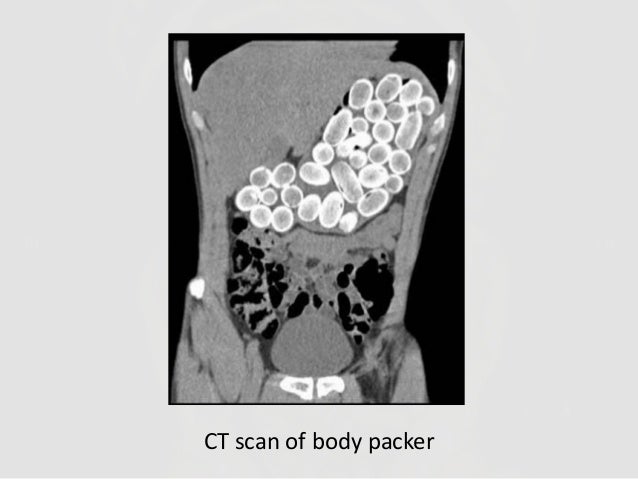
Radiographs studies can be valuable in poisoning diagnosis, management, and prognosis. Radiographic imaging should be utilized for the following toxins:
- Iron (gastrointestinal)
- Mercury (gastrointestinal, intravenous or subcutaneous)
- Lead (bullets intraarticular, gastrointestinal foreign bodies, lead lines)
- Zinc phosphide (gastrointestinal)
Container toxins - Body packers
- Drug packets and vials
Sustained Released preparations
- Potassium Chloride
Show Additional Information
Show References
- Most poisonous substance known to man
- LD50 oral dose 1 mcg/kg
- Heat labile single polypeptide chain undergoes proteolytic clevage irreverisibly binds and blocks cholinergic transmission causing a deadly neuroparalytic syndrome
- Rx: Botulin antitoxin (equine derived against Clostriduim botulinum A,B,E)
- Highly toxic, restricted availability is rapidly absorbed and metabolized to methylmercury crosses CNS
- LD50 of 50 mcg/kg means a dose as little as 0.1ml can result in severe poisoning
- Death of Darmouth inorganic chemist Karen Wetterhahn who spilled a few drops on back of her latex gloved hand, quickly permeated, and absorbed causing severe neurotoxocity and death 10 months later
- Rx: Chelation
VX ("venomous agent X")
- Organophosphate nerve agent has been used as chemical weapon
- Colorless, odorless, low volatility, and high lipophilicity
- LD50 of 0.04mg/kg (10 mg). Death can occur within 15 minutes after absorption
- Blocks acetylcholinesterase enzyme causing excess accumulation of acetylcholine at the neurojunction and cholinergic poisoning
- Rx: Decontamination, Atropine, 2-PAM
- 100 fresh and salt water varieties (pufferlike fish/blue ringed octopus, frogs)
- Heat stable, water soluble found in fish skin, liver, ovaries,intestine, and muscle
- 25 mg (0.000881 oz) expected to be lethal to a 75 kg person
- Neurotoxicity by inhibition of Na-K pump and blockade neuromuscular transmission
- Rx: Supportive measures
LD50 expresses the dose at which 50% of exposed population will die as a result of exposure.
Show References
Vaginal douching is a common and potentially dangerous practice. Women engage in this practice predominately for personal hygiene reasons but also with the false belief it will prevent or treat infections and for contraception. Numerous public health agencies and medical societies discourage douching as it has been associated with many adverse outcomes including pelvic inflammatory disease, bacterial vaginosis, cervical cancer, low birth weight, preterm birth, human immunodeficiency virus transmission, sexually transmitted diseases, ectopic pregnancy, recurrent vulvovaginal candidiasis, and infertility.
An increasing fad is the use of intravaginal detox products. Claiming to enhance female health by removing toxins, these mesh cloth-covered balls containing herbs such as mothersworth, osthol, angelica, borneol, and rhizoma, not FDA-approved, are inserted into the vagina for 3 days. Clinical experience demonstrates these products decompose into numerous pieces which become scattered retained intravaginal foreign bodies, cause mucosal irritation, and thereotically could serve as a nidus for serious infections.
Show Additional Information

Show References
Show References
Black widow spiders belong to the genus Latro dectus which include 31 species of widow spiders found throughout world. Approximately 1500-2500 black widow bites are reported to American poison control centers annually. A black widow can be identified by their hourglass pattern (red or orange) on the ventral aspect of their shiny globular abdomen. Fortunately, envenomation is rare but when it does occur it causes severe pain, muscle cramping, abdominal (may mimic acute abdomen) often refractory to traditional analgesics and antivenom (Antivenin Latrodectus mactans) is available and effective . Alpha-latrotoxin is the potent toxin causing presynaptic cation channels to open (calcium) and release of neurotransmitters such acetycholine. The neurological signs and symptoms caused by predominantly autonomic and include tachycardia and hypertension. The antivenom is equine based and infused over 20-30 minutes with pain relief in 20 minutes.
Show References
Attachments
- Coricidin Cough & Cold medicine also known by street name 'Triple C" is the most commonly reported abused dextromethorphan-containing product.
- Dextromethorphan at high doses acts as a dissociative general anesthetic and hallucinogen similar to Ketamine and Phencyclidine (PCP) by antagonizing the NMDA receptor in a dose dependent manner.
- Detromethorphan-containing products are appealing to teens as they are easily available (OTC), legal, inexpensive, and preceived as safe.
- Street names for dextromethorphan products include DXM, CCC, Trile C, Skittles, Robo, Poor Man's PCP,. Abuse of Robitussin products is referred to as "Robotripping"
- Additional toxicity can occur from the coingredients (pseudoephedrine, acetaminophen, and antihistamines such as Chlorpheniramine) is a serious concern of taking large amounts of OTC cough and cold medications for the Dextromethorphan content. Chlorpheneriamine is a first generation H1-histamine receptor antagonist with potent antimuscarinic properties.
- Dextromethorphan is not detected by basic drug screens and should be considered when evaluating patients with a dissociative toxidrome. Acetaminophen levels should be obtained.
- No specific antidote exists for dextromethorphan toxicity. Benzodiazepines should be administered for seizures and aggressive cooling measures for hyperthermia. Naloxone can be considered for use in patients in a coma or with respiratory depression but variable results are reported.
