
University of Maryland School of Medicine logo
Emergency Medicine
All Departments
UMSOM Assistant
UMEM Educational Pearls
  • Home
  • Departments
  • Emergency Medicine
  • CME
  • UMEM Educational Pearls
  • CME
  • Courses and Conferences
  • Free Open Access Medical Education
  • UMEM Educational Pearls

Search

1-20 of 56 results by Kathy Prybys

Previous |  1 |  2 |  3 |  Next

Title: Antidotal or Benzodiazepine treatment?

Category: Toxicology

Keywords: Anticholinergic poisoning, antimuscarinic toxicity, jimson seeds, rivastigmine (PubMed Search)

Posted: 6/3/2026 by Kathy Prybys, MD

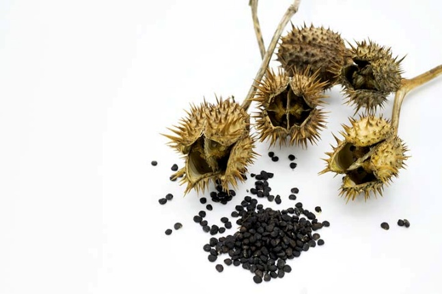
A 22 year old normally healthy male presents with tachycardia (HR 140), dilated pupils (7 mm), dry flushed hot skin, and confusion/agitation. His mother states he has a 1 day history of “talking out of his head not making sense”, “seeing things that aren’t there”, and “speaking to video game characters”.  He has suprapubic tenderness with markedly distended bladder on exam revealing over 1 liter of urine on bladder scan. She found a small bottle containing a large amount of small 2-3 mm black seeds in his room and suspects he ingested them. What treatment options would you consider?
Show Additional Information

This patient is exhibiting symptoms and signs consistent with muscarinic receptor blockade (aka anticholinergic toxicity) characterized by confusion, tachycardia, mydriasis, dry flushed skin, hyperthermia, and urinary retention. The small black seeds are jimson seeds from Datura stramonium (devil’s trumpet, thorn apple) and contain atropine, hyoscyamine and scopolamine in highest concentration and are used as a recreational drug for hallucinogenic effects.

Treatment options include gastric decontamination with activated charcoal and whole bowel irrigation to limit ongoing GI absorption. These small seeds are usually ingested in abundance and lodge throughout the GI tract  and have variable and prolonged absorption which can cause resurgence of symptoms. After ingestion, anticholinergic effects are seen within 30-60 minutes with effects lasting up to 24-48 hours.

Benzodiazepines are often used as first line treatment for anticholinergic-induced CNS agitation. However repeat doses are often necessary leading to undesired effects including loss of airway protection, aspiration, and respiratory depression. In one retrospective study, benzodiazepines were shown not only to be less effective than true antidotal therapy but have higher complication rate. Antidotal treatment with reversible acetylcholinesterase inhibitor drugs provide safe and effective targeted therapy reversing both central and peripheral muscarinic effects and are indicated in cases of severe anticholinergic poisoning (intractable agitation, tachycardia, and hyperthermia).

Unfortunately, intravenous physostigmine (Antilirium) which was traditionally used  has not been produced in the U.S. since February 2023 leading to this drug shortage. Alternatively, restricted use imported physostigmine (Anticholium) and rivastigmine (Exelon), a long-acting well tolerated acetylcholine inhibitor used  for Alzheimer disease and Parkinsonism, have  been utilized with good success in several reports of diphenhydramine overdose cases.

Rivastigmine is available only in oral and transdermal forms. Although, not as fast acting as IV physostigmine, it’s tertiary amine structure enables passage across the blood brain barrier. Several reported cases and small studies show effectiveness and safety of rivastigmine for anticholinergic poisoning. The recommended oral dose of rivastigmine is 3-6 mg every hour until resolution of symptoms (max 12 mg/day) and/or transdermal Patch 9.5-13.3 mg.

Show References

Rivastigmine as an alternative treatment for anticholinergic toxidrome in light of the physostigmine shortage: A case series. Berg M, Strand A, et al. Am J Emerg Med. 2025 Aug;94:144-147. doi: 10.1016/j.ajem.2025.04.047. Epub 2025 Apr 22. PMID: 40288328.

Rivastigmine for the management of anticholinergic delirium. Chiew AL, Holford AG, et al. Clin Toxicol (Phila). 2024 Feb;62(2):82-87. doi: 10.1080/15563650.2024.2319854. Epub 2024 Mar 11. PMID: 38465631.

Transdermal rivastigmine as a therapeutic option in severe diphenhydramine-induced anticholinergic toxicity: A case report and literature review. Gilbert BW, Santiago RD, et al.  Pharmacotherapy. 2025 Jul;45(7):462-467. doi: 10.1002/phar.70031. Epub 2025 Jun 10. PMID: 40492363.

A comparison of physostigmine and benzodiazepines for the treatment of anticholinergic poisoning. Burns MJ, Linden CH, Graudins A, Brown RM, Fletcher KE. Ann Emerg Med. 2000;35:374–381. doi: 10.1016/S0196-0644(00)70057-6.


Title: Salicylate Toxicity Interventions

Category: Toxicology

Keywords: Salicylate toxicity, cerebral glucopenia, sodium bicarbonate, hemodialysis (PubMed Search)

Posted: 5/6/2026 by Kathy Prybys, MD

Bottom Line: Multiple modalities of intervention may be needed to combat various aspects of salicylate toxicity. These include gastric decontamination, fluid hydration, dextrose admiinistration, aggressive serum alkalinization, establishment of normokalemia and hemodialysis. Intubation and chemical restraint should be avoided if possible.

Show Additional Information

Gastric decontamination: is recommended in those with acute toxicity if there are no contraindications (e.g., inability to protect the airway or refractory vomiting) as salicylate GI pill concretions can occur. Activated charcoal, 1 g/kg orally up to 100 g, is recommended. Salicylates can form gastric bezoars and cause delayed peak levels and toxicity.

Fluid resuscitation: should be addressed early in treatment course as patients can be  volume depleted from multiple sources of fluid loss as much as 2-4 liters which worsens toxicity. D5W with 3 amps of sodium bicarbonate is the preferred fluid to treat volume depletion, hypoglycemia, and acidosis.

Dextrose: Hyperglycemia may present early due to increased cortisol levels, but hypoglycemia can follow and is common as oxidative phosphorylation is impaired and even with normal serum glucose levels cerebral glucopenia. A trial of IV dextrose bolus (0.5-1 g/kg) and/or infusion is recommended with mild encephalopathy

Aggressive serum alkalinization: is integral to management. This typically includes a bolus of 1-2 mEq/kg of hypertonic sodium bicarbonate followed by an infusion of isotonic sodium bicarbonate (150 mEq added to 1 L of 5% dextrose in water). Serum pH adjustment to a goal of 7.50-7.55 will decrease the volume of distribution of salicylate: salicylate will shift out of the tissues and into the serum. Urinary alkalinization aimed to achieve a urine pH >7.5 is a secondary goal. Frequent serial salicylate levels and blood gas determinations (2-4 hours) are necessary and should be correlated with clinical manifestations. 

Normokalemia: is important as urinary alkalinization cannot be achieved if hypokalemia is present. Initial supplementation of potassium (40-60 mEq), addition of potassium (40-60 mEq) to the bicarbonate infusion, and additional administrations in response to therapy and level monitoring is recommended.

Hemodialysis: is necessary and lifesaving in cases with severely high serum salicylate concentrations, refractory acidemia or severe electrolyte disturbance, cerebral edema, altered mental status, renal failure, hypoxia from pulmonary edema, standard therapies not producing an adequate response, and specific serum concentrations. Early consultation with nephrology can expedite treatment.

Intubation or any chemical restraint should be avoided: as sedation and paralysis may result in further decrease in pH, due to hypercarbia from hypoventilation. This results in shifting salicylate to it’s uncharged state which can easily pass into tissues, further worsening toxicity and CNS and myocardial dysfunction. Non-invasive ventilation, such as a high-flow nasal cannula, may reduce the work of breathing. If intubation is necessary hyperventilation to reduce CO2 and bolus of intravenous bicarbonate

Show References

Salicylate Toxicity. Palmer B, Clegg D. New Egland Journal of Medicine. 2020;382(26). 2544-2555. DOI: 10.1056/NEJMra2010852

Hospitalizations for acute salicylate intoxication in the United States. Thongprayoon C, Petnak T, Kaewput W, et al. J Clin Med. 2020;9:2638. doi: 10.3390/jcm9082638.

Acute Salicylate Toxicity: A Narrative Review for Emergency Clinicians. Sidlak AM, Spadaro A, et.al, Cureus. 2025 Sep 2;17(9): e91505. doi: 10.7759/cureus.91505

https://www.acmt.net/wp-content/uploads/2022/06/PRS_130313_Management-Priorities-in-Salicylate-Toxicity.pdf


Title: Marijuana Edibles: A Dangerous Treat

Category: Toxicology

Keywords: Edibles, Marijuana, Cannabis (PubMed Search)

Posted: 4/1/2026 by Kathy Prybys, MD

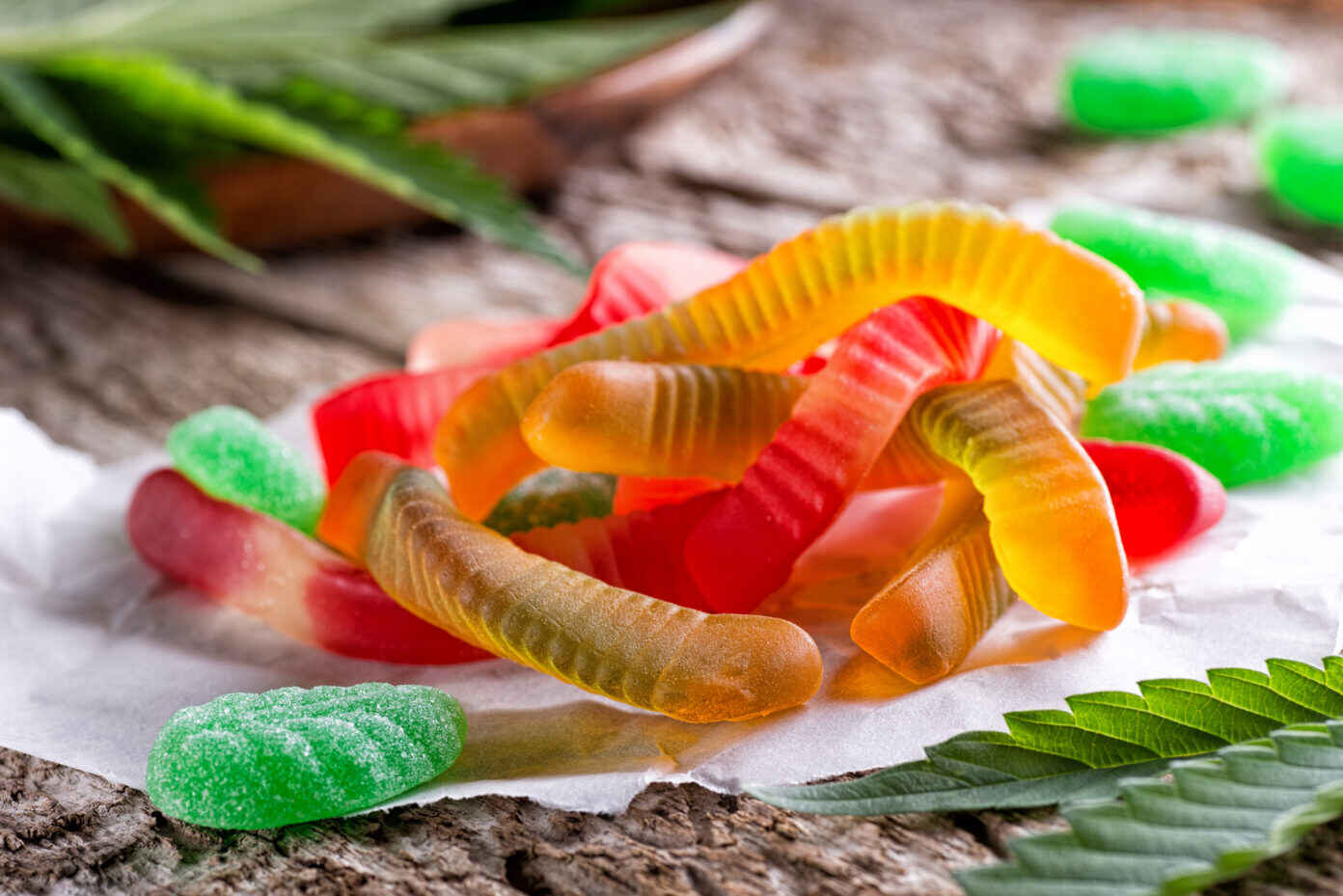
Bottom Line:  Edible marijuana products have high potential for overdose, particularly in children, as they are commonly mistaken for appealing food or candy, have had exponential growth in availability and ease of access in homes, can be present in very large doses due to lack standardization and quality control, and users often have confusion regarding dosing due to its long and erratic absorption and time to peak effect which may lead to redosing.
Regulation of Cannabis-Infused Edibles - Network for Public Health Law

Show Additional Information

Edibles refers to food or drink products infused with cannabis extracts. Cannabis contains numerous biologically active substances most notably delta-9-tetrahydrocannabinol (THC) which mediate most of the psychoactive effects by CB1 receptor agonism. 

Edible products include candy (gummies, hard candies, lollipops), baked goods (cookies, brownies), infused beverages, cooking oils and butters, and lozenges. Edibles are often packaged in multiple dose containers and may contain large doses of THC (up to 500 mg).  A single unit typical dose is 5 mg with 1-5 mg considered microdoses and doses > 100 mg being considered very high dose for an adult.

Onset of peak effects are 30 mins- 2 hours (up to 8 hours) because of gastrointestinal aborption of orally consumed cannabis. This range of timing may lead to overdose as individuals ingest more edibles (redosing) assuming they are not being affected.

Children >6 year of age are at special risk for edible marijuana toxicity. Most pediatric exposures (97.7%) occur in a residential setting. Weight-based dose is a substantial predictor of severe toxicity and duration of symptoms: ranging from somnolence, lethargy, nausea, and vomiting to more severe effects of respiratory depression and failure, altered mental status, seizures, and unresponsiveness. Studies report a 70% incidence of central nervous system depression with 22.7%  admitted to the hospital. Symptoms typically presented 2- 4 hours after ingestion. Patients with severe toxicity experienced symptoms for 6 hours and greater.  A few deaths have been reported.

Unintentional marijuana ingestion should be considered in the differential diagnosis of patients < 6 years of age who present with acute onset of somnolence, altered mental status,or  lethargy.

Show References

Packaging of Cannabis Edibles, Health Warning Recall, and Perceptions Among Young Adults. Cooper M, Shi Y. JAMA Netw Open. 2025;8(4):e253117. doi:10.1001/jamanetworkopen.2025.3117

Tweet MS, Nemanich A, Wahl M. Pediatric Edible Cannabis Exposures and Acute Toxicity: 2017-2021. Pediatrics. 2023 Feb 1;151(2):e2022057761. doi: 10.1542/peds.2022-057761. PMID: 36594224.

Packaging Regulations Needed to Mitigate THC Ingestions in Children. Zwiebel H, Goldman RD, Greenky D. JAMA Health Forum. 2025;6(7):e252628. doi:10.1001/jamahealthforum.2025.2628

The evolving landscape of cannabis edibles,  Blake A,  Nahtigal I.  Current Opinion in Food Science, Volume 28, 2019, Pages 25-31, ISSN 2214-7993, https://doi.org/10.1016/j.cofs.2019.03.009.


Title: Kratom Use - An Emerging Public Health Concern

Category: Toxicology

Keywords: Kratom, Novel psychoactive substance, mitragyna (PubMed Search)

Posted: 3/4/2026 by Kathy Prybys, MD

Bottom Line:

Kratom is an herbal extract used as an alternative medicine and recreational substance with marked increase in use over recent years. Kratom contains a complex mixture of psychoactive ingredients with effects at multiple receptors (mu, serotonin, dopamine, and alpha-adrenergic receptors) and causes stimulant effects at lower doses and opioid effects at higher doses. Depending on the predominant clinical effects, treatment with naloxone, benzodiazepine, and labetalol have been reported.

Show Additional Information

Kratom is an herbal extract from the leaves of trees of the Mitragyna speciosa native to Southeast, containing a complex mixture of psychoactive ingredients with effects at multiple receptors (mu, serotonin, dopamine, and alpha-adrenergic). Clinical effects are dose dependent with stimulant effects seen at lower doses and opioid effects at higher doses. The two predominate alkaloid psychoactive ingredients (mitragynine and 7-hydroxymitragynine) have partial agonist effects at the mu opioid receptor with reported analgesic effect of the potency of codeine. 

Use of kratom has increased markedly in recent years in both the US and European countries as a popular alternative medicine for treatment of pain, mood disorders,  opioid withdrawal, and for recreational use.

Leaves are crushed and smoked, brewed, put into capsules,  tablets, powder, or liquid extracts and are available from online, head shops, health food stores, and some gas stations.  In the US, Kratom is not an FDA approved drug product thus not federally regulated. The FDA warns that there is no standard dose, products may be contaminated, and it is not thoroughly studied. Kratom products may be falsely disguised and sold as other products such as potpourri or incense.

In reported overdose cases, a mixture of opioid-like symptoms (depressed CNS) and sympathetic and serotonin syndromes (HTN, tachycardia, miosis, agitation, seizure) were reported and treated with naloxone, benzodiazepines,  and labetalol. Urine drug screen will not detect Kratom.

A new concentrated product called 7-hyroxymitragynine (aka “7 hydroxy” or “7 OH”) is sold in pill form and is more potent that morphine and has led to respiratory depression requiring naloxone.

Show References

Mitragyna speciosa (Kratom) poisoning: Findings from ten cases. Peran, D, Stern, M, et al. Toxicon.2023. Vol 225.  https://doi.org/10.1016/j.toxicon.

Deaths in Colorado Attributed to Kratom. Gersham K., Timm K., et al. New England Journal of  Medicine. 2019. Vol 380 (1). 99-98. https://www.nejm.org/doi/full/10.1056/NEJMc1811055

Kratom exposures among older adults reported to U.S. poison centers, 2014-2019. Graves JM, Dilley JA, et al.  J Am Geriatr Soc. 2021. Aug;69(8):2176-2184. doi: 10.1111/jgs.17326. Epub 2021 Jun 18. PMID: 34143890.

Kratom Use and Toxicities in the United States. Pharmacotherapy. Eggleston W, Stoppacher R, et al. 2019 Jul;39(7):775-777. doi: 10.1002/phar.2280. Epub 2019 Jun 13. PMID: 3109903

Additional Fatal Overdoses Tied to Synthetic Kratom in Los Angeles Countyhttp://publichealth.lacounty.gov/phcommon/public/media/mediapubhpdetail.cfm?prid=5156


Title: Storing poisons in food containers: A preventable tragedy

Category: Toxicology

Keywords: toxins, misperceived for edible, food containers (PubMed Search)

Posted: 2/4/2026 by Kathy Prybys, MD

  • Transfer and storage of substances to unlabeled or mislabeled food containers is a common occurrence and poses a significant poisoning hazard
  • Plastic drink bottles (soda, water, milk, sports) are the most common secondary containers in exposures 
  • Food imitating products (brightly colored, sweet smelling or tasting, similarity in color or consistency to known food products) are particularly hazardous
  • Cleaning products and hydrocarbons are the most cited transferred products
  • Serious toxicity is reported from herbicides (paraquat), corrosive chemicals, nicotine products, rodenticides, hydrocarbons, and glycols (antifreeze and brake fluids)
  • Identification of substances in unlabeled containers can be difficult.  In the case of an ingestion of an unknown substance medical observation is recommended
  • Prevention is key… Never reuse food containers for storage of substances.  Always keep substances in their original containers with manufacturer labels intact. Never store chemicals in the same cabinet, shelf, or area as food.

Show References

Poisonings due to storage in a secondary container reported to the National Poison Data System, 2007–2017. Carpenter J., Murray B. et al., Clinical Toxicology, 2021.59(6), 521–527. 

Poisoning following exposure to chemicals stored in mislabelled or unlabelled containers: a recipe for potential disaster. Millard YC, Slaughter RL, et al. New Zealand Med J. 26 September 2014, Vol 127 No 1403.

Unintentional poisoning from decanted toxic household chemicals. Von Fabeck K, Boulamery A, et al. Clin Toxicol (Phila). 2023 Mar;61(3):186-189. 

Antifreeze on a freezing morning: ethylene glycol poisoning in a 2-year-old. Hann G, Duncan D, et al. BMJ Case Rep. 2012 Mar

Epidemiology of Accidental Poisoning Caused by Storage of Non-Food Substances in Food Containers and unmarked Bottles/Containers. Geller RJ, Kezirian R, Bangar P, Strong D, Carlson T. Children’s Hospital Central California; California Poison Control System (CPCS).  https://www.tandfonline.com/doi/pdf/10.1080/15563650903076924


Title: Water Beads: Tiny time bombs

Category: Toxicology

Keywords: Water beads, foreign body ingestion, gastrointestinal obstruction (PubMed Search)

Posted: 1/7/2026 by Kathy Prybys, MD

Water beads are a colorful, fun, popular, and widely available product found in children’s toys, stress squeeze balls, arts and crafts supplies, plant hydration products, air fresheners, and first aid ice packs.  

These jelly-like small super-absorbent polymer balls are similar to the material found in diapers and absorb water expanding 100-800 percent of original size.

Pediatric ingestion is by far the most common poisoning exposure route but insertion into ears and nose and aspiration can occur and has led to serious adverse effects. More than 8000  water bead-related ingestion injuries have been treated in U.S. Emergency Departments.

Over the past 10 years, U.S. Poison Centers reported 19,660 exposures with 55% occurring in 2023 alone. In the majority of cases, no clinical effects (~88%) were seen, however in >11% of cases mild to moderate effects (abdominal discomfort, nausea, and vomiting) were reported and severe effects including complete bowel obstruction, necrosis, and surgical intervention in 0.11%.  The Consumer Product Safety Commission reported at least one death of a 10-month-old girl in 2023 due to water bead ingestion.

Ingested water beads quickly pass into the small intestines where they continue to expand over the next few days and can become large enough (especially in children less than 2 year of age) to be unable to pass through the ileocecal valve causing small bowel obstruction requiring surgical intervention.   

There is little data to guide management after ingestion.  The majority of cases have no clinical effects and home observation is appropriate for asymptomatic for patients greater than 2 years. Recommendations from a report of case series and literature review , in patients less than 2 years of age with evidence of ingestion and symptomatic patients include hospitalization, imaging with US or CT, and close monitoring.   CT, ultrasound, and endoscopy are not 100% reliable and often do not visualize these intraluminal foreign bodies.

 In December 2025, the CPSC approved new federal safety standards for water beads toys setting limits on maximum expansion size of beads and amount of allowable acrylamide.
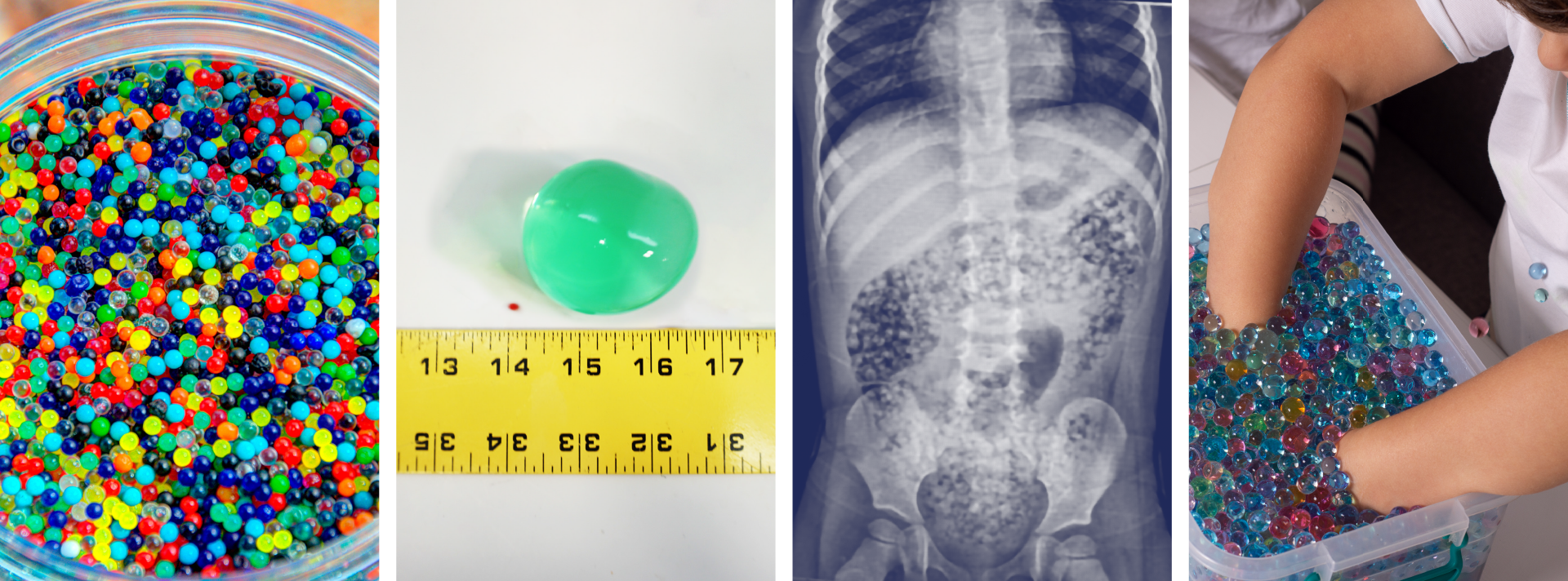
 Safety Center banner with images of water beads in a bowl, a water bead next to a measuring tape, an x-ray showing water beads in a child's intestine, and a child putting their hands in a tub of water beads

Show Additional Information

Show References

Risks of Water Bead Ingestion. Reeves PT, Pasman EA  Pediatrics February 2025; 155 (2): e2024069447. 10.1542/peds.2024-069447

Water bead injuries by children presenting to emergency departments 2013-2023: An expanding issue. ?Pasman EA, Khan MA, et al. J Pediatr Gastroenterol Nutr. 2024 Sep;79(3):752-757. doi: 10.1002/jpn3.12333. Epub 2024 Jul 24. PMID: 39045753.

Pediatric water bead-related visits to United States emergency  departments,  Joynes HJ,  Kistamgari S, et al. The American Journal of Emergency Medicine, Volume 84, 2024, Pages 81-86, ISSN 0735-6757, https://doi.org/10.1016/j.ajem.2024.07.048.

 Water beads: Expanding toy and ‘new’ problem for paediatric surgeons and community. Bollettini, T., Mogiatti, M., et al. J Paediatr Child Health, 61: 204-208. 2025. https://doi.org/10.1111/jpc.16730

Aspiration of superabsorbent polymer beads resulting in focal lung damage: a case report. Alharbi N, Dabbour M. BMC Pediatr. 2020 May 29;20(1):262. doi: 10.1186/s12887-020-02168-9. PMID: 32471401; PMCID: PMC7257448.

https://www.federalregister.gov/documents/2025/12/12/2025-22643/safety-standard-for-toys-requirements-for-water-beads


Title: Nitrous Oxide a dangerous legal High: "Don't Whippet"

Category: Toxicology

Keywords: Nitrous Oxide, Whippit, unregulated psychotropic, inhalant abuse (PubMed Search)

Posted: 12/3/2025 by Kathy Prybys, MD (Updated: 12/3/2025)

  • Nitrous oxide (N2O) aka “laughing gas”, used clinically for its psychotropic properties as an inhalational anesthetic, is one of the most abused inhalants for decades due to its unregulated wide availability and public perception that it is a safe high. Social media trends have popularized use by teens and young adults.
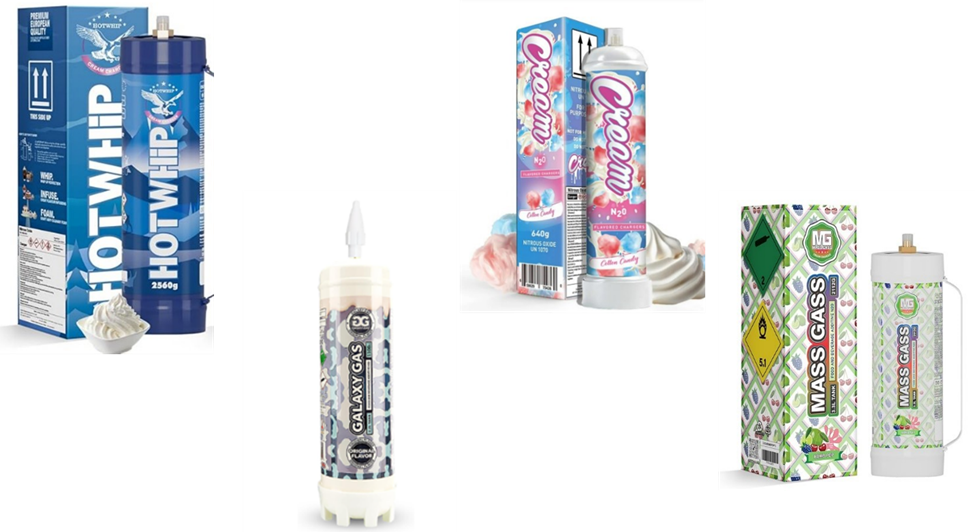
  • Easily purchased online, in groceries stores, gas stations,  smoke and vape shops it is used as a food processing  propellant in steel aerosol containers like whipped cream and available in small canisters marketed as whipped cream chargers called “whippets”.
  • Between January 1, 2014 - Dec 31, 2023, nitrous oxide nearly doubled in exposure rate with a total of 2,322 exposures reported to U.S Poison Centers.  From 2010-2023,  1240 US deaths were reported between the ages of 15-74 attributable to nitrous oxide poisoning.
  • Similar to Ketamine and phencyclidine, nitrous oxide causes antagonism at the NMDA receptor resulting in short lived reversible euphoria and sedation and analgesic effects through the K-opioid receptor.
  • Nitrous oxide fatalities occur primarily due to asphyxiation and oxygen deprivation causing neurologic sequela, hypotension, arrythmias, and death. N2O depresses the sensation of shortness of breath so users may not seek fresh air.
  •  Chronic recreational N2O exposure impedes vitamin B12 function and causes a distinct neurological syndrome manifested by numbness, gait disturbances, loss of coordination, changes in mentation, and loss of bowel and bladder control, and hematologic abnormalities.
  • On June 6, 2025, the FDA issued a public advisory warning consumers not to inhale nitrous oxide products due to potential for severe adverse events if used for recreational nonfood purposes.

Show Additional Information
Show References

Vohra V, Matthews H, Stroh-steiner G. Notes from the field: Recreational Nitrous Oxide Use-Michigan, 2019-2023. MMWR Morb Mort Wkly Rep 2025;74:210-212. DOI: http://dx.doi.org/10.15585/mmwr.mm7412a3.

 Gummin D,  Mowry J, Beuhler MC,  et.al  (17 Dec 2024): 2023 Annual Report of the National Poison Data System® (NPDS) from America’s Poison Centers®: 41st Annual Report, Clinical Toxicology, DOI: 10.1080/15563650.2024.2412423

Yockey RA, Hoopsick RA. US Nitrous Oxide Mortality. JAMA Netw Open. 2025;8(7):e2522164. doi:10.1001/jamanetworkopen.2025.22164.

https://www.fda.gov/food/alerts-advisories-safety-information/fda-advises-consumers-not-inhale-nitrous-oxide-products.  FDA Advises Consumers Not to Inhale Nitrous Oxide Products 6/4/2025


Title: Cyanide Antidote Shortage

Category: Toxicology

Keywords: Cyanide, antidote, hydroxycobalmin, drug shortage (PubMed Search)

Posted: 11/5/2025 by Kathy Prybys, MD (Updated: 7/21/2026)

Cyanide is one of the deadliest known poisons causing immediate toxic effects and lethality within seconds to minutes. Exposures are rare, most commonly by inhalational route (HCN gas) from structural fires due to combustion of synthetic materials or from ingestion of cyanide salts. Cyanide toxicity can also occur from dermal or parental (sodium nitroprusside) exposure. 

  • Cyanide is a mitochondrial poison act by binding the heme portion of cytochrome oxidase a3 in the electron transport chain halting ATP production from oxygen shifting cellular respiration from aerobic to anaerobic metabolism causing a profound lactic acidosis > 8
  •  Impaired peripheral oxygen delivery and utilization can cause “arterialization” of venous blood (cherry red skin), in which the concentration of venous oxygen resembles that of arterial blood 
  • Clinical effects are profound but nonspecific, most frequently reported include unresponsiveness, respiratory failure, hypotension, cardiac arrest, and seizure
  • There are no pathognomonic clinical symptoms or diagnostic blood tests for cyanide poisoning (good correlation of carboxyhemoglobin levels >10 with cyanide toxicity, lactate level >10), clinical suspicion is required
  • Rapid administration of antidote is crucial. Survival is determined by timing of exposure, rapid recognition, and administration of antidote and supportive treatment. 

The preferred first line antidote is hydroxycobalamin (vitamin B12) available as Cyanokit, which has higher affinity for cyanide than cytochrome oxidase and binds to form harmless cyanocobalamin and is renally excreted. Limited studies reveal good survival rates in noncardiac arrest patients. Hydroxycobalamin has minimal side effects (red skin and urine, increased BP) and is well-tolerated with safer and simpler mechanism of action than Nithiodote (original antidote), containing sodium nitrite (CN preferentially binds methemoglobin to form cyanomethemoglobin) and thiosulfate (provides sulfur to convert cyanide to thiocynate for excretion). Sodium nitrite has numerous adverse effects causing hypotension and methemoglobin (contraindicated in smoke inhalation victims due to concern for carbon monoxide poisoning, G6PD deficiency, preexisting amenia), and hypersensitivity reactions. Sodium thiosulfate has less side effects and augments cyanide excretion but is considered less effective due to its slow onset, short half-life, low volume of distribution, and poor intracellular penetration.  

As of August 2025, the American Society of Health -System Pharmacists (ASHP) Drug Shortage lists Cyanokit as “limited availability” in the U.S. as manufacturing was suspended due to investigation of ongoing quality defect with concern for sterility and endotoxin content. Impacted batches were released and their numbers are listed in an FDA bulletin (see references). Healthcare providers should weigh the potential benefit of using Cyanokit against the risk of infection. Infusion set with 0.2 micron in line filter can be temporarily used for administration of Cyanokit 5 mg hydroxycobalmin to prevent potential infection.

Show References

Surviving Cyanide Poisoning: A case report highlighting the role of early antidote use. Hopes BC, Slob EM, et al. Toxicology Reports, Volume 15, December 2025.

Challenges in the diagnosis of acute cyanide poisoning. Parker-Cote JL, Rizer J, et al. Clin Toxicol. 2018 Jul:56(7):609-617.

American Society of Health -System Pharmacists (ASHP) Drug Shortage Detail-Hydroxocobalmin for injection 9/22/2025. 

February 6, 2025 Manufacturer letter to healthcare professional https://www.fda.gov/media/185400/download


Title: Spider bite

Category: Toxicology

Posted: 9/5/2019 by Kathy Prybys, MD (Updated: 7/21/2026)

Question

A 3 year old is bitten by a spider on his right ear which is causing him intense pain, tachycardia, and muscle cramping. Identify the spider.  What is the treatment?


Show Answer


Title: Sudden Sniffing Death

Category: Toxicology

Keywords: Sudden sniffing death, Inhalants, Fluoridated Hydrocarbons (PubMed Search)

Posted: 7/5/2019 by Kathy Prybys, MD (Updated: 7/5/2019)

Volatile inhalants such as glue, lighter fluid, spray paint are abused by "sniffing" (from container), "huffing" (poured into rag), or "bagging" (poured into bag). "Dusting" is the abuse of canned air dust removal products. These inexpensive easliy accessible products are so dangerous  that manufacturers include product warnings regarding lethal consequences from misuse and even may indicate that a bitterant is added to discourage use. Common duster gases include the halogenated hydrocarbons, 1,1-difluoroethane or 1,1,1-trifluroethane which are highly lipid soluble and rapidly absorbed by alveolar membranes and distributed to CNS. Desired effect of euphoria and disinhibition rapidly occur but unwanted side effects include confusion, tremors, ataxia, pulmonary irritation, asphyxia and, rarely, coma.

"Sudden sniffing death" is seen within minutes to hours of use and is due to ventricular arrhythmias and cardiovascular collapse. Available experimental evidence postulates the following mechanisms: Inhibition of cardiac sodium, calcium, and repolarizing potassium channels hERG and I(Ks) causing reduced conduction velocity and altered refractory period leading to reentry arrythmias or myocardial "sensitiization" to catecholamines resulting in after depolarizations and enhanced automaticity. Treatment should include standard resuscitation measures but refractory arrythmias to defibrillation have been reported and use of amiodarone and beta blockers should be considered.


Bottom Line:

  • Volatile Inhalant Abuse is common and dangerous 
  • SSD can occur even with first use
  • Ventricular arrythmias can be refractory to electricity. Consider amiodarone and beta blockers.
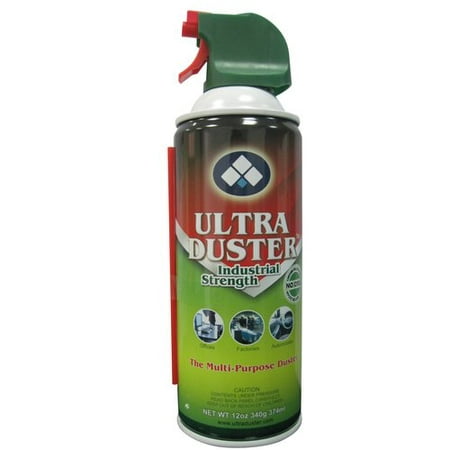


Ultra Duster Aerosol with Trigger, 12 oz

Show References

Sudden death involving inhalation of 1, 1-difluoroethane (HFC-152a) with spray cleaner: three case reports. K Sakai, K Maruyama-Maebashi, et.al. Forensic science Int. Volume 206, Issues 1–3, 20 March 2011.

Esmolol in treatment of severe arrhythmia after tricholoroethylene poisoning. Mortiz F. de La Chapelle, et al. Intensive Care Med. 2000 Feb;26(2):256.

Deaths Involving 1,1-Difluoroethane at the San Diego County Medical Examiner's OfficeVance C., Swalwell C., et al. Journal of Analytical Toxicology, Volume 36, Issue 9, November/December 2012.


Title: Drug-induced hypoglycemia

Category: Toxicology

Keywords: Hypoglycemia, Drug induced (PubMed Search)

Posted: 5/16/2019 by Kathy Prybys, MD

Drug-induced hypoglycemia is an important cause of hypoglycemia which should be considered in any patient presenting with altered mental status. In one study, drug-induced hypoglycemia represented 23% of all hospital admissions attributed to adverse drug events. Risk factors for developing hypoglycemia include older age, renal or hepatic insufficiency, concurrent use of insulin or sulfonylureas, infection, ethanol use, or severe comorbidities. The most commonly cited drugs associated with hypoglycemia include:

  • Quinolones
  • Sulfonylureas* either alone or with a potentiating drug 
  • Insulin
  • Pentamidine
  • Quinine
  • B-blockers
  • ACE Inhibitors
  • Tramadol**

*In Glipizide users, there was 2-3 fold higher odds of hypoglycemia with concurrent use of sulfamethoxale-trimethoprim, fluconazole, and levofloxacin compared with patients using Cephalexin.

**Tramadol potentially induces hypoglycemia by effects on hepatic gluconeogenesis and increasing insulin release and peripheral utlizilation. Was seen in elderly at initiation of therapy within first 30 days.

BOTTOM LINE:

Take care in prescribing drugs known to increase risk of hypoglycemia in elderly patients, with comorbidities, or those already taking medications associated with hypoglycemia. 

Show References

Drug induced hypoglycemia, A Systematic Review. Hassan M. et al. J Clin Endo & Metab. 94(3) March 2009. 741-45.

Hypogylcemia after antimicrobial drug prescription for older patients using sulfonylureas. Parekh TM, Raji M, et al. JAMA Intern Med. 2014. 1605-12.

Tramadol Use and the Risk of Hospitalization for Hypoglycemia in Patients with Noncancer Pain. Fournier J, Azoulay L. et al. Jama Intern Med. 2015;175(2):186-193.

Hypoglycemic effects of tramadol analgesia in hospitalized patients: a case-control study. Golightly LK. Simendinger BA. et al.  J Diabetes Metab Disord. 2017;16:30. 


Title: "There's Something Fishy Here"

Category: Toxicology

Keywords: Scromboid, Histamine (PubMed Search)

Posted: 3/29/2019 by Kathy Prybys, MD (Updated: 3/29/2019)

Scromboid (histamine fish poisoning) can be easily misdiagnosed since its' clinical presentation can mimic that of allergy. Seen most frequently in the summer and occurring with Scombroideafish (tuna, mackerel, bonito, skipjack) but also with large dark meat fish (sardines and anchovies) and even more commonly with nonscromboid fish such as mahi mahi and amber jack. In warm conditions when fish is improperly refrigerated, bacterial histidine decarboxylase converts muscle histidine into histamine which quickly accumulates. Histamine is heat stable and not destroyed with cooking. 

  • Clinical features: Intense flushing of face, neck, and upper torso, urticaria, abdominal cramps, headache, palpitations, diarrhea, nausea, vomiting, burning of the mouth and throat.
  • Symptoms begin within minutes of ingestion and typically last several hours
  • Self limiting condition. Mainstay of treatment is H1 blockers (antihistamines) and good supportive care. If bronchospam present steroids and inhaled B2 agonists should be administered.

Bottom Line:

Scromboid poisoning is due to histamine ingestion and is often misdiagnosed as allergic reaction. It is preventable with proper fish storage.

Show References

Severe scombroid fish poisoning: an underrecognized dermatologic emergency.  Jantschitsch C, Kinaciyan T, et al. J Am Acad Dermatol 2011; 65:246–7.

Histamine fish poisoning: a common but frequently misdiagnosed condition. Attaran RR, Probst F. Emerg Med J 2002;19:474–5.


Title: Noncontrast CT to Detect Pills in OD

Category: Toxicology

Keywords: CT, Overdose, Pills (PubMed Search)

Posted: 2/21/2019 by Kathy Prybys, MD

The primary tenet of poisoning treatment is to separate the patient from the poison. Gastric decontamination has been the cornerstone of poisoning treatment throughout history and methods include induced emesis, nasogastric suctioning, EGD or gastrostomy retrieval, activated charcoal, and whole bowel irrigation. Current guidelines for gastic decontamination are limited to few clinical situations. The detection of residual life threatening poisons in the stomach would be of value in predicting who might benefit from gastric decontamination in overdose.

Plain radiographs have variable sensitvity in detecting radioopaque pills. Computed tomography (CT) has been successful and gained wide acceptance in the detection of drug in body packers. In a recent study, authors studied the usefulness of non-contrast abdominal computed tomography for detection of residual drugs in the stomach in patients  presenting over 60 minutes from acute drug overdose:

  • 140 patients were included in this study
  • Median ingested drug amounts were 28 tablets or capsules
  • Median time until CT scan was performed after drug ingestion was 4 hours
  • Multiple types of drugs were ingested in 53.6%
  • Sustained-release drugs  were ingested in 17.1 %
  • Gastric lavage and WBI were performed on 32.9% patients
  • Drugs were detected in 25.7% in the non-contrast CT scan performed over 60 min after ingestion.
  • Total duration of hospital stay was significantly longer in the “presence of drugs” group

BOTTOM LINE:

Non-contrast CT may help to predict which patients would benefit from gastric decontamination in acute life-threatening drug poisonings.

Show References

 Position paper update: gastric lavage for gastrointestinal decontamination. Benson B, Hoppu K, et al. Clin Toxicol. 2013;51:140–146.

 American Academy of Clinical Toxicology & European Association of Poisons Centres and Clinical Toxicologists (2005) Position Paper: Single-Dose Activated Charcoal, Clinical Toxicology, 43:2, 61-87.

Are ingested lithium sulphate tablets visible on x-ray? A one-year prospective clinical survey. Höjer J, Svanhagen AC. 2012. Clinical Toxicology, 50:9, 864-865.

The usefulness of non-contrast abdominal computed tomography for detection of residual drugs in the stomach of patients with acute drug overdose, Yong Sung C, Seung-Whan C, et al. 2019. Clinical Toxicology.


Title: Methylene Blue: New use for an old antidote

Category: Toxicology

Keywords: Methylene Blue (PubMed Search)

Posted: 1/31/2019 by Kathy Prybys, MD (Updated: 1/31/2019)

Most clinicians are familiar with use of methylene blue for the treatment of methemoglobinemia, as a urinary analgesic, anti-infective, and anti-spasmodic agent, or for its use in endoscopy as a gastrointestinal dye, but this compound also has a role as a rescue antidote in life threatening poisonings causing refractory shock states and other shock states.

  • Nitric Oxide plays an important role in the regulation of vascular tone.
  • Metylene blue inhibits the NO-cGMP pathway which decreases vasodilitation and increases responsiveness to vasopressors.
  • Several case reports document hemodynamic improvement in recalcitrant shock states form calcium channel and beta blockers despite multiple therapies including vasopressors, glucagon, high dose insulin, and fat emulsion therapy.
  • Dosing is 1-2 mg/kg (0.1-0.2 ml/kg) of 1% solution given IV over 5 minutes folllowed by continuous infusion.


Bottom Line: 

Methylene blue should be considered when standard treatment of distributive shock fails. 


Show Additional Information

Image result for methylene blue

Show References

Methylene Blue for Distributive Shock: a Potential New Use of An Old Antidote. Jang DH, Nelson LS, Hoffman RS. J Med Toxicol. 2013;9(3):242-9.

Methylene blue used in treatment of refractory shock resulting from drug poisoning. Fischer J. Taori G. et al. Clin Toxicol 2014 Jan;52(1) 63-65.

Calcium channel antagonist and beta blocker overdoses: antidotes and adjunct therapies. Graudins A, Lee HM, Druda D. Br J Clin Pharmacol. 2016 Mar 81(3):453-61.

A Review of Methylene Blue Treatment for Cardiovascular Collapse. Lo A, Jean CY, et al. Journal of Emerg Med. May 2014. Vol 46 (6): 670-679.

A Systematic Analysis of methylene Blue  for Drug-Induced Shock. Warrick BJ, Tataru AP, Smolinske S. Clin Toxicol 2016 Aug;54(7):547-55.


Title: Hyperemesis Cannabinoid Syndrome

Category: Toxicology

Keywords: Hyperemesis, Cannabinoid (PubMed Search)

Posted: 10/19/2018 by Kathy Prybys, MD (Updated: 10/19/2018)

Despite the well established antiemetic properties of marijuana, Cannabinoid Hyperemesis Syndrome (CHS) is a distinct under recognized syndrome characterized by severe cyclic vomiting and refractory abdominal pain. CHS can be divided into three phases with varying time lags: pre-emetic or prodromal, hyperemetic, and recovery phase. The hyperemetic phase consists of paroxsyms of overwhelming incapacitating nausea and vomiting.The underlying mechanism of the hyperemesis in CHS is not well understood but appears to be associated with cummulative and toxic effects of Δ9-tetrahydrocannabinol (Δ9-THC) in predisposed patients.
 
Diagnostic criteria include:
  • History of regular cannabis use at least weekly for any duration of time.
  • Compulsive hot water bathing multiple times per day for symptom relief which is mediated by the TRPV capsaicin receptors.
  • Resolution of symptoms with cannabis cessation.
  • Prior nonrevealing extensive diagnostic work up.


CHS Treatment:

  • Definitive and most effective treatment is to stop cannabinoid use which provides complete relief within 7–10 days.
  • Temporary relief occurs with hot water bathing, Capsaicin topical cream, Haldol administration, and fluid resuscitation.

Bottom line: Patient education should be provided on the paradoxical and recurrent nature of the symptoms of CHS to discourage relapse of use often stemming from false preception of beneficial effects of cannabis on nausea. 

Show References

 Cannabinoid hyperemesis: a case series of 98 patients. Simonetto DA, Oxentenko AS, et al,Mayo Clin Proc. 2012;87(2):114–9

Cannabinoid hyperemesis syndrome: potential mechanisms for the benfit of capsaicin and hot water hydrotherapy in treatment. Richards JR, Lapoint JM, et al. Clin Tox(phila) 2018 Jan :56(1): 15-24.

Cannabinoid Hyperemesis Syndrome: Public Health Implications and Novel Model Treatment Guidelines. West J Emerg Med. 2018 Mar:19(2):380-386.


Title: A Bad Natural "High"

Category: Toxicology

Keywords: Anticholinergic, Plant (PubMed Search)

Posted: 9/20/2018 by Kathy Prybys, MD

Question

A 19 year old male presents confused and very agitated complaining of seeing things and stomach pain. His friends report he ingested a naturally occurring plant to get high a few hours ago but is having a "bad trip".  His physical exam :

Temp 100.3, HR 120, RR 14, BP 130/88. Pulse Ox 98%.

Skin: Dry, hot , flushed

HEENT: Marked mydriasis 6mm

Lungs: Clear

Heart: Tachycardic

Abdomen: Distended tender suprapubic with absent bowel sounds,

Neuro: Extremely agitated pacing, no muscular rigidity.

What has he ingested and what is the treatment?

Show Answer

Image result for jimson weedDatura stramonium, aka: Jimson Weed, flowers in the summer with white to violet trumpet petals, green irregular toothed leaves, and a  green thorny round walnut sized seed pod (aka: thorn apple) the base of the stem. In the fall, the seed pods turn brown and split open to reveal chambers that are packed with dozens of small black seeds containing the anticholinergic tropane alkaloids, atropine, hyoscyamine, and scopolamine. 

All parts of the plant are toxic and it has long been used in traditional medicine. Toxicity consists of anticholinergic toxidrome: Delirium and agitation, visual hallucinations, dry flushed skin, hyperthermia, mydriaisis, tachycardia, absent bowel sounds, urinary retention, remembered by the pneumonic "Red as a beet, hot as a hare, dry as a bone, blind as a bat, mad as a hatter, the bowel and bladder lose their tone, and the heart runs alone" . Toxicity is usually 12 hours but can be quite prolonged.

Treatment consists of :

-Gastric decontamination with activated charcoal and whole bowel irrigation for seed ingestion (seeds get caught up in gastric folds prolonging toxicity)

-IV Physostigmine, a reversible short acting acetylcholinesterase inhibitor increases acetylcholine at the synaptic clef, crosses the blood brain barrier, and is antidotal. Physostigmine has been demonstrated to be more effective and without significant complications when compared with benzodiazepines for the diagnosis and treatment of anticholinergic agitation and delirium. Usual dose is 0.5-2 mg with repeat dosages as  needed.

Show References

Anticholinergic syndrome induced by toxic plants. Soulaidopoulos S,Sinakos E,  et al. World Journal of Emergency Medicine. 2017;8(4):297-301. 
 
Anticholinergic delirium following Datura stramonium ingestion:Implications for the Internet age. Vearrier D, Greenberg MI.J Emerg Trauma Shock. 2010;3(3):303.
 
 A comparison of physostigmine and benzodiazepines for the treatment of anticholinergic poisoning. Burns MJ, Linden CH, et al. Ann Emerg Med.2000;35(4):374-81.
 
Complications of diagnostic physostigmine administration to emergency department patients. Schneir AB, Offerman SR, et al. Ann Emerg Med. 2003 Jul;42(1):14-9.


Title: Muscle weakness

Category: Toxicology

Keywords: Weakness (PubMed Search)

Posted: 8/31/2018 by Kathy Prybys, MD (Updated: 8/31/2018)

 A 68 year old male presents to the ED complaining of weakness to his legs. He states today his yard chores took him over 2 hours to complete instead of the usual 15-20 minutes due need to take frequent breaks for rest due to leg pain. He denied any chest pain or shortness of breath. Past medical history included hypercholesteremia, HTN,  and CAD. He is taking aspirin and recently started on rosuvastatin.

His physical exam was unremarkable.

Results showed normal EKG and CBC. Bun was 70, Creatinine was 3.4, and CPK of 1025.

This patient has statin induced rhabdomyolysis and acute renal failure.

Take Home Points:

  • Rhabdomyolysis is characterized by muscle necrosis which causes the release of myoglobin into the bloodstream.
  • Clinical manifestations can range from asymptomatic elevation of CPK to life-threatening cases with extremely high CPK levels, electrolyte imbalance, and acute renal failure.
  • Classic triad is: muscle aches and pains, weakness, and tea-colored urine.
  • Numerous recreational drugs, pharmaceuticals, and toxins can alter myocyte function. Ethanol, statins, and cocaine in particular have high risk to cause rhabdomyolysis.
  • 50% of cases of statin-induced-rhabdomyolysis were due to drug interactions.

Show Additional Information

Show References

A  reappraisal of risks and benfits of treating to target with cholesterol lowering drugs. Alla VM, et al. Drugs. 2913 Jul; 73 (10) :1025-54.
 
Malignant drug-induced rhabdomyolysis. Gheshlaghi F. J Nephropathology. 2012; 1(1): 59-60.
 
Nontraumatic drug induced thabdomyolysis: Background,laboratory features, and acute clinical management. Köppel, C. Med Toxicol Adverse Drug Exp (1989) 4: 108.


Title: Octreotide use for Sulfonylurea Poisoning

Category: Toxicology

Keywords: Sulfonylureas, Octreotide (PubMed Search)

Posted: 7/19/2018 by Kathy Prybys, MD

Sulfonylureas are commonly used oral hypoglycemic agents for type II diabetes. Agents on the market include glipizide (Glucotrol), glyburide (Micronase, Glynase, Dibeta) and glymepiride (Amaryl). These agents exert their effect by stimulation of insulin release from the pancreatic beta islet cells. Following overdose, hypoglycemia is usually seen within a few hours of ingestion and can be prolonged and profound. First line treatment for rapid correction of severe hypoglycemia is administration of an intravenous bolus of concentrated dextrose. However, use of dextrose infusion in attempt to maintain euglycemia is problematic as it can cause further release of insulin and rebound hypoglycemia. Octreotide ia a long acting synthetic somatostain analogue, blocks insulin secretion and has been shown to prevent recurrence of hypogylcemia better than placebo.

Bottom Line:

  • Octreotide is the antidote of choice for sulfonylurea poisoning. Its use greatly simplifies management by avoiding the need for a central line, prolonged ICU admit, and frequent monitoring.
  • Bolus 50 μg IV followed by an infusion of 25–50μg/h or give100 mcg subcutaneously with additional doses at 6-12 hour intervals for recurrent hypoglycemia. Octreotide has similar bioavailability by SC and IV route. It's duration of action can extend from 6 to 12 hours with SC use.
  • After stopping Octreotide monitor for 12-24 hours for rebound hypoglycemia.

Show References

Comparison of Octreotide and standard therapy versus standard therapy alone for treatment of sulfonylurea-induced hypoglycemia, Fasano CJ, O’Malley, et al. Ann Emerg Med. 2008 Apr;51(4): 400-406.

Octreotide for the treatment of sulfonylurea poisoning. Glatstein M. et al. Clin Toxicol 2012;50:795-804.


Title: Methylene Blue for Poisoning

Category: Toxicology

Keywords: Methylene Blue (PubMed Search)

Posted: 5/18/2018 by Kathy Prybys, MD (Updated: 5/18/2018)

Methylene Blue is a dye that was synthesized in the late 1800s as an antimalarial drug. After the emergence of chloroquine its use loss favor partly due to unpopular side effects of temporarily turning the urine, other body fluids, and the sclera blue. Methylene blue is primarily known as a highly effective fast acting antidote for methemboglobinemia. Over the past few years, it has become an important therapeutic modality with expanding uses in cardiac surgery and critical care.  As a potent inhibitor of nitric oxide mediated guanylate cyclase induced endothelium vascular smooth muscle relaxation, it has been shown to be effective in increasing arterial blood pressure and cardiac function in several clinical states, such as septic shock and calcium channel blocker poisoning.


BOTTOM LINE:

  • Methylene blue should be considered for treatment of refractory shock from calcium channel and beta blocker poisoning.

  • Clinical improvement in refractory hypotension and reduction of vasopressor dose has been described in several poisoning cases. 

  • Recommended dose is 1–2 mg/kg injection with effects seen within 1 hour.


Show References

Methylene Blue Used in the Treatment of Refractory Shock Resulting From Drug Poisoning. Fisher J, et al. Clin Toxicol 2914 Jan;52:63-65.

Calicum channel antagonist and beta blocker overdose: antidotes and adjunct therapies. Graudins A, et al. British Journal of Clin Pharm. 2016;81(3):453-461.


Title: Intralipid Antidote for Poisoning, A Magic Bullet?

Category: Toxicology

Keywords: Intralipid Emulsion (PubMed Search)

Posted: 5/3/2018 by Kathy Prybys, MD

Despite initial excitement for the use of intravenous lipid emulsion (ILE) therapy as an antidote for serious poisonings due to lipohphilic drugs there remains an absence of evidence combined with an incomplete understanding of its efficacy, mechanisms of action, safety, and analytical interferences to recommend its use except in a few clinical scenarios.

The lipid emulsion workgroup performed a comprehensive analysis of four systematic reviews and based recommendations from consensus of expert panelists from the American Academy of Clinical Toxicology, the European Association of Poison Centres and Clinical Toxicologists, the American College of Medical Toxicology, the Asia Pacific Association of Medical Toxicology, the American Association of Poison Control Centers, and the Canadian Association of Poison Control Centers. Toxins evaluated had to have a minimum of three human cases reported in the literature.They concluded that ILE could be indicated for the following clinical situations:

  •  In Bupivacaine poisoning resulting in cardiac arrest or life threatening toxicity (dysrhythmias, VTach  with compromised organ perfusion, VFib, status epilepticus, and/or hypotension with organ compromise defined as  increased lactate concentration, acute kidney injury, increased troponin, altered mental status, or decreased capillary refill) ILE is recommended after standard ACLS is started  and if other therapies fail or as last resort.
  • In life-threatening toxicity due to other local anesthetics,  ILE recommended if other therapies fail/in last resort
  • In cardiac arrest due to toxicity from Amitriptyline (or other tricyclic antidepressants), lipid soluble and non-lipid soluble Beta-receptor antagonists,  Bupropion, Calcium channel blockers (diltiazem, verapamil and dfihydropyridines), Cocaine, Diphenhydramine, Lamotrigine,  Baclofen, Ivermectin and other Insecticides, Malathion and other Pesticides, Olanzapine and other Antipsychotics, and SSRIs.
  • Most common regimen of ILE was a bolus of 1.5 mL/kg of ILE 20% followed by infusion of 0.25 mL/kg/min
  • The use of ILE with extracorpeal membrane oxygenation may cause fat deposition in the circuit and increase blood clot formation causing malfunction and limitation of use of this potentially life saving modality. This should be considered if VA-ECMO is a treatment option.


The Bottom Line:

The use of Intravenous Lipid Emulsion in severe poisoning is recommended only for a few poisoning scenarios and was based on very low quality of evidence, and consideration of risks and benefits, adverse effects, laboratory interferences as well as related costs and resources.

Show References

Evidence-based recommendations on the use of intravenous lipid emulsion therapy in poisoning. Goseslin S. Hoegeberg L, Hoffman R, et al. Clinical Toxicology, 54:10, 899-923.

What are the adverse effects associated with the combined use of intravenous lipid emulsion therapy and extracorporeal membrane oxygenation in the poisoned patient? Hwee MD, Lee RH, et al. Clinical Toxicology, 53:3, 145-150.

 Intravenous Lipid Emulsion Therapy and VA-ECMO rescue therapy for Massive Venlafaxine and Clonazepam Overdose.  Thomas A, Ovakim D, et al. J Clin Toxicol 2017 7: 368.


Previous |  1 |  2 |  3 |  Next
University of Maryland School of Medicine logo
  • Departments
  • Programs
  • Research Centers
  • Institutes
  • Graduate Education
  • CIBR Cores
  • Offices of the Dean
    • University of Maryland, Baltimore
    • University of Maryland Medical Center
    • Medical Alumni Association of the University of Maryland
    • Health Sciences and Human Services Library
University of Maryland School of Medicine
655 W. Baltimore Street
Baltimore, MD 21201
Contact Us

© University of Maryland School of Medicine

    • Webmaster
    • Web Accessibility
    • Site Index
    • UMB Hotline
    • Employment
    • Map