
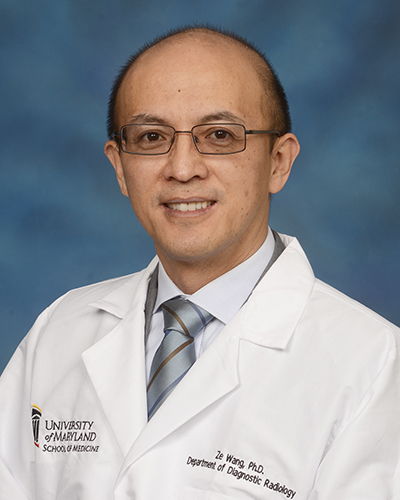
Imaging and Computing Lab
Professor with Tenure
Department of Diagnostic Radiology and Nuclear Medicine
Center for Advanced Imaging Research (CAIR)
Department of Psychiatry
Maryland Psychiatry Research Center
Phone: 410-706-2797
Email: ze.wang at som.umaryland.edu
Biosketch
Dr. Wang joined University of Maryland Baltimore in 2019 and started the Imaging Computing Laboratory (ICL) in the Department of Diagnostic Radiology & Nuclear Medicine. He received his PhD from Shanghai Jiao Tong University in 2003. His major research interests are in MR imaging, neuroimaging signal processing, and imaging-based translational research in Alzheimer's disease and addiction. He has published over 155 journal papers in these research topics. Regarding MRI, he focuses on arterial spin labeling (ASL) perfusion MRI and image reconstruction. His ASL work includes a 3D background suppressed spiral readout ASL MRI sequence, a series of ASL MRI data processing methods, as well as the first open-source software package for processing ASL data: ASLtbx.
In MR reconstruction, he developed a multi-dimensional k-space based parallel imaging reconstruction algorithm: MCMLI for 2D and SNAPPI for 3D imaging and an optimized and super-fast dictionary searching algorithm: MRF-ZOOM for magnetic resonance fingerprinting, which can work without a pre-defined full dictionary. In neuroimaging, he developed an fMRI-based brain entropy mapping (BEN) tool and a multivariate lesion-symptom mapping algorithm (SVR-LSM). His recent interest in these areas includes incorporating deep machine learning in ASL data processing and image reconstruction, BBB imaging, and brain information mapping. He has disseminated and is still maintaining three open source software packages: ASLtbx, SVR-LSM, and BENtbx.
Free Research Tools for Downloading >
Note that software updates are now released through https://github.com/zewangnew.
News, Research Projects, and Highlights
Sep 2023. Dr. Hangfan Liu was awarded the inaugural William H Gates Sr Fellowship by the AD Data Initiative. https://www.alzheimersdata.org/fellows
Oct 2023. Dr. Wang was named a Distinguished Investigator by the Academy for Radiology & Biomedical Imaging Research. The award will be presented in 2023 RSNA.
Please select a title to learn more:
ASL MRI in Alzheimer's Disease Research
The goal of this project is to deep clean ASL MRI and use it for detecting early AD and predicting AD progression. Existing data from Alzheimer's Disease Neuroimaging Initiative (ADNI, http://adni.loni.usc.edu/) are used.
Visit our PMC Project page for:
- project members
- publications
Learn more about this project
Deep learning in Arterial Spin Labeling Perfusion MRI
Improving ASL MRI using deep machine learning
This aim of this project is to use deep machine learning to improve spatial and temporal resolution and signal-to-noise-ratio (SNR) of ASL perfusion MRI.
Brain entropy mapping using resting-state fMRI
Entropy measures irregularity of a dynamic system, which also indicates the information capacity. The human brain is a complex functional system with ongoing information generation and processing. Higher entropy generally bestows a better functional flexibility, which is beneficial in many situations but might be detrimental for a certain range of brain functions such as mood and emotions. Nevertheless, measuring brain entropy provides a tool to assess such information processing balance and the changes due to disorders. The aim of this project is to further develop brain entropy techniques and use them in neurodegenerative disease and drug addiction studies.
Deep learning based CEST MRI
This project is in collaboration with Dr. Ravinder Reddy from University of Pennsylvania for correcting B0, B1 inhomogeneity induced confounds using deep learning. The main thrust is to learn the smooth Z-spectrum using deep learning. Based on the learned Z-spectrum representations, much fewer than regular data acquisitions can be used to reconstruct the Z-spectrum and subsequently correct the B0 or B1 offset induced quantification inaccuracy.
An inverse-U shaped brain entropy progression in the AD continuum
In a recently published paper (https://www.frontiersin.org/articles/10.3389/fnagi.2020.596122/full), we characterized resting brain entropy in normal aging and patients with different level of Alzheimer's Disease (AD) (from early Mild Cognitive Impairment to AD) using resting state fMRI. We found abnormal brain entropy (BEN) changes in the default mode network, medial temporal lobe, and prefrontal cortex which are associated with cognitive impairment and AD pathology. Collectively, the results showed that: (1) BEN increased with age and pathological deposition in normal aging but decreased with age and pathological deposition in the AD continuum; (2) AD showed catastrophic BEN reduction, which was related to more severe cognitive impairment and daily function disability; and (3) BEN decreased with education years in normal aging, but not in the AD continuum. BEN evolution follows an inverse-U trajectory when AD progresses from normal aging to AD dementia. Education is beneficial for suppressing the entropy increase potency in normal aging.
Visit our PMC Project page for:
- project members
- publications
Project 6: TE-resolved ASL MRI
This project focus on developing a TE-resolved ASL perfusion MRI sequence for simultaneously quantifying cerebral blood flow (CBF), arterial transit time (ATT), blood-brain-barrier water exchange rate, and intravoxel arterial transit time. The first paper is published in MRM 2026: https://onlinelibrary.wiley.com/doi/full/10.1002/mrm.70450 (full paper freely available).
Learn more about this project
Sleep effects on brain connections and mental health
Based on these facts, we have been looking for opportunity to investigate the sleep effects on the brain for a while. Now this is made possible by using the large data (brain images and neuropsychological measures, biological measures, and many other measures) from the Adolescent Brain and Cognitive Development study and we just published the first paper in Human Brain Mapping (link to the paper). In this paper, we found that: 1) lack of sleep in teens is associated with altered connections between and within two important brain networks: one is the dorsal attention network that is mainly responsible for attention, memory, and inhibition control; the other is the default mode network which has been shown to have an important role for facilitating general brain function; 2) sleep deficits are associated with more mental problems and this correlation is bidirectional and is mediated through the brain connections within and through the two networks; 3) the associations and mediation effects can last long at least for a year as our data shown.
we step forward to investigate the effects of insufficient sleep on the developmental brain structure and function and cognition. We used large data to achieve high statistical power to identify the potential effects and used a statistically well-defined method to delineate the effects of insufficient sleep from many other covariates that are known to affect brain and cognition. Moreover, we aimed to see whether the potential effects can sustain for years.
We defined insufficient sleep as less than 9 h according to the recommendation given by American Academy of Sleep Medicine. At the baseline (the first time of experiment), kids (9-10 years old) had insufficient sleep showed more mental/behavioral problems such as impulsivity, stress, depression, anxiety, aggressive behavior, psychosis etc, and impaired cognitive functions such as decision making, conflict solving, working memory, crystal intelligence, verbal intelligence etc. Kids with insufficient sleep showed detrimental effects in brain structure and functions. For example, insufficient sleep group had smaller brain volume and cortical area in several important regions such as cingulate cortex, temporal cortex, and visual cortex.
A striking finding is that these effects were long-lasting as we found very similar effects at the 2-year follow up experiment. We also found that the long-lasting effects of insufficient sleep on behavior and cognition were mediated by brain structure and functional connectivity from regions that are known to be important for sleep.
Implications of our study include: insufficient sleep may modulate neural development over 2 years, leading to compromised cognitive functions and behavioral problems in early adolescents. Insufficient sleep can have long-lasting effects on brain structure, function, and cognition. Sleep affects neurobehavior through the brain, suggesting that a healthy brain development may partially counteract the impact of sleep loss. These effects are independent of sex, socioeconomic status, puberty status and several other factors that may affect brain and behaviors and highlight the crucial need for early intervention to facilitate long-term development outcomes in adolescents.
The message for average person will be: nowadays, teenagers are getting less and less sleep because of all kinds of excitations. Unfortunately, this is with consequences. One possible consequence is the harm to behavior, mental health, and cognition, which may reciprocally impact sleep quality and start a worse-to-worse cycle. Another possible consequence is the change of brain connections. These consequences may last for a long time. Because the adolescent brain is still under rapid development, sustained sleep deficits may lead to permanent impairment to the brain and to the cognitive functions. Getting good sleep back is crucial to teens' brain and mental health. In extreme cases where sleep quality is difficult to be improved soon, an alternative potential approach can be some intervention that can specifically improve brain function connectivity.
This work was performed by Dr. Fan Nils Yang, who is a postdoctoral fellow in Dr. Wang’s lab. The equally contributed author, Dr. Weizhen Xie has also made substantially contribution to this study.
Lab Members
Hangfan Liu, PhD (Assistant Professor)
Hangfan Liu, PhD
Dr. Liu is an Assistant Professor in the Imaging Computing Lab (ICL) in the Department of Diagnostic Radiology and Nuclear Medicine. Dr. Liu received a Ph.D. (Hons.) in computer science from Peking University in Beijing, China. Prior to joining ICL, he worked as a postdoc at the University of Pennsylvania. His research interests include image processing, medical image analysis, and machine learning. He was the recipient of the Best Student Paper Award at the 2017 IEEE Visual Communications and Image Processing, the 2019 Doctoral Dissertation Award of the Beijing Society of Image and Graphics, and the co-recipient of the Best Paper Award at the 2019 MICCAI Workshop on Clinical Image-Based Procedures.
Dr. Liu has recently been awarded a two year William H. Gates Sr. Fellowship from Alzheimer's Disease Data Initiative. This prestigious and competitive award is named in honor of the life and legacy of William H Gates Sr.
Dr. Liu's representative papers include:
Hangfan Liu, Michel J. Grothe, Tanweer Rashid, Miguel A. Labrador-Espinosa, Jon B. Toledo, and Mohamad Habes, “ADCoC: Adaptive Distribution Modeling Based Collaborative Clustering for Disentangling Disease Heterogeneity from Neuroimaging Data”, IEEE Transactions on Emerging Topics in Computational Intelligence, DOI: 10.1109/TETCI.2021.3136587, 2022.
Hangfan Liu, Jian Zhang and Ruiqin Xiong, "CAS: Correlation Adaptive Sparse Modeling for Image Denoising," IEEE Transactions on Computational Imaging (TCI), vol.7, pp. 638 - 647, May 2021.
Hangfan Liu, Hongming Li, Mohamad Habes, Yuemeng Li, Pamela Boimel, James Janopaul-Naylor, Ying Xiao, Edgar Ben-Josef and Yong Fan, “Robust Collaborative Clustering of Subjects and Radiomic Features for Cancer Prognosis,” IEEE Transactions on Biomedical Engineering (TBME), vol. 67, no. 10, pp. 2735-2744, Oct. 2020. (Featured Article).
Hangfan Liu, Ruiqin Xiong, Xiaopeng Fan, Debin Zhao, Yongbing Zhang and Wen Gao, “CG-Cast: Scalable Wireless Image SoftCast Using Compressive Gradient,” IEEE Transactions on Circuits and Systems for Video Technology (TCSVT), vol. 29, no. 6, pp. 1832–1843, Jun. 2019.
Hangfan Liu, Ruiqin Xiong, Dong Liu, Siwei Ma, Feng Wu and Wen Gao, “Image Denoising via Low Rank Regularization Exploiting Intra and Inter Patch Correlation,” IEEE Transactions on Circuits and Systems for Video Technology (TCSVT), vol. 28, no. 12, pp. 3321–3332, Dec. 2018.
Hangfan Liu, Ruiqin Xiong, Xinfeng Zhang, Yongbing Zhang, Siwei Ma and Wen Gao, “Non-Local Gradient Sparsity Regularization for Image Restoration,” IEEE Transactions on Circuits and Systems for Video Technology (TCSVT), vol. 27, no. 9, pp. 1909–1921, Sept. 2017.
Ruiqin Xiong, Hangfan Liu, Xinfeng Zhang, Jian Zhang, Siwei Ma, Feng Wu and Wen Gao, “Image Denoising via Bandwise Adaptive Modeling and Regularization Exploiting Nonlocal Similarity,” IEEE Transactions on Image Processing (TIP), vol. 25, no. 12, pp. 5793–5805, Dec. 2016
Yiran Li, PhD (Assistant Professor)
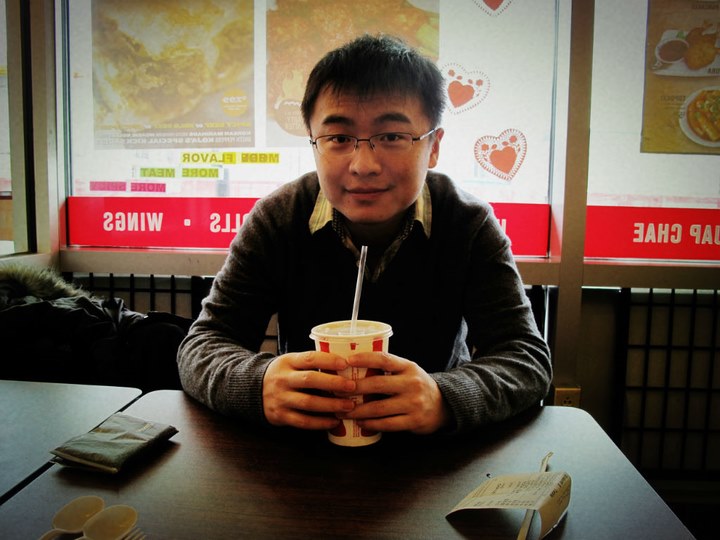
Yiran Li, PhD
Dr. Li is an Assistant Professor in Dr. Wang's lab. His research focuses on deep learning-based medical imaging processing, including image synthesis, denoising, and reconstruction.
His representative publications include:
- Yiran Li, Ze Wang. Deeply Accelerated Arterial Spin Labeling Perfusion MRI for Measuring Cerebral Blood Flow and Arterial Transit Time, IEEE JBHI, 2023 Oct 9:PP.
doi: 10.1109/JBHI.2023.3312662. Online ahead of print. - Yiran Li, Danfeng Xie, Abigail Cember, Ravi Prakash Reddy Nanga, Hanlu Yang, Dushyant Kumar, Hari Hariharan, Li Bai, John A. Detre, Ravinder Reddy, Ze Wang, Accelerating GluCEST imaging using Deep Learning, MRM, 2020 Oct;84(4):1724-1733. doi: 10.1002/mrm.28289.
- Yiran Li, Sudipto Dolui, Dan-Feng Xie, Ze Wang, and Alzheimer’s Disease Neuroimaging Initiative. "Priors-guided slice-wise adaptive outlier cleaning for arterial spin labeling perfusion MRI." Journal of neuroscience methods 2018 307: 248-253.
- Xie, Danfeng, Yiran Li, HanLu Yang, Donghui Song, Yuanqi Shang, Qiu Ge, Li Bai, and Ze Wang. "BOLD fMRI-Based Brain Perfusion Prediction Using Deep Dilated Wide Activation Networks." In International Workshop on Machine Learning in Medical Imaging, pp. 373-381. Springer, Cham, 2019.
- Li, Zheng, Qingping Liu, Yiran Li, Qiu Ge, Yuanqi Shang, Donghui Song, Ze Wang, and Jun Shi. "A Two-Stage Multi-loss Super-Resolution Network for Arterial Spin Labeling Magnetic Resonance Imaging." In International Conference on Medical Image Computing and Computer-Assisted Intervention, pp. 12-20. Springer, Cham, 2019.
- Xie, Danfeng, Yiran Li, Hanlu Yang, Li Bai, Tianyao Wang, Fuqing Zhou, Lei Zhang, and Ze Wang. "Denoising arterial spin labeling perfusion MRI with deep machine learning." Magnetic Resonance Imaging, 2020.
Gianpaolo Del Mauro, PhD (Research Associate)
Gianpaolo Del Mauro, PhD. Research Associate
Gianpaolo Del Mauro, PhD joined the lab in February 2023 as a postdoc research fellow. He has been promoted to a Research Associate from July 1st 2024. Dr. Del Mauro is a trained cognitive neuroscientist with special research interests in brain structure and function-based language research. He is currently working on several projects in the Imaging Computing Lab, including the physiological effects on brain entropy and resting state-fMRI based pain research. Within a month and a half since he joined the lab, he had a paper in submission. Up to July 2024, he has published 4 journal papers.
Lucas Lemos Franco
Mr. Franco is a research scholar performing image reconstruction in Dr. Wang's lab.
Jiaao Yu
Jiaao Yu
Mr. Jiaao Yu is a graduate research assistant in the lab. He is a PhD student in the Department of Mathematics at the University of Maryland College Park.
Vincent Xinglin Zeng, PhD (Postdoc)
Vicent Xinglin Zeng, PhD
Dr. Zeng received his PhD from Macau University. He joined the Imaging Computing Lab in July 2024 and is working on lifespan brain normative analysis.
Ershad Hassanpour Golagani
Ershad Hassanpour Golagani
PhD Student
Department of Electrical and Computer Engineering
University of Maryland College Park
Xiao Liang, PhD (Research Associate)
Gianpaolo Del Mauro, PhD. Research Associate
Xiao Liang, PhD, obtained his PhD from Duke University. He joined the lab in Jan 2025 as a Research Associate to develop advanced ASL MRI imaging and reconstruction method. Dr. Liang has significantly contributed to two papers since he joined the group.
Lab Alumni (since 2019)
Muhammad Nadeem Cheema, PhD (Postdoc)
Muhammad Nadeem Cheema, PhD
Nadeem Cheema obtained his PhD in computer science from Shanghai Jiao Tong University. He and his wife (Anam Nazir) joined the Imaging Computing Lab both in Feb 2023. He is currently working on deep learning based ASL MRI data processing.
Anam Nazir, PhD (Postdoc)
Anam Nazir, PhD
Dr. Nazir obtained her PhD from Department of Computer Science in Shanghai Jiao Tong University. She joined the ICL in December 2022.
Ms Rebecca Welsh
Rebecca Welsh
Ms. Rebecca Welsh is currently a research coordinator in the lab. She joined the lab in December 2022.
Tong Lu, PhD (now at Google)
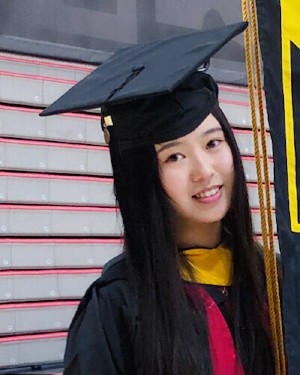
Tong Lu
Dr. Tong Lu is now an employee of Google. She was a PhD student majoring in mathematical statistics with particular research interests in network/graph statistics, neuroimaging statistics, and machine learning-based modeling and optimization. Her research focuses on developing novel machine learning algorithms and graph theory to model high-throughput biomedical data with complex and organized structures.
Fan Nils Yang, PhD (now at NIH)
Fan Nils Yang, PhD
Fan Nils Yang, PhD, is a postdoctoral fellow interested in the neurobiological basis broadly underlying human cognition and behavior. By applying his skillset in functional brain imaging, arterial spin labeling (ASL) perfusion fMRI, and blood oxygen level-dependent (BOLD) fMRI, in basic and translational research, the ultimate goal of his work is to improve health and aging-related outcomes.
Jue Lu, PhD (Associate Professor at Shaoxin University)
Jue Lu, PhD
Dr. Lu is a mathematician. He was a visiting scholar in Dr. Wang's lab working on brain entropy mapping. He published the following on this research topic:
Jue Lu, Ze Wang. The Systematic Bias of Entropy Calculation in the Multi-scale Entropy Algorithm, Entropy, 2021, 23(6), 659; https://doi.org/10.3390/e23060659
Hanlu Yang
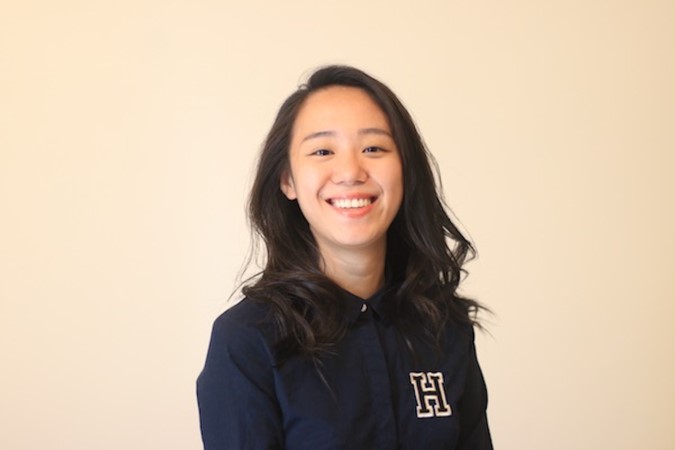
Hanlu Yang
Miss Yang was a master's degree student in Dr. Wang's lab from 2018 to 2020. She is now a PhD student at University of Maryland Baltimore County. Her major focus is deep-learning based MR image reconstruction. She has contributed to several papers:
- POCS Augmented CycleGAN for MR Image Reconstruction (Medical Image Analysis, Under revision)
- Xie, Danfeng, Yiran Li, HanLu Yang, Donghui Song, Yuanqi Shang, Qiu Ge, Li Bai, and Ze Wang. "BOLD fMRI-Based Brain Perfusion Prediction Using Deep Dilated Wide Activation Networks." In International Workshop on Machine Learning in Medical Imaging, pp. 373-381. Springer, Cham, 2019.
- Xie, Danfeng, Yiran Li, Hanlu Yang, Li Bai, Tianyao Wang, Fuqing Zhou, Lei Zhang, and Ze Wang. "Denoising arterial spin labeling perfusion MRI with deep machine learning." Magnetic Resonance Imaging (2020).
Liandong Lin, PhD (Associate Professor in Heilong Jiang University)

Liandong Lin, PhD
Dr. Lin was a visiting scholar in Dr. Wang's lab from 2019 to 2020. He has published six peer-reviewed journal papers and three international conference papers. He is currently working on fMRI signal processing. His research interests also include MR technique development and deep machine learning.
Danfeng Xie, PhD (now at Comcast)
Danfeng Xie, PhD
Dr. Xie received his PhD while working in Dr. Wang's lab in 2020. He was a postdoc fellow until February 2021. His research focuses on deep learning-based ASL MRI denoising, acceleration, and cross-modality prediction.
Publications:
- Yiran Li, Danfeng Xie, Abigail Cember, Ravi Prakash Reddy Nanga, Hanlu Yang, Dushyant Kumar, Hari Hariharan, Li Bai, John A. Detre, Ravinder Reddy, Ze Wang, Accelerating GluCEST imaging using Deep Learning, MRM, 2020 Oct;84(4):1724-1733. doi: 10.1002/mrm.28289.
- Xie, Danfeng,Yiran Li, Hanlu Yang, Li Bai, Tianyao Wang, Fuqing Zhou, Lei Zhang, and Ze Wang. "Denoising arterial spin labeling perfusion MRI with deep machine learning." Magnetic Resonance Imaging (2020).
- Li, Yiran, Sudipto Dolui, Danfeng Xie, Ze Wang, and Alzheimer’s Disease Neuroimaging Initiative. "Priors-guided slice-wise adaptive outlier cleaning for arterial spin labeling perfusion MRI." Journal of neuroscience methods 307 (2018): 248-253.
- Xie, Danfeng,Yiran Li, Hanlu Yang, Li Bai, Ze Wang. A Learning-From-Noise Dilated Wide Activation Network for Denoising Arterial Spin Labeling (ASL) Perfusion Images. 28th Annual Meeting ISMRM, 2020.
- Xie, Danfeng, Yiran Li, Hanlu Yang, Donghui Song, Yuanqi Shang, Qiu ge, Li Bai and Ze Wang. Estimating Cerebral Blood Flow from BOLD Signal Using Deep Dilated Wide Activation Networks. 28th Annual Meeting ISMRM, 2020.
- Xie, Danfeng, Yiran Li, Hanlu Yang, Donghui Song, Yuanqi Shang, Qiu ge, Li Bai and Ze Wang, “BOLD fMRI-based Brain Perfusion Prediction Using Deep Dilated Wide Activation Networks”. 10th International workshop on Machine Learning in Medical Imaging, 2019.
- Xie, Danfeng, Yiran Li, Li Bai, and Ze Wang.“Super-ASL: Improving SNR & Temporal Resolution of ASL MRI Using Deep Learning.” ISMRM workshop on Machine Learning 2018.
- Xie, Danfeng, Yiran Li, Li Bai, and Ze Wang. “Denoising Arterial Spin Labeling Cerebral Blood Flow Images Using Deep Learning-Based Methods.” 26th Joint Annual Meeting ISMRM-ESMRMB. ISMRM-ESMRMB, 2018.
- Xie, Danfeng, Lei Zhang, and Li Bai. "Deep learning in visual computing and signal processing." Applied Computational Intelligence and Soft Computing 2017 (2017).
Donghui Song (now a PhD student in Beijing Normal University)
Donghui Song
Mr. Donghui Song got his master's degree in Cognitive Neuroscience under the supervision of Dr. Wang. He was a research specialist in Dr. Wang's lab. Mr. Song published ten peer-reviewed papers, including three first-authored ones. He is proficient at processing fMRI data using the tools such as SPM, FSL, ASLtbx, BENtbx or packaged pipelines such as fMRIprep. He has been well trained for performing fMRI and TMS experiments.
Bo Li, PhD (Research Associate)
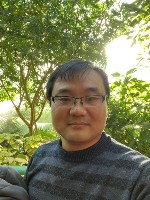
Bo Li, PhD
Dr. Li received his PhD from Peking University, China. He did a postdoc program in University of North Carolina Chapel Hill. Dr. Li is now a Research Associate focusing on MR pulse development and image reconstruction for prospective motion correction, motion correction in SMS reconstruction, gradient delay estimation, and multi-delay muti-TE ASL MRI.
Lei Zhang, PhD (Research Associate)
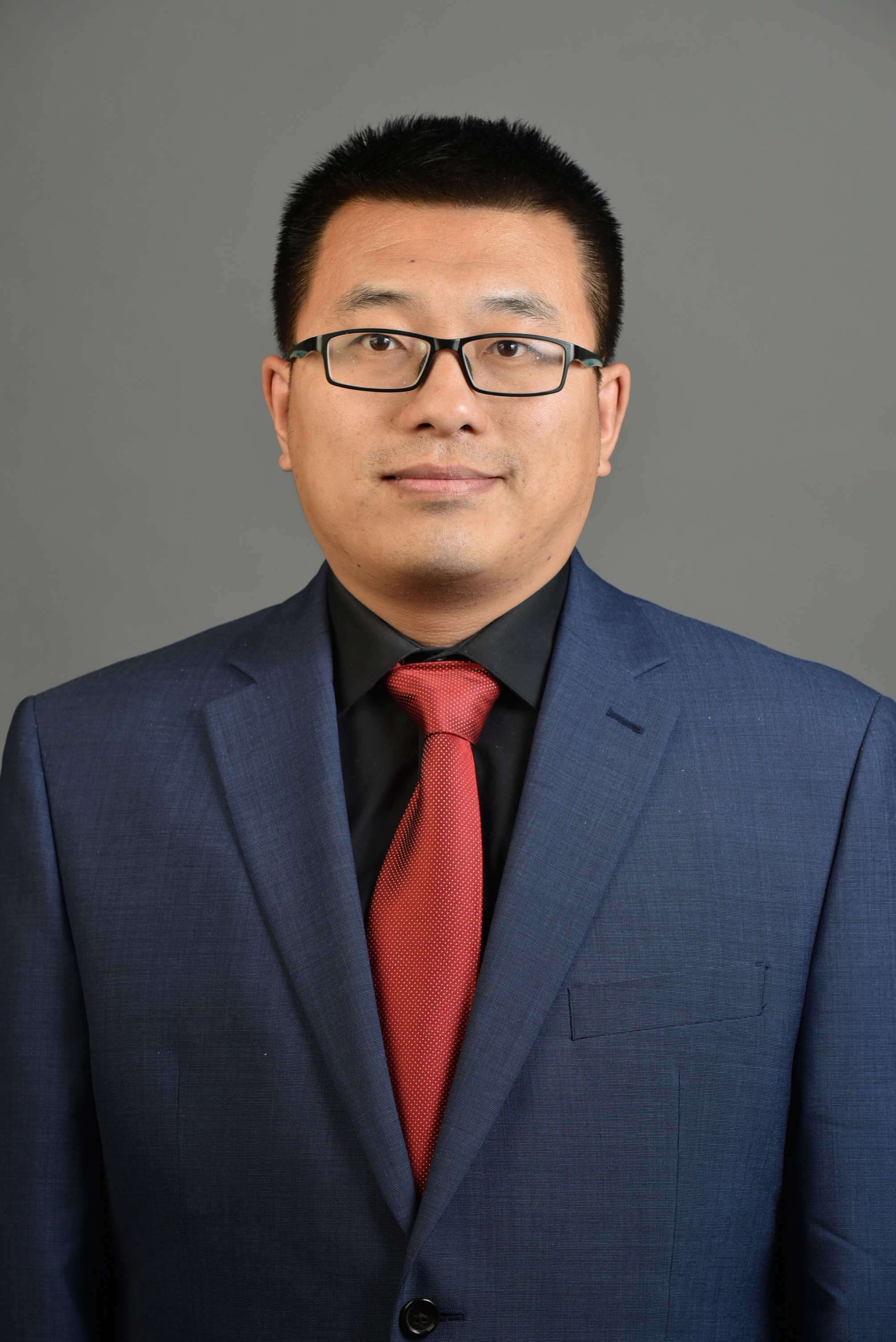
Lei Zhang, PhD
Dr. Zhang began working in Dr. Wang's lab as a research associate in October 2019.
Aldo Camargo Fernandez-Baca, PhD (Postdoc)
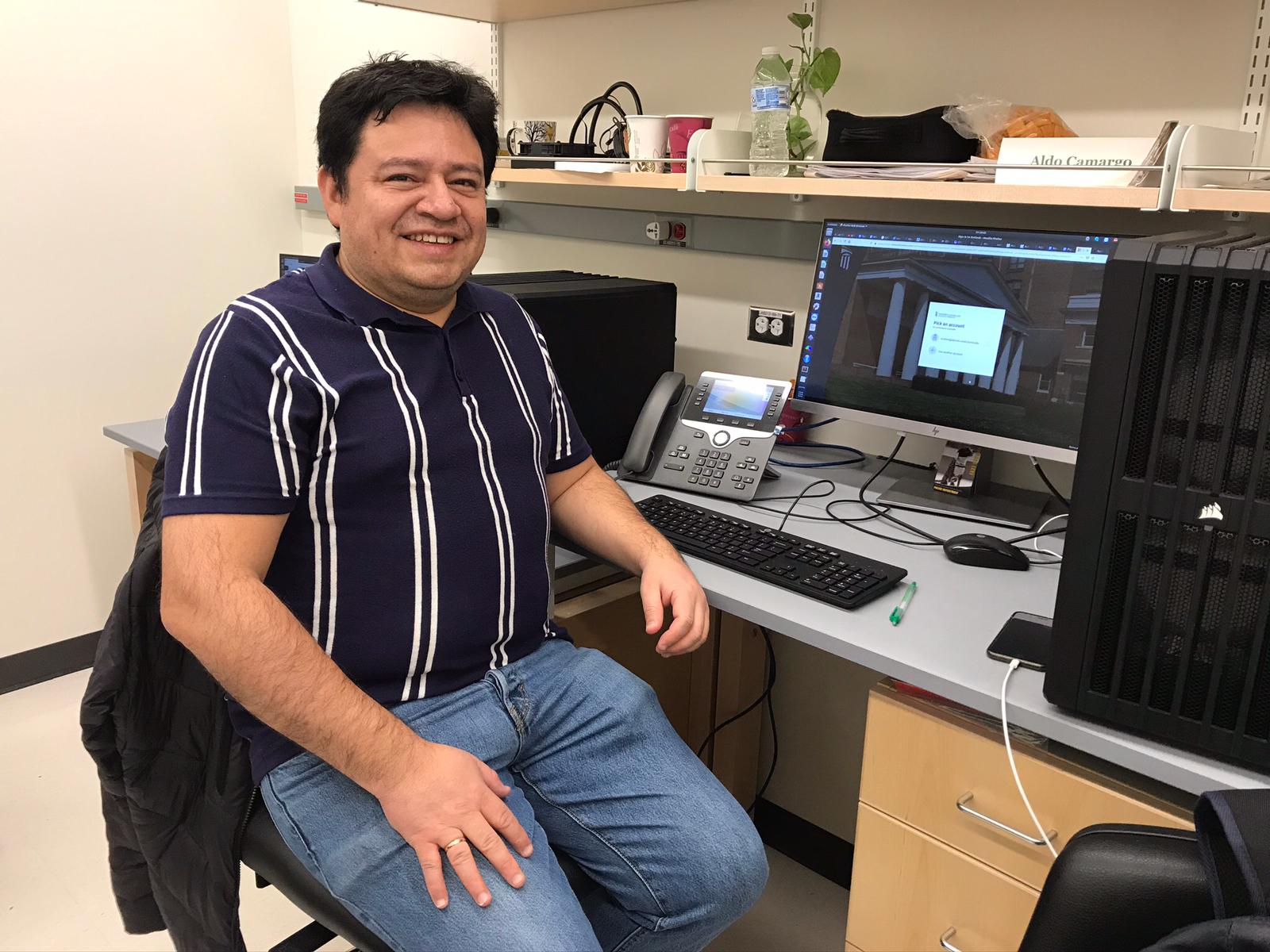
Aldo Camargo Fernandez-Baca, PhD
Dr. Fernandez-Baca joined Dr. Wang's lab as a postdoc fellow in July 2019. His major research focus is arterial spin labeling perfusion MRI for studying Alzheimer's disease.
Yinghua Fu, PhD (Postdoc)
Yinghua Fu, PhD
Dr. Fu obtained her PhD in computer science from Shanghai Jiao Tong University. She joined the Imaging Computing Lab in Jan 2024 and is working on medical image analysis.
Publications
Click here to view Dr. Wang's publications on Pubmed
Please refer Dr. Wang's faculty profile for highlighted publications
Postdoc or junior faculty position
We are looking for self-motivated candidates who can do technique development in either of the two research directions. The first one will focus on deep learning based MR image reconstruction and image processing. Required skills and experience include: deep learning and MR image reconstruction. C++ programming experience will be preferred but not a necessary condition. The ideal candidate should have background in one or more of the following fields: image reconstruction, machine learning, MR physics, electrical engineering, computer science, or mathematics. This position will have intensive interactions with leading experts and will work with teams from University of Pennsylvania and Siemens. There is much chance to learn and grow.
The second direction will focus on image analysis including connectome analysis, classification and disease subtyping, and data harmonization. The ideal candidates should have method development experience in fMRI or neuroimaging signal processing. Background in electrical engineering, computer science, or mathematics is highly preferred. Python, Matlab programming skills are required. Experience on multi-band fMRI data processing is considered a plus.
Candidates are expected to have good communication skills and have good writing skills.
Please send your CV to ze.wang@som.umaryland.edu.