
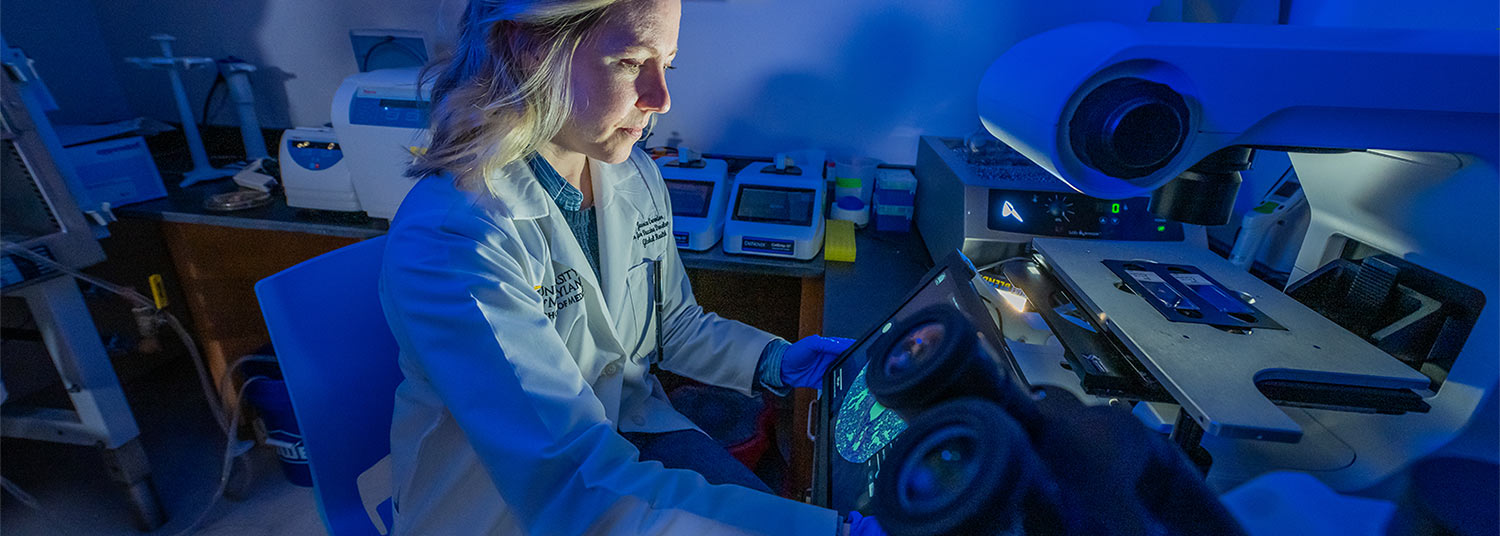
Immunology & Host Responses
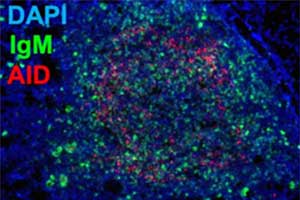 Immunology research in the department spans a wide range of topics including investigations into the evolution of the immune system, transplantation tolerance, pathogenesis of autoimmunity, host responses to microbes and transcriptomic and epigenetic host defenses.
Microbial Pathogenesis
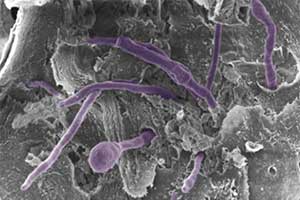 Research in microbial pathogenesis is focused on the identification of therapeutic and vaccine targets, host-microbe interactions, microbial evolution and antibiotic resistance. Faculty expertise and overlapping interests, combined with advanced technologies, foster a highly collaborative and innovative research environment in this field.
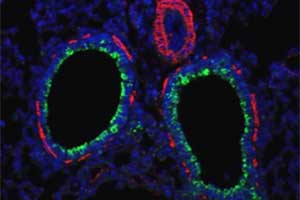 Virology
Virology labs of the department use cutting edge in vitro and in vivo model systems to understand viral diseases and the host response to these diseases. Overarching goals are to identify therapeutic strategies for the treatment of diseases caused by viruses and identify correlates of protection for vaccines against viral pathogens.
 Cancer Immunology & Immunotherapy
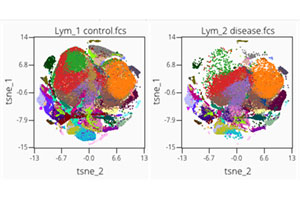
Our research is dedicated to understanding and harnessing the immune system to fight cancer. We take a bench-to-bedside approach, integrating fundamental immunology with cutting-edge translational research to develop innovative therapies that improve patient outcomes.
Cancer Immunology & Immunotherapy >
 Vaccine Development
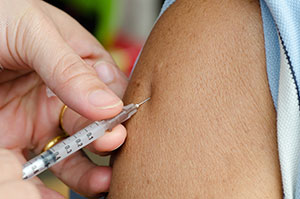
Our investigators are developing novel adjuvants and vaccines to protect against major infectious diseases, including emerging viruses such as influenza, coronavirus, HIV-1 and flaviviruses. Overarching goals are to develop “universal” vaccines using immunological and omics approaches, uncovering the molecular features which underpin successful vaccines.
Genomics
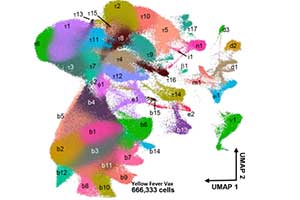 The department includes faculty with expertise in genomics, including members of the Institute for Genome Sciences. These researchers use genome-enabled approaches to study microbial isolates, the microbiome, and host–microbe interactions at the molecular level. Their work seeks to uncover mechanisms of pathogenesis, determinants of disease outcomes, and the role of beneficial microbial communities in health.