
Center for Advanced Microbiome Research & Innovation (CAMRI): A Leader in Microbiome Science
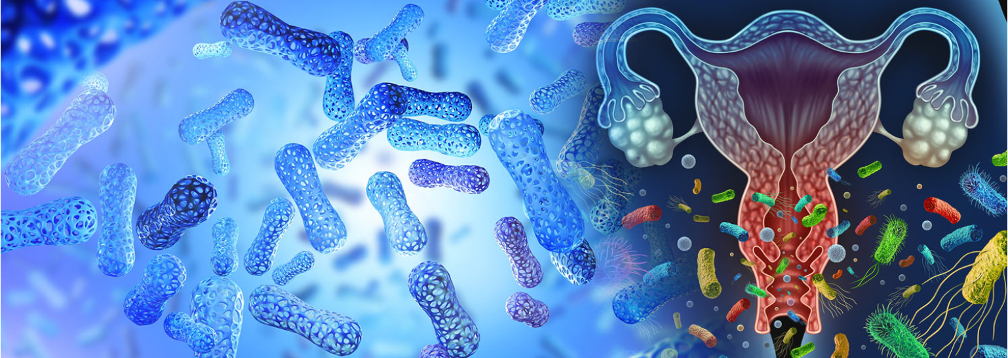
The Center for Advanced Microbiome Research and Innovation (CAMRI) launched in 2025 to recognize the extensive expertise in microbiome science and microbial genomics within the Institute for Genome Sciences (IGS) at the University of Maryland School of Medicine. CAMRI serves as a hub for pioneering microbiome research—bridging foundational science with translational applications to improve health outcomes.
With strength in women’s and infant’s health, CAMRI faculty study the microbiome’s role in vaginal health, sexually transmitted infections (STIs), and preterm birth, as well as the gut microbiome’s role in organ transplantation and infant health.
More on CAMRI's history here.
Visit the CAMRI website to learn more.
CAMRI Faculty

Dr. Brotman's research focuses on the crucial role of the vaginal microbiome in preventing urogenital infections. Her laboratory investigates a wide range of issues, with particular emphasis on how the vaginal microbiome serves as a protective barrier against various conditions such as bacterial vaginosis. By employing advanced genomic and molecular epidemiological techniques, her research has significantly advanced the understanding of how microbial dynamics in the vaginal environment influence the risk and natural resolution of urogenital infections.

Dr. Edwards focuses her research on analyzing the role of the vaginal microbiome, spanning all stages of the reproductive life, in modulating the susceptibility of host cells to both single- and co-infections of sexually transmitted infections (STIs). She applies cell culture models in collaboration with microbiological, molecular, and cellular techniques to better understand and interpret observed data from omics studies. The goal of her research is to create better diagnostics, prevention, and therapeutics for STIs.

Dr. France focuses his research on understanding how the microbes in the vagina interact with one another and with host tissues. He employs integrative multiomics analyses using data collected both in vivo and in vitro. Dr. France’s expertise in bioinformatics and computational biology, combined with his scientific background, enables him to effectively analyze and interpret this data from an ecological and evolutionary standpoint. His research has led to the development of innovative live biotherapeutic products specifically designed to shift the vaginal microbiome from a non-optimal state to an optimal one.


Dr. Hazen’s goal is to develop feasible molecular and sequencing-based approaches to enhance infection control in healthcare settings. This approach includes the use of culture-independent sequencing for real-time detection and tracking of pathogens and antimicrobial resistance in hospitals. This focus is built upon her foundational research into the diversity of epathogens using comparative genomics and transcriptomics.

Dr. Holm focuses her research on the vaginal microbiome. Her research combines bioinformatic, statistical, and epidemiological approaches to identify biomarkers associated with adverse outcomes in the female genital tract. Dr. Holm’s laboratory aims to develop molecular-based tests for diagnosing and developing more targeted and effective clinical solutions for those affected by bacterial vaginosis (BV).

Dr. Ma focuses her research on understanding the intricate interplay between gut microbes and host health to develop live biotherapeutics. Her laboratory is at the forefront of omics technologies. She uses a comprehensive omics approach, investigating the microbiome, metabolome, and metatranscriptome to decode microbial signals. She uses advanced techniques, including bulk and single RNA-seq, to study gene activity in the host and applies integrative modeling to understand these interactions. This research has a multitude of applications, spanning various gut conditions, including “leaky gut” in preterm infants, early-life immune development influenced by the gut microbiome, gut microbiome-mediated chronic visceral pain relief in irritable bowel syndrome, and the gut microbiome-driven alloimmune response that determines solid organ transplantation outcomes.
Dr. Özçam's research centers on how diet influences the gut microbiome. Specifically, his lab focuses on how early-life diet influences gut microbial functional capacity, immune development, and the risk of allergic diseases, with a particular emphasis on food allergies. Using multiomics approaches and translational human cohorts, he aims to identify microbial and metabolic pathways that can be leveraged for the prevention and treatment of immune disorders. His research integrates immunology, microbiome science, and human cohort studies to uncover novel mechanisms driving mucosal immune health.

Dr. Ravel studies the foundational mechanisms of the relationship between the cervicovaginal microbiome and epithelia, particularly in the context of sexually transmitted infections, bacterial vaginosis, and adverse pregnancy outcomes. He has developed a research program focused on applying modern genomics technologies and ecological principles to characterize the role and dynamics of the vaginal microbiome in women’s health. The Ravel Lab uses microbiome clinical studies and systems biology applied to high-dimensional omics data to explore questions that were previously unanswerable in vivo. This research focuses on developing improved treatments to manage gynecological and obstetric conditions.

Dr. Shardell focuses on the epidemiology of aging. Employing her interdisciplinary background in biostatistics, she develops statistical methods to assess the relation of high-dimensional biomarkers (metabolomics, proteomics) with aging-related outcomes, an innovative approach to integrating microbiome data into aging studies. She develops novel statistical methods to handle confounding variables in studies of older adults, adapting machine-learning methods to identify and validate clinically meaningful thresholds, integrating omics data, and developing time-to-event methods with informative censoring.