
Ciheb Rwanda Takes Part in Cancer Prevention and Control Stakeholders’ Review Workshop
August 14, 2023
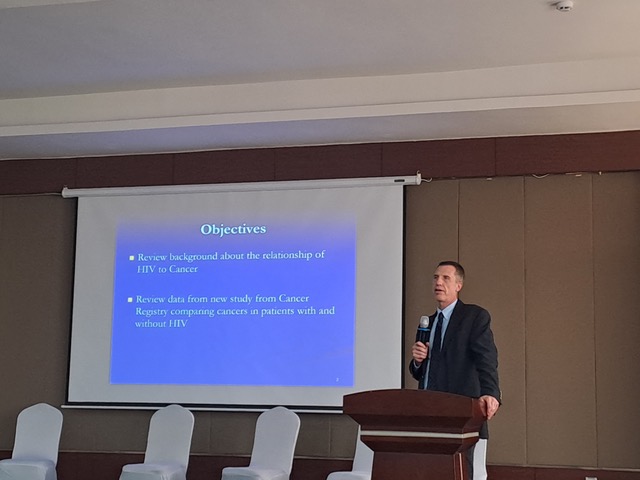
In 2018, estimates from the International Agency for Research on Cancer (IARC) indicated cancer incidence in Rwanda was 10,704 new cancer diagnoses 4,520 cases among men and 6,184 cases among women were registered, and annual mortality rates stood at 7,662. Against this backdrop, the University of Maryland, Baltimore’s Ciheb Rwanda, in collaboration with the Rwanda Biomedical Centre/Non-Communicable Disease Unit (RBC/NCD), organized a one-day workshop in August 2023. The primary goal of this workshop was to share the advancements made in implementing the National Cancer Control Program (NCCP), cancer registry data, and research dissemination. Additionally, the participants discussed challenges and devised joint plans to accelerate cancer prevention and management efforts in Rwanda.
Dr. Francois Uwinkindi, the NCDs Division Manager, thanked the stakeholders for their valuable contributions to cancer prevention and control efforts. “There have been a number of key achievements from 2007 to 2023, which include expanding laboratory facilities from one with a pathologist to five labs with 22 pathologists and increased diagnostic capacity,” he said. Furthermore, he mentioned the success of decentralized cancer registration initiatives. The top 10 cancers in Rwanda were also shared, with breast and cervical cancers being the most common in women and prostate and stomach cancers being the most prevalent in men.
The NCD Division staff shared notable achievements, such as improved cancer awareness and screening. NCD’s partners also provided updates on progress toward achieving the WHO secondary prevention targets. This involved devolving cervical cancer treatment to health centers, offering treatment at screening sites, implementing electronic patient tracking mechanisms, establishing robust cascades of training, mentorship, and supervision, and engaging in demand generation mobilization at various healthcare delivery levels.
Dr. David Riedel presented on behalf of Ciheb and discussed the relationship between HIV and cancer based on data from the Rwanda Cancer Registry spanning January 2007 to December 2018. “AIDS-defining cancers (ADC) were progressively decreasing, while non-AIDS-defining cancers (NADC) were on the rise among people living with HIV (PLWHIV) in Rwanda,” he explained. Patients with HIV were found to be less likely to receive treatment compared to those without HIV. Dr. Riedel also highlighted several factors contributing to the increased incidence of NADC among PLWHIV, such as increased longevity, co-infection with oncogenic viruses, and chronic immunodeficiency.
The workshop brought together various stakeholders from the Rwanda Ministry of Health departments, Kigali City Council, provincial and district hospitals, university teaching hospitals, referral hospitals, local and international non-governmental organizations, as well as cancer survivors and advocacy organizations.
Contact
Center for International Health, Education, and Biosecurity
Institute of Human Virology
Anthony Okoth
Regional Communications Specialist
Related stories
Friday, July 14, 2023
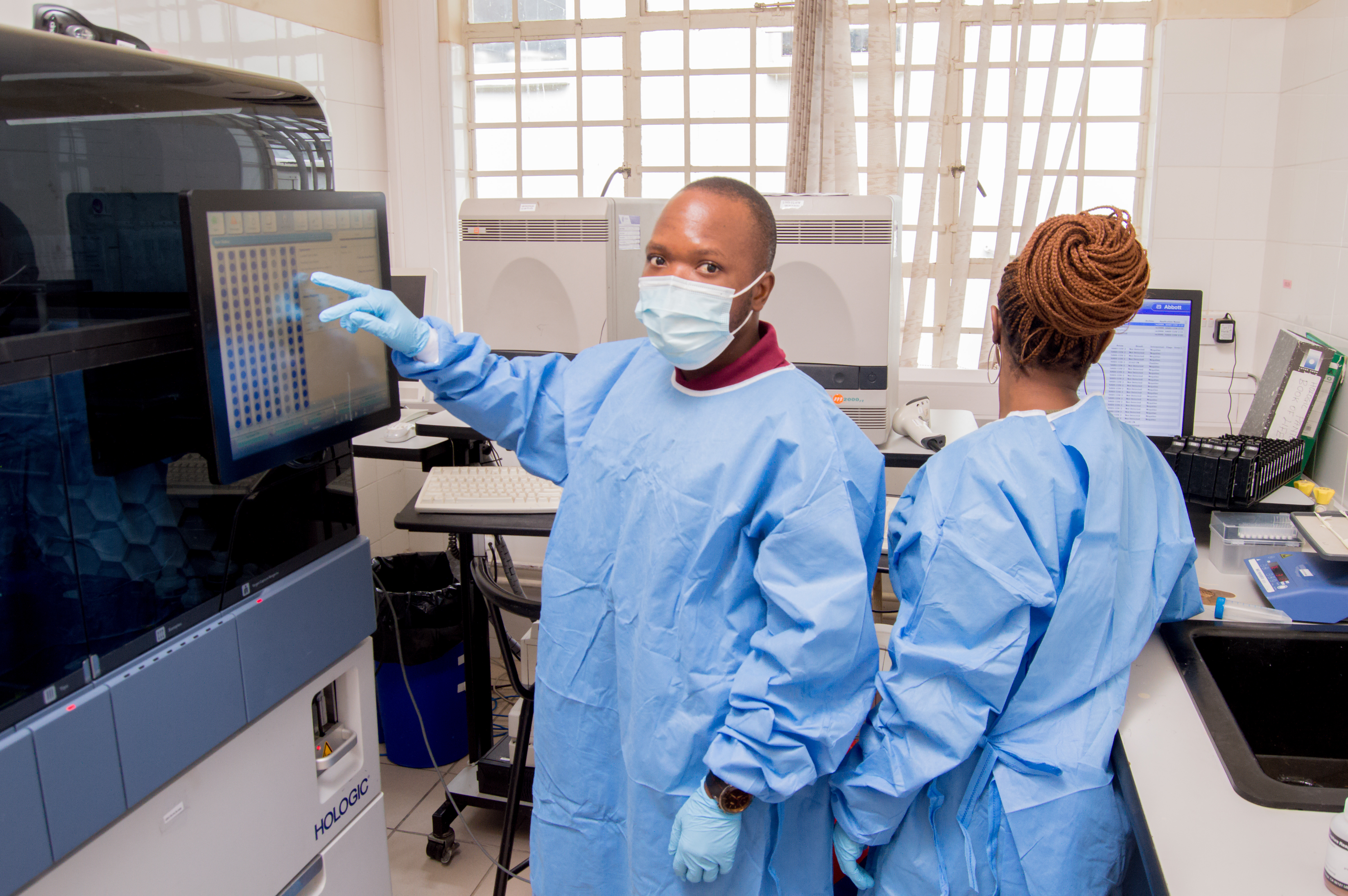
Addressing Unprocessed HIV Viral Load Samples Backlog in Malawi
The health sector in Malawi was faced with a pressing backlog issue of unprocessed HIV viral load samples. These had accumulated due to reagent stockouts and persistent power outages in the country.
Friday, July 07, 2023
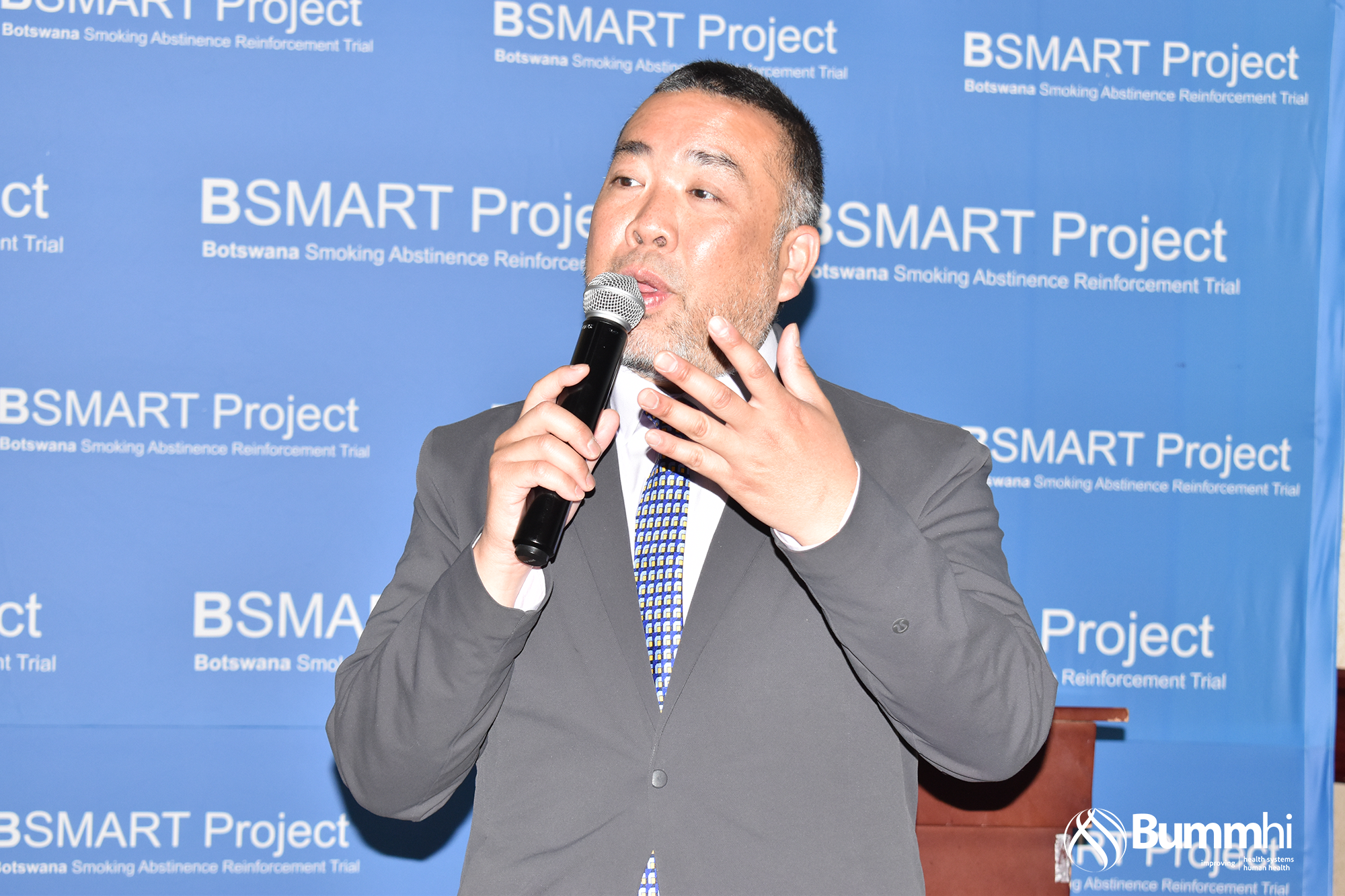
The Intersection of Non-Communicable Diseases and HIV: Opportunities for Botswana to Lead the Response
For a country like Botswana with a high HIV burden, integration of healthcare services is vital to provide comprehensive interventions. Lifestyle factors such as tobacco smoking, alcohol use, unhealthy diet, and physical inactivity heighten the risk of developing NCDs for people living with HIV.
Friday, July 07, 2023
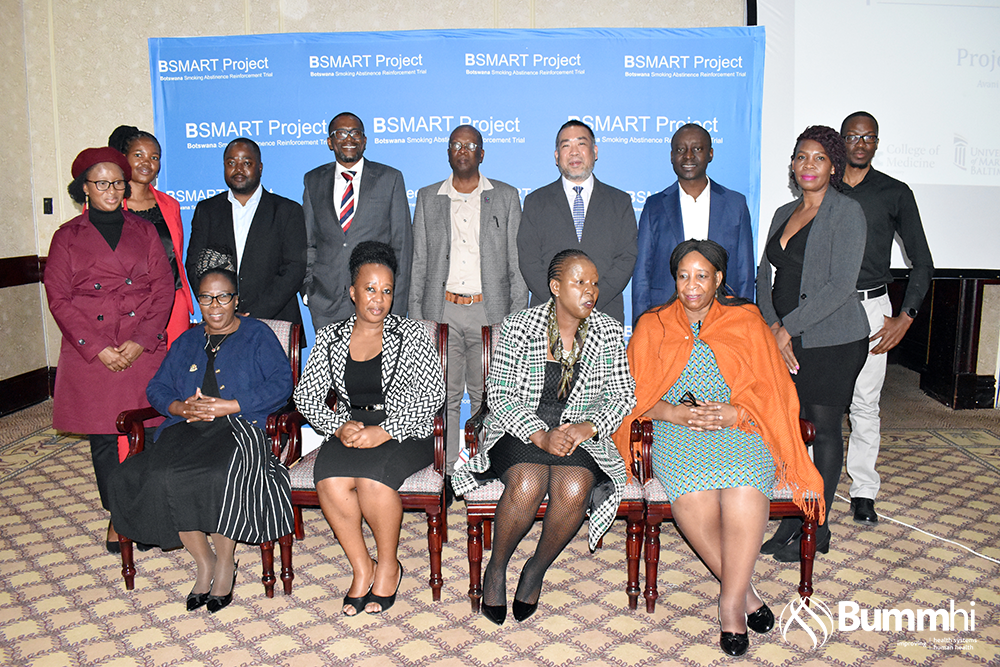
BSMART Study Launch: Combating Smoking Among HIV-Positive Individuals In Botswana
BSMART focuses on identifying effective interventions for HIV-positive individuals who smoke. The launch of the BSMART Study signifies a significant step forward in tackling tobacco use among HIV-positive individuals in Botswana.

Tuesday, November 15, 2022
NINGO's Strategic Partnership for National Transformation Held in Rwanda
Leadership from the University of Maryland, Baltimore’s (UMB) Ciheb Rwanda attended the Network of International Non-Governmental Organizations (NINGO) forum meeting on the 15th of November at the Kigali Convention Center.
Monday, October 31, 2022
NCI Grants Awarded to IHV to Prevent Cancer and Improve Screening in Sub-Saharan Africa
Institute of Human Virology (IHV) researchers at the University of Maryland School of Medicine (UMSOM) have received two five-year awards from the National Institutes of Health’s National Cancer Institute (NCI) for a total of $7.5 million. One award aims to reduce the incidence of lung cancer and other cancers associated with using tobacco in Botswana. The other is focusing on improving screening and treatment of anal precancer in Nigeria. Both grants will make use of existing HIV treatment and prevention infrastructure in low- and middle-income countries to reach people living with HIV who are most at risk for these particular types of cancers.
Tuesday, September 20, 2022
Caring for the Caregivers: Mental Health and Healthcare Workers in Kenya
Ciheb Kenya's CONNECT program held a two-day mental health workshop in Nairobi, Kenya. At the workshop, which was tailored for health management teams, facilitators expounded on the importance of good mental hygiene for healthcare workers.
Monday, August 29, 2022
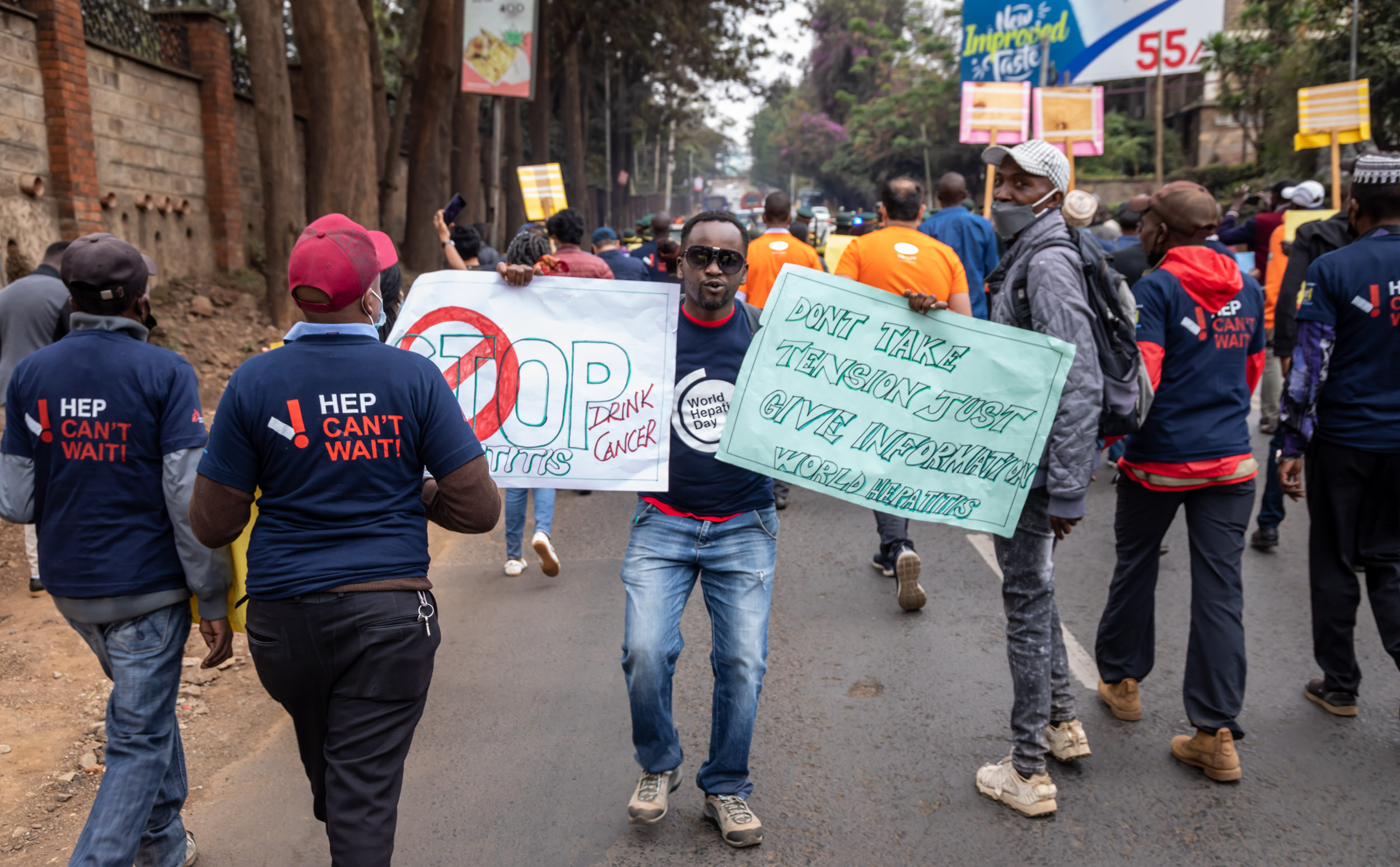
Kenya Celebrates World Hepatitis Day
Hepatitis A, B, and C are the most common of the viral hepatitis in Africa, with the African region accounting for 26% of the global burden for hepatitis B and Cin 2020.
Monday, August 15, 2022
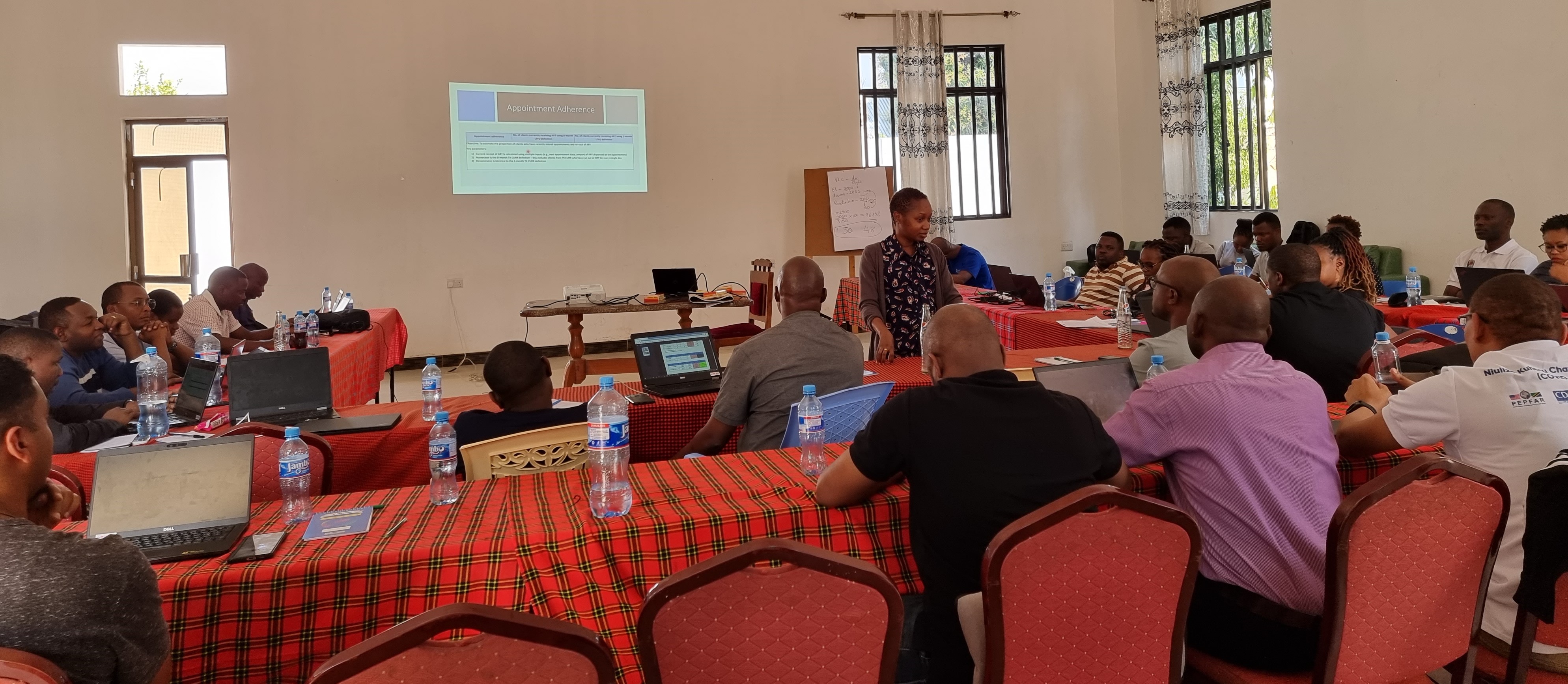
UMB's Ciheb Tanzania Holds CQI Indicators Workshop
Adopting Continuous Quality Improvement (CQI) processes is an approach for accelerating progress towards attainment of the 95-95-95 global HIV targets.
Monday, July 18, 2022
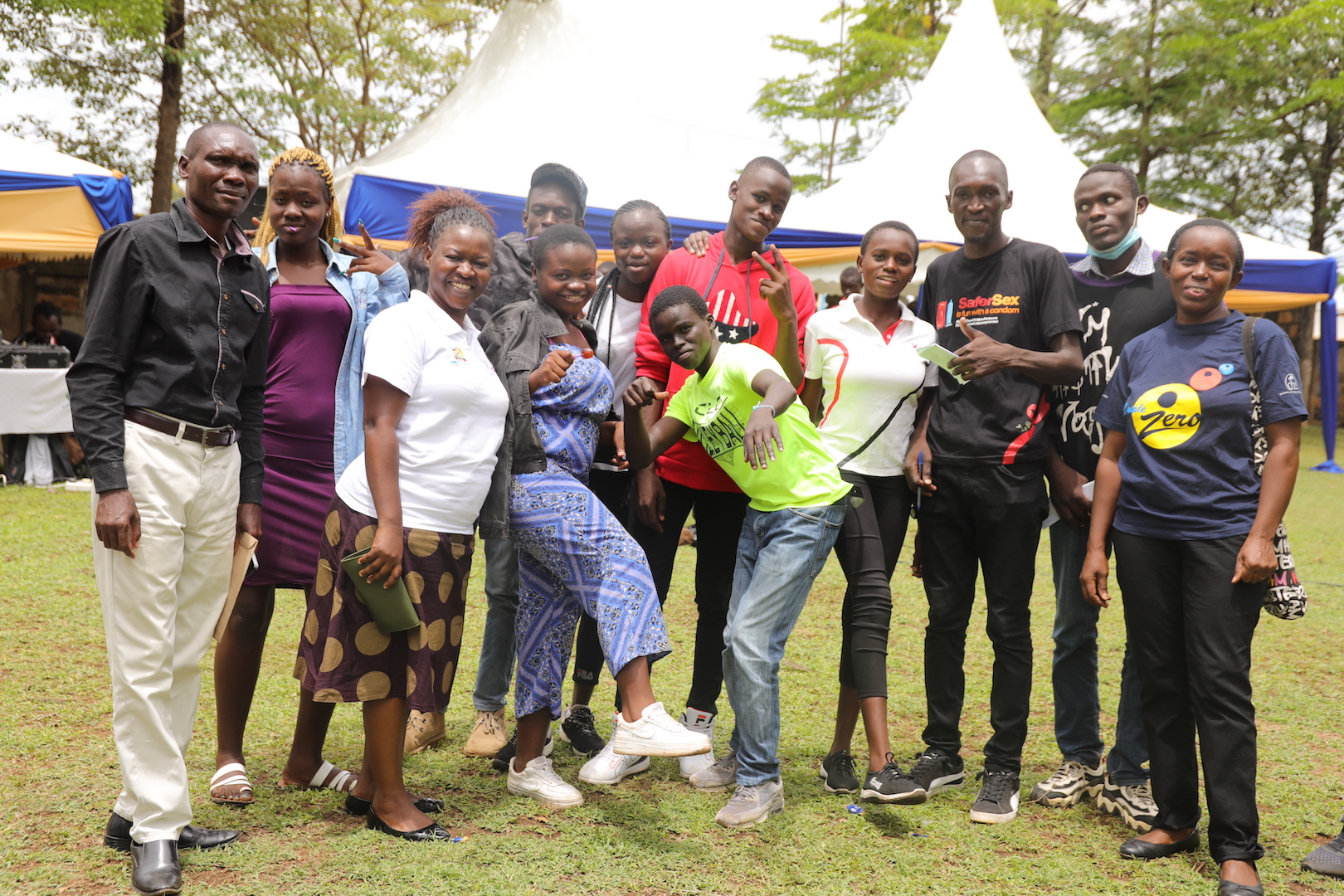
Operation Triple Zero Fun Days Held in Kenya
The OTZ Day participants, drawn from facilities within the counties, presented dances and skits themed on adherence to clinical appointments, medication, and viral suppression.
Friday, July 15, 2022
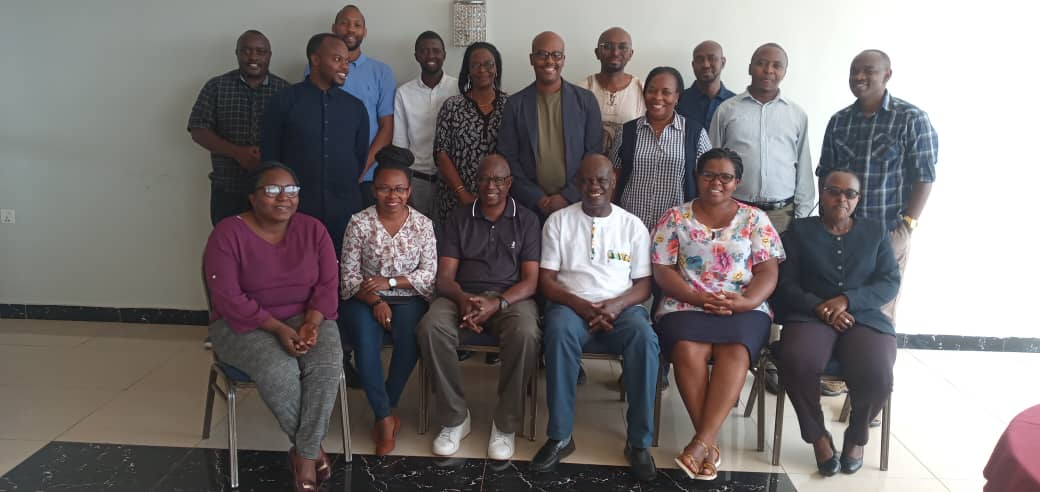
Rwanda takes part in One Health Multi-Sectoral Coordination Mechanism
The One Health approach presents an opportunity for stakeholders, including UMB’s Ciheb Rwanda, to contribute to the management of public health challenges.
Friday, July 15, 2022
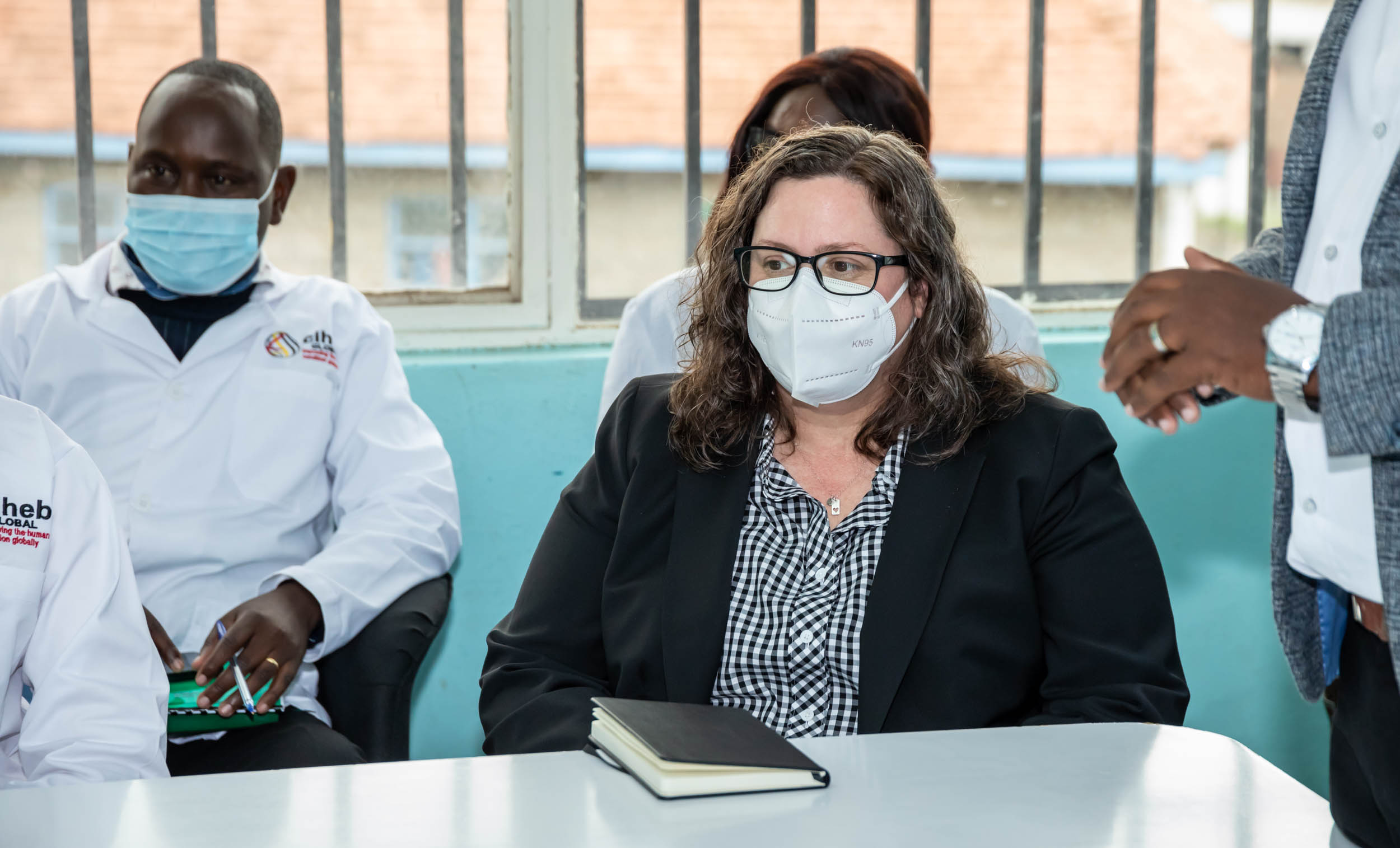
Ciheb Leadership Visits Nairobi Centers of Excellence
Dr. Kristen Stafford, Associate Professor at the University of Maryland, Baltimore (UMB) and Deputy Director of Ciheb Global, visited the Nairobi Centers of Excellence on a week-long tour in May 2022.
Friday, November 19, 2021
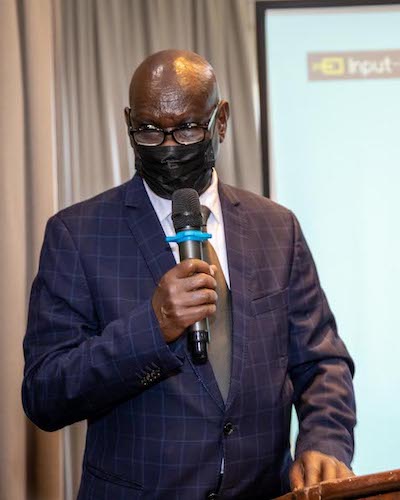
Stakeholders Celebrate IMAKAZA’s Contributions to HIV Services in Rwanda
At the closeout workshop for the IMAKAZA project in November, Ciheb Rwanda and project stakeholders recognized IMAKAZA’s numerous accomplishments in HIV programming.
Wednesday, September 01, 2021
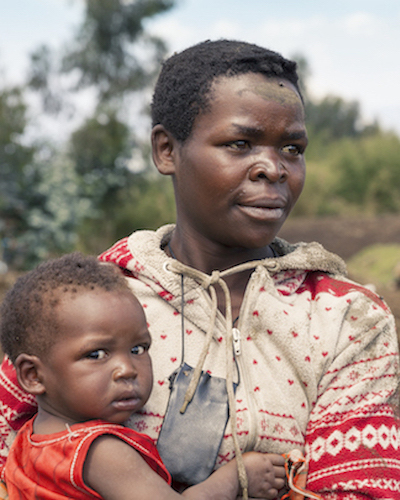
Reducing Mother-to-Child Transmission of HIV in Rwanda
An ongoing Ciheb Rwanda partnership with UNICEF is tapping into Ciheb’s expertise in continuous quality improvement (CQI) to design strategies and interventions to reduce mother-to-child transmission of HIV at 18 healthcare facilities in the capital city of Kigali.