
Innate Immune Response and Cancer
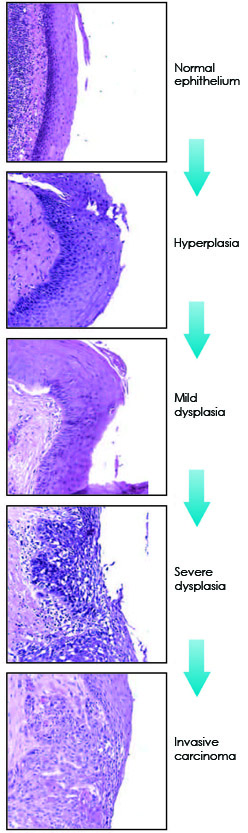 Cancer can be defined by six hallmarks, including uncontrollable growth, immortality and the ability to invade other tissues. Increasing evidence suggests that a seventh feature should make this list — Inflammation. Chronic inflammation driven by persistent infection with microbes is a major driving force in tumor development. It is caused by NF-kB mediated production of inflammatory cytokines, such as TNFa, IL-6, IL-1, which causes a proliferative and survival response. NF-kB not only induces these cytokines, but also amplifies the signal because a number of these cytokines further activate NF-kB in their downstream signaling pathway.
A major source of inflammatory cytokines in the tumour microenvironment are specialized white blood cells called macrophages. Tumour-associated macrophages assist the malignant behaviour of tumour cells, not just by producing cytokines, but also by secreting growth factors and matrix-degrading enzymes.
A large number of innate immune receptors activate NF-kB by their downstream signaling pathway inducing inflammatory cytokines. Recent evidences suggest that a number of TLR signaling pathways are activated in tumor-associated macrophages. In addition, activation of TLRs by their natural ligands change cellular physiology, such as cellular migration, which may contribute to enhanced metastasis.
We are looking at one such cancer model - head and neck squamous cell carcinoma (HNSCC). In a collaborative effort with Dr. Robert Ferris of UPCI, we are investigating the role of TLR signaling in HNSCC metastasis.
Figure adapted from Argiris A, et al. Lancet 2008; 371 (9625):1695-1709.