Search
141-160 of 321 results by Haney Mallemat
-
The efficacy of epinephrine during out-of hospital cardiac arrest has been questioned in recent years, especially with respect to neurologic outcomes (ref#1).
-
A recent study demonstrated both a survival and neurologic benefit to using epinephrine during in-hospital cardiac arrest when used in combination with vasopressin and methylprednisolone.
-
Researchers in Greece randomized 268 consecutive patients with in-hospital cardiac arrest to receive either epinephrine + placebo (control group; n=138) or vasopressin, epinephrine, and methylprednisolone (intervention arm; n=130)
-
Vasopressin (20 IU) was given with epinephrine each CPR cycle for the first 5 cycles; Epinephrine was given alone thereafter (if necessary)
-
Methylprednisolone (40 mg) was only given during the first CPR cycle.
-
If there was return of spontaneous circulation (ROSC) but the patient was in shock, 300 mg of methylprednisolone was given daily for up to 7 days.
-
-
Primary study end-points were ROSC for 20 minutes or more and survival to hospital discharge while monitoring for neurological outcome
-
The results were that patients in the intervention group had a statistically significant:
-
probability of ROSC for > 20 minutes (84% vs. 66%)
-
survival with good neurological outcomes (14% vs. 5%)
-
survival if shock was present post-ROSC (21% vs. 8%)
-
better hemodynamic parameters, less organ dysfunction, and better central venous saturation levels
-
-
Bottom-line: This study may present a promising new therapy for in-hospital cardiac arrest and should be strongly considered.
Show References
Question
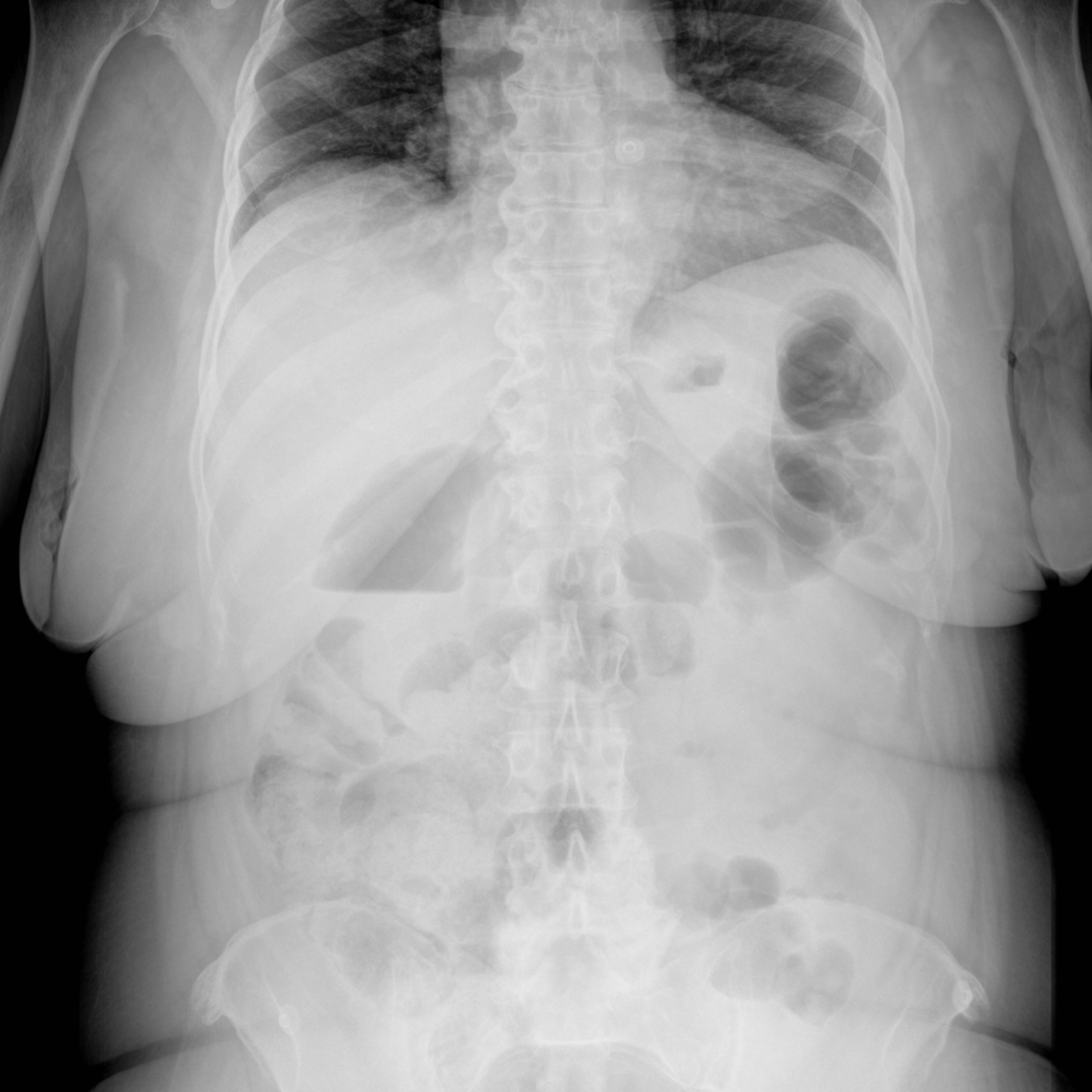
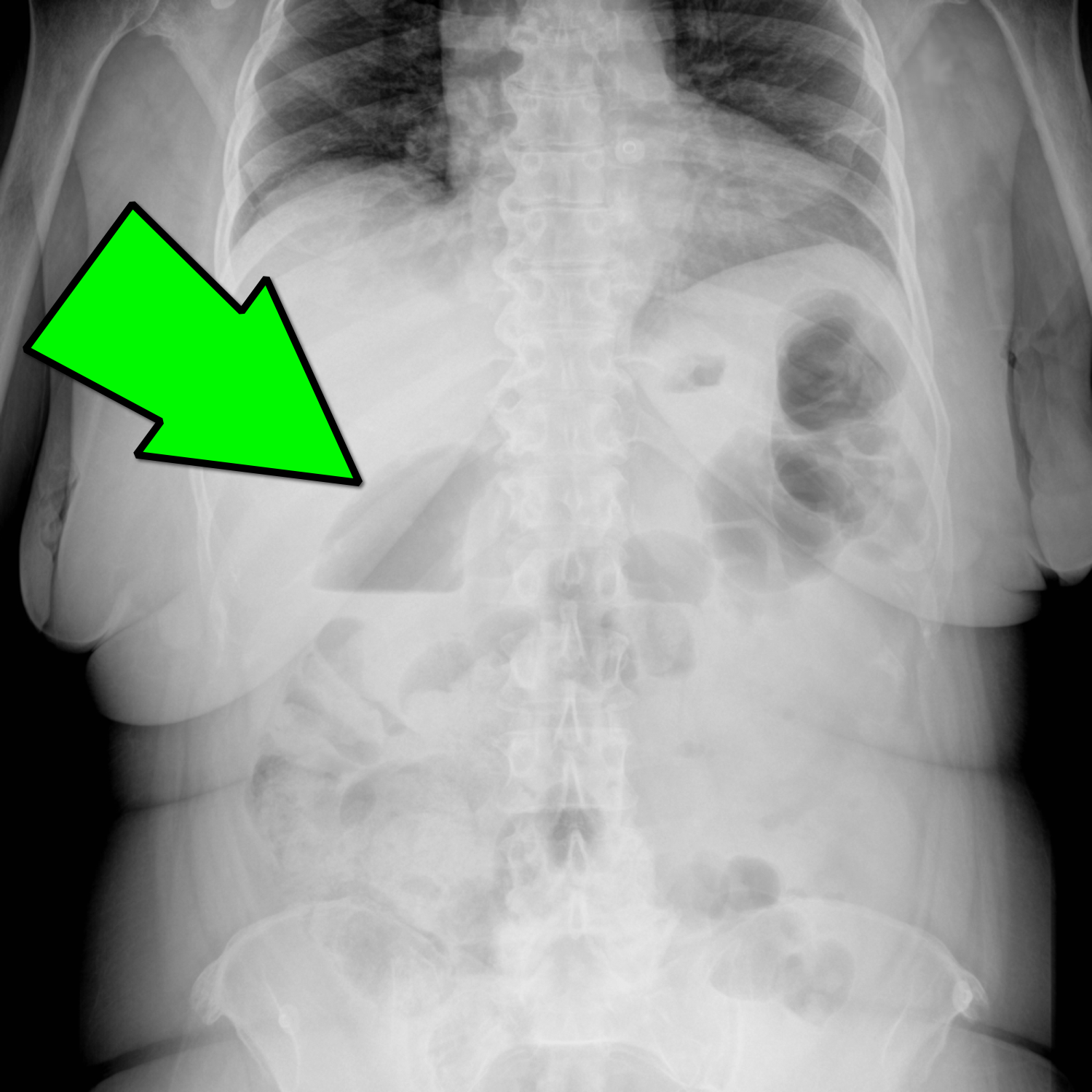
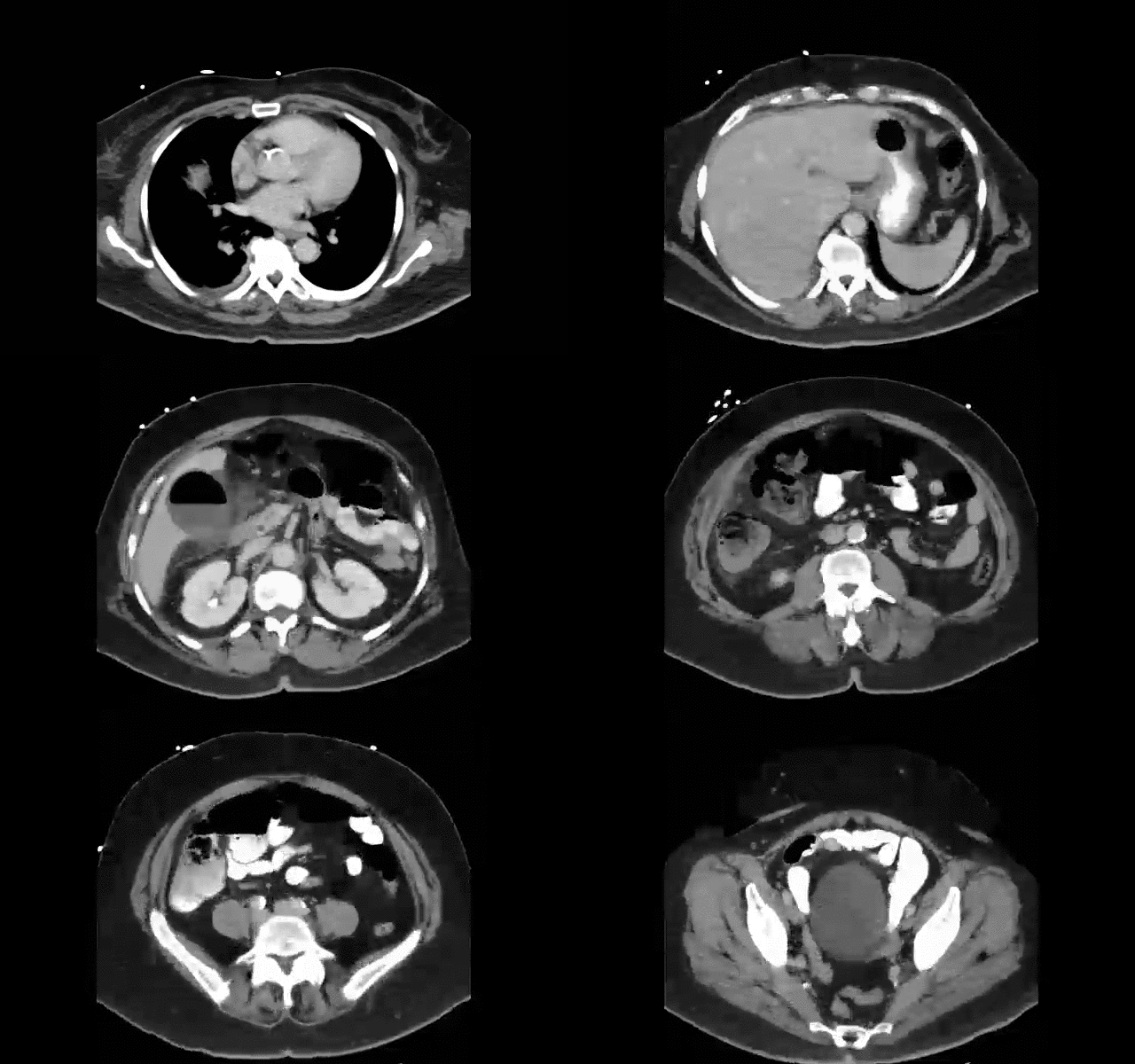
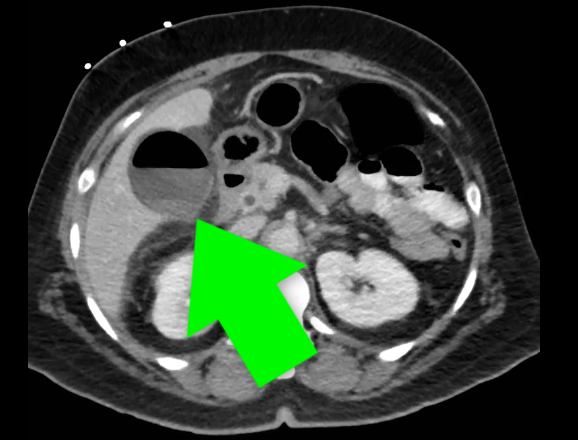
65 year-old diabetic patient presents with abdominal pain. What's the abnormality on Xray?
Show Answer
Show References
Question
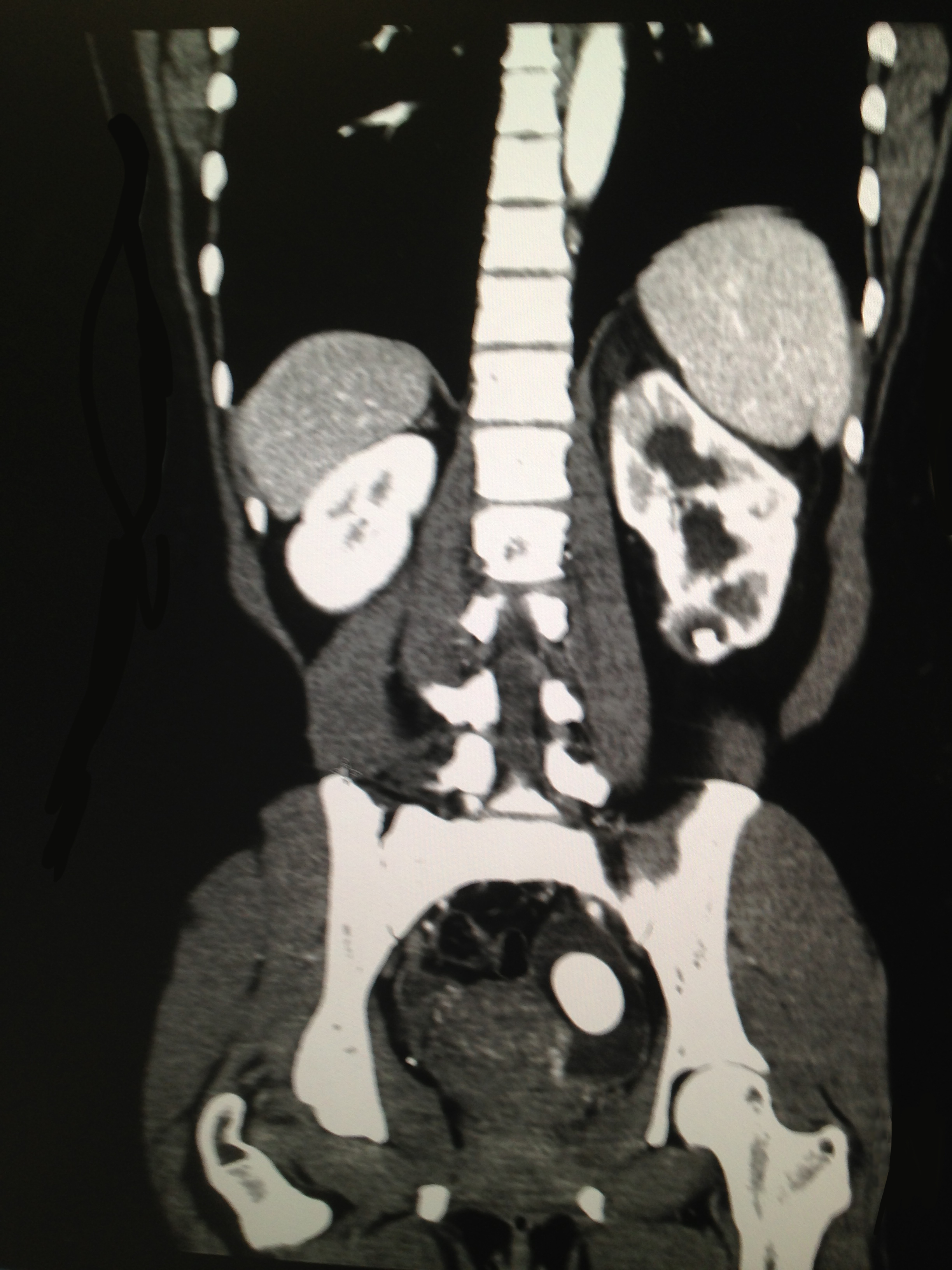
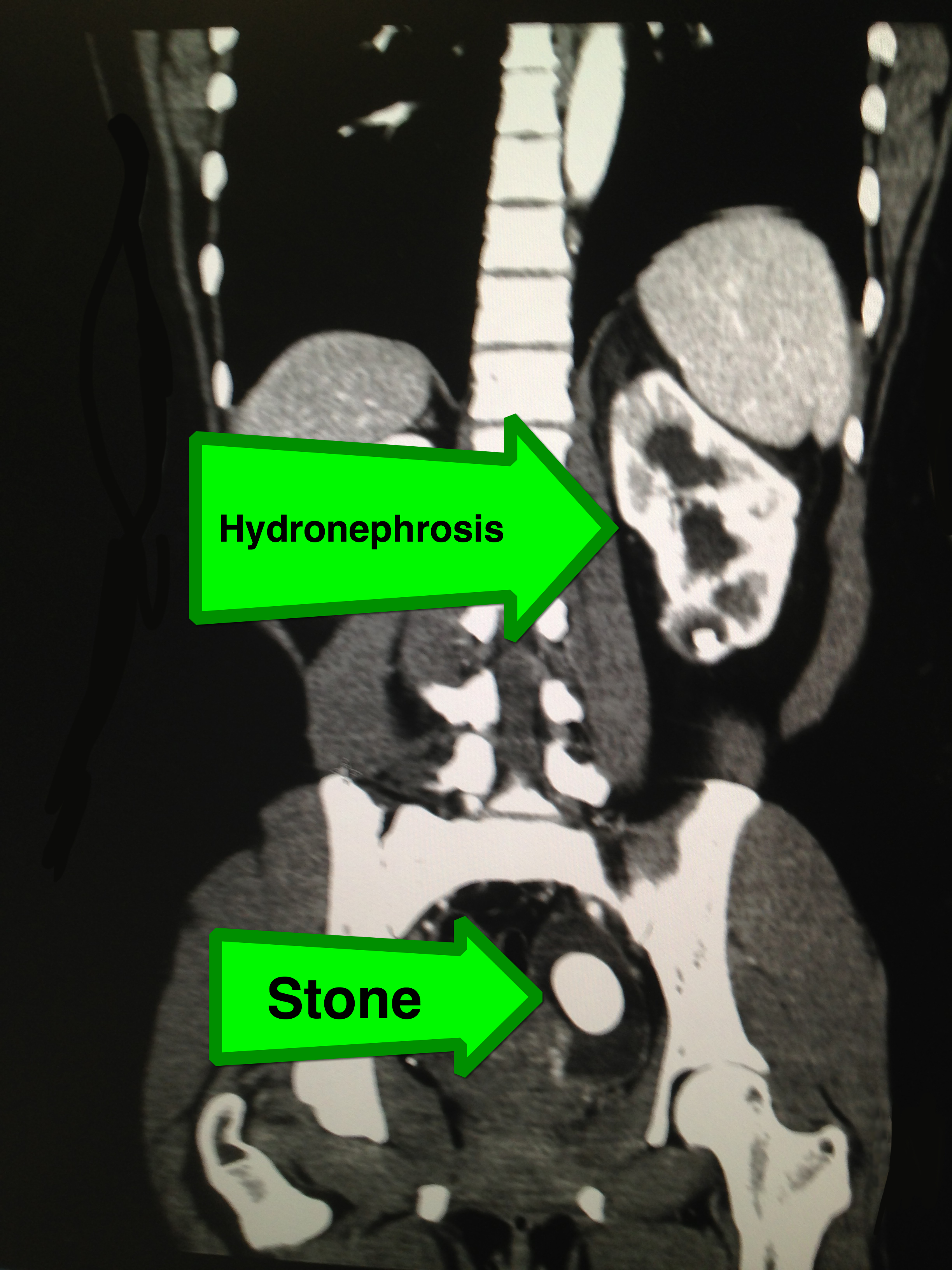
27 year-old female with no past medical history presents with sudden onset of left lower quadrant pain. What's the diagnosis?
Show Answer
Show References
Question
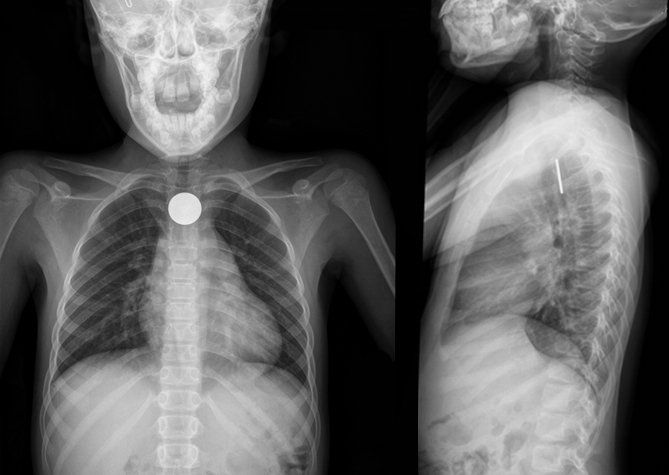
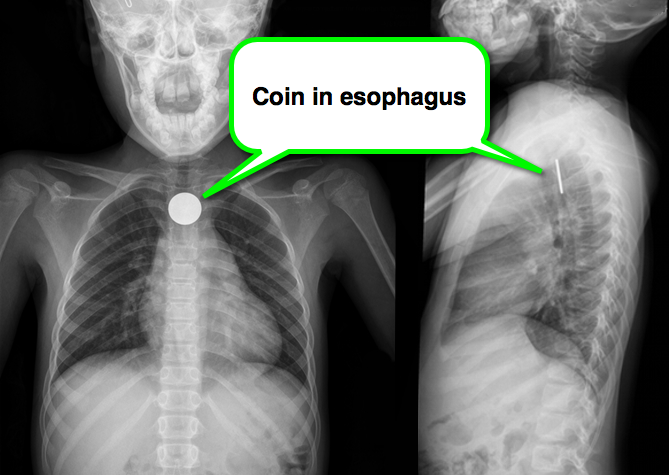
8 year-old girl presents with dysphagia and drooling, Xray is shown. What’s the diagnosis (and where is it located)?
Show Answer
Show References
Question
This week's case is challenging, but very interesting...
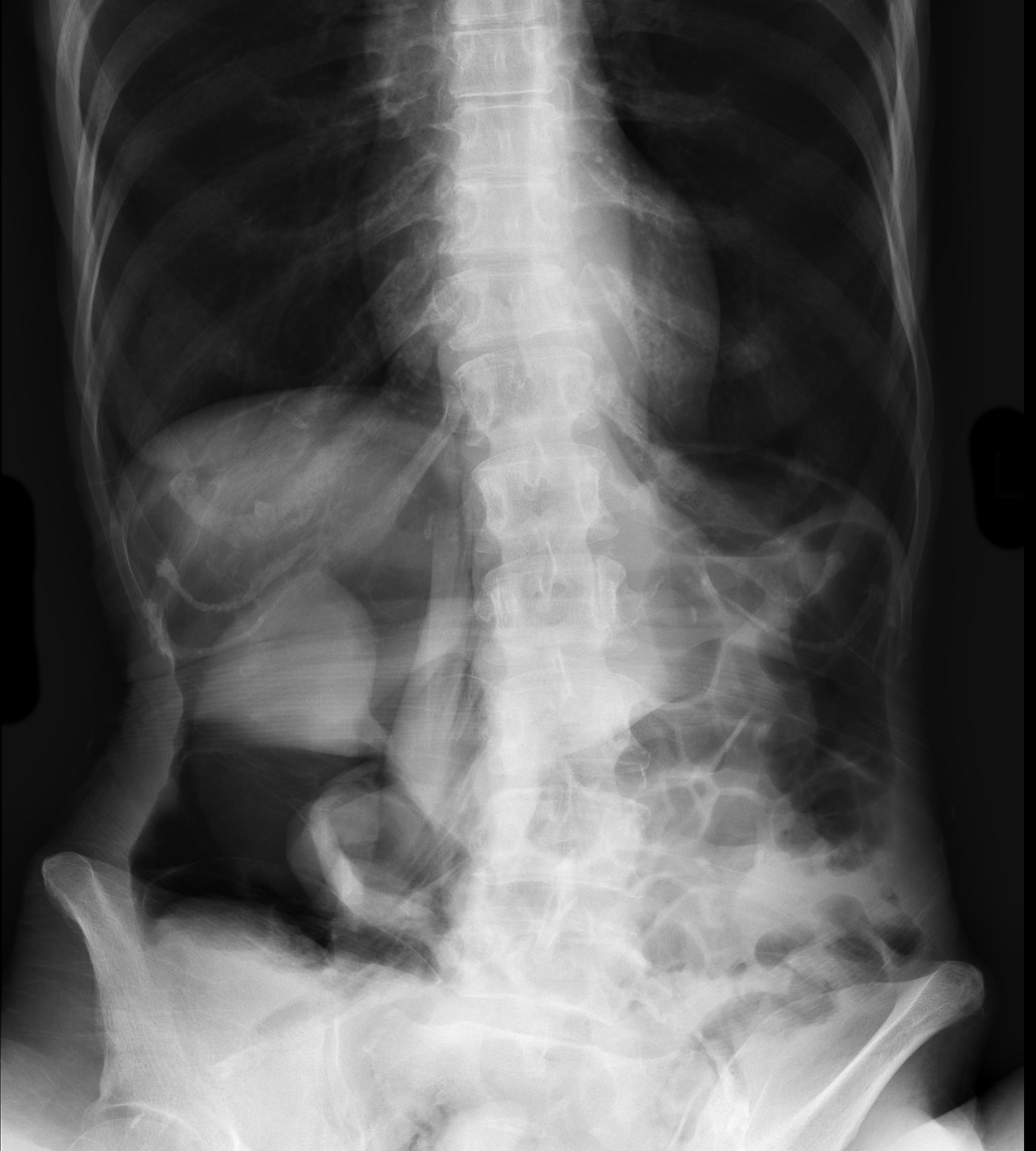
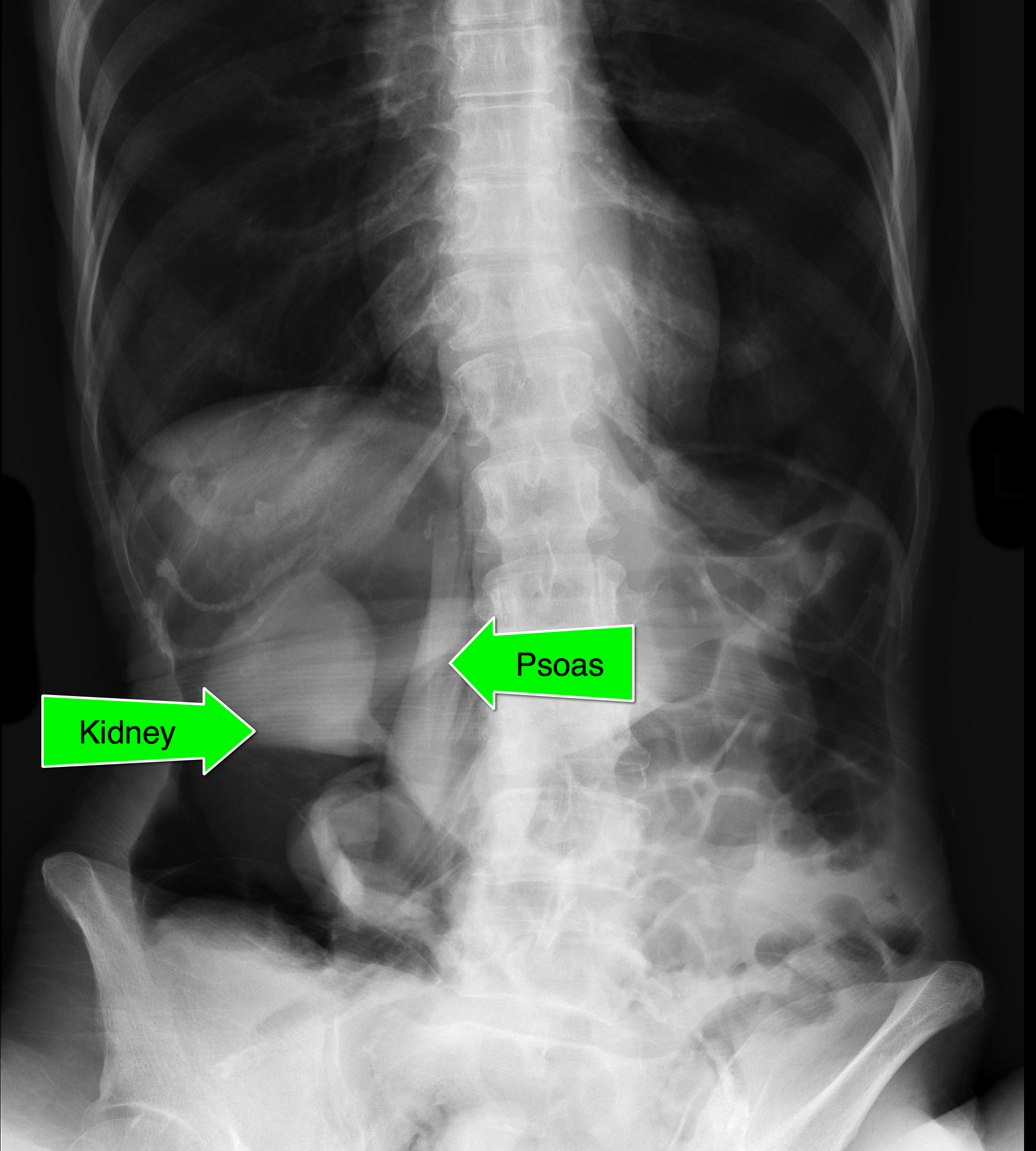
An elderly patient presents with a history of significant weight loss and chronic constipation; abdominal Xray is below. What's the diagnosis? (Hint: why is the right kidney and psoas muscle so well defined?)
Show Answer
Show References
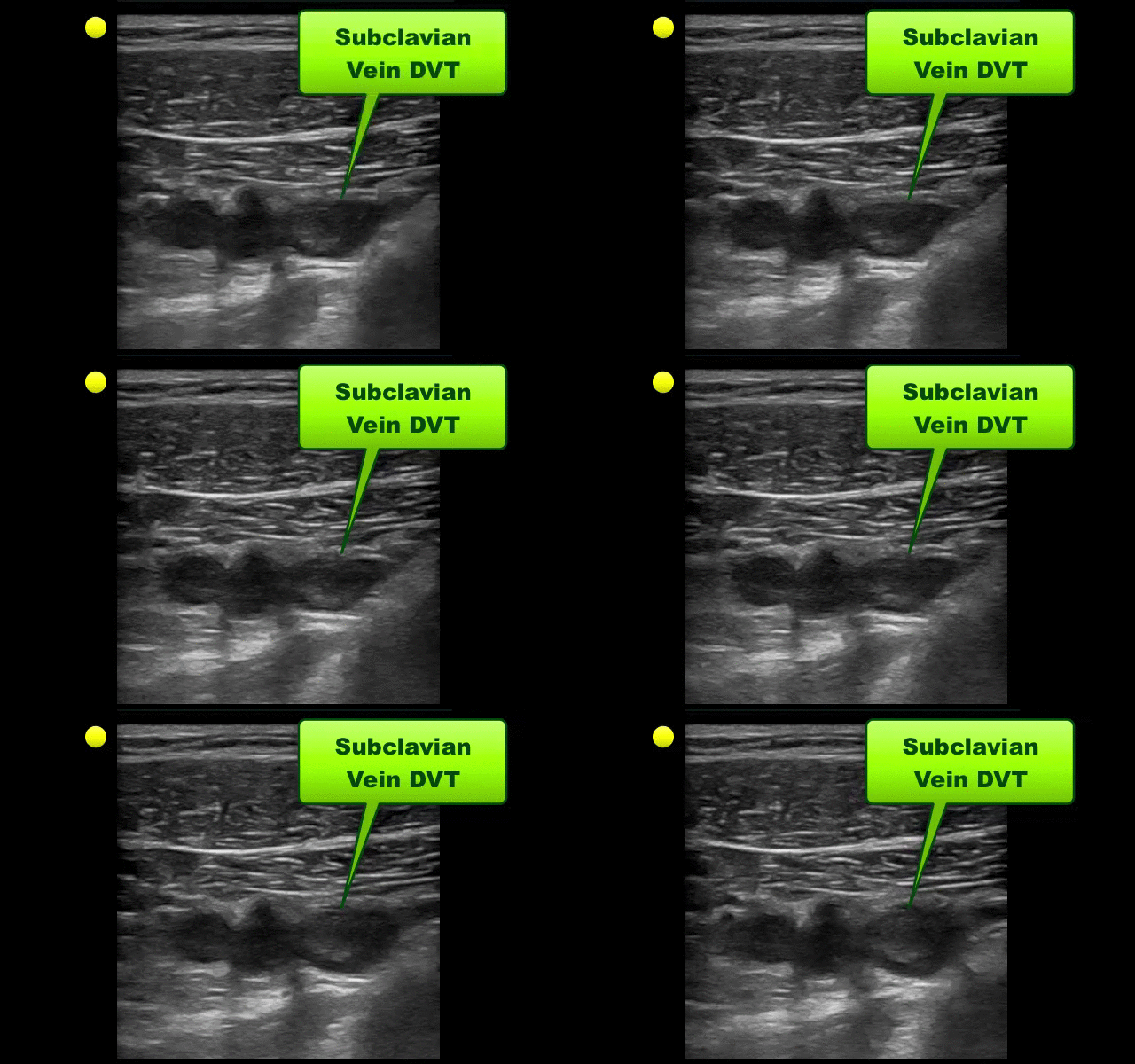
UEDVT comprise 10% of all DVTs (majority are lower extremity), but incidence of UEDVT is rising; UEDVTs are categorized into distal (veins distal to axillary vein) or proximal (from superior vena cava to axillary vein)
Compared to lower extremity DVT, UEDVTs have lower:
- mortality
- risk of pulmonary embolism
- rates of recurrence
75% of UEDVT are secondary (indwelling catheters, pacemakers, malignancy, etc.) and 25% are primary in nature; #1 primary cause of UEDVT is Paget – Schroetter disease
Up to 25% of patients with primary UEDVTs are eventually found to have an underlying malignancy; patients with idiopathic UEDVT should be referred for cancer workup
Treatment includes removal of the catheter (if no longer needed) and:
- anticoagulation (minimum of 3 months)
- consideration of thrombolytics, including catheter-directed administration
- mechanical thrombolysis (clot aspiration, fragmentation, etc.)
- surgical thrombectomy / venous bypass
Show References
Question
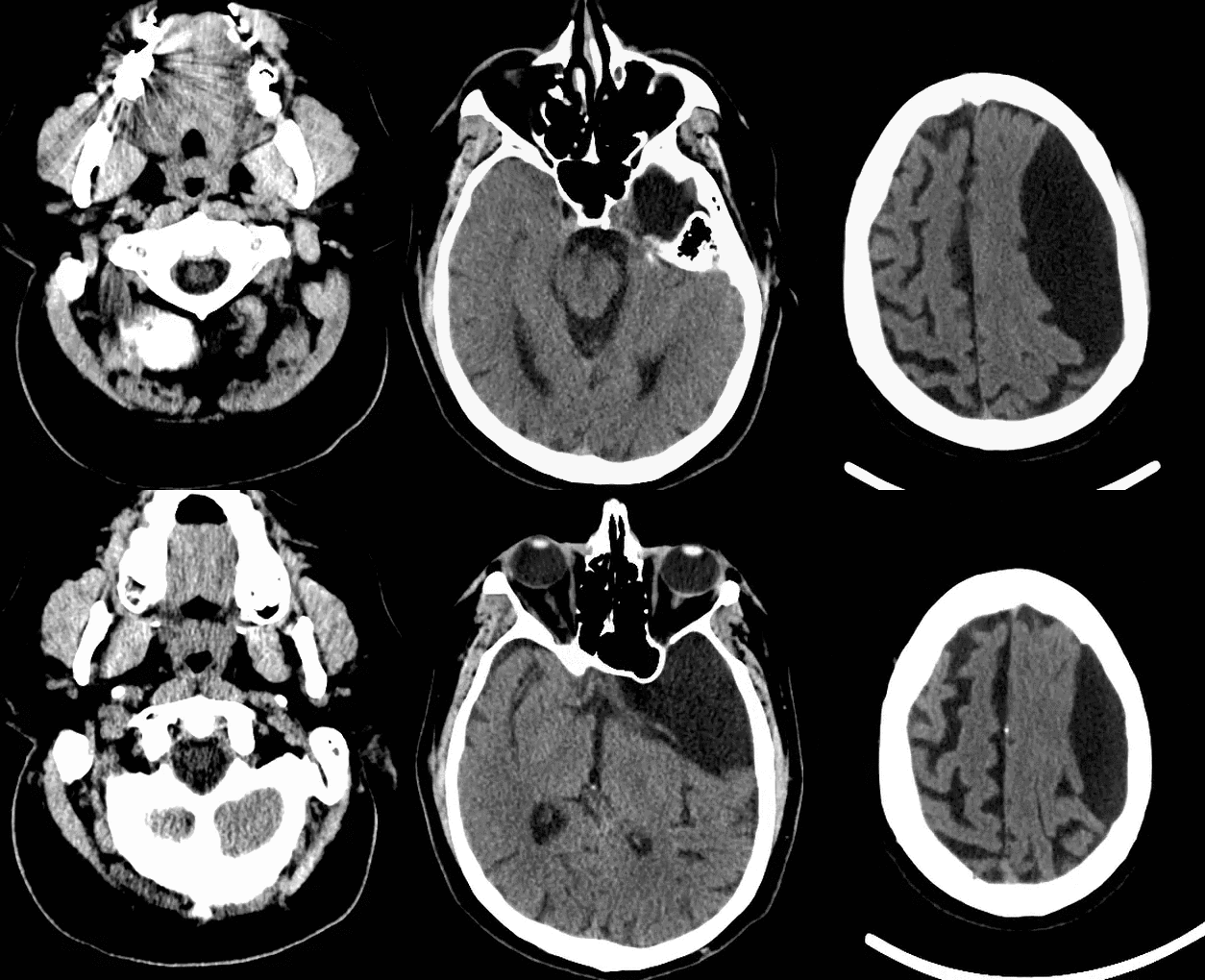
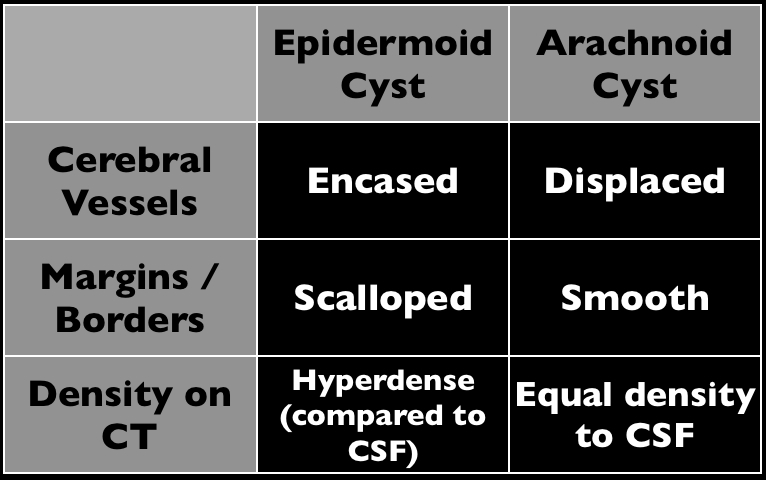
Elderly male presents with headache, confusion, and trouble with gait. What's in your differential diagnosis?
Show Answer
Show References
Question
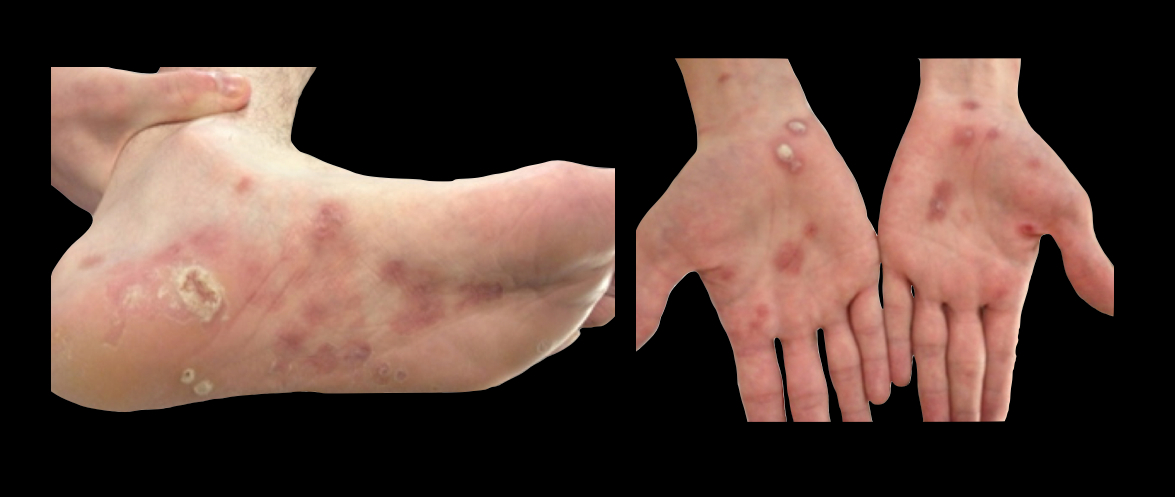
23 year-old patient presents with a rash on his palms and soles. He also states that he had a something strange on his genitals several weeks before. What's the diagnosis and what’s the treatment (including dosing) for this disease?
Show Answer
Show References
Question
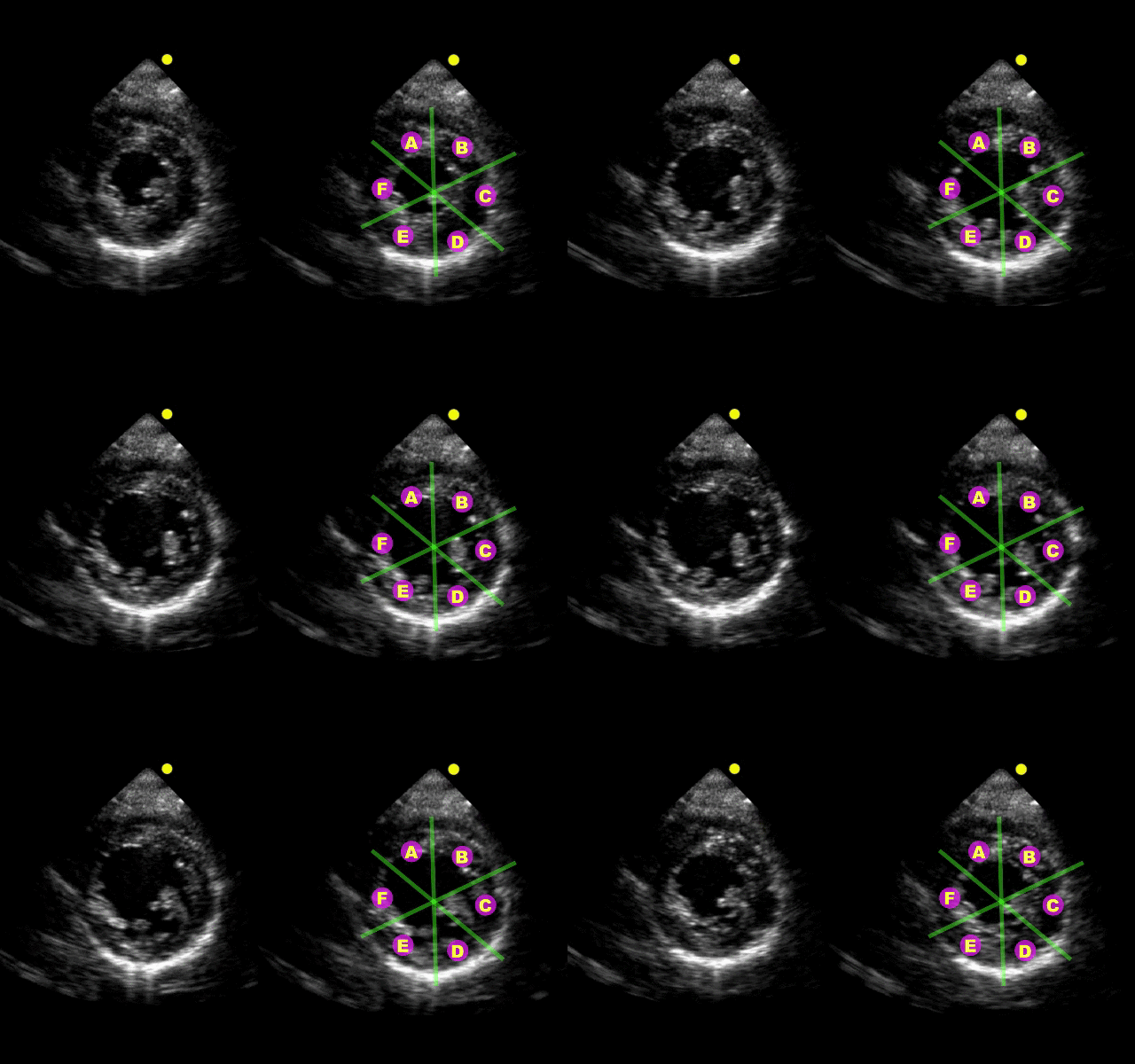
Which echocardiographic view of the heart is this and can you name all 6 segments of the left ventricle? (Hint: A = Anteroseptal wall)
Show Answer
Question
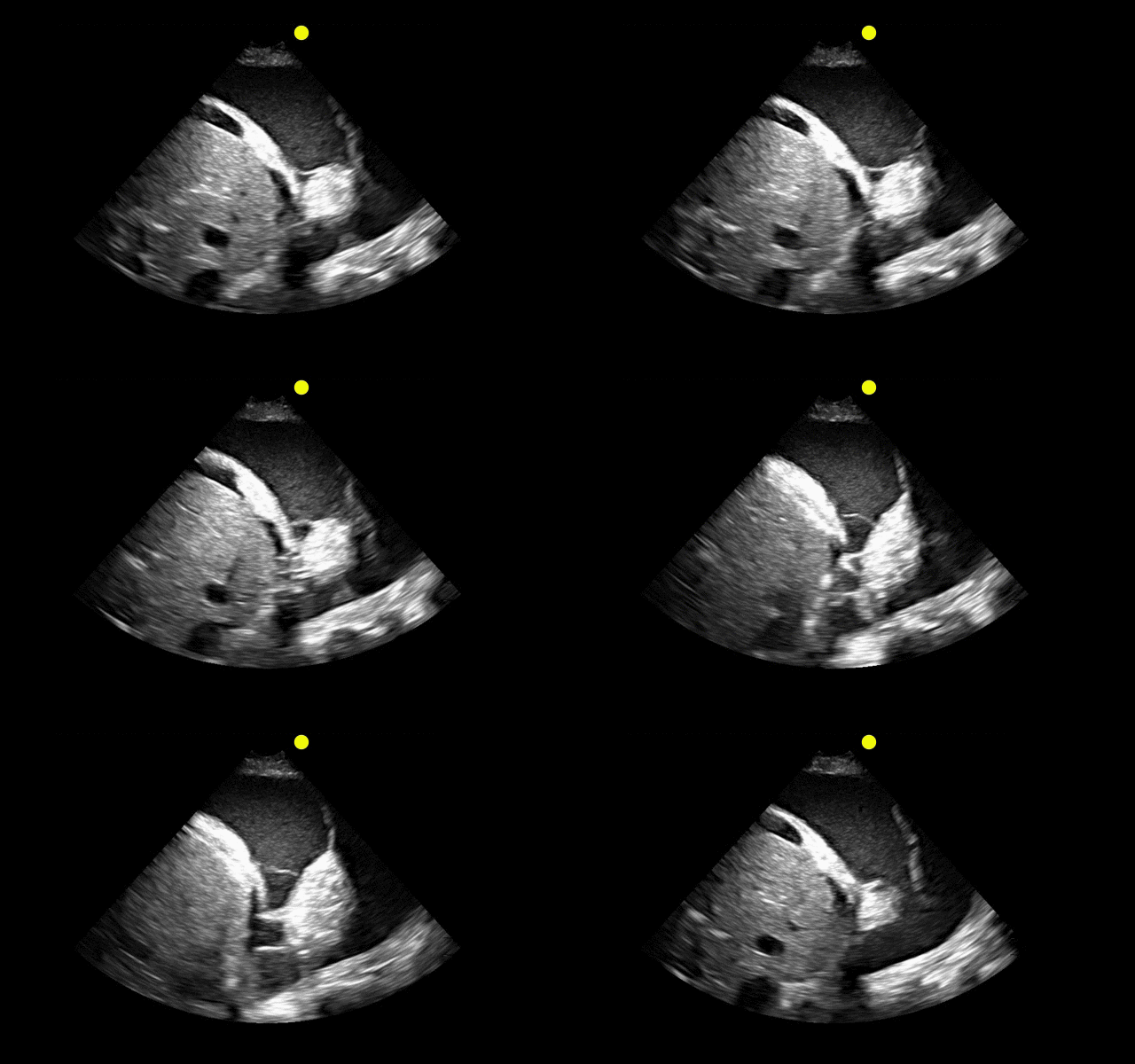
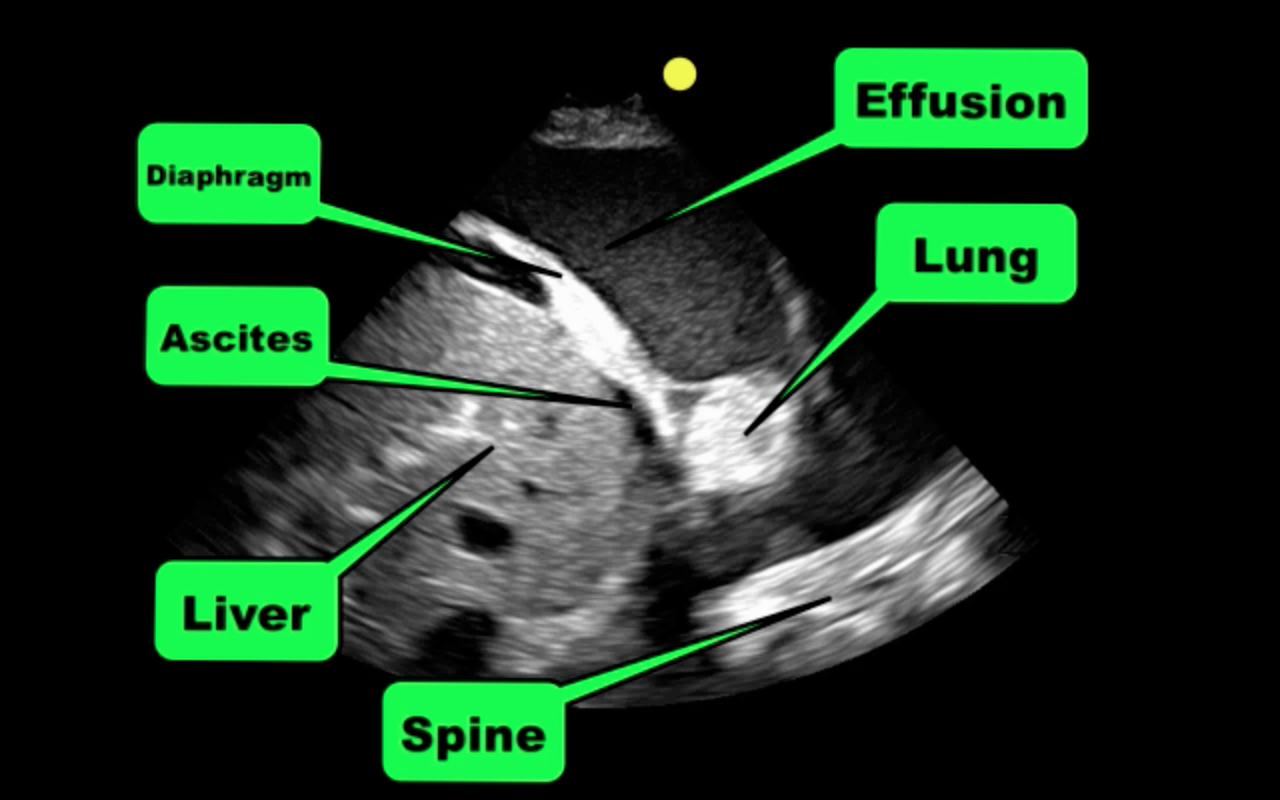
Patient with liver disease presents with dyspnea, fever, and the following ultrasound? What's the diagnosis? (Hint: there are two)?
Show Answer
Show References
Question
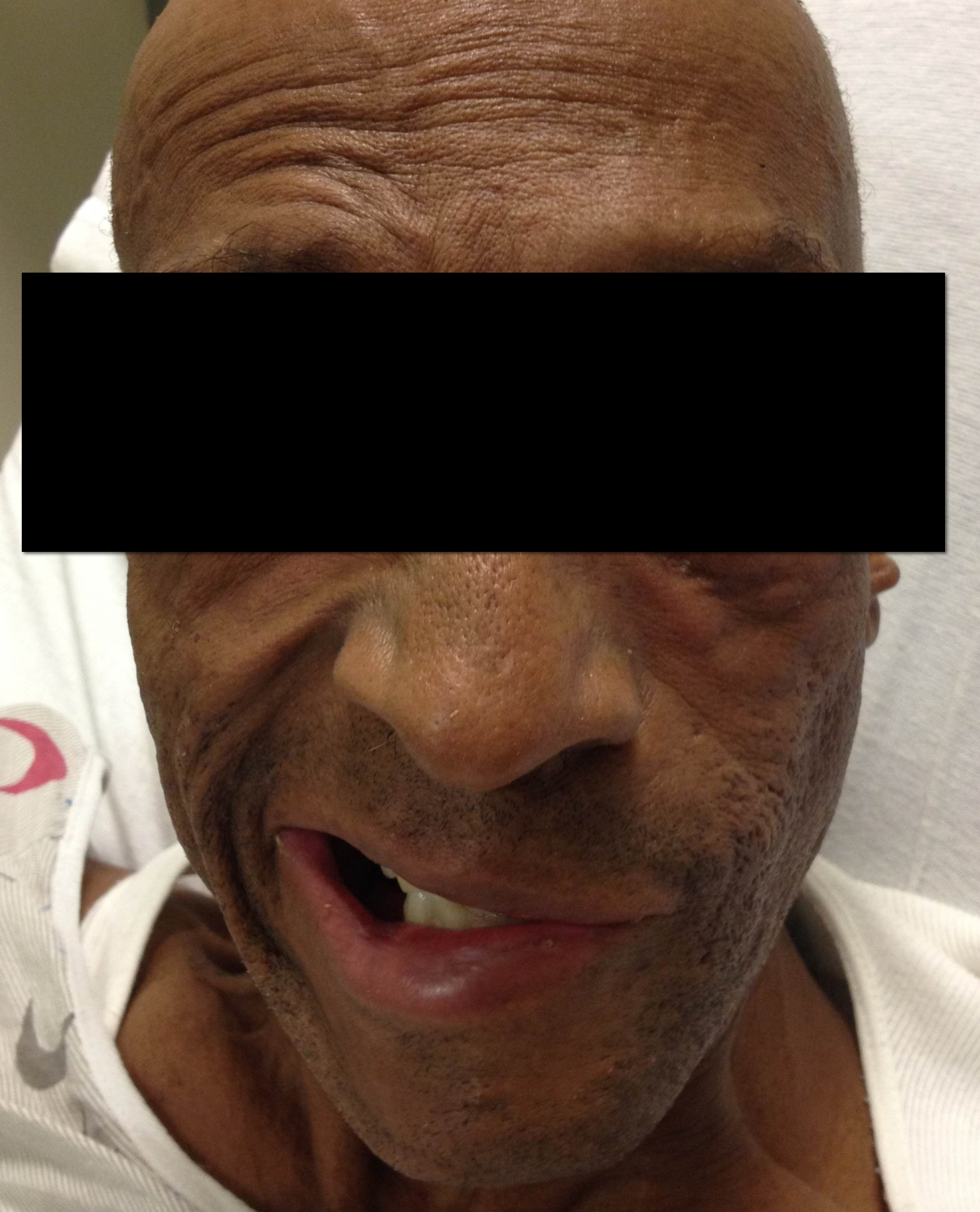
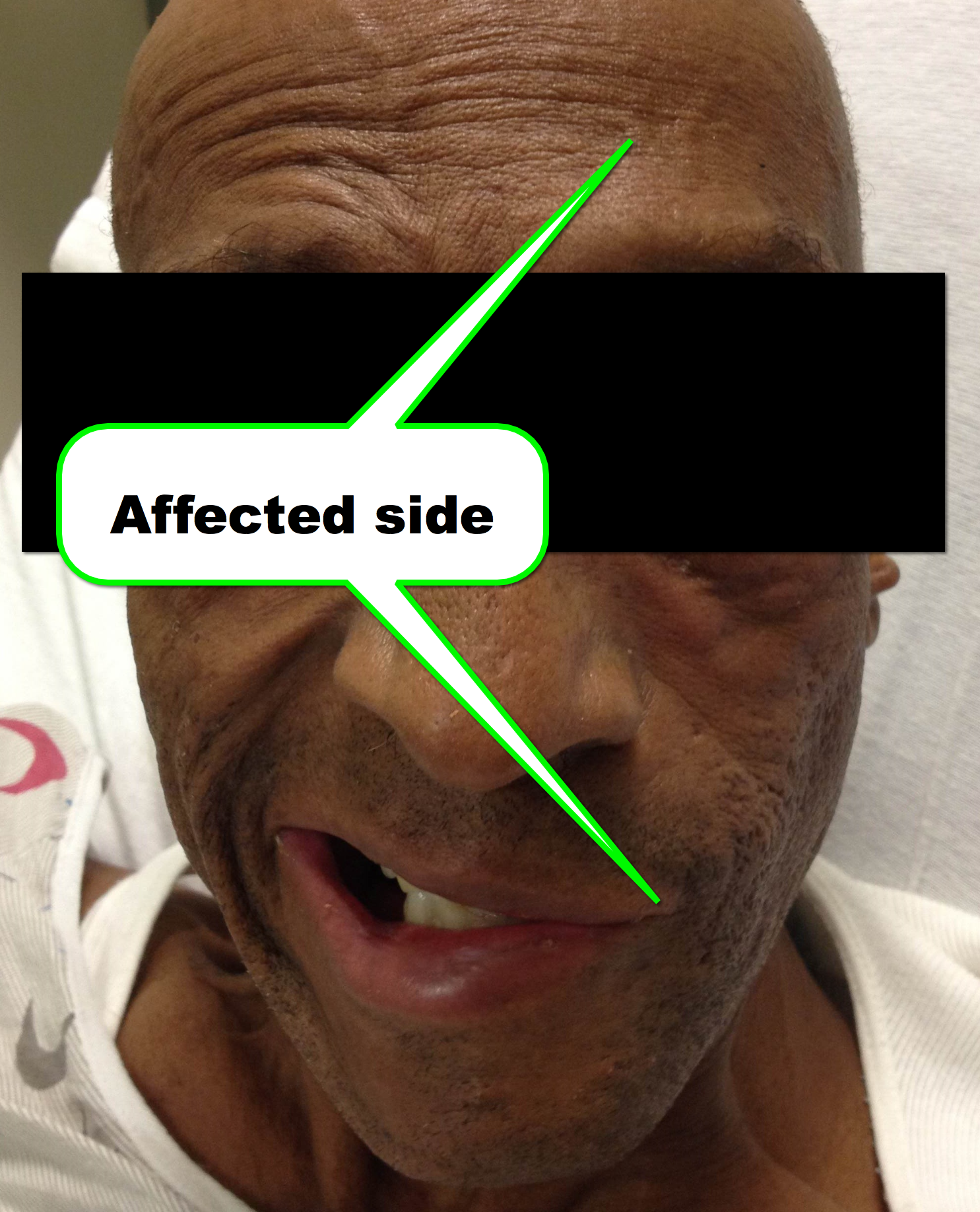
45 year-old man presents after he cannot close his left eye. In the photo below, he is trying to simultaneously raise his forehead and smile. Of note, he was also started on doxycycline recently for Lyme disease. What two medications should he receive?
Show Answer
Show References
Question
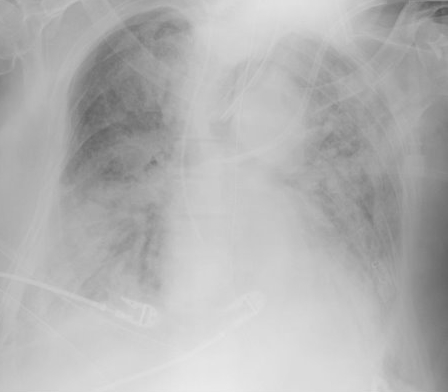
Elderly patient who originally presented for severe pancreatitis now intubated for worsening hypoxemia. CXR is shown below, what's the diagnosis?
Show Answer
Show References
Question
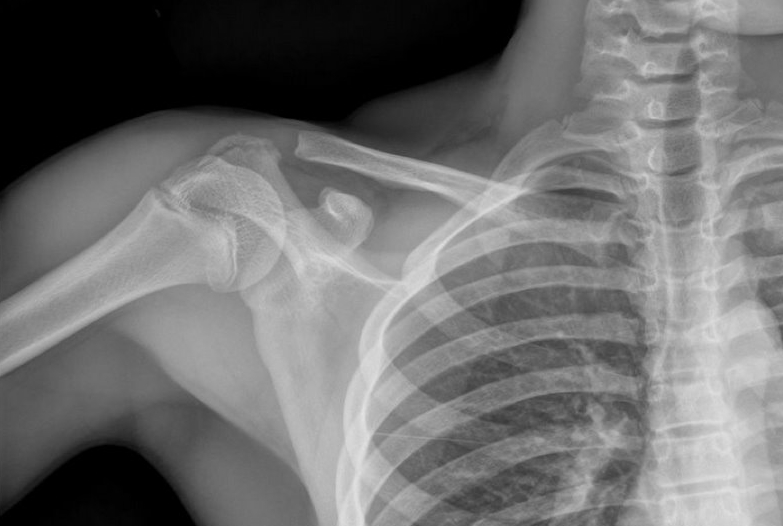
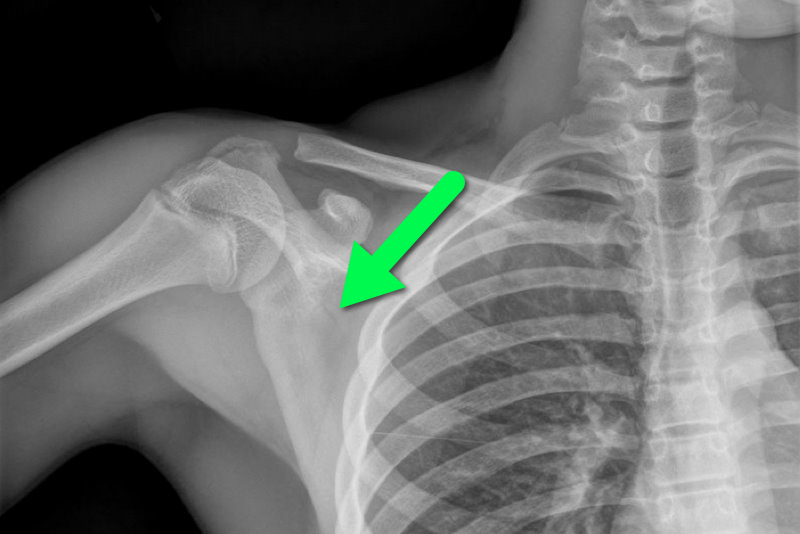
13 year-old female fell on right shoulder while catching a rebound during a basketball game. The patient is holding her arm in adduction and has exquisite scapular tenderness on exam. What’s the next step in management? …oh, and what’s the diagnosis?
Show Answer
Show References
Question
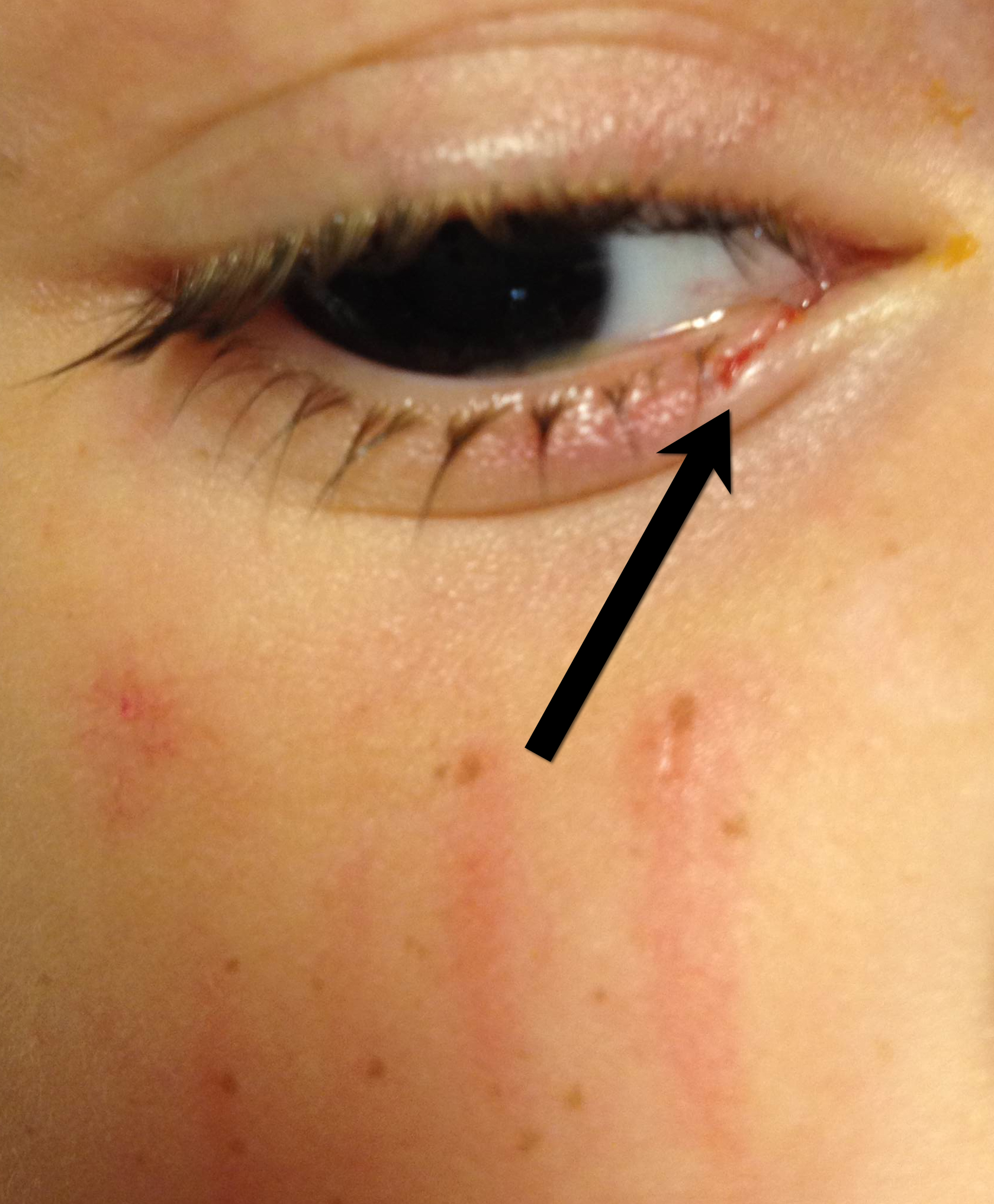
A 3 year-old boy was attacked by a dog and sustained the injury below. Name one injury that should be strongly considered (Hint: there are several)

Show Answer
Show References
COPD treatment guidelines (e.g., GOLD) recommend 10-14 days of steroid therapy following a COPD exacerbation to prevent recurrences; the supporting data is weak.
A recent noninferiority trial (here) compared patients with a severe COPD exacerbation who received either a 5-day course (n=156) or 14-day course (n=155) of prednisone 40mg.
The results were:
- No significant reduction in time until the next exacerbation (primary end-point)
- No significant difference in mortality, incidence of mechanical ventilation, FEV1, or dyspnea scores (secondary end-points)
What you need to know:
- This was a non-inferiority trial, which has limitations
- All subjects received broad-spectrum antibiotics and an initial dose of IV steroid
- Surprisingly, there were no differences between groups with respect to steroid complications (e.g., hyperglycemia, hypertension, etc.)
Bottom-line: 5 days of prednisone may be as effective as 14-days for COPD exacerbations.
Show References
Question
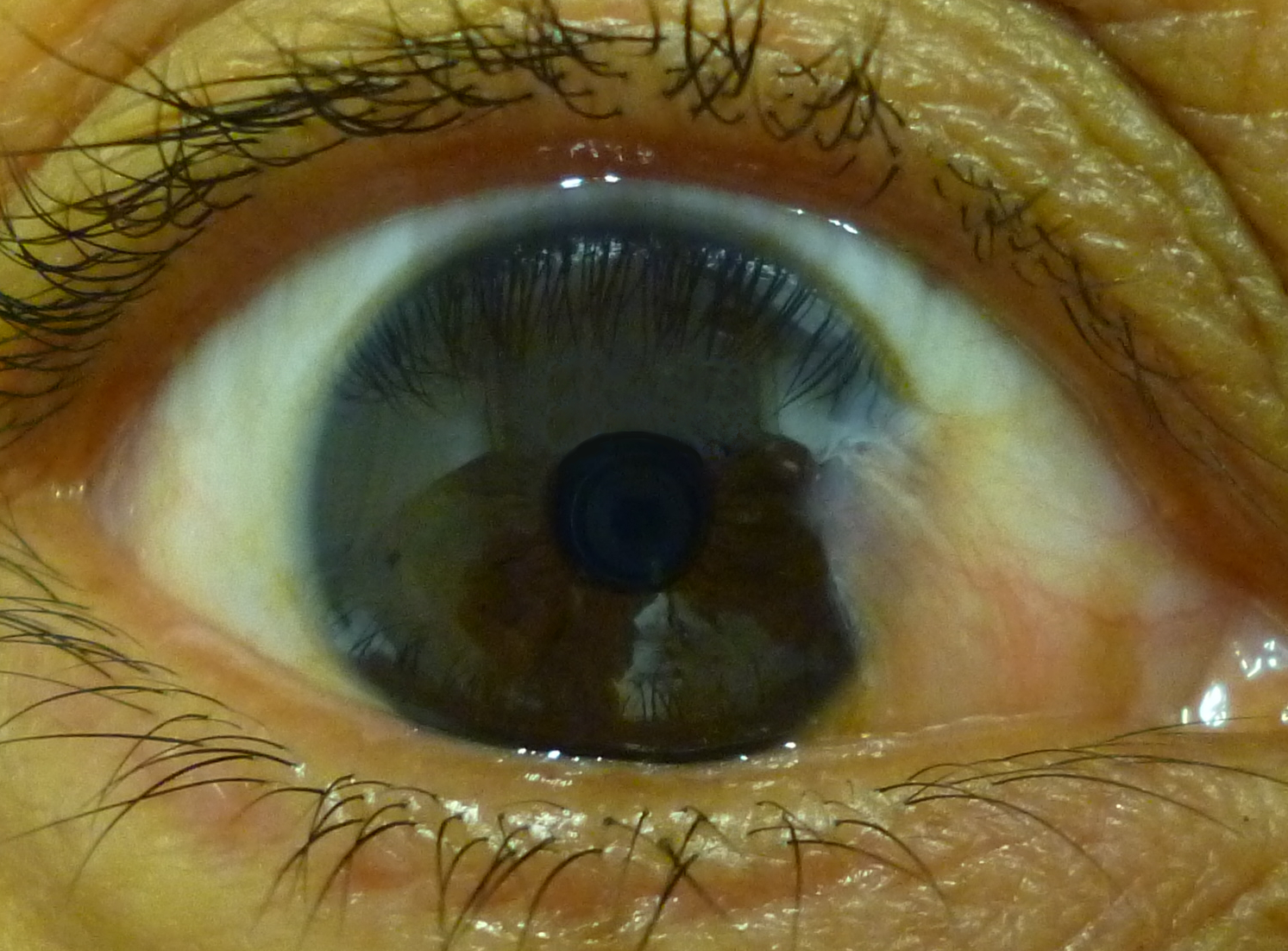
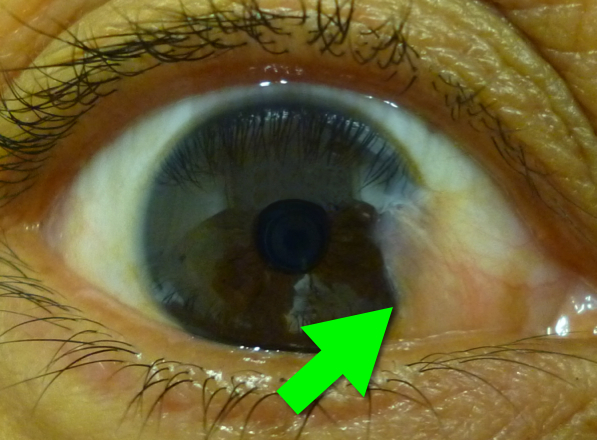
46 year-old female presents with a headache. The following is seen on visual inspection of the eye. What's the diagnosis?
Show Answer
Show References
Question
3 year-old male develops rash 5 days after starting amoxicillin for acute otitis media. What's the diagnosis?

Show Answer
Show References
Hydroxyethyl starch (HES) is a colloid used for volume resuscitation in critically-ill patients.
Previous studies (click here) have compared crystalloids to HES during fluid resuscitation and have demonstrated that HES has an increased cost with more adverse effects. Adverse effects may include:
- Coagulopathy
- Acute kidney injury
- Increased mortality
In the United States, the Federal Drug Administration published a warning on June 24th 2013 with respect to the use of HES in critically ill adult patients. Specifically, it warned about the use of HES in patients,
- with sepsis
- with pre-existing kidney injury
- admitted to the ICU
- undergoing heart surgery with cardiopulmonary bypass
If a decision to use HES is made, the FDA warning advises to:
- discontinue use of HES at the first sign of renal injury or coagulopathy
- continue to monitor renal function for at least 90 days (all patients)
Bottom line: With an increased cost and evidence of harm compared to crystalloids, it appears the indications for use of HES are rapidly declining.
Show References
Question
65 year-old male presents with nausea and diffuse abdominal pain, 3 days after knee replacement surgery. What's the diagnosis?