
Search
- Encephalitis, inflammation of the brain, is associated with the following signs and symptoms: fever, headache, altered mental status, neurologic deficit, hallucinations, behavioral changes, photophobia, seizures, neck stiffness (when associated with meningitis), preceding viral prodrome, recent mosquito/tick/animal bites, and/or immunocompromised state/use of immunosuppressant medications.
- The presence of focal neurologic deficit and/or altered mental status is more predictive of encephalitis than meningitis.
- The emergent management goal is to rule out and/or empirically treat bacterial meningitis and other treatable infectious sources such as Herpes Simplex Virus (HSV), Varicella Zoster Virus (VZV), and Cytomegalovirus (CMV); these carry significant mortality and morbidity risks. Remember to have patient's cerebrospinal fluid (CSF) specifically analyzed for etiologies such as these (i.e. via PCR).
- Treat presumed encephalitis aggressively by adding acyclovir to the antibiotic/steroid regimen administered, particularly when there is altered mental status and/or focal neurologic deficit.
Fungal Sepsis in the Critically Ill
- In recent years, the incidence of invasive fungal infections has risen dramatically.
- Candida species (C. albicans, C. glabrata, C. parapsilosis, C tropicalis, C. krusei) account for the majority of invasive infections in the critically ill patient.
- Key risk factors for invasive candidal infections include:
- Exposure to broad spectrum antibiotics
- Cancer chemotherapy
- Indwelling catheters
- TPN administration
- Neutropenia
- Hemodialysis
- Given the significant mortality of invasive fungal infections, early and appropriate antifungal therapy is paramount.
- First-line empiric antifungal therapy recommendations from the Infectious Disease Society of America include caspofungin, micafungin, or fluconazole. Amphotericin B is now reserved for patients who are either intolerant or not responding to the echinocandins (caspofungin, micafungin).
Show References

Approximately 7-10% of cases of ACS are not related to atherosclerotic coronary disease. Some other causes of ACS include the following:
trauma
vasculitis
congenital abnormalities
emboli (e.g. bacterial)
thoracic aortic dissection
infectious diseases
DIC, TTP
These conditions can produce ST-segment changes that resemble those of true STEMI or non-STEMI, and therefore some of these patients are diagnosed retrospectively after a negative catheterization.
Show References
Sugar Tong Splint
The sugar tong splint is ideal for splinting fractures of the radius, ulna, or wrist. It prevents flexion and extension at the wrist, limits flexion and extension at the elbow, and prevents supination and pronation. A posterior long arm splint does not prevent supinaton and pronation, therefore, it is of limited use for radius and ulna fractures.
The traditional sugar tong can be difficult to put on a patient without an assistant as it is often hard to hold the splint in position as you begin to ace wrap it. A variation on the sugar tong, the reverse sugar tong, prevents this frustration. The splinting material is cut so that a small piece suspends the splint from the web space between the thumb and index finger. The open ends at the elbow are also easily folded under each other, preventing any bulky splint material from extending out.

The reverse sugar tong is on the left, the original sugar tong on the right.
Check out this video showing how to place a reverse sugar tong splint.
http://www.youtube.com/watch?v=r-RHdttOMf0
- The thrombin clotting time (TT) directly assesses the activity of direct thrombin inhibitors (like dabigatran), and displayes a linear dose-response curve over therapeutic concentrations. At high levels, the test frequently exceeds the maximum measurements.
- The PT and INR are less sensitive and cannot be recommended.
- The activated partial thromboplastin time can provide qualitative assessment of anticoagulant activity but is not sensitive at supratherapeutic doses.
Show References
- Delirium is a symptom, not a diagnosis; the astute clinician must seek to discover and treat the underlying source of delirious states.
- It is a transient cognitive condition associated with decreased attention span and waxing and waning symptoms.
- Three types: (1) Hyperactive, (2) Hypoactive, (3) Mixed (daytime somnolence, nighttime agitation).
- In young patients, the cause is commonly due to toxins or trauma, while that for the elderly is typically infection or medication related.
- Five critical causes of delirium that must be recognized and treated immediately:
- Hypoxia
- Hypoglycemia
- Central nervous System infections
- Hypertensive encephalopathy
- Increased intracranial pressure
Show References
-
Multiple methods of confirming endotracheal tube placement exist, however quantitative waveform capnography is the most reliable method. Unfortunately this may not be immediately available at all medical centers.
-
Recent studies demonstrate that bedside ultrasound may assist in the detection of proper endotracheal tube placement.
-
The T.R.U.E. (Tracheal Rapid Ultrasound Exam) was demonstrated to be 99% sensitive, 94% specific, 99% PPV, and 94% NPV during intubation.
-
The basic exam involves placing a high-frequency linear-array probe on the anterior neck above the sternal notch and identifying the trachea and esophagus during intubation.
-
The following video is an example of what you DO NOT want to see during an intubation: http://www.youtube.com/watch?v=LvfThxhQ93A
Show References
Question
Patient presents with right-sided chest and shoulder pain....
What's the diagnosis?

Show Answer
Show References
If you're like me, you've been a bit confused about what exactly defines "coma" in the current recommendations for post-arrest hypothermia in "comatose" patients with return of spontaneous circulation. Fortunately, a recent NEJM article has helped clarify this by suggesting that hypothermia should be induced in these post-arrest patients with either:
- GCS < 8
- "patients who do not obey any verbal command at any time after restoration of spontaneous circulation and before initiation of cooling."
Naturally, if the patient was comatose before the arrest, don't bother.
Show References
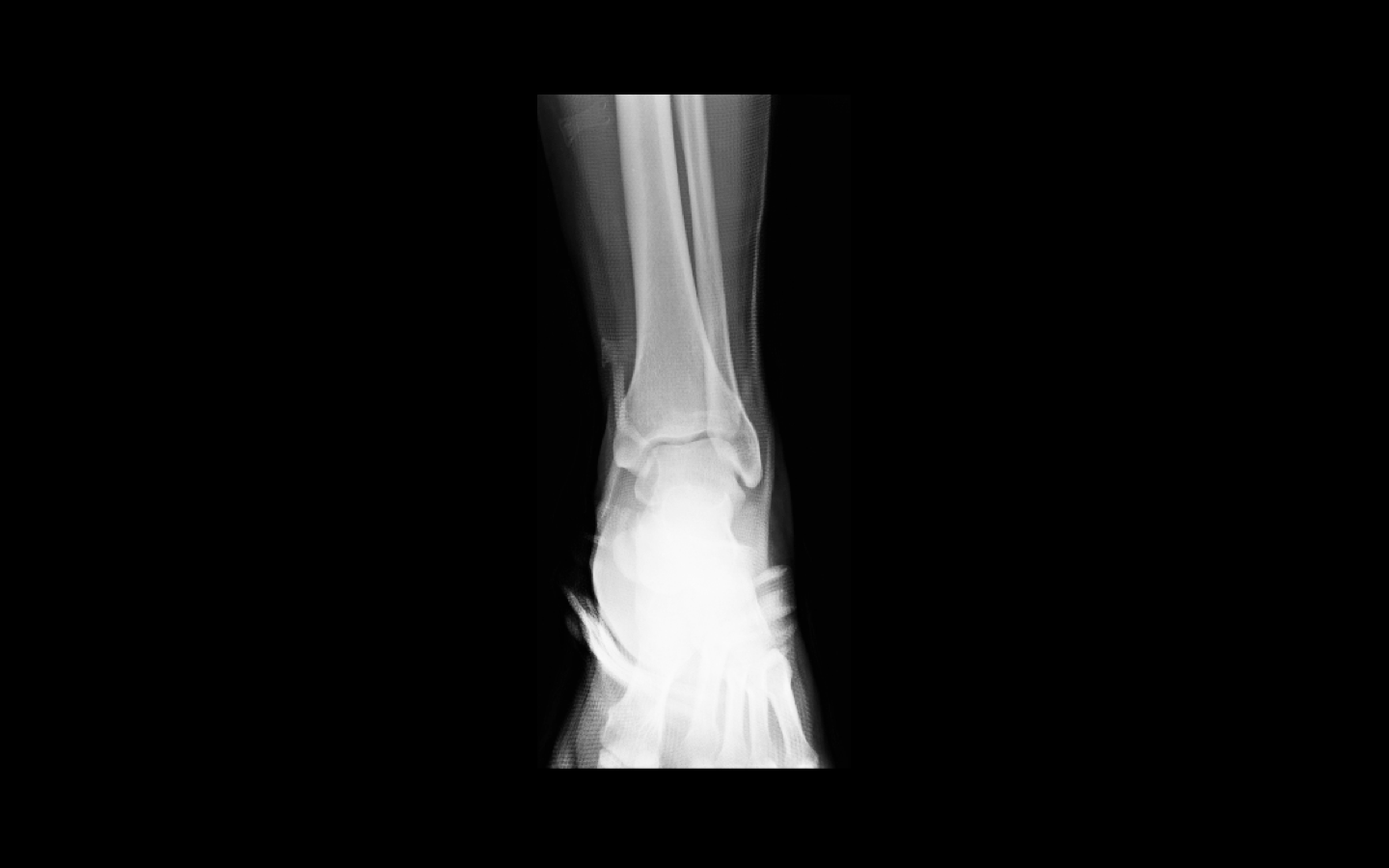
Stability from 4 major ligaments (ACL, PCL, MCL and LCL)
Knee dislocation causes injury to multiple ligaments (usually 3 of the above).
Many of these dislocation spontaneously reduce prior to medical evaluation. Therefore, consider knee dislocation in a patient with multi ligament injury, significant hemarthrosis and bruising.
Vascular injury in up to 40% (popliteal artery)
Nerve injury in up to 23% (peroneal nerve) ((ankle dorsiflexion and sensation to the first web space of the foot))
After reduction, immobilize knee in 15-20 degrees flexion.
The degree of initial deformity, presence of strong pulses, or warm skin cannot be used to rule out popliteal injury.
Show References
End Tidal CO2 continuous capnography is being utilized more in the ED for procedural sedation. One of the best studies is a randomized control trial using propofol that showed you could see signs of hypoventiliation prior to hypoxia by about 60 seconds - which can be plenty of time to get your BVM and airway cart ready.
Show References
- While validated diagnostic tools such as the NIH Stroke Scale are often very helpful, particularly in terms of communicating with Neurologists, there are tools such as the ROSIER (Recognition of Stroke in the Emergency Room) Scale which is a brief score designed to facilitate expedited diagnostic testing and treatment of stroke in the emergency department.
- The ROSIER Scale has been found to recognize stroke with 93% sensitivity, 83% specificity, 90% positive predictive value, and 88% negative predictive value.
- If the total score is > 0 (i.e. 1-6), then stroke is likely. If the total score is < or equal to 0, then stroke is unlikely, but can not be completely excluded.
- See attached ROSIER Scale for details.
Show References
Attachments
Re-expansion Pulmonary Edema After Chest Tube Placement
- Tube thoracostomy is a common procedure in the emergency department.
- For patients who develop respiratory distress after chest tube placement, think about re-expansion pulmonary edema.
- While a rare occurrence, re-expansion pulmonary edema is reported to have a mortality rate of up to 20%.
- The mechanism by which edema forms remains controversial, but is thought to be due to increased alveolar-capillary membrane permeability in the expanding lung.
- Treatment is supportive with supplemental oxygen and diuretics. Some patients may require mechanical ventilation depending on the degree of distress and hypoxia.
Show References
Question
79 y.o. male lung cancer patient with tachypnea, tachycardia, and normal blood pressure. Click here: http://vimeo.com/27973006
Possible diagnosis?
Show Answer
Show References
Elderly patients are high risk for missed MI because of atypical presentations. Though this seems to be relatively common knowledge, it is not always remembered. So here's a reminder....
- Elderly patients present with chest pain during their MI only ~ 50% of the time
- Dyspnea is the most common anginal equivalent (alternative complaint). Other common anginal equivalents are syncope, nausea, vomiting, or diaphoresis
- The ECG in elderly patients with AMI is more frequently non-diagnostic. Only 40% of the time do they present with a STEMI, and when they do have ST elevation it may be less elevation than with younger patients. Furthermore, baseline abnormalities such as BBB, pacers, and prior MIs may make the ECG more difficult to interpret.
Show References
Infantile botulism
If you think the controversy was just heating up for propofol use in the Emergency Department, just wait until the new agent begins arriving to an ED near you - fospropofol. A new water soluble version of propofol, this agent will remove the problems of pain at the injection site, an easier/wider therapeutic window for sedation and allowing of long-term sedation without the heavy lipid load.
Currently, there is limited FDA approval in the US for monitored anesthesia care. I am waiting for the first paper showing its use in the ED for procedural sedation. Safety data is still growing.
Mini-pearl: Patients allergic to soybean should either avoid propofol or undergo skin testing since the emulsion is made of soybean oil and egg lecithin. There have been reported cases of anaphylaxis after administration of propofol in patients with food allergies, peanut and birch.
Show References
- The astute clinician should know the common causes of increased intracranial pressure (ICP) in order to recognize and treat this condition early.
- Below is a brief differential diagnoses for increased ICP due to structural abnormalities:
- Tumor - more likely if in lateral ventricles, posterior fossa, or intraspinal.
- Spina Bifida - blocked cerebrospinal fluid (CSF) flow may cause Chiari Malformation II.
- Congenital Aqueductal Stenosis - associated with mental retardation, abducted thumbs.
- Craniosynostosis - results from premature closure of skull sutures.
- Dandy-Walker Syndrome - cystic deformity of fourth ventricle, hypoplasia of cerebellar
vermis, and enlarged posterior fossa.
- Arachnoid Cyst - common locations include middle and posterior fossa.