
Search
Carcinoid tumors are neuroendocrine malignancies typically located in the GI tract; most commonly in the terminal ilium and appendix.
Carcinoid tumors produce serotonin, histamine, bradykinin, and/or prostaglandin that result in diarrhea, facial flushing, or bronchospasm. These vasoactive substances may also lead to hypotension and vasodilatory shock.
The tumor may also affect the tricuspid and pulmonary valves leading to right-heart failure secondary to valvular regurgitation, stenosis or both.
Treatment is directed at controlling the malignancy (e.g., octotrotide and tumor resection) as well as managing the right-sided heart failure when it occurs (e.g., inotropes, diuretics, vasopressors, etc.).
Show References
PPCM is diagnosed by echocardiography and increasingly confirmed and complemented with cardiac MRI after the ddx has been ruled-out i.e. pregnancy associated myocardial infarction, valvular heart disease, unrecognized congenital heart disease, hypertensive emergency, amniotic fluid or pulmonary embolism, or pre-eclampsia
Show References
There has been no link found between Sudden Infant Death Syndrome (SIDS) and an Acute Life Threatening Event (ALTE)
There are several factors that dispute previous claims of each being manifestations of the same disease state:
1) Timing: approx 75-80% of SIDS deaths occur between midnight and 6 AM; 80-85% of ALTE occur between 8 AM and 8 PM
2) Prevention: Interventions to prevent SIDS (ex, “back to sleep”) have not resulted in a decreased incidence of ALTE
3) Risk factors:
a. SIDS: prone sleeping, bottle feeding, maternal smoking
b. ALTE: repeated apnea, pallor, history of cyanosis, feeding difficulties
BONUS PEARL: A thorough history and physical will lead to the diagnosis for the source of the ALTE in 21%
Pertinent historical items: detailed bystander history of event (parents, EMS), activity and behavior prior to event and any past medical issues or medications (focus on GERD and pulmonary)
Pertinent physical exam: detailed neurological and cardiopulmonary system eval with focus on signs of non-accidental trauma (retinal hemorrhaging, bulging fontanel, bruising) as up to 10% of ALTEs involve some form of abuse
More and more people are going to holistic medicine and "naturopaths". These have been an interesting source of toxicology case reports due to therapeutic misadventures. Vitamins have been an ever increasing adjunct to these health philosophies. The following are the vitamins and their related toxicity in overdose:
Vitamin A: Pseudotumor cerebri, increase ICH, hair thinning, hepatotoxicity
Vitamin D: Hypercalcemia
Vitamin E: can antagonize vitamin K particularly in vitamin K deficient people, could result in coagulopathy
Vitamin K: problem if supplement contains this and patient on coumadin, ask patient
Vitamin C: Association with increased kidney stones though controversial
Balloon Tamponade for Variceal Bleeding
- Despite advances in pharmacology and endoscopy, placement of a balloon tamponade device is occasionally required to stabilize a patient with acute variceal bleeding.
- Currently, there are 3 devices available: the Linton-Nachlas (gastric balloon only), the Blakemore (gastric and esophageal balloons), and the Minnesota (gastric and esophageal balloons) tubes.
- The tube should initially be passed at least to the 50-cm mark and preferably to the maximum depth allowed by the length of the tube.
- Once the gastric balloon is inflated and correct position confirmed, traction must be applied to keep the gastric balloon engaged in the cardia and fundus of the stomach.
- An overhead pulley system is the preferred method to deliver traction. If you don't have weights for the pulley system, a 1-liter bag of crystalloid provides the desired 1.0 kg of traction.
This week's visual pearl is an interesting ultrasound of a psoas abscess submitted by Dr. Sa'ad Lahri. He is an Attending physician in the Emergency Department of the Khayelitsha Hospital in Cape Town, South Africa. The video quality is grainy, but it automatically replays so you can watch it a few times.
http://ultrarounds.com/ultrarounds.com/Visual_Pearl_May_14,_2012.html
Show References
[pearl provided by Dr. Semhar Tewelde]
Peripartum cardiomyopathy (PPCM) is a relatively rare idiopathic form of heart failure that occurs during the last months of pregnancy or the first months after delivery
Show References
Panner's disease refers to osteochondrosis of the capitellum.
Affects the dominant elbow of boys between the ages of 5 and 10
Associated with the repetitive trauma of throwing
Must be differentiated from osteochondrosis dissicans (occurs in the older child >13yo)
Hx: Intermittent pain and stiffness of the elbow. Better w rest, worse w activity.
PE: tenderness over capitellum w/ slight effusion. Loss of 20 degrees full extension
The articular surface of the capitellum appears irregular with areas of radiolucency.
Tx: Symptomatic treatment with rest. In severe cases a long arm splint/cast may be applied for 2-3 weeks.
http://www.ultrasoundcases.info/files/Jpg/org_34277-Afbeelding1.jpg
-
Ethylene glycol can result in elevated lactate concentrations secondary to hypotension and organ failure in severely poisoned patients. However, lactate production by these mechanisms tends to result in serum concentrations less than 5 mmol/L.
-
Unfortunately, higher lactate levels don't necessarily rule out ethylene glycol. The glycolate metabolite causes a false-positive lactate elevation when measured by some analyzers, particularly with whole blood arterial blood gas analyzers. Specific models implicated include: ABL 625, Radiometer ABL 700, Beckman LX 20, Chiron 865, Bayer (formerly Chiron) 860, Rapidlab (Bayer) 865, Integra and to a lesser extent, Hitachi 911 analyzers, but not the Vitros 950 or Vitros 250.
-
The degree of lactate elevation directly correlates with the concentration of glycolate present, and the artifact probably results from the lack of specificity of the lactate oxidase enzyme used in these machines.
Show References
Severe acute pancreatitis (SAP) is a life-threatening form of pancreatitis, with up to 30% mortality.
SAP may lead to hypovolemic shock (secondary to vasodilation and capillary leak), hypoxemia (from acute respiratory distress syndrome), and multi-organ failure.
Suspect SAP with signs and symptoms of pancreatitis plus any of the following:
- Hypotension
- Hypoxemia
- Elevated hematocrit (secondary to hemoconcentration)
- Metabolic acidosis
- Decreased ionized calcium
Treatment of SAP should focus on:
- Hemodynamic support including intravascular volume repletion
- Respiratory support to correct hypoxemia
- Screening for abdominal compartment syndrome (risk increased with SAP)
- Prophylactic antibiotics are not recommended
Show References
Question
An alcoholic patient presents with a cough, fever, and very foul smelling breath (worse than usual)
What's the diagnosis? And what are the risk factors?

Show Answer
Show References
Increasing literature over recent years has demonstrated that young women (1) DO have MIs, (2) present more atypically than men, and (3) are more often misdiagnosed than men. Two recent trials have now also confirmed that young women have a higher in-hospital mortality compared to men, even when properly diagnosed. They may be due to lack of aggressive workups or treatment, or perhaps other as-yet unidentified factors.
The takeaway points are simple: be very wary when women (incuding young women) present with any cardiopulmonary complaints or anginal equivalent-type symptoms; and treat them aggressively.
Show References
The American Geriatrics Society updated Beers Criteria for potentially inappropriate medication use in older adults is now available.
The update differs in several ways from the 2003 edition. Medications that are no longer available have been removed, and drugs introduced since 2003 have been added. Research on drugs included in earlier versions has been updated and new information is provided about appropriate prescribing of medications for an expanded list of common geriatric conditions.
Here is an abbreviated list of medications/classes on the list that we may use in the ED. Use caution.
- Anticholinergics
- Nitrofurantoin
- Clonidine
- Antidysrhythmics
- Digoxin
- Antipsychotics
- Benzodiazepines
- Insulin
- Metoclopromide
- NSAIDs
Show References
If vancomycin resistance is suspected with MRSA infections, there are several other antibiotic choices. They are all extremely expensive.
| Antibiotic | ORAL | Indication | Precaution |
| Telavancin | N | SSTI | May cause QT prolongation: Caution with azole antifungals, class III antiarrhythmics, antidepressants, antipsychotics. Interferes with coagulation tests. |
| Daptomycin | N | SSTI Bacteremia Endocarditis | Not for pneumonia. May cause rhabdomyolysis; Discontinue statins. |
| Linezolid | Y | VAP SSTI | Not for bacteremia. May cause serotonin syndrome; Caution with antidepressants, antipsychotics, tramadol, methadone. |
| Tigecycline | N |
Intrabdominal infections SSTI | Not for bacteremia. Inhibits clearance of warfarin. Reserve for polymicrobial infections. |
Skin and soft tissue infection (SSTI); ventilator acquired pneumonia (VAP)
SBP, HRS, and Albumin
- Spontaneous bacterial peritonitis (SBP) is the most common infection in patients with end-stage liver disease (ESLD).
- In critically ill patients, SBP can precipitate type 1 hepatorenal syndrome (HRS), which, if not treated, carries a mortality > 90%.
- Infusion of albumin at 1.5 g/kg at the time of SBP diagnosis (and a second dose of 1 g/kg on day 3) has been shown to significantly decrease the incidence of type 1 HRS and decrease mortality.
- In your next critically ill patient wth ESLD, strongly consider giving albumin at the time of SBP diagnosis.
Show References
Question
68 yo man presents with new-onset seizures; his CT is shown below. What is your differential diagnosis?

Show Answer

Here's some numbers to consider regarding typical radiation exposre associated with cardiac imaging tests relative to naturally occurring background radiation exposure:
Test type Relative exposure
Naturally occurring annual background radiation
exposure for a person living in the US (~ 3 mSv) 1
Coronary artery calcium score 0.5
Cardiac CT angiography 1-4
Nuclear stress test (single-photon emission CT) 3-4
Exercise treadmiil testing (with no imaging) 0
Cardiac MRI/echocardiogram 0
[above estimates are typical, but may vary between individuals and among different centers]
Show References
Luxatio erecta, aka inferior shoulder dislocation, is an uncommon form of shoulder dislocation (0.5-2%)
2 Mechanisms: 1) Forceful, direct axial loading of an ABducted arm.
2) Hyperabduction of the arm leads to impingement of the humeral head against the acromion, If forceful enough, this leverage can rupture the capsule and drive the humeral head downward, resulting in an inferior dislocation. This mechanism is more common.
Classic presentation: Arm locked in marked ABduction with the flexed forearm lying above the head.
http://uconnemig.files.wordpress.com/2011/11/emimages-8c.jpg

http://img.medscape.com/pi/features/slideshow-slide/sdrt/fig1.jpg
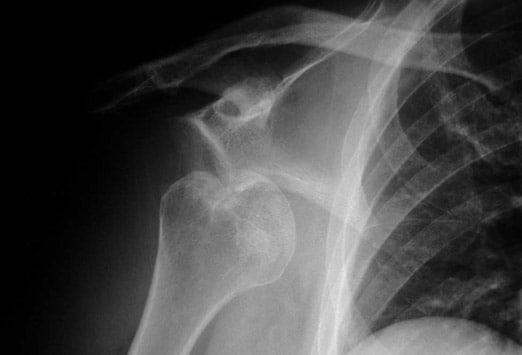
http://www.mypacs.net/repos/mpv3_repo/viz/full/76563/3828172.jpg

One may palpate the humeral head against the lateral chest wall
Bony injuries include fractures to surrounding structures such as the coracoid process, acromion, glenoid rim, clavicle, greater tuberosity and humeral head.
Nerve injuries include damage to the brachial plexus/axillary nerve (usually reversed with reduction)
Vascular injuries: Axillary artery thrombosis
Submersion injuries are the 2nd leading cause of accidental death in children with 1/3 of survivors sustaining significant neurologic sequelae. 50% of drownings occur from May to August.
40% of all drowning victims are children under age 4, with males affected 3 times as often as females. Most drownings occur with 10 feet of safety. Infants and toddlers drown most often in bathtubs (especially if <1 year old), buckets, toilets, pools and hot tubs (most often the pools are in-ground). Those with seizure disorders have a 10-14 fold higher likelihood of drowning.
Aspiration of as little as 1-3ml/kg of fluid may cause pulmonary edema, surfactant inactivation or washout, pulmonary shunting with resulting V/Q mismatching, or direct injury to the alveolar membrane.
Immediate and adequate resuscitation, including intubation, is the single most important factor determining survival. Always check body temperature as hypothermia is common. In general, prophylactic antibiotics and steroids are not indicated unless drowning occurred in grossly contaminated water/sewage.
Dexmedetomidine is an alpha2-agonist that has a similiar mechanism of action to clonidine. Short half-life and no respiratory depression make it possibly more effective than propofol in procedural sedation. Cost/Availability are the biggest barriers. Transient bradycardia is also possible but the actual incidence of clinically significant bradycardia is not yet elucidated.
I am still awaiting the first emergency department study looking at dexmedetomidine for procedural sedation.
A recent article actually brought up the possibility of utilizing it intranasally which could have some tantalizing pediatric applications.