
Search
Show References
Question
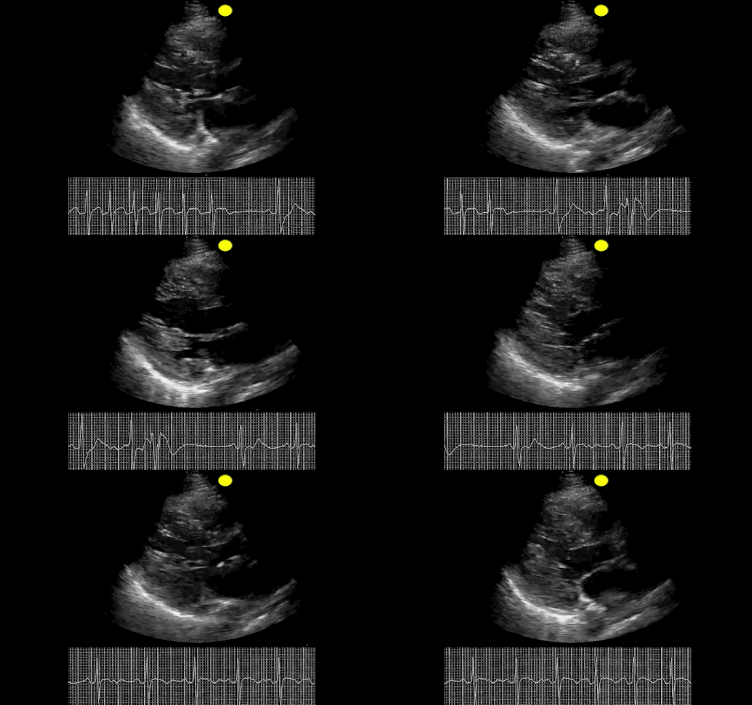
30 year-old patient presents with palpitations. A parasternal long-axis clip is shown below along with the rhythm strip. What's the diagnosis and what drug was given during this clip?
Show Answer
Show References
Steroid Use in the treatment of Acute Sciatica
Have you used oral steroids in the treatment of your patient with acute sciatica thought to be secondary to a herniated disk.
Well a recent randomizaed, double-blind, placebo-controlled trial from 2008 to 2013 in a large integrated health care system in Northern California enrolled 269 patients to look at whether steroids improved pain or function. The intervention arm (twice as large as placebo arm) received a tapering 15-day course of oral prednisone (5 days each of 60 mg, 40 mg, and 20 mg; total cumulative dose = 600 mg; n = 181).
In the end there were no differences in surgery rates at 52-week follow-up, and the steroid arm had a modest improvement in function but no improvement in pain. There were also more adverse events at 3-week follow-up in the prednisone group than in the placebo group.
Conclusion: Giving steroids for acute sciatica does not appear to improve the patients pain, only has a modest improvement in function, and was associated with more adverse events. Put another way there was minimal benefit and more harm.
You can check out the full article at http://jama.jamanetwork.com/article.aspx?doi=10.1001/jama.2015.4468
Show References
Sodium valproate (VPA) had been studied and found to be effective in the adult population for migraines, but not in the pediatric population. This article was a small (12 patient) retrospective study of pediatric migraine patients looking at pain scores before and after VPA administration. Prior to VPA, patients received NSAIDs, dopamine antagonists, IV fluids and narcotics. Mean pain reduction prior to VPA was 17%. After VPA, pain scores were reduced by an additional 36%.
Show References
Recently, there has been a surge in synthetic cannabinoid in the U.S., including the Baltimore area. According to U.S. poison control center data, there has been 229% increase in calls related to SC between January to May of 2015 compared to similar time period in 2014.
The most commonly reported adverse/clinical effects included:
- Agitation: 35.3%
- Tachycardia: 29%
- Drowsiness/lethargy: 26.3%
- Vomiting: 16.4%
- Confusion: 16.4%
End-organ injuries have been also reported in case reports, including AKI, seizure, MI, and CVA.
Synthetic cannabinoid includes a list of chemical compounds that are structurally different compared to THC – the active compound in marijuana. However, they possess full CB1 (cannabinoid) receptor agonism effect, unlike the THC, which is a partial CB1 receptor agonist.
These chemicals (particularly JWH series) were originally synthesized to study the effect of cannabinoid receptors. Overall, it is difficult to identify the compound and the dose within each packets of SC.
Commonly marketed names include: Spice, K2, K9, herbal highs, Scooby snax, WTF.
Table. Identified synthetic cannabinoids
| Chemical name | Chemical origin |
| JWH-018; JWH-073; JWH-250 | Laboratory of J.W. Huffman |
| CP47,497; CP47,497-C8; CP59,540; cannabicyclohexanol | Pfizer laboratory |
| HU-210 | Hebrew University laboratory |
| Oleamide | Fatty acid |
| UR-144 | CB2 receptor agonist |
| XLR-11, AKB-48, AM-2201, AM-694 |
|
Management: Majority of the patients with acute SC intoxication mostly requires supportive care, including benzodiazepine for acute agitation. However, ED providers should be mindful of potential end-organ injury.
Show References
While most infections from parasites are associated with poor communities in low-income countries, there are still some important parasitic infections found in the United States.
The U.S. Centers for Disease Control and Prevention (CDC) has identified 5 parasitic diseases as priorities for public health action based upon:
- Number of infected individuals
- Severity of illness
- Ability to prevent and treat the diseases
These are
- Chagas Disease
- More than 300,000 people in the U.S. are infected with Trypanosoma cruzi, the parasite that causes Chagas disease
- Cysticercosis
- At least 1,000 people are hospitalized annually with neurocysticercosis
- Toxocariasis
- 70 individuals, mostly children are blinded annually from toxocariasis
- Toxoplasmosis
- More than 60 million individuals carry Toxoplasma gondii, but it usually doesn’t cause symptoms in immunologically competent individuals.
- However, it is the 2nd leading cause of death from foodborne illness and it can cause severe problems during pregnancy and in immunocompromised individuals.
- Trichomoniasis
- 3% of women in the U.S. are infected with this sexually transmitted parasite
- 1.1 million people newly infected annually
Bottom line:
Remember to keep your differential broad and maintain awareness of these generally unusual but important infections.
Show References
Renal Resuscitation using Renal Interlobar Artery Doppler (RIAD)
Shocked patient…. check! Adequate volume resuscitation…. check! Vasopressors.… check! Mean arterial pressure (MAP) > 65 mmHg….. check! Adequate urine output…. Wait, why isn’t my patient making urine?
As we begin to understand more about shock, hemodynamics, and the importance of perfusion over the usual macrocirculatory goals (MAP > 65), finding ways to assess regional blood flow is critical. A recent study examined the effect of fluid administration on renal perfusion using renal interlobar artery Doppler (RIAD) to assess the interlobar resistive index (RI). See how to perform a RIAD here.
They also recorded the fluid challenge’s effect on the traditional hemodynamic measurements of MAP and pulse pressure (PP) then observed the patient’s urine output (as a clinical marker of perfusion). The authors reported 3 key findings:
- In the hemodynamically impaired patient, a fluid challenge results in reduced intrarenal vasoconstriction (a reduction in the RI).
- In the hemodynamically impaired patient, changes in RI are more effective than changes in MAP or PP in predicting an increase in urine output after a fluid challenge.
- Using RI to guide fluid therapy may be limited by small changes and technical limitations.
Bottom Line: The use of ultrasound to determine intrarenal hemodynamics is an interesting strategy to guide renal resuscitation in the shocked patient. There is mixed data on the use of RIAD, however this study could explain the findings of SEPSISPAM and also addresses the growing concern that traditional hemodynamic goals may be inadequate resuscitation targets.
References
- Moussa MD, Scolletta S, Fagnoul D, et al. Effects of fluid administration on renal perfusion in critically ill patients. Crit Care. 2015;19(1):250.
- Asfar P, Meziani F, Hamel JF, et al. High versus low blood-pressure target in patients with septic shock. N Engl J Med. 2014;370(17):1583-93.
For more critical care & resuscitation pearls, follow me on Twitter @JohnGreenwoodMD
Question
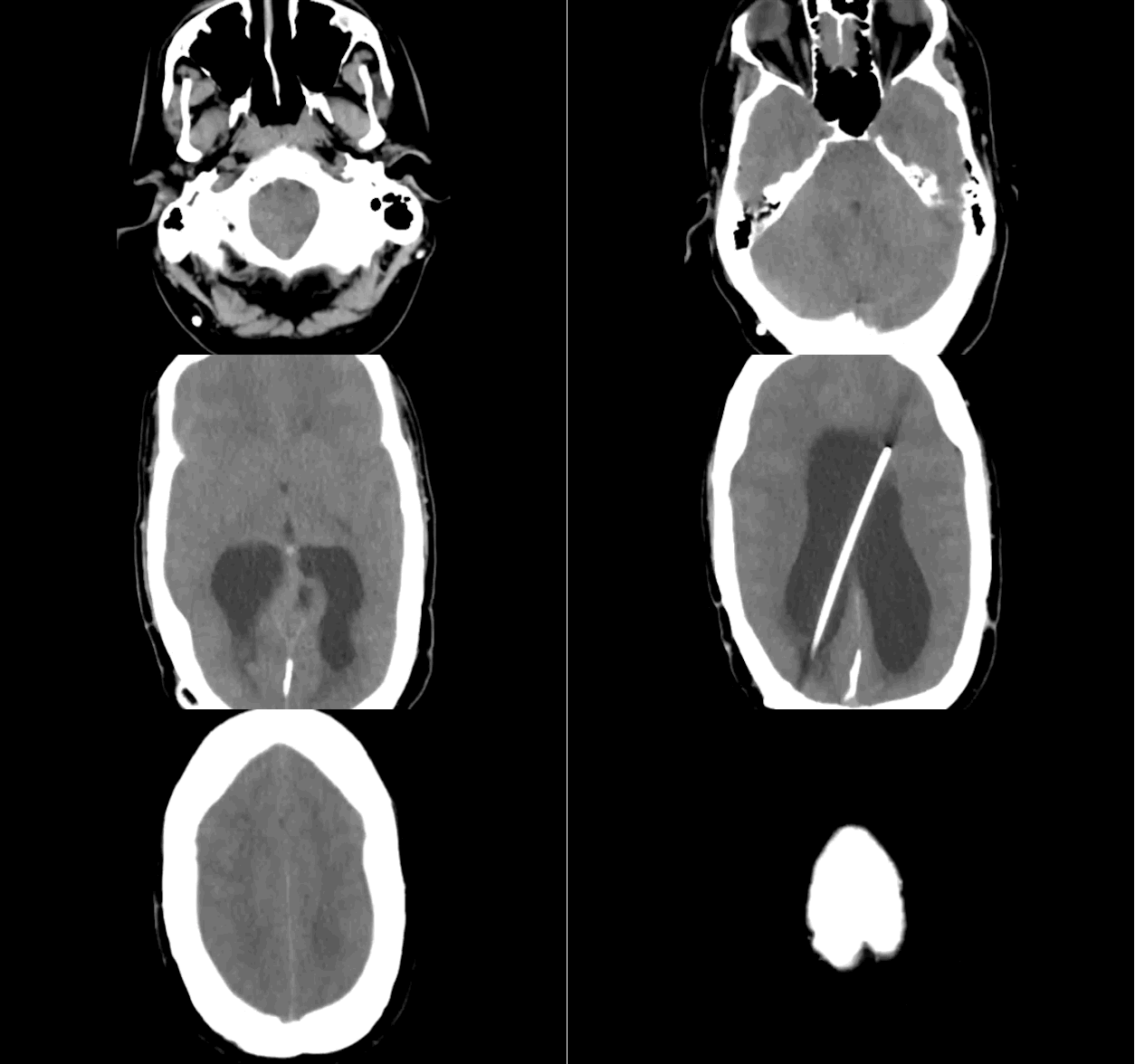
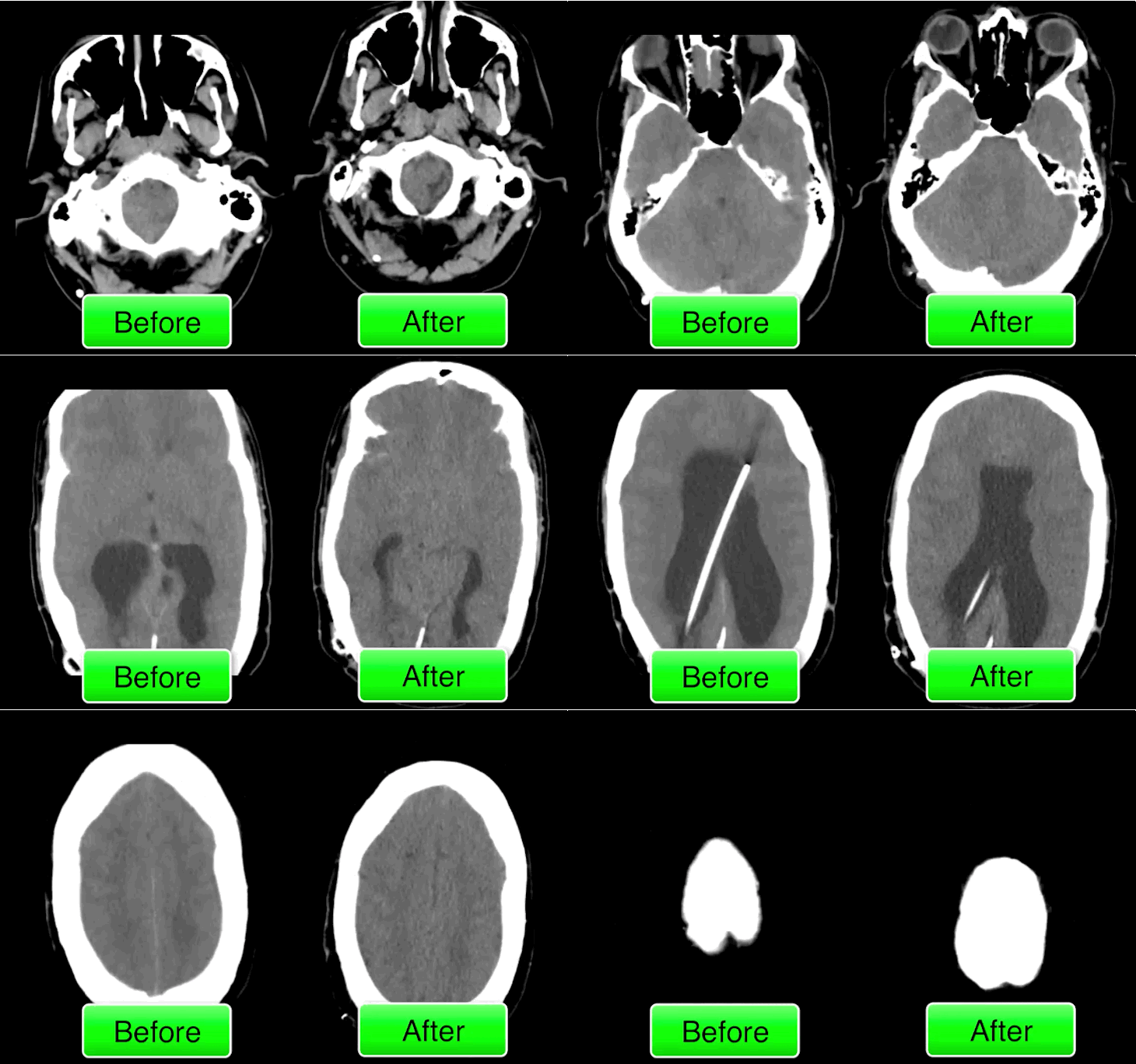
Patient presents with headache and papilledema. What's the diagnosis?
Show Answer
Show References
Posterolateral Corner Injury
Hx: hyperextension injury (contact and non contact), varus directed blow to flexed knee, direct blow to anteriomedial knee. Report instability symptoms when knee is in full extension.
PE: Varus stress testing
Varus laxity at 0 indicate LCL and cruciate ligament (ACL/PCL) injury
Varus laxity at 30 indicates LCL injury
Dial test - inspects the external rotation at the knee joint/performed in both 30 and 90 knee flexion. The dial test inspects the external rotation at the knee joint
https://www.youtube.com/watch?v=pW4yv0zg4RY
Positive at 30 = > 10 external rotation asymmetry = isolated PCL injury
Positive at 30 & 90 = Posterior lateral corner injury and PCL injury
- Evidence-based guidelines recommend therapeutic hypothermia in adults following resuscitation from cardiac arrest.
- Very few trials exist for children.
- The most recently published study on the subject (New England Journal of Medicine, May 2015) was of 295 children aged 2 days to 18 years old, at 38 different childrens hospitals who underwent targeted temperature management.
- There was no significant difference in primary outcome between the hypothermia and normothermia groups. One year survival and 28-day survival were similar, as were incidences of infection, serious arrhythmias, and use of blood products.
- "In comotose children who survived out-of-hospital cardiac arrest, therapeutic hypothermia, as compared with therapeutic normothermia , did not confer a significant benefit in survival with a good functional outcome at 1 year."
Show References
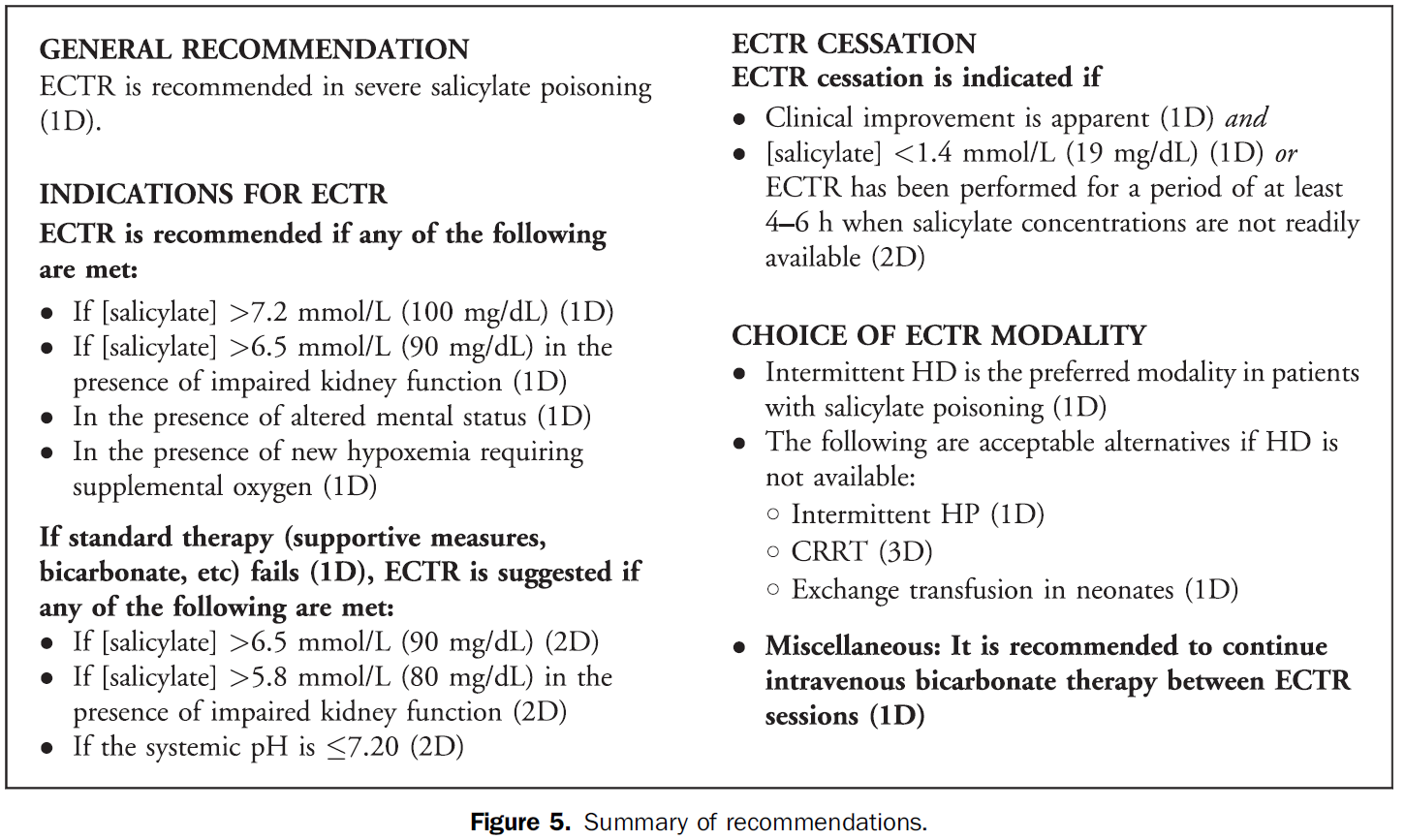
The Extracorporeal Treatments in Poisoning (EXTRIP) Workgroup has published their latest review, this time on extracorporeal treatment for salicylate poisoning. Here are their recommendations on when to dialyze:
Show References
What is the ICH Score?
- The most recent AHA/ASA guideline for spontaneous intracerebral hemorrhage (ICH) recommends the use of a clinical severity score for communication.
- While the NIHSS is used for ischemic stroke, its utility may be limited in ICH due to commonly depressed mental status.
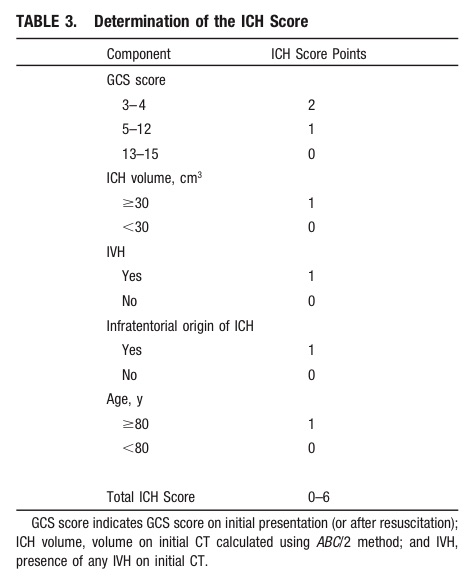
- The ICH Score is the most widely used and externally validated risk stratification scale:
- An ICH Score calculator is available on MDCalc: (http://www.mdcalc.com/intracerebral-hemorrhage-ich-score/)
Take Home Point: Communicate the severity of your ICH patient by using either the composite ICH Score or by including details such as the patient's GCS, estimated volume of ICH, presence of IVH, and supra- vs. infratentorial origin.
Show References
Intraosseous (IO) placement is a rapid and reliable method for obtaining venous access in critically ill patients; previous studies demonstrated that everything from vasopressors to packed RBCs can be infused through it.
This prospective observational study compared the first-pass success rate and time to successful placement of IO versus landmark-based (i.e., not ultrasound guided) central-line placement (femoral or subclavian access) during medical emergencies (e.g., cardiac arrest) in an inpatient population.
The first pass success rate for IO was found to be significantly higher than the landmark technique (90% vs. 38%) and placement was significantly faster for IOs (1.2 vs. 10.7 minutes).
Despite the fact that this study did not directly compare IO to ultrasound guided line placement, this study demonstrates that IO is a rapid and effective means to obtain central access during patients with emergent medical conditions.
Bottom-line: Consider placing an IO line when rapid central access is necessary.
Show References
Question
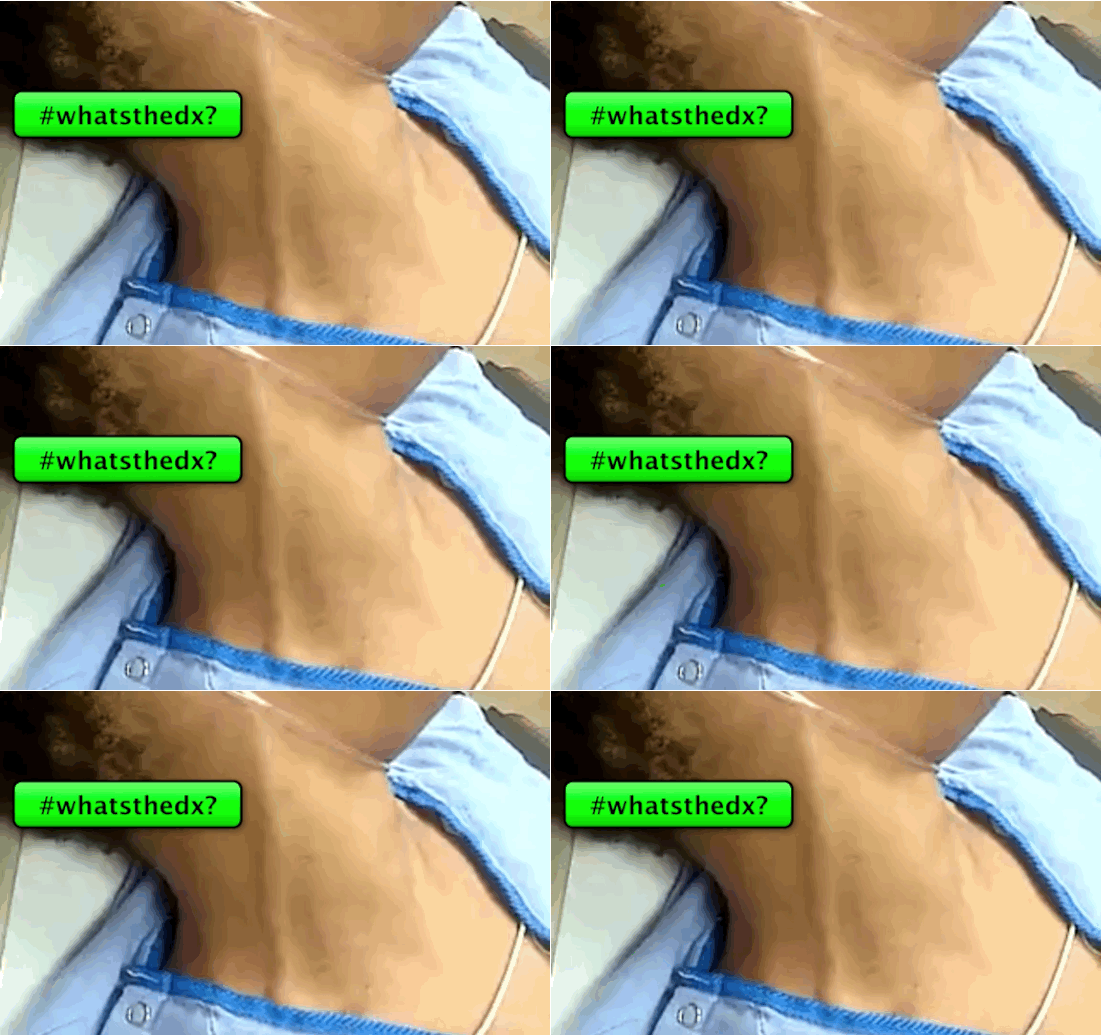
The following clip is one of three findings found in Beck’s triad. Name all three findings and how often are all 3 signs present for patients with pericardial tamponade?
Show Answer
Show References
Vancomycin guidelines recommend an initial dose of 15-20 mg/kg based on actual body weight (25-30 mg/kg in critically ill patients). [1] The MRSA guidelines further recommend a max dose of 2 gm. [2]
But, what dose do you give for an obese patient that would require more than 2 gm?
A new study provides some answers to this question. [3] Obese-specific, divided-load dosing achieved trough concentrations of 10 to 20 g/mL for 89% of obese patients within 12 hours of initial dosing and 97% of obese patients within 24 hours of initial dosing.
Application to Clinical Practice
- Calculate the total loading dose. At my institution we use actual body weight (the study used IBW).
- Divide the total dose to be given every 6 hours until load is complete. We cap each individual dose at 2 gm (the study used 1.5 gm).
- Measure a trough level before the third dose.
- Change to dosing frequency dictated by renal function once level moves into target range.
Caveats
The study used some more specific dosing calculations based on renal function and percentage above IBW. If patient's renal function is abnormal, consultation with a pharmacist is recommended.
Show References
Electronic cigarettes are battery-powered devices that deliver nicotine, flavorings, (e.g. fruit, mint, and chocolate), and other chemicals via an inhaled aerosol. E-cigarettes are currently not regulated by the FDA. In many states, there are no restrictions on the sale of e-cigarettes to minors.
Electronic cigarette exposures involving young children are rapidly increasing. Such exposures tend to involve patients aged < 5 years and occur by ingestion of the nicotine-containing liquid. There is a potential for acute nicotine toxicity (nausea, vomiting, pallor, diaphoresis, tachycardia, hypertenstion initially). Respiratory muscle weakness with respiratory arrest is the most likely cause of death.
To date, the overwhelming majority of pediatric ingestions have not resulted in serious medical outcomes. The most commonly reported adverse events were nausea and vomiting.
However, in May of 2014, the first pediatric case of toxicity from ingestion of e-cigarette nicotine liquid was reported. A 10-month old ingested an unknown amount of e-liquid and developed vomiting, tachycardia, grunting respirations, and ataxia. The symptoms resolved by 6 hours after ingestion without specific treatment.
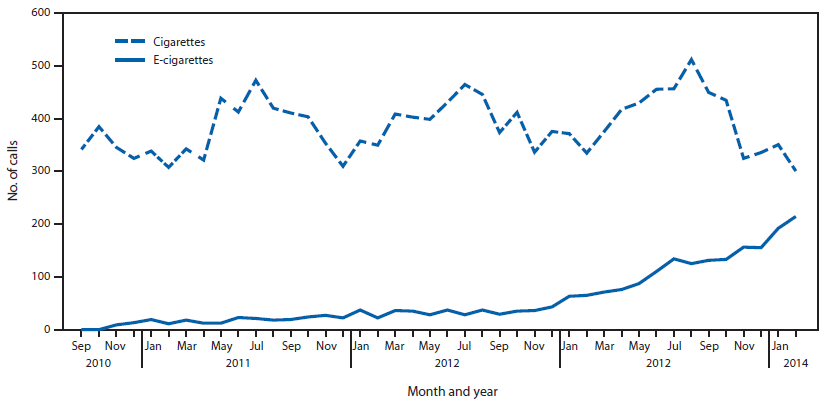
(1) The figure above shows the number of calls to poison centers for cigarette or e-cigarette exposures, by month, in the United States during September 2010 February 2014. E-cigarette exposure calls per month increased from one in September 2010 to 215 in February 2014.
Show References
Introduction:
As noted in the previous pearl (May 20, 2015), globally diarrheal diseases are the second leading cause of death for children under five- killing approximately 760,000 annually. What can be done to prevent and treat diarrhea, especially among young children?
Prevention of diarrheal illness:
- Improve access to safe drinking water
- Improve access to sanitary facilities (i.e.- toilets)
- Keep drinking water and sewage separate!
- Good personal hygiene
- Hand washing with soap
- Good food hygiene
- Breastfeeding during the first 6 months of life
- Improved health education for individuals and communities
- Especially about the spread of infectious diseases
- Increased rotavirus vaccination
Treatment of diarrheal illness:
- Oral rehydration salts (ORS)
- Made from clean water, salt and sugar
- Cheap (a few cents per treatment)
- Absorbed in the small intestine
- Replaces water and electrolytes lost in the diarrheal stools
- Zinc supplements
- Reduces duration and volume of stools
- Intravenous rehydration for severe dehydration or shock
- Nutrient-rich food (including breast milk) as tolerated during an episode
- Generally- good nutrition and a nutritious diet to keep children healthy
- Appropriate (and selective) use of antibiotics
- Not appropriate for most cases of diarrhea in young children
Bottom Line
Diarrheal diseases kill hundreds of thousands of children in developing countries each year. Appropriate prevention measures (clean water, improved sanitation) can markedly decrease the burden of disease. Appropriate treatment (ORS) can save lives for pennies.
Show References
High Flow Nasal Cannula (HFNC) in acute respiratory hypoxemia
- HFNC has been used for a variety of patients with respiratory distress (See previous pearl: https://umem.org/educational_pearls/2411/)
- The benefits include:
- Low levels of positive pressure in the upper airways
- High flow rates, titratable oxygen levels, humidied air, more comfort than NIV
- Decreases physiological dead space by flushing out CO2 therefore improving oxygenation
- A recent trial published in NEJM looked at using HFNC in patients with respiratory failure
The Trial:
- Patients without hypercapnia and with acute hypoxemic respiratory failure (PaO2/FiO2 <300 or less) were randomized to HFNC, standard oxygen therapy via face mask, or non-invasive positive pressure ventilation (NIV).
- Primary outcome was proportion of patients intubated at day 28
- 310 patients in European ICUs
Results:
- Intubation rate (p=0.18): 38% in the HFNC; 47% in the standard group; 50% in the NIV
- Number of ventilator free days at day 28 was significantly higher in the HFNC
- Higher mortality at 90 days with NIV
- No difference in intubation rates but there were more ventilator free dates as well as a lower 90 day mortality
Bottom line:
Consider using HFNC prior to or while deciding on intubation in patients with hypoxemic respiratory failure usually due to pneumonia
Show References
We all dread performing lumbar punctures on the obese patient. The traditional standard length spinal needle (9 cm) is becoming increasingly inadequate in reaching the subdural space in our overweight society.
Abe et al developed a formula for selecting the proper needle length to reach the middle of the spinal canal from the skin using retrospective CT data from 178 patients.
Length of needle (cm) = 1+ 17 x Weight (kg)/ Height (cm)
Given the average height of the American woman (163 cm or 5’4’’) our standard length spinal needle will FAIL to reach the mid-thecal space if a woman weighs more than 170 lb (75 kg)!!!
Paul Blart Mall Cop, and King of Queens star Kevin James (5’8’’, 285 lb) would require a 13.7 cm spinal needle. This means even our long spinal needles (12.7 cm) would FAIL by 1 cm.
Note that this formula resulted in selection of needles too small (6%) and too long (31%) of the time. Abe’s linear correlation had an R value of 0.81, (p<.001)
Bottom-Line: Consider use of a long spinal needle (12.7 cm) or IR guided LP in overweight /obese patients and the above formula to guide your depth of insertion
Show References
Stress-Induced Cardiomyopathy
- Stress-induced cardiomyopathy (SIC) can be seen in a variety of critical illnesses, especially severe neurologic conditions.
- SIC is believed to be caused by excess sympathetic stimulation of the myocardium.
- When managing a patient with SIC, limit further catecholamine exposure by avoiding vasopressors if possible.
- If the patient requires inotropic support, consider using an agent without catecholamine activity, such as milrinone.